
Business
McDonald’s Ruling Ignites Business-Labor Firestorm


In this Tuesday, Jan. 21, 2014, photo, cars drive past the McDonald’s Golden Arches logo at a McDonald’s restaurant in Robinson Township, Pa. McDonald’s reports quarterly earnings on Thursday, Jan. 23, 2014. (AP Photo/Gene J. Puskar)
(USA Today) – Labor advocates are claiming a big victory after a federal agency said Tuesday that McDonald’s central, corporate operations can be lumped in with its thousands of franchises for liability purposes.
The world’s largest fast-food chain promises to fight a National Labor Relations Board decision that it says “changes the rules for thousands of small businesses.”
“HUGE victory for labor & fast food workers!” tweeted the Service Employees International Union. The union was responding to news as relayed in a The New York Times report that McDonald’s corporate apparatus must address workers’ complaints that they were fired or disciplined for participating in protests calling for higher wages.
U.S. Chamber of Commerce spokesman Randy Johnson says in a news release the NLRB move “upends existing law and is part of a larger agenda at the NLRB to overturn the joint-employer standard.”













Black Press
Black Household Wealth Plummeted 25% in Three Years, New Data Shows
MICHIGAN CHRONICLE — A new analysis of Federal Reserve data reveals that median wealth for Black households dropped 25% between 2022 and 2025, falling from $49,100 to $36,800. This decline occurred while White, Hispanic, and Asian households experienced increases in their median net worth, further widening the national racial wealth gap.

Median wealth among Black households fell 25% between 2022 and 2025, widening the racial wealth gap even as White, Hispanic, and Asian households saw their median net worth increase, according to a new analysis of Federal Reserve data.
Center for Economic and Policy Research (CEPR) director of race and economic justice, Algernon Austin, shared in an analysis published Tuesday (October 13) that median wealth among Black households fell from $49,100 in 2022 to $36,800 in 2025, a 25% decline.
In comparison, median wealth reached $332,100 for White households, $79,600 for Hispanic households, and $677,600 for Asian households in 2025, according to CEPR.
While Black households lost wealth, these groups saw their median wealth increase between 2022 and 2025. In 2025, Black households’ median wealth was $179,100 below the national median, up from a $162,000 gap in 2022.
Austin’s analysis suggests declining home, vehicle, and retirement account values contributed to the drop. The share of Black households with nonfinancial assets also declined from 81% to 78.4%.
The findings come as broader household wealth gains slowed and financial strain increased.Reuters reported earlier this month that the Federal Reserve’s latest Survey of Consumer Finances found the share of families spending at least 40% of their income on debt payments rose from 6.5% in 2022 to 8.6% in 2025.
The latest findings add to longstanding concerns about the racial wealth gap. A 2017 report by Prosperity Now and the Institute for Policy Studies projected that median Black household wealth could reach zero by 2053 if existing trends continued, raising questions about the long-term financial security of Black families.
That figure was a projection based on trends at the time, not a confirmed outcome.
The Black Information Network is your source for Black News! Get the latest news 24/7 on The Black Information Network. Listen now on the iHeartRadio app or click HEREto tune in live.
Based on reporting by Michigan Chronicle.
Art
Kickstarter CEO Everette Taylor Shares Tips on Creating and Growing a Business
HOWARD UNIVERSITY NEWS SERVICE — Everette Taylor, the CEO of the global crowdfunding platform Kickstarter, recently visited Howard University to serve as the inaugural guest for the Cathy Hughes School of Communications’ new speaker series. Addressing students at the Founders Library, Taylor emphasized that the future of business belongs to those who are bold enough to take risks.
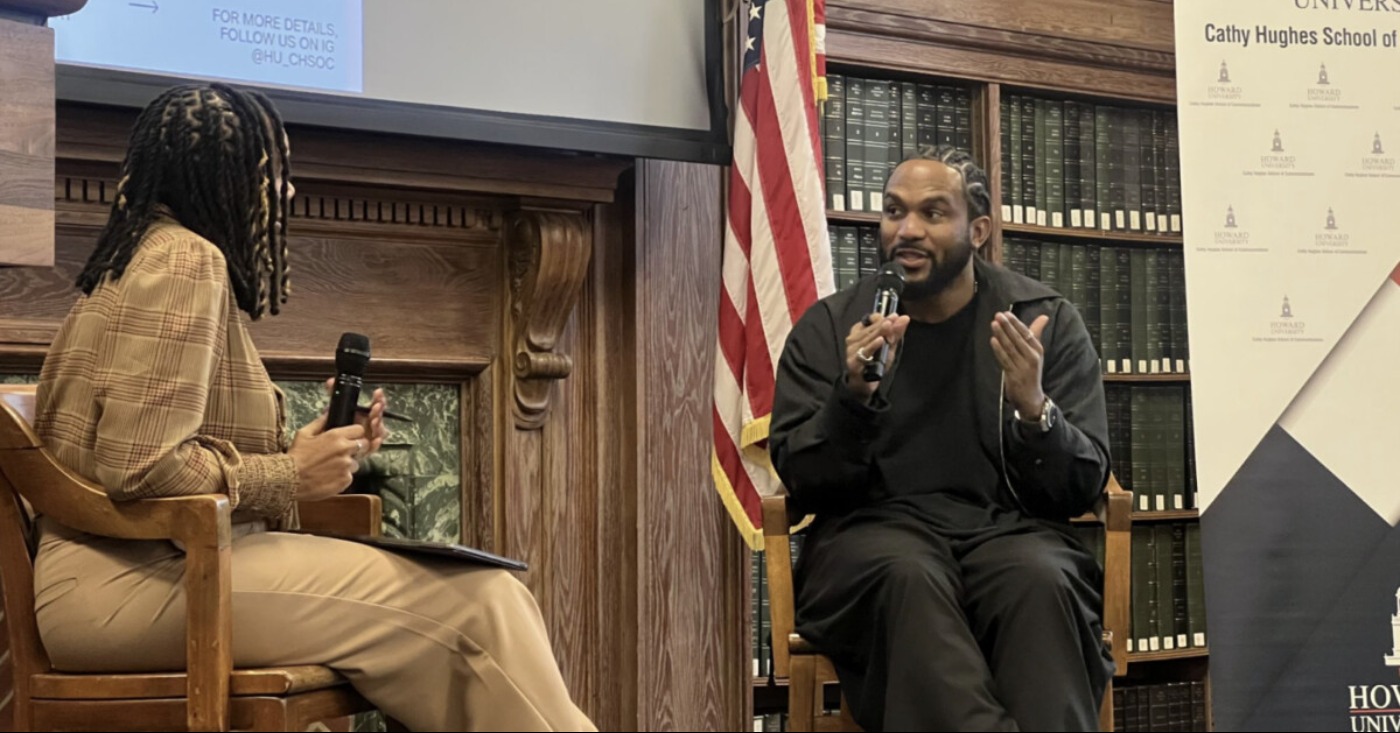
WASHINGTON (HUNS) — “The future belongs to creators who are bold,” Everette Taylor, CEO of crowdfunding platform Kickstarter, told students at Howard University during a recent visit.
As Taylor discussed his journey, he tested the boldness of students by inviting them to share their ideas during an impromptu pitch session at the Cathy Hughes School of Communications’ new speaker series in the Browsing Room of Founders Library. The inaugural speaker then shocked one group of students by pledging to invest in their thesis film, paying forward the opportunities that have lifted him as he struggled to pursue his dreams.
Taylor grew up in a low-income neighborhood in Richmond, Virginia, where he frequently encountered gang violence and drug dealing amid periods of homelessness.
Not feeling as if he conformed to conventional ideas of success, he eventually found inspiration in Jay-Z who balanced being an artist and an entrepreneur. Similarly, Taylor carved his own route, launching and growing various businesses.
He gained enough recognition to land on the 2018 Forbes’ 30 Under 30 list in marketing and advertising. In 2022, Forbes also named him as one of the top 50 most entrepreneurial CMOs when he was chief marketing officer of Artsy, an online art gallery and marketplace. That same year he took over Kickstarter, and the company reported a year-over-year revenue increase of 50% in the first quarter of 2026.
Taylor encouraged the audience through his story, but he also gave practical advice to help students who share his zeal to create and grow their business.
He explained that his mentor, Artsy CEO Mike Steib, helped him make the transition from being a CMO to becoming CEO at Kickstarter.
“These opportunities I don’t take for granted,” Taylor said, adding that Steib was “the first leader I had to take me under his wing.”
When he began his position at Kickstarter, Taylor said, “I had zero imposter syndrome, because I felt like I was ready for it, and it was because this person invested in me over the past few years.”
“A lot of my journey was me just hustling and being bold enough to ask for what I want, but I also need people to give me an opportunity.”
This idea of giving people opportunity impacts his business philosophy, as Taylor estimates that the number of African American employees grew exponentially since he’s been in leadership.
“Kickstarter was I think less than 2% Black, and at our peak I had gotten it to 20-something percent Black,” Taylor said.
Even then, Taylor also saw a need for representing other perspectives. “We still serve people globally, so we need people from different countries and cultures,” he said. “If you’re building a global company, it’s important to build a diverse base of people.”
“I always want to impact more lives, and that always leads to more results.”
Everette Taylor, CEO of Kickstarter
With the success Taylor had after becoming CEO of Kickstarter, he also found a need to prioritize his health.
“This is the first year that I’ve started the year with zero business goals,” he said. “For the first time, my goals have been centered around my health.”
He cites the illness of a friend who appeared to be healthy. Seeing his friend, who is also a successful entrepreneur, endure illness pushed him to prioritize his health.
“Business, I can do that in my sleep, but for me right now I’m so much more focused on setting goals for myself, and I know that’s going to impact the work that I do by feeling healthier and being a better version of myself.”
Samantha Housen, a sophomore public relations major and interior design minor from Harlem, attended the event to gain knowledge to grow her non-profit and for-profit businesses.
“I’m here because I want to explore more of the details of entrepreneurship from an actual professional,” Housen said, and to “see how his mindset could help me in my entrepreneurship.”
“My biggest takeaway is that I’m bold, and it’s OK to be bold,” she said. “I very much have the authority to do whatever I seek to do.”
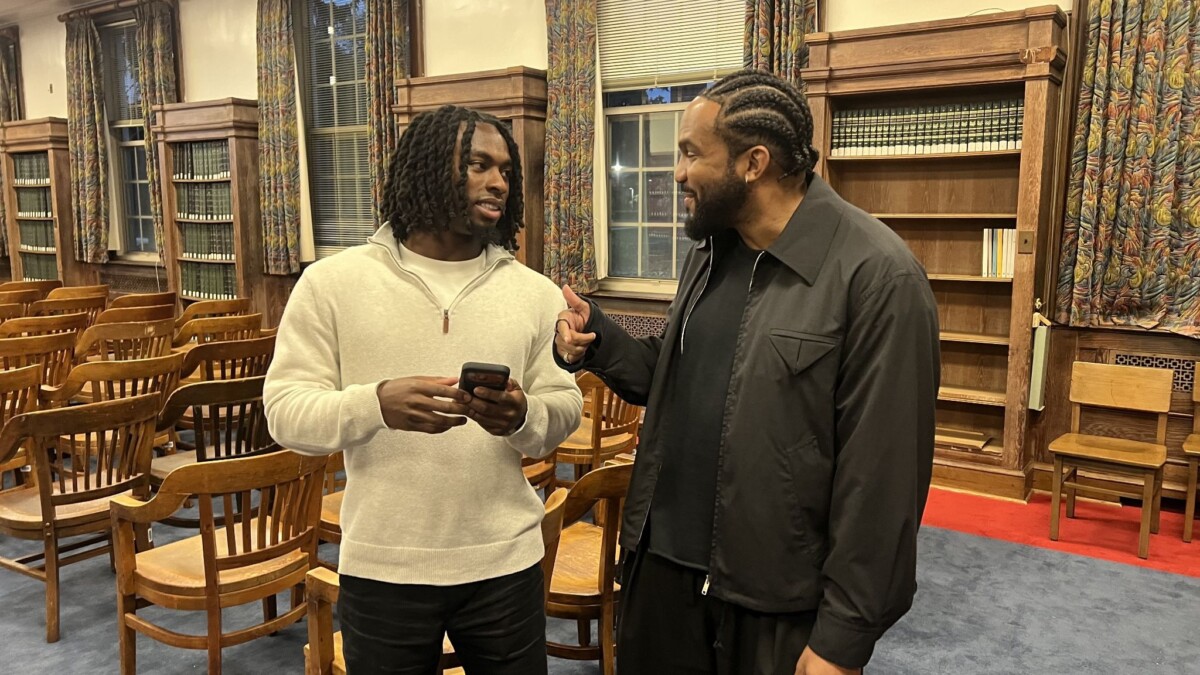
Kimberly Moffitt, Ph.D., dean of the Cathy Hughes School of Communications and host of the event, said she was excited about the speaker series.
“It’s because of students,” Moffitt said. “They felt like they weren’t hearing enough from people who are already post-graduation and successful. They wanted to hear those voices. So, this is an opportunity for me to bring folks to campus so they could reach out, talk and interact with folks that they aspire to be like or will be inspired by.”
Moffitt was excited for students to see someone who looked like them and carried themselves authentically in a position of high acclaim.
“He is showing you a different path, and letting you know that it’s OK to be who you are and show up in that space and not have to apologize,” Moffitt said of Taylor.
Moffitt also wants to encourage students to make the most of the speaker series. She gives details on upcoming speakers and the importance of hearing these people tell their stories.
“Those of you who want to be in TV and film, those jobs are different now,” she said. “You have to hustle in a different way.”
“I need our students to think about entrepreneurship in all that they do,” Moffitt added. “I want students to leave with that so that they have it in their back pocket should they need to draw on it.”
After the event. Taylor explained why boldness is essential to his success at Kickstarter.
“It’s for the grind and the ambition — not settling for status quo and mediocrity, and really going for it,” he said. “I always want to impact more lives, and that always leads to more results.”
Solomon Goins is a reporter for HUNewsService.com.
Based on reporting by Howard University News Service.
Black History
Jamika Phillips: Software Engineer Turned Manicurist Entrepreneur
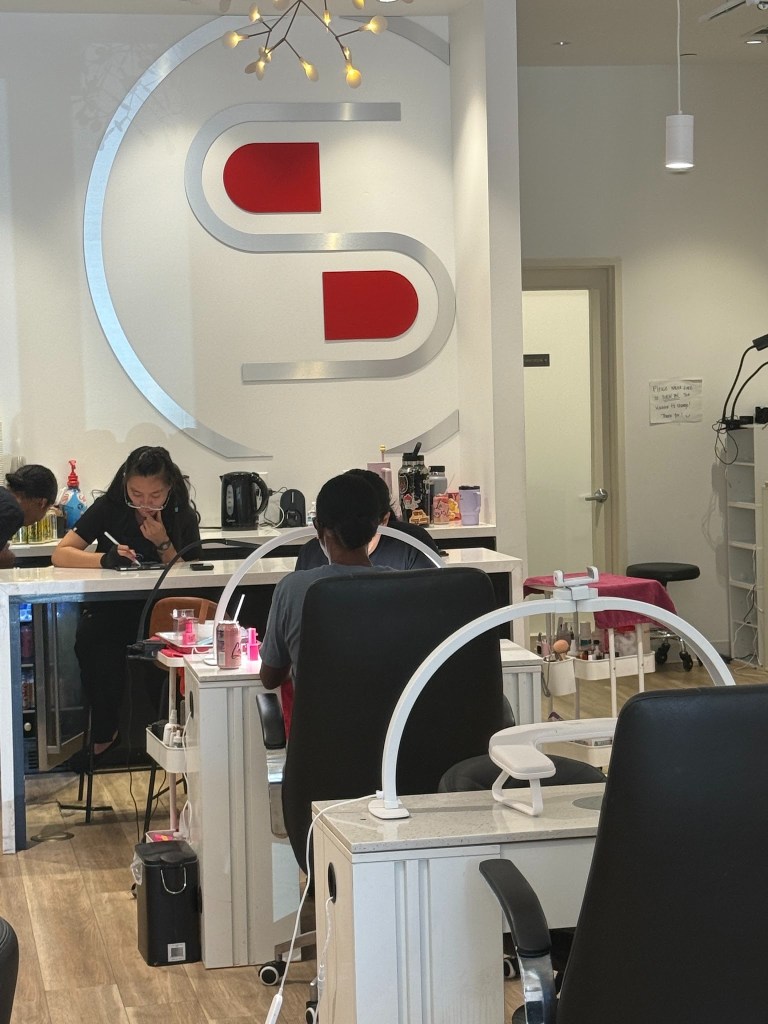
HOUSTON DEFENDER — Jamika Phillips transformed a two-decade-old dream into Shades The Nail Bar, a Sienna-area salon she opened in January 2022. Phillips, who spent over 20 years in software engineering and global process management, envisioned a nail salon that fosters community, quality care, and client education, aspiring to be the “Cheers” of nail salons.
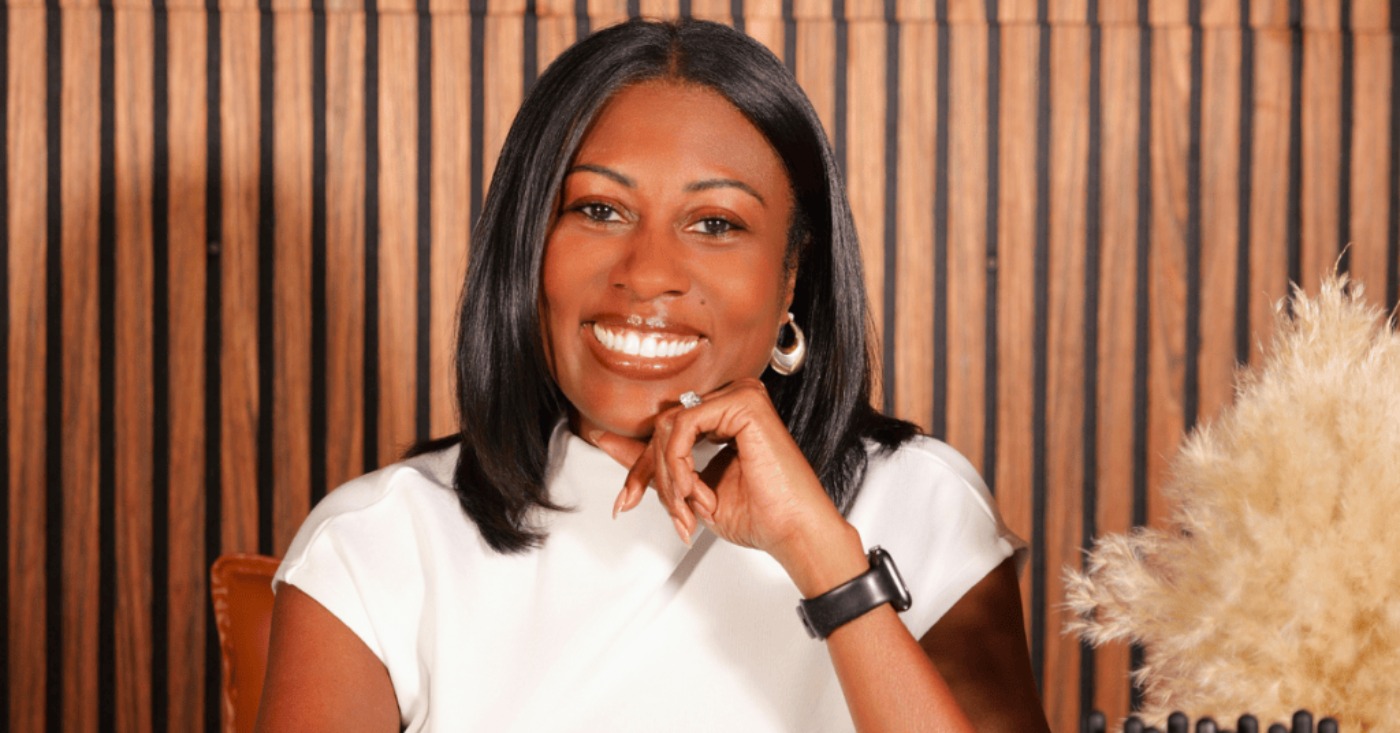
For Jamika Phillips, getting your nails done should feel like more than another appointment squeezed onto an already crowded calendar.
She wanted a place where the person doing your nails knows your name, remembers what you drink, what colors you like, and maybe even what was happening in your life the last time you sat in their chair.
“I kind of wanted to be the ‘Cheers’ of nail salons,” Phillips said. “I wanted clients to be able to have a community where they could come and know their nail techs, know that they were getting quality care with their nails, and know that we would give them education.”
That vision became Shades The Nail Bar, the Sienna-area salon Phillips opened in January 2022 after leaving a career that had nothing to do with the beauty industry.
A dream decades in the making
Phillips spent more than 20 years in corporate America, working in software engineering and global process management. Her background is in computer science, but the idea of owning a nail salon wouldn’t go away.
“I have notes back from probably 2000 where I would think about the names of the salons that I wanted,” Phillips said. “I still have these pages, and I look back at them and thank God for them every day.”
While still working full time, Phillips enrolled in manicurist school, working her corporate job during the day and attending classes at night and on Saturdays until she earned her license.
“I would work from 9 to 5. I would go to school from 5 to 9 Monday through Friday, on Saturdays from like 8 to 2,” she recalled.
“There were a lot of people that said, ‘Are you sure you want to do this?’…’ `There’s a lot of competition’… ‘Typically, not a lot of Black people own nail salons.’ I refused to let that stop me.”
Jamika Phillips
After moving to Houston with her husband, Phillips prepared to open a salon in the city. She had signed a letter of intent and was about a week away from signing a lease when the COVID-19 pandemic hit.
“I thank God I did not sign the lease,” Phillips said.
The setback redirected her closer to home. While driving through Sienna, where her family lives, Phillips spotted an available space, pulled over, and called the number. The space was available. Shades The Nail Bar was on its way.
Creating a different kind of nail salon

Phillips knew she was entering a crowded industry, but she also saw an opportunity as a Black woman entering a business where few salon owners looked like her.
“There were a lot of people that said, ‘Are you sure you want to do this?’” she said. “There’s a lot of competition. There are nail salons every two miles from each other. Typically, not a lot of Black people own nail salons.”
Instead of discouraging her, Phillips said the skepticism became “ammunition” to keep going.
“Black women spend tons of money in the nail care industry,” Phillips said. “So it was something that I said, we got to do this.”
Even the name Shades was intentional.
“I wanted shades to represent not just the nail polish colors, but I wanted it to represent different shades of nail technicians as well as clientele,” she said.
Today, her staff includes Black, Hispanic, and Asian nail technicians, reflecting the diverse community the business serves.
The salon is also acrylic-free, offering alternatives including builder gel, polygel, and Gel-X. Phillips researches products and often tries them herself before introducing them to clients.
“I’m always looking at new ways to make Shades different.”
Those differences extend beyond nail services. Shades offers complimentary beverages, cleans clients’ rings during appointments, and emphasizes sanitation and nail health.
@shadesthenailbar 50 looks GOOD on you, Lolita! 🥂✨💅🏾 We had the pleasure of being part of Lolita’s 50th birthday celebration, and hearing her share her experience at Shades made it even sweeter. ❤️ There’s something special about celebrating a milestone with a little self-care, beautiful nails, and GOOD energy. Thank you, Lolita, for choosing Shades to be part of such a special birthday. Here’s to 50 and FABULOUS! 🎂✨ Celebrating something special? Come celebrate with us. Book now at ShadesTheNailBar.com 📍 9101 Sienna Crossing Dr., Suite 160 Missouri City, TX 77459 #ShadesTheNailBar#50thBirthday#BirthdayNails#MissouriCityNails#SiennaTX#HoustonNails#BirthdayCelebration♬ original sound – Shades The Nail Bar
But Phillips said its biggest distinction is the relationships.
“We’ve seen them have babies. We’ve seen them lose their babies. We’ve seen them lose their parents. We’ve seen marriages, divorces,” Phillips said. “I mean, we are there for them.”
Staff members send cards and cookies during important moments and often know a regular client’s preferred drink before the client asks.
“We really do try to build and bond a relationship with our clientele so that they know that, hey, we are here for them,” Phillips said.
Shades also supports local schools, churches, and Fort Bend-area charitable efforts.
Corporate lessons meet entrepreneurship
Phillips may have traded software engineering for nail polish, but she didn’t leave her corporate experience behind. She said the leadership, teamwork, and organizational skills she developed during more than two decades in corporate America became the foundation for running Shades.
“I can’t say that I was an entrepreneur by trade,” she said. “A lot of those things — the leadership, the teamwork, the organizational skills — all those things were built over my corporate career.”
Entrepreneurship brought its own lessons, from finding vendors who understood her vision to keeping detailed financial records, building the right team, and maintaining strong customer service.
Phillips credits her husband and children with supporting her through missed family dinners and soccer games. She also credits mentor LeeVera Smith, a business adviser with the Small Business Development Center, with helping her develop the business plan that became Shades’ foundation.
“Jamika is one of those people who wants to learn everything to bring her customers the best experience,” Smith said. “I’m supposed to be her mentor, but I learn so much from her.”
Phillips’ girlfriends also pitched in, proofreading her website, organizing supplies, offering feedback, and talking her through the inevitable difficult days.
Because Phillips knows better than most that dreams don’t always arrive on schedule. Sometimes they sit quietly in notebooks for 20 years before you finally decide it’s time to bet on yourself.
Based on reporting by Houston Defender.
Art
Inside 820 S. Michigan: New Book Captures the Lost World of Ebony and Jet
CHICAGO DEFENDER — A new photography book offers a rare look inside the former Johnson Publishing Company headquarters at 820 S. Michigan Ave., the longtime home of Ebony and Jet magazines. Titled 820 Ebony/Jet: Visions of the Johnson Publishing Company, an American Icon, the book features photographs by Barbara Karant documenting the building’s interiors.

A new photography book is giving readers a rare look inside one of the most important buildings in Black media history.
820 Ebony/Jet: Visions of the Johnson Publishing Company, an American Icon, published Tuesday by MW Editions, features photographs by Chicago photographer Barbara Karant documenting the former Johnson Publishing Company headquarters at 820 S. Michigan Ave., the longtime home of Ebony and Jet magazines. Pasted markdown
The 240-page book preserves the building’s striking interiors, many of which no longer exist in their original form, while also examining the larger cultural legacy of Johnson Publishing Company and its influence on Black media, design, photography and American culture.
Designed by architect John W. Moutoussamy and completed in 1972, the building was the first, and remains the only, high-rise in downtown Chicago designed by an African American architect. Built for publisher John H. Johnson, the headquarters became a physical expression of the ambition and influence of one of the nation’s most important Black-owned media companies.
While the building’s exterior reflected Moutoussamy’s restrained modernist style, the inside told a very different story.
Designers Arthur Elrod and William Raiser filled the headquarters with bold colors, geometric patterns, mirrored surfaces, rich textures and dramatic materials across 11 floors. The result was a workplace that looked unlike the traditional corporate offices of its era. Pasted markdown
Karant began photographing the building after Johnson Publishing sold the property in 2010 and relocated in 2012. Between 2013 and 2015, and again in 2018, she documented the largely vacant interiors after employees and much of the furniture had been removed.
What remained were the colors, patterns and architectural details that had helped define the company’s visual identity.
Her photographs capture spaces ranging from the cafeteria’s orange, purple and gold designs to Eunice Johnson’s cream-and-honey office, mirrored dressing rooms and the executive floor’s expansive views of Lake Michigan and Grant Park. Pasted markdown
Among the building’s most memorable spaces was the famed Ebony Test Kitchen.
Known for its vivid colors, psychedelic patterns and distinctive cabinetry, the kitchen became a visual reflection of Ebony magazine’s influence on food, lifestyle and Black culture. Karant photographed the kitchen as part of the larger architectural story of the headquarters. Pasted markdown
“The building was almost like a portrait of Johnson Publishing Company itself,” Karant said. “Even after the people and furnishings were gone, the colors, patterns, textures and spaces still conveyed the creativity, confidence and extraordinary cultural presence of the company.”
The photographs have taken on even greater significance because much of what Karant documented has since disappeared.
Following the building’s conversion, substantial portions of the original interiors were removed. The Ebony Test Kitchen was dismantled and preserved separately, making Karant’s images one of the most extensive visual records of how the headquarters looked during Johnson Publishing Company’s decades on Michigan Avenue. Pasted markdown
The book also includes photographs of sculptor Richard Hunt’s Expansive Construction, a work commissioned for the building’s lobby, as well as images of the company’s in-house photography studio and archival views of the original interiors.
But 820 Ebony/Jet goes beyond architecture.
The book includes a foreword by photography historian Deborah Willis, six scholarly essays and personal reflections from former Johnson Publishing Company employees. Together, the contributions explore the company’s role in Black visual representation, media, photography, art and design, while offering firsthand accounts of what it was like to work inside the building. Pasted markdown
For generations, Ebony and Jet helped shape how Black America saw itself and how the country saw Black America.
The magazines documented everything from politics and the civil rights movement to fashion, entertainment, family life and culture. Johnson Publishing Company also became an influential force in photography, beauty, design and popular culture.
That legacy extended well beyond the pages of its magazines.
The new book examines Johnson Publishing Company’s continuing influence on artists including Theaster Gates, Hank Willis Thomas, Kwame Brathwaite, Lorna Simpson, Martine Syms and David Hartt. Pasted markdown
For Chicago, the book serves as both an architectural record and a cultural archive. It preserves a place where Black entrepreneurship, media, art and design converged at a scale rarely seen before or since.
820 Ebony/Jet: Visions of the Johnson Publishing Company, an American Icon is available now from MW Editions. The hardcover volume includes 150 photographs and is priced at $65. Pasted markdown
Karant is also scheduled to present the book during Modernism Week at the Palm Springs Art Museum on Feb. 15, 2027, where she will discuss the connection between the Johnson Publishing Company headquarters and the design legacy of Arthur Elrod and William Raiser.
The post Inside 820 S. Michigan: New Book Captures the Lost World of Ebony and Jet appeared first on Chicago Defender.
Based on reporting by Chicago Defender.
Black Press
While Black Families Pay More for Power, Some Attorneys General Fight to Save High-Cost Coal
OUR WEEKLY LOS ANGELES / OUR WEEKLY ANTELOPE VALLEY — Black families are disproportionately affected by rising electricity costs nationwide, with residential prices projected to increase. Low-income households spend three times more of their income on energy, and Black households spend 43 percent more than white households, according to the American Council for an Energy-Efficient Economy.

Families across the country are opening their monthly utility bills with a growing sense of dread. Groceries cost more. Rent costs more. Now electricity has become one more expense pushing household budgets to the breaking point, and for many in the Black community – as usual – the squeeze is being felt hardest of all.
Residential electricity prices are expected to average more than 18 cents per kilowatt-hour in 2026, about 5 percent higher than last year, according to the U.S. Energy Information Administration. At the same time, demand for power is climbing fast as the nation adds data centers, factories, and other large energy users. And consumers remain exposed to a market rattled by global conflict and swings in fuel prices.
These costs do not land on everyone equally. For a family with little left over at the end of the month, even a modest jump in the light bill means less for food, transportation or medicine. Low-income households spend three times more of their income on energy than other households, and Black households spend 43 percent more than white households, according to the American Council for an Energy-Efficient Economy.
The question every public official should be asking, then, is simple: How does America add the reliable electricity it needs while keeping costs down for the families least able to absorb them?
Instead, a group of state attorneys general has chosen a very different fight.
In November 2024, Texas Attorney General Ken Paxton sued three of the nation’s largest asset managers, BlackRock, State Street and Vanguard, and was joined by a coalition of other states. The lawsuit claims the firms bought up large stakes in major coal producers and then used their influence as shareholders to pressure those companies to cut production in pursuit of climate goals. The attorneys general argue this restricted coal supply, raised coal prices and, in the end, raised electricity prices for consumers.
Paxton and his colleagues have presented the case as a way to bring down power bills. But when Paxton’s office announced its settlement with Vanguard, it billed the deal as an agreement “to protect the coal industry.” That wording tells us a great deal about whose interests are really at the center of this case.
Attorneys general have only so much time, staff, and money. Every hour spent on litigation against investment firms is an hour not spent on the problems that actually drive up household energy costs: transmission bottlenecks, permitting delays, an aging grid, energy efficiency and the shortage of new power generation.
There is actually an even deeper problem with making coal the centerpiece of an affordability strategy. Coal has been losing ground in the marketplace for decades.
Around 1990, coal supplied more than half of the nation’s electricity. By 2025, its share had fallen to about 17 percent. Most of that decline came from competition, chiefly cheaper natural gas, along with the growth of renewable energy and tougher environmental rules. In the first three months of 2026 alone, coal plant output fell 11 percent from a year earlier, while renewable generation grew. And this summer, Lazard’s annual analysis found renewables remain the lowest-cost option for new power plants, even as existing plants have become more competitive and continue to provide real value to the grid.
Coal’s decline did not begin with Wall Street, investment policies or the climate movement. It is the result of decades of change in America’s energy economy. Where a coal plant remains affordable and necessary to keep the lights on, utilities should keep running it. But keeping a useful plant open is very different from treating the survival of an entire industry as public policy. If other sources can provide power more cheaply, government has no business shielding coal from that competition.
For Black communities, the cost of coal does not stop at the utility bill. Burning coal produces air pollution and coal ash that must be managed, and the Environmental Protection Agency notes that coal ash contains contaminants like mercury, cadmium, and arsenic. A landmark NAACP study found that the roughly 6 million people living near coal plants had lower average incomes than the nation as a whole, and that people of color made up a majority of those living near the worst polluters. Too many of our neighborhoods carry both burdens at once: high energy bills and a greater share of the pollution. Any policy that claims to help consumers should account for both sides of that ledger.
The truth is that families do not much care whether the power running their refrigerator comes from a coal plant, a natural gas facility, or a wind farm. They care that it is there when they need it and that they can afford to pay for it.
Critics of environmental policy often complain that government should not pick winners and losers in energy markets. That principle should apply evenly. Financial firms should not be allowed to break antitrust laws in pursuit of climate goals. But government should be just as cautious about using its power to guarantee coal a permanent place in the market. Coal, natural gas, nuclear, wind, solar, battery storage, and new technologies should all compete on cost, reliability, and what the grid needs.
The real challenge before the nation is building enough reliable power, and building it quickly. Clinging to coal’s past, especially through the courts, does nothing to solve that.
At a time when so many Americans are struggling just to pay bills, it is fair to ask why state officials are pouring so much energy into protecting one industry. Attorneys general should be working to make power more plentiful and more affordable. Families facing economic hardships deserve more than to be invoked as props in a political fight between government officials and some of the world’s largest financial institutions.
Based on reporting by Our Weekly Los Angeles / Our Weekly Antelope Valley.
Black History
Beyond the Job Search: DC Black MBA Invests in Helping Black Women Reclaim Their Next Chapter
WASHINGTON INFORMER — Black women in the Washington metropolitan region are facing employment challenges, with revised data showing approximately 251,000 job losses between January and August 2025. This accounts for over half of all female employment losses during that period, despite Black women making up only 14.1% of the female workforce.
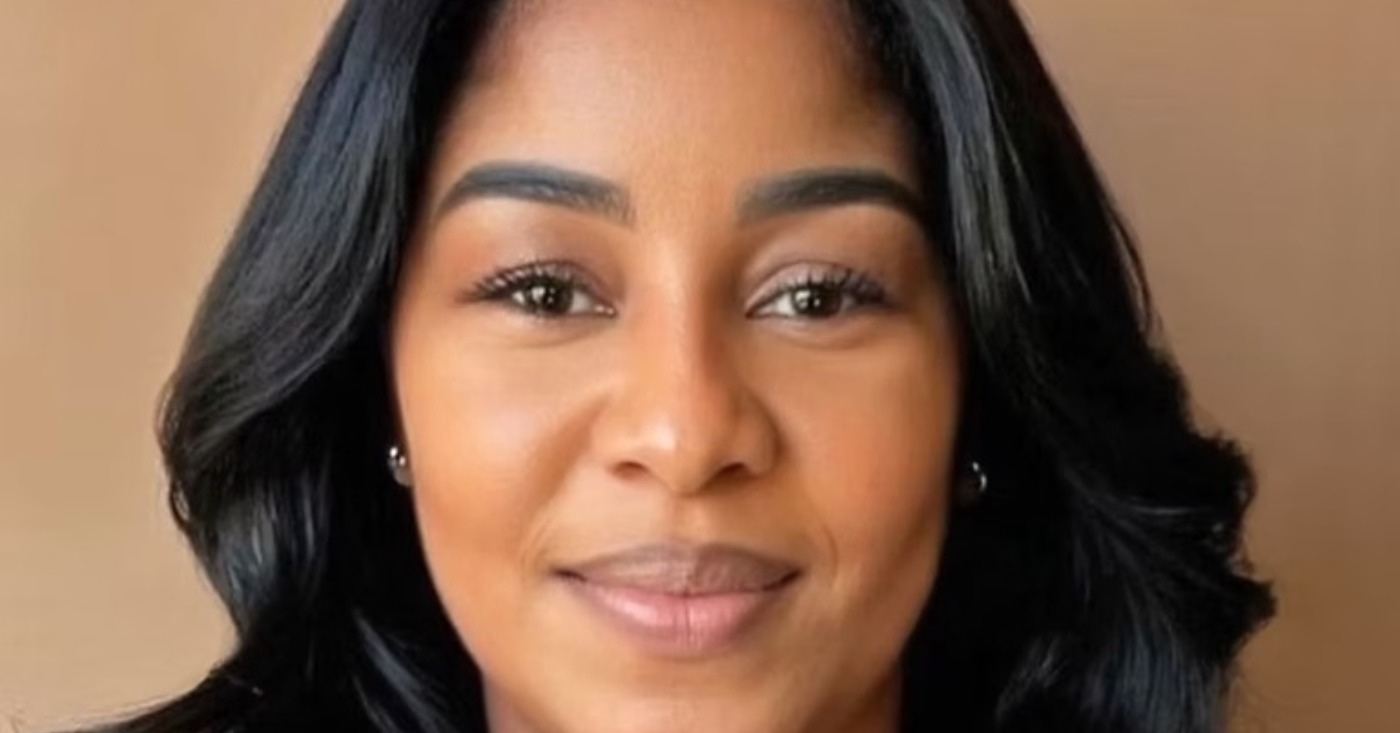
For Black women across the Washington metropolitan region, the changing employment landscape is about more than a paycheck. It can mean reassessing a career, redefining success and deciding what comes next.
The numbers underscore the challenge. Revised employment data show that approximately 251,000 Black women lost jobs between January and August 2025, accounting for more than half of the employment losses among women during that period, despite Black women representing just 14.1% of the female workforce. By the end of 2025, there were 113,000 fewer Black women employed than at the beginning of the year.
The impact has been particularly significant in the DMV, where federal employment has long provided economic stability and career opportunities for Black professionals. Maryland alone lost approximately 25,000 federal jobs in 2025, according to state employment data.
For DC Black MBA, those realities call for support that extends beyond helping women find their next job.
“I am focused on doing more and providing as many opportunities as possible for Black women to invest in themselves both professionally and personally,” said Dr. Carletta S. Hurt, president of the DC Black MBA. “We know that when Black women proceed and prosper, everyone benefits.”
That commitment is behind Leading with Intention by Investing in Self, a three-part, in-person workshop series hosted by DC Black MBA in partnership with Blu Topaz Inc. Educational Consulting.
The series builds on the chapter’s August Women’s Symposium, MastHERpiece: Designing a Life with Intention, which challenged women to see themselves as architects of their careers, wealth, wellness and impact. The new workshops take that conversation a step further, asking women to consider where they can work next and who they want to become next.
The series opens Oct. 22 with “Recalibrating Your Compass,” led by Geraldine P. White, Founder and CEO of Identity & Impact. White will guide participants through questions of identity, direction and purpose.
“You can be proud of what you’ve built and ready for something different. Both can be true,” White said. “Investing in yourself includes giving yourself permission to revisit an earlier definition of success and consider what you want your next chapter to make possible.”

On Oct. 29, Tonya Camille, creator of Me in the Making and Unstuck & Inspired, will lead “Successful, But Stuck: How High-Achieving Professionals Reconnect, Realign & Move Forward.”
Her interactive workshop will help women identify fears, limiting beliefs and recurring patterns that may prevent them from moving forward, while developing a concrete next step. “You can’t change what you won’t acknowledge, and you can’t transform what you’re unwilling to confront,” Camille said.
The series concludes Nov. 5 with nonprofit leader, author and consultant Tokiwa T. Smith leading “Rest is Revolutionary.”Her session challenges a familiar expectation placed upon Black women: that achievement and service to others must come at the expense of themselves.

Smith said Black women must recognize that prioritizing themselves, setting boundaries and making room for joy are not signs of diminished ambition. “I believe we thrive when we engage in self-care and community care,” Smith said.
For Hurt, the goal is to create space for Black women to move beyond reacting to an uncertain economy and begin intentionally determining what comes next.
A job loss can require a new résumé. A changing workplace may demand new skills. However, a life transition can also become an invitation to reconsider purpose, boundaries, entrepreneurship, leadership, rest and the meaning of success itself.
For more information, visit the DC Black MBA website (www.dcblackmbaa.org)/.
Based on reporting by Washington Informer.


NFL Round-Up: Caleb Williams strikes back, Panthers, Browns and Titans secure victories

Birmingham on Pace for Fewest Homicides in 75 Years

Ancestral Responsibility: Young Native Voters Fight Political Invisibility

Black Household Wealth Plummeted 25% in Three Years, New Data Shows

Kickstarter CEO Everette Taylor Shares Tips on Creating and Growing a Business

HBCU Football Roundup: Homecoming Wins for Howard, Tennessee State and Jackson State

Luxury SUV: Heated Seats & Captain’s Chairs Review #shorts

Black-Owned Banks: Compliance to Community Business #shorts

FDIC Study: African American Banks Disappearing Rapidly #shorts

Car Buying Tip: Check Windshield Glare & Interior Space! #shorts

The Youngest American Killed in the Vietnam War

Passing for White, Fighting for Black America: The Courage of Walter White

OP-ED: Haiti TPS: Have We Lost Sense of Humanity?
NFL: Week Two Recap | Jalen Hurts did not fold; Caleb Williams exits game with injury

Remembering Chauncey Bailey as Student Journalists Face Threats to Truth-Telling

Peter Magubane: a Camera Against Apartheid

Mayor Lee Announces $1 Million Kaiser Permanente Grant for Pilot Program to Address Homelessness, Clean Up Public Spaces throughout Oakland

OP-ED: How Head Start Also Helps Parents

Poll: Becerra Widens His Lead Over Hilton; Californians Split on Wealth Tax

Community Action Group ‘Friends of Zakiya’ Ask Sheriff for Time
Luxury SUV: Heated Seats & Captain’s Chairs Review #shorts
Black-Owned Banks: Compliance to Community Business #shorts
FDIC Study: African American Banks Disappearing Rapidly #shorts
Car Buying Tip: Check Windshield Glare & Interior Space! #shorts

St. Louis Celebrates Excellence at The St. Louis American’s 39th Annual Salute to Education Gala

‘No King: Vote Early’ protest for democracy in St. Louis

Optimize Your Seating: Essential Household Setup Guide #shorts

Brake Pedal Test Drive: Smooth Stops for Your Truck! #shorts

Life Lessons Learned Through Adversity: My Journey #shorts

From Claflin Alum to ColorBlind Artist
-

 Black Press6 days ago
All Skinfolk Ain’t Kinfolk
-

 Black Press5 days ago
Oakland Awarded More than $14 Million in State Funding
-

 Black Press5 days ago
Jendayi Arrest Raises Community Concerns Regarding Sheriff’s Chain of Command
-

 African American News and Issues4 days ago
Black History: Gladys West Mathematics Helped Make GPS Possible
-

 Black Press5 days ago
Allen Temple Baptist Church Hosts Free Prostate Cancer Screenings on Oct. 17
-
 Black Press5 days ago
Democrats, Community Groups Back Measure EE to Change How Oakland Is Governed
