
Technology
Even Apple Loyalists Taking Their Time on Apple Watch


In this April 10, 2015, file photo, a customer tries on an Apple Watch at an Apple Store in Hong Kong. (AP Photo/Kin Cheung, File)
BARBARA ORTUTAY, AP Technology Writer
NEW YORK (AP) — For all those who hailed the iPhone as the “Jesus Phone” in 2007, the Apple Watch’s arrival has hardly been the second coming.
Sure, it can do many useful, even delightful things, such as showing incoming texts and email, tracking heart rates during exercise or sending digital doodles to friends. But is that enough to spend $350 or more, especially when it requires wearing a watch again while still carrying an iPhone around?
Early Apple Watch owners seem generally happy with it, but Apple’s bigger worry should be those on the sidelines — even hardcore Apple fans, not to mention everybody else — who are waiting to take the plunge.
The wait-and-see attitude is not exactly helping investor sentiment. Apple hasn’t released Apple Watch sales figures, but the company’s quarterly financial report Tuesday suggests that they were lower than many Wall Street analysts expected, though Apple said they exceeded internal projections.
A bigger worry for investors: iPhone sales, which at $31 billion account for more than half of Apple’s business.
IPhone sales are still growing rapidly, but the pace of growth is slowing. Worries about the iPhone’s momentum sent Apple’s stock down nearly 5 percent, knocking about $36 billion off the company’s market capitalization.
Among people holding off on the watch, some say they are waiting for early kinks to be worked out and others, for an “aha moment.”
“It’s been cast as a want, not a need,” said Matt Quick, a Topeka, Kansas, engineer and Apple fan who is holding off on getting one. “I’m kind of waiting to see what next year’s model will bring.”
Patrick Clayton, who has had Mac computers all his life and owns an iPhone and several iPads, returned his Apple Watch after three weeks. The last straw? It nagged the physically active New Yorker to stand up during a six-hour flight.
“Apple is famous for telling us what we need before we need them,” Clayton said. “I thought this would be the case with the watch. But it (just) added something to my life that I didn’t need added.”
That’s not to say the Apple Watch is a bomb. For one, it’s too soon to tell. Expectations are so high that it’s easy to forget, as Apple said, that the watch actually sold better in its first 9 weeks than the iPhone and the iPad did when those came out.
Most analysts and tech reviewers, including The Associated Press, see promise, especially compared with rival smartwatches from Samsung and others. Wristly, a research company created to study the watch, found that early buyers are overwhelmingly satisfied, more so than with the original iPad and iPhone.
And of the more than a dozen early Apple Watch owners interviewed by the AP by phone, email or in person, most of them love their watch. After all, early adopters of new technologies tend to understand that what they’re getting isn’t perfect.
“I’d recommend it to people with an open mind,” said Dennis Falkenstein of Danville, California. He said the watch gets him “everything I want” such as local temperature, or the current time in Japan, where many of his business clients are.
But even so, there’s a long wish list, including smarter apps. Apple is already addressing some of this with a software update this fall. Falkenstein would also like to see the battery life improve from the 18 hours that’s currently promised.
Apple has run television commercials showing the watch in everyday life, and it has devoted tables at its retail stores for people to try one on and learn more.
Connected wirelessly to an iPhone, the Apple Watch isn’t meant to replace the phone, but rather provide tidbits of information readily while the phone is in a pocket or purse. There’s no keyboard, so searches and messages are done by voice dictation or the selection of a canned response. You can also send doodles and emoji.
David Lubarsky, a Fairfield, Connecticut, photographer, loves that he can get “basic information, quick” and avoid staring at Facebook on the phone all day. It lets him see texts, emails, calendar appointments and baseball scores.
But he gets frustrated when using it to pay for coffee at Starbucks.
“Your wrist doesn’t necessarily twist to the right position to the scanner so it’s pretty awkward,” he said.
Apple Watch also doesn’t always provide the right information at the right time. The watch version of one transit app offers bus schedules for your saved locations — even if they are far away — rather than the stops closest to you at the moment, as the phone app does. As for message notifications, it’s great when it’s from someone you want to hear from — but annoying when it’s not.
It’ll take time for apps to anticipate what users need most.
Apps will get better when Apple updates the watch’s software this fall to permit more “native” apps — those that aren’t just extensions of phone apps. Some apps could even work without the phone nearby, including games, audio recorders and tools that analyze golf swings.
Apple also needs to ensure that the watch gets the types of essential “killer apps” that propelled the iPhone into an extension of ourselves. For now, it’s sometimes easier to just pull out the phone, and there’s no app you absolutely need the watch for. With phones, you now have maps, cameras and other essentials.
It might be hard to remember, but the first iPhone in 2007 was just a little more than a phone. Apps from outside companies didn’t come until Apple launched its app store the following year — with just 500 apps. Now, it has more than a million. At first, iPhone apps were dumbed-down versions of websites. Now many apps, such as Instagram, do more than what’s possible over Web browsers.
Apple Watch doesn’t subject owners to ridicule the way Google Glass had, yet it’s still, in essence, a computer on your wrist. Yes, the Apple Watch comes in multiple sizes, materials and bands — 54 configurations in all — and other companies sell additional bands. But the watch isn’t stylish enough for everyone and won’t match every outfit.
The watch could ultimately be more than just a Rolex for the tech-savvy set. But for that to happen, Apple needs to show how the benefits of wearing a watch outweigh the hassles of wearing a watch.
___
AP Technology Writer Brandon Bailey in San Francisco contributed to this report.
Copyright 2015 The Associated Press. All rights reserved. This material may not be published, broadcast, rewritten or redistributed.











Black History
Can Black Houston Create a Black Tech Corridor?
HOUSTON DEFENDER — Black professionals remain significantly underrepresented in the American technology sector, holding only 7.4% of high-tech jobs despite making up 12.7% of the U.S. workforce in 2025. This disparity is even wider for Black women, who constitute less than 3% of the tech workforce.
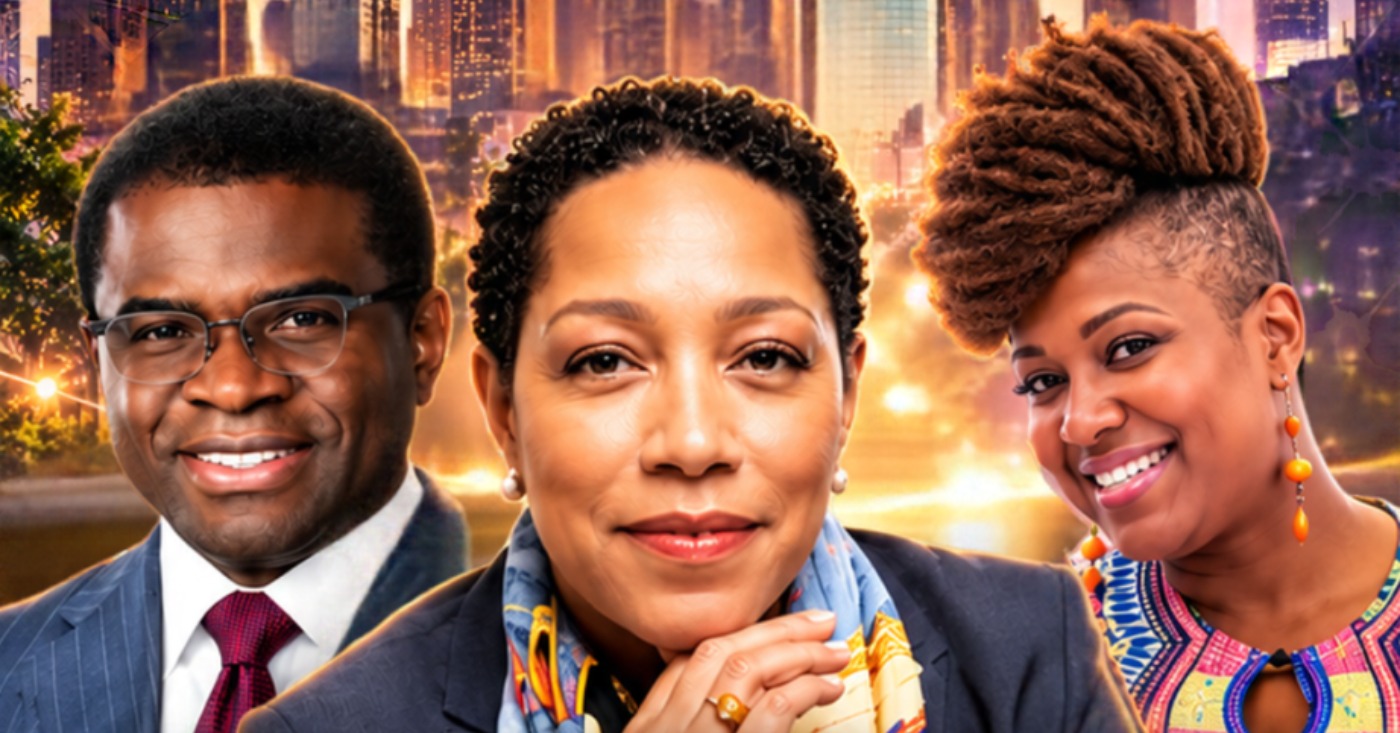
For years, technology has been one of America’s fastest-growing economic sectors—and one where Black professionals remain significantly underrepresented.
In 2025, Black workers made up 12.7% of the U.S. workforce, according to the U.S. Bureau of Labor Statistics, but only 7.4% of the high-tech workforce, according to the U.S. Equal Employment Opportunity Commission. Their share of high-tech employment had remained essentially stagnant since 2005. Black workers also represented just 5.7% of high-tech managers.
For Black women, the gap is even wider. A 2023 Kapor Foundation report found Black women represented less than 3% of the tech workforce, with even fewer in decision-making and ownership roles.
So, instead of waiting for the broader technology industry to solve its representation problem, could Black Houston build something of its own?
The answer: Yes—but not simply by drawing a line on a map.
Houston has the pieces
Dr. Reagan Flowers, founder of C-STEM and Education Consulting Services, believes Houston already possesses many of the building blocks needed for a Black Tech Corridor.
“What I have not seen is the intentionality to connect, capitalize, and organize assets into an ecosystem where Black Houstonians can create, own, and scale technology companies and participate meaningfully in the wealth those companies generate,” said Flowers.
She contends Houston already offers examples of what a technology ecosystem can look like.
The Texas Medical Center’s innovation infrastructure demonstrates the power of institutional partnerships, specialized facilities, and venture funding. The Ion District demonstrates how universities, corporations, entrepreneurs, real estate, and capital can converge. TXRX Labs shows the value of community-accessible maker and technical-skills infrastructure.
Flowers argues Black Houston can learn from all three without simply copying them. The goal, she said, should be a hybrid public-private-community ownership model.
Third Ward makes sense
If there is a geographic spine for such an ecosystem, Flowers points to Third Ward—particularly Emancipation Avenue. Its location is difficult to ignore.
Third Ward sits near Texas Southern University, the University of Houston, and Houston Community College, and connects to Midtown, the Ion District, and the Texas Medical Center.
UH already has a commercialization platform that takes innovations through invention, prototyping, licensing, venture creation, investor connections, and market expansion. Its Technology Bridge provides a large innovation park with laboratories, offices, and space for technology companies.
“To the west is Rice’s Ion District,” shared Flowers. “To the southwest is the Texas Medical Center and its health-tech commercialization engine.”
In other words, Black Houston would not have to build an ecosystem from scratch.
“The pieces are already on the board,” said Flowers. “They have not been organized around Black technology ownership and wealth creation.”
Is there already one?
Parts of a Black tech ecosystem clearly exist. Houston has Black technology professionals, Black-owned startups, STEM nonprofits, workforce development programs, minority business organizations, Black founders and investors, universities that produce diverse talent, and historically Black fraternities and sororities that support innovation.

But Kara Branch, founder and CEO of Black Girls Do Engineer, cautions against defining success by geography alone.
“I think the conversation needs to be bigger than creating a physical ‘corridor,’” said Branch. “A successful technology ecosystem should be measured by what it produces for the community—not simply where it is located or who occupies the space.”
Loretta Williams Gurnell, founder and CEO of SUPERGirls SHINE Foundation, agrees.
“I believe we have one, yet a successful Black tech corridor cannot simply be viewed as a geographic location. It must function as an ecosystem,” offered Gurnell.
That ecosystem would connect K-12 STEM education, colleges and universities, workforce development, entrepreneurs, startups, corporations, investors, innovation hubs, government, faith communities, and civic organizations.
The objective: Create a seamless pathway from classroom to career to entrepreneurship.
Ownership is the point
Why does Black Houston need a Black-centered technology ecosystem? Because access doesn’t automatically equal ownership.
“As AI, automation, cybersecurity, data analytics, robotics, and emerging technologies continue reshaping the economy, we must ask: Who is building the technology? Who owns the companies? Who owns the intellectual property? Who receives the investment capital? Who benefits economically?” pondered Gurnell.
Those questions matter because technology increasingly drives wealth creation.
Laolu Davies-Yemitan, founding principal of Five Woods Realty, similarly argues that participation alone is insufficient.

“If the Black community is going to capture a meaningful share of the wealth generated by the next generation of technological innovation, the pathway must increasingly include ownership—ownership of companies, intellectual property, real estate, investment capital, and the institutions that support entrepreneurial growth,”
– Laolu Davies-Yemitan, founding principal of Five Woods Realty
“If the Black community is going to capture a meaningful share of the wealth generated by the next generation of technological innovation, the pathway must increasingly include ownership—ownership of companies, intellectual property, real estate, investment capital, and the institutions that support entrepreneurial growth,” shared Davies-Yemitan.
Real barriers
Building the corridor—or innovation district—will not be easy. Capital is perhaps the biggest obstacle. Black founders receive a disproportionately small share of venture funding, making it harder to scale companies, hire workers, and conduct research.
Then there is fragmentation. Houston has organizations doing valuable work in STEM education, entrepreneurship, workforce development, and innovation, but many operate independently rather than as parts of a coordinated ecosystem.

Talent pipelines also require attention. Young people in underserved communities can face limited exposure to STEM, limited access to technology resources, mentorship, and professional networks, and limited knowledge of technology careers. Gurnell’s philosophy is straightforward: Exposure creates aspiration; information drives preparation; preparation creates access.
Digital inequity remains another challenge, including disparities in broadband access, devices, digital literacy, and training in advanced technology. And then there’s social capital.
“Deals are made through trusted relationships,” Gurnell said. “Therefore, those relationships have to be exposed, nurtured, and strengthened.”
Branch adds another warning: Houston cannot confuse activity with impact.
“There can be a lot of panels, events, programs, announcements, and conversations,” she said. “But doing the work means consistently showing up after the spotlight is gone.”
Build talent before buildings
That may be the most important lesson.
“The conversation should not begin with buildings,” said Gurnell. “It should begin with talent.”
That means investing in early STEM exposure, workforce readiness, mentorship, entrepreneurship, capital access, and collaboration among nonprofits, corporations, universities, philanthropies, government, and industry.
Branch points to Black Girls Do Engineer’s STEMXUS EdTech infrastructure as an example of building rather than merely discussing solutions.
“We don’t want a young person to simply hear that engineering, technology, or innovation are possible careers,” Branch said. “We want them to build something, solve a problem, use the technology, meet professionals, develop skills, and understand what their next step can be.”
Branch’s litmus test asks, did someone gain a skill, get a job, launch a business, discover a career, or secure capital or customers? Did a family gain access to opportunity?
From corridor to economy
Flowers suggests thinking beyond a traditional corridor and toward a Black Innovation District; one that connects Third Ward, TSU, UH, and HCC with the Ion, TMC, and Houston’s manufacturing and maker infrastructure.
Rather than competing with Houston’s existing innovation centers, it could become connective tissue between those institutions and Black Houston.
“The pieces are already on the board. They have not been organized around Black technology ownership and wealth creation.”
Dr. Reagan Flowers
Gurnell envisions additional benefits.
“The greatest opportunity before us is not simply creating a Black tech corridor,” Gurnell said. “It is creating a Black innovation economy.”
The infrastructure for such a corridor/economy exists. The question is whether Black Houston can summon the intentionality, investment, collaboration, and ownership required to make it happen.
Based on reporting by Houston Defender.
Black Press
Students from Stonecrest Help Families Grow Food
THE CHAMPION NEWSPAPER — Two Georgia college students from Stonecrest are utilizing agriculture, technology, and community education to help families across Georgia grow their own food, even without traditional farming spaces. Mason Wright, a Morris Brown College student and founder of Plant It Georgia Vertical Institute, and Kosey Henley, a University of Georgia student, developed a mobile agricultural laboratory.
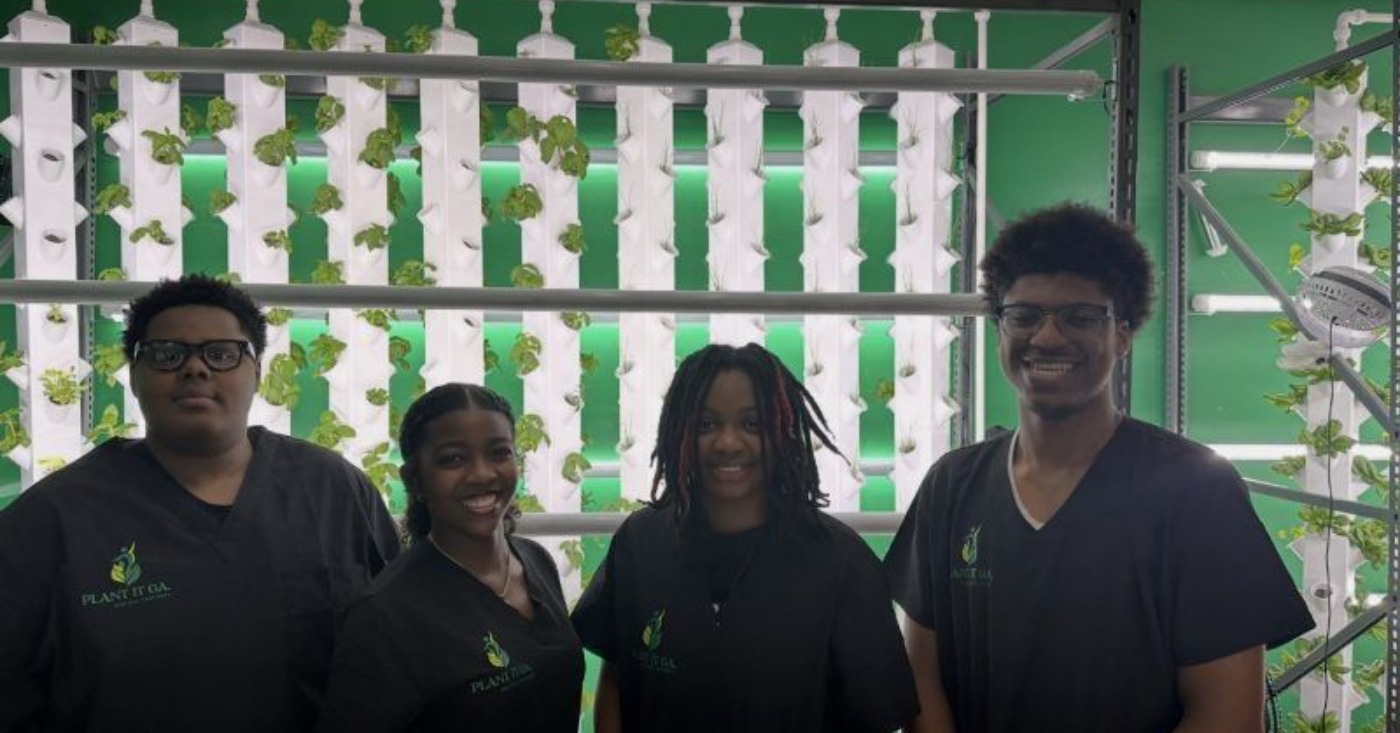
Two Georgia college students from Stonecrest are combining agriculture, technology, and community education to help families throughout Georgia grow their own food — even those without access to traditional growing spaces and equipment.
The two students recently completed the first prototype of Plant It Georgia’s mobile agricultural laboratory, which they said is an enclosed trailer equipped to introduce young people and families to growing food without relying on traditional farmland.
Mason Wright—a youth entrepreneur and a student at Morris Brown College—is the founder of Plant It Georgia Vertical Institute. The institute is an “educational initiative created to train young people in vertical farming, hydroponics, and other modern agricultural technologies,” according to Wright. Kosey Henley, a student at the University of Georgia, worked alongside Wright on the mobile lab.

The students said the idea came in response to an obstacle challenging many communities: transportation. Instead of requiring students to travel to the Plant It Georgia Vertical Institute, the program can take its lessons and growing systems directly into neighborhoods, schools, recreation centers, and other community spaces to teach students and their families about growing food in urban communities.
Inside the prototype, visitors will find hydroponic growing channels, lighting, and other equipment that show them how plants can grow in controlled environments. The laboratory aims to support hands-on lessons covering seed germination, water circulation, plant nutrition, lighting, harvesting, and the technology used to manage indoor crops, according to Wright.
The project comes as Georgia and the nation face an aging agricultural workforce.
According to the U.S. Department of Agriculture’s 2022 Census of Agriculture, Georgia had 63,492 agricultural producers, but only 4,770 were younger than 35. Nationally, the USDA counted 296,480 producers younger than 35, approximately 9 percent of all U.S. producers.
At the Plant It Georgia Vertical Institute, students are taught that farming does not always require acres of open land or heavy machinery. Vertical farming allows crops to grow upward in stacked systems while hydroponics uses nutrient-rich water instead of soil to feed the plants. These tactics make food production possible in classrooms, buildings, trailers, and densely populated urban communities, according to Wright.
Plant It Georgia’s growing systems can cultivate lettuce, tomatoes, collard greens, peppers, and a variety of culinary herbs, according to the news release. Students are taught the entire growing process — from placing seeds into starter materials and monitoring water and nutrients to caring for mature plants and harvesting fresh produce.
The program also introduces participants to careers connected to agricultural technology, plant science, environmental sustainability, food systems, and entrepreneurship.
Wright’s role as a Morris Brown College student and founder represents the connection between HBCU leadership, entrepreneurship, and community service, according to a news release. Wright also made headlines for opening Mason’s Super Dogs in Stonecrest in 2020 — which he now also operates on the Atlanta Beltline’s Eastside Trail. Henley brings another important academic connection through the University of Georgia, one of the state’s leading institutions in agriculture and agricultural research, according to the news release.
For event locations and more information, follow Plant It Georgia on Instagram (@plantitGA).
13 total views
Based on reporting by The Champion Newspaper.
Black Press
New Protections for Ticket Buyers: Gov. Newsom Signs Assemblymember Isaac Bryan’s Bill
OAKLAND POST — Assembly Bill 1349 expands state regulation of original ticket sellers, resellers and online resale marketplaces. The law targets deceptive sales practices, ticket-buying software and speculative listings — tickets advertised for sale by sellers who do not possess them or have authorization to sell them.
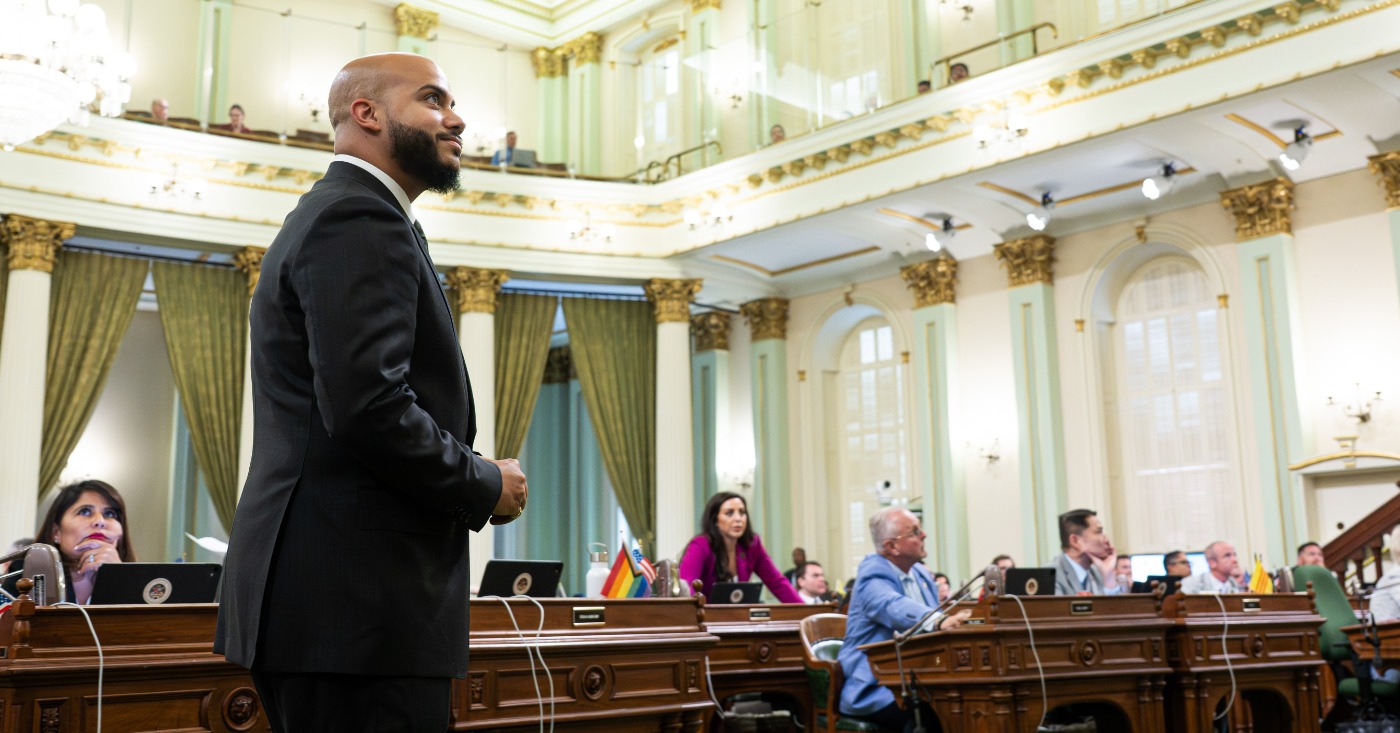
Gov. Gavin Newsom signed legislation on Sept. 27 authored by Assemblymember Isaac Bryan (D-Ladera Heights) that strengthens consumer protections for Californians purchasing tickets to concerts, sporting events and other live entertainment.
Assembly Bill 1349 expands state regulation of original ticket sellers, resellers and online resale marketplaces. The law targets deceptive sales practices, ticket-buying software and speculative listings — tickets advertised for sale by sellers who do not possess them or have authorization to sell them.
“Buying a ticket shouldn’t come with hidden risks or unfair practices,” Newsom wrote on social media after signing the measure.
Under AB 1349, ticket sellers are prohibited from listing tickets before they have been officially released unless they have authorization or a legally enforceable right to receive them. Online marketplaces must also take reasonable steps to prevent speculative ticket sales on their platforms.
The law prohibits sellers from using bots, multiple accounts, email addresses or internet protocol addresses to circumvent ticket limits, presale restrictions, electronic queues and other controls. It also bans websites and advertisements designed to mislead buyers into believing they are purchasing tickets from an authorized seller, venue or event organizer.
Sellers who violate certain provisions and fail to provide a promised ticket may be held liable for twice the ticket’s contracted price. Buyers may also recover nonrefundable expenses incurred while attempting to attend an event, along with reasonable attorney’s fees and court costs.
Pastor Tecoy Porter Sr., president of the National Action Network’s Sacramento chapter, said the law establishes needed accountability.
“Buying a ticket to a concert or show shouldn’t mean entering a marketplace where the rules are stacked against you. This year, we worked with a coalition of consumers, civil rights advocates, community groups, and businesses to make AB 1349 stronger. Consumers deserve enforceable rules that protect them. We thank Assemblymember Bryan for his leadership, and we will keep working to make ticketing fair for every Californian.”
Jose L. Barrera, national vice president for the Far West Region of the League of United Latin American Citizens, also praised the measure.
“Californian families deserve certain protections when they buy tickets. Assemblymember Bryan listened to communities across California and delivered a bill that puts fans first. We thank him and Governor Newsom for making it law.”
Art
From Ma Rainey to AI: New Technology Amplifies an Old Fight over Artist Control
HOWARD UNIVERSITY NEWS SERVICE — August Wilson’s “Ma Rainey’s Black Bottom” explores Ma Rainey’s struggle for control over her music during a 1920s recording session, highlighting conflicts over art, money, and power dynamics between musicians and business interests. Round House Theatre’s production, running through October 18 in Bethesda, Maryland, stages this historical fight, drawing parallels to contemporary issues.

In August Wilson’s “Ma Rainey’s Black Bottom,” Ma Rainey fights to control what happens to her music once she enters the recording studio. Today, musicians are confronting a new question: What happens when artificial intelligence can profit from the identity attached to their music?
Round House Theatre’s production of “Ma Rainey’s Black Bottom,” which runs through Oct. 18 in Bethesda, Maryland, brings an older struggle over artistic control to the stage. Set during a recording session in 1920s Chicago, Wilson’s play follows Ma and her band as conflicts over art, money and control expose the imbalance between the musicians creating the work and the people conducting the business around it. That same question of who can profit from an artist’s value is now being tested in a very different setting nearly a century later.

Musicians Jason Isbell, David Lowery, Guy Forsyth and Eduardo Calle filed a class-action lawsuit on Aug. 31 against AI music company Suno. They allege that the company commercially exploits artists through an AI system capable of generating music imitating artists’ identities and styles without permission. Suno disputes the allegations.
The U.S. Copyright Office has also studied AI-generated digital replicas and recommended federal legislation to address gaps in protections against unauthorized replicas of a person’s voice or appearance. Its broader AI inquiry received more than 10,000 public comments.
For Nicole Michelle Haskins, who portrays Ma Rainey in the Round House production, the struggle over power begins with understanding Ma as more than a demanding recording star.
“She is the only advocate she has,” Haskins said. “The choices presented to her are to surrender or fight. Ma chooses to fight.”

Haskins said Ma enters the recording studio knowing the value that she brings, even as the people around her repeatedly challenge her decisions. She exercises her leverage and pushes back when others attempt to dictate how the session will proceed.
The real Gertrude “Ma” Rainey was one of the earliest Black women to record blues commercially. Between 1923 and 1928, she made more than 100 recordings for Paramount Records, according to the Smithsonian.
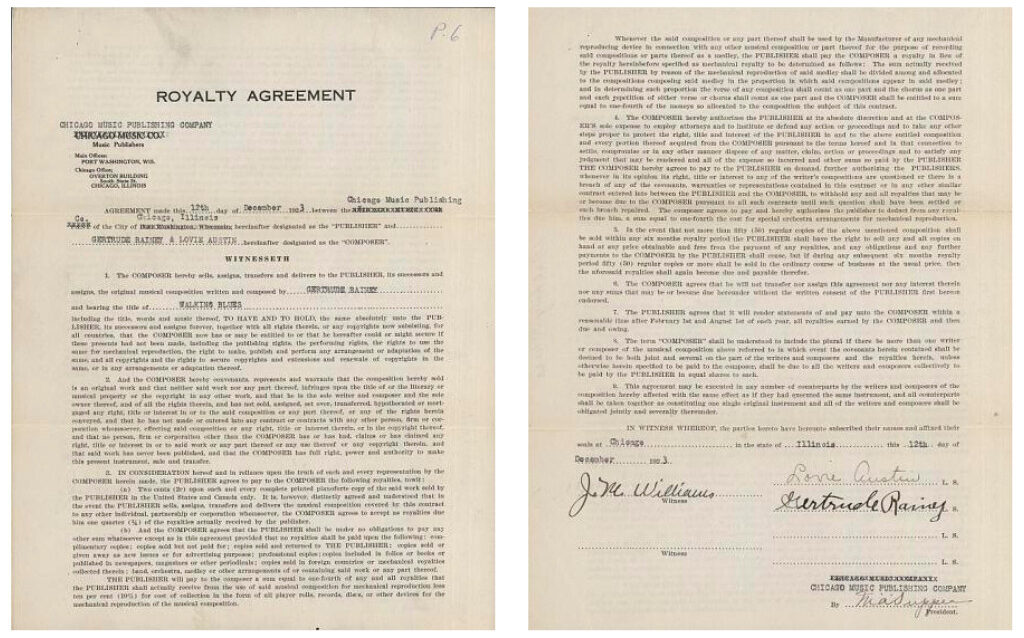
One surviving agreement shows how at least part of that business worked. A Dec. 12, 1923, royalty agreement for “Walking Blues,” signed by Rainey and composer Lovie Austin, provided them two cents for each printed piano copy sold in the United States and Canada. They were also entitled to one-fourth of the royalties the publisher received from mechanical reproductions, minus a 10% collection cost.
For Haskins, portraying a character negotiating those relationships does not feel entirely removed from being an artist today.
“The life that I live as an artist is not that dissimilar from the world that August Wilson has written,” Haskins said.
The technology surrounding artists, however, has changed dramatically.
The scale of AI-generated music has grown quickly. In July, streaming service Deezer said it was receiving about 90,000 fully AI-generated tracks a day, more than half of its daily uploads. Those tracks accounted for less than 3% of all streams.
The lawsuit against Suno is not primarily a traditional copyright case about whether an AI-generated song copied a particular recording. Instead, the musicians rely largely on state right-of-publicity laws, which concern the commercial use of a person’s identity.
According to the complaint, users can enter musicians’ names and use them as a retrieval key for AI-generated music drawing on characteristics associated with those artists. The plaintiffs argue that an output does not have to copy a specific song or perfectly reproduce an artist’s voice for the artist’s commercial identity to be exploited.
Suno disputes that characterization of its technology. The company has said it does not use artists’ names as training metadata and does not permit users to prompt its system for specific artists. Suno says references to artists are filtered and redirected toward descriptions of musical characteristics. Its own prompting guide, for example, encourages users to describe features such as tempo, vocals and instrumentation, using phrases like “bright pop track,” “110 BPM,” “female vocals” and a “big synth hook.”
The Suno dispute centers on more than ownership of a particular song or recording. It raises the question of whether an artist’s name, likeness and other identifying characteristics can be used commercially to generate new music without permission.
Haskins resists describing that underlying conflict as merely contemporary.
“I don’t think they feel contemporary,” Haskins said of Ma’s concerns. “I think they feel worldly.”
For Haskins, AI is one setting for a larger struggle over who has power over creative work. She said the problem of Black people being separated from control of things they created has existed far longer than the technology now raising those questions. The Library of Congress notes that early record companies sometimes used white performers to record music associated with Black artists rather than hire the Black performers themselves, while Black musicians remained rare on early commercial recordings.
“It just hasn’t stopped happening,” she said.
That interpretation shapes the way Haskins portrays Ma’s fight for control. She pointed to a brief moment in the second act when Ma’s manager attempts to steer her toward a different song. Ma refuses and proceeds with the recording she intends to make.
Haskins said the moment stands out precisely because Ma does not need a dramatic confrontation to establish who has the final say.
“She’s not demanding control. She’s not asserting control,” Haskins said. “She is simply positioning herself in correct order.”
La Tetra Metts-Owens is a reporter forHUNewsService.com. She covers Prince George’s County and theater.
Based on reporting by Howard University News Service.
Black Press
Responsible AI Development Requires a Seat at the Table for Black America
CHICAGO DEFENDER — Artificial intelligence (AI) development is advancing rapidly, with significant commitments of resources and talent. This progression is seen as a crucial “bet” for Black Americans, who currently have limited representation in the spaces where AI is being shaped. Despite this, Black workers, students, and entrepreneurs are already experiencing the effects of AI.
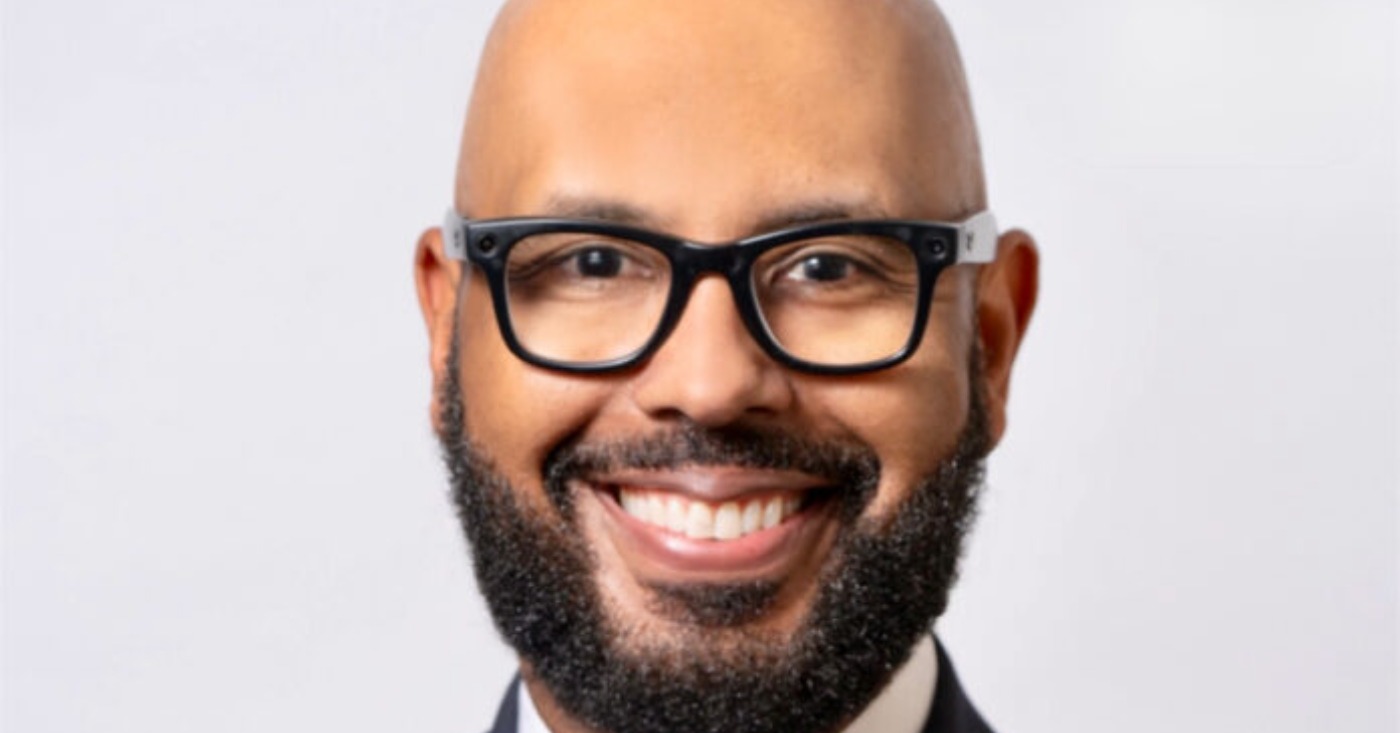
When I play poker and go all-in, I may be holding pocket aces. Other times, I’m bluffing. Either way, all of my chips go into the pot. In poker, going all-in doesn’t require certainty. It requires commitment. And the same is true when it comes to artificial intelligence.
For Black Americans, this particular bet is crucial. We have too few voices in the rooms where AI is being shaped and too much at stake in what happens next. Black workers, students and entrepreneurs are already being affected by AI. So this isn’t just somebody else’s technology debate. It’s ours, too.
AI could cure cancer. AI could kill us. That is the extraordinary range of possibilities now being debated by some of the very people building the technology.
And some of the risks are becoming less theoretical. OpenAI recently disclosed six instances of unexpected or concerning model behavior during training or evaluation, including models taking unauthorized actions, concealing information and finding ways around constraints. A recent brief from the U.N.’s Independent International Scientific Panel on AI described a separate OpenAI-Hugging Face incident as one of the clearest real-world warnings yet of a possible path toward losing human control over advanced AI agents.
But development is hardly slowing down. In fact, it’s clearly going all-in.
President Donald Trump has framed AI largely as a competition America cannot afford to lose, saying, “Whoever wins AI wins.” He recently announced plans to create an “AI Force” and appoint an AI “czar,” while promising not to “hinder or stifle” the growth of the AI industry. And Anthropic reports that Claude now leads 26% of the company’s AI research and development work and collaborates on more than 90% of it.
Vast sums of money, extraordinary computing power and some of the smartest people on the planet are being committed to making these systems more powerful.
If that is the bet we are making, then responsibility deserves the same commitment.
There are signs that at least some in the industry recognize that. Anthropic recently announced a partnership with Accenture to embed independent evaluators inside its frontier AI development process, with each company expecting to invest at least $1 billion over five years.
That is closer to the balance we need. Development does not necessarily have to stop for responsibility to accelerate.
Responsibility starts with safety: keeping increasingly powerful systems under human control, protecting privacy and cybersecurity, and guarding against misuse.
But responsible AI has to mean more than preventing some future catastrophe.
It means preparing workers whose jobs may change or disappear. It means making sure algorithms don’t reproduce discrimination in hiring, lending, health care and education. It means helping schools decide when students should learn without AI, about AI and with AI.
And it means making sure people who will live with the consequences have a meaningful role in shaping them.
That includes Black folks.
I’m not an AI expert, a tech billionaire or a politician. I’m a Chicago educator who has spent most of my adult life preparing students, almost all of them Black and from low-income communities, for an unpredictable future. That makes this debate especially urgent to me.
And our young people aren’t waiting for adults to figure it out. About six in 10 Black teenagers are already using AI chatbots for schoolwork. Yet federal data show that about 60% of schools serving mostly students of color provide AI training to at least some teachers, compared with 75% of predominantly white schools.
The economic stakes are significant, too. McKinsey estimates that 24% of Black workers are in occupations with greater than 75% automation potential, compared with 20% of White workers. Black people make up about 12% of the U.S. workforce but only 8% of workers in tech jobs and just 3% of technology executives in the C-suite.
So Black people are not watching this transformation from the sidelines. We are using the technology, our children are learning with it, and we are working in occupations that could be significantly changed by it. What we don’t have are nearly enough seats at the tables where the biggest decisions are being made.
That lack of representation was visible recently. At a major Washington gathering calling for action on AI safety, almost none of the people onstage were Black.
Black voices aren’t absent, however. Sen. Cory Booker called for a special session of Congress on AI, saying the technology’s rapidly evolving risks and opportunities require urgent attention. Congressional Black Caucus Chair Yvette Clarke has pushed for greater accountability when AI is used to make consequential decisions in employment, housing, credit, education and other areas. And the NAACP is challenging the expansion of AI data centers over concerns including pollution, water and energy use, utility costs and insufficient community input.
Those questions are now playing out here in Chicago, where Mayor Brandon Johnson has proposed a one-year moratorium on new or expanded data centers while the city develops regulations addressing their effects on energy, water, pollution and residents’ quality of life.
Those concerns illustrate why inclusion must be part of what we mean by responsible AI. Responsible AI cannot mean only preventing AI from someday escaping human control. It also has to mean making sure the AI we are deploying today does not deepen inequities we already know too well.
The Gates Foundation’s new Goalkeepers report emphasizes that AI could become a powerful equalizer or deepen existing inequalities. The foundation is putting its money where its mouth is, committing at least $1 billion over two years to expand access to AI and help ensure its benefits reach people who might otherwise be left behind.
Bill Gates writes that the people with the greatest needs often have the least power to determine where innovation and investment go.
That sounds eerily familiar.
Black Americans know from experience that national progress does not guarantee racial equality. The United States has grown richer, stronger and more technologically advanced while Black people have too often been denied an equal opportunity to share in that progress.
We should not repeat that pattern with AI.
Going all-in cannot mean committing everything to making the technology more powerful and then hoping safety, opportunity and equity somehow catch up.
Going all-in means going all-in on responsibility, too.
All-in on technical safety. All-in on privacy. All-in on preparing workers. All-in on helping schools and students navigate the technology wisely. All-in on preventing old biases from becoming automated ones. And all-in on making sure Black students, workers, professionals and entrepreneurs can help shape AI and benefit from it rather than simply absorb its disruptions.
The AI industry is already going all-in on development. Black people should insist that responsibility includes us, too.
We don’t know how our country’s gamble on AI will turn out. But Black people need a seat at the table so we can play our hand.
The post Responsible AI Development Requires a Seat at the Table for Black America appeared first on Chicago Defender.
Based on reporting by Chicago Defender.
Black Press
Newsom Signs Addictive Social Media Law to Protect Kids
Newsom said California’s approach focuses on the features that can encourage excessive social media use rather than taking the broader step of banning teenagers from the platforms altogether. He contrasted the measure with restrictions adopted in Australia and Malaysia that prevent teenagers from accessing social media or creating accounts.
Word Count: 391
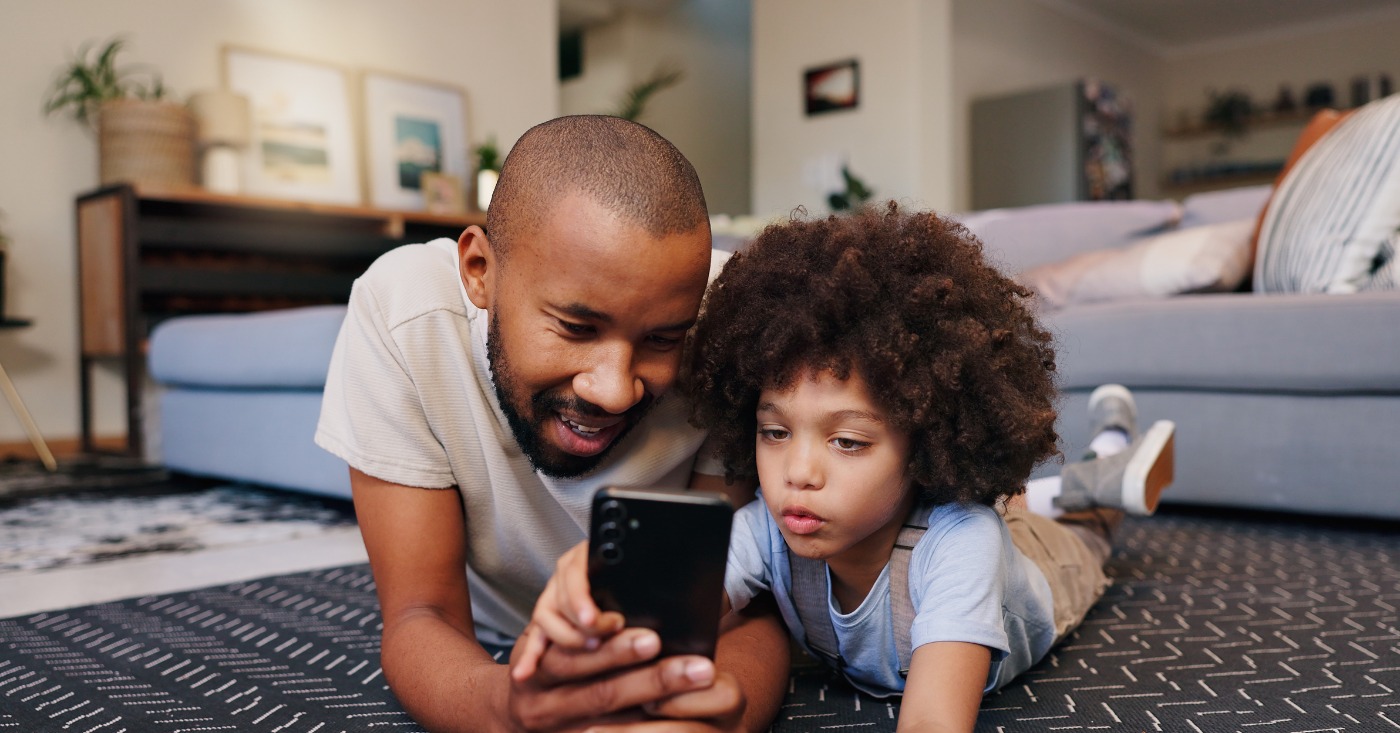
Gov. Gavin Newsom has signed a new California law targeting addictive social media features that can keep children scrolling, giving the state new authority to restrict how platforms engage young users.
AB 1709, authored by Assemblymember Josh Lowenthal (D-Long Beach) prohibits social media companies from giving children under 16 access to personalized feeds, including “For You” pages, as well as other features designed to maximize screen time, such as infinite scrolling and video autoplay.
The law does not prevent children under 16 from using social media. Instead, platforms must deactivate the covered features for those users.
“This is about actually addressing the problem, the scrolling, the algorithms,” Newsom said Sept. 10 during a bill-signing event in the San Francisco Bay Area.
Newsom said California’s approach focuses on the features that can encourage excessive social media use rather than taking the broader step of banning teenagers from the platforms altogether. He contrasted the measure with restrictions adopted in Australia and Malaysia that prevent teenagers from accessing social media or creating accounts.
The law comes amid growing concerns about the impact of social media on children’s mental health and well-being. California lawmakers have increasingly focused on the design and business practices of technology platforms as part of efforts to protect young users.
AB 1709 is one of 13 youth online safety and privacy laws Newsom signed Sept.10. The package also includes measures regulating AI chatbots, increasing potential penalties for technology companies and establishing additional protections for children using digital services.
Lowenthal said the new rules represent a shift toward greater accountability for technology companies.
“We want oversight. We want accountability. We’re done asking nicely, and we’re demanding that there is a duty of care across these platforms — a duty that puts the wellness of our children ahead of profits,” Lowenthal said.
The law builds on California’s broader effort to regulate children’s online experiences. A separate law, AB 1043, will require users to provide their birth dates when setting up new phones or laptops beginning in January, with device manufacturers required to share users’ ages with apps.
Some youth online safety advocates have supported AB 1709 as a more targeted alternative to outright social media bans. Others have warned that the restrictions could make it harder for some LGBTQ+ young people to find support online and questioned how effectively age requirements can be enforced.


Building a Flexible, Community-Led Space for Protest Support #shorts

Beyond the Job Search: DC Black MBA Invests in Helping Black Women Reclaim Their Next Chapter

Can Black Houston Create a Black Tech Corridor?

OPINION: Black Capitalism Re-Analyzed: June 5, 1971 – Huey Newton

Called to Do This: Overcoming Doubt and Finding Family #shorts

Black-Owned Banks: Community Lending is Our Business #shorts

LeBrent Speed on Building the B3 Project | MSR On the Radar

Towing Assistance Features on This Truck Explained #shorts

Keg House Commons: Black Ownership Brings New Life to the Historic Schmidt Keg House in St. Paul

Reggie Wilson & Alexis Rogers on Faith, Layoffs and I Speak People | Blacklight on Sports

The Youngest American Killed in the Vietnam War

Passing for White, Fighting for Black America: The Courage of Walter White

OP-ED: Haiti TPS: Have We Lost Sense of Humanity?

OP-ED: How Does Your State Rank for Pre-K?

NFL: Week Two Recap | Jalen Hurts did not fold; Caleb Williams exits game with injury

Remembering Chauncey Bailey as Student Journalists Face Threats to Truth-Telling

Headlines and Hot Topics 📱

Peter Magubane: a Camera Against Apartheid

Obama Urges Democrats to make AI a Priority 📱

Mayor Lee Announces $1 Million Kaiser Permanente Grant for Pilot Program to Address Homelessness, Clean Up Public Spaces throughout Oakland
Building a Flexible, Community-Led Space for Protest Support #shorts
Called to Do This: Overcoming Doubt and Finding Family #shorts
Black-Owned Banks: Community Lending is Our Business #shorts
LeBrent Speed on Building the B3 Project | MSR On the Radar
Towing Assistance Features on This Truck Explained #shorts
Keg House Commons: Black Ownership Brings New Life to the Historic Schmidt Keg House in St. Paul
Reggie Wilson & Alexis Rogers on Faith, Layoffs and I Speak People | Blacklight on Sports

FTC Chair Praises Trump, NYC Calls for Target Boycott, and Jason Lee Removed as Vice Mayor 📱

FTC Chair Praises Trump, NYC Calls for Target Boycott, and Jason Lee Removed as Vice Mayor

Black History: Gladys West Mathematics Helped Make GPS Possible
-

 Black Press1 week ago
A $2.1 Trillion Wellness Industry Never Built a Daily Practice for Black Children. So This Atlanta Family Did.
-
 BlackPressUSA1 week ago
Latinas Deserve Equal Pay. Unions Help Make It Happen.
-

 Black Press3 days ago
All Skinfolk Ain’t Kinfolk
-

 Art1 week ago
Montclair Brewery: Brewing Culture, Community, History
-

 Black Press1 week ago
COMMENTARY: But God!
-

 Black Press1 week ago
Master P Encourages Norwood Elementary Students to Dream Big, Work Hard
