
News
Understanding neurodegenerative disorders and the recent innovations changing care

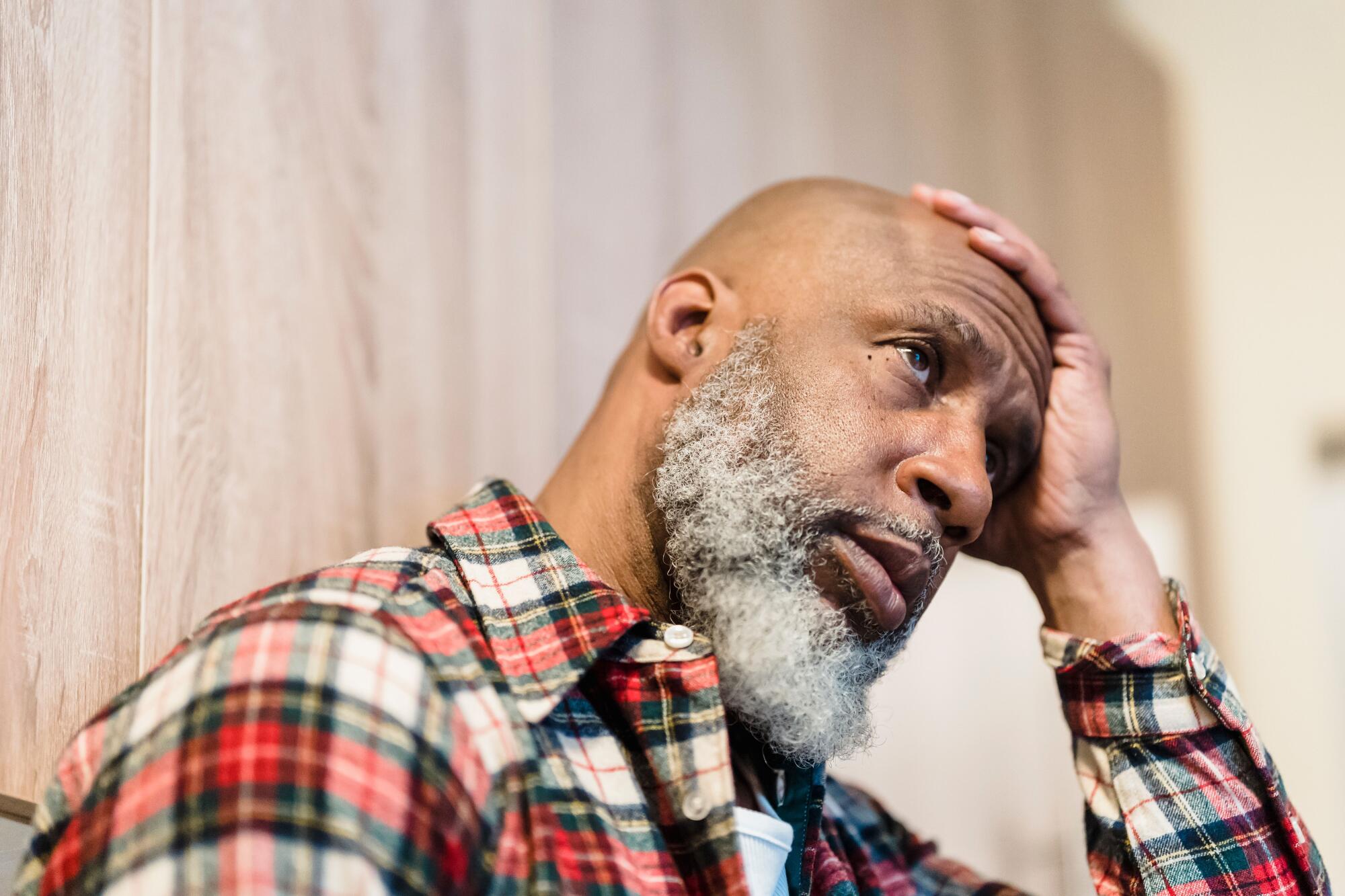
Advanced early diagnosis tools and disease-modifying therapies are innovations in neurotechnology helping reshape care for neurodegenerative disorders. Some take the form of blood-based markers and protein quantification, while others are immunotherapies for active targeting.
Through these innovations, people with neurological conditions like Alzheimer’s disease (AD) and Parkinson’s disease can benefit from earlier and more precise diagnoses and treatment. They’re welcome additions to neurotechnology, given that such conditions affect one in two people in the U.S., per the American Academy of Neurology.
What Are the Most Common Neurodegenerative Diseases?
AD and Parkinson’s disease are the most common neurodegenerative and progressive brain diseases in the United States. They’re more common among older adults but impact different parts of the brain.
AD primarily affects the areas of the brain responsible for cognitive function and memory. Conversely, Parkinson’s primarily impacts movement control centers.
An article published (and recently reviewed) by the National Institute of Environmental Health Sciences noted that AD affects as many as 6.2 million people in the United States. Parkinson’s disease, on the other hand, impacts close to a million Americans.
What Are the Symptoms of Neurodegenerative Disorders?
Neurodegenerative disorders can cause widely varying physical, behavioral, and cognitive symptoms, as these conditions trigger loss of function and death of nerve cells. The signs and indications vary from one disease to another, but they usually fall into one of these categories:
- Movement and motor symptoms, such as tremors, rigidity, stiffness, and slowness of movement
- Mood and behavioral changes, ranging from anxiety to depression, apathy, irritability, and shifts in personality
- Cognitive and mental indications, including memory loss, confusion, disorientation, and language difficulties
What Are Recent Innovations Reshaping Care for Neurodegenerative Disorders?
Many neurodegenerative disorders have always been hard to identify and treat early. One reason is that the damage they cause occurs and accumulates silently in the brain for years, even decades. Only after such time has passed do their symptoms often appear.
The good news is that brain health innovations are helping reshape care for individuals with or at high risk of neurodegenerative conditions. Such advanced patient care solutions allow for earlier and more accurate diagnoses and effective disease management and treatment.
Early Diagnostic Tools
More advanced and precise diagnostic tools are now available for early neurodegenerative disease detection and staging.
One example is the blood-based biomarker and protein-quantifying tool, Taudia’s SPLASH platform. It allows healthcare professionals to catch early warning signs of neurodegenerative conditions, particularly AD, with a simple blood draw.
Disease-Modifying Therapies
Disease-modifying therapies for neurodegenerative disorders target the processes of the underlying disease. They aim to “alter” the condition’s clinical trajectory to:
- Slow down the disease’s progression
- Delay the onset of severe disability
- Extend lifespan by raising survival rate and quality of life
Examples of such treatments are amyloid-clearing drugs (e.g., donanemab and lecanemab). There are also tau protein-targeted therapies.
Modern Care: Bringing New Hope to People With Neurodegenerative Disorders
Thanks to the sustained efforts of researchers and scientists, people with neurodegenerative disorders continue to see hope with advanced diagnostics and treatments. From biomarkers to targeted therapies, these are just some of the innovations transforming neurotechnology and care.
If you’re looking for more insightful guides and up-to-date news like this, then check out the rest of our platform.
This article was prepared by an independent contributor and helps us continue to deliver quality news and information.



‘I’m here to stand up for democracy’ says Kenneth Petty at the ‘No Kings: Vote Early’ protest on the Tamm Bridge in St. Louis, Missouri, Saturday Oct. 17, 2026.
This is the fourth national “No Kings” protests since President Trump second presidential term. Indivisible called on people throughout the country to mobilize neighbors and communities to vote early in the mid-term election. Over 3,000 “No Kings” protest our taking place today.
📷 Dawn Suggs | St. Louis American
#VoteEarly #UnlockTheBallot #ProtectDemocracy #STL #stlamerican
car reviews
Optimize Your Seating: Essential Household Setup Guide #shorts
Maximize your space with these simple seating optimization tips. Learn how to arrange your layout for better accessibility and flow in any room.

Optimize your space! Count seating positions and test accessibility for smooth entry/exit. Consider your most frequent carry-ons for a practical fit. Perfect for any household. #AutoNetwork
🔗 Watch the full video: https://youtu.be/8HFPFmqpCdg
#SeatingArrangement #HomeOrganization #SpaceSaving #PracticalTips
car reviews
Brake Pedal Test Drive: Smooth Stops for Your Truck! #shorts
Does your truck require heavy pressure to stop? Learn how to gauge pedal effort and ensure safe, controlled braking before you make your next big purchase.
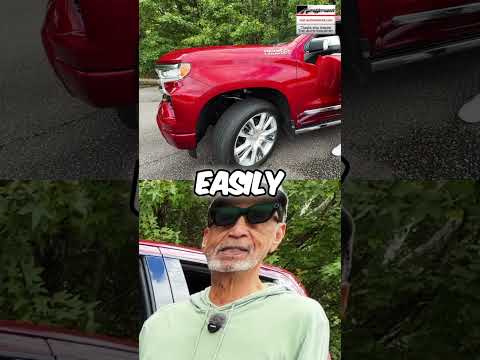
Do you need heavy brake pedal pressure for smooth stops? Learn to gauge pedal effort and brake safely and in control during your test drive. Essential before a big purchase. #AutoNetwork
🔗 Watch the full video: https://youtu.be/6sLjUP3UQfY
#BrakeControl #TruckDriving #TestDriveTips #VehicleSafety
Featured
Life Lessons Learned Through Adversity: My Journey #shorts
Discover the profound life lessons learned through the highs and lows of adulthood. See how navigating adversity revealed God’s unwavering faithfulness.


Navigating the ups and downs of life, especially through the twenties and into the thirties, reveals profound lessons. Adversity has shown the Lord’s faithfulness. #LifeLessons #Adversity #FaithJourney #PersonalGrowth
Black Enterprise
From Claflin Alum to ColorBlind Artist
Discover how Claflin alum Patro “Pero” Ulmer defies expectations by creating stunning murals and vibrant art despite being colorblind.

From classrooms to college campuses to city murals and community events, artist Patro “Pero” Ulmer is leaving his creative mark on the world, one color at a time. He’s an in-demand artist from Orangeburg, SC who believes art is “a way of living in which creativity is not a hobby, but a lifestyle.” We’ll discuss Patro’s inspiring journey from HBCU Claflin University to art classrooms as a educator to becoming a renowned muralist and painter across The Carolinas and beyond- and how he creates beauty even though he is colorblind.
Featured
Turning Abolitionist Design Research Into Real-World Business #shorts
Bridge the gap between abolitionist theory and real-world business strategy. Learn how to transform your passion for liberation into a tangible, thriving enterprise.

Discover the sweet spot where your businesses, research, and liberation efforts align. Actualize your theories into practice and explore surprising connections, maybe even an abolitionist ice cream shop! #PassionProject #CareerGoals #FindYourNiche #Innovation


‘No King: Vote Early’ protest for democracy in St. Louis

Optimize Your Seating: Essential Household Setup Guide #shorts

Brake Pedal Test Drive: Smooth Stops for Your Truck! #shorts

Life Lessons Learned Through Adversity: My Journey #shorts

From Claflin Alum to ColorBlind Artist

Turning Abolitionist Design Research Into Real-World Business #shorts

Black Journalists: Community, Excellence, and Lifting Up #shorts

NFN Exclusive: Muslims in AI

NFN Live presents The State of the Westward

Alliance of Civil Rights Orgs launch Week of Action; National Black Man Voter Day set for Oct. 24

The Youngest American Killed in the Vietnam War

Passing for White, Fighting for Black America: The Courage of Walter White

OP-ED: Haiti TPS: Have We Lost Sense of Humanity?

NFL: Week Two Recap | Jalen Hurts did not fold; Caleb Williams exits game with injury

Remembering Chauncey Bailey as Student Journalists Face Threats to Truth-Telling

Peter Magubane: a Camera Against Apartheid

Mayor Lee Announces $1 Million Kaiser Permanente Grant for Pilot Program to Address Homelessness, Clean Up Public Spaces throughout Oakland

OP-ED: How Head Start Also Helps Parents

Poll: Becerra Widens His Lead Over Hilton; Californians Split on Wealth Tax

Community Action Group ‘Friends of Zakiya’ Ask Sheriff for Time
‘No King: Vote Early’ protest for democracy in St. Louis
Optimize Your Seating: Essential Household Setup Guide #shorts
Brake Pedal Test Drive: Smooth Stops for Your Truck! #shorts
Life Lessons Learned Through Adversity: My Journey #shorts
From Claflin Alum to ColorBlind Artist
Turning Abolitionist Design Research Into Real-World Business #shorts
Black Journalists: Community, Excellence, and Lifting Up #shorts
NFN Exclusive: Muslims in AI
NFN Live presents The State of the Westward

MC’ing a Gala: A Night of Love & Black Excellence #shorts
-
 BlackPressUSA1 week ago
Latinas Deserve Equal Pay. Unions Help Make It Happen.
-

 Black Press5 days ago
All Skinfolk Ain’t Kinfolk
-

 Black Press4 days ago
Oakland Awarded More than $14 Million in State Funding
-

 African American News and Issues3 days ago
Black History: Gladys West Mathematics Helped Make GPS Possible
-
 Black Press4 days ago
Jendayi Arrest Raises Community Concerns Regarding Sheriff’s Chain of Command
-

 Black Press4 days ago
Allen Temple Baptist Church Hosts Free Prostate Cancer Screenings on Oct. 17
