
News
Here’s what you need to know about preventing warehouse accidents this season

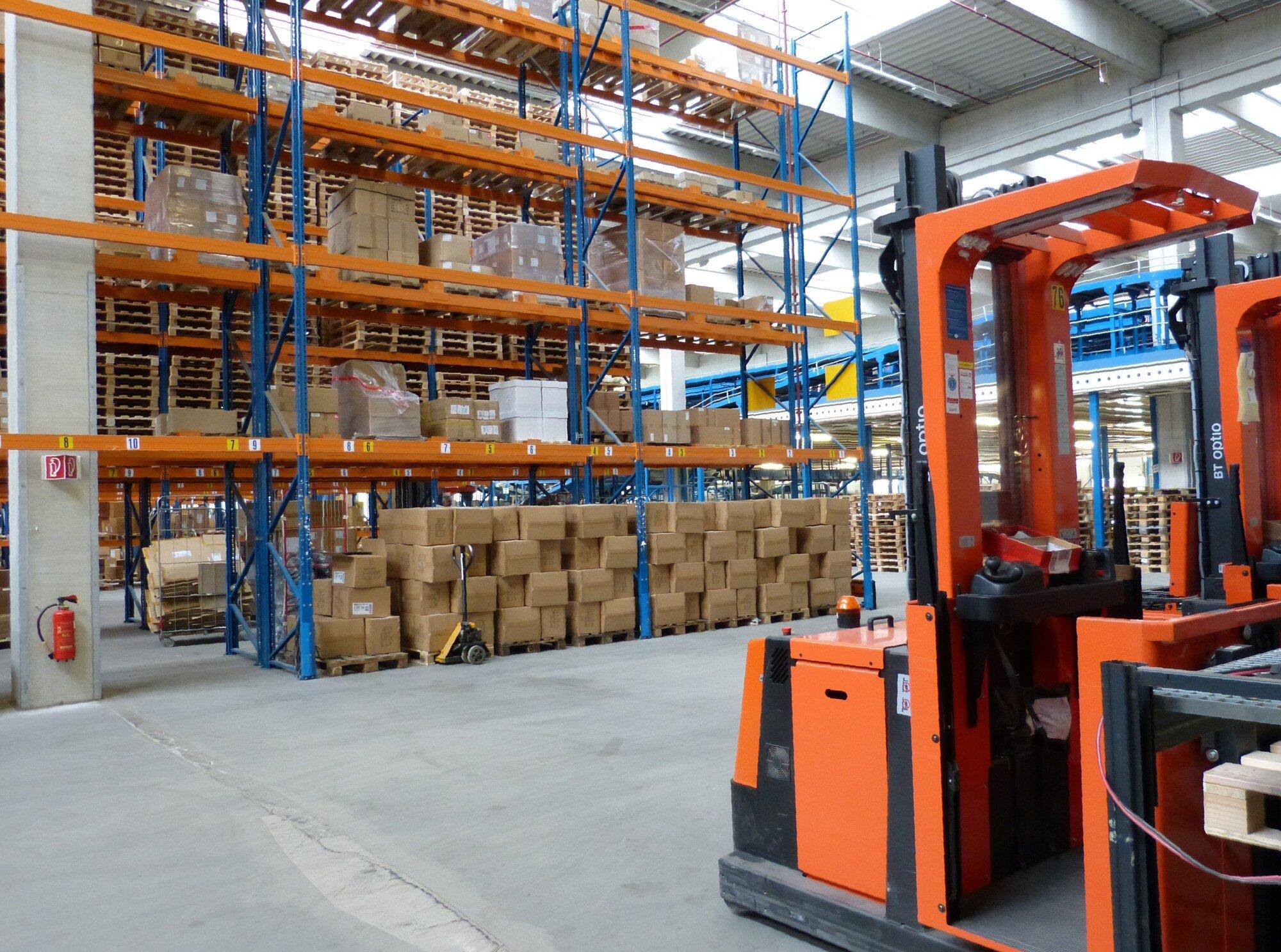
Preventing or minimizing the risk of workplace safety hazards in warehouses starts with comprehensive hazard identification. Implementing anti-slip, trip, and fall strategies and equipment and machinery safety policies is just as crucial.
Mitigating warehouse hazards, particularly during peak shopping seasons, has become all the more crucial nowadays, as e-commerce continues to grow at an exponential rate. An article published on MHLNews.com even noted that U.S. warehouse work has tripled over the last 20 years as a result of e-commerce increasing to account for 16.4% of retail sales.
With this greater demand for warehousing comes an increased risk of industrial accidents, which is why implementing rigorous safety protocols should be a top priority for warehouse owners and operators.
What Is Workplace Safety?
Workplace safety pertains to the policies, practices, and procedures employers must enforce and employees must follow to prevent or mitigate the risk of job injuries, illnesses, and immediate harm.
In the U.S., worker protection and safety laws are in place, primarily governed by federal statutes enforced by agencies like the U.S. Department of Labor and the Occupational Safety and Health Administration (OSHA). Unfortunately, even with these regulations, many workplace injuries and illnesses still occur each year.
Per the latest data available from the U.S. Bureau of Labor Statistics, in 2024 alone, an estimated 2.5 million nonfatal injuries and illnesses occurred in the private sector.
Who Is Responsible for Workplace Safety?
Workplace safety is a responsibility that both employers and employees share. Employers, however, bear the primary and legal responsibility of ensuring workers have a healthy and safe work environment. If they fail, they risk having their workers:
- Fall ill
- Sustain injuries
- Die in workplace accidents
If any of these happen, employers can expect to face legal and financial consequences.
There are OSHA penalties and fines that await non-compliant employers. They may also find themselves embroiled in lawsuits from injured workers or the surviving family members of workers who are victims of wrongful death cases.
How Can Warehouse Owners Prevent or Minimize the Risk of Workplace Safety Hazards?
Data from the National Safety Council (NSC) shows that in 2024, the transportation and warehousing industry had 310,000 cases of medically consulted injuries. Even more unfortunate is that 790 workers within this sector lost their lives while on the job.
All those figures underscore the importance of prioritizing warehouse workplace safety and minimizing the risk of hazards on the job. With the following strategies, owners and operators are more likely to achieve this goal.
Conducting Comprehensive Hazard Identification
Comprehensive hazard identification is the basis of a proactive workplace safety program, as it uncovers dangerous conditions and job-specific hazards before they cause:
- Injuries and illnesses
- Equipment damage
- Unplanned downtimes
- Operational shutdowns
When warehouse owners know exactly what risks their operations and employees face, they can shift from a reactive approach to a more proactive, targeted resolution. They can also prioritize risks, addressing the most dangerous ones first.
One example is the increase in seasonal safety hazards during high-demand seasons or the “holiday rush.” In many cases, the significant influx in warehousing demand calls for hiring seasonal workers, who may then be unfamiliar or inexperienced with machinery operation and safety protocols.
In those situations, warehouse owners can mitigate risk by enforcing safety training. They should also implement a buddy system, in which they pair less experienced workers with veterans.
Implementing Slip, Trip, and Fall Prevention Policy
Slips, trips, and falls are among the most common causes of injuries in workplaces, from warehouses to construction sites, hospitals, and restaurants.
While not all result in severe or life-threatening injuries, some do, putting patients at risk of broken bones and internal organ damage. Others experience serious traumatic brain injuries, and sometimes, even death.
Having a comprehensive slip, trip, and fall prevention policy should therefore be another top priority for warehouses, and it must involve:
- Immediate clutter removal and spill cleanups
- Clearing congested inventory storage areas
- Ensuring no stacking violations (e.g., for shelves and pallets) exist
- Maintaining bright lighting, including immediate replacement of “burnt-out” bulbs
- Managing cords and hoses and keeping them away from foot traffic
- Using anti-slip footwear and installing anti-slip surfaces
Putting Machinery Safety Protocols in Place
Some of the greatest dangers in warehouses have to do with equipment and machinery, particularly forklifts. Employers must therefore put machinery safety protocols in place, including scheduling regular inspections and partnering with a reliable material handling parts and service provider.
With well-maintained equipment and machinery, dangerous failures (e.g., tip-overs, rollovers, and falling loads) are less likely to occur, minimizing the risk that certified operators and authorized personnel face.
Frequently Asked Questions
What Are the Common Causes of Workplace Safety Problems?
Workplace safety problems often stem from slip, trip, and fall hazards, including cluttered walkways and wet floors. Uneven surfaces, combined with poor lighting, can also lead to people slipping, tripping, falling, and sustaining injuries.
Poor work ergonomics and posture are primary causes of workplace safety risks, too. Workers who lift heavy objects incorrectly, perform repetitive tasks, and maintain awkward standing or sitting postures, for instance, are often more prone to job injuries.
Failure to implement strict protocols on who can operate specialized equipment and machinery, such as forklifts, is another typical reason behind workplace incidents. Employers in industries that use these machines must only allow and authorize certified workers with extensive experience and training to operate them.
Are Warehouses the Most Dangerous Workplaces?
No, warehouses aren’t the single “most” dangerous workplaces. They are, however, among the riskiest job sites and working environments.
According to the NSC, the transportation and warehousing sector, together with state and local governments, had the highest recordable rates for injuries and illnesses per 100 workers in 2024. The transportation and warehousing sector also had the highest rate of injuries and illnesses involving days away from work (DAFW) per 10,000 workers.
Keep Warehouse Workers Safe With Proactive Strategies
Maintaining workplace safety in warehouses requires identifying hazards, implementing slip, trip, and fall prevention policies, and enforcing machinery safety protocols. With these strategies, warehouse owners can reduce the dangers and threats their workers face every single day.
If you’re looking for more insightful guides like this or the latest events and news impacting the Black community, we’ve got you covered. Browse our most recent posts and coverage to stay in the loop.


car reviews
4 Buyer Pain Points That Make Every Deal Harder #shorts
Is your sales process driving customers away? Discover the four common friction points sabotaging your deals and how to fix them today.

Long waits, unclear costs, repeated negotiations, and conflicting information can turn buying into an exhausting process. These four friction points create delays and uncertainty at every step.
🔗 Watch the full video: https://youtu.be/LBfl7Vj3u88
#AutoNetwork #BuyingProcess #CustomerExperience #SalesInsights #BusinessTips
car reviews
$96,575 Tahoe: Which Extras Are Worth Paying For? #shorts
Is a $96,575 Chevy Tahoe worth the steep price tag? We break down which luxury add-ons are must-haves and which ones you should skip.

A $96,575 Tahoe makes sense when its equipment earns a place in your weekly routine. If you mainly need the space, compare it with a Tahoe that fits your needs and price the extras you’d actually keep.
🔗 Watch the full video: https://youtu.be/8ApFYLVbPRQ
#AutoNetwork #ChevroletTahoe #SUVReview #CarBuyingTips #VehicleFeatures
Featured
How Mentorship Turned Into Unexpected Job Offers #shorts
Discover how a simple mentorship connection unlocked hidden career opportunities and led to unexpected job offers. See how your next mentor could be your teammate.


Mentorship revealed a self-taught professional knew more than expected—and led to job offers. The right mentor can validate your skills and become a future teammate. #MN #Minnesota #Mpls #Minneapolis #StPaul #HennepinCounty #RamseyCounty #Mentorship #CareerGrowth #SelfTaught #ProfessionalDevelopment #JobOffers
Featured
Networking Events That Turn Strangers Into Friends #shorts
Ditch the awkward small talk. Discover how Playprofessional turns standard networking events into genuine, meaningful connections that last.

Professional events can spark friendships, businesses, and even marriages. Playprofessional creates a relaxed atmosphere where people connect around passions—not just job titles—and feel welcome meeting someone new. #MN #Minnesota #Mpls #Minneapolis #StPaul #HennepinCounty #RamseyCounty #Networking #ProfessionalNetworking #MeaningfulConnections #BusinessCommunity #SocialEvents #IntrovertFriendly
Black Press
Iowa’s State Black and Brown Caucus Demand Investigation into Lead Azine Detonation
The Iowa Legislative Black and Brown Caucus is demanding a full independent investigation following the U.S. Army’s controlled detonation of 10,000 pounds of degraded lead azide at the Iowa Army Ammunition Plant. Legislators expressed serious concerns regarding environmental justice and public health, questioning why the toxic material was allowed to deteriorate for decades until it became too unstable to move. The caucus is calling for transparency regarding potential lead contamination of local soil, water, and agricultural products that sustain rural and working-class communities. Read more.


Note: On Nov. 25, after court and state-requested delays, the U.S. Army completed two simultaneous controlled detonations of about 10,000 pounds of degraded lead azide which had been stored in the Army Ammunition Plant in Middletown. The detonation followed the discovery in March that the material was too unstable to move. In October, local residents were informed of the plan, and the Environmental Protection Agency approved it on Nov. 13. The Army ordered evacuations for residents within a five-mile radius. Protests ensued, and the Eighth Circuit Court paved the way for today’s detonation within a concrete bunker. The states of Illinois and Missouri are also activated monitoring and emergency coordination.
Portions of the statement by the Black and Brown Caucus of Iowa’s state legislators are below:
Lead is highly toxic, and there is no known safe level of lead exposure. The projected release of lead-containing dust raises serious concerns about the health of our children, pregnant people, agricultural workers, livestock, and anyone who may come into contact with contaminated air, soil, water, or surfaces.
Iowans deserve answers and accountability. The Army’s failure to address this material sooner has left our communities facing a dangerous situation, and at the very least, Iowans deserve full transparency, accountability, and every possible safeguard to protect our people, our land, and our future.
The consequences of this failure have been placed on the shoulders of Iowa families and communities.
The Iowa Legislative Black and Brown Caucus is calling for a full, independent
investigation into how nearly 10,000 pounds of lead azide were allowed to deteriorate at the Iowa Army Ammunition Plant for more than two decades, ultimately reaching a point where the Army claims it is too dangerous to safely move or dispose of through alternative methods.
This situation raises serious questions about environmental justice, public health, government
transparency, and the responsibility of public institutions to protect the people they serve.
For generations, Black, Latin, immigrant, rural, and working-class communities have experienced the consequences of environmental hazards and industrial pollution in Iowa. This is a matter of public health, economic security, and basic human dignity.
What happens when lead-containing particles settle on farmland, contaminate water sources, or
accumulate on crops and produce? What protections are in place for livestock, farm animals, and the people who work with, consume, and depend on these agricultural products? These are questions that deserve clear, science-based answers, not assumptions or reassurances.
Every Iowan deserves clear information, meaningful protections, and confidence that their health and safety are being prioritized. We call upon state and federal authorities to ensure:
- Timely, accessible information about the planned operation, potential exposure, and scientific evidence
- Safety advisories and emergency information reach all affected communities, including through Spanish-language and other accessible communications
- Assessment of potential impacts on farmland, crops, livestock, water sources, and agricultural operations, with clear guidance for producers and appropriate testing and remediation
- Independent air, soil, and environmental monitoring with findings made publicly available
- Prioritization of children, pregnant individuals, older adults, outdoor workers, wildlife, and households facing barriers to transportation, healthcare, or emergency services
- Clear expectations for long-term environmental testing, remediation, public health follow-up, and continued communication after the operation
- Full accounting of oversight and decision-making including a documented timeline of how hazardous materials were stored, when deterioration and associated risks were identified, what actions were considered, and how federal, state, local, and civilian personnel were notified and protected

State Rep. Ruth Ann Gaines
State Rep. Rob Johnson
State Rep. Mary Madison
State Rep. Jerome Amos
State Senator Renee Hardman
State Rep. Angel Ramirez
State Rep. Megan Srinivas
State Rep. Ross Wilburn
State Rep. Elect Vincent Collis
State Senator Elect Samy El-Baroudi
State Rep. Elect Ivette Muhammad
State Rep. Elect Shawn Olorundami
State Rep. Elect Nick Salazar
State Senator-Elect Nikhil Wagle
Former State Rep. Ako Abdul-Samad
The source for this statement is the Facebook page for the Iowa Black and Brown Caucus of State Legislators.
Black Press
Iowa’s State Black and Brown Caucus Demand Investigation into Lead Azine Detonation
The Iowa Legislative Black and Brown Caucus is demanding a full independent investigation following the U.S. Army’s controlled detonation of 10,000 pounds of degraded lead azide at the Iowa Army Ammunition Plant. Legislators expressed serious concerns regarding environmental justice and public health, questioning why the toxic material was allowed to deteriorate for decades until it became too unstable to move. The caucus is calling for transparency regarding potential lead contamination of local soil, water, and agricultural products that sustain rural and working-class communities. Read more.

Note: On Nov. 25, after court and state-requested delays, the U.S. Army completed two simultaneous controlled detonations of about 10,000 pounds of degraded lead azide which had been stored in the Army Ammunition Plant in Middletown. The detonation followed the discovery in March that the material was too unstable to move. In October, local residents were informed of the plan, and the Environmental Protection Agency approved it on Nov. 13. The Army ordered evacuations for residents within a five-mile radius. Protests ensued, and the Eighth Circuit Court paved the way for today’s detonation within a concrete bunker. The states of Illinois and Missouri are also activated monitoring and emergency coordination.
Portions of the statement by the Black and Brown Caucus of Iowa’s state legislators are below:
Lead is highly toxic, and there is no known safe level of lead exposure. The projected release of lead-containing dust raises serious concerns about the health of our children, pregnant people, agricultural workers, livestock, and anyone who may come into contact with contaminated air, soil, water, or surfaces.
Iowans deserve answers and accountability. The Army’s failure to address this material sooner has left our communities facing a dangerous situation, and at the very least, Iowans deserve full transparency, accountability, and every possible safeguard to protect our people, our land, and our future.
The consequences of this failure have been placed on the shoulders of Iowa families and communities.
The Iowa Legislative Black and Brown Caucus is calling for a full, independent
investigation into how nearly 10,000 pounds of lead azide were allowed to deteriorate at the Iowa Army Ammunition Plant for more than two decades, ultimately reaching a point where the Army claims it is too dangerous to safely move or dispose of through alternative methods.
This situation raises serious questions about environmental justice, public health, government
transparency, and the responsibility of public institutions to protect the people they serve.
For generations, Black, Latin, immigrant, rural, and working-class communities have experienced the consequences of environmental hazards and industrial pollution in Iowa. This is a matter of public health, economic security, and basic human dignity.
What happens when lead-containing particles settle on farmland, contaminate water sources, or
accumulate on crops and produce? What protections are in place for livestock, farm animals, and the people who work with, consume, and depend on these agricultural products? These are questions that deserve clear, science-based answers, not assumptions or reassurances.
Every Iowan deserves clear information, meaningful protections, and confidence that their health and safety are being prioritized. We call upon state and federal authorities to ensure:
- Timely, accessible information about the planned operation, potential exposure, and scientific evidence
- Safety advisories and emergency information reach all affected communities, including through Spanish-language and other accessible communications
- Assessment of potential impacts on farmland, crops, livestock, water sources, and agricultural operations, with clear guidance for producers and appropriate testing and remediation
- Independent air, soil, and environmental monitoring with findings made publicly available
- Prioritization of children, pregnant individuals, older adults, outdoor workers, wildlife, and households facing barriers to transportation, healthcare, or emergency services
- Clear expectations for long-term environmental testing, remediation, public health follow-up, and continued communication after the operation
- Full accounting of oversight and decision-making including a documented timeline of how hazardous materials were stored, when deterioration and associated risks were identified, what actions were considered, and how federal, state, local, and civilian personnel were notified and protected

State Rep. Ruth Ann Gaines
State Rep. Rob Johnson
State Rep. Mary Madison
State Rep. Jerome Amos
State Senator Renee Hardman
State Rep. Angel Ramirez
State Rep. Megan Srinivas
State Rep. Ross Wilburn
State Rep. Elect Vincent Collis
State Senator Elect Samy El-Baroudi
State Rep. Elect Ivette Muhammad
State Rep. Elect Shawn Olorundami
State Rep. Elect Nick Salazar
State Senator-Elect Nikhil Wagle
Former State Rep. Ako Abdul-Samad
The source for this statement is the Facebook page for the Iowa Black and Brown Caucus of State Legislators.


4 Buyer Pain Points That Make Every Deal Harder #shorts

$96,575 Tahoe: Which Extras Are Worth Paying For? #shorts

How Mentorship Turned Into Unexpected Job Offers #shorts

Networking Events That Turn Strangers Into Friends #shorts

Iowa’s State Black and Brown Caucus Demand Investigation into Lead Azine Detonation

Iowa’s State Black and Brown Caucus Demand Investigation into Lead Azine Detonation

COMMENTARY: The Judicial System Silenced Jendayi by Using the Penal Codes and Locking Her Up in Jail

PRESS ROOM: Mississippi Congressman Bennie Thompson to Speak at Oakland Post/El Mundo and Post News Group 64th Anniversary Celebration

OP-ED: More Sleep and Lower Blood Pressure — An Overlooked Connection

Harlem Neighbors Feed Neighbors, Senator Cleare’s Thanksgiving Giveaway Brings Hope to the Table

HISTORY MADE: Keisha Lance Bottoms Becomes First Black Woman Elected Governor in American History

Multi-Faith Leaders Representing 10 Million People Launch National Anti-Authoritarian Initiative

Christianity’s Racial History

Hundreds of Black Christian Leaders Arriving in Israel for Martin Luther King-Inspired Mission

Michael Shiner: The Enslaved Man Who Wrote His Way into American History

Keisha Lance Bottoms to Govern State Where Her Great-Great-Grandfather Was Enslaved

Don’t Pass the Torch. Expand the Circle.

DOJ Fights to Keep Rep. Ilhan Omar’s Search Warrant Sealed: Report

OP-ED: Closing the Next Digital Divide — Communities of Color Must Have a Voice in the AI Future

COMMENTARY: Thank You, Trump, for Making America Great Again!
4 Buyer Pain Points That Make Every Deal Harder #shorts
$96,575 Tahoe: Which Extras Are Worth Paying For? #shorts
How Mentorship Turned Into Unexpected Job Offers #shorts
Networking Events That Turn Strangers Into Friends #shorts

D’Angelos Svenkeson on Football, Faith and Building the Future of Rondo | Blacklight on Sports

Public EV Charging: Plan Your Routes Before You Buy #shorts

The Unisex Sweatshirt That Helps You Protect Your Peace #shorts

Killing Me Softly: The Story Sampling Should Remember #shorts

MC Scat Cat: Why Fans Still Remember the Iconic Character #shorts

How This Bag Business Turns Community Into Collaboration #shorts
-

 Black History1 week ago
Black Barbershops Have Long Given Neighborhood Politics a Place to Unfold.
-

 Featured1 week ago
How Sick Must America Get Before Saying Enough to RFK
-

 Black History1 week ago
OP-ED: Black voters made history. They laid the groundwork for a Third Reconstruction.
-

 Black History5 days ago
Hoodoo Heritage Month Celebrates Origins of African American Folk Medicine
-

 Featured1 week ago
ALASKA FLIPS BLUE, WAYMO HITS THE BRAKES & CAMILLE TUCKER JOINS US! 📱
-

 Black History4 days ago
PRESS ROOM: Donalds Transition Website Now Open to All Floridians Who Want to Serve
