
News
The best time to travel is the month everyone else avoids


The best time to travel for a safari is often the month the forecast tells you to skip. June through October is the easy choice, with dry ground and animals crowding the last water. March through May is the wetter one, and it delivers newborn calves, empty roads, and far lower rates.
Climate is doing much of the rescheduling. According to Virtuoso’s 2026 Luxe Report, 45% of advisors with clients adjusted dates for it, and 76% of those advisors reported more interest in off-peak travel. Rain plays the same role on a safari calendar.
A safari runs on different logic than a beach trip. Rain moves the grass, the grass moves the herds, and the herds move the predators. A forecast full of storms often means the animals are exactly where you want them.
Booking a Tanzania safari means choosing between open country with easy access and a wetter, cheaper season full of newborn animals.
What Is the Best Time to Travel to Tanzania?
The case for the dry season is simple. Between June and October, the grass dies back, the bush opens up, and cover disappears. Animals concentrate at the few rivers and waterholes still holding water.
Firm roads allow vehicles to reach the corners of the park that turn to mud later in the year. Mornings run cool, and afternoons stay warm and clear. Here is what the dry months give you:
- Open sightlines through thin grass.
- Predictable animal movement toward water
- Firm roads across the whole park
- Long stretches of clear sky
June through October earns its reputation as the best time for a safari, and the crowds and July-to-August peak rates are the price of it.
Travelers who cannot make June work have a third option. Late December through February sits between the two rainy seasons, hot and mostly clear, with roads that hold and parks that stay open.
When Is the Great Migration in the Serengeti?
Picking a month means picking a location. Serengeti migration timing moves the animals across the ecosystem on a yearlong circuit, so February and August deliver entirely different trips.
Between January and April, wildebeest gather on the southern Serengeti plains to give birth. National Geographic reports that half a million calves may arrive in a single year, and predators move in behind them. The heaviest wildlife activity of the year lands in the wet months.
A rough map of the year looks like this:
- January to March on the southern plains near Ndutu
- April and May moving north through Seronera.
- June crossing at the Grumeti River
- July to October in the north near the Mara River
Choose the scene first, and the best time for a safari picks itself.
What Is the Cheapest Month to Visit Tanzania?
April is the wettest month of the year, which is exactly why it is the cheapest. The long rains, known locally as the Masika, fall from March through May across the northern parks. Tanzania’s weather service issues a regional forecast for them each year.
The rain follows a pattern. Clear mornings give way to an hour or two of heavy afternoon storms, then the sky opens back up. The country turns a deep green in the process.
What the green season offers:
- Rates well below peak pricing
- Few other vehicles at sightings
- Migratory birds in large numbers
- Newborn animals across the plains
Certain tracks become impassable, and a handful of camps shut down for repairs during the wettest weeks. Serengeti migration timing runs on rainfall, not on the booking calendar, and predators work the herds through every month of it. Fewer vehicles simply mean fewer people watching.
How Far Ahead Should You Book a Tanzania Safari?
The best camps have only a handful of tents, which is why lead times run long. Book 12 months ahead for peak dates, or six months for the green season.
Trip planning moves faster when you fix the wildlife goal before the dates. A calving trip and a river-crossing trip are different itineraries in different corners of the park. A best time for safari in Tanzania breakdown maps the herds by calendar month.
Frequently Asked Questions
Do Americans Need a Visa for Tanzania?
Yes. U.S. citizens need a visa, and Tanzania issues them through an online portal run by its immigration department. Apply several weeks out, since processing times vary, and a printed approval moves you through arrivals faster.
What Should You Pack for a Safari?
Neutral colors, layers, and a warm jacket for early game drives. Mornings often start in the low sixties and climb into the eighties by midday. Soft duffel bags travel better than hard suitcases, because bush planes limit both weight and shape.
How Do You Get to the Serengeti?
Most travelers fly into Kilimanjaro International Airport, then connect by road or light aircraft. The drive from Arusha to the central Serengeti eats most of a day, with a stop at Ngorongoro along the way.
How Many Days Do You Need?
Seven to 10 days cover the northern circuit without rushing it. Shorter trips work if you fly between parks instead of driving the long transfers. Anything under five days usually means more time in transit than in the field.
Is Zanzibar Worth Adding?
Yes, though the island runs on its own weather clock. Zanzibar’s heaviest rain also falls from March through May, and from June through October, the seas are calmest and the water clearest. Most travelers tack on three or four beach days after the safari ends.
Can Children Go on Safari?
Many camps set a minimum age, often around six or eight, and some keep family tents with connecting rooms. A private vehicle helps, since young children rarely sit still through a six-hour game drive. Ask about age rules before you put down a deposit.
Match the Month to the Trip You Want
First-timers who want volume and easy sightings should book the dry season. Repeat visitors, photographers, and budget travelers do better in the wet months. The best time to travel is whichever of those descriptions fits you.
The parks stay open year-round, and the animals never leave, so trip planning starts with the month and works outward from there. Subscribe to our newsletter for community stories and timely updates.



‘I’m here to stand up for democracy’ says Kenneth Petty at the ‘No Kings: Vote Early’ protest on the Tamm Bridge in St. Louis, Missouri, Saturday Oct. 17, 2026.
This is the fourth national “No Kings” protests since President Trump second presidential term. Indivisible called on people throughout the country to mobilize neighbors and communities to vote early in the mid-term election. Over 3,000 “No Kings” protest our taking place today.
📷 Dawn Suggs | St. Louis American
#VoteEarly #UnlockTheBallot #ProtectDemocracy #STL #stlamerican
car reviews
Optimize Your Seating: Essential Household Setup Guide #shorts
Maximize your space with these simple seating optimization tips. Learn how to arrange your layout for better accessibility and flow in any room.

Optimize your space! Count seating positions and test accessibility for smooth entry/exit. Consider your most frequent carry-ons for a practical fit. Perfect for any household. #AutoNetwork
🔗 Watch the full video: https://youtu.be/8HFPFmqpCdg
#SeatingArrangement #HomeOrganization #SpaceSaving #PracticalTips
car reviews
Brake Pedal Test Drive: Smooth Stops for Your Truck! #shorts
Does your truck require heavy pressure to stop? Learn how to gauge pedal effort and ensure safe, controlled braking before you make your next big purchase.
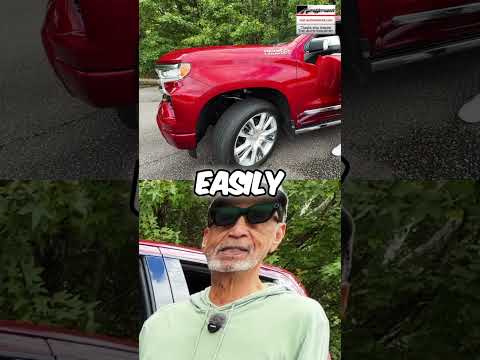
Do you need heavy brake pedal pressure for smooth stops? Learn to gauge pedal effort and brake safely and in control during your test drive. Essential before a big purchase. #AutoNetwork
🔗 Watch the full video: https://youtu.be/6sLjUP3UQfY
#BrakeControl #TruckDriving #TestDriveTips #VehicleSafety
Featured
Life Lessons Learned Through Adversity: My Journey #shorts
Discover the profound life lessons learned through the highs and lows of adulthood. See how navigating adversity revealed God’s unwavering faithfulness.

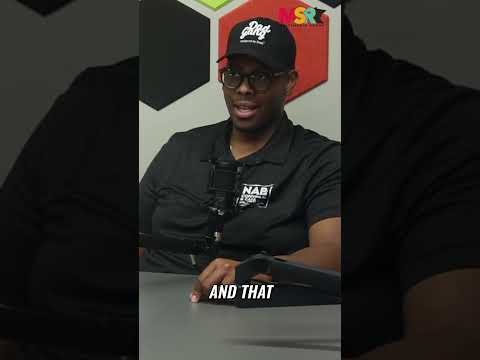
Navigating the ups and downs of life, especially through the twenties and into the thirties, reveals profound lessons. Adversity has shown the Lord’s faithfulness. #LifeLessons #Adversity #FaithJourney #PersonalGrowth
Black Enterprise
From Claflin Alum to ColorBlind Artist
Discover how Claflin alum Patro “Pero” Ulmer defies expectations by creating stunning murals and vibrant art despite being colorblind.

From classrooms to college campuses to city murals and community events, artist Patro “Pero” Ulmer is leaving his creative mark on the world, one color at a time. He’s an in-demand artist from Orangeburg, SC who believes art is “a way of living in which creativity is not a hobby, but a lifestyle.” We’ll discuss Patro’s inspiring journey from HBCU Claflin University to art classrooms as a educator to becoming a renowned muralist and painter across The Carolinas and beyond- and how he creates beauty even though he is colorblind.
Featured
Turning Abolitionist Design Research Into Real-World Business #shorts
Bridge the gap between abolitionist theory and real-world business strategy. Learn how to transform your passion for liberation into a tangible, thriving enterprise.
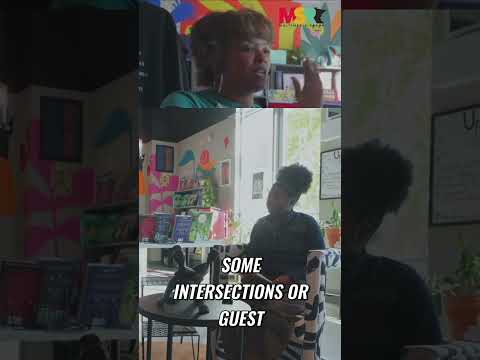
Discover the sweet spot where your businesses, research, and liberation efforts align. Actualize your theories into practice and explore surprising connections, maybe even an abolitionist ice cream shop! #PassionProject #CareerGoals #FindYourNiche #Innovation


‘No King: Vote Early’ protest for democracy in St. Louis

Optimize Your Seating: Essential Household Setup Guide #shorts

Brake Pedal Test Drive: Smooth Stops for Your Truck! #shorts

Life Lessons Learned Through Adversity: My Journey #shorts

From Claflin Alum to ColorBlind Artist

Turning Abolitionist Design Research Into Real-World Business #shorts

Black Journalists: Community, Excellence, and Lifting Up #shorts

NFN Exclusive: Muslims in AI

NFN Live presents The State of the Westward

Alliance of Civil Rights Orgs launch Week of Action; National Black Man Voter Day set for Oct. 24

The Youngest American Killed in the Vietnam War

Passing for White, Fighting for Black America: The Courage of Walter White

OP-ED: Haiti TPS: Have We Lost Sense of Humanity?

NFL: Week Two Recap | Jalen Hurts did not fold; Caleb Williams exits game with injury

Remembering Chauncey Bailey as Student Journalists Face Threats to Truth-Telling

Peter Magubane: a Camera Against Apartheid

Mayor Lee Announces $1 Million Kaiser Permanente Grant for Pilot Program to Address Homelessness, Clean Up Public Spaces throughout Oakland

OP-ED: How Head Start Also Helps Parents

Poll: Becerra Widens His Lead Over Hilton; Californians Split on Wealth Tax

Community Action Group ‘Friends of Zakiya’ Ask Sheriff for Time
‘No King: Vote Early’ protest for democracy in St. Louis
Optimize Your Seating: Essential Household Setup Guide #shorts
Brake Pedal Test Drive: Smooth Stops for Your Truck! #shorts
Life Lessons Learned Through Adversity: My Journey #shorts
From Claflin Alum to ColorBlind Artist
Turning Abolitionist Design Research Into Real-World Business #shorts
Black Journalists: Community, Excellence, and Lifting Up #shorts
NFN Exclusive: Muslims in AI
NFN Live presents The State of the Westward

MC’ing a Gala: A Night of Love & Black Excellence #shorts
-
 BlackPressUSA1 week ago
Latinas Deserve Equal Pay. Unions Help Make It Happen.
-

 Black Press5 days ago
All Skinfolk Ain’t Kinfolk
-

 Black Press4 days ago
Oakland Awarded More than $14 Million in State Funding
-
 African American News and Issues3 days ago
Black History: Gladys West Mathematics Helped Make GPS Possible
-
 Black Press4 days ago
Jendayi Arrest Raises Community Concerns Regarding Sheriff’s Chain of Command
-

 Black Press4 days ago
Allen Temple Baptist Church Hosts Free Prostate Cancer Screenings on Oct. 17
