
News
More travelers are coming home with stunning wildlife photos; here’s what changed


Great wildlife photos captured by travelers are not happening by accident. Travelers are heading out with more than better photography gear. They’re learning basic shooting techniques, using guided tours to improve positioning, and turning to editing apps afterward to clean up lighting, contrast, and detail.
Ever looked through someone’s safari photos and thought they belonged in a travel magazine?
Wildlife-focused travel has a huge audience. The Wildlife Society reports that 148 million U.S. residents watched wildlife in 2022, contributing about $250 billion to the economy.
Photography has become a bigger part of the experience, and people now expect to come home with more than a few distant shots of animals standing in the grass.
What Are the Must-Haves for Wildlife Photography?
Good wildlife photos depend heavily on having the right photography gear ready before an animal appears. You don’t need a huge kit, but a few basics make a noticeable difference.
Essential items include:
- A camera or phone with reliable autofocus
- A telephoto or zoom lens for distant animals
- Spare batteries or a power bank
- Extra memory cards or storage space
- A lens cloth for dust and fingerprints
- A beanbag or compact support for steadier shots
- A protective bag for dust and sudden weather changes
The best setup is one you can use quickly without fumbling when the moment finally arrives.
Travelers Are Learning the Basics Before Trips
Good equipment is nice to have, but it only gets you so far. A little technique can make a big difference, especially when animals are moving or the light changes quickly.
Some simple habits worth practicing before you head out:
- Keeping the camera steady
- Focusing on the animal’s eyes
- Using burst mode for movement
- Watching how light falls across the subject
- Leaving enough room in the frame for animals to move
- Practicing changing exposure or focus settings quickly
A few practice sessions before departure can save a lot of hesitation later. Short tutorials and tips from guides can also sharpen those skills during the trip.
Guided Tours Are Helping Travelers Get the Shot
Wildlife photography is partly about timing, but position is key. Experienced guides know where animals tend to move, when certain areas are busiest, and how close a vehicle can safely get without disturbing them.
On Tanzania safari tours, for example, local knowledge can help visitors find great spots for shooting while respecting park rules and animal behavior. Dedicated photography tours offer similar advantages, often allowing more time at sightings and fewer rushed stops.
A good guide also knows when staying put is the smarter choice, giving you more time to capture natural behavior without crowding the scene.
Slower Trips Create Better Photo Opportunities
Wildlife is spontaneous and unpredictable. A lion may sleep through an entire afternoon, while a herd could appear just after another vehicle has moved on. Slower itineraries give you more freedom to wait for the perfect moment instead of racing toward the next stop.
Extra time on a trip also helps when poor light, dust, distance, or weather ruins an earlier attempt. Returning to the same area later may reveal a completely different scene.
In addition, longer stays give you more time to watch animal behavior rather than simply collect sightings. Feeding, movement, interaction, and rest often make far more interesting images than a rushed glimpse from the road.
Better Viewing Setups Are Opening New Angles
Where you photograph from matters almost as much as the camera in your hands. Hides and raised viewing platforms offer steadier, less intrusive places to observe animals without constantly changing position.
Photography-focused safari vehicles may provide wider sightlines, open sides, and more room to handle longer lenses comfortably. Some setups also let photographers work from lower angles or brace equipment more securely.
Those small advantages can improve framing and timing while reducing the temptation to move too close or disturb the animals.
Editing Apps Are Making Good Shots Better
A nature photo doesn’t have to come out perfectly in-camera. Modern editing apps make it easier to correct small problems once the trip is over, especially when difficult light or distance affected the original image. Some common adjustments you can make to sharpen your photos:
- Brightening underexposed images
- Adding contrast to bring out texture
- Balancing shadows and highlights
- Cropping and straightening
- Correcting color
- Improving sharpness and fine detail
Subtle edits usually work best. A strong image may only need a few small corrections, while heavy editing rarely fixes severe blur or poor framing.
FAQs
What Is the Best Time of Day for Wildlife Photography?
Early morning and late afternoon offer softer light and more animal activity. Midday can still work well, particularly in shaded areas or when the subject is close enough to fill the frame.
Do You Need a Professional Camera for Safari Photography?
No. Modern smartphones and compact cameras can produce excellent results in good conditions. A dedicated camera becomes more useful when animals are distant, moving quickly, or active in low light.
How Close Should You Get to Wild Animals for a Photo?
Keep a safe distance and follow guidance from your guide or park staff. Moving closer does not always improve the image, and disturbing wildlife can quickly create an unsafe situation.
Should You Photograph Animals in Burst Mode?
Burst mode works well for movement, especially when birds take off, predators run, or animals interact. Several frames give you a better chance of catching the right expression, pose, or point in the action.
How Do You Protect Camera Gear From Dust on Safari?
Keep lenses capped when you are not shooting, avoid changing them in dusty conditions, and carry a soft cloth or blower for quick cleaning. A protective bag also helps during rough drives or sudden changes in weather.
Nail Those Wildlife Photos
Memorable wildlife photos come from a mix of preparation, patience, and being ready when something happens. Good gear helps, but knowing how to use it, giving yourself enough time, and working with the setting around you go a long way. The final edit may happen back at home, but the best images are usually won out in the field.
Discover more engaging perspectives and informative reads by browsing our website.


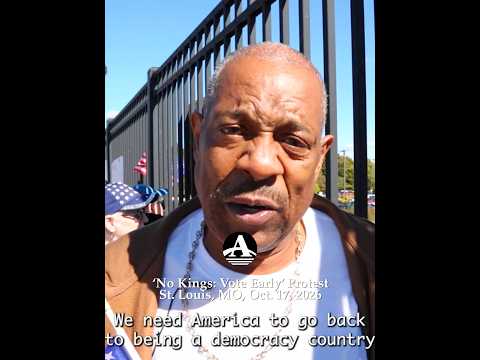
‘I’m here to stand up for democracy’ says Kenneth Petty at the ‘No Kings: Vote Early’ protest on the Tamm Bridge in St. Louis, Missouri, Saturday Oct. 17, 2026.
This is the fourth national “No Kings” protests since President Trump second presidential term. Indivisible called on people throughout the country to mobilize neighbors and communities to vote early in the mid-term election. Over 3,000 “No Kings” protest our taking place today.
📷 Dawn Suggs | St. Louis American
#VoteEarly #UnlockTheBallot #ProtectDemocracy #STL #stlamerican
car reviews
Optimize Your Seating: Essential Household Setup Guide #shorts
Maximize your space with these simple seating optimization tips. Learn how to arrange your layout for better accessibility and flow in any room.
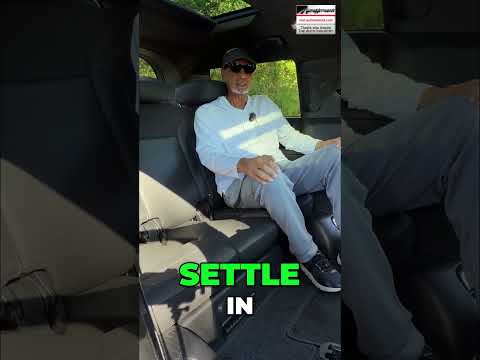
Optimize your space! Count seating positions and test accessibility for smooth entry/exit. Consider your most frequent carry-ons for a practical fit. Perfect for any household. #AutoNetwork
🔗 Watch the full video: https://youtu.be/8HFPFmqpCdg
#SeatingArrangement #HomeOrganization #SpaceSaving #PracticalTips
car reviews
Brake Pedal Test Drive: Smooth Stops for Your Truck! #shorts
Does your truck require heavy pressure to stop? Learn how to gauge pedal effort and ensure safe, controlled braking before you make your next big purchase.
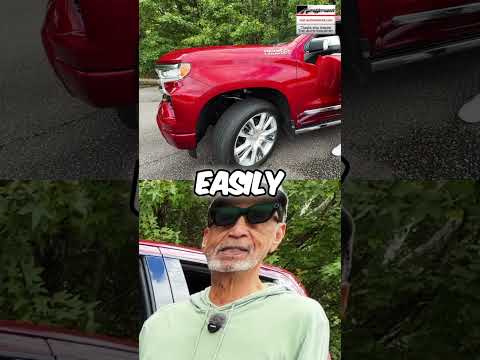
Do you need heavy brake pedal pressure for smooth stops? Learn to gauge pedal effort and brake safely and in control during your test drive. Essential before a big purchase. #AutoNetwork
🔗 Watch the full video: https://youtu.be/6sLjUP3UQfY
#BrakeControl #TruckDriving #TestDriveTips #VehicleSafety
Featured
Life Lessons Learned Through Adversity: My Journey #shorts
Discover the profound life lessons learned through the highs and lows of adulthood. See how navigating adversity revealed God’s unwavering faithfulness.

Navigating the ups and downs of life, especially through the twenties and into the thirties, reveals profound lessons. Adversity has shown the Lord’s faithfulness. #LifeLessons #Adversity #FaithJourney #PersonalGrowth
Black Enterprise
From Claflin Alum to ColorBlind Artist
Discover how Claflin alum Patro “Pero” Ulmer defies expectations by creating stunning murals and vibrant art despite being colorblind.

From classrooms to college campuses to city murals and community events, artist Patro “Pero” Ulmer is leaving his creative mark on the world, one color at a time. He’s an in-demand artist from Orangeburg, SC who believes art is “a way of living in which creativity is not a hobby, but a lifestyle.” We’ll discuss Patro’s inspiring journey from HBCU Claflin University to art classrooms as a educator to becoming a renowned muralist and painter across The Carolinas and beyond- and how he creates beauty even though he is colorblind.
Featured
Turning Abolitionist Design Research Into Real-World Business #shorts
Bridge the gap between abolitionist theory and real-world business strategy. Learn how to transform your passion for liberation into a tangible, thriving enterprise.
Discover the sweet spot where your businesses, research, and liberation efforts align. Actualize your theories into practice and explore surprising connections, maybe even an abolitionist ice cream shop! #PassionProject #CareerGoals #FindYourNiche #Innovation


‘No King: Vote Early’ protest for democracy in St. Louis

Optimize Your Seating: Essential Household Setup Guide #shorts

Brake Pedal Test Drive: Smooth Stops for Your Truck! #shorts

Life Lessons Learned Through Adversity: My Journey #shorts

From Claflin Alum to ColorBlind Artist

Turning Abolitionist Design Research Into Real-World Business #shorts

Black Journalists: Community, Excellence, and Lifting Up #shorts

NFN Exclusive: Muslims in AI

NFN Live presents The State of the Westward

Alliance of Civil Rights Orgs launch Week of Action; National Black Man Voter Day set for Oct. 24

The Youngest American Killed in the Vietnam War

Passing for White, Fighting for Black America: The Courage of Walter White

OP-ED: Haiti TPS: Have We Lost Sense of Humanity?

NFL: Week Two Recap | Jalen Hurts did not fold; Caleb Williams exits game with injury

Remembering Chauncey Bailey as Student Journalists Face Threats to Truth-Telling

Peter Magubane: a Camera Against Apartheid

Mayor Lee Announces $1 Million Kaiser Permanente Grant for Pilot Program to Address Homelessness, Clean Up Public Spaces throughout Oakland

OP-ED: How Head Start Also Helps Parents

Poll: Becerra Widens His Lead Over Hilton; Californians Split on Wealth Tax

Community Action Group ‘Friends of Zakiya’ Ask Sheriff for Time
‘No King: Vote Early’ protest for democracy in St. Louis
Optimize Your Seating: Essential Household Setup Guide #shorts
Brake Pedal Test Drive: Smooth Stops for Your Truck! #shorts
Life Lessons Learned Through Adversity: My Journey #shorts
From Claflin Alum to ColorBlind Artist
Turning Abolitionist Design Research Into Real-World Business #shorts
Black Journalists: Community, Excellence, and Lifting Up #shorts
NFN Exclusive: Muslims in AI
NFN Live presents The State of the Westward

MC’ing a Gala: A Night of Love & Black Excellence #shorts
-
 BlackPressUSA1 week ago
Latinas Deserve Equal Pay. Unions Help Make It Happen.
-

 Black Press5 days ago
All Skinfolk Ain’t Kinfolk
-

 Black Press4 days ago
Oakland Awarded More than $14 Million in State Funding
-
 African American News and Issues3 days ago
Black History: Gladys West Mathematics Helped Make GPS Possible
-
 Black Press4 days ago
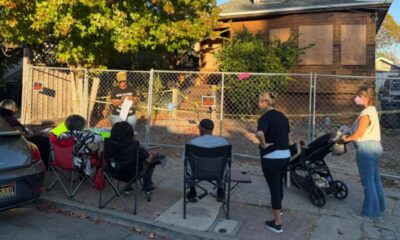
Jendayi Arrest Raises Community Concerns Regarding Sheriff’s Chain of Command
-
 Black Press4 days ago
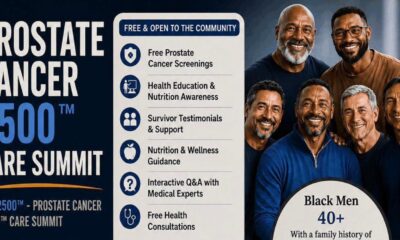
Allen Temple Baptist Church Hosts Free Prostate Cancer Screenings on Oct. 17
