
Fashion
RHOA Star Opens Boutique at National Harbor
THE AFRO — They came early and waited longer for a passing glimpse at a reality show icon who is now blazing a trail in the high-end fashion industry. Real Housewives of Atlanta (RHOA) star Nene Leakes, by all accounts, officially became the first Black woman to own a retail establishment at MGM National Harbor in Oxon Hill.


By Mark F. Gray
They came early and waited longer for a passing glimpse at a reality show icon who is now blazing a trail in the high-end fashion industry. Real Housewives of Atlanta (RHOA) star Nene Leakes, by all accounts, officially became the first Black woman to own a retail establishment at MGM National Harbor in Oxon Hill.
Leakes, whose often combative TV personality has earned legions of fans who revere and despise her, opened her second Swagg Boutique in a prime location, just outside the food court in front of Starbucks at Maryland’s mega casino and entertainment complex. She opened the first in Atlanta after launching a successful clothing line on QVC and her Swagg brand stores currently has another location called Swaggalicious in Miami.
A massive audience waited outside the store inside a velvet rope for more than three hours before she appeared and was swiftly escorted into the store to become a sales magnet. The overflow audience stretched from the store’s entrance and halfway down the hall towards the casino with an excited gathering who was far more enamored by being in the presence of celebrities than making a purchase.
This was not the conventional grand opening in the D.M.V. to a celebrity’s retail establishment. There was no countdown to the ribbon cutting. There were no dignitaries, nor other celebrities who weren’t associated with the RHOA brand either.
However, Nene cleverly pulled off a fashion show with runway models who worked the hallway outside the store inconspicuously. Through about five different wardrobe changes, the quartet brought a closer look to the store’s summer fashions that would inaugurate it’s inception. Somehow it was almost too discreet and hard to determine if they were representing for the reality show fashionista’s line of clothing or random divas looking for a photo opportunity.
Guests who were visiting the resort for the afternoon matinee’ of the “Disco Nights” show that played in the theatre were split on their reaction to the atmosphere that surprisingly greeted them. The generational culture divide was most apparent then. Many knew that something significant was happening although the late 1970s and 80s dance craze audience weren’t RHOA – or reality show fans – so they couldn’t fully comprehend the magnitude of what they were walking into.
Leakes grand entrance came approximately 90 minutes after the doors opened. The first wave of customers had their patience tested after standing on-line to be first in the store, then have to wait for another hour for a coveted moment to see the star. The RHOA fans from the D.M.V. were mindful of how important it was to have a Black woman to operate a retail establishment at National Harbor while trying to get the perfect selfie without making a purchase.
The RHOA star joined Sex In The City’s Sarah Jessica Parker, as the only female celebrities to have their names associated with retail establishments at MGM National Harbor. Parker reportedly was in the building Friday to debut a pre fall collection of SJP shoes by serving as a pop-up salesperson for two hours then heading back to New York.
The boutique’s shop and sip event opening gave fans and high end customers a chance to browse and shop during an afternoon of decadent dessert, hors d’oeuvres, and wine. Those who made purchases didn’t have to worry about that perfect selfie because full bags meant full tummies while Leakes would strike a pose with them.
This article originally appeared in The Afro.










Black History
IN MEMORIAM: Marcia Ann Gillespie, Editor of Essence and Ms. Magazines, Dies at 82
Marcia Ann Gillespie, the trailblazing journalist who served as the first editor-in-chief of Essence magazine, has died at age 82. After joining the publication at its inception in 1970, Gillespie spent a decade elevating the beauty and voices of Black women during a pivotal era of self-love and cultural revolution. She later broke barriers as the first Black woman to lead Ms. magazine, further solidifying her status as a titan of the publishing industry. Her expansive career also included authorship and teaching, leaving a profound impact on American media. Read more.
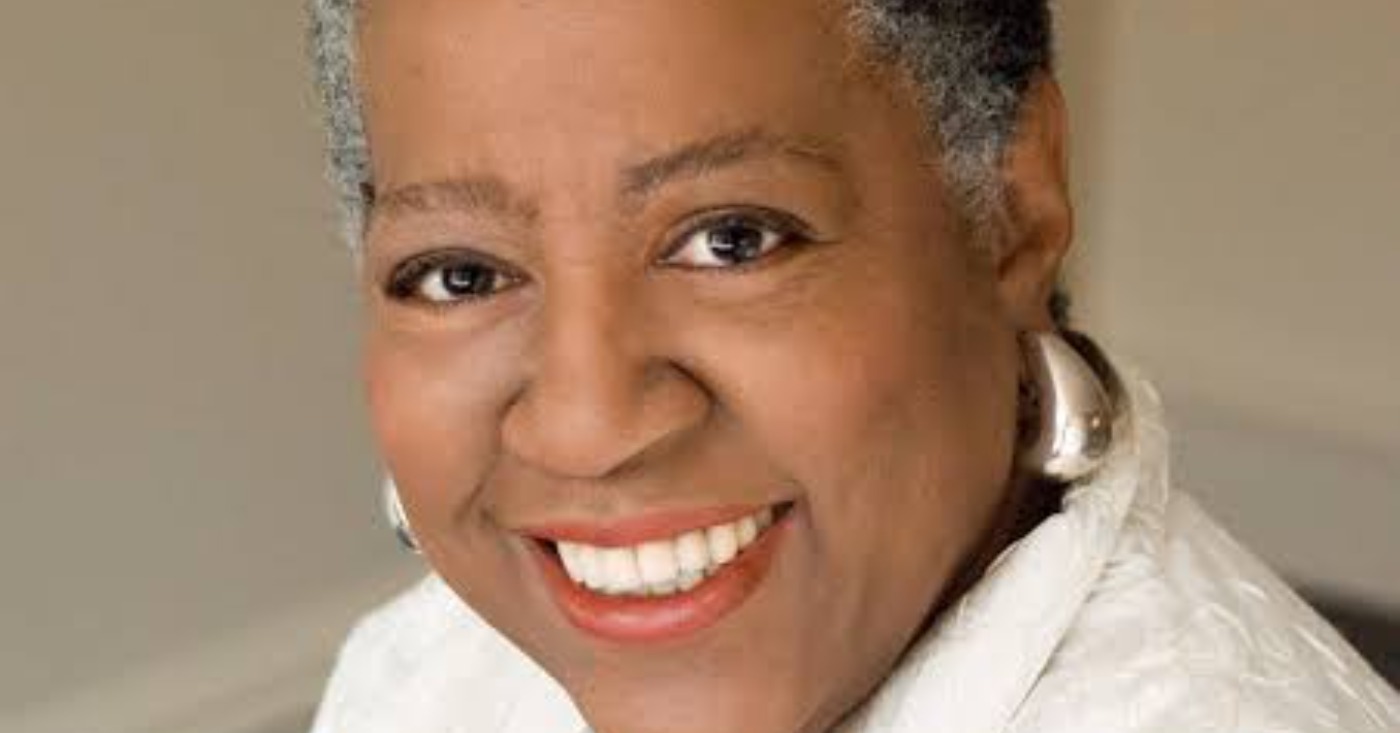
Marcia Anna Gillespie, the first editor in chief of Essence magazine, has died. She was 82.
Born in Rockville Centre, New York, in 1944. The daughter of a church sexton/small business owner and domestic worker/caterer, Gillespie parlayed her degree in American studies from Illinois’s Lake Forest College into a research job at Time-Life Books, Inc. in New York.
There she advocated for fairness and inclusion of Black life in its publications. When the owners of the standard bearer of Black life, Ebony magazine, ventured into creating a special publication for young, Black women, Gillespie was hired as managing editor in 1970, and became editor-in-chief a year later at the young age of 26.
At the time, the venture by the Johnson family – the owners of Ebony magazine and Jet – into creating a publication for young Black women met the growing revolution of self-love in the Black community.
In other words, the battle cry of the late 1960s, “Black is Beautiful,” had a place to be seen and not just heard.
Thousands of young women who had already abandoned straightening combs and European aesthetics learned more ways to wear their natural hair from Afros to cornrows. Young Black designers got a place in the spotlight not just in clothing but jewelry that expressed neo-African ideals. But one of the most important impacts was the magazine’s unapologetic elevation of the beauty of the dark-skinned Black female to the status she deserved.
Under Gillepie’s tenure, Essence championed storytelling that celebrated Black women’s identities, experiences, and contributions at a time when their voices were often overlooked in mainstream media,” Essence wrote in a statement posted to Instagram
For 10 years she steered the fledgling publication before joining Ms. Magazine as a contributor in 1980 later becoming the first Black woman to edit a mainstream American magazine when she took charge in 1992.
In 1998, she helped secure the publication’s future through a women-led ownership group. She stayed at Ms. In various capacities until 2001, during which time the magazine had the most diverse readership in its history.
She also mentored future Essence editor Susan L. Taylor and taught young journalists at SUNY Old Westbury.
Emmy-winning actor Sheryl Lee Ralph took to social media to honor Gillespie’s life.
“Rest in peace, dear Marcia Gillespie,” she wrote on Threads. “Your voice, your brilliance, and your commitment to lifting up Black women leaves a legacy that will continue to inspire me and so many others.”
A professor at SUNY Old Westbury and Bennett College, she also co-authored the authorized biography “Maya Angelou: A Glorious Celebration” in 2008.
According to Wikipedia, she also served on various boards as a director or advisor, including: “…the Arthur Ashe Institute of Urban Health, the Black & Jewish Women of New York, the Violence Policy Center in Washington, D.C., Aspen Institute, …and the Studio Museum of Harlem. Gillespie is a member of the National Council of Negro Women and the American Association of Magazine Editors.”
She was the recipient of several awards, including: the Lake Forest College Outstanding Alumni Award (1973), the New York Women in Communications Matrix Award (1978); a Lifetime Achievement Award from the New York Association of Black Journalists for print journalism (1982); a ‘Top Ten Outstanding Women in Magazine Publishing’ recognition by the March of Dimes.
In later years she was inducted into the American Society of Magazine Editors’ Hall of Fame (2002); the NAACP President’s Award (2006) and the Barbara Graves Legacy Award at the Black Enterprise Women of Power Summit in 2017.
The conclusion for her online obituary reads: “She leaves behind a legacy written not just in the pages she edited, but in every editor, journalist, and reader who found themselves — finally — in the stories she chose to tell.”
Online sources for this report include “The History Makers,” The Washington Informer, Wikipedia, Essence magazine, Ms. Magazine and her obituary.
Art
Event Preview: ‘Fashion v. Fascism’ – A Runway Revolution Is Coming to the Bay Area
“Every piece on this runway translates what is happening under fascism into a feeling,” explains Erica Furlong, the FVF creative director. “One designer’s trench coat is covered in pockets stamped ‘TRUTH,’ ‘MEMORY,’ ‘HOPE,’ ‘VOTE,’ ‘FUTURE,’ because that’s literally what gets seized first, pocket by pocket, under fascist decline. Fashion can hold grief and hope in the same silhouette, and that tension is exactly what this moment needs.”

“Fashion vs. Fascism” (FVF) is a visually immersive evening of fashion, music and political theater exposing the rise of fascism in the U.S. and the need to resist. Democracy is under siege, and culture is one of our most potent defenses, organizers say.
Called a live “runway revolution,” FvF premieres Oct. 3 at The Rotunda, 300 Frank Ogawa Plaza in downtown Oakland.
A play that is part fashion show, part protest, part performance art, FvF stages five runway collections spotlighting the pillars of contemporary fascist politics and the urgent need to resist: the myth of a “glorious past,” the manufactured emergencies used to justify surveillance and crackdowns, and the oligarchs and grifters profiting from it all. Runway fashion shares the stage with political theater and live music, with a closing call to action.
“We need lawsuits, ballots and mass protests, but none of it lands if we’re not also fighting for people’s imagination,” says Linda Burnham, co-producer of the show. “People are exhausted and scared. FvF will expose the absurdities of fascist mythology and ideology in ways a news headline cannot and spark new ideas about how to resist.”
“Fascism doesn’t win by policy alone. It wins by telling a story. A myth about a ‘Golden Age.’ A permanent emergency that makes cruelty seem necessary. That’s not an accident, it’s a strategy, and it works on the same terrain as culture: image, spectacle, emotion,” says Aya De León, the show’s playwright.
“Every piece on this runway translates what is happening under fascism into a feeling,” explains Erica Furlong, the FVF creative director. “One designer’s trench coat is covered in pockets stamped ‘TRUTH,’ ‘MEMORY,’ ‘HOPE,’ ‘VOTE,’ ‘FUTURE,’ because that’s literally what gets seized first, pocket by pocket, under fascist decline. Fashion can hold grief and hope in the same silhouette, and that tension is exactly what this moment needs.”
At its best, fashion is about creativity, diversity, innovation, experimentation and the free exchange of ideas. Fascism, by contrast, demands conformity and control, while suppressing dissent.
FVF was created, organizers say, because democracy should always be in style.
Featured designers include Erica Varize, Rickie Lee, Tianna Charity, Julie Wong, and Maria Flores. The evening features a script by lead playwright Aya De León, musical performances by Mindeullae Project and DJ Emancipation, and other special guests.
FvF is designed to travel. Following the Oakland premiere, FvF will extend its reach through a documentary short, a curriculum on contemporary fascism in the U.S., and a full replication playbook — design templates, script, and curriculum — so organizers in other cities can stage their own version of the show.
Get more details at www.fashionvfascism.org.
Art
Event Preview: ‘Fashion v. Fascism’ – A Runway Revolution Is Coming to the Bay Area
“Every piece on this runway translates what is happening under fascism into a feeling,” explains Erica Furlong, the FVF creative director. “One designer’s trench coat is covered in pockets stamped ‘TRUTH,’ ‘MEMORY,’ ‘HOPE,’ ‘VOTE,’ ‘FUTURE,’ because that’s literally what gets seized first, pocket by pocket, under fascist decline. Fashion can hold grief and hope in the same silhouette, and that tension is exactly what this moment needs.”

“Fashion vs. Fascism” (FVF) is a visually immersive evening of fashion, music and political theater exposing the rise of fascism in the U.S. and the need to resist. Democracy is under siege, and culture is one of our most potent defenses, organizers say.
Called a live “runway revolution,” FvF premieres Oct. 3 at The Rotunda, 300 Frank Ogawa Plaza in downtown Oakland.
A play that is part fashion show, part protest, part performance art, FvF stages five runway collections spotlighting the pillars of contemporary fascist politics and the urgent need to resist: the myth of a “glorious past,” the manufactured emergencies used to justify surveillance and crackdowns, and the oligarchs and grifters profiting from it all. Runway fashion shares the stage with political theater and live music, with a closing call to action.
“We need lawsuits, ballots and mass protests, but none of it lands if we’re not also fighting for people’s imagination,” says Linda Burnham, co-producer of the show. “People are exhausted and scared. FvF will expose the absurdities of fascist mythology and ideology in ways a news headline cannot and spark new ideas about how to resist.”
“Fascism doesn’t win by policy alone. It wins by telling a story. A myth about a ‘Golden Age.’ A permanent emergency that makes cruelty seem necessary. That’s not an accident, it’s a strategy, and it works on the same terrain as culture: image, spectacle, emotion,” says Aya De León, the show’s playwright.
“Every piece on this runway translates what is happening under fascism into a feeling,” explains Erica Furlong, the FVF creative director. “One designer’s trench coat is covered in pockets stamped ‘TRUTH,’ ‘MEMORY,’ ‘HOPE,’ ‘VOTE,’ ‘FUTURE,’ because that’s literally what gets seized first, pocket by pocket, under fascist decline. Fashion can hold grief and hope in the same silhouette, and that tension is exactly what this moment needs.”
At its best, fashion is about creativity, diversity, innovation, experimentation and the free exchange of ideas. Fascism, by contrast, demands conformity and control, while suppressing dissent.
FVF was created, organizers say, because democracy should always be in style.
Featured designers include Erica Varize, Rickie Lee, Tianna Charity, Julie Wong, and Maria Flores. The evening features a script by lead playwright Aya De León, musical performances by Mindeullae Project and DJ Emancipation, and other special guests.
FvF is designed to travel. Following the Oakland premiere, FvF will extend its reach through a documentary short, a curriculum on contemporary fascism in the U.S., and a full replication playbook — design templates, script, and curriculum — so organizers in other cities can stage their own version of the show.
Get more details at www.fashionvfascism.org.
Black Press
Event Preview: ‘Fashion v. Fascism’ – A Runway Revolution Is Coming to the Bay Area
“Fashion v. Fascism” (FVF) is an upcoming visually immersive event combining fashion, music, and political theater to expose the rise of fascism in the U.S. and advocate for resistance. Described as a live “runway revolution,” FVF premieres October 3 at The Rotunda in downtown Oakland. The event will feature five runway collections spotlighting elements of contemporary fascist politics, accompanied by political theater and live music, culminating in a call to action. Organizers state that culture is a potent defense when democracy is under siege. Read more to learn about this unique event.

“Fashion vs. Fascism” (FVF) is a visually immersive evening of fashion, music and political theater exposing the rise of fascism in the U.S. and the need to resist. Democracy is under siege, and culture is one of our most potent defenses, organizers say.
Called a live “runway revolution,” FvF premieres Oct. 3 at The Rotunda, 300 Frank Ogawa Plaza in downtown Oakland.
A play that is part fashion show, part protest, part performance art, FvF stages five runway collections spotlighting the pillars of contemporary fascist politics and the urgent need to resist: the myth of a “glorious past,” the manufactured emergencies used to justify surveillance and crackdowns, and the oligarchs and grifters profiting from it all. Runway fashion shares the stage with political theater and live music, with a closing call to action.
“We need lawsuits, ballots and mass protests, but none of it lands if we’re not also fighting for people’s imagination,” says Linda Burnham, co-producer of the show. “People are exhausted and scared. FvF will expose the absurdities of fascist mythology and ideology in ways a news headline cannot and spark new ideas about how to resist.”
“Fascism doesn’t win by policy alone. It wins by telling a story. A myth about a ‘Golden Age.’ A permanent emergency that makes cruelty seem necessary. That’s not an accident, it’s a strategy, and it works on the same terrain as culture: image, spectacle, emotion,” says Aya De León, the show’s playwright.
“Every piece on this runway translates what is happening under fascism into a feeling,” explains Erica Furlong, the FVF creative director. “One designer’s trench coat is covered in pockets stamped ‘TRUTH,’ ‘MEMORY,’ ‘HOPE,’ ‘VOTE,’ ‘FUTURE,’ because that’s literally what gets seized first, pocket by pocket, under fascist decline. Fashion can hold grief and hope in the same silhouette, and that tension is exactly what this moment needs.”
At its best, fashion is about creativity, diversity, innovation, experimentation and the free exchange of ideas. Fascism, by contrast, demands conformity and control, while suppressing dissent.
FVF was created, organizers say, because democracy should always be in style.
Featured designers include Erica Varize, Rickie Lee, Tianna Charity, Julie Wong, and Maria Flores. The evening features a script by lead playwright Aya De León, musical performances by Mindeullae Project and DJ Emancipation, and other special guests.
FvF is designed to travel. Following the Oakland premiere, FvF will extend its reach through a documentary short, a curriculum on contemporary fascism in the U.S., and a full replication playbook — design templates, script, and curriculum — so organizers in other cities can stage their own version of the show.
Get more details at www.fashionvfascism.org.
Black Press
How Oakland’s Courtsmith is Scaling its Business and Local Impact
OAKLAND POST — “As Courtsmith grew, scaling wasn’t just about selling more—it was about building the infrastructure to deliver consistently, with a strong supply chain and production process,” said Courtney Smith, founder of Courtsmith. “We needed the right kind of capital and partners to help us expand without losing the Oakland authenticity that made us who we are.”
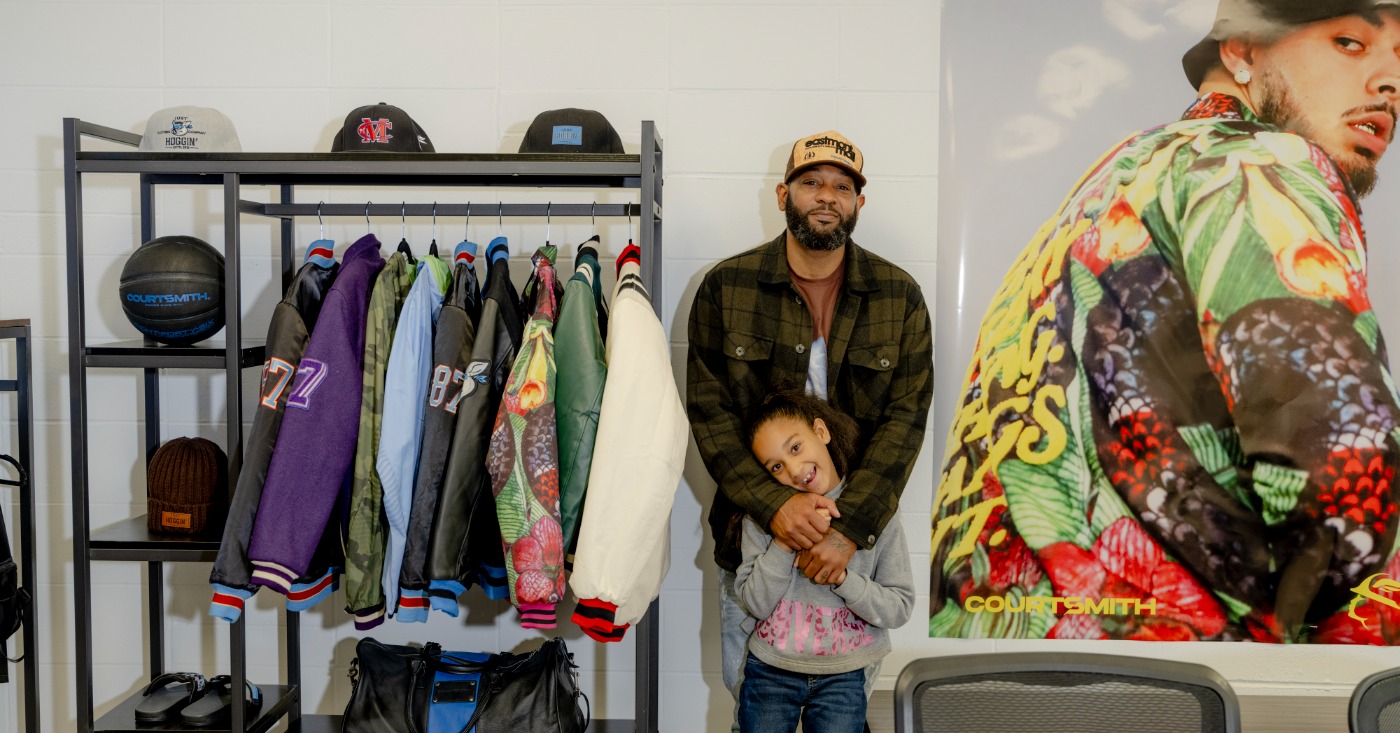
With support from ICA Fund and JPMorganChase, founder Courtney Smith is strengthening his supply chain, creating jobs and expanding local production, and positioning the Oakland-born brand for long-term growth
When Courtney Smith founded Courtsmith in Oakland in 2014, he was building more than an athletic apparel company. A lifelong basketball enthusiast, Smith saw an opportunity to create performance wear that reflected the culture of the game—its style, community and sense of belonging.
From the beginning, Courtsmith was rooted in the idea that basketball is not just a sport, but a lifestyle and a community. The brand set out to make athletes look and feel good on and off the court while building partnerships that give athletes a stake in the products and stories they help shape.
“As Courtsmith grew, scaling wasn’t just about selling more—it was about building the infrastructure to deliver consistently, with a strong supply chain and production process,” said Courtney Smith, founder of Courtsmith. “We needed the right kind of capital and partners to help us expand without losing the Oakland authenticity that made us who we are.”
As the company grew, Smith faced a common challenge for small businesses: maintaining quality, reliability and authenticity of products while scaling—and having the resources to do so. The next move was not simply about expansion; it was about building the infrastructure to last.
That is where ICA Fund—a Bay Area impact investor, small business support organization and long-time partner to Courtsmith—came in. ICA’s relationship with Smith began in 2017 through its Growth Strategies advising program, and over time, the organization paired mentorship, technical assistance and capital to help the company grow with intention. More recently, philanthropic support from JPMorganChase helped ICA expand the range of capital products it can offer entrepreneurs like Smith, including options designed for companies that are ready to scale but may not be a fit for traditional debt products or equity investments.
“Too many great businesses stay stuck small without access to fair and flexible capital— ICA Fund’s role is to change that,” said Allison Kelly, CEO of ICA Fund. “With support from JPMorganChase, we’re able to provide founder-friendly financing alongside long-term partnership, giving entrepreneurs the tools they need to grow stronger businesses that create opportunity in their communities.”
The right kind of capital for a new stage of growth
ICA recently provided Courtsmith with a loan to help it buy a local manufacturing business, a major step toward bringing more of its production process closer to home, strengthening its supply chain, reducing costs, continuing its growth and creating local jobs.
The transaction also marked a milestone for ICA: the first time the organization approved capital for a merger-and-acquisition transaction. It reflects a broader expansion of the financing options it offers, supported by JPMorganChase’s American Dream Initiative, which aims, in part, to help power 10 million small businesses—up from seven million today—over the next several years with the capital, coaching, tools and practical policy support they need to thrive. It’s also an example of the kind of tailored support—delivered through trusted local pathways and the firm’s own relationships—that JPMorganChase provides to small businesses in the Bay Area, including our more than 295,000 small business clients.
“Small businesses are the backbone of our economy, and Courtsmith’s story shows how access to the right capital at the right time can unlock growth,” said Gwyneth Galbraith, Vice President for Global Philanthropy at JPMorganChase. “By supporting organizations like ICA Fund, we’re helping expand access to the kinds of financing and guidance entrepreneurs need to strengthen operations, create jobs and build lasting businesses across the Bay Area.”
Building with staying power
For small businesses, access to financing that fits their stage of growth can determine whether expansion is sustainable. A one-size-fits-all approach does not always work for companies with distinct cash-flow cycles, customer demand and operational needs. In Courtsmith’s case, the ICA loan gave the company a path to invest in its future while preserving the founder’s vision and control—and reflected the kind of flexible financing JPMorganChase is helping expand through its support of local community and mission-driven lenders.
Courtsmith’s trajectory reflects that momentum. The company reports that revenue grew 259% from 2021 to 2025, while its workforce expanded from four employees in 2017 to 13 in 2025, including growth in full-time roles from one to 11.
Behind those numbers is a company deepening its roots in Oakland through local partnerships, community presence and a model built to last.
“Courtsmith is about Oakland, representing the culture that raised us and creating opportunity for the next generation,” said Smith. “With ICA Fund and JPMorganChase in our corner, we can keep turning that mission into something people can see and feel in our community.”
Courtsmith’s next chapter is still being written, but the path is clearer: a founder-led brand with deeper local production capacity, a stronger supply chain, and a larger role in Oakland’s small business economy.
Art
National Museum of African American History and Culture Opens Two Exhibitions Exploring the Power of Abstraction Across Art and Design
AFRICAN AMERICAN NEWS & ISSUES — “Revelation” explores the profound range and depth of abstract art created by African American artists from the mid‑20th century to the present. The exhibition features 41 works by 38 artists from the museum’s permanent collection, highlighting abstraction as a language of cultural memory, protest, identity, and transformation. Organized into five thematic sections: The Natural World Refracted, The Shape of Sound, Colored Surfaces, Dreams Deferred and Transcendent Visions, the exhibition reintroduces key works and debuts new acquisitions that expand established narratives of American abstraction.

The Smithsonian’s National Museum of African American History and Culture (NMAAHC) will open two companion exhibitions, “Revelation: A Journey into Abstraction” and “Reset: Abstraction Embodied in Design,” in The Rhimes Family Foundation Visual Arts Gallery. Together, the exhibitions explore how abstraction has shaped African American artistic expression across painting, sculpture, printmaking, furniture, textiles, and lighting. The range of media encourages audiences to consider how abstraction shapes their own environments and emotional experiences. Visit https://nmaahc.si.edu/reset and https://nmaahc.si.edu/revelation for more information.
“Abstraction has long been a powerful tool for African American artists to express memory, resistance and imagination beyond constraint,” said Shanita Brackett, acting director of NMAAHC. These exhibitions show how that language continues to evolve across canvas, clay and contemporary design.”
“Revelation” explores the profound range and depth of abstract art created by African American artists from the mid‑20th century to the present. The exhibition features 41 works by 38 artists from the museum’s permanent collection, highlighting abstraction as a language of cultural memory, protest, identity, and transformation. Organized into five thematic sections: The Natural World Refracted, The Shape of Sound, Colored Surfaces, Dreams Deferred and Transcendent Visions, the exhibition reintroduces key works and debuts new acquisitions that expand established narratives of American abstraction.
Artists represented in the exhibition include Theaster Gates, Sam Gilliam, Simone Leigh, Julie Mehretu, Gordon Parks, Howardena Pindell, Alma Thomas, and many others. A musical soundtrack curated by participating artists will play throughout the galleries.
As a companion exhibition, “Reset” shifts the focus from canvas to the body, presenting abstract design objects—chairs, rugs, and lighting—that transform everyday space into sites of reflection and renewal. The exhibition explores themes such as African diasporic influences on modern design, emotional engagement with materials, and the ways in which functional objects can offer respite, grounding, or transformation. Works by Ini Archibong, Simone Brewster, Mark Grattan, Little Wing Lee, Naudline Pierre, Michael Puryear, Peter L. Robinson Jr., Norman Teague, Jomo Tariku, Folayemi Wilson and Hadiya Williams illuminate the breadth of abstraction in contemporary art and design. Custom visitor benches designed in consultation with Cheryl R. Riley, an artist and furniture designer, provide restful spaces for reflection.
A fully illustrated catalog, “Revelation: A Journey into Abstraction,” published by Rizzoli Electa, reveals the profound range and depth of abstract art created by African American artists, from the 20th century to the present day. The companion book is now available for purchase in the NMAAHC store and online.
The “Revelation” exhibition was made possible by the Terra Foundation for American Art, NMAAHC’s Advisory Council and its Corporate Leadership Council with additional support from the Sunny Morning Fund.
About the National Museum of African American History and Culture
Since opening Sept. 24, 2016, the National Museum of African American History and Culture has welcomed more than 13 million in-person visitors and millions more through its digital presence. Occupying a prominent location next to the Washington Monument on the National Mall in Washington, D.C., the nearly 400,000-square-foot museum is the nation’s largest and most comprehensive cultural destination devoted exclusively to exploring, documenting and showcasing the African American story and its impact on American and world history. The museum has also launched and continues to expand its reach through the Searchable Museum portal and other efforts to bring African American history into the world’s hands and homes. For more information about the museum, visit nmaahc.si.edu, follow @NMAAHC on X, Facebook, and Instagram, or call the Smithsonian Information at (202) 633-1000.


Frontier PRO-4X Off-Road Features That Make Rough Terrain Easier #shorts

How Electric Vehicles Work: Motors, Batteries, and EV Basics #shorts

What Black Houston did on November 3

Wanna hold election winners accountable? Do this:

Is the 2027 Chevy Bolt RS Worth $38,940? #shorts
Ballots, Black Press & Veterans: Voices That Matter!

Ayanna Pressley Calls for Action 📱

Ayanna Pressley Calls for Action

Rear Seat Legroom Test: Will Adults Fit Comfortably? #shorts

L I V E | Scott Colom Speaks for the First Time as Mississippi’s Senator-Elect | Tougaloo College

Practitioners of African Traditional Spirituality Offer Ancestral Reverence Ritual Oct. 31

Tamiko Armstead | 2026 Lifetime Achiever in Education

HISTORY MADE: Keisha Lance Bottoms Becomes First Black Woman Elected Governor in American History

OP-ED: The Black Church Writes AI’s Next Chapter

Inside 820 S. Michigan: New Book Captures the Lost World of Ebony and Jet

OP-ED: If the ‘Cornell 7’ Were Black Men at an HBCU — America Wouldn’t Be This Sympathetic

Kickstarter CEO Everette Taylor Shares Tips on Creating and Growing a Business

While Black Families Pay More for Power, Some Attorneys General Fight to Save High-Cost Coal

BLACK MEN VOTE: Mobilizing 100,000 Black Men Ahead of the Midterms 📱

NFN live presents 🎙️ THE ROAD TO BEYOND IWDM 50: WE CANNOT STOP NOW! 8-Week Podcast
Frontier PRO-4X Off-Road Features That Make Rough Terrain Easier #shorts
How Electric Vehicles Work: Motors, Batteries, and EV Basics #shorts
What Black Houston did on November 3
Wanna hold election winners accountable? Do this:
Is the 2027 Chevy Bolt RS Worth $38,940? #shorts
Ayanna Pressley Calls for Action 📱
Ayanna Pressley Calls for Action
Rear Seat Legroom Test: Will Adults Fit Comfortably? #shorts
L I V E | Scott Colom Speaks for the First Time as Mississippi’s Senator-Elect | Tougaloo College

How a Local Plant Partnership Brightened Our Creative Space #shorts
-
 Black History1 week ago
HISTORY MADE: Keisha Lance Bottoms Becomes First Black Woman Elected Governor in American History
-

 Black History1 week ago
Christianity’s Racial History
-
 Black History1 week ago
Michael Shiner: The Enslaved Man Who Wrote His Way into American History
-

 Black History1 week ago
Five Hospitals Said No! Who Will Help Annette Henry Recover?
-

 Black History1 week ago
Hundreds of Black Christian Leaders Arriving in Israel for Martin Luther King-Inspired Mission
-

 Black History4 days ago
Keisha Lance Bottoms to Govern State Where Her Great-Great-Grandfather Was Enslaved
