
Featured
REPORT: None of the 28 Top Staffers in House and Senate are People of Color
NNPA NEWSWIRE — “The 116th Congress will be the most diverse in the nation’s history and it’s imperative that the diversity among senior and mid-level staff reflect the diversity of America,” said Don Bell, the director of the Black Talent Initiative at the Joint Center for Political and Economic Studies.


By Stacy M. Brown, NNPA Newswire Correspondent
@StacyBrownMedia
WASHINGTON – The Joint Center for Political and Economic Studies has released six detailed reports on the troubling lack of racial diversity among the 167 top staff in the Washington, D.C. offices of six congressional delegations – Delaware, Maryland, Mississippi, Pennsylvania, Tennessee and Virginia.
Of the 12 U.S. Senators in the six states, none had an African American top staffer despite representing significant Black populations.
In fact, the reports note that the only top staffer of color for any of the senators was a Latino top staffer for Mississippi GOP Senator Cindy Hyde-Smith.
The lack of diversity in Tennessee was even more glaring with none of the 28 top staffers working for the U.S. House and U.S. Senate Members being people of color despite people of color making up 25 percent of the state’s population, The Joint Center noted in a news release.
“These numbers are alarming but there is no better time than right now to change the trajectory of diversity among top staff and mid-level staff,” said Spencer Overton, President of the Joint Center.
“In the coming months, hundreds of new staffers will be hired by new Members, new Chairs of U.S. House committees and other Members,” Overton said.
“The 116th Congress will be the most diverse in the nation’s history and it’s imperative that the diversity among senior and mid-level staff reflect the diversity of America,” said Don Bell, the director of the Black Talent Initiative at the Joint Center.
“Any individual seeking to hold a leadership position in the 116th Congress must be committed to taking immediate and decisive action that ensures that Congress is truly representative of the people it serves,” Bell said.
Other key statistics from the reports include:
- In Tennessee, Representative Steve Cohen (TN-9) has no top staff of color but represents a district that is 75.7 percent people of color and, in 2016, African Americans accounted for 82 percent of Democratic turnout in his district.
- Across the country, only five other Members of Congress who lack top staff of color represent districts with higher numbers of residents of color.
- Just over 28 percent of the Tennessee delegation’s top staffers are women.
- In Pennsylvania, less than 10 percent of the top staffers are people of color even though 23 percent of the state’s population are people of color.
- Of the 18 elected Members of the Pennsylvania delegation, just three have at least one top staffer of color.
- In Maryland, people of color make up almost half of the state’s population but less than 25 percent of the top staff of House and Senate members.
- African Americans accounted for 47 percent of the Democratic Party’s voters in Maryland in 2016, but they account for less than 15 percent of the top staffers who work for the Democratic Members of the Maryland delegation.
- None the nine top staffers who work for Senator Ben Cardin, Senator Chris Van Hollen, or House Democratic Whip Steny Hoyer are people of color.
- In Mississippi, only 18.7 percent of top staff are people of color despite making up 42.5 percent of the state’s population.
- While African Americans make up over 37 percent of Mississippi’s population, none of six top staffers and only 11 percent of the mid-level staffers who work for the U.S. Senators from Mississippi are Black.
- African Americans accounted for 13 percent of the Republican Party’s voters in Mississippi in 2016 but accounted for none of the 14 top staffers who work for Republican Members of the state’s congressional delegation.
- 57.4 percent of African Americans in Mississippi live in a district represented by a U.S. House Member and two U.S. Senators without any Black top staffers.
- In Delaware, people of color account for over a third of Delaware’s population (36.4 percent), but just 20 percent of the top staffers.
- African Americans accounted for a third of the Democratic Party’s voters in Delaware in 2016, but they account for none of the seven top staffers and only three of the 40 mid-level staffers who work for Delaware’s two Democratic U.S. Senators—Tom Carper and Chris Coons.
- In Virginia, less than 15 percent of the top staffers are people of color even though 36.7 percent of the state’s population are people of color.
- Of the 13 elected Members of the Virginia delegation, just four have at least one top staffer of color.
- African Americans accounted for 37 percent of the Democratic Party’s voters in Virginia in 2016, but they accounted for none of the top staff of Virginia’s two Democratic U.S. Senators, 13 percent of Senator Warner’s mid-level staffers, and none of Senator Kaine’s mid-level staffers.
The reports examined the racial diversity of staff directors of full committees as well as personal office chiefs of staff, legislative directors, and communications directors.












Black History
OP-ED: The Black Church Writes AI’s Next Chapter
BLACKPRESSUSA NEWSWIRE — I implore my fellow faith leaders to use these tools. Start now and use them with wisdom. We count on each and every one of you to make sure our communities help write the next chapter of this story. This rapid change is not as unfamiliar as it may sound. My first understanding of AI came from using a calculator for the first time in grade school. We did not call it AI, but it was a tool that helped me work through mathematical equations hours more efficiently.

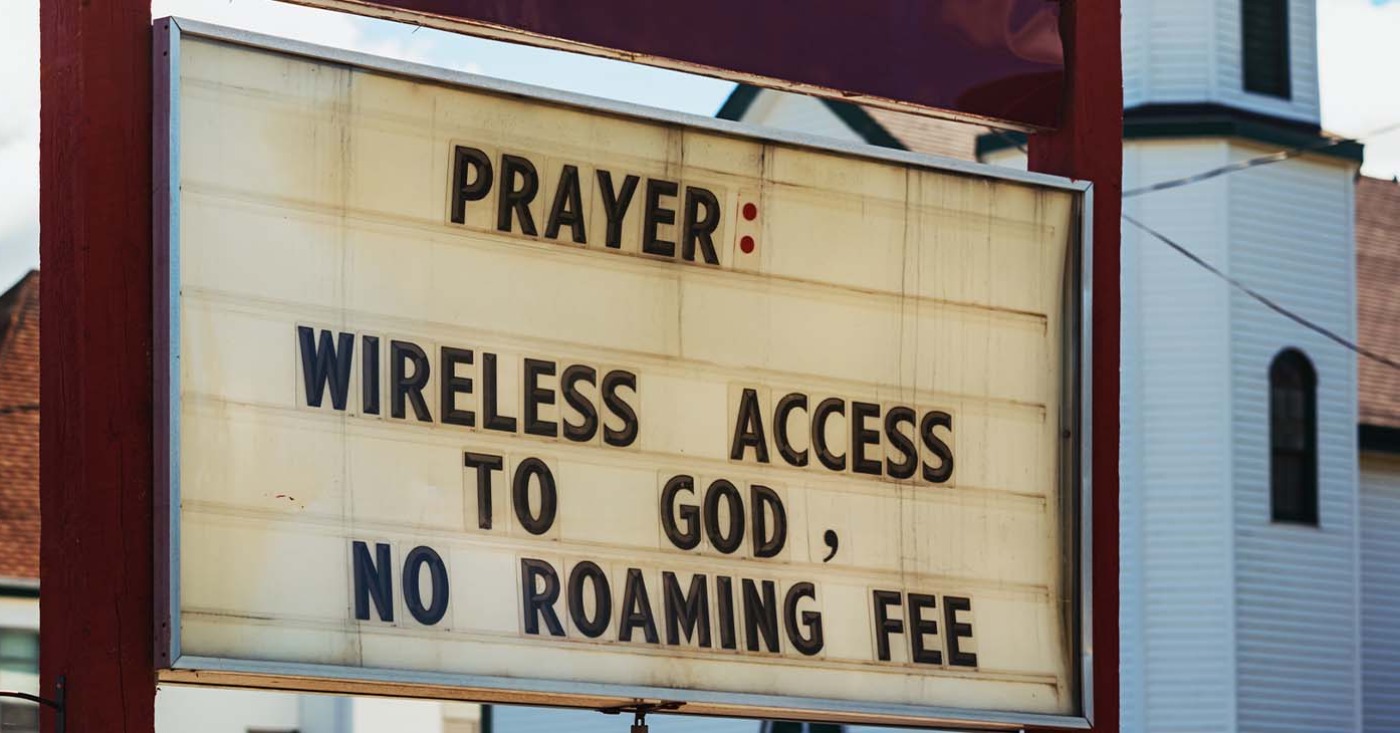
For generations, the Black church has stood strong in our communities through every historical change this country has experienced. During the civil rights movement and in recent times, faith leaders have helped uplift Black sanctuaries to register voters, keep food pantries open for people in need, and sit with families in hospital rooms in their most desperate moments. When our people faced new trials, they could always look to our faith leaders and the church to lean in to help us be included in these transformative changes.
Artificial intelligence is the latest revolutionary change to impact our society, and much like other transformations before us, underserved communities often get left behind.
I was recently featured in a report entitled “Faith, Community & AI” and it found that people send ChatGPT more than 70 million messages a week about religion. Nearly 22 million involve studying sacred texts, and 16 million ask about religious practices and holy days. Our members make up part of those numbers. They bring questions of faith to these tools every day.
Pastors have noticed, and according to a September 2025 Lifeway Research survey of 1,003 Protestant pastors, 42 percent said they use or experiment with AI in ministry. I count myself among them.
I write my sermons by hand, through prayer and study. When I finish a draft, I ask ChatGPT this question: “Where might this sermon become unclear or difficult to follow for someone early in their walk of faith?” It shows me gaps in my preparation, like where I incorrectly assumed everyone would know the context of who the Pharisees were. Then, change comes from my own pen, not the robot. The tool helps me reach the person in the back pew while the message still comes from me.
If I could have my wish, our whole community would take a similar posture. We must use these tools, understand them, and most importantly be present to help shape them if we want to be included in the coming change.
I implore my fellow faith leaders to use these tools. Start now and use them with wisdom. We count on each and every one of you to make sure our communities help write the next chapter of this story. This rapid change is not as unfamiliar as it may sound. My first understanding of AI came from using a calculator for the first time in grade school. We did not call it AI, but it was a tool that helped me work through mathematical equations hours more efficiently.
It starts with training; there is no involvement without understanding. Free AI trainings have begun in our churches and community centers across the nation. Every faith leader should sign up and, when possible, encourage members of your congregations to join you. By learning how to use AI, we can better understand what it can do, make up our own minds about its impact, and have a say in how it shapes our communities.”
Next, we must be at the tables where the builders of these tools make decisions. Presence is the first step toward understanding, and that gap is only bridged through a coordinated effort. How can any tool serve a community well if that community is not part of the conversation? Our traditions, needs, and concerns must be accounted for, and Black faith leaders are already making that happen. OpenAI’s recent Faith report states plainly that AI should never become an arbiter of religious truth. I fully intend to hold the company to its word, and the most effective way I can do that is from inside.
I will close with this––we must diligently protect what only the church can give. A believer in Seoul, Korea quoted in the report warned, “if you pour every struggle into a private chat, your pastor and your friends may never learn you need help.” A chatbot will not sit with a grieving family or pray with you at two in the morning. As we adopt this technology, it is up to us to ensure it keeps people connected to each other and to their church.
Rev. Dr. Adolphus Lacey is senior pastor of Bethany Baptist Church in Brooklyn, New York.
Featured
St. Louis Celebrates Excellence at The St. Louis American’s 39th Annual Salute to Education Gala
St. Louis came together at Union Station to honor the future leaders and educators shaping our community. Relive the magic of our 39th annual Salute Gala!

Thank you, St. Louis! ❤️
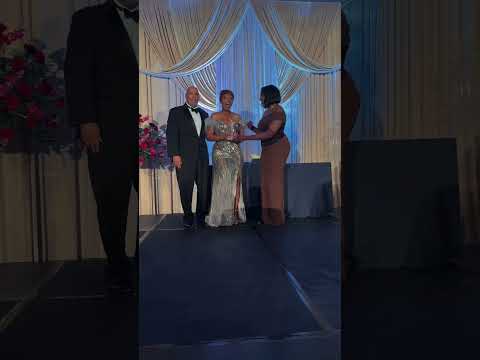
To everyone who came out and celebrated with The St. Louis American at the 39th Annual Salute to Excellence in Education Scholarship and Awards Gala at St. Louis Union Station, thank you for making the night unforgettable.
We celebrated excellence, education, community and the people helping shape the future of St. Louis. Your support continues a legacy that has honored educators and students for nearly four decades.
We appreciate every honoree, sponsor, supporter and guest who helped make Salute 39 special.
#Salute39 #STLAmerican #StLouis #ExcellenceInEducation #BlackExcellence

‘I’m here to stand up for democracy’ says Kenneth Petty at the ‘No Kings: Vote Early’ protest on the Tamm Bridge in St. Louis, Missouri, Saturday Oct. 17, 2026.
This is the fourth national “No Kings” protests since President Trump second presidential term. Indivisible called on people throughout the country to mobilize neighbors and communities to vote early in the mid-term election. Over 3,000 “No Kings” protest our taking place today.
📷 Dawn Suggs | St. Louis American
#VoteEarly #UnlockTheBallot #ProtectDemocracy #STL #stlamerican
Featured
Life Lessons Learned Through Adversity: My Journey #shorts
Discover the profound life lessons learned through the highs and lows of adulthood. See how navigating adversity revealed God’s unwavering faithfulness.
Navigating the ups and downs of life, especially through the twenties and into the thirties, reveals profound lessons. Adversity has shown the Lord’s faithfulness. #LifeLessons #Adversity #FaithJourney #PersonalGrowth
Black Enterprise
From Claflin Alum to ColorBlind Artist
Discover how Claflin alum Patro “Pero” Ulmer defies expectations by creating stunning murals and vibrant art despite being colorblind.

From classrooms to college campuses to city murals and community events, artist Patro “Pero” Ulmer is leaving his creative mark on the world, one color at a time. He’s an in-demand artist from Orangeburg, SC who believes art is “a way of living in which creativity is not a hobby, but a lifestyle.” We’ll discuss Patro’s inspiring journey from HBCU Claflin University to art classrooms as a educator to becoming a renowned muralist and painter across The Carolinas and beyond- and how he creates beauty even though he is colorblind.
Featured
Turning Abolitionist Design Research Into Real-World Business #shorts
Bridge the gap between abolitionist theory and real-world business strategy. Learn how to transform your passion for liberation into a tangible, thriving enterprise.
Discover the sweet spot where your businesses, research, and liberation efforts align. Actualize your theories into practice and explore surprising connections, maybe even an abolitionist ice cream shop! #PassionProject #CareerGoals #FindYourNiche #Innovation


HBCU Football Roundup: Homecoming Wins for Howard, Tennessee State and Jackson State

Black-Owned Banks: Compliance to Community Business #shorts

FDIC Study: African American Banks Disappearing Rapidly #shorts

Car Buying Tip: Check Windshield Glare & Interior Space! #shorts

OP-ED: The Black Church Writes AI’s Next Chapter

St. Louis Celebrates Excellence at The St. Louis American’s 39th Annual Salute to Education Gala

‘No King: Vote Early’ protest for democracy in St. Louis

Optimize Your Seating: Essential Household Setup Guide #shorts

Brake Pedal Test Drive: Smooth Stops for Your Truck! #shorts

Life Lessons Learned Through Adversity: My Journey #shorts

The Youngest American Killed in the Vietnam War

Passing for White, Fighting for Black America: The Courage of Walter White

OP-ED: Haiti TPS: Have We Lost Sense of Humanity?

NFL: Week Two Recap | Jalen Hurts did not fold; Caleb Williams exits game with injury

Remembering Chauncey Bailey as Student Journalists Face Threats to Truth-Telling

Peter Magubane: a Camera Against Apartheid

Mayor Lee Announces $1 Million Kaiser Permanente Grant for Pilot Program to Address Homelessness, Clean Up Public Spaces throughout Oakland

OP-ED: How Head Start Also Helps Parents

Poll: Becerra Widens His Lead Over Hilton; Californians Split on Wealth Tax

Community Action Group ‘Friends of Zakiya’ Ask Sheriff for Time
Black-Owned Banks: Compliance to Community Business #shorts
FDIC Study: African American Banks Disappearing Rapidly #shorts
Car Buying Tip: Check Windshield Glare & Interior Space! #shorts
St. Louis Celebrates Excellence at The St. Louis American’s 39th Annual Salute to Education Gala
‘No King: Vote Early’ protest for democracy in St. Louis
Optimize Your Seating: Essential Household Setup Guide #shorts
Brake Pedal Test Drive: Smooth Stops for Your Truck! #shorts
Life Lessons Learned Through Adversity: My Journey #shorts

From Claflin Alum to ColorBlind Artist

Turning Abolitionist Design Research Into Real-World Business #shorts
-

 Black Press6 days ago
All Skinfolk Ain’t Kinfolk
-

 Black Press5 days ago
Oakland Awarded More than $14 Million in State Funding
-
 Black Press5 days ago
Jendayi Arrest Raises Community Concerns Regarding Sheriff’s Chain of Command
-

 African American News and Issues4 days ago
Black History: Gladys West Mathematics Helped Make GPS Possible
-

 Black Press5 days ago
Allen Temple Baptist Church Hosts Free Prostate Cancer Screenings on Oct. 17
-
 Black Press5 days ago
Democrats, Community Groups Back Measure EE to Change How Oakland Is Governed
