
HBCU
Pelosi Keeps it Real with HU Students
THE AFRO — Speaker of the House Nancy Pelosi frankly spoke to Howard University students on an array of subjects relating to their lives and futures.

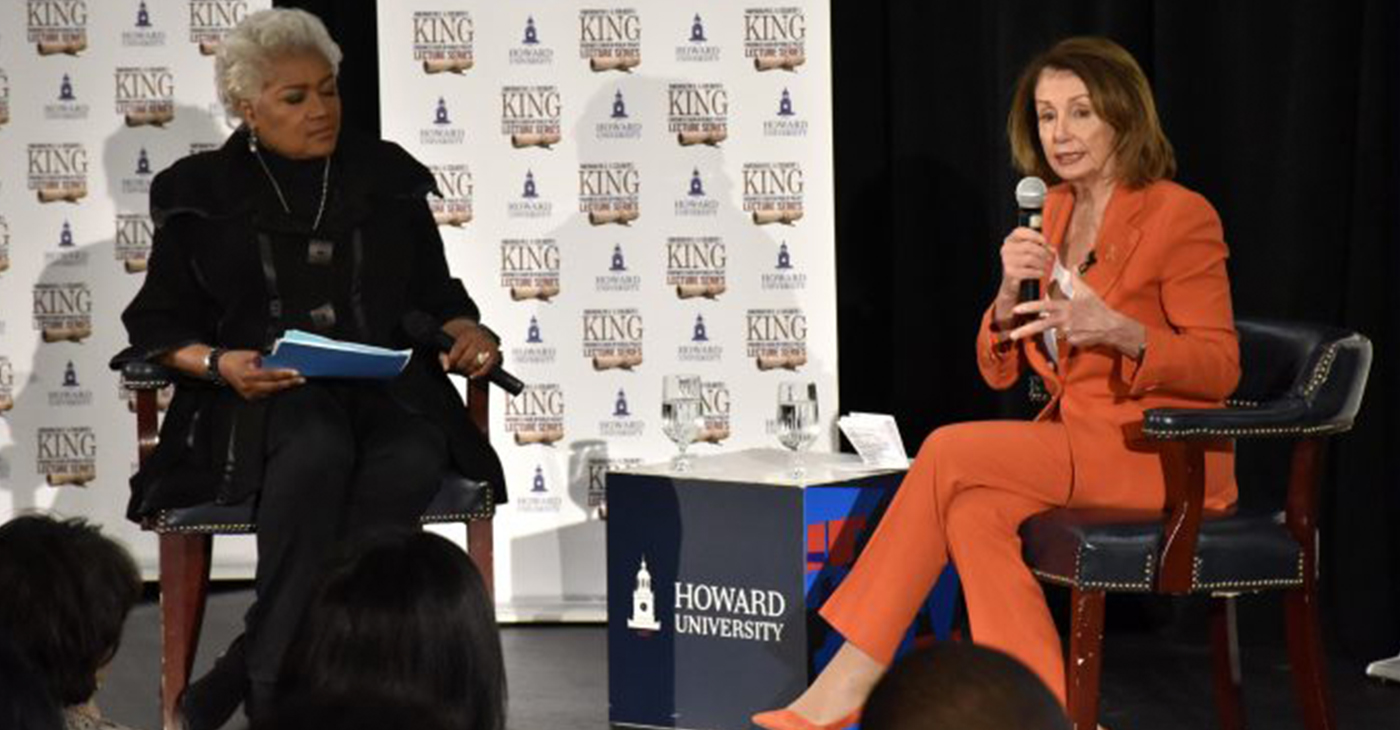
Donning an all orange suit with shoes to match, in honor of ending gun violence- a hot button issue that was set to hit Wednesday’s House floor for the first time in eight years- Speaker of the House Nancy Pelosi frankly spoke to Howard University students on an array of subjects relating to their lives and futures.
The event, held on Feb. 27, was part of the “Gwendolyn S. and Colbert I. King Endowed Chair in Public Policy Lecture Series.” This year’s endowed chair is former Democratic National Committee (DNC) Chair, political strategist and author Donna Brazile.
Brazile, who has brought political heavy hitters from both sides of the aisle, including former Republican National Committee Chair Michael Steele, told the AFRO why she felt it was important to bring Pelosi from the House to Howard.
“I wanted to bring [Pelosi], because she’s the Speaker of the House. She’s the one who controls the legislation. She’ll be very much engaged in the budget discussions and she’s the one who helps us with the policy in the House of Representatives. And I think having her on an HBCU (Historically Black Colleges and Universities) campus, Howard University in particular, is a great way to remind her that this university, like all other universities, deserve her time and attention. And she readily accepted the invitation.” Brazile told the AFRO.
Brazile posed a question on student loan debt, which has increased 102 percent since 2009 according to Bloomberg.
“The debt is bigger than credit card debt. So when they want to give a tax break of over a trillion dollars to the richest people in America, why don’t we just eliminate the debt for higher education, instead of giving a tax cut to the top one percent in our country?” Pelosi said to the audience. “That would be something constructive to do that everybody would share in. And by the way, nothing brings more money to the treasury to further reduce the debt, than investments in education.”
On the topic D.C. statehood, Pelosi was very supportive of the idea, yet skeptical that the bill, H.R. 51, would pass this year.
“I’m supportive of the idea of statehood for the District of Columbia. I’m all for it. It’ll probably happen, or have a better chance of happening… under a Democratic president. But it’s something that we have to build a crescendo for. So unfair,” she said. “When we took office just a month and a half, we gave Eleanor Holmes Norton a right to vote on the floor, not on all measures, because that would mean a Constitutional change, but on many measures in the House.”
In less than hour students were able to listen to the moderated discussion between Pelosi and Brazile and then ask questions to the Speaker herself.
One student asked about reparations, the unrealized promise of valued land and goods to Blacks post the Emancipation Proclamation, and how to serve African Americans who still struggle today as a result of slavery. The Speaker admitted that reparations is a challenging issue that Rep. Sheila Jackson Lee (D-Texas) has tackled with legislation to study the topic of giving African Americans their promised goods- further than 40 acres and a mule. With the difficulty of reparations, Pelosi touched on the troubling issues of poverty and disparity, which disproportionately affects African Americans.
“When you want to be involved in public service, know your why. What attracts you to this? I went from the kitchen to Congress, housewife to House Speaker, and my why is the one in five children in America living in poverty,” she explained. “We have to reduce the disparity in income in our country. We have to reduce the disparity in education…. We have to reduce the health disparities in our country… So while we’re studying how we deal with the reparations issue, there’s plenty we can do to improve the quality of life of many people in our country.”
Melyvonn Leon, a second year MBA student and graduate assistant at the School of Business, said he felt it was important to have Pelosi present at a place like Howard.
“This was an awesome experience. To get that up, close and personal experience with such a prominent member of society- such a large name in the leadership of this country right now. To have that easy access at Howard, and specifically within the School of Business, is unbelievable.”
This article originally appeared in The Afro.









Black Press
OP-ED: If the ‘Cornell 7’ Were Black Men at an HBCU — America Wouldn’t Be This Sympathetic
ATLANTA DAILY WORLD — This article examines how the national conversation surrounding serious allegations against fraternity members might change if the incidents occurred at an HBCU involving Black men, rather than an Ivy League institution. It references recent high-profile cases at Cornell, Penn State, Baylor, and Stanford, prompting a re-evaluation of media scrutiny and public sympathy.
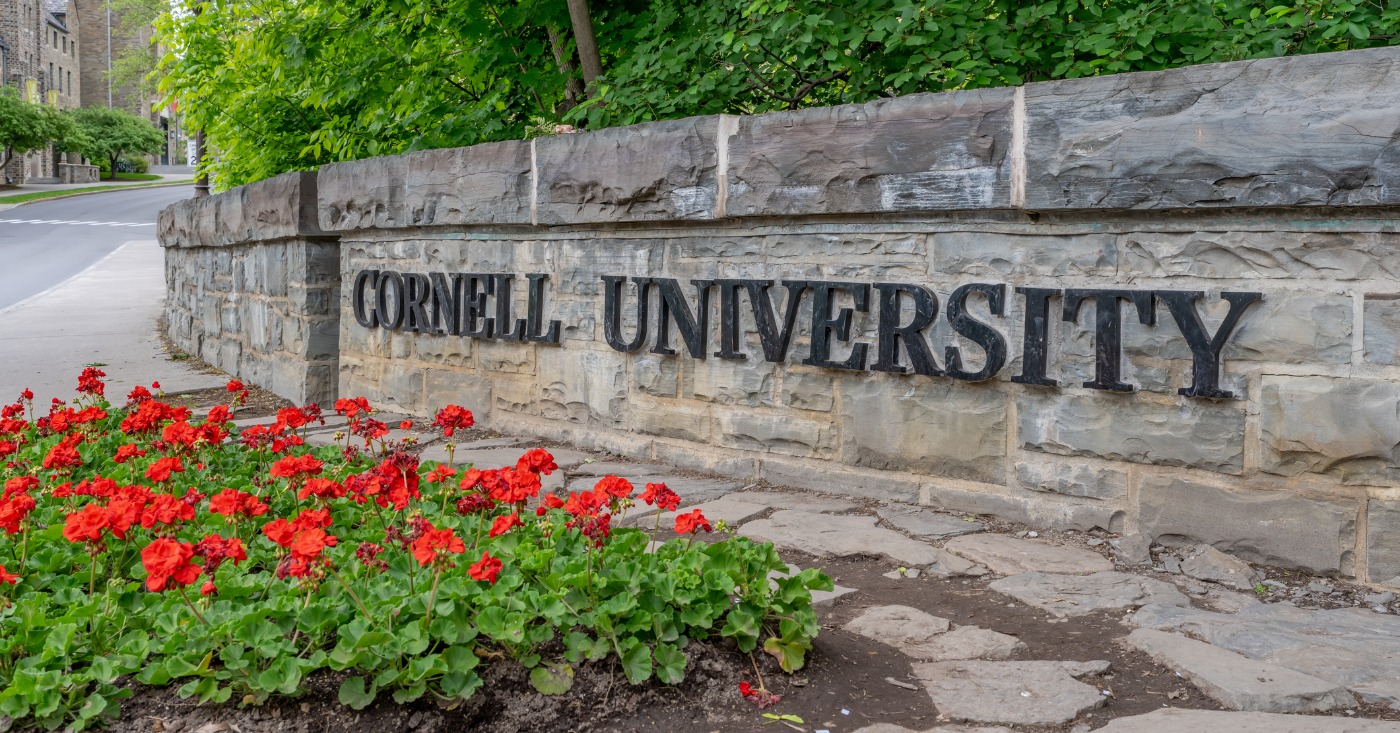
Instead of it taking place at an Ivy League school in Ithaca, New York, what would it look like if a national story concerning rape allegations from fraternity members took place on an HBCU campus in Atlanta, Washington, D.C., or Nashville?
Would President Donald Trump still feel “badly” for the alleged?
Do you think the Kappas, Sigmas, and Alphas would face the same scrutiny?
Might people use more compassionate language when discussing the case’s legalities?
We already know the answers to those questions.
Sunny Hostin from “The View” recounted a call she received from actress Cynthia Erivo, who said, ‘Sis, I know you, and I know your heart and your life’s work has been about protecting women and children. But the clip that I saw doesn’t reflect who you are.” Hostin’s initial remarks about the case focused on its legal aspects, lacking compassion for the alleged victims and other survivors who might have been affected. Hostin reflected, “Instead of leading with the law, I need to lead with empathy so that people can receive the message about the law. I was accused of defending these young men and victim-shaming, which is something I would never do since I spent the majority of my career prosecuting sex crimes.”
If you’re reading this, then you are already aware of the allegations against the “Cornell 7.” The news comes just weeks after 14 people were charged in connection with the alleged trafficking of kilos of cocaine on Penn State’s campus by members of white fraternities. A decade ago, the rape scandal at Baylor University dominated the news, which was around the same time as the Brock Turner case at Stanford.
I ask again: how would the news coverage, social media chatter, and podcast conversations differ if such incidents happened on HBCU campuses and included members of Black Greek-letter organizations?
Based on reporting by Atlanta Daily World.
Black Press
NCCU Ramping up for the 89th Ultimate Homecoming Experience
NORTH CAROLINA CENTRAL UNIVERSITY – CAMPUS ECHO — N.C. Central University is preparing for its 89th Ultimate Homecoming Experience, a week-long celebration. Thousands of students, family, friends, and alumni are expected to gather on campus for festivities including the Homecoming Countdown, parade, Miss and Mister NCCU Coronation, concerts, and the football game.

This Saturday N.C. Central University will kick off its 89th Ultimate Homecoming Experience — a week-long celebration bringing thousands of students, family, friends and alumni to campus.
This year’s festivities include the Homecoming Countdown, parade, Miss and Mister NCCU Coronation, concerts and the football game.
The number of visitors to the football game on Saturday, Oct. 10 is expected to reach at least 10,000 — O’Kelly Riddick Stadium’s capacity, with NCCU’s recent enrollment increase of more than 10,000 students.
The Eagles will face William & Mary after playing against the Campbell University’s Fighting Camels on Oct 3.
Students are already expressing excitement for the upcoming festivities.
“I’m excited for homecoming because I can meet alumni and go outside and party with my fellow eagles,” Digital Filmmaking junior Rhese Gardner said. “I’m also really looking forward to the Greek Bowl because there’s a lot going on.”
He added that even though he’s disappointed this semester’s Oil Spill was canceled, he’s still excited for the other events like the parade and concerts.
Here is a list of the week’s on-campus events:
- Oct. 3 – Homecoming Countdown
- Oct. 4 – Gospel Concert
- Oct. 5 – Coronation of Miss and Mister NCCU
- Oct. 6 – 10:40 Break
- Oct. 6 – Homecoming Experience Showcase
- Oct. 7 – Fried Chicken Wednesday
- Oct. 7 – Festival Block Party
- Oct. 7 – Late Night Breakfast
- Oct. 8 – Back to the Nest Young Alumni Mixer
- Oct. 8 – Old School Greek Stroll Off
- Oct. 8 – Hip-Hop Concert
- Oct. 9 – Step Show
- Oct. 10 – Football Game
The post NCCU ramping up for the 89th Ultimate Homecoming Experience first appeared on Campus Echo Online.
Based on reporting by North Carolina Central University – Campus Echo.
Black History
Morehouse School of Medicine Fall Convocation Has Strong Ties to Nashville
TENNESSEE TRIBUNE — Morehouse School of Medicine recently held its 42nd Fall Convocation and White Coat and Pinning Ceremony, which highlighted strong connections to Nashville. Dr. Valerie Montgomery Rice, in her 12th year as president and CEO, leads the institution, which welcomed 355 new students.
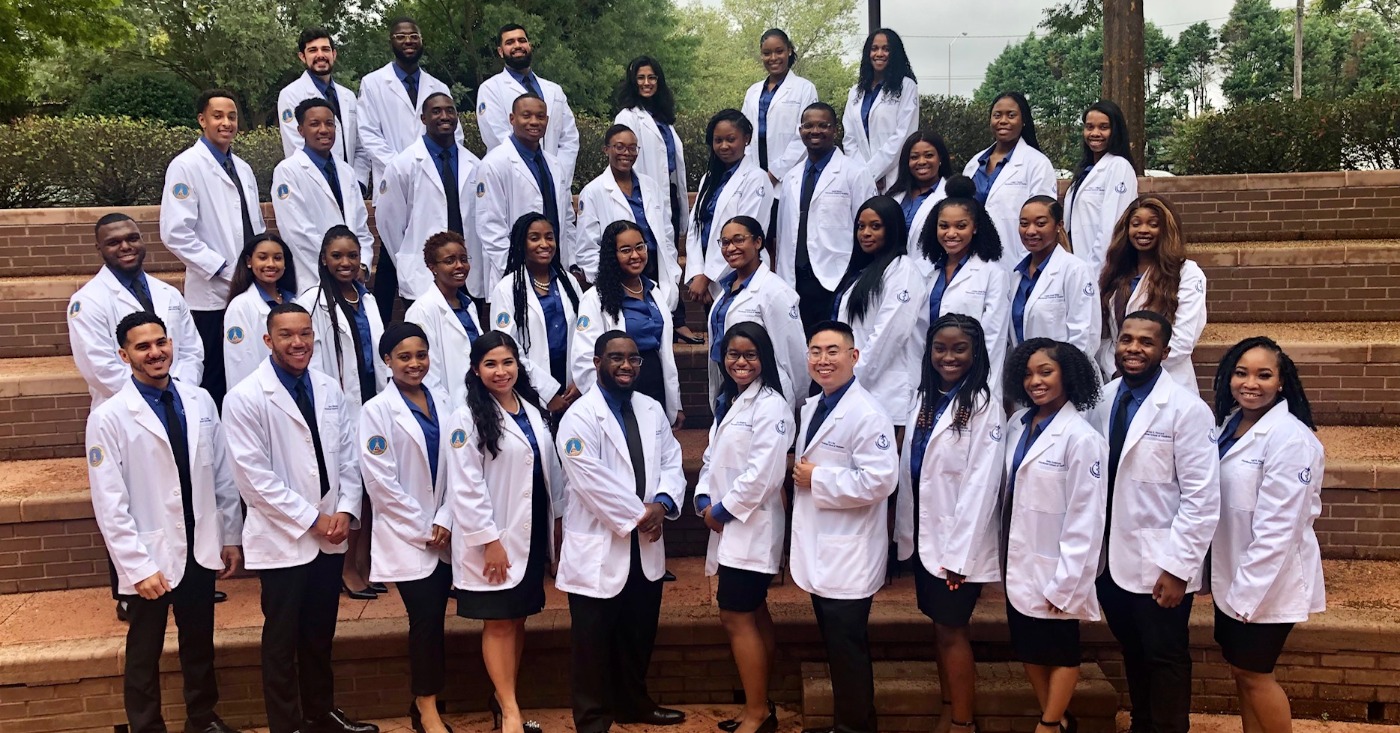
Morehouse School of Medicine held its 42nd Fall Convocation and White Coat and Pinning Ceremony on September 18, and it featured strong ties to Nashville. Dr. Valerie Montgomery Rice is completing her 12th year as president and CEO of Morehouse School of Medicine (MSM). The school boasts 355 students seeking degrees and certificates in the medical field.
“This entering class represents the future of medicine, science, public health and health care leadership,” said Valerie Montgomery Rice, MD, and FACOG. “As these students begin their journeys at Morehouse School of Medicine, they join a community grounded in excellence, service and our shared commitment to advancing health equity. We look forward to supporting their development as leaders who will transform the health and well-being of the communities they serve.”
Infectious diseases physician and scientist Dr. Barney S. Graham, MD, and PhD, served as the keynote speaker. He serves as the director of the David Satcher Global Health Equity Institute, professor of Medicine and Microbiology, Biochemistry and Immunology at Morehouse School of Medicine. He is an inventor of vaccines and monoclonal antibodies approved for human use to prevent or treat RSV, COVID-19 and Ebola. He joined MSM in 2022. He served in various positions at Vanderbilt University for 21 years.
Dr. Graham told the audience to “Embrace the Unseen” and focused on three points: Do the Best You can with what’s in front of you, Do what makes you come alive and Do the right thing even when no one is looking. He added, “Anything you do to improve mental and physical wellness and promote disease prevention will reduce health disparity by reducing the resources needed for treatment.”
His remarks commanded a roaring applause from the audience, which included his wife, Dr. Cynthia Turner Graham, and the former First Lady of Tennessee State University, Mrs. Edwina Hefner, a close friend to the family.
Based on reporting by Tennessee Tribune.
Black Press
Jaguars Do Better: Top of Ladder or Resting at the Bottom
SOUTHERN UNIVERSITY – SOUTHERNDIGEST — Southern University received a No. 48 ranking in the U.S. News annual HBCU rankings for 2027, tying with Bethune-Cookman University, Philander Smith College, Savannah State University, Stillman College, and West Virginia State University.

On September 22, U.S. News released its annual HBCU rankings for 2027. Southern University was ranked No. 48, tying with Bethune-Cookman University, Philander Smith College, Savannah State University, Stillman College, and West Virginia State University. When I first saw the ranking, I had mixed feelings about where Southern was ranked. Did I feel like Southern needed to be ranked No. 48? Yes and no. On one hand, I understand how the university received that ranking based on the factors U.S. News uses for their rankings. On the other hand, when I look at some of the other schools that ranked higher than Southern, in my humble opinion, we should have been ranked higher.
To understand why Southern was ranked No. 48, it is important to look at the factors U.S. News uses for their rankings. The rankings consider graduation rates, freshman retention rates, financial resources, faculty information, peer assessments, and student outcomes after graduation. I understand why these factors matter because they can indicate how well a university supports its students, prepares them for life after college, and how students can benefit from attending that institution.
One of the biggest factors affecting our ranking is our graduation rate. The graduation rate measures how many first-time, full-time, degree-seeking students complete their degree within four years. Based on my research, the newest official data available from Southern lists the four-year graduation rate at about 10%. Even though that number is concerning, I believe that number needs more context. Some of Southern’s major programs, including Engineering, can take students five years to complete because of their demanding requirements and how their degree flowcharts are set up. So, while the four-year graduation rate is something Southern needs to improve, I don’t think it tells the whole story of how long it takes every Southern student to graduate.
Another issue is admissions. Southern University talks frequently about the “Southern Standard,” but I think there needs to be more consistency between the standard we expect and the students we admit. Southern should continue providing the opportunities it already provides, but I also believe the university should try to recruit more students who have already shown that they can uphold a certain academic, personal, and professional standard. Additionally, students who are admitted should receive the support and resources they need to succeed.
Overall, I understand why Southern was ranked No. 48, but in my opinion, we could and should be higher. The ranking shows areas where Southern needs to improve, but it should not define the university as a whole. Instead, it should encourage Southern to look at admissions, student support, graduation rates, career opportunities, and whether every major receives the attention it deserves. Southern is more than just a number, but if we want that number to change, we have to be willing to look honestly at what is behind it, including making sure that strong programs like Nursing and Engineering continue to provide opportunities while majors such as Agriculture, Criminal Justice, Education, and Social Sciences receive the same attention and opportunities for their students. At the end of the day, the goal should not only be to move up in the rankings, but to ensure every student at Southern has the support, accessibility to opportunities, and resources they need to succeed, not only while attending Southern, but in their future post graduation careers.
Based on reporting by Southern University – SouthernDIGEST.
Black Press
Students from Stonecrest Help Families Grow Food
THE CHAMPION NEWSPAPER — Two Georgia college students from Stonecrest are utilizing agriculture, technology, and community education to help families across Georgia grow their own food, even without traditional farming spaces. Mason Wright, a Morris Brown College student and founder of Plant It Georgia Vertical Institute, and Kosey Henley, a University of Georgia student, developed a mobile agricultural laboratory.
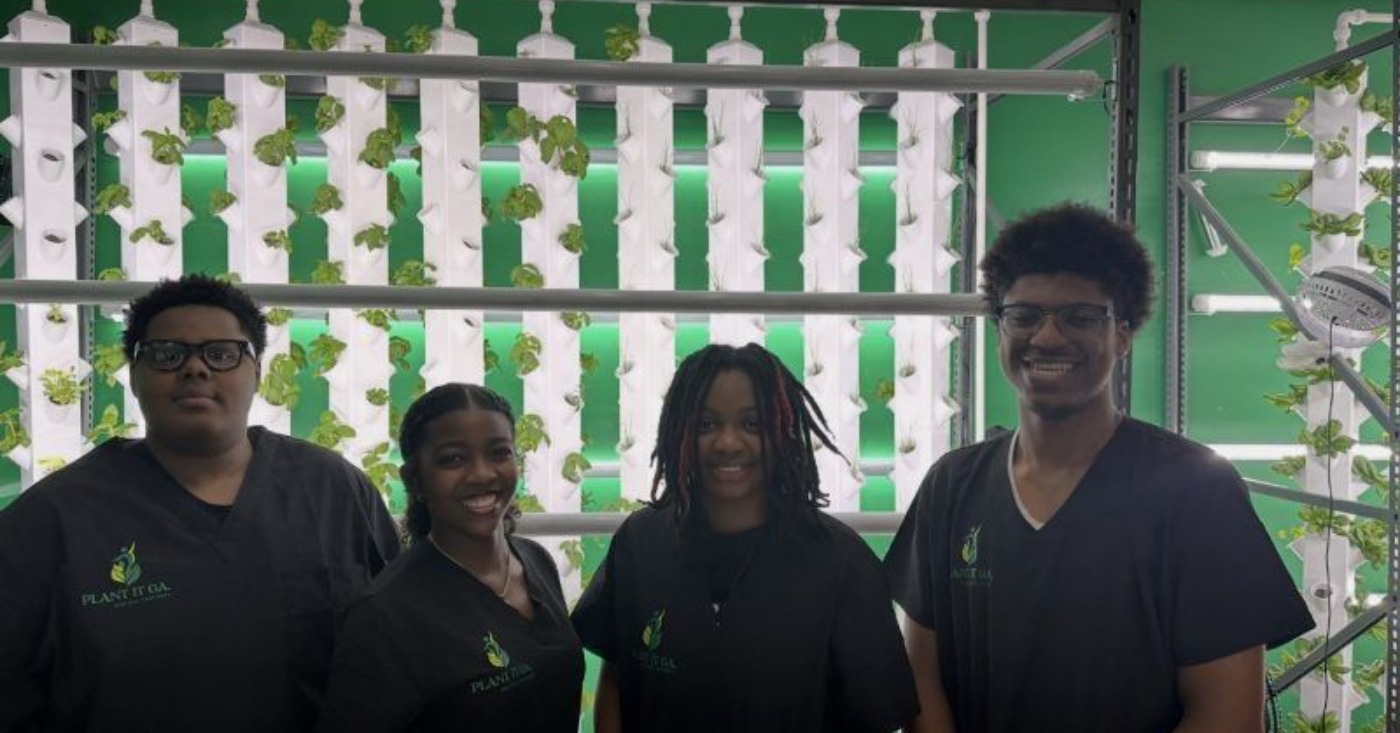
Two Georgia college students from Stonecrest are combining agriculture, technology, and community education to help families throughout Georgia grow their own food — even those without access to traditional growing spaces and equipment.
The two students recently completed the first prototype of Plant It Georgia’s mobile agricultural laboratory, which they said is an enclosed trailer equipped to introduce young people and families to growing food without relying on traditional farmland.
Mason Wright—a youth entrepreneur and a student at Morris Brown College—is the founder of Plant It Georgia Vertical Institute. The institute is an “educational initiative created to train young people in vertical farming, hydroponics, and other modern agricultural technologies,” according to Wright. Kosey Henley, a student at the University of Georgia, worked alongside Wright on the mobile lab.

The students said the idea came in response to an obstacle challenging many communities: transportation. Instead of requiring students to travel to the Plant It Georgia Vertical Institute, the program can take its lessons and growing systems directly into neighborhoods, schools, recreation centers, and other community spaces to teach students and their families about growing food in urban communities.
Inside the prototype, visitors will find hydroponic growing channels, lighting, and other equipment that show them how plants can grow in controlled environments. The laboratory aims to support hands-on lessons covering seed germination, water circulation, plant nutrition, lighting, harvesting, and the technology used to manage indoor crops, according to Wright.
The project comes as Georgia and the nation face an aging agricultural workforce.
According to the U.S. Department of Agriculture’s 2022 Census of Agriculture, Georgia had 63,492 agricultural producers, but only 4,770 were younger than 35. Nationally, the USDA counted 296,480 producers younger than 35, approximately 9 percent of all U.S. producers.
At the Plant It Georgia Vertical Institute, students are taught that farming does not always require acres of open land or heavy machinery. Vertical farming allows crops to grow upward in stacked systems while hydroponics uses nutrient-rich water instead of soil to feed the plants. These tactics make food production possible in classrooms, buildings, trailers, and densely populated urban communities, according to Wright.
Plant It Georgia’s growing systems can cultivate lettuce, tomatoes, collard greens, peppers, and a variety of culinary herbs, according to the news release. Students are taught the entire growing process — from placing seeds into starter materials and monitoring water and nutrients to caring for mature plants and harvesting fresh produce.
The program also introduces participants to careers connected to agricultural technology, plant science, environmental sustainability, food systems, and entrepreneurship.
Wright’s role as a Morris Brown College student and founder represents the connection between HBCU leadership, entrepreneurship, and community service, according to a news release. Wright also made headlines for opening Mason’s Super Dogs in Stonecrest in 2020 — which he now also operates on the Atlanta Beltline’s Eastside Trail. Henley brings another important academic connection through the University of Georgia, one of the state’s leading institutions in agriculture and agricultural research, according to the news release.
For event locations and more information, follow Plant It Georgia on Instagram (@plantitGA).
13 total views
Based on reporting by The Champion Newspaper.
Black History
Cuts and Conversations Turns Barber Chairs into Space for Lifesaving Dialogue
ALABAMA STATE UNIVERSITY – THE HORNET TRIBUNE — Alabama State University recently hosted “Cuts and Conversations,” an event that transformed barber chairs into a venue for vital dialogue about prostate cancer, a disease disproportionately affecting Black men.
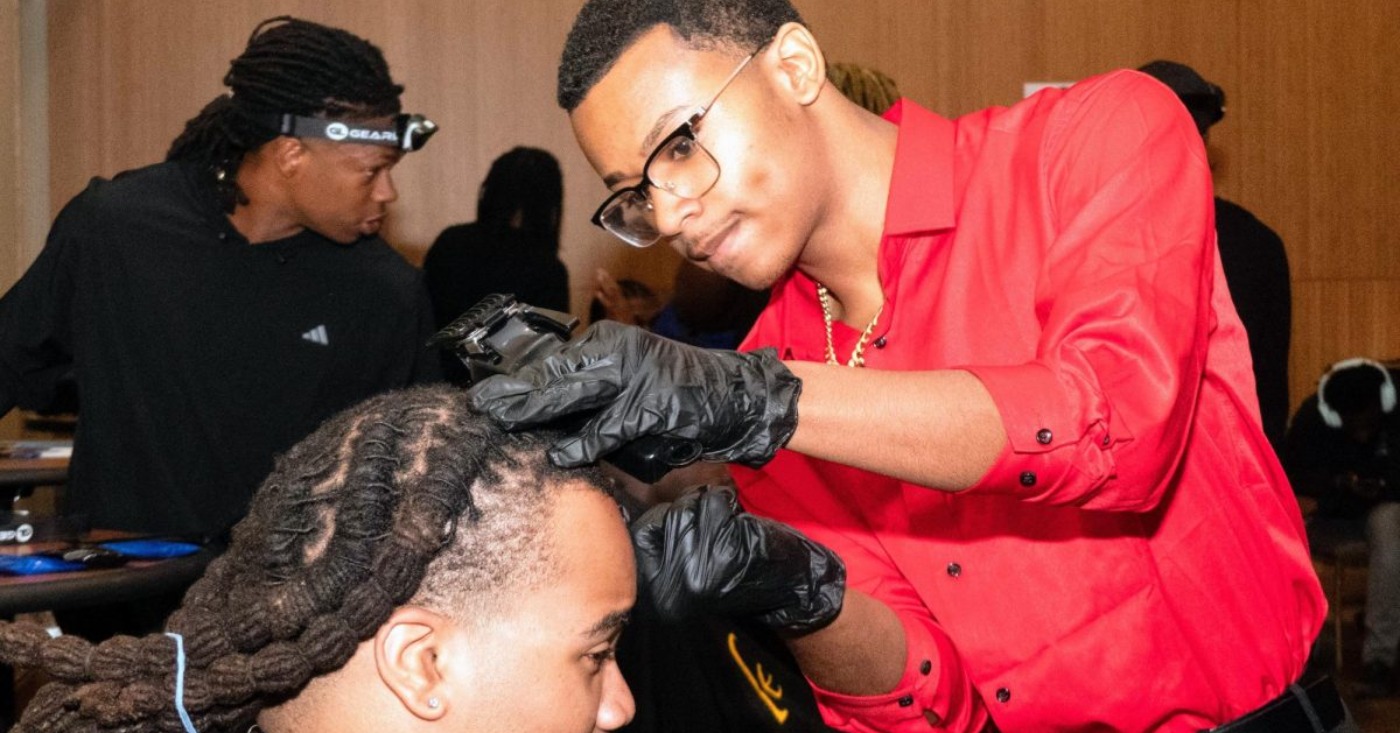
The sound of clippers buzzed with a different kind of conversation Monday at 11 a.m. as Alabama State University students and staff listened to barbers, cancer survivors and health professionals discuss a disease that disproportionately affects Black men.
Cuts and Conversations, held Sept. 28 in the John Garrick Hardy Center Ballroom, used free haircuts and the familiarity of the barbershop to open conversations about prostate cancer, early detection, family history and men’s health.
Tanjula Petty, Ed.D., vice president for Institutional Effectiveness, Strategic Initiatives and Transformation, and Willie S. Rockward, Ph.D., dean of the College of Science, Technology, Engineering and Mathematics, opened the forum and welcomed those in attendance.
For Petty, the message came from experience.
“I’m not just speaking to you based on research,” she said. “I’m talking to you from a place of experience.”
Petty said she exercised regularly, ate well and considered herself healthy when a doctor told her she had cancer. She challenged students to take what they learned back to their fathers, grandfathers and uncles.
“It’s not all about genetics; you may be the first in your family to experience it,” Petty said. “People ask me all the time, ‘Who in your family was diagnosed?’ Nobody. I’m the first.”
According to the Centers for Disease Control and Prevention, Black men are more likely to develop prostate cancer than other men and are more than twice as likely to die from the disease. The American Cancer Society recommends that Black men begin discussing prostate cancer screening with a health care provider at age 45 or at 40 for men at higher risk because of family history.
Three prostate cancer survivors were recognized during the event: Andy Maxwell, Leroy Huffman and Dandrea Evans Sr. Evans and Huffman shared their experiences with those in attendance.
Evans was 44 when a routine doctor’s visit led to his prostate cancer diagnosis. He had no symptoms.
“Initially it was the worst news you could ever hear because I didn’t feel like I had cancer. I felt great,” he said.
Evans said he turned to his faith and made the decision “to trust God through the process and to live.” Four years later, he said he is cancer-free.
“The more you know, the more you’ll be prepared to deal with it and understand it a little bit better,” Evans said.
The five-year survival rate is greater than 99% for prostate cancer diagnosed at a localized or regional stage, according to the American Cancer Society. That rate falls to 38% when the cancer has spread to distant parts of the body.
Huffman has worked at Heritage Barber & Style Shop for about 26 years, has cut hair for 63 years.
“Awareness about prostate cancer is the best thing that Black men should do,” Huffman said.
His advice was simple.
“Age is not the key here. Life is,” Huffman said.
Dawna Nelson, Ph.D., an associate professor of social work, licensed master social worker, and principal investigator for the Cuts and Conversations research project, said the project grew from years of community health work and conversations with Heritage about the role barbershops already play in Black communities. When funding became available, the partnership trained barbers to speak with clients about prostate cancer, early detection, and family history.
Heritage owner Vladimir “Boo Man” Averett said the shop wanted to be part of that work, particularly because of Huffman’s experience.
“He gives conversation all the time to us younger barbers as well as our clients about get checked, get checked, get checked,” Averett said.
For Averett, the message comes down to five words.
“It’s not about wealth. It’s about health,” Averett said.
The partnership extended to student barbers.
Brittany Hollins, planning and evaluation specialist in the Office of Institutional Effectiveness, Strategic Initiatives, and Transformation, said organizers worked with Student Life and athletics to identify student barbers who were trained at Heritage to carry those conversations to their peers.
“They’re cutting hair, and they’re having these conversations,” Hollins said. “And so it’s Cuts and Conversations today.”
Hollins’ grandfather died a little more than a year ago after his prostate cancer progressed to Stage 4.
“It is not an easy task to have that loved one at home on hospice, and you are being tasked to give them that last dose of morphine, and then you realize there’s no pulse,” Hollins said.
Beyond the personal stories, the event connected students with cancer research and health resources.
Manoj K. Mishra, Ph.D., director of the university’s Cancer Research Center and professor of biology, said the center supports cancer research, trains students, and works to increase cancer awareness in the community.
Pastor Lee B. Walker Jr. and Terrance “Wolfgang” Baldwin hosted a live recording of the “Off the Cuff” podcast, continuing the discussion about prostate cancer awareness and Black men’s health.
Five Horizons Health Services, the Alabama Department of Public Health, the university’s Cancer Research Center and Health Services were represented. Five Horizons also provided free HIV and sexually transmitted infection testing.
For the students in the barber chairs, the conversations made the message immediate.
Freshman Jonathan Alexandre said events such as Cuts and Conversations can make it easier for young Black men to begin talking about their health.
Freshman Elijah Kidd, a computer engineering major from Pensacola, Florida, said cancer has already touched his family through his uncle.
“Really just cherish every moment you have, because you never know when it might end,” Kidd said.
Senior Xavier Moore, a double major in music education and music performance, said the setting allowed younger and older Black men to learn from one another.
“Your health comes first,” Moore said.
Student barber Mark Coaxum II, a biology major who plans to become a doctor, brought the message back to action.
“Knowing the probability is good, but getting tested is best, because whether you’re probable or not, you never know,” Coaxum said. “It could be you.”
Nelson said she hopes those conversations continue long after the barber chairs are gone.
“The barbershop is where these conversations start, but then the next day they’re in the gym, and then the day after that on the golf course, and in the boardroom, and most importantly, at a family dinner table amongst the father and the son,” Nelson said.
For students who may think prostate cancer is years away, Nelson left them with a reason to start talking now.
“You are a son. You are a nephew. You are a grandson,” she said. “And if you take the time to talk to your fathers and your uncles and all of the men in your life about this, you are potentially saving their life, and you’re also at the same time empowering yourself so that when your time does come, you have all the information you need to be able to make good health choices.”
Based on reporting by Alabama State University – The Hornet Tribune.


Alliance of Civil Rights Orgs launch Week of Action; National Black Man Voter Day set for Oct. 24

Black Woman Makes History at KARE 11 #shorts

Houston Black judges lead fight to save democracy

Teen Driver Mode: Essential Safety Features Explained #shorts

Dollar in Black Community: 6-Hour Myth Debunked #shorts

BLACK WOMEN, THE MIDTERMS, AND THE ISSUES AT STAKE

BLACK WOMEN, THE MIDTERMS, AND THE ISSUES AT STAKE 📱

Federal Agents Search Ilhan Omar’s Home Just 22 Days Before Election

‘We Are Ready’: NAACP Launches Voter Protection Hub Ahead of Midterms

Comedy and Loss Collide in Kevonstage’s ‘Grief Sucks’ at the Pageant

The Youngest American Killed in the Vietnam War

Passing for White, Fighting for Black America: The Courage of Walter White

OP-ED: Haiti TPS: Have We Lost Sense of Humanity?

NFL: Week Two Recap | Jalen Hurts did not fold; Caleb Williams exits game with injury

Remembering Chauncey Bailey as Student Journalists Face Threats to Truth-Telling

Obama Urges Democrats to make AI a Priority 📱

Peter Magubane: a Camera Against Apartheid

Mayor Lee Announces $1 Million Kaiser Permanente Grant for Pilot Program to Address Homelessness, Clean Up Public Spaces throughout Oakland

OP-ED: How Head Start Also Helps Parents

Community Action Group ‘Friends of Zakiya’ Ask Sheriff for Time
Black Woman Makes History at KARE 11 #shorts
Houston Black judges lead fight to save democracy
Teen Driver Mode: Essential Safety Features Explained #shorts
Dollar in Black Community: 6-Hour Myth Debunked #shorts
BLACK WOMEN, THE MIDTERMS, AND THE ISSUES AT STAKE
BLACK WOMEN, THE MIDTERMS, AND THE ISSUES AT STAKE 📱

Dodgers Ousted by Brewers in NLCS

62 Years of Telling Our Stories: Honoring the Legacy, Celebrating the Future.

Finding Community: Minneapolis Black Experience After George Floyd #shorts

How a Nonprofit Is Building a Grassroots Movement Incubator #shorts
-

 BlackPressUSA1 week ago
Latinas Deserve Equal Pay. Unions Help Make It Happen.
-

 Black Press4 days ago
All Skinfolk Ain’t Kinfolk
-

 Black Press3 days ago
Oakland Awarded More than $14 Million in State Funding
-

 Black Press1 week ago
Should You Have to Pay to Hear the Gospel?
-

 Black Press1 week ago
Botham Jean’s Killer Granted Parole 7 Years After His Murder
-

 Black History1 week ago
Ghana’s Ministry of Foreign Affairs Publishes Global Circle’s Vatican Reparations Call in Special Edition Alongside Heads of State
