
Florida Courier
Gov. Desantis: ‘It’s The Internet’
FLORDIA COURIER — The El Paso and Dayton shootings could help fuel debate in Tallahassee about gun-control issues and ideas for preventing mass violence, starting with a Florida Senate review of factors such as White supremacist terrorism.


By Wire and Staff Reports
TALLAHASSEE – The El Paso and Dayton shootings could help fuel debate in Tallahassee about gun-control issues and ideas for preventing mass violence, starting with a Florida Senate review of factors such as White supremacist terrorism.
The shootings come after years of debate in Florida about gun-control issues, including whether to ban assault weapons. The Republican-dominated Legislature has rejected proposals by Democrats to ban the semiautomatic weapons, though a political committee, Ban Assault Weapons NOW, is trying to get a proposed ban on the November 2020 ballot.
“This weekend, we saw yet two more mass shootings in our country take the lives of 31 fellow Americans, with both shooters armed with military-grade assault weapons,” Gail Schwartz, chairwoman of Ban Assault Weapons NOW, said in a prepared statement.
“These events highlight the harsh reality: These killings will continue to happen, here in Florida and across the country, until we take action and do what our elected leaders have failed to do. We must ban these weapons of war.”
Legislative review
Senate President Bill Galvano, R-Bradenton, on Monday directed Senate Infrastructure and Security Chairman Tom Lee, R-Thonotosassa, to lead efforts to determine if any further action is needed after laws were enacted in the wake of the Feb. 14, 2018 massacre at Marjory Stoneman Douglas High School in Parkland.
In the aftermath, the Legislature approved a wide-ranging measure that required schools to have safety officers, bolstered mental-health services and upgraded protections through school “hardening” projects.
The law also raised the minimum age from 18 to 21 and required a three-day waiting period for purchasing rifles and other long guns. The increase in the minimum age to purchase long guns drew a still-pending legal challenge from the National Rifle Association.
In May, Gov. Ron DeSantis signed legislation (SB 7030) that built on the 2018 bill. Among other things, it expanded the controversial school “guardian” program to allow armed classroom teachers, put $75 million into school mental-health services and strengthened reporting requirements for potentially threatening incidents that happen on school premises.
State ‘red flag’
Part of the 2018 law established what is known as the “red flag” law, which allows law enforcement agencies to seize firearms from people they believe may pose a threat to themselves or others.
“With committee meetings resuming just one month from now, our focus should be on steps the Senate can take to review and better understand the various factors involved in mass shootings, in addition to, and also including, school shootings,” Galvano wrote in a memo to senators.
“This includes White nationalism, which appears to be a factor not only with regard to these recent mass shootings, but also with other acts of violence we have seen across the country in recent years.”
‘Focus on solutions’
DeSantis pointed to “recesses of the Internet” where people can share “vile” views and a need to look at White nationalism – along with other causes – when asked Wednesday about tackling mass violence.
But he also said, after a Purple Heart dedication ceremony at Tallahassee National Cemetery, that it’s not productive to any gun-safety dialogue to focus on partisan politics, as Democrats continued to criticize President Donald Trump after two mass shootings over the weekend.
“I have no interest in being part of people’s political narratives. I understand the narratives. I’ve seen it for years and years,” said DeSantis, an ally of the president. “I’m trying to focus on solutions, and that’s why we’ve been forward-looking on our threat assessment strategy.”
‘Never blamed Bernie’
DeSantis said delving into every word said by a politician as a way to find fault for a mass shooting only makes it harder to have discussions about preventive measures.
While Democrats have focused on Trump’s rhetoric, DeSantis, a former congressman, brought up a 2017 incident in which an activist who had worked on Democratic presidential candidate Bernie Sanders’ 2016 campaign shot four people, including Louisiana Congressman Steve Scalise, during a GOP congressional baseball team practice.
“Absent of someone saying, ‘Hey, go do this,’ to try to cherry pick someone saying one thing and saying this led to that, I don’t think that’s productive,” DeSantis said. “That’s why I never blamed Bernie for (the) shooting (at) our baseball (practice), because as much as I disagree with what he (Sanders) says, what that individual did was not justifiable, and there was nothing that was said that would justify you doing that.”
DeSantis said that while it may still be too early to determine the impact of the mental-health aspects of the 2018 law – about 1,600 orders have been issued – he supports a proactive approach by law enforcement.
Various threats
“You have the guy in El Paso, which obviously that was like an ethno-nationalist motivation. Obviously, the Pulse nightclub (mass shooting in Orlando in 2017) was militant Islam. And then you have some people who are just crazy, there’s not necessarily a clear motivation,” DeSantis said.
“I think you have to be familiar with all of those types of threats and have the warning signs identified and then do something about it.”
Another area he said needs to be addressed, even though the government is limited in what it can do, is the Internet.
“You have these recesses of the Internet where people who may not have a lot of common compatriots where they live, now they can all congregate in this community online and spread a lot of the vile stuff,” DeSantis said.
House may not follow
The Florida House isn’t expected to engage in a similar review before the January start of the 2020 session. House Speaker Jose Oliva, R-Miami Lakes, released a statement in which he said “Racism, including White nationalism, is a vile, disgusting, un-American ideology.”
“We cannot lose sight, however, that those who subscribe to those beliefs are few and their ideas so rejected that their words and actions unify all Americans -– left and right, Black, White or Brown – in abhorrence and condemnation,” Oliva said.
Oliva noted that as a Hispanic American, he’s seen more generosity and inclusiveness than discrimination and hatred.
“What we know is; evil exists, all of us play part in either expanding hatred or loving our neighbor, and despite what we see on the news, America is a great place, filled with kind people, always willing to help a neighbor in need,” Oliva said. “We must ask ourselves more than ‘what to do’ we must figure out, as leaders and as a society, ‘who we are.’ ”
‘Deranged’ and ‘evil’
Attorney General Ashley Moody on Monday pointed to a need to prioritize public safety. Moody said during a news conference in Jacksonville that everyone should be “horrified, shocked and saddened” by the recent attacks and more needs to be done to detect “those that are mentally deranged, that would seek to do us harm.”
Senate Appropriations Chairman Rob Bradley said on Twitter that “the ideology of White supremacy is evil.”
“It is the antithesis of what our country stands for and it offends God,” Bradley, R-Fleming Island, said. “It must be confronted aggressively so that it cannot metastasize further.”
‘Republicans won’t act’
Sen. Gary Farmer, D-Fort Lauderdale, urged Floridians to back the 2020 ballot proposal to ban assault weapons. Backers of the proposed constitutional amendment still need to submit hundreds of thousands of petition signatures and get a key approval from the Florida Supreme Court before the issue could go to voters.
“Republicans in FL won’t act on our epidemic of gun violence,” Farmer tweeted.
The details
The proposed constitutional amendment seeks to ban “possession of assault weapons, defined as semiautomatic rifles and shotguns capable of holding more than 10 rounds of ammunition at once, either in fixed or detachable magazine, or any other ammunition-feeding device.”
The measure, which would not prohibit handguns, includes an exemption for military and law-enforcement personnel “in their official duties.”
The proposal would allow people who already own assault weapons at the time the constitutional amendment goes into effect to keep them, if they register the guns with state law enforcement.
Moody is asking the Supreme Court to block the proposal from going on the ballot and reiterated Monday that she thinks the proposal’s wording is “misleading,” contending the proposal would ban possession of “about virtually every self-loading long gun.”
Ana Ceballos and Jim Turner of the News Service of Florida contributed to this report.
This article originally appeared in the Florida Courier.






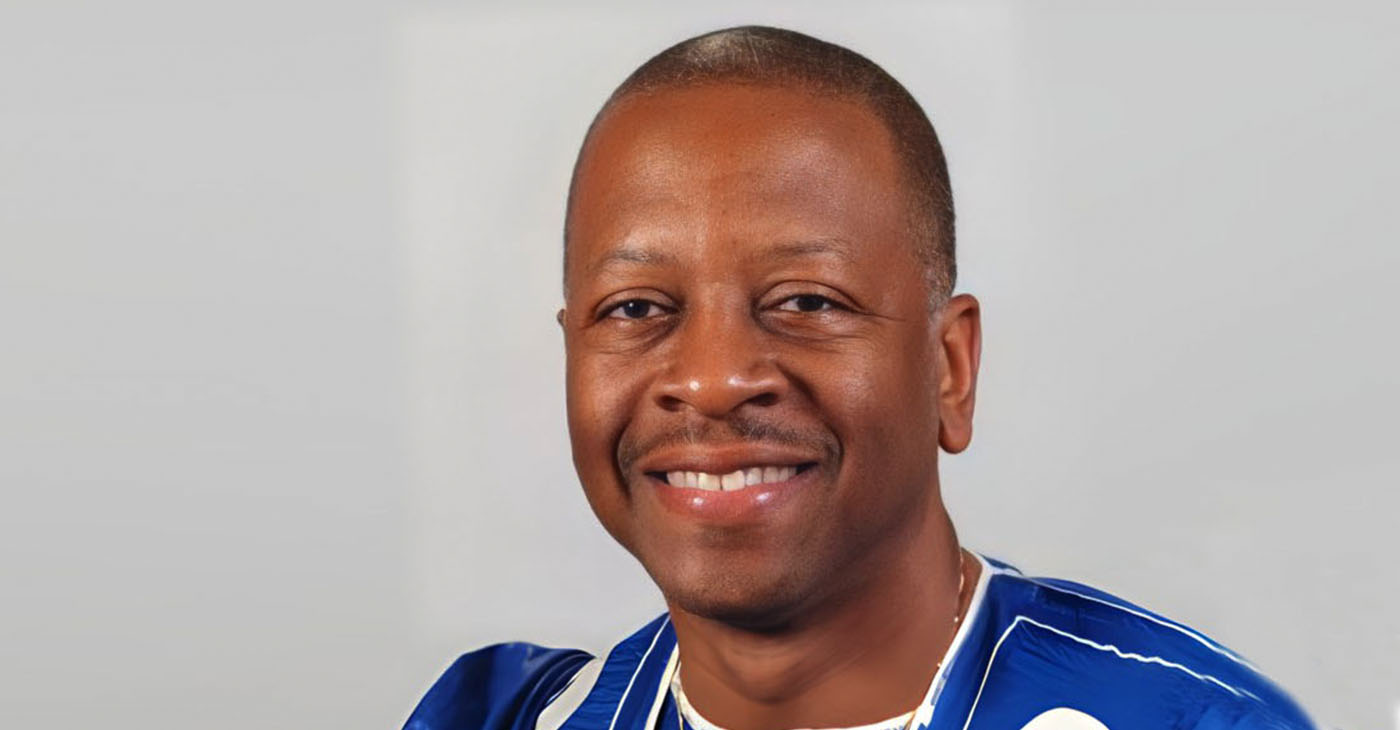
Charles W. “Chuck’’ Cherry II of Daytona Beach, a fierce advocate of the Black Press and a longtime warrior for social justice, died on Saturday, July 15, at age 66.
Chuck Cherry retired as publisher of the Daytona Times and the Florida Courier in 2020 after running the Black newspapers’ editorial operations for decades.
The retired attorney also was an author, speaker, radio broadcaster and strategic business planning consultant.
In 2019, he founded 623 Management, Inc., a company that focused on developing and disseminating messaging to Black America with a specific focus on understanding and reaching Florida’s Black population through a comprehensive marketing strategy.
He also was a sought-after speaker on Black history and civil rights in Daytona Beach and beyond.
Charles W. Cherry II was born on Aug. 6, 1956, in Daytona Beach to Julia T. Cherry and Charles W. Cherry, Sr., founder of the Daytona Times and Florida Courier newspapers. The senior Cherry also was a past president of the Florida NAACP and a former Daytona Beach city commissioner.
Admitted into the Florida Bar in December 1983, he was a former Fort Lauderdale city and South Florida state prosecutor, and practiced law for 21 years before returning to journalism and newspaper publishing as his primary occupation upon the death of Charles W. Cherry, Sr.
For more than 10 years, Chuck Cherry also served as general counsel to the Housing Authority of the City of Fort Lauderdale.
Along with being publisher of the newspapers, he served as general manager of the family-owned radio station WPUL-AM and for years was host of the station’s “Free Your Mind’’ radio show.
Jenise Griffin, who replaced Cherry as publisher in 2020, said, “Chuck Cherry was my longtime mentor and friend, and I am devastated by his passing. He was a giant in the journalism industry and his voice will be missed. As his award-winning column was titled, he told it ‘straight, no chaser.’ I admired him as a journalist, a brother with a great legal mind, and an awesome father.’’
She added, “Although he was no longer a working member of the Daytona Times and Florida Courier, the staffers often still reached out to him for advice and insight on their editorial projects.’’
Plans for a public memorial service are in the works. In lieu of flowers, the Cherry family is requesting that donations be made to the Charles W. Cherry Sr. Endowed Scholarship Fund via giving.morehouse.edu.
The post Charles ‘Chuck’ Cherry, Black Newspaper Publisher in Florida, Dies at 66 first appeared on Post News Group. This article originally appeared in Post News Group.
Art
Dr. Bethune statue to be unveiled in Statuary Hall on July 13
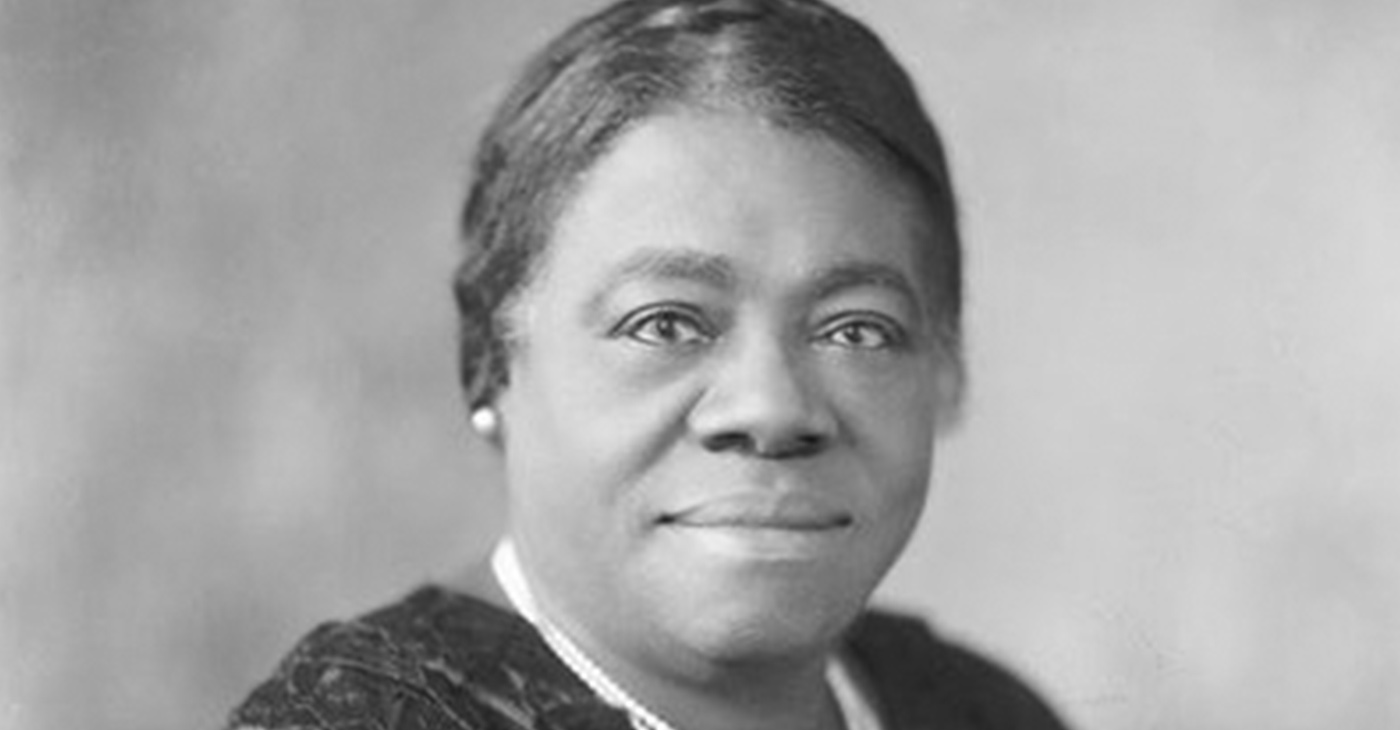
FLORIDA COURIER — Dr. Bethune was the founder of what is now Bethune-Cookman University (B-CU) in Daytona Beach. She also was a philanthropist, civil rights activist and humanitarian. The university is hosting a watch event starting at 10:30 a.m. Wednesday at the Mary McLeod Bethune Performing Arts Center, 698 W. International Speedway Blvd., Daytona Beach. B-CU alumni chapters also are hosting watching parties nationwide.
By Andreas Butler | Florida Courier
Dr. Mary McLeod Bethune’s statue will finally be on display this month in National Statuary Hall in Washington, D.C. An unveiling ceremony is set for Wednesday, July 13, at 11 a.m.
The event will be streamed live at www.speaker.gov/live.
“This is one of the most important weeks in our state’s history and in the history of our country. I am so proud that the great State of Florida is becoming greater on July 13, 2022. I am excited about her statue and all the symbolism it represents teachable moments for our children, students and our community,” Nancy Lohman, chair of the Dr. Mary McLeod Bethune Statuary Fund, told the Florida Courier.
“Dr. Mary McLeod Bethune was an accomplished Floridian whose efforts as an influential leader, educator and civil rights activist made her one of our nation’s most notable figures. Dr. McLeod Bethune’s statue will represent the best of who we are as Floridians.”
Watch parties planned
Dr. Bethune was the founder of what is now Bethune-Cookman University (B-CU) in Daytona Beach. She also was a philanthropist, civil rights activist and humanitarian.
The university is hosting a watch event starting at 10:30 a.m. Wednesday at the Mary McLeod Bethune Performing Arts Center, 698 W. International Speedway Blvd., Daytona Beach.
B-CU alumni chapters also are hosting watching parties nationwide.
The Dr. Mary McLeod Bethune National Alumni Association Volusia County chapter is hosting a watch party starting at 9 a.m. at the Beaches Entertainment Eatery at 301 E. International Speedway Blvd. in Daytona Beach.
WESH 2 TV station also will air the event live and stream it on their website www.wesh.com.
Statuary Hall history
Dr. Bethune’s family is just as proud about the honor.
Her great-grandson, Charles Bethune, told the Courier, “We are just humbled that she is being honored. It’s overdue. The things that she wase able to accomplish as a Black woman during her lifetime and during those times was just unheard of.”
The marble statue is 11 feet tall and depicts Bethune in cap and gown with books in one hand and a black rose in the other.
It was created by world-renowned sculptor Nilda Comas in Pietrasanta, Italy. Comas secured the last marble that weighed 11,500 tons out of Michaelangelo’s cave in the Alps.
Dr. Bethune will make history as the first Black to have a statue in Statuary Hall.
She is one of two representatives from Florida along with John Gorrie, who is credited for creating air conditioning. Dr. Bethune’s statue replaces the one of Confederate General Edmund Kirby Smith, whose statue was removed in September 2021.
Dr. Bethune also served in the federal government and was the highest ranking African American official in government when she served as the director of Negro Affairs in the National Youth Administration under President Franklin D. Roosevelt’s administration. She also was a friend of his wife, Eleanor Roosevelt.
She founded the National Council of Negro Women, was on the founding conference of the United Nations, and served as national vice president of the NAACP.
Overwhelming support
The initial vote in the Florida House of Representatives for the statue of Dr. Bethune was 111-1 back in 2018.
The legislation was first initiated by then-Florida House of Representative Patrick Henry and Florida State Senator Perry Thurston.
U.S. Congresswoman Kathy Castor pushed legislation at the federal level.
The statue was completed and first revealed in Pietrasanta, Italy in July 2021. It arrived in Daytona Beach in October 2021 and was displayed at the News Journal Center from October to December 2021.
A smaller bronze statue of Bethune will be unveiled in Bethune Plaza at Riverfront Esplanade Park at the corner of Mary McLeod Bethune Boulevard and Beach Street on Thursday, Aug. 18 at 9 a.m.
Funds for the statue were raised by the Dr. Mary McLeod Bethune Statuary Fund; the Daytona Beach Community Foundation, Inc.; and several community businesses and individual donors.
BlackPressUSA
The Life of a COVID Long-Hauler
FLORIDA COURIER — A former ‘American Idol’ contestant from Florida shares how the symptoms continue to linger long after he was cleared of the virus. Jeremy Rosado, who battled the coronavirus months ago, says his “COVID lungs” return about once a week. On those days, the Christian singer says he can’t do too much.

By Stephanie Claytor, Florida Courier
Jeremy Rosado, 28, of Brandon is best known for being a finalist on the 11th season of “American Idol’’ in 2012. He’s one of the two million people who have caught COVID-19 in Florida. He caught it the week before Christmas.
While the Christian singer imagined he would catch it singing in church, that wasn’t the case. Rosado believes he caught it while visiting with his best friend and friend’s girlfriend. He was there with his niece whom he has legally adopted and refers to as his daughter.
She caught it too, and they spread it to his mom, with whom they live.
“It was horrible. The worst experience over the holidays ever…As much as it sucked, we had each other,” said Rosado, who explained he caught it the worst.
Rosado hadn’t been visiting friends the entire year. He thought with it only being the four of them in the room that they’d be fine.
He said they got comfortable and took off their masks. He was in disbelief when his friend called him days later and said they tested positive for COVID-19.
“I was pissed. I was so upset,” Rosado said.
His lifesavers
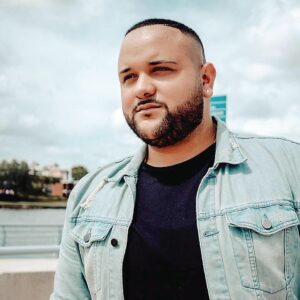
Jeremy Rosado, who battled the coronavirus months ago, says his “COVID lungs” return about once a week. On those days, the Christian singer says he can’t do too much.
PHOTO COURTESY OF JEREMY ROSADO
He and his daughter received their positive results hours later. He immediately notified his primary care doctor.
Having battled asthma his entire life, his doctor decided to put him on antibiotics, steroids, breathing treatments, and an inhaler before the worst symptoms presented themselves.
“I really believe that’s what saved my life,” Rosado said.
Rosado didn’t experience the worst of the symptoms until three days after testing positive, and nearly nine days after he believes he was exposed.
“It switched over night. I went from feeling perfectly fine to not being able to walk from my living room to my bathroom or not being able to stand up in my shower alone,” Rosado recalled.
“I couldn’t turn my head to the right there was so much inflammation in my chest. It was painful,” he said. “My lungs felt as if I had bags of bricks on them like pulling them down.”
He never had a fever.
Thoughts of death
He worried and wanted to go to the hospital. But he called his doctor first. His doctor was worried the hospital, not knowing his medical history, would unnecessarily put him on a ventilator.
To avoid that, his doctor suggested he purchase an oximeter and monitor his oxygen levels. Rosado listened and didn’t go to the hospital.
But reading the stories of others with COVID-19 who had asthma and were overweight like him began to scare him. Anxiety was starting to take over.
“I remember thinking this is it. I’m dying. I’m going to have to leave behind my kid and my family,” Rosado shared.
A second chance
Again, wanting to go to the hospital, he called his doctor. His doctor requested he visit his office first. He did and his doctor examined him and assured him he’d survive.
Rosado trusted him and did not go to the hospital. Rosado said three days later, he “came back to life.”
He had lost 25 pounds in two weeks, as he couldn’t find strength to lift his arms to eat or chew during that time.
He choked up as he shared this, stating he felt like God gave him a second chance at life.
“I just feel so lucky and so fortunate to have lived through this thing. Christmas morning was the first morning where I felt like I was going to live. Symptoms started to change. My lungs were feeling like I could breathe. I could walk to the bathroom. I could shower [by] myself,” Rosado said through tears.
The day after New Year’s Day he tested negative.
But then he tried to sing again in church and realized he couldn’t catch his breath. That was worrisome considering he sings for a living at Reliant Family Church in Tampa.
That’s when he realized he may be considered a “long-hauler,” which is a colloquial term referring to people who have COVID-19 symptoms months after testing negative for the virus.
Lingering symptoms
A few weeks later his lungs felt like they cleared up. Then they felt like they were collapsing again. He calls them his “COVID lungs.”
It’s just one symptom Dr. Kathleen Haggerty is treating her patients for at the post COVID-19 clinic at Watson Clinic in Lakeland. Since opening the clinic in September, Haggerty said she’s been flooded with patients. She doesn’t have availability until June.
“The response has been over-whelming. We’ve seen people from St. Petersburg, Vero Beach and Miami,” said Haggerty.
She called the lingering symptoms of COVID-19 a big problem that is just being recognized.
“No one really thought there was long-term disability from this problem and that has been a very nasty surprise but most of this disease has been very nasty surprises,” Haggerty said.
Her patients are having lingering symptoms that range from chest pain, fatigue, shortness of breath, pinprick sensations all over the body, diarrhea, brain fog, depression, and anxiety.
Series of tests
Depending on her patients’ symptoms, they may receive “a series of lab tests, radiology evaluations, pulmonary function tests, and additional tests designed to diagnose issues related to depression, cognitive ability, physical maladies, nutritional deficiencies and neurological disorders,” according to a news release about the clinic.
Haggerty is working to figure out why after testing negative from the virus months ago,
her patients are still experiencing some of these symptoms, especially the pinprick sensation.
“I’m working on these inexplicable problems because I’ve seen them many times and I can no longer easily dismiss them,” Haggerty said.
Over time, she believes her patients are improving; quite a few have been discharged from her care.
That’s been the case for Rosado too. He estimates his “COVID lungs” return about once a week where he can’t have the air condition on in the car or sing without taking an asthma treatment. On those days he said he can’t do much.
The weird smell of mothballs mixed with gasoline returns sometimes too – the same smell he had when he had COVID-19.
“I think it’s just something I’m going to have to deal with. I really haven’t sought treatment on it because I know what clears it up. I take a puff on my inhaler or I take a nebulizer treatment and my lungs open up,” Rosado said.
Haggerty said Rosado is not alone in this long-term COVID-19 journey.
“We still don’t know what percentage of the [COVID survivor] population will be affected by this. Estimate is may be a quarter,” Haggerty related.
Vaccinated and optimistic
Rosado remains hopeful when reading reports claiming COVID-19 long-haul symptoms have improved after immunization for some. He hopes it’s the case for him, but so far, his symptoms are still present.
He got his first dose of the Moderna vaccine on March 17.
Haggerty called the reports surprising, and said she has “no idea why that should occur.” She suspects the survivors still had viral activity and the immunization mounted “a big enough response to eliminate it.”
Only one of her patients has reported a change in symptoms since vaccination. That patient informed her of increased chest pain. Most of her long-haul patients are still too young to get vaccinated so it’s too early to say.
‘Not a joke’
Haggerty urges everyone to get the free COVID-19 vaccine, even if they’ve recovered from the virus, in order to prevent hospitalization or death from COVID-19. She said people should get both shots if they are getting the Pfizer or Moderna vaccine.
Rosado said he’s encouraging everyone he knows to get the vaccine. He hopes his story will encourage young people to take the virus seriously.
“It’s not a joke,” Rosado said. “I’ll never judge anybody in this season for being dramatic with the masks.”
The post THE LIFE OF A COVID LONG-HAULER appeared first on Florida Courier.
BlackPressUSA
COMMENTARY: Thin line between lies and facts
FLORIDA COURIER — Thinking abstractly, those slimy slugs have become analogous to Donald J. Trump, his acolytes, and their willingness to destroy the fabric of this nation’s democracy for self-aggrandizement and to create an environment of racial superiority. Like the slugs of our garden, their initial damage may be minimized, but left unchecked, their damage can be significant. After Jan. 20, I intended to leave Trump and his administration in the dust heaps unpleasant memories, but disclosures of his gross mismanagement, disregard for the public welfare, and connection to churning of sediments of racial discord deserve comment.
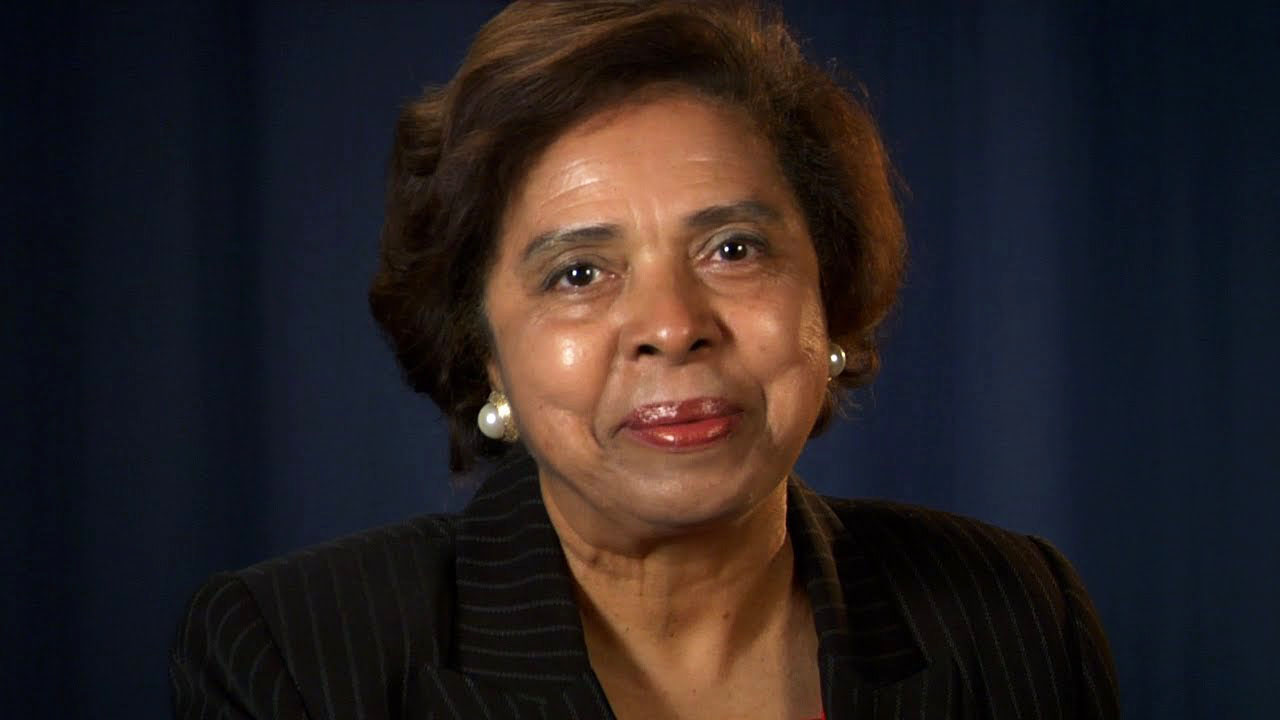
By Dr. E. Faye Williams, ESQ, national chair of the National Congress of Black Women, Inc.
I am not an outdoors person, but I am naturally curious and pay attention to my surroundings. Being observant satisfies my curiosities and affords me better understanding of how we creatures behave and interact.
In my youth, I can remember going outside and seeing numerous shiny lines in the garden, on steps, and, sometimes, windows and doors.
I first ignored those lines, but, eventually, asked my mother what they were. She said they were the trails left by slugs foraging through our garden, often ruining our vegetables. She explained that table salt could kill them. I did not like slugs then and I do not like them now.
Slugs’ new meaning
Thinking abstractly, those slimy slugs have become analogous to Donald J. Trump, his acolytes, and their willingness to destroy the fabric of this nation’s democracy for self-aggrandizement and to create an environment of racial superiority.
Like the slugs of our garden, their initial damage may be minimized, but left unchecked, their damage can be significant. After Jan. 20, I intended to leave Trump and his administration in the dust heaps unpleasant memories, but disclosures of his gross mismanagement, disregard for the public welfare, and connection to churning of sediments of racial discord deserve comment.
Moreover, emerging evidence of Trump’s attempt to replicate the permanent, autocratic strongmen he admires (Putin, Kim, and Erdogan) requires a challenge to the potential destruction of our nation’s democratic principles and viability of our institutional constructs.
Although gone, Trump has left thousands of disciples willing to act seditiously to overthrow our current government in his behalf.
He has opened a floodgate of racism and intolerance that will not close, and he has been the founder of “Institutional Lies,” which with his other infractions, cause suffering among those he targets.
The silent failure
Jan. 6, 2021 is testament to the influence Trump has over a radical right populace willing to supplant our 250-year democracy in favor of an evolving dictatorship.
One should not breathe a sigh of relief yet. January 6th failed to interrupt government process, but, among the Trump faithful, there remains a willingness to immediately reinstate him to the seat of power.
If you listen without your crazy filters, you will hear highly placed Trump loyalists present thoughts that are only to be said “quietly.”
A chief example is Senator Ron Johnson from Wisconsin. Tone deaf and blind to the obvious violence, Johnson expressed collaborative belief systems with January 6th terrorists in opposition to Black Lives Matter demonstrators of this past summer.
I welcome anyone to explain his statements without using the lens of race.
Few need to be reminded of Trump’s lies throughout the COVID pandemic. The number of lives lost to these lies can only be speculated, but it is doubtful that state and local governments and individual citizens would have responded as negligently without the endorsement of the president.
‘Trumpiness’ not over?
Willing actors were used to spread Russian, anti-Biden disinformation and promote a lack of confidence in the election process.
Too many Trump transgressions have emerged for us to believe we are done with him. Like the slug, his slime tells where he’s been, but we have no real knowledge of where he’s going, and what he plans to do.
Increased voter suppression activities may give us a hint. He holds sway over too many people for us to relax.
His obvious trail of slime reminds us that, although gone, he and his acolytes are eager to leave a trail of discord and destruction for us to fall victim to.
Dr. E. Faye Williams is national chair of the National Congress of Black Women, Inc. Contact her via www.nationalcongressbw.org.
The post Thin line between lies and facts appeared first on Florida Courier.
Black History
COMMENTARY: Black farmers get COVID relief they deserve
FLORIDA COURIER — Bigoted bureaucrats and discriminatory policies at the U.S. Department of Agriculture and its Farmers Home Administration lending agency abused Black farmers for decades. Black farms were falsely classified as unproductive. Farmers were unfairly denied loans that they were entitled to receive. The government stalled and buried their complaints about discrimination. Land was taken and given to white farmers. Senate Democrats reported recently that Black farmers in the South have lost more than 12 million acres of farmland since the 1950s.

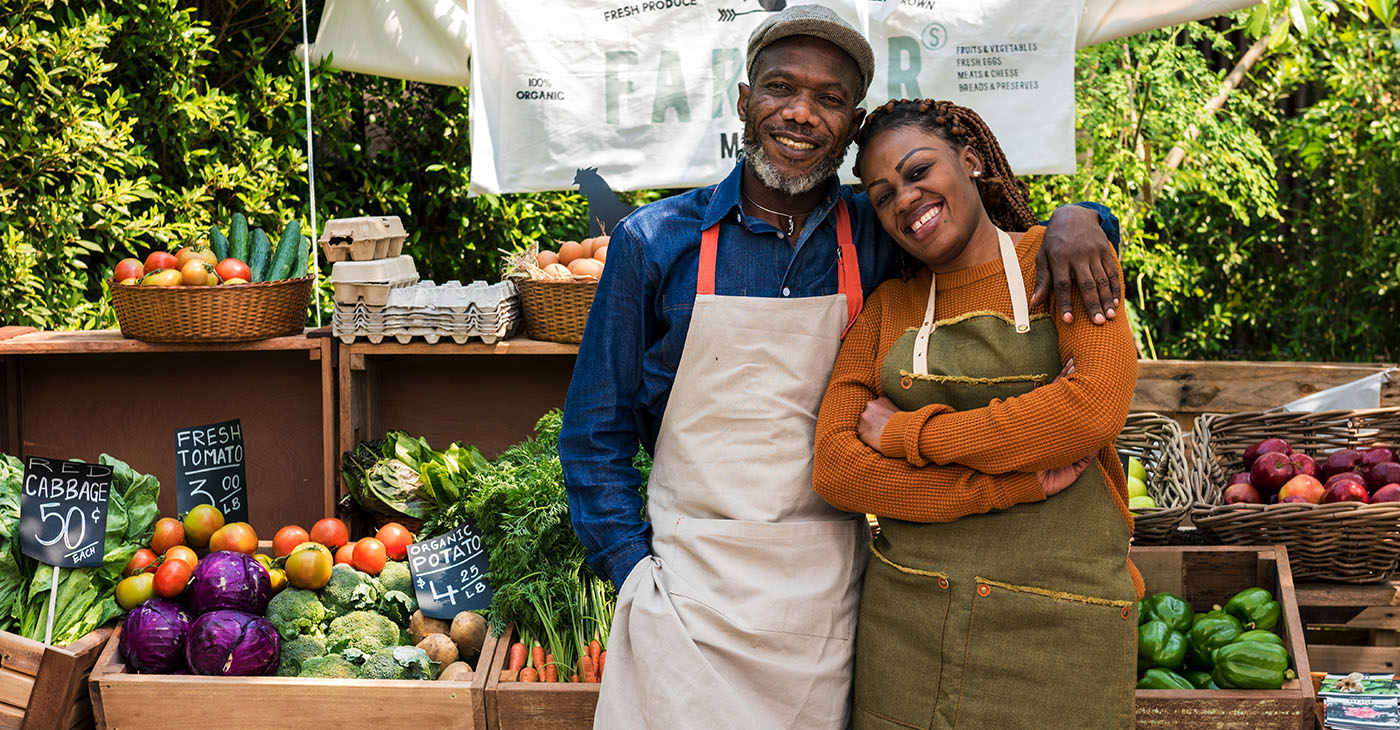
By Ben Jealous, president of People For the American Way and People For the American Way Foundation
If you ever begin to doubt that elections matter, think about Black farmers.
The new COVID relief law takes significant steps to address decades of shameful discrimination against Black farmers by the federal government.
And that would not have happened without voters putting Joe Biden and Kamala Harris in the White House and giving Democrats a majority in the Senate.
Fewer Black farmers
The discrimination is well-documented. So is its devastating impact on Black farming families.
Consider a few statistics. One hundred years ago, there were more than 925,000 Black-run farms. By 2017, that number had dropped by more than 95 percent.
Today less than two percent of farmers in the U.S. are Black, and 98 percent of farmland is owned by white landowners.
Part of the problem is state laws that often force the sale of inherited farmland for pennies on the dollar. But this is not a problem confined to the Confederate states or the Jim Crow era. This is largely a problem of intentional discrimination by employees of the federal government.
Decades of abuse
Bigoted bureaucrats and discriminatory policies at the U.S. Department of Agriculture and its Farmers Home Administration lending agency abused Black farmers for decades. Black farms were falsely classified as unproductive.
Farmers were unfairly denied loans that they were entitled to receive. The government stalled and buried their complaints about discrimination. Land was taken and given to white farmers.
Senate Democrats reported recently that Black farmers in the South have lost more than 12 million acres of farmland since the 1950s.
In 1982, the U.S. Civil Rights Commission said that the Farmers Home Administration’s unresponsiveness “hindered the efforts of Black small farmers to remain a viable force in agriculture.” During the 1990s, many farmers were cut out of meaningful help they should have gotten from lawsuit settlements.
Official neglect and mistreatment of Black farmers continued into the 21st Century: one study found that from 2006 to 2016, the federal government was six times as likely to foreclose on a Black farmer as on a white one.
Money handed out by the Trump administration to survive the trade war he started, and to help farmers deal with the pandemic, mostly bypassed Black farmers.
Last fall, Senators Cory Booker, Elizabeth Warren and Kirsten Gillibrand introduced the Justice for Black Farmers Act.
It was designed to address and correct the discrimination that “caused Black farmers to lose millions of acres of farmland and robbed Black farmers and their families of hundreds of billions of dollars of inter-generational wealth.”
Keep it up
And then the 2020 elections created powerful opportunities for Black farmers. During the first week of the Biden-Harris administration, the Department of Agriculture halted debt collection and foreclosure for thousands of farmers behind in federal loan payments, many of them Black.
Newly elected Sen. Raphael Warnock—thank you, Georgia voters —introduced the Emergency Relief for Farmers of Color Act, which became part of the COVID relief legislation known as the American Rescue Plan.
That measure, passed by Congress and signed into law by President Biden includes $10 billion to support agriculture. About half of that is set aside to help Black farmers through debt relief, education, training, and land acquisition. The law includes $4 billion in direct aid to get farmers out of debt.
And it includes $1 billion to create and fund a commission to deal with the longstanding discrimination and inequity in USDA programs.
These long-overdue steps toward reversing generations of wrongdoing are not just the result of a single election.
They are the fruit of decades of organizing by Black farmers and their advocates to document and challenge racist discrimination and injustice.
And to get Black people and their allies to vote.
Organizing and elections can change the world. Together we are making—and remaking—history. Let’s keep it up!
Ben Jealous is president of People For the American Way and People For the American Way Foundation. He also is the former president and CEO of the NAACP.
Black History
COMMENTARY: There’s something more important than Kamala
NNPA NEWSWIRE — If government-endorsed and recognized White militias, White supremacists, White nationalists, Klansmen, neo-Nazis, skinheads, Proud Boys, Boogaloo Brothers, 13 Percenters and other haters conspire to kidnap and kill one of their own kind, what in the hell do you think they will do to you?

The Gantt Report

Lucious Gantt
By Lucius Gantt, The Florida Courier
“How about Kamala in the debate?”
Well, I’m smart enough to know that if I say anything other than “She was perfect,” many sisters will disparage me, call me a hater and suggest that all men do is talk negatively about Black females.
If you know me, you know I don’t care what people say, because only God can judge me.
After the election, I’ll probably comment in some detail about the candidates and the campaigns.
But today, I’ll opine about something I think is more important.
‘Beasts gone wild’
“Girls Gone Wild” was a series of suggestive videos primarily showing drunken college girls on Spring Break a long time ago.
Last week, there were various news reports about “Beasts Gone Wild!”
What do you call it when 13 men – seven of them associated with an anti-government militia group called the Wolverine Watchmen – have been arrested on charges of conspiring to kidnap the Michigan governor, attack the state legislature and threaten law enforcement?
Don’t act surprised and bewildered. Kidnappings and murders have been going on in the United States and in your own city, wherever you are, for more than 400 years.
If government-endorsed and recognized White militias, White supremacists, White nationalists, Klansmen, neo-Nazis, skinheads, Proud Boys, Boogaloo Brothers, 13 Percenters and other haters conspire to kidnap and kill one of their own kind, what in the hell do you think they will do to you?
My personal experience
I’ve known what supremacists have desired to do with me. I’ll never forget when Leon County, Fla., law enforcers informed me that they had credible intelligence that said supremacists in the state had plans to confront me.
Advocates of The Storm or Stormfront – a White nationalist, White supremacist, anti-Semetic and neo-Nazi internet forum – had been chattering about something written in The Gantt Report.
I told the authorities, “I’m not hard to find. They know my address. They also know I’m NRA certified and trained in handgun marksmanship, and I’m known to have 200-pound dogs (mastiffs) guarding me.”
Needless to say, I’m still alive and still writing about wickedness, devilment and racial hate, in between my columns about “the cat!”
Righteous anger
I’m mad about the current rise in racial animosity. But the people in your community that should be most angered are the religious leaders you love and give money to every Sunday!
Can I prove it? Yes!
In the Biblical gospel of Revelation, 13th chapter, it talks about “the beast” and the verses apply to today’s situation. The Bible says “they” worshiped the dragon which gave power unto the beast and asked, “who is able to make war with him (the beast)”?
Well, if your teachers and preachers are unwilling or unable to fight the beasts, join The Gantt Report.
God protects his soldiers
Don’t be afraid to protect your spouse, your children, yourself and your community. If you stand up for equal rights, justice, racial peace and harmony, God will stand with you.
God will send Black people another Moses, another Joshua or another David. Your Creator will send you another Nat, another Denmark, another Harriett, another Khalid or another male or female freedom fighter that will battle the modern beast with you.
When the devil says, “Stand down but stand by,” the righteous should stand up and rise up!
Now is the time
Stop begging government and depending on politicians to protect you. God helps those that help themselves!
God has an army right now in your city. It would behoove you to recognize, support and appreciate the soldiers in God’s Army the way you recognize the political candidates you love.
Buy Gantt’s latest book, “Beast Too: Dead Man Writing,” on Amazon.com and from bookstores everywhere. “Like” The Gantt Report page on Facebook. Contact Lucius at www.allworldfinancialgroup.com.
This article originally appeared in the Florida Courier.


Coach Tremaine Jackson Urgent Mindset- ‘Fourth and One’

Michael Jackson Returns to the Super Bowl Spotlight, Druski Heads to SNL, and Gas Drops Below $1!

Michael Jackson Returns to the Super Bowl Spotlight, Druski Heads to SNL, and Gas Drops Below $1! 📱

Secure growth by funding business expansion without taking on bad debt

Save money on storm damage repairs by addressing your property hurricane risk early in the season

Sunset Loft – The Crystal

HISD takeover “diminished, degraded, destroyed” schools – Citizen commission report

Everything You Need to know before you Vote

From Doubts to Calling: My Wife Saved My Career #shorts

HBCU Homecoming: A never-miss annual tradition

The Youngest American Killed in the Vietnam War

Passing for White, Fighting for Black America: The Courage of Walter White

OP-ED: Haiti TPS: Have We Lost Sense of Humanity?

OP-ED: How Does Your State Rank for Pre-K?

NFL: Week Two Recap | Jalen Hurts did not fold; Caleb Williams exits game with injury

Remembering Chauncey Bailey as Student Journalists Face Threats to Truth-Telling

Headlines and Hot Topics 📱

NEWSOM, KAMALA & 2028: THE POLITICAL CALCULUS BEGINS 📱

Obama Urges Democrats to make AI a Priority 📱

Peter Magubane: a Camera Against Apartheid
Coach Tremaine Jackson Urgent Mindset- ‘Fourth and One’
Michael Jackson Returns to the Super Bowl Spotlight, Druski Heads to SNL, and Gas Drops Below $1!
Michael Jackson Returns to the Super Bowl Spotlight, Druski Heads to SNL, and Gas Drops Below $1! 📱
Sunset Loft – The Crystal
HISD takeover “diminished, degraded, destroyed” schools – Citizen commission report
Everything You Need to know before you Vote
From Doubts to Calling: My Wife Saved My Career #shorts
HBCU Homecoming: A never-miss annual tradition

How Community Builds the Confidence to Start a Business #shorts

2026 Silverado High Country What $82,004 Gets Right—and Wrong
-
 Black Press1 week ago
Zakiya Jendayi Arrested, Locked Out of Home by Sheriff’s Deputies
-

 Black Press1 week ago
A $2.1 Trillion Wellness Industry Never Built a Daily Practice for Black Children. So This Atlanta Family Did.
-

 Art1 week ago
Montclair Brewery: Brewing Culture, Community, History
-
 BlackPressUSA6 days ago
Latinas Deserve Equal Pay. Unions Help Make It Happen.
-
 Black History1 week ago
Listening as a Lifeline: A Doula’s Witness to Black Maternal Health
-

 Black Press1 week ago
COMMENTARY: But God!
