
Art
Dr. Bethune statue to be unveiled in Statuary Hall on July 13
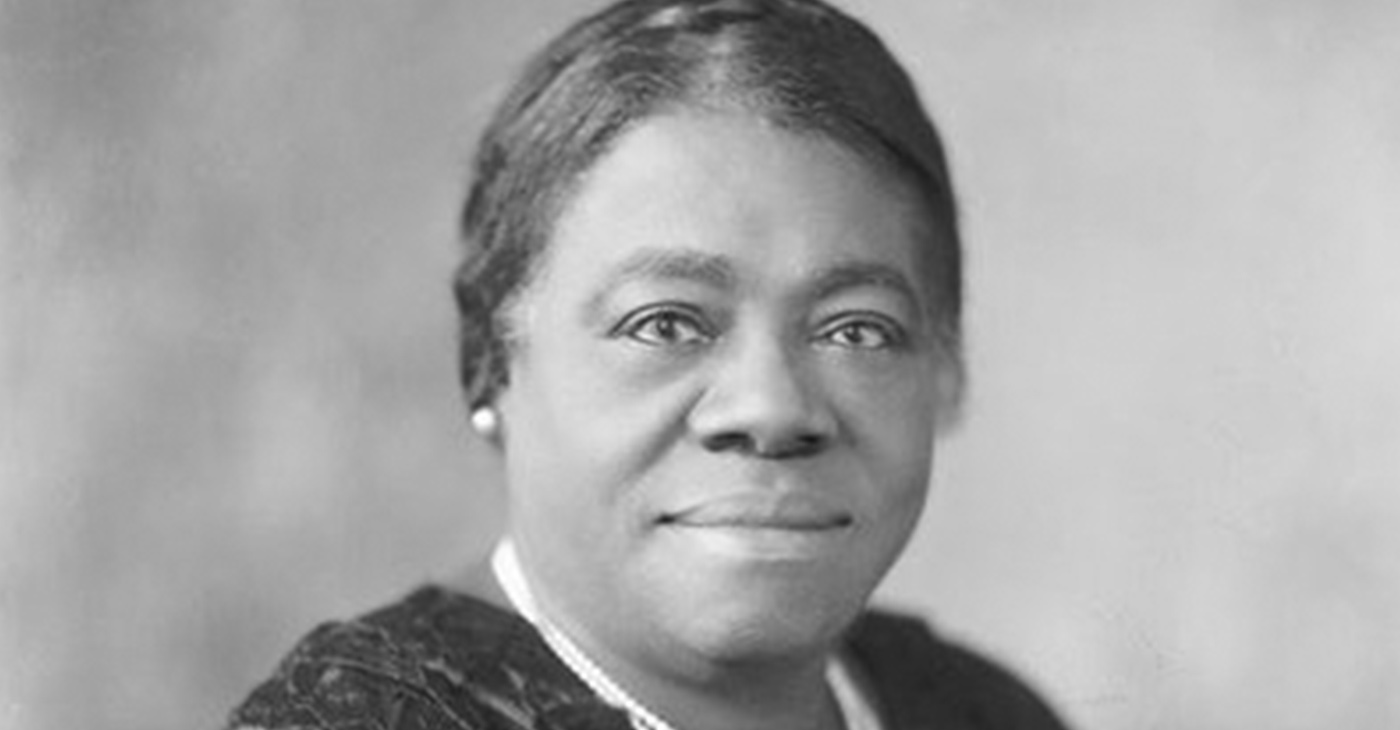
FLORIDA COURIER — Dr. Bethune was the founder of what is now Bethune-Cookman University (B-CU) in Daytona Beach. She also was a philanthropist, civil rights activist and humanitarian. The university is hosting a watch event starting at 10:30 a.m. Wednesday at the Mary McLeod Bethune Performing Arts Center, 698 W. International Speedway Blvd., Daytona Beach. B-CU alumni chapters also are hosting watching parties nationwide.

By Andreas Butler | Florida Courier
Dr. Mary McLeod Bethune’s statue will finally be on display this month in National Statuary Hall in Washington, D.C. An unveiling ceremony is set for Wednesday, July 13, at 11 a.m.
The event will be streamed live at www.speaker.gov/live.
“This is one of the most important weeks in our state’s history and in the history of our country. I am so proud that the great State of Florida is becoming greater on July 13, 2022. I am excited about her statue and all the symbolism it represents teachable moments for our children, students and our community,” Nancy Lohman, chair of the Dr. Mary McLeod Bethune Statuary Fund, told the Florida Courier.
“Dr. Mary McLeod Bethune was an accomplished Floridian whose efforts as an influential leader, educator and civil rights activist made her one of our nation’s most notable figures. Dr. McLeod Bethune’s statue will represent the best of who we are as Floridians.”
Watch parties planned
Dr. Bethune was the founder of what is now Bethune-Cookman University (B-CU) in Daytona Beach. She also was a philanthropist, civil rights activist and humanitarian.
The university is hosting a watch event starting at 10:30 a.m. Wednesday at the Mary McLeod Bethune Performing Arts Center, 698 W. International Speedway Blvd., Daytona Beach.
B-CU alumni chapters also are hosting watching parties nationwide.
The Dr. Mary McLeod Bethune National Alumni Association Volusia County chapter is hosting a watch party starting at 9 a.m. at the Beaches Entertainment Eatery at 301 E. International Speedway Blvd. in Daytona Beach.
WESH 2 TV station also will air the event live and stream it on their website www.wesh.com.
Statuary Hall history
Dr. Bethune’s family is just as proud about the honor.
Her great-grandson, Charles Bethune, told the Courier, “We are just humbled that she is being honored. It’s overdue. The things that she wase able to accomplish as a Black woman during her lifetime and during those times was just unheard of.”
The marble statue is 11 feet tall and depicts Bethune in cap and gown with books in one hand and a black rose in the other.
It was created by world-renowned sculptor Nilda Comas in Pietrasanta, Italy. Comas secured the last marble that weighed 11,500 tons out of Michaelangelo’s cave in the Alps.
Dr. Bethune will make history as the first Black to have a statue in Statuary Hall.
She is one of two representatives from Florida along with John Gorrie, who is credited for creating air conditioning. Dr. Bethune’s statue replaces the one of Confederate General Edmund Kirby Smith, whose statue was removed in September 2021.
Dr. Bethune also served in the federal government and was the highest ranking African American official in government when she served as the director of Negro Affairs in the National Youth Administration under President Franklin D. Roosevelt’s administration. She also was a friend of his wife, Eleanor Roosevelt.
She founded the National Council of Negro Women, was on the founding conference of the United Nations, and served as national vice president of the NAACP.
Overwhelming support
The initial vote in the Florida House of Representatives for the statue of Dr. Bethune was 111-1 back in 2018.
The legislation was first initiated by then-Florida House of Representative Patrick Henry and Florida State Senator Perry Thurston.
U.S. Congresswoman Kathy Castor pushed legislation at the federal level.
The statue was completed and first revealed in Pietrasanta, Italy in July 2021. It arrived in Daytona Beach in October 2021 and was displayed at the News Journal Center from October to December 2021.
A smaller bronze statue of Bethune will be unveiled in Bethune Plaza at Riverfront Esplanade Park at the corner of Mary McLeod Bethune Boulevard and Beach Street on Thursday, Aug. 18 at 9 a.m.
Funds for the statue were raised by the Dr. Mary McLeod Bethune Statuary Fund; the Daytona Beach Community Foundation, Inc.; and several community businesses and individual donors.






Art
‘i Hope It Makes People Want to Be 100 Percent Themselves’
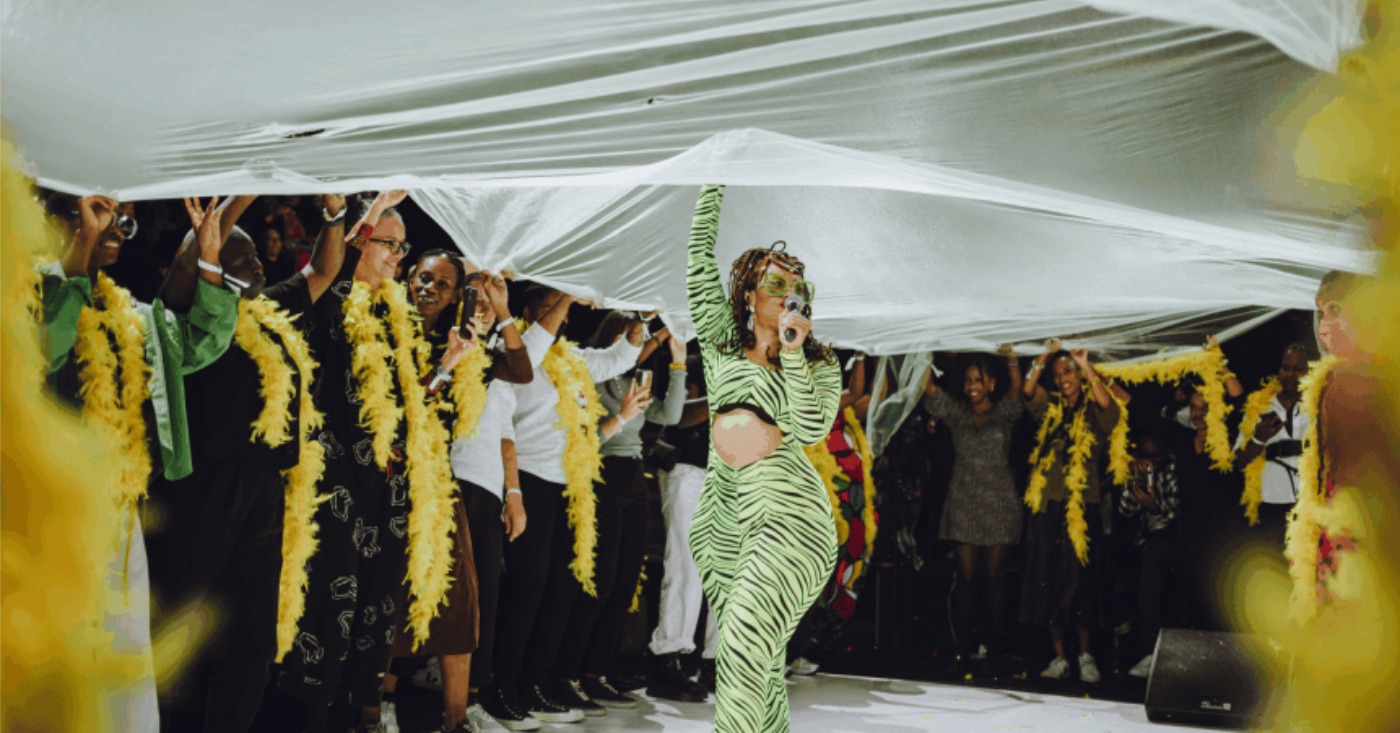
ST. LOUIS AMERICAN — The Contemporary Art Museum St. Louis is currently hosting a major survey exhibition titled “Nobody’s Gonna Love You the Way I Do,” featuring the work of performance artist Ayana Evans. Organized by Chief Curator Dean Daderko, the exhibition spans over two decades of Evans’ career, highlighting her journey from a painter and fashion designer to a distinctive figure in the performance art world.

‘Ayana Evans: Nobody’s Gonna Love You the Way I Do’ offers agency at CAM
Long before a museum exhibition was devoted to her work, Ayana Evans was making art anywhere she pleased.
On escalators. In galleries. On city streets.
Sometimes she showed up in a zebra-print catsuit and bright red lipstick. Sometimes people stared. Sometimes they questioned whether what she was doing was art at all.
She did it anyway.
“I’m not sorry. I’m not trying to blend in,” Evans said. “I’m not covering up.”
That spirit drives Ayana Evans: Nobody’s Gonna Love You the Way I Do, now on view at the Contemporary Art Museum St. Louis through early February.
Organized by Dean Daderko Ferring Foundation Chief Curator, with support from Exhibitions Assistant Grace Early, the exhibition brings together more than two decades of Evans’ performance-based work. It also introduces local audiences to an artist whose practice centers freedom, self-acceptance and taking up space unapologetically.
For Daderko, the decision to devote a major exhibition to Evans came after witnessing one of her performances.
“I was so moved by it,” Daderko said. “I thought somebody needs to give this woman a big survey exhibition. It may as well be me.”
The exhibition traces Evans’ evolution from painter and designer to one of the country’s most distinctive performance artists.
Ironically, she never intended to become one.

Evans began as a painter. The Chicago native struggled to gain traction in New York’s art world. So she stepped away from fine arts entirely for several years and launched a fashion accessories business.
“I quit art for like seven years,” Evans said.
Eventually, she found herself returning to galleries and exhibition openings, but she noticed something about the spaces she was entering.
Coming from fashion, Evans favored sequins, short skirts and bold colors. The art world’s unofficial uniform of head-to-toe black clothing with harshly cut bangs felt vastly different.
“I didn’t look like an art girl,” Evans said.
She remembered being treated as though she didn’t belong.
“I literally was asked, ‘Who invited you?’”
Rather than shrinking herself, she leaned further into visibility.

A borrowed catsuit eventually became part of her artistic identity.
At first, Evans simply recorded videos with friends and posted them online. She wasn’t pursuing institutional recognition or trying to launch a career in performance art.
“The ambition was to do it,” Evans said. “Not the accolades.”
Over time, audiences found the work.
What they encountered was an artist willing to place herself at the center of conversations around visibility, body image and the ways Black women navigate public space.
One gallery video featured Evans perched on a dramatic red escalator in Venice. Another performance transformed ordinary public spaces into stages.
The work is playful. It can also be confrontational.
For Evans, those moments are less about provocation than permission.
“I always say I hope it makes people want to be 100 percent themselves,” she said. “It’s not about wearing neon like me. If I can wear a neon bodysuit, then you can wear whatever you want, too.”
That message emerged from Evans’ own journey.
She admits that she once struggled with body image and spent years trying to draw attention away from herself.
“This project almost became the worst-case scenario,” Evans said. “People talked about me and about my body. People took pictures. And then I realized I could wear whatever I wanted and not really care.”
Instead of opening old wounds, the work helped heal them.
“It freed me,” she said.
The resulting performances often feel less like spectacles than invitations.
Evans describes them as love letters.
“I love me. I want you to love you,” she said. “I want people to come see my work and feel like there’s some energy being exchanged, where I accept myself and I accept you.”
That generosity is part of what drew Daderko to her work so many years ago.
“Oftentimes people don’t feel like museums are for them,” Daderko said. “Ayana makes people feel seen.”
The exhibition reflects that philosophy from the moment visitors walk through the door.
Interactive elements encourage participation. Visitors can step onto a red carpet, pose with signs and props inspired by Evans’ projects and become part of the experience rather than simply observing it.
For Daderko, creating that sense of access was essential.
“The goal is to show what this experience is like and to do it in a way that invites people into the conversation,” he said.
That perspective also shapes how Evans hopes audiences experience performance art.
Too often, she believes the form is treated as something exclusive or inaccessible, even though many communities engage with performance traditions every day.
“I want people to know that performance art is for them,” Evans said. “It’s not this thing over there.”
Expanding the definition of performance art is only part of the goal.
“I want them to feel happy,” Evans said. “I want it to be a celebration.”
For Daderko, the exhibition offers audiences a chance to discover what he’s long admired about Evans’ work.
“They maybe haven’t met their favorite performance artist yet,” Daderko said. “But they’re about to.”
Ayana Evans: Nobody’s Gonna Love You the Way I Do continues through February 7, 2027, at the Contemporary Art Museum St. Louis (CAM), 3750 Washington Boulevard, St. Louis, MO 63108. For more information, camstl.org.
The post ‘I hope it makes people want to be 100 percent themselves’ appeared first on St. Louis American.
Based on reporting by St. Louis American.
Art
Bennett College Pockets $12 Million for Aaron Douglass Harriet Tubman Painting Sale at Sotheby’s
THE CAROLINIAN — A masterpiece that hung inside a Greensboro dining hall for nearly a century has rewritten American art-market history. During a recent Modern Evening Auction at Sotheby’s New York, the 1931 oil-on-canvas mural “Harriet Tubman” by Harlem Renaissance luminary Aaron Douglas fetched a final price of $14.48 million.
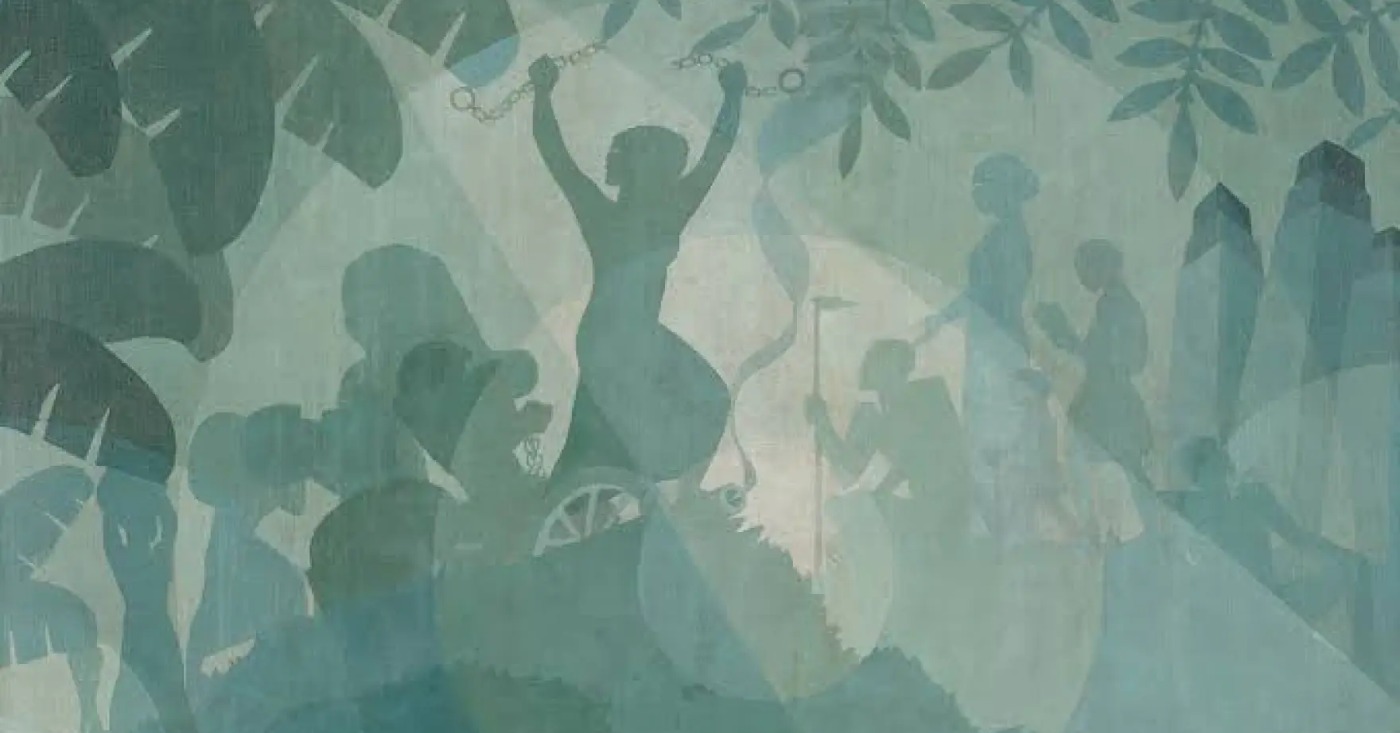
Greensboro, NC – With a starting bid of two million dollars, a masterpiece that hung quietly inside a Greensboro dining hall for nearly a century has rewritten American art-market history.
More than 80 years after Harlem Renaissance luminary Aaron Douglas painted Harriet Tubman in 1931, the monumental oil-on-canvas mural shattered expectations at Sotheby’s New York on November 18, fetching 14.48million(12 million hammer price plus a $2.5 million buyer’s fee). Consigned by Bennett College, one of only two historically Black women’s colleges in the nation, the piece had never been traded on the open market before Tuesday’s Modern Evening Auction.
The final sale price soared to more than five times its low pre-auction estimate and eclipsed Douglas’s previous auction record—$600,000, set in 2008—by a staggering 2,300 percent. For observers across the arts and academic worlds, the moment stood as a commanding testament to what long-overdue cultural and financial recognition looks like when it finally arrives.
Commissioned in 1930 by Chicago philanthropist Alfred K. Stern and completed in 1931, Douglas’s Harriet Tubman captures the abolitionist icon breaking free from shackles, rendered in the artist’s signature geometric, concentric light waves that bridged African heritage with modernist design. For generations of Bennett Belles, the canvas was not merely an artifact behind museum glass, but a daily visual anchor on campus.
In an exclusive statement shared with The Carolinian, Bennett College Acting President Dr. Ronald L. Carter emphasized the broader cultural triumph behind the historic auction result.
“The exceptional result achieved for Aaron Douglas’ Harriet Tubman is a fitting tribute to one of the most influential artists of the Harlem Renaissance,” Dr. Carter said. “This sale reflects not only the enduring significance of the painting itself, but also the growing recognition of Aaron Douglas’ profound contributions to American art, history, and culture. We are honored that Bennett College has been a steward of this remarkable work and are pleased to see Douglas’ extraordinary legacy celebrated at the level it so richly deserves.”
While the decision to part with such a treasured campus heirloom drew debate and criticism from some alumnae, college leadership framed the sale as a strategic investment in Bennett’s future as the institution marks its centennial as a women’s college.
According to Board of Trustees Chair Cassandra Jones Havard, proceeds from the sale—purchased by an anonymous buyer—will directly fuel major campus priorities, headlined by a comprehensive new women’s health initiative.
“We are entering our second century as a women’s college, so we are looking forward to all the different ways in which we will now serve our student population,” Havard noted following the auction. Dr. Carter confirmed that tangible progress is already underway, with refurbishments to a dedicated campus women’s center already in motion as part of the health initiative.
By transforming nearly a century of careful stewardship into transformational capital for student wellness, Bennett College has ensured that Aaron Douglas’s vision of liberation and empowerment continues to uplift future generations of Black women in Greensboro—even as the canvas itself steps onto the global stage.
Based on reporting by The Carolinian.
Art
The Afrikan Restoration Project Marks 60 Years of Kwanzaa With New Book and Expanded Focus
THE AFRIKAN RESTORATION PROJECT FOR IMMEDIATE RELEASE | November 24, 2026 Media contact: Shujaa Baker | [email protected] | (949) 257-7133 | Media Kit – https://bit.ly/3X2tSlz The Afrikan Restoration Project Marks 60 Yea

The Afrikan Restoration Project Marks 60 Years of Kwanzaa With New Book and Expanded Focus
Events in San Diego, Detroit, and online will honor the holiday’s origins and prepare for the next sixty years of the Nguzo Saba.
The Afrikan Restoration Project (TARP) announces its 2026 Kwanzaa anniversary season, Dec. 26–Jan. 1, marking sixty years of the African American and Pan-African holiday first observed in Los Angeles in 1966. Under the theme “Celebrating the First Sixty Years of Kwanzaa… and the Next!” the programs share an expanded understanding of the Kwanzaa creation story and thoughtfully promote year-round practice of the Nguzo Saba (Seven Principles).
Central to the celebration is the worldwide debut of the new book titled “Kwanzaa – FOR KIDS (and everybody else!),” written by Shujaa Baker, illustrated by Thad Lavalais, and based on the firsthand accounts of Kinamo and Karama Damu about the first Kwanzaa. The book traces how ten-year-old Kinamo’s questions about African holidays in 1965 inspired the creation of Kwanzaa while recounting the children’s experiences leading up to the first celebrations in 1966. Learn more at kwanzaaforkids.org.
60th Anniversary Events
Dec. 26 | San Diego | 1–4:30 p.m. PT — WorldBeat Cultural Center, Balboa Park. The children’s Kwanzaa Camp celebration and book debut features Karama Damu, a participant in the first Children’s Kwanzaa, along with a Kwanzaa Essentials lesson and lessons from the new book, art, music, drumming, and dance. Instructional content by Imagiread.
Dec. 26 | San Diego | 6–9 p.m. PT — WorldBeat Cultural Center. Umoja (Unity) Night program celebrating the First Sixty Years of Kwanzaa… and the Next! recognizes the first sixty years of Kwanzaa and the work ahead to teach the Nguzo Saba more broadly
Dec. 27 | Detroit | 2–5 p.m. ET — Charles H. Wright Museum of African American History. The Kujichagulia (Self-Determination) program explores Kwanzaa’s past, present, and future, and the role of self-determination in Elevating Blackness.
Dec. 29 | Online | 5–7 p.m. PT — Kwanzaa Then and Now: Celebrating the First Sixty Years and Preparing for the Next. TARP introduces its new book and announces the return of its study group on Jan. 10, 2027 – examining Ujamaa (Cooperative Economics) in the age of AI and robotics.
TARP is merging our work to promote African culture, S.T.E.M., manufacturing, and principled daily practice into a new online program called The Elevating Blackness Online Academy. Launching on December 5th, this site offers educational resources that build character, including curricula for Kwanzaa – FOR KIDS, the STEM ’n ’Nem children’s book series, and partner content.
Visit https://elevatingblackness.com for more info. (For beta test access – TESTER / Innovationary2026!).
TARP also invites public discussion of three position statements on Kwanzaa’s origins, the responsibilities of the next sixty years, and the daily practice of the Seven Principles found here.
Event details and registration: https://kwanzaa.org/events.html and https://tarpie.org/events. Contact Shujaa Baker for interviews, the media kit, and high-resolution images. See tarpie.org for full details.
About The Afrikan Restoration Project
TARP is an African-centered educational and cultural development initiative advancing cultural knowledge, practical capabilities, and principled community development through publications, programming, and collaborative education.
Art
BOO REVIEW: Upcoming Book Revisits Dr. King’s 1957 Visit to St. Paul
MINNESOTA SPOKESMAN-RECORDER — A new book by researcher Jeff Olson titled “Gathering at the Rivers: Martin Luther King Jr. and Civil Rights in Minnesota” will chronicle the historic first visit of Dr. King to the state.
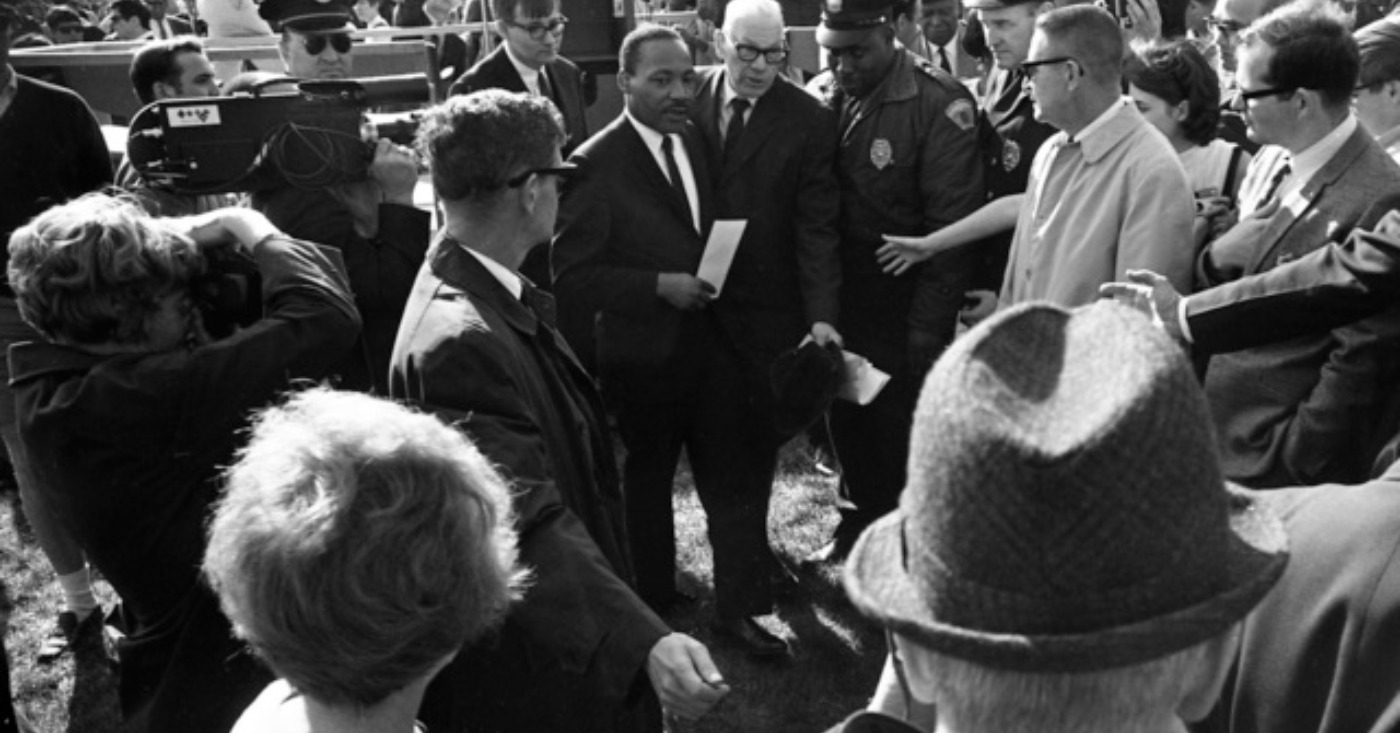
New Book Will Tell the Story of Dr. King’s First Visit to Minnesota and St. Paul’s Civil Rights Pioneers
“Gathering at the Rivers: Martin Luther King Jr. and Civil Rights in Minnesota,” by researcher Jeff Olson, will chronicle King’s Jan. 21, 1957, sermon at Gloria Dei Lutheran Church in St. Paul, his first Minnesota visit, just after the Montgomery Bus Boycott. The Rev. Dr. Floyd Massey Jr. of Pilgrim Baptist Church helped bring King to the state and hosted a reception at his Rondo home. The book’s “Twenty Treasures” chapter profiles figures including Roy Wilkins, Dred Scott, Cap Wigington, Nellie Francis, Nellie Stone Johnson and MSR founder Cecil Newman. Afton Press plans a late 2027 or early 2028 release and is seeking donor support for the $100,000 project.
On Jan. 21, 1957, the Rev. Dr. Martin Luther King Jr. stepped into the pulpit at Gloria Dei Lutheran Church in St. Paul on his first visit to Minnesota. Nearly 70 years later, a book from Minnesota publisher Afton Press aims to tell the story of that night and of the people and places that shaped it.
“Gathering at the Rivers: Martin Luther King Jr. and Civil Rights in Minnesota,” by researcher and author Jeff Olson, is in the early stages of publishing, with a release planned for late 2027 or early 2028. Former St. Paul Mayor Melvin Carter III, the city’s first Black mayor, is writing the foreword.
The book frames the visit as a turning point. King, who had turned 28 just days earlier, was fresh off the Montgomery Bus Boycott and stepping into a national leadership role. In St. Paul, Olson writes, King found himself in the hometown roots of two of his biggest supporters: NAACP leader Roy Wilkins, who grew up in St. Paul’s Frogtown neighborhood, and Ralph Helstein, president of the United Packinghouse Workers of America. Both organizations gave major support to the boycott.

The visit itself came together through local clergy. According to the book, the Rev. Dr. Floyd Massey Jr., pastor of Pilgrim Baptist Church and program chair of the Minnesota Pastors Conference, played a central role in bringing King to the state. After King’s evening sermon at Gloria Dei, Massey and his wife, Ethel, hosted a reception for him at their home in the Rondo neighborhood.
At the heart of the book is a chapter Olson calls the “Twenty Treasures of Civil Rights in Saint Paul,” profiles of the people, places and institutions that made the city fertile ground for King’s message. The list stretches from Dred Scott, who married Harriet Robinson at Fort Snelling in 1837 and later took his fight for freedom to the U.S. Supreme Court, to Pilgrim Baptist Church, founded in 1863 as Minnesota’s first Black church.
It includes architect Clarence “Cap” Wigington, who Olson notes was the nation’s first Black municipal architect; Nellie Francis, who led the campaign for Minnesota’s 1921 anti-lynching law; attorney Frederick McGhee; labor and civil rights leader Nellie Stone Johnson; and Carl Rowan, whose civil rights reporting for the Minneapolis Tribune won national journalism honors in the 1950s. It also includes Cecil Newman, who founded the Minneapolis Spokesman and St. Paul Recorder in 1934 and led the papers until 1976.
Olson argues that these civil rights firsts are striking given Minnesota’s small Black population at the time, compared with states and cities whose Black communities were many times larger.
Olson said he became fascinated by the research because he kept uncovering stories that had gone untold.
Ian Graham Leask, Afton Press’ publisher, told the MSR the book matters at a time when literacy rates are declining. A book that shows readers from marginalized communities the history of the very streets they walk today could give schools and institutions a way to spark engagement, he said, especially because the story has never been told this way before.
Bringing the book to print is expected to cost about $100,000, Leask said, and Afton Press is open to support from donors.
Afton Press has a long record of publishing Minnesota stories about people, places and events, including “Overcoming: The Autobiography of W. Harry Davis” (2002), the memoir of the prominent Black civic leader from Minneapolis.
Olson is the author of several books on hockey history and of “Kindred Spirits,” about the conservation work of Theodore Roosevelt and John Muir.
For more information or to support the book, visit https://aftonpress.com/. You can also contact Afton directly at [email protected] or 651-436-8443.
Jasmine McBride welcomes reader responses at[email protected].
Jasmine McBride is an Editor at the Minnesota Spokesman-Recorder More by Jasmine McBride
Based on reporting by Minnesota Spokesman-Recorder.
Art
Brooklyn Roots and Artistic Genius
THE POSITIVE COMMUNITY — Jean-Michel Basquiat emerged from Brooklyn to become one of the most influential artists of the late twentieth century. Born in 1960 to a Haitian father and a mother of Puerto Rican descent, his upbringing was defined by a rich blend of Caribbean cultural traditions and the linguistic diversity of New York City.
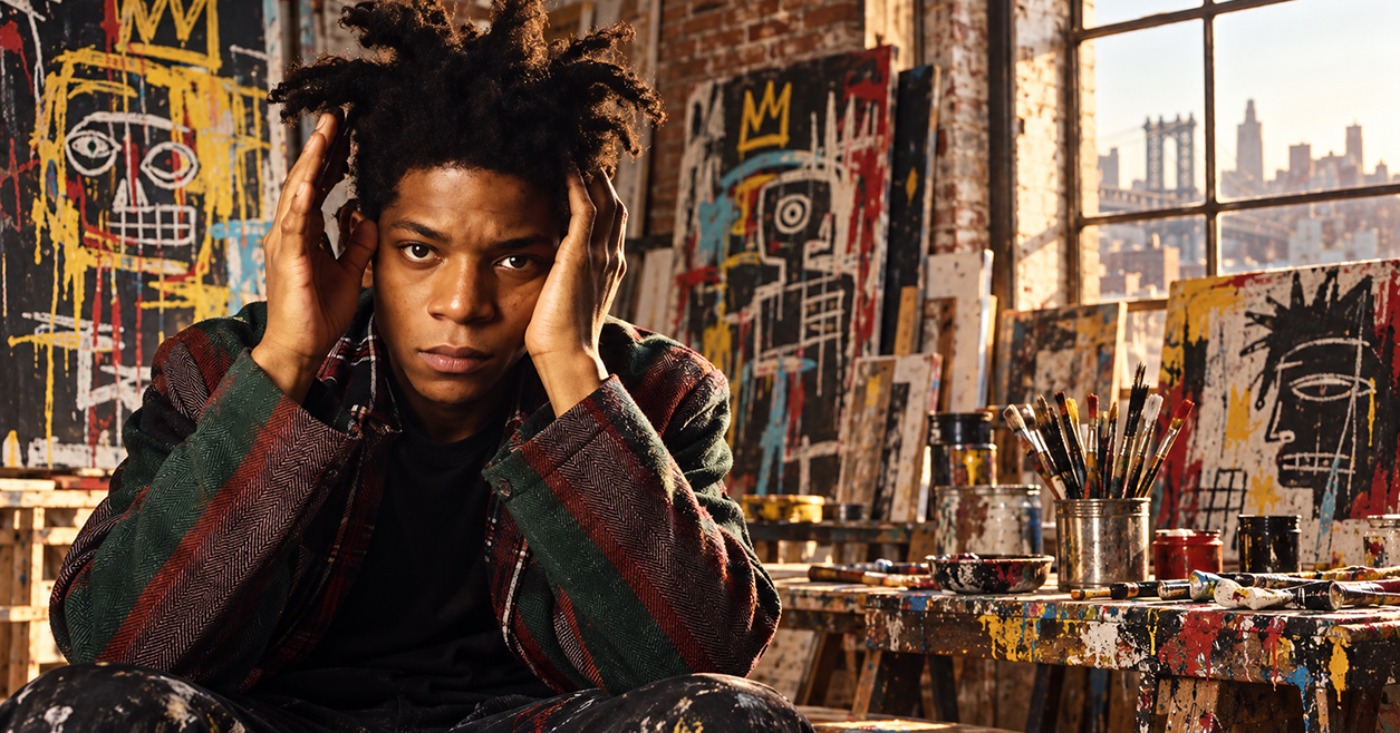
Jean-Michel Basquiat was one of the most influential artists to emerge from New York City during the late twentieth century. Born on December 22, 1960, in Brooklyn, New York, he transformed his experiences growing up in the city into a distinctive artistic language that combined painting, poetry, history, music, and social commentary. His work explored Black identity, racism, power, and the experiences of people whose stories had often been overlooked by mainstream institutions. Although his career lasted only a few years, Basquiat left a lasting mark on contemporary art.
Basquiat grew up in a family that exposed him to several cultural influences. His father, Gérard Basquiat, was born in Haiti, while his mother, Matilde Andrades, was born in New York to Puerto Rican parents. Through his parents, Jean-Michel was connected to Haitian, Puerto Rican, and broader Caribbean cultural traditions. Growing up in Brooklyn, he experienced the diversity of New York City, where different languages, communities, musical styles, and artistic expressions existed side by side. These influences would later become visible in his paintings, which frequently incorporated historical references, handwritten words, and symbols.
His mother played an important role in encouraging his early interest in art. Matilde recognized her son’s artistic ability and introduced him to museums, books, and cultural experiences. One important childhood event occurred when Basquiat was seven years old and was struck by a car while playing in the street. During his recovery, his mother gave him a copy of Gray’s Anatomy, a medical reference book that illustrated the human body in considerable detail. Its anatomical drawings influenced his lifelong interest in skeletons, skulls, and the internal structures of the human body. These images later became recurring features in his artwork.
Basquiat was one of four children born to Gérard and Matilde, although the family had experienced the loss of an older son before his birth. He had two younger sisters, Lisane and Jeanine, with whom he shared his early family life. His parents eventually separated, and his mother experienced periods of serious personal difficulties that affected the family. These circumstances formed part of a complicated childhood that included both encouragement and hardship. Although his family relationships were not always easy, his mother’s early support for his artistic interests remained an important influence on his development.
Basquiat’s upbringing was also shaped by language and cultural diversity. He grew up speaking English, French, and Spanish, reflecting the backgrounds of his parents and the environment in which he was raised. In 1974, his family moved to Puerto Rico for a period before returning to Brooklyn in 1976. These experiences exposed him to different cultural perspectives and helped establish the broad historical and cultural interests that later appeared in his work. His paintings often included words and references drawn from different languages, histories, and communities, creating a visual expression of his multicultural identity.
As a teenager, Basquiat became increasingly connected to Manhattan’s downtown art and music scenes. He eventually left home and supported himself through various activities, including selling handmade postcards and painted T-shirts. Along with his friend Al Diaz, he began creating cryptic graffiti under the name SAMO, short for “Same Old.” Their messages appeared on walls around Lower Manhattan and attracted attention for their wit, unusual phrasing, and criticism of established social and cultural conventions. This early work helped Basquiat develop a reputation as an original voice in New York’s underground creative community.
By the early 1980s, Basquiat had moved from street-based expression into the world of professional painting. His work attracted attention through exhibitions that introduced his distinctive style to collectors, critics, and fellow artists. His paintings combined bold colors, rough lines, repeated symbols, handwritten phrases, and images of human figures. Rather than following traditional expectations of polished painting, he created works that appeared energetic, fragmented, and emotionally direct. His artistic approach reflected the rhythms of New York City, where street culture, hip-hop’s emerging influence, punk music, and experimental art intersected.
A central theme in Basquiat’s work was the experience of Black people in a society shaped by racial inequality. He frequently portrayed historical figures, athletes, musicians, and other individuals whose achievements deserved recognition. Crowns appeared throughout his paintings as symbols that could suggest dignity, authority, and the importance of people who had been marginalized. His work also challenged colonialism, racism, and the unequal distribution of power. Rather than presenting history as a distant collection of events, Basquiat brought it into the present, encouraging viewers to consider whose stories were celebrated and whose were neglected.
Music was another important element of Basquiat’s creative life. He played in a band that eventually became known as Gray, exploring experimental sounds alongside his visual art. He was influenced by jazz and the broader musical culture of New York, and his paintings often possess a rhythm that resembles improvisation. Words, marks, and images seem to compete for attention while creating an overall composition. His artistic process shared something with jazz musicians who build a performance through experimentation, repetition, and unexpected changes. This connection between music and painting helped distinguish Basquiat from many of his contemporaries.
Basquiat also developed a significant relationship with Andy Warhol, one of the most recognizable artists of the twentieth century. The two artists collaborated on paintings during the 1980s, combining different approaches to imagery, color, and popular culture. Their relationship brought Basquiat into contact with an influential figure in the established art world, although it also highlighted the tensions between artistic creativity, celebrity, and commercial success. As his reputation grew, Basquiat had to navigate an industry that increasingly treated his identity and personal story as part of the appeal of his work. Nevertheless, he continued to produce paintings that expressed his individual perspective and challenged conventional ideas about art.
Despite his extraordinary success, Basquiat’s life was tragically short. He died in New York City on August 12, 1988, at just 27 years old, from an accidental drug overdose. His death ended a remarkably productive period in which he had moved from an underground artist in Brooklyn and Manhattan to an internationally recognized painter. His final years have also encouraged broader discussions about the pressures faced by young artists, the demands of celebrity, and the difficulties of maintaining personal well-being while working in a highly competitive industry. His death remains a painful reminder of the distance between public recognition and the private struggles a person may experience.
Today, Jean-Michel Basquiat’s legacy extends far beyond the galleries in which his paintings are displayed. His work is held by major museums, studied by scholars, and admired by artists across generations. His Brooklyn upbringing, Haitian and Puerto Rican heritage, family experiences, and encounters with New York’s streets all contributed to the development of an artistic vision that was unmistakably his own. Basquiat demonstrated that an artist did not need to follow traditional academic pathways to create work of lasting significance. His paintings continue to speak about identity, inequality, history, and the power of creative expression. From the streets of New York to the world’s leading museums, Basquiat remains a symbol of artistic independence and the enduring influence of Black creativity.
Based on reporting by The Positive Community.
Art
Capturing Black Life’s Beauty
THE POSITIVE COMMUNITY — Deana Lawson is an acclaimed American photographer and visual artist whose work explores Black identity, family, and spirituality through powerful portraiture. Born in Rochester, New York, in 1979, Lawson developed a distinctive aesthetic that blends carefully arranged compositions with emotionally compelling subjects.
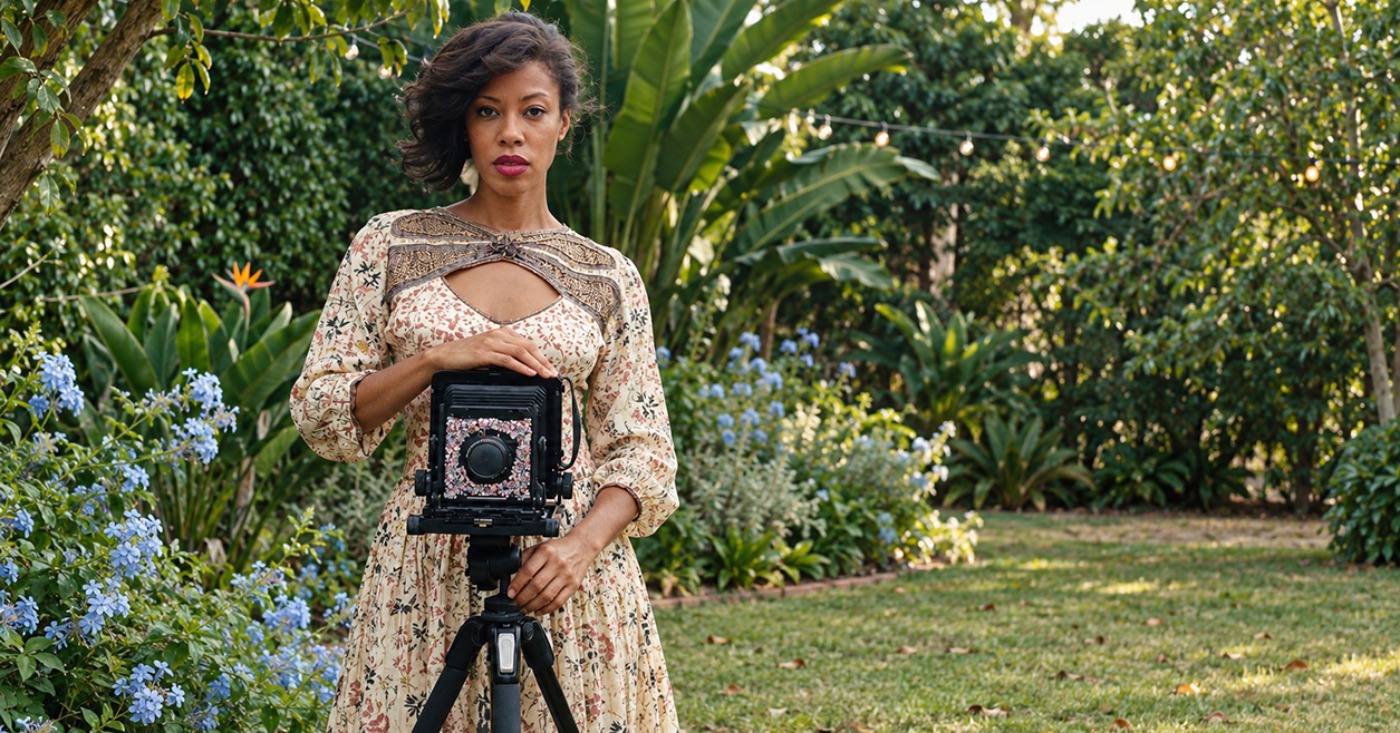
Deana Lawson is an acclaimed American photographer and visual artist whose powerful portraits explore Black identity, family, spirituality, intimacy, and the complexities of everyday life. Born in 1979 in Rochester, New York, Lawson has developed a distinctive approach to photography that combines carefully arranged compositions with emotionally compelling subjects. Her images often resemble scenes from family photo albums, yet they possess a theatrical quality that encourages viewers to look beyond the surface. Through her work, Lawson challenges conventional representations of Black people and presents images that celebrate their humanity, individuality, beauty, and cultural richness.
Lawson’s interest in photography developed partly through her family’s relationship with the medium. Her father was an enthusiastic family photographer, and the photographs he collected helped shape her understanding of how images preserve memories and communicate identity. Growing up surrounded by family pictures gave her an appreciation for the significance of documenting everyday experiences. She recognized that family photographs do more than record appearances; they capture relationships, traditions, aspirations, and moments that become part of a family’s history. These early influences would eventually become central to her artistic practice, inspiring her to examine how photographs shape our understanding of ourselves and the people around us.
Her formal education provided the foundation for a successful career in the visual arts. Lawson earned a Bachelor of Fine Arts degree in photography from Pennsylvania State University in 2001 before completing a Master of Fine Arts degree at the Rhode Island School of Design in 2004. During her studies, she developed the technical and conceptual skills necessary to create photographs that communicate complex ideas. Rather than concentrating exclusively on conventional documentary photography, Lawson explored the possibilities of staging, portraiture, lighting, and composition. Her work demonstrates that photography can occupy a space between reality and imagination, documenting actual people while constructing carefully considered scenes that communicate broader emotional and cultural truths.
One of the most recognizable characteristics of Lawson’s photography is her attention to detail. She carefully considers the positioning of her subjects, the arrangement of furniture, the colors within a room, and the relationship between people and their surroundings. Bedrooms, living rooms, and other domestic spaces frequently become important settings in her photographs. Everyday objects, including mirrors, religious items, toys, clothing, and household decorations, help establish a sense of personal history. These details give viewers the impression that they are entering an intimate environment, while the deliberate composition encourages them to consider what the image communicates about family, identity, and belonging.
Lawson frequently photographs Black individuals, couples, and families in poses that communicate dignity, confidence, vulnerability, and emotional complexity. Her subjects often look directly into the camera, establishing a powerful connection with the viewer. Their expressions may appear serious, mysterious, or quietly contemplative. This direct gaze gives the people in her photographs a strong visual presence, making it difficult to treat them as passive subjects. Instead, they appear self-possessed and fully aware of their place within the image. Lawson’s approach challenges stereotypes that have historically influenced the representation of Black people in photography and popular culture, replacing simplistic narratives with images that emphasize individuality and humanity.
Her photographs also explore spirituality, a theme that adds another dimension to her artistic vision. Religious imagery, symbolic objects, unusual gestures, and carefully controlled lighting sometimes give her compositions an almost sacred atmosphere. Lawson’s images may resemble familiar domestic scenes while simultaneously suggesting something mysterious or otherworldly. This combination encourages viewers to consider the spiritual dimensions of ordinary life and the ways people seek meaning through relationships, traditions, and personal beliefs. Her photographs do not always offer clear explanations, allowing ambiguity to become part of their emotional power. The viewer is invited to interpret the scene and consider how visible appearances may conceal deeper experiences.
Although Lawson is deeply interested in African American life, her artistic vision extends throughout the African diaspora. A Guggenheim Fellowship in 2013 supported travel that included destinations such as Haiti, Jamaica, Ethiopia, and the Democratic Republic of the Congo. These experiences expanded her perspective on the relationships connecting Black communities across different countries and cultural traditions. Her photographs explore similarities and differences in how people express identity, beauty, family, spirituality, and social belonging. Rather than suggesting that Black experiences are identical everywhere, Lawson’s work acknowledges the richness and diversity of Black life. Her international perspective places individual portraits within a broader conversation about history, migration, ancestry, and cultural connection.
Among her notable works is Roxie and Raquel, New Orleans, Louisiana (2010), a portrait featuring twin sisters positioned together on a bed. The carefully arranged composition emphasizes both their resemblance and their individuality, while the surrounding furnishings and colors contribute to the photograph’s visual balance. Another important work, Nation (2018), demonstrates Lawson’s interest in constructing images that carry symbolic and cultural significance. Her photographs often invite extended examination because their meaning emerges through the relationship between the subjects, their gestures, and the surrounding environment. These images illustrate her ability to transform seemingly ordinary moments into compositions that feel monumental, mysterious, and emotionally resonant.
Lawson’s achievements have brought her work to some of the most respected institutions in the art world. In 2020, she became the first photographer to receive the prestigious Hugo Boss Prize, an award recognizing significant contemporary artistic achievement. The recognition led to Centropy, an exhibition at the Solomon R. Guggenheim Museum in New York in 2021. Her work has also been presented at the Museum of Modern Art, MoMA PS1, the Institute of Contemporary Art in Boston, and the High Museum of Art in Atlanta. In 2022, she received the Deutsche Börse Photography Foundation Prize. Beyond her exhibitions, Lawson has contributed to art education through her work at Princeton University, where she serves as the inaugural Dorothy Krauklis ’78 Professor of Visual Arts.
Ultimately, Deana Lawson’s significance lies in her ability to make photography a powerful vehicle for cultural affirmation and artistic exploration. Her portraits challenge viewers to reconsider familiar assumptions about Black identity while celebrating the beauty, complexity, and emotional depth of Black communities. By combining elements of documentary photography, family albums, staged portraiture, and symbolic imagery, she has created a visual language that is unmistakably her own. Her work reminds audiences that photographs are never simply records of what appears before a camera; they can also express dreams, histories, relationships, and aspirations. Through her remarkable vision, Lawson continues to expand the possibilities of contemporary photography and ensure that the lives and experiences of Black people occupy a central place in the visual record of our time.
Based on reporting by The Positive Community.



Cardinal Ritter is headed back to the state championship!

COMMENTARY: My Truth — We Can Realize the Dream Together

‘i Hope It Makes People Want to Be 100 Percent Themselves’

COMMENTARY: What’s the Best Meal Served During Thanksgiving?

Queen Latifah Turns Affordable Housing Mission into New Doc

Three Black Physicians Lead Women’s Health Care

COMMENTARY: Who Can Afford to Be Generous Anymore?

A Brief History of the San Francisco Bay View National Black Newspaper

Bennett College Pockets $12 Million for Aaron Douglass Harriet Tubman Painting Sale at Sotheby’s

IN MEMORIAM: Andrea Stewart-Cousins, New York’s First Woman Senate Leader, Dies at 76

HISTORY MADE: Keisha Lance Bottoms Becomes First Black Woman Elected Governor in American History

Multi-Faith Leaders Representing 10 Million People Launch National Anti-Authoritarian Initiative

Christianity’s Racial History

Hundreds of Black Christian Leaders Arriving in Israel for Martin Luther King-Inspired Mission

Keisha Lance Bottoms to Govern State Where Her Great-Great-Grandfather Was Enslaved

Michael Shiner: The Enslaved Man Who Wrote His Way into American History

Don’t Pass the Torch. Expand the Circle.

Superb Woman: Destiny B. Sadler

DOJ Fights to Keep Rep. Ilhan Omar’s Search Warrant Sealed: Report

OP-ED: Closing the Next Digital Divide — Communities of Color Must Have a Voice in the AI Future
Cardinal Ritter is headed back to the state championship!

How We’ve Kept Our Events Fresh Since 2009 #shorts

How Mentorship Made Sustainable Real Estate Development Possible #shorts

The Missing Link That Brought Playprofessionals Together #shorts

Preparation: The Key to Sustaining Success #shorts

Why Strong Connections Matter in the Black Business Ecosystem #shorts

Life After Football: How I Rediscovered the Joy of Learning #shorts

Chevy Tahoe: What’s Worth Keeping—and What Isn’t? #shorts

Car Buying Takes 14 Hours—What’s Your Time Worth? #shorts

Cadillac VISTIQ Road Noise: Test This Before You Buy #shorts
-

 Black History1 week ago
Black Barbershops Have Long Given Neighborhood Politics a Place to Unfold.
-
 Featured1 week ago
How Sick Must America Get Before Saying Enough to RFK
-

 Black History6 days ago
Hoodoo Heritage Month Celebrates Origins of African American Folk Medicine
-

 Black History6 days ago
PRESS ROOM: Donalds Transition Website Now Open to All Floridians Who Want to Serve
-

 Featured6 days ago
Scott Colom’s Nike Challenge Goes National, Freshman Democrats Get a Surprise 📱
-

 Featured1 week ago
How to Rob a Bank
