
Economy
Gary’s $1 Million Plan To Remodel City Hall
CHICAGO CRUSADER — Gary city officials are planning to spend approximately $1 million to remodel portions of historic City Hall. Some city employees have been assigned to offices in the City Hall annex located at 839 Broadway, the former location of Sears downtown Gary, but city officials are interested in selling off the annex and moving city employees back to City Hall, at 401 Broadway.


By Giavonni Nickson
Gary city officials are planning to spend approximately $1 million to remodel portions of historic City Hall. Some city employees have been assigned to offices in the City Hall annex located at 839 Broadway, the former location of Sears downtown Gary, but city officials are interested in selling off the annex and moving city employees back to City Hall, at 401 Broadway.
The remodel plans are being developed to accommodate the space needed for additional employees. City Hall and the Lake County Superior Courthouse were built using Neoclassical style in 1926. They are both a part of the Gary City Center Historic District, a historic district that is listed on the National Register of Historic Places.
The National Register of Historic Places (NRHP) is the U.S. federal government’s official list of districts, sites, buildings, structures, and objects deemed worthy of preservation for their historical significance. NRHP was established as part of the National Historic Preservation Act in 1966 and is overseen by the National Park Service. The National Register recognizes more than 90,000 properties for their significance in American history, architecture, art, archeology, engineering, and culture.
Gary’s City Hall and other historic properties listed in the National Register, or located within a National Register Historic District, may qualify for tax incentives derived from the total value of expenses incurred preserving the property.
The Gary Common Council created a Building Renovation Fund which will have $1,040,385. Funds are sourced from a one-time project to construct a new vehicle maintenance building. The project has since been suspended.
The council voted 6-0 in favor of the employee transfer with the belief that the City Hall remodel project will benefit city government operations while making the City Hall structure a more efficient place to work.
This vote comes on the heels of infrastructure week as Mayor Karen Freeman-Wilson pushes for an influx of federal infrastructure dollars to be utilized in the City of Gary.
“Local leaders are stepping up and doing more than ever to address our infrastructure challenges, but our budgets are stretched far too thin for the rebuilding we need to do. That’s why it’s great to hear Congress and the President have heard our call and agreed to come back to the negotiation table for a $2 trillion infrastructure package this year,” said Freeman-Wilson who serves as the president of the National League of Cities (NLC).
NLC is the nation’s largest organization representing cities and their leaders. As president of NLC, Freeman-Wilson is leading the organization to focus on four priority areas: helping city leaders tackle the housing crisis; uplifting legacy cities; creating communities for all generations; and, encouraging civic engagement.
Through these four pillars of work and a national campaign, Freeman-Wilson and NLC will engage city leaders to create a more meaningful bond between communities and their residents. Freeman-Wilson also leads the organization’s advocacy efforts, focused on the critical issues of infrastructure, public safety and economic development.
Freeman-Wilson stated, “As our nation’s infrastructure ages, it becomes less reliable and, in some cases, less safe,” to support her push for the $2 trillion infrastructure package.
Federal infrastructure funding would help Gary close the funding gap and speed up projects that have stalled. Freeman-Wilson has outlined plans for potential funding. “For example, in my city of Gary, IN, we could accelerate our commuter rail project, allowing us to reduce the amount of time required to travel between Gary and Chicago, and create transformative transit-oriented development at train stops. It would also provide a “shot in the arm” for the development of a multimodal site at Buffington Harbor. Every city, town and village has a project like this that will help our infrastructure work better locally and nationally,” said Freeman-Wilson.
Though the National League of Cities heavily focuses on infrastructure during its one week initiative, Mayor Karen Freeman-Wilson intends to push for federal funding as she wraps up her term in office.
“We have to keep the pressure on until we see a federal investment package that reimagines and funds our infrastructure in partnership with cities, towns and villages,” said Freeman-Wilson.” I encourage every local leader to connect with their members of Congress to ensure they know that we want to work together on an infrastructure package. Together, we can lead the movement to rebuild our nation’s infrastructure. Until we see a bill, let’s remind Congress – every week is Infrastructure Week back home.”
Giavonni is a passionate freelance writer native of Gary IN. She covers business, politics, and community schools for the Chicago/Gary Crusader.
This article originally appeared in the Chicago Crusader.











Black History
Wichita’s Only Black-Owned Bookstore Seeks $90,000 to Secure Its Future
COMMUNITY VOICE (KS) — Left on Read, believed to be the only Black-owned bookstore in Kansas, has launched a $90,000 fundraising campaign to secure its long-term future. Owner Dr. Latasha Eley Kelly initiated the “Support Left on Read: Books, Community, & Connection” appeal in October to address significant financial hurdles.
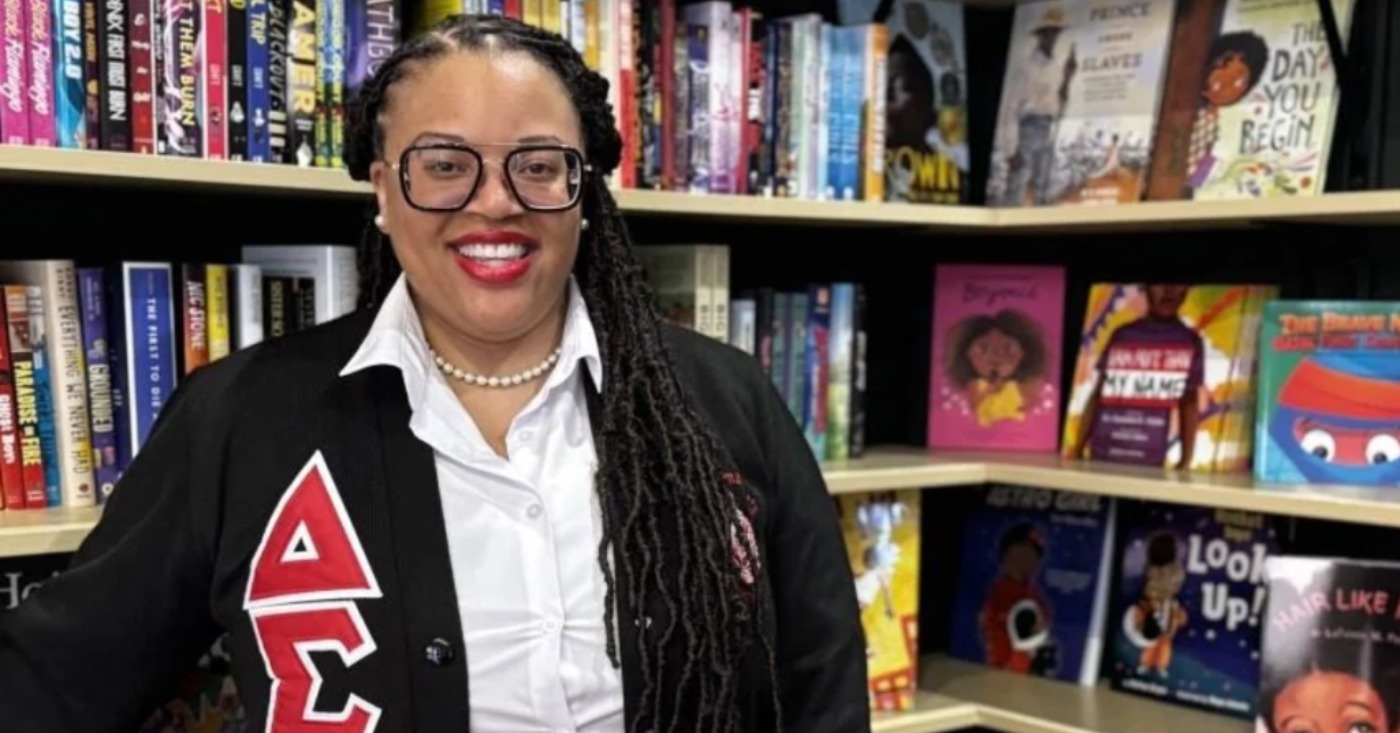
As Left on Read prepares to celebrate its second anniversary on Nov. 30, the bookstore is confronting financial challenges that have prompted owner Dr. Latasha Eley Kelly to launch a $90,000 fundraising campaign to sustain its operations.
The independent bookstore, believed to be the only Black-owned bookstore in Kansas, has become a destination for readers, authors and community gatherings since opening in 2024. But unexpected funding losses, rising operating expenses, and the costs of relocating have strained its finances.
Kelly launched the Support Left on Read: Books, Community, & Connection campaign in October, seeking contributions to cover operating expenses, staffing, inventory and community programming.
A recent snapshot of the GoFundMe campaign showed $14,410 raised from 183 donations, approximately 17% of the $90,000 goal.
Financial Setbacks Prompt Appeal
One of the bookstore’s financial challenges stems from the unexpected loss of grant funding supporting TMBP Media, one of Kelly’s interconnected business ventures. The media operation, The Millennial Black Professor and Left on Read share resources, making the funding loss significant for the bookstore.
In an October interview with KSNW-TV, Kelly also cited increasing operating and staffing costs and the need to establish more reliable revenue sources.
The bookstore relocated from its original downtown location at 612 E. Douglas Ave. to Revolutsia, a small-business development at 2721 E. Central Ave. Kelly described the move as unexpected and credited Mike Ramsey of Bokeh Development with helping facilitate the transition.
To help support the business, Kelly has continued teaching and pursuing consulting, speaking, and instructional opportunities.
The fundraising effort is designed to address immediate expenses while building a more sustainable financial structure. The bookstore has not announced plans to close, but the appeal underscores the financial pressures threatening its long-term viability.
More Than a Place to Buy Books

When Left on Read opened Nov. 30, 2024, Kelly envisioned a bookstore where African-American authors and other historically underrepresented writers would receive the visibility often missing from mainstream retail spaces.
Its selection includes fiction, nonfiction, children’s literature, poetry and history, with particular attention to Black authors and experiences.
Beyond book sales, Left on Read hosts author appearances, reading groups, cultural discussions and activities connecting local entrepreneurs with customers. The bookstore also provides space for The Blackprint, an initiative highlighting Black-owned businesses and their products.
Those activities have helped establish Left on Read as a cultural gathering place, but maintaining that role requires resources beyond revenue from book purchases alone.
Anniversary Campaign Focuses on Financial Stability
The bookstore’s annual 11.30 Campaign takes its name from its Nov. 30 opening date. While the first anniversary campaign encouraged smaller contributions to support the growing business, this year’s appeal focuses on strengthening its financial foundation.
Kelly is asking supporters to contribute financially, purchase books, recommend the store to others, and help spread awareness of the campaign.
The anniversary celebration will also feature several events intended to bring customers and community members into the bookstore.
Anniversary Celebration Events
Left on Read has scheduled the following activities from Nov. 20 through Nov. 22:
- Friday, Nov. 20, 6–7 p.m. — Malcolm Lynch’s Soulful Little Christmas Tour makes a stop at Left on Read.
- Saturday, Nov. 21, noon–1 p.m. — Launch of a free community library in partnership with a local service organization.
- Saturday, Nov. 21, noon–3 p.m. — Lemonade tasting featuring Tre’s Squeeze, presented in partnership with The Blackprint. Attendees can also purchase Squeeze Into Your Dreams by founder Tre Glasper.
- Saturday, Nov. 21, 2–4 p.m. — Public book club discussion of Children of Blood and Bone, covering chapters 1–28.
- Sunday, Nov. 22 — Ponder This at Build and Rebuild. Those purchasing tickets at Left on Read have a chance to win a Ponder This T-shirt and a bookstore gift card.
The events offer residents opportunities to experience the bookstore’s community programming while supporting a business working to overcome financial difficulties.
Community Support Could Determine What’s Next
For independent bookstores, balancing retail sales with the costs of staffing, inventory and community programming can be difficult. Left on Read faces those challenges while also working to maintain a space dedicated to Black literature, culture and entrepreneurship.
The fundraising campaign offers Wichita residents and businesses a chance to help preserve a locally owned institution that offers more than books.
Although the campaign’s outcome remains uncertain, the stakes extend beyond the bookstore’s balance sheet. Its future will determine whether Wichita continues to have a dedicated retail space where Black authors, readers and entrepreneurs are at the center of the experience.
How to Help: Supporters can donate through the 11.30 Campaign at bit.ly/supportleftonread, purchase books at leftonreadbookstore.com, or visit the store at 2721 E. Central Ave., Suite 121, Wichita.
The post Wichita’s Only Black-Owned Bookstore Seeks $90,000 to Secure Its Future appeared first on The Community Voice.
Based on reporting by Community Voice (KS).
Black History
COMMENTARY: Property Is Power! the Black Family Meeting
CHICAGO DEFENDER — For more than 30 years in the mortgage industry, experts have observed that the primary obstacle to Black homeownership is often not just the cost of housing or the availability of financing. Instead, many families miss out on building generational wealth because they lack meaningful conversations about the mechanics of property ownership.
Some conversations can change the financial direction of a family. They rarely happen in a bank, a mortgage office, or even at the closing table. More often, they begin around a kitchen table, where parents, children, and grandparents can discuss something that can shape generations: ownership.
After more than 30 years in the mortgage business, I have come to understand that one of the greatest obstacles to Black homeownership is not simply the cost of housing, the availability of financing, or the qualifications lenders require. It is that too many families have never had a meaningful conversation about the economics of owning property. We discuss education, employment, and the importance of working hard. Yet we do not always discuss how money works, how credit creates access, how real estate builds equity, or how ownership can change a family’s financial circumstances.
I founded Property is Power out of a conviction that economic advancement must include a deeper understanding of real estate ownership. Over the years, I have sat across the desk from people who worked for decades, raised families, paid rent faithfully, and fulfilled every financial obligation expected of them. Yet, after 15 or 20 years, they had little to show for the money they had spent on housing. Their labor had sustained someone else’s investment, while their own opportunity to accumulate wealth remained largely untouched.
I do not suggest that renting is always a mistake or that homeownership is appropriate for everyone. But I have encountered too many people who wanted to own, could have positioned themselves to own, and simply lacked the information, preparation, or guidance to make it happen.
Information is not a small thing. In the marketplace of wealth creation, information often determines who participates and who remains on the sidelines.
The Conversation We Are Not Having
I want to challenge Black families to do something that may seem simple but could have lasting consequences: schedule a family meeting devoted to financial preparation and property ownership.
Bring the generations together. Invite the adult children. Include the grandparents. Let the teenagers listen. Put the phones away and have an honest discussion about where the family stands financially and where it intends to go. The objective is not to make everyone a real estate investor overnight. It is to establish a different understanding of money, credit, savings, and ownership. It is to move from discussing what the family earns to discussing what the family is building.
I would begin with three subjects: credit, savings, and a plan for ownership.
Credit: Your Financial Reputation Has an Economic Consequence
We often speak about credit as though it were merely a number. It is much more than that. Credit is a record of how the financial marketplace perceives your borrowing history. That perception can influence whether you receive financing, how much you can borrow, and the interest rate you pay.
Creditworthiness is developed over time. Treat it as a financial asset that requires maintenance, discipline, and attention. We cannot expect the next generation to make informed financial decisions if we do not teach them how the system works.
Savings: Income Is Important, but What You Keep Matters
A family may have a respectable income and still lack the resources to purchase a home. Earning money and accumulating money are two different disciplines. Homeownership requires more than the ability to make a monthly payment. There may be a down payment, closing costs, inspections, insurance, and the inevitable repairs that accompany maintaining a property.
Families should establish a dedicated ownership fund. It doesn’t have to start with thousands of dollars. An automatic deposit from every paycheck, a portion of a tax refund, or a reduction in unnecessary spending can establish the foundation.
Families should also discuss whether they can help one another responsibly. A parent may be able to assist an adult child with a documented down-payment gift. A grandparent may have resources to help a grandchild begin saving. There is nothing wrong with families using their collective knowledge and resources to create opportunities for their family members. We have to stop thinking exclusively as individuals when the objective is to strengthen generations.
The Plan: Turn Good Intentions into an Economic Strategy
What kind of property are we pursuing? Where do we want to live? What can we reasonably afford? Are we preparing to purchase a primary residence, an investment property, or perhaps a multifamily property that could generate rental income? What needs to happen over the next twelve or twenty-four months to make that possible?
Establish savings targets. Identify credit issues that need attention. Research available homebuyer assistance programs. Speak with a knowledgeable mortgage professional before making major financial commitments.
A family meeting should not be a one-time event that produces enthusiasm for a week and then disappears. It should become a regular conversation about financial progress, obstacles, and opportunities. The larger objective is to establish a culture in which ownership is discussed, planned, and pursued with the same seriousness families traditionally give to education and career advancement.
Ownership Does Not End at the Closing Table
Buying a home is an accomplishment. Maintaining it is an obligation. Protecting its value is an investment in both the household and the surrounding community. Take care of the property. Maintain the lawn. Repair the porch. Keep the sidewalks clean. Replace the exterior light that has been out for months. Pay attention to the roof, foundation, plumbing, and exterior.
These may seem like ordinary household responsibilities, but they reflect something larger: an understanding that property ownership carries responsibilities beyond the four walls of a house. A neighborhood’s value is influenced by the collective behavior of its residents. Neglect can become normalized just as pride can become contagious. When homeowners invest in maintaining their properties, they contribute to the stability and economic health of the surrounding community.
We should understand that neighborhood improvement is not solely the government’s responsibility. Public investment and fair housing policies matter, but residents also have a role. Ownership should inspire participation, not isolation.
The Home Is an Economic Institution
We sometimes underestimate the economic significance of a home because we have become accustomed to thinking of it primarily as a place to live. But a home is also an asset. Over time, mortgage payments can reduce principal and build equity. Property may appreciate, although appreciation is never guaranteed. That equity can provide financial options for education, business development, or other family needs, provided it is accessed responsibly.
A home can also provide stability that extends beyond the individual borrower. Children may remain in the same school district, develop lasting friendships, and benefit from continuity in their educational environment. Parents become invested in the quality of local schools, the condition of their streets, and the vitality of nearby businesses. Homeowners support local economies by purchasing materials, hiring contractors, using neighborhood services, and supporting entrepreneurs. Their presence can help sustain commercial corridors and strengthen surrounding communities.
The Inheritance We Should Be Discussing
Perhaps the most important reason to hold a family meeting is the conversation about legacy. For generations, too many Black families have had to build their financial lives from the ground up, with limited assets to transfer and fewer opportunities to benefit from the accumulated wealth of previous generations.
That history did not happen by accident. Redlining, restrictive covenants, discriminatory housing practices, and unequal access to mortgage financing systematically limited the ability of Black households to acquire and retain property. Their economic consequences did not disappear when those practices became illegal. We should understand that history without allowing it to define the limits of our future.
The home can become one of the instruments through which families change that equation. But inheritance requires preparation. Families need wills, trusts when appropriate, clear title, and conversations about how property will be managed and transferred. Too many families have lost valuable property because nobody addressed the legal and financial responsibilities of passing it down.
We should not spend thirty years building equity only to leave the next generation with a title dispute or an unresolved estate. Legacy is not simply what we leave behind. It is what we prepare the next generation to receive, protect, and build upon.
Bring the Family to the Table
I have spent more than three decades in the mortgage business, and one lesson has remained constant: families rarely stumble into lasting financial progress. It requires information, preparation, discipline, and a willingness to make decisions that may not produce immediate gratification.
The Black homeownership conversation must become more intentional. We cannot discuss the racial wealth gap without discussing property. We cannot discuss generational wealth without discussing assets. And we cannot talk about changing the economic circumstances of our communities while overlooking the importance of what families own, what they retain, and what they pass forward. Property is not the only path to wealth, but it remains one of the most consequential wealth-building opportunities for families who prepare, purchase responsibly, and protect what they acquire.
So, call the meeting. Set a date. Bring the generations together. Talk about credit, savings, homeownership, investment property, and estate planning. Talk about the kind of financial foundation you want your children and grandchildren to inherit.
The family meeting may be the most important financial meeting you ever hold.
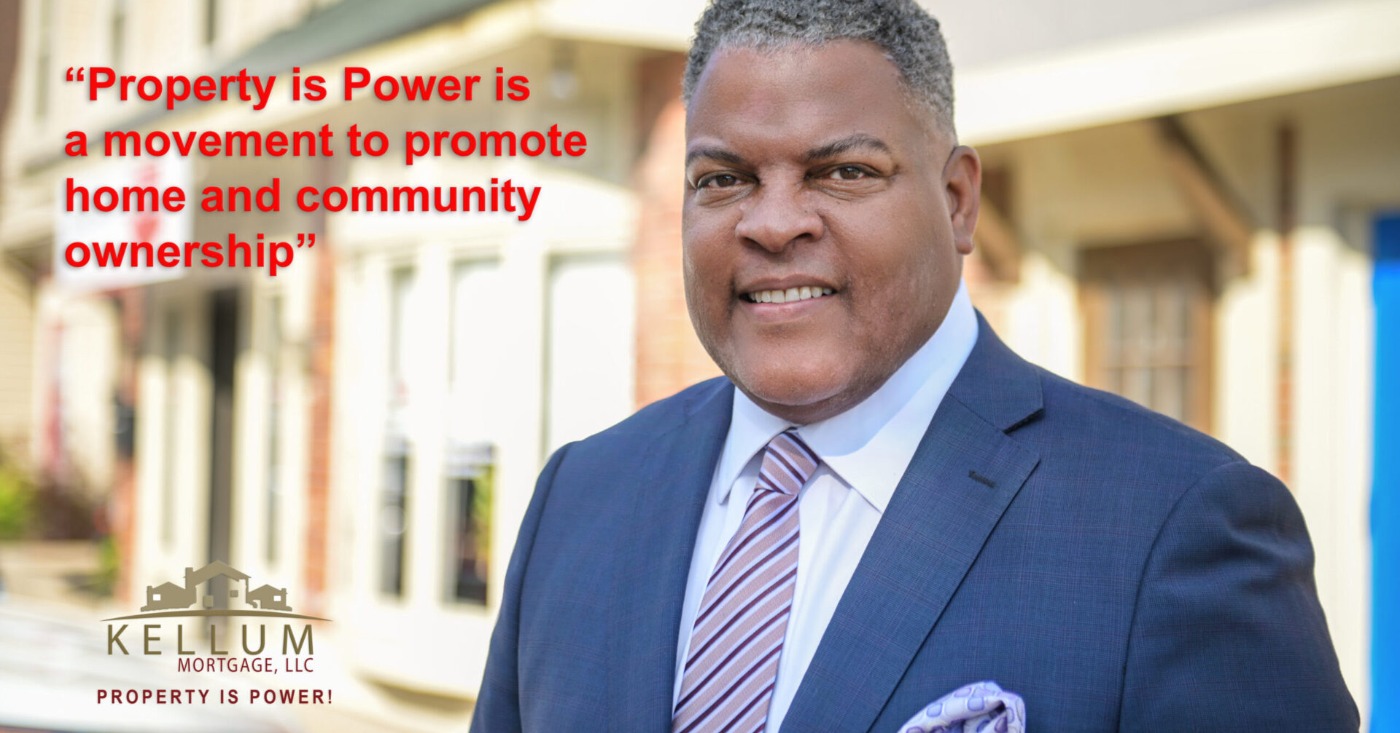
Property is Power! Dr. Anthony O. Kellum is CEO of Kellum Mortgage, LLC, a homeownership advocate, speaker, and author. NMLS #1267030 / #1567030. www.KellumMortgage.com
Property is Power! is a movement to promote home and community ownership. Studies indicate homeownership leads to higher graduation rates, family wealth, and community involvement.
The post Property is Power! The Black Family Meeting appeared first in the Chicago Defender.
Based on reporting by Chicago Defender.
Black Press
Alonzo Mourning’s Affordable Senior Housing
THE POSITIVE COMMUNITY — NBA legend Alonzo Mourning has transitioned from the basketball court to community development with the opening of Astoria on 9th, a $37 million senior living complex in Florida. The project addresses the critical shortage of affordable housing for older adults living on fixed incomes.
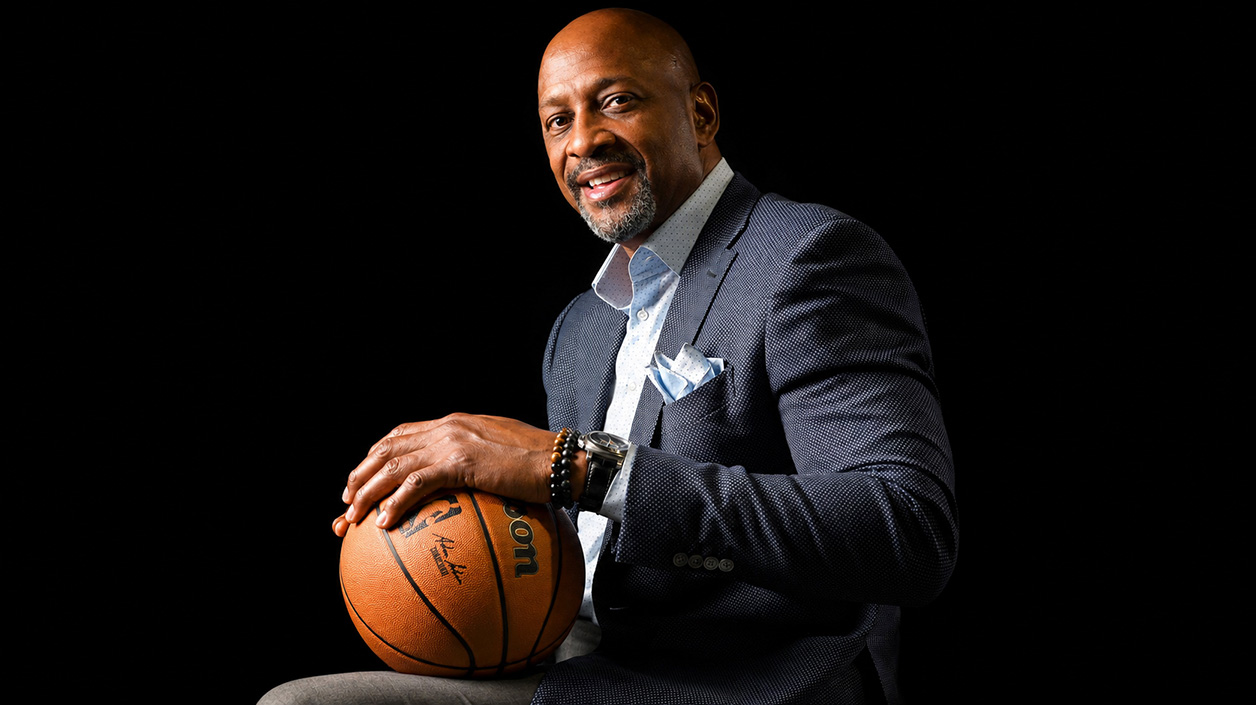
On the Astoria on 9th senior living complex
NBA legend Alonzo Mourning has added a new chapter to his story, and this one has nothing to do with basketball. He built Astoria on 9th, a senior living complex in Florida, at a cost of 37 million dollars. The project aims to give older residents a safe and affordable place to live at a time when housing costs are squeezing people on fixed incomes. It shows how a public figure can use his success and influence to address a need that affects thousands of families.
The scale of the development is significant. Astoria on 9th contains 120 apartments, which means 120 households can build a stable life under one roof. Each unit is either a one-bedroom or a two-bedroom home, giving residents some flexibility depending on their circumstances. A single person may want a quiet space of their own, while a couple or someone who wants room for a visiting family member may prefer the extra bedroom.
The apartments range from 635 to 900 square feet, which is modest but practical for older adults. Smaller homes are easier to clean, maintain, and move around in, and they also help keep costs under control. Many seniors are downsizing from larger houses, so a well-designed apartment of this size can feel comfortable rather than cramped. The goal is not luxury but dignity, safety, and a place that genuinely feels like home.
The most striking detail is the price. Residents with very low income can pay as little as 322 dollars in rent. That amount is a tiny fraction of what many people spend on housing in Florida, and it can make the difference between a secure life and a constant struggle to cover basic needs. For someone living on a small pension or limited benefits, a rent that low can free up money for food, medicine, and transportation.
Even the highest rent at the complex is only about 1,316 dollars. That is still far below what most Florida rentals demand, especially in a state where prices have climbed sharply in recent years. The gap between the lowest and highest rent, roughly fourfold, shows that the building is designed to serve a range of incomes rather than a single narrow group. Several kinds of seniors can find an option that fits their budget.
Affordable housing for older adults is an urgent issue because aging often brings rising expenses and shrinking income at the same time. Health care costs go up, savings can run low, and work becomes harder or impossible. When rent takes too large a share of a monthly check, seniors may skip medications, cut back on meals, or even risk losing their homes. Projects like Astoria on 9th act as a safety net against those pressures.
The 37 million dollar price tag also tells us something about what it takes to create this kind of housing. Dividing the cost across 120 apartments works out to roughly 308,000 dollars per home. Building affordable communities requires large investments, careful planning, and partners who are willing to accept modest returns. That makes Mourning’s commitment especially notable, because it takes patience and persistence to turn an idea into a finished building that people can actually move into.
There is also a symbolic side to the story. Athletes are often admired for what they do on the court, yet their influence can reach far beyond sports. By putting his name and resources behind a housing project, Mourning shows that celebrity can be used to support the community. His example may encourage other well-known people to look at local needs and ask how their platform and wealth could help solve problems that families face every day.
The benefits of a project like this extend beyond the residents themselves. When seniors have secure housing, their families worry less, and communities become more stable. Older neighbors can remain close to friends, places of worship, and the neighborhoods they know, which supports their emotional well-being. A well-run complex can also create a sense of community, giving residents chances to socialize, share meals, and look out for one another.
In the end, Astoria on 9th is more than a building with 120 apartments. It is a response to a real and growing need, offering homes at rents ranging from 322 to about 1,316 dollars in a state where affordability is increasingly rare. Alonzo Mourning’s work reminds us that a legacy can be measured not only in championships and records but also in the lives made easier by a safe, affordable place to call home.
Based on reporting by The Positive Community.
Black History
Alabama HBCU Founders Win Nearly $20,000 at 2026 HBCU Business Pitch Competition
BIRMINGHAM TIMES — The Alabama Collective and Digitalundivided recently awarded $20,000 in cash prizes to student and alumni founders during the 2026 HBCU Business Pitch Competition. Held at Topgolf Birmingham during Magic City Classic week, the event featured 51 participants representing 10 different Alabama institutions.

Bryson Hannah celebrates his first-place finish in the 2026 HBCU Business Pitch Competition in Birmingham, earning $5,000 for Internably LLC, his networking platform connecting college interns across the country. (Alabama A&M) ” data-large-file=”https://www.birminghamtimes.com/wp-content/uploads/2026/11/pitchbryson1edit-1024×685.jpg” />
Special to the Times
The Alabama Collective and co-host Digitalundivided awarded $20,000 in cash prizes to HBCU student and alumni founders at the 2026 HBCU Business Pitch Competition, held Thursday, October 29, at Topgolf Birmingham as part of Magic City Classic week.
Fifty-one founders representing 10 Alabama institutions competed in a booth-style format, delivering three-minute pitches with no slides or audiovisual aids, followed by three minutes of questions from a panel of industry judges. Top scorers at each booth earned $1,000 and advanced to a live Pitch Finale.
Internably, LLC, founded by Bryson Hannah of Alabama A&M University, took first place and $4,000. Internably is a networking platform that connects college students, interns, and early career professionals by company, school, city, and career interests.
“I was blown away by these innovative business ideas and the go-to-market strategies,” says Modupe Rouse, Digitalundivided Chair and Pitch Finale Judge. “These student founders took the START program skills and leveled up. I cannot wait for the economic impact of their businesses in Alabama,” added Rouse.
“What we witnessed at this year’s competition was a powerful reminder of the incredible talent, creativity, and entrepreneurial potential emerging from Alabama’s HBCUs,” said Charisse Stokes, Executive Director of The Alabama Collective. “These 51 founders didn’t just show up with ideas — they showed up with vision, determination, and the confidence to turn those ideas into businesses. We’re especially proud that this year’s partnership with Digitalundivided allowed us to expand beyond the competition itself, equipping entrepreneurs with business skills to launch their businesses, coaching, and connections that will serve them long after the prizes are awarded. Our goal is not simply to celebrate great pitches, but to help build the next generation of successful entrepreneurs and business owners across Alabama.”
“Digitalundivided is delighted to partner with TAC in its work with Alabama HBCUs and in supporting the innovation and talent of students here,” says Leah D. Williams, CEO of Digitalundivided. “These student founders are the business leaders of tomorrow. We are excited to add the Digitalundivided network lifting them up as they climb towards their future achievements.”
2026 Pitch Finale Winners
First Place, $4,000: Internably, LLC — Alabama A&M University
Second Place, $3,000: FuelTrip — Alabama A&M University
Third Place, $2,000: NexU — Alabama A&M University
Top-Scoring Booth Winners, $1,000 each
• VARA — Talladega College
• Yardly — Alabama State University
• AccessBelt — Alabama State University
• Nightshift — Talladega College
• FuelTrip — Alabama A&M University
• NexU — Alabama A&M University
• Internably, LLC — Alabama A&M University
• Mobile Therapy Office/Unlimited Potential — Alabama State University
• BeVerified — Alabama State University
• The Vent Avengers — Trenholm State Community College
A New Path to the Stage
The 2026 competition introduced two entry tracks. Members of The Alabama Collective community were invited to apply to START, Digitalundivided’s flagship pre-revenue incubator, a three-week virtual program grounded in Lean Startup methodology. Selected participants built a working Business Model Canvas, earned an automatic slot in the Round 1 pitch booths, and received a $250 completion stipend on event day. Alabama HBCU students, recent graduates, faculty and staff filled the remaining booths and brought in founders new to the organization.
Alongside the competition, the day included entrepreneurship training, small group mentoring with industry leaders, and a Lunch and Learn fireside chat.
The 2026 competition was supported by JPMorgan Chase, HBCU CARES and NEBIUS.
About The Alabama Collective
The Alabama Collective is a statewide nonprofit organization dedicated to elevating tech talent and entrepreneurs across Alabama. Through partnerships with HBCUs, industry leaders, and innovation hubs, The Alabama Collective builds programs that expose, educate, engage, and empower underrepresented communities in tech, entrepreneurship, and innovation.
About Digitalundivided
For over a decade, Digitalundivided has increased visibility and access for founders. Beginning with groundbreaking research and expanding into founder-centric training programs, strategic partnerships, and a vibrant founder community, Digitalundivided champions an equitable entrepreneurial landscape and provides founders at every stage with the space to improvise and innovate.
Based on reporting by Birmingham Times.
Black History
Pop-Up Shops: Vendor Costs Can Shape Profits Before Opening Day
CONTENTMANAGERIO — The US pop-up shop industry has become a significant economic force, with revenues exceeding $15.6 billion in 2024. For Black-owned businesses and entrepreneurs who may face challenges securing traditional financing, these temporary retail spaces offer a vital way to test products and build brand loyalty without the burden of a permanent lease.
Vendor expenses determine profits before pop-up shops even open. Your success or the lack thereof is influenced by booth fees, suppliers, and advertising. Pop-ups bring new products to your customers, but they can also leave you out of pocket.
According to IBISWorld, the US pop-up shop industry revenue exceeded $15.6 billion in 2024. Pop-ups offer Black-owned businesses an easy way to try out their products, connect with customers, and build loyalty without the need for a permanent location. This can be particularly helpful for entrepreneurs who struggle to secure the financing needed to start a business.
Before you pay for a booth, look at the costs and work out how much you need to sell to break even. A little planning can help you decide whether an event is worth the investment. Just keep in mind that large crowds don’t always mean big profits.
What Do Pop-up Shops Really Cost?
A pop-up business pays for more than a table and a tent, and booth fees alone vary widely. A June 2026 fayVen study on U.S. vendor opportunities found a middle booth fee of about $55 for listings with confirmed prices. However, costs differed considerably by location, with some high-end markets charging much more.
Ask event organizers for a complete breakdown of costs. Some additional expenses to keep in mind include:
- Electricity
- Insurance
- Permits
- Equipment rental
- Additional display space
Don’t forget about any deposits or application fees, which may be non-refundable. That can be a big deal if bad weather keeps shoppers away and you end up paying the full amount. Before committing, make sure you understand the refund and cancellation policies.
A lower fee can make a first event less risky, but the pop-up still needs to meet your needs. A higher fee may be justified if the event attracts shoppers likely to buy your products.
Get the details in writing. Ask the organizer to confirm the price and what the fee covers. Check local rules on permits and sales restrictions, since these can differ by area and product.
How Do You Work Out Your Break-Even Point?
Before you book a market, work out how much you need to sell to cover your costs. That way, you can judge whether the booth is worth the price.
Add every cost, then divide by the profit on each item. Here is an example.
A candle maker books a 10×10 booth for $375 and pays a $25 application fee. Display supplies cost $60, travel and parking cost $45, and packaging plus card fees cost $70. Total spending is $575.
Each candle sells for $30 and costs $12 to make, so profit is $18 per candle. Divide $575 by $18, and you get 32 candles. Every sale after the 32nd is profit.
Now ask a hard question: can you sell 32 candles in one day? Check your results from past events and ask organizers about attendance.
If the number looks out of reach, don’t force it. Pick a smaller area or bring products with higher margins so the math works in your favor.
Compare prices with similar products, but do not assume you must be the cheapest vendor. Customers also weigh up quality, usefulness, and the experience of buying directly from the maker.
Remember to account for payment processing fees and any commission the organizer takes from sales. If the event requires a minimum inventory, consider how much money will be tied up in products that might not sell.
For many small business owners, especially first-time entrants, the challenge is balancing ambition with reality.
How Do You Get Your Pop-up Booth Noticed?
A good location matters, but so does the audience. A busy market doesn’t guarantee sales if the crowd isn’t interested in your products. Research events before committing so you know the visitors match your business.
Visibility is the lifeline of a pop-up shop. Make your booth easy to read at a glance. Clear pricing, a tidy display, and convenient payment options can make shopping a breeze.
Confusion and long delays can turn customers away to a competitor.
Branded materials can help customers remember your name and product. For example, a vendor could sell custom tote bags or use them to package purchases.
Lighting, signage, and layout matter, too. An inviting booth will draw people in even if they weren’t planning to stop. Step back and look at your setup from across the room.
If people can’t tell what you’re selling, adjust until your products speak for themselves.
Don’t forget the human touch. A warm greeting, a short story about why you started your pop-up business, or a quick demo can turn casual interest into a sale.
Shoppers who choose local businesses often want connection. Give them that, and your booth will stand out.
Frequently Asked Questions
How Do You Find Pop-up Shop Opportunities Near You?
Start with local business associations, community development organizations, neighborhood social media groups, and event calendars. Find markets that suit your product and reach out to those market managers directly.
Before applying, check the event’s audience, vendor selection process, fees, and rules.
What Licenses Do Pop-up Shop Vendors Need?
Requirements usually depend on the:
- Location
- Business activity
- Items sold
A vendor may need a local business license, a temporary seller permit, or additional approval for some types of merchandise. Food vendors face separate health and safety requirements. Check with the city or county where the event takes place before accepting a booking.
What Are Some Good Pop-Up Shop Marketing Ideas?
Start promoting well before the event. Use a mix of social media, local business advertising partnerships, and in-person promotion. Post your booth number, email your list, and tag the organizer so they can share your brand.
Early visibility builds anticipation and gives customers a reason to look for you once the doors open. Small business marketing works best when it’s personal. A quick video showing your setup or a behind-the-scenes look at your products can generate interest.
These moments remind people they’re supporting a real person, not just a logo.
Pop-up Shops Demand Careful Math
Pop-up shops bring energy, community, and a chance to connect with customers who value small-business credibility. Yet profits don’t start at the cash register. They start with decisions you make weeks before the event, including understanding vendor costs.
Is a pop-up shop in your future? Head to our website to learn more about small businesses and why shopping local matters.
Content provided through ContentManagerIO.
Black Press
Check out These Smart Ways Tech Companies Can Speed up Project Timelines Today
CONTENTMANAGERIO — Tech companies face significant pressure to meet software development deadlines, as research from firm ZS indicates that early launch performance is often highly volatile. To mitigate the risk of delays and ensure products are ready for market on time, firms are increasingly turning to strategic process improvements.

Smart ways tech companies can speed up timelines for developing software include automating repetitive tasks to free up time and using AI-powered tools to accelerate development and decision-making. They can also improve team collaboration with centralized project management platforms and adopt continuous integration and delivery to reduce deployment delays.
Management consulting and technology firm ZS found that early launch performance is highly volatile, so it’s important that you have your products ready and launched on time.
Developing software is easier said than done, though, and it’s common to experience delays. Speed things up and streamline operations, so you launch as planned.
Can You Automate Repetitive Tasks to Free Up Time for High-Value Work?
Many project bottlenecks come from repetitive tasks that pile up, and in reality, these don’t need much human judgment. It’s much better to automate these tasks so that human workers can focus on high-value work instead.
Things you can automate include:
- Testing
- Code deployment
- Report generation
- Routine data entry
Automating these tasks also ensures better consistency and accuracy. Just make sure to only automate work where processes are already well-defined.
Use AI-Powered Tools to Accelerate Development and Decision-Making
Agile development should involve AI, as it can reduce the time spent on coding, research, documentation, and troubleshooting. With analytic tools, you can analyze large amounts of data to find key issues such as bottlenecks and tasks that may fall behind schedule.
Do note that these outputs will still need human review. Without it, you may be following erroneous reports, and this can put your project even further behind.
Improve Team Collaboration With Centralized Project Management Platforms
Engineering efficiency hugely depends on good communication, and this can be difficult when there are these stakeholders:
- Developers
- Designers
- Product managers
You may even need staff augmentation in software development to help in areas where you have a lack of people, and this adds to the chaos.
The best way to handle communication is to use centralized project management platforms. Your teams can easily see which tasks need to be done, as well as which ones are already complete. The platforms will also show what dependencies there are and who’s responsible for which tasks.
In addition, you can take it a step further and integrate these platforms with development tools and communication platforms.
Should You Adopt Continuous Integration and Delivery to Reduce Deployment Delays?
Continuous integration and continuous delivery (CI/CD) practices are vital if you want to speed up your timelines. They can reduce the risks that come with large and infrequent releases, as well as reduce the manual work required.
Implementing these practices can shorten feedback loops, as you can catch defects earlier. As a result, software delivery will be more efficient and faster.
Stay on Track When Developing Software
Developing software can be a monumental task, especially when you have multiple people on the job. If you stay organized, though, and use the right tools, you’ll be able to deliver a quality product exactly when you want to.
Check out more of our pages now to find additional informative articles.
Content provided through ContentManagerIO.


Ramon G. Griffin: A Morehouse Man on a Mission

‘It’s as if He Doesn’t Exist’: In Mississippi, People Jailed Months Without Formal Charges

Wichita’s Only Black-Owned Bookstore Seeks $90,000 to Secure Its Future

Carolyn Hugley Could Become Georgia’s First Black Woman House Speaker

BOO REVIEW: Upcoming Book Revisits Dr. King’s 1957 Visit to St. Paul

Mom Com & Co Is Building a Village for DFW Mothers, One Connection at a Time

Debunking the Myth That Europeans Alone Plotted Africa

COMMENTARY: Property Is Power! the Black Family Meeting

Alonzo Mourning’s Affordable Senior Housing

Black Men Encouraged to Start Prostate Cancer Screening at 45

Practitioners of African Traditional Spirituality Offer Ancestral Reverence Ritual Oct. 31

HISTORY MADE: Keisha Lance Bottoms Becomes First Black Woman Elected Governor in American History

Tamiko Armstead | 2026 Lifetime Achiever in Education

Kickstarter CEO Everette Taylor Shares Tips on Creating and Growing a Business

BLACK MEN VOTE: Mobilizing 100,000 Black Men Ahead of the Midterms 📱

NFN live presents 🎙️ THE ROAD TO BEYOND IWDM 50: WE CANNOT STOP NOW! 8-Week Podcast

Black Household Wealth Plummeted 25% in Three Years, New Data Shows

Secretary of State Shirley Weber Pushes Back Against DOJ Demands Over California Voter Rolls

COMMENTARY: BIG MAMA SAID: Don’t Throw Away the Gift Just Because It Came Wrapped Wrong

Columbus’s Oldest Businesses Still Open: 10 That Have Lasted 75+ Years

Filmmaker Joy Adenike brings Nollywood romance to Houston

Filmmaker Joy Adenike brings Nollywood romance to Houston

2026 Best of Black Business Awards Recap: Meet the Winners

LIVE! — ASK ALMA — TUES. 11.24.26 7PM EST

Charles Cave turns community service into Houston legacy

Houston ISD board: Transition to local control can start ‘mid-January’

400 days – Fifth Ward awaits cancer cluster EPA report

The Hidden Cost of Friction in Car Buying

Truck Test Drive: Is Heavy Steering a Warning Sign? #shorts

Nationwide Flight Chaos, Democratic Leadership Battles 📱
-
 Black History1 week ago
Keisha Lance Bottoms to Govern State Where Her Great-Great-Grandfather Was Enslaved
-

 Black History1 week ago
Don’t Pass the Torch. Expand the Circle.
-

 Black Press3 days ago
OP-ED: Closing the Next Digital Divide — Communities of Color Must Have a Voice in the AI Future
-
 Black History1 week ago
Meet Scott Colom, the Mississippi Democrat Leading Tight Mississippi Senate Race
-

 Black Press1 week ago
Eight Black Women Win Georgia Statewide Offices
-

 Black History4 days ago
New NAACP Report Warns AI Could Deepen Health Disparities in Black Communities
