
Health
AP Investigation: Bungling by UN Agency Hurt Ebola Response


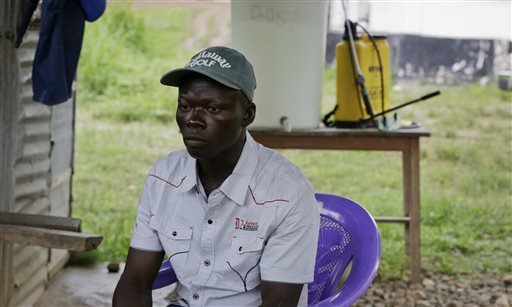
In this Monday, Aug. 10, 2015 photo, Juma Musa describes how he once opened a batch of ineffective chlorine powder that had expired a year earlier, during an interview at the government hospital in Kenema, eastern Sierra Leone. In the background is a yellow chlorine disinfectant sprayer. More than 40 health workers at the facility have died of Ebola. “We were in a war zone and the chlorine was the only thing that was giving us courage to come closer to patients,” Musa says. (AP Photo/Sunday Alamba)
MARIA CHENG, Associated Press
RAPHAEL SATTER, Associated Press
KRISTA LARSON, Associated Press
KENEMA, Sierra Leone (AP) — Something didn’t smell right.
As a worker at Kenema Government Hospital mixed a batch of chlorine on a broiling August day, he noticed it didn’t have its typically strong, bleach-like odor. Concerned, he turned to a consultant with the World Health Organization, who tested the disinfectant and found barely any active ingredient.
“I was deeply shocked,” the consultant, Jerome Souquet, wrote in an email to his boss in Freetown, Sierra Leone’s capital. Souquet said the consequences of using the ineffective chlorine “could be catastrophic, and cause immediate infection of all the staff.”
Questionable chlorine was just one of a toxic mix of avoidable problems faced by Ebola responders in Kenema last summer as the outbreak was spiking. Weak leadership, shoddy supplies and infighting exacerbated a chaotic situation at a critical front in the battle against the virus, an Associated Press investigation has found. More than 40 health workers died in Kenema — a devastating loss in the fight to control an epidemic that has claimed more than 11,000 lives.
In March, AP reported that senior officials at WHO’s Geneva headquarters resisted calls to declare Ebola an international health emergency — the equivalent of an SOS signal — on political and economic grounds. But newly obtained documents, recordings of conference calls and interviews with key players on the ground show that even after the alarm was raised, WHO and others struggled to put together a decisive response.
The World Health Organization’s Director-General Dr. Margaret Chan — whose U.N. agency is charged with leading the fight against global outbreaks — demanded the dispatch of vehicles and equipment, but penny-pinching meant only a trickle of cash made its way to frustrated responders. Supplies were so scarce that body bags — which protect aid workers from exposure to the highly contagious corpses — ran out. Confusion delayed the construction of a new treatment clinic.
Experts say the fumbling cost lives across West Africa.
“There’s no question that a better and earlier response from WHO could have resulted in thousands and thousands of fewer deaths than we saw,” said Dr. Irwin Redlener, director of the National Center for Disaster Preparedness at Columbia University in New York.
The situation at Kenema hospital last summer was horrific. Blood-drenched patients lay in agony in understaffed wards as the dead cluttered the hallways. Health workers sweltered through grueling shifts despite attacks from locals who threatened to burn the building down, convinced doctors and nurses were spreading the disease deliberately.
Meanwhile WHO was “paralyzed,” according to Joseph Fair, an American disease expert who was in Freetown advising the Sierra Leone government. In interviews with AP, he described “death by conference call” as health officials argued about things like whether to order more ambulances and the proper color of body bags.
Two months ago, a WHO-commissioned panel criticized the organization’s leadership but did not mention the logistical problems, infighting or other details uncovered by AP. The report called for accountability, but did not name a single person or department responsible for the failures. The evaluation concluded that “WHO was reported to be respected for its technical work in the three (Ebola-affected) countries.”
___
“WE ARE AT RISK OF VERY POOR PERCEPTION”
Kenema, a diamond town whose potholed roads turn to red sludge in the rainy season, was a microcosm of the messy response across West Africa as Ebola raged out of control last year. Identified in the West African forest in early 2014, the virus appeared to abate in May before surging back, killing hundreds in Guinea, Sierra Leone and Liberia throughout June and July before belatedly triggering an international emergency in August. Officials estimate the outbreak won’t be stopped before the end of 2015.
One of Sierra Leone’s largest cities, Kenema’s proximity to Guinea’s forest region and its decent road link to Freetown made it a key seeding point as the virus spread across the region. It was identified as one of two priority areas in an urgent July 24 message sent by WHO’s Chan to her senior staff. “Transportation, PPE (personal protective equipment) and other equipment must (be) provided,” she wrote.
That did not quite happen.
Staffers were so strapped for safety gear that nurse Donnell Tholley said they sometimes resorted to ill-fitting gloves to protect their hands and stray plastic packaging instead of heavy-duty footwear.
And then there was the chlorine.
In Kenema, the disinfectant was made from powder kept in 10- or 25- kilogram (20- to 50-pound) drums in the hospital’s storeroom. The powder was mixed with water in several stages to make chlorine solution for washing hands and sterilizing surfaces. Many aid organizations in West Africa — like Doctors Without Borders, which had a facility in nearby Kailahun — imported the powder. WHO decided to use chlorine from the government’s own supplies in Freetown.
That proved to be a mistake.
By the time Souquet wrote his Aug. 20 email, it was the second time in several days the hospital had been left with defective chlorine.
Drums were repeatedly found with tags ripped off, expiration dates obscured or marked by evidence of tampering. Hospital porter Juma Musa described his horror at opening a batch of chlorine powder in July to find that it had expired more than a year earlier.
While in that case Musa said he stopped the spoiled chlorine from being used, other porters told AP they could not rule out that bad batches slipped through. The problem badly rattled staff at a time when many already were abandoning their posts.
“We were in a war zone and the chlorine was the only thing that was giving us courage to come closer to patients,” Musa said.
Kenema Government Hospital, an outdoor campus of aging buildings connected by gravel pathways, had enough problems as it was.
The nurses’ station was perilously close to an area where Ebola patients were held, with only a flimsy barrier to separate them. Triage was virtually non-existent, and patients — many of them children — were shuffled to the Ebola ward bearing “slips of paper containing incomprehensible abbreviations or incomplete histories,” according to an Aug. 7 status report drafted by Tulane University’s John Schieffelin and Shevin Jacob of the University of Washington. Maxon Kobba, a nurse there, said that as many as 20 patients could die in one night.
“Some would cry, ‘I want to die! I want to die!’ because they were in so much pain,” he said.
Walking into the hospital made for “the shock of my life,” U.S. health official Austin Demby told Sierra Leone expatriates in an Aug. 16 conference call, a recording of which was obtained by AP. He described seeing dead bodies “just laying all over the place” and a “complete breakdown” in management.
“I’m not for blaming anybody for anything, but WHO could really spend a little bit more time on Kenema,” Demby said on the call.
Others complained about WHO leadership, too. When the Red Cross offered to build an Ebola treatment center to deal with the crush of patients in Kenema, it was held up because no one in Sierra Leone’s government or WHO could tell them where to build it.
“The instructions keep changing and nobody seems to take leadership,” Red Cross official Panu Saaristo said in an Aug. 4 email to WHO’s Ian Norton, who acknowledged that the issue was serious.
“We are at risk of very poor perception by the public when we send in IFRC (the Red Cross) then block their ability to care for patients,” Norton wrote in a follow-up message sent to colleagues.
The government in Freetown eventually insisted that the Red Cross set up 12 kilometers (8 miles) out of town. Amanda McClelland, a senior Red Cross Ebola advisor in Sierra Leone, argued against the decision.
“I was trying to hold my ground (until) the president of the country called me,” she told the AP. “And he said, ‘Well, you can build there or you can go home.'”
The Red Cross gave in and spent about a week fighting to clear the rural site with a single bulldozer in the driving rain before an expert said the land was unusable. The clinic was eventually built several miles away and opened in September 2014 — after the outbreak had peaked, McClelland said.
Outside the hospital’s main entrance, the health workers who died are memorialized in a large black marble monument etched with their names and the dates of their deaths. Fading fliers with photos and messages of love remain taped to the cement walls in each ward. The toll of the dead became so overwhelming a new cemetery was opened, behind the Red Cross clinic, the graves marked with numbers instead of names.
Sierra Leone has lost more health workers than any other country affected by the virus, recording 221 of 513 overall deaths.
___
“EVEN BUYING BUCKETS WAS DIFFICULT”
Emails reviewed by AP put many of the complaints over WHO leadership at the feet of Jacob Mufunda, the WHO Representative in Sierra Leone. WHO Representatives, known as WRs, are supposed to reinforce poor nations’ health systems and prod local officials to action, but AP found little evidence Mufunda did either.
Meetings scheduled to last a single hour routinely stretched to three or even five hours with “lots of endless talk” and “no decision taken,” WHO Ebola coordinator Philippe Barboza complained in an Aug. 8 email to Mufunda.
Fair, who was with the U.S. epidemic research firm Metabiota Inc. before working as a government adviser, recalled an interminable conference call in which officials spent “a good 45 minutes discussing the cultural sensitivities of having a black body bag versus a blue or white one.” The cultural issues were real — black body bags were seen as sinister — but Fair said he was upset “that we were spending this much time discussing the color of body bags when we don’t have any.”
Requests to fix critical problems like the hospital’s shaky generator regularly went unfulfilled by Mufunda’s office, leaving WHO technicians to cover thousands of dollars’ worth of expenses out of their own pockets, according to two WHO employees on the ground at the time. They spoke on condition of anonymity because they were not authorized to talk without the U.N. agency’s permission.
Lionel Larcin, a Doctors Without Borders water and sanitation expert sent to Kenema in early August, described sitting on the plane to Africa “reading the newspaper about millions of dollars being sent to fight the virus.” But when he asked for protective boots, he was shocked to find WHO staffers dipping into their daily allowances to pay for them.
“Even buying buckets was difficult,” he said.
A missive from WHO chief Chan obtained by AP laid out the scale of the problem, not just in Kenema but across West Africa. The Aug. 3 email to Mufunda and other senior WHO staffers said logistics experts were receiving only a couple hundred dollars a week to cover $1,000 or even $10,000 worth of expenditures — a problem that had been festering for four months. Chan warned that WHO needed to respond efficiently if it was to retain its leadership.
“I expect all colleagues especially our WRs to facilitate experts and staff to do their field work and not to post barriers because business as usual does not work during crisis.”
Mufunda, who was reassigned to run WHO’s office in Mozambique shortly thereafter, did not return messages from AP seeking comment.
Dr. Bruce Aylward, WHO’s top Ebola official, disputed that the mistakes uncovered by AP worsened the epidemic. He said swapping posts was common in emergencies and that Mufunda and other WHO representatives in Guinea and Liberia “took the outbreak very, very seriously and were deeply concerned.”
“Now, their ability to scale the response and manage the response the way it needed to be done — they may not have had that experience or that expertise,” Aylward said.
In addition to struggles with the government, WHO also was wrestling over the reins with Metabiota, the epidemic research company. The San Francisco-based firm had been charged with reinforcing Sierra Leone’s response, but emails obtained by AP alleged that the company was instead undermining the U.N. agency’s authority by drawing up response plans without WHO’s knowledge.
“Since weeks now Metabiota staff are doing their level best to systematically bypass and marginalise (the) WHO role,” wrote Barboza, the Ebola coordinator.
Barboza said the relationship with Metabiota was verging on “open conflict,” and recommended pulling all epidemiological staff from Kenema. He warned that the feud was holding up 1 million euros in funding from donors skeptical that WHO had control over the situation.
“That comes as a surprise to me,” said Metabiota CEO Nathan Wolfe in an interview Friday. “Most of the feedback has been that we worked very well with WHO.”
In follow-up emails Saturday, Metabiota said it had looked into the matter and said the conflict was an “individual disagreement between a Metabiota consultant and an individual at the WHO that we resolved.”
Reached by AP, Barboza declined to comment on the emails. Fair said he could not comment on the issue, which emerged after he left the company.
The response also was complicated by other problems.
Emails obtained by AP show a WHO data expert accusing Sierra Leonean officials of fiddling with her Ebola figures to make them match their government’s count, presumably to avoid having their numbers contradicted by the U.N. One Kenema government lab worker was even accused of accepting bribes in order to fake Ebola test results, a practice that risked sending infected people back into the community.
Then there was the matter of sheer indifference.
Amid a shortage of body bags, Fair said he spent about 12 hours calling numerous government officials in Freetown, in an attempt to guide a shipment of body bags through customs. By 11 p.m., after dozens of calls, he threatened to have the uncooperative airport customs officer fired unless the body bags were released.
Eventually, some 100 bags were piled into a car. In a 4 a.m. email to Barboza, Fair told AP, he begged the police superintendent to let the driver through a checkpoint so the bags could arrive overnight but said the superintendent slept through the driver’s calls. Stuck at the checkpoint, the driver napped in his car until he got authorization to leave the following morning.
“This was at a point when we had about 20 bodies lying outside,” Fair said. What are patients supposed to think, he asked, when they see “these bodies of people who were very recently next to them in the clinic, outside, with no dignity whatsoever, in the rain?”
___
“DISORGANIZED AND LATE TO THE PARTY”
The problems that hamstrung the Ebola response have prompted soul-searching at WHO and across the public health community. The WHO-commissioned review was one of no fewer than five different inquiries set up to evaluate the world’s bungled response.
“WHO does not have a culture of rapid decision-making and tends to adopt a reactive, rather than a proactive, approach to emergencies,” WHO’s 28-page report said. It went on to say: “There seems to have been a hope that the crisis could be managed by good diplomacy rather than by scaling up emergency action.”
WHO has vowed to overhaul its emergency response system, but has not censured any senior officials who oversaw its Ebola efforts. They remain employed by the agency, except for its Africa director, who retired after serving out his term.
Aylward, the WHO official, said he believes fear and resistance from locals were more powerful drivers of the epidemic than any mistakes by WHO or anyone else.
Dr. Brima Kargbo, Sierra Leone’s chief medical officer, defended the government’s response to the crisis and said that the greatest setbacks were caused by community resistance.
“To me I don’t think there is anything different from what we are supposed to do as a government,” he said of any lessons learned from the outbreak.
Redlener, the disaster preparedness expert, said he doesn’t think things will be much different the next time a global health crisis strikes, namely because the top WHO leaders remain in place.
“We’ve already seen what the old leadership at WHO has been able to do, so I don’t know why we would expect them to be able to right themselves,” he said.
Redlener said that while nearly every response to a major emergency is flawed, WHO’s level of dysfunction during Ebola was exceptional, noting that the agency wasn’t just stretched for cash, as many have suggested.
“By the time WHO got in there, they were disorganized and late to the party,” he said. “When WHO failed to provide that leadership, it was demoralizing for the other agencies and for the rest of the world.”
___
Cheng and Satter reported from London and Paris. Associated Press writers Jamey Keaten in Geneva and Lisa Leff in San Francisco contributed to this report.
___
Online:
Maria Cheng can be reached at: https://twitter.com/mylcheng
Raphael Satter can be reached at: https://raphae.li
Krista Larson can be reached at: https://twitter.com/klarsonafrica
Lisa Leff can be reached at: https://twitter.com/scoopscout
___
WHO’s Ebola emails: —https://apne.ws/1P9KpWt
Copyright 2015 The Associated Press. All rights reserved. This material may not be published, broadcast, rewritten or redistributed.











BlackPressUSA
Mathew Knowles Shares Breast Cancer Survival Story at Houston’s Inaugural Pearl’s Pink Promise Gala
Breast cancer survivor Dr. Mathew Knowles shared his journey of early detection and self-advocacy at Houston’s inaugural Pearl’s Pink Promise Gala, hosted by Dr. Ashley LaRue to honor her grandmother and raise awareness about breast cancer.


On Friday, October 16, Houston-based therapist and television personality Dr. Ashley LaRue hosted the inaugural Pearl’s Pink Promise Gala at the Omni Hotel—turning personal grief into an urgent public health movement.
The gala honored the memory of LaRue’s grandmother, Pearline, who passed away from breast cancer in 2025. What began as a granddaughter’s tribute became an all-pink, curated experience with a pink-carpet arrival, a cocktail reception, and a room packed with advocates, survivors, and civic leaders.

Dr. LaRue, founder of Pearl’s Pink Promise Photo: TotallyRandie

Pink Promise Event. Photo: TotallyRandie
Throughout the evening, 15 distinguished honorees were recognized for their resilience and service. But the night’s emotional centerpiece was the guest of honor: global music executive, author, and breast cancer survivor Dr. Mathew Knowles.
In 2019, Dr. Knowles publicly revealed his diagnosis, shattering cultural taboos around male breast cancer. During an intimate 30-minute fireside chat moderated by Dr. LaRue, Knowles delivered a candid, masterclass-level lesson on self-advocacy. He recounted the exact moment he knew something was wrong after noticing blood on his shirt—a warning sign that prompted him to immediately request comprehensive testing.
Knowles reflected on the difficult conversations that followed with his daughters and family, emphasizing that early detection and understanding personal genetic risk saved his life. The conversation quickly shifted into an open exchange with the room, leaving several attendees moved to tears as audience members shared their own experiences with diagnosis and caregiving.
“This experience has made me so proud, and my heart is filled with joy,” Dr. LaRue shared.
For LaRue, Pearl’s Pink Promise isn’t a one-and-done October event. Moving forward, she plans to expand the initiative to include year-round safe spaces, community resources, and educational programs tailored to both men and women navigating complex medical diagnoses.
To learn more about Pearls Pink Promise, visit: https://www.pearlspinkpromise.com
Black Press
It’s Time to Lose Weight Before the Holidays
Licensed internist Dr. H. Geoffrey Watson has joined gastroenterologist Dr. Ralph Peterson at Oakland’s MacArthur GI to address the rising obesity epidemic. With U.S. obesity rates reaching 42.4%, the clinic offers supervised weight-loss programs and screenings for fatty liver disease. Treatments include dietary counseling and various medications, such as GLP-1 receptor agonists, which regulate digestion and appetite. As certain populations continue to be disproportionately affected by chronic health conditions, medical experts are highlighting new tools available to help patients reach their goals before the holiday season. Read more.
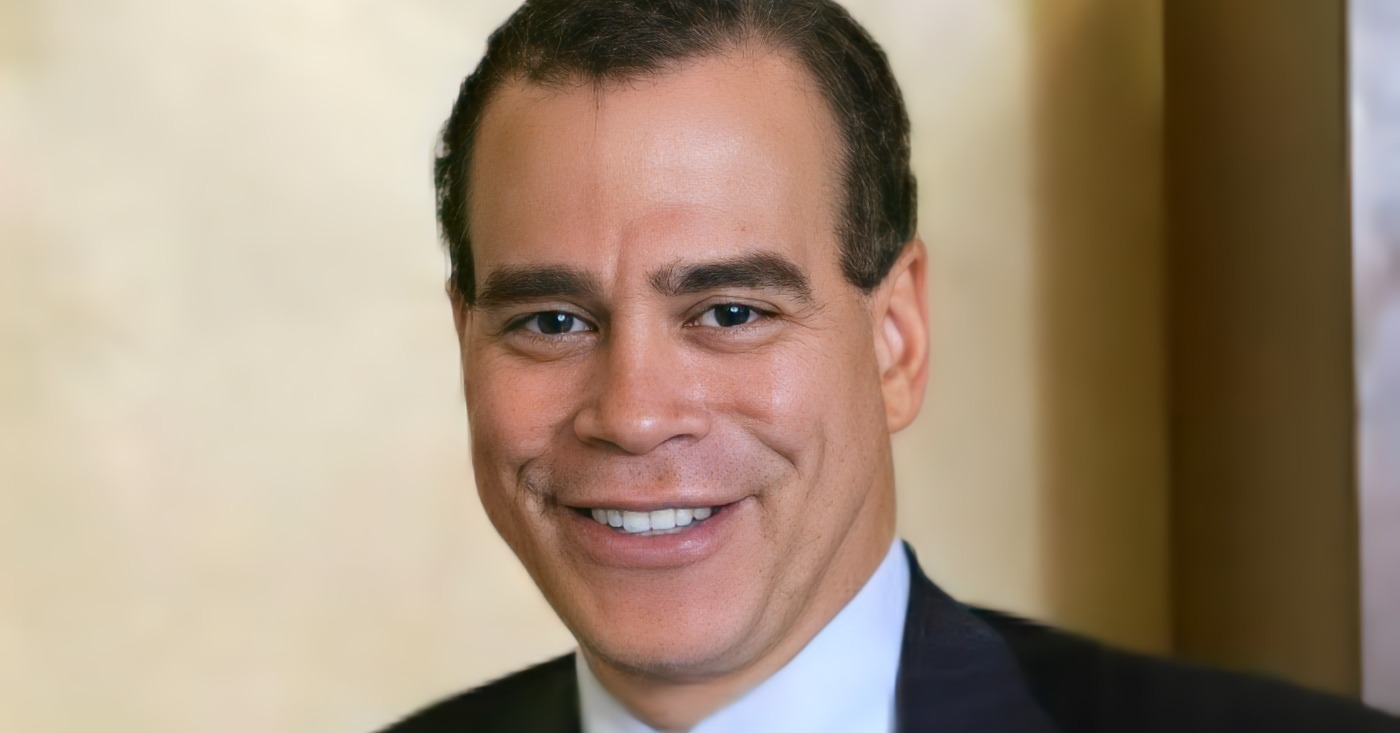
Dr. H. Geoffrey Watson, a licensed internist, has joined renowned gastroenterologist Dr. Ralph Peterson at MacArthur GI in Oakland to address obesity, provide supervised weight-loss programs including GLP-1 therapy, and screen for and treat fatty liver disease.
The Obesity Epidemic
Obesity is associated with numerous chronic health problems, including hypertension, diabetes, heart disease, sleep apnea, asthma, depression, joint disorders, fatty liver disease, and high cholesterol. Its causes include genetics, environment, stress, medication side effects, hormonal imbalances, and other factors.
Since 1999, the prevalence of obesity in the United States has risen from 30.5% to 42.4%. Childhood obesity rates are also climbing, with approximately 19.3% of children and adolescents now affected.
Measuring Obesity: Body Mass Index
Obesity is measured using a formula called the Body Mass Index (BMI). You can calculate your own BMI on most smartphones by searching “BMI calculator” and entering your height and weight. A BMI of 25 to 29.9 is classified as overweight, and a BMI of 30 or greater is classified as obese.
Populations Disproportionately Affected
Obesity affects certain populations at higher rates. Among U.S. adults, obesity prevalence is 49.9% in Black adults, 45.6% in Hispanic adults, 41.4% in White adults, and 16.1% in Asian adults.
Treatment Options
A variety of treatments are available for obesity, including dietary counseling, exercise programs, bariatric surgery, and anti-obesity medications.
Common oral medications include:
• Adipex (phentermine): A stimulant that works by suppressing appetite.
• Contrave (bupropion/naltrexone): A combination of an antidepressant and an anti-addiction medication that helps control appetite and cravings.
• Qsymia (phentermine/topiramate): A combination of a stimulant and an anti-seizure medication that reduces appetite and cravings.
GLP-1 Receptor Agonist Therapy
Glucagon-like peptide-1 (GLP-1) receptor agonists were originally approved to treat type 2 diabetes. GLP-1 is a hormone produced naturally by the body that regulates digestion, blood sugar, and appetite by communicating with GLP-1 receptor cells throughout the digestive tract. These medications reduce cravings, appetite, and food intake by influencing the hunger hormones ghrelin, which stimulates hunger, and leptin, which signals fullness.
What We Offer
Drs. Peterson and Watson provide FDA-approved tirzepatide injections, a GLP-1 receptor agonist medication indicated for weight management. Each patient receives a comprehensive history and physical examination to ensure the safety and appropriateness of the medication as part of an overall weight-loss protocol. Dr. Peterson also offers ultrasound screening for fatty liver disease.
We look forward to helping you reach your weight-loss goals and feel your best this holiday season.
H. Geoffrey Watson, M.D., runs the MacArthur GI Clinic at 10520 MacArthur Blvd., Oakland, CA. He can be reached at (510) 562-7467.
Black Press
OP-ED: She’s Not Non-Compliant, She’s Hungry: Addressing Food Justice to Improve Breast Cancer Outcomes
CHICAGO DEFENDER — Food insecurity in Chicago’s South Side and surrounding suburbs disproportionately affects Black women with breast cancer, impacting their treatment and recovery.
Here’s a transformational idea: everyone should have access to safe, healthy and affordable food.
If this idea doesn’t feel radical to you, then perhaps you haven’t spent much time in the Southside of Chicago and its adjoining suburbs.
Food insecurity is rampant in our neighborhoods. If you live in Washington Heights, you are practically guaranteed to experience lower food access than the average Chicagoan – with similar circumstances in the South Shore, West Englewood or West Pullman.
It has been clearly documented that “Food is Medicine.” In fact, according to countless scientific studies, good nutrition is critical during cancer treatment. It empowers your body to maintain muscle, rebuild damaged tissues and better withstand aggressive radiation or chemotherapy. A patient with access to nutritious food will experience fewer side effects, like fatigue and nausea, and will have less need for extra medicines. In short, good food improves a patient’s daily life.
Instead, though, a Black woman with breast cancer in our South Side neighborhoods or suburbs has the opposite experience. In fact, if “food is medicine,” then we are inarguably in a crisis, and it is disproportionately affecting Black women with breast cancer.
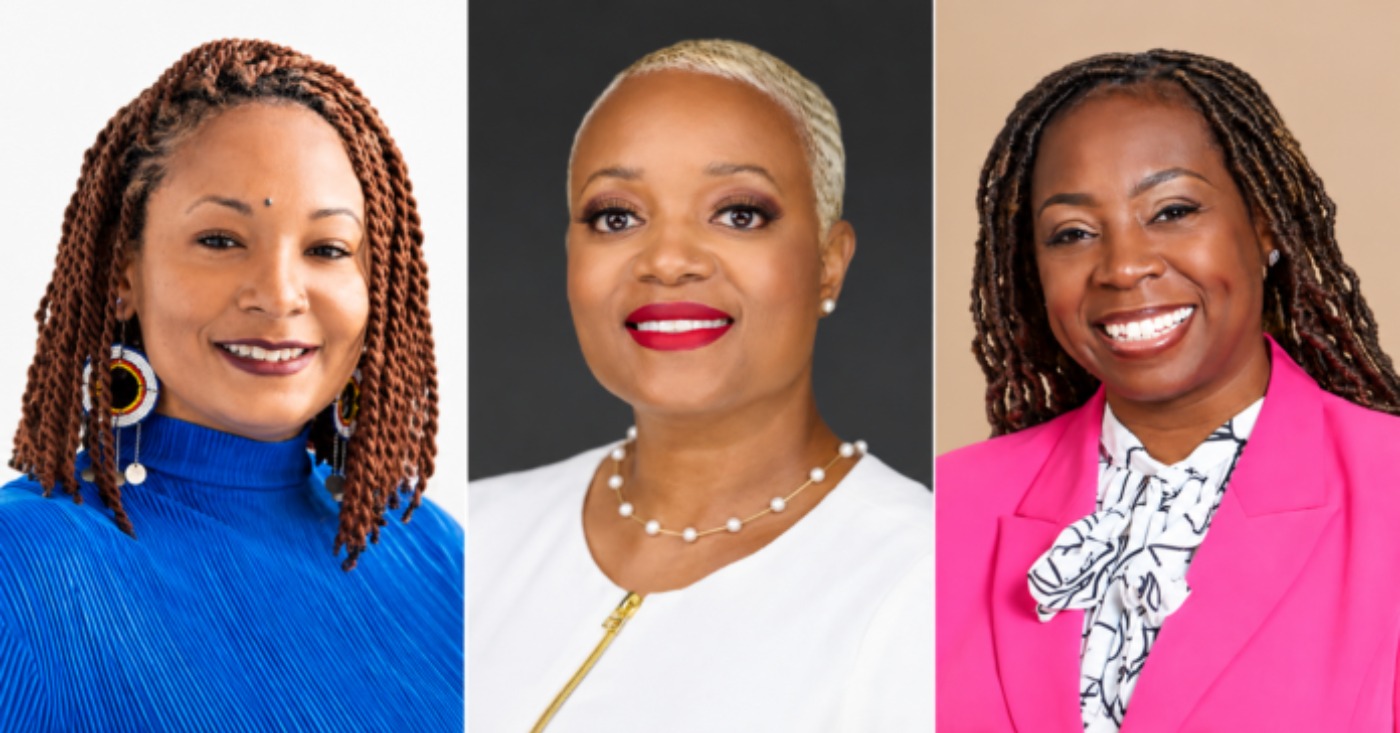
As co-authors of the Pinkprint and members of the Chicago Better Together Breast Cancer Disparities Think Tank, an initiative launched to address the disproportionate impact of breast cancer mortality on Black women in Chicago’s South Side and South Suburbs, we know that by combining data-informed strategies with community-driven advocacy and leadership, we will create equitable, sustainable outcomes for those most affected by breast cancer and the lack of access to nutritious foods in their communities.
Solutions start as local initiatives. We must pilot community-driven solutions in areas with the highest breast cancer mortality rates and limited access to nutritious food.
Existing local programs – food pantries, community fridges and even hospital-run delivery systems – are a critical piece of this local infrastructure. They are just a component, though, of the robust nutrition infrastructure the South Side lacks. In the long-term, our neighborhoods need clean, well-stocked grocery stores – and we must demand that our elected officials do everything they can to attract and retain these food corporations to invest in our communities.
This is just one item on their to-do list. Long-term solutions will include policy changes and targeted incentives at the city, state and federal levels. Just this spring, over 150,000 people in Illinois lost SNAP benefits, a devastating cut with ripple effects across families into entire neighborhoods. These cuts disproportionately affect people in the South Side of Chicago – not to mention, overwhelm food banks and other centers that serve as part of our social safety net. The Families Receiving Emergency Support for Hunger (FRESH) program in Illinois provides a one-time, automatic $400 cash payment per eligible household member to residents who lost their SNAP food benefits. This will help ease the immediate negative effects of these cuts and is much appreciated. But it is not a long-term solution.
When we started conversations in work groups about this project, we started with the idea that Black women deserve equitable access to quality breast cancer care. Any conversation about breast cancer care and goals for improved outcomes, must include a conversation about nutrition justice.
Nutrition justice is not just a transformational ideal: it is an idea that will literally transform our neighborhoods and the quality of life of every single person living in them. It will put grocery stores in empty storefronts; it will deliver food to a breast cancer patient going through chemotherapy.
Nutrition justice will help improve breast cancer outcomes for Black women on Chicago’s South Side. And Black women should not have to wait.
This op-ed is the second in a series focusing on eliminating breast cancer mortality in Black women on Chicago’s Southside. The authors are part of the Chicago Better Together Breast Cancer Disparities Think Tank, an initiative launched to address the disproportionate impact of breast cancer mortality on Black women in Chicago’s Southside and South Suburbs. Together with other community leaders, they have co-authored the Pinkprint, a strategic multistep plan and call-to-action on this critical issue.
The post She’s Not Non-compliant, She’s Hungry: Addressing Food Justice to Improve Breast Cancer Outcomes appeared first on Chicago Defender.
Based on reporting by Chicago Defender.
Black History
Cash for Moms: As Medicaid Cuts Loom, Cities Test a New Approach to Black Maternal Health
LOUISIANA WEEKLY — WORD IN BLACK — A maternal health crisis continues to disproportionately impact the Black community, with Black mothers experiencing significantly higher mortality rates during childbirth and their infants facing increased risks of prematurity and death. Data indicates Black moms die at three times the rate of white moms, and Black infants are about twice as likely to die as white infants in some states.

By now, there’s little question that a maternal health crisis is rocking the Black community. The data tells the story: Black moms are dying during childbirth at three times the rate of white moms, a disproportionately high percentage of Black children are born prematurely, and Black infants are about twice as likely to die as white infants in states like Louisiana.
But new data from a handful of pilot projects also suggests a potential solution that could significantly improve outcomes for Black mothers and their babies: cash payments, no strings attached.
Studies show the unrestricted money led to fewer preterm births, higher newborn birth weights, and fewer critical-care infant hospitalizations. It also reduced stress among new moms who would otherwise struggle to attend prenatal check-ups, pay for food and formula, or keep a roof over their heads.
“This makes so much sense to me,” says Tamara Mason, an official with the nonprofit March of Dimes who worked on an Atlanta project distributing money to low-income pregnant women. “Why isn’t everyone doing this?”
Sen. Cory Booker, a New Jersey Democrat, is among several sponsors of legislation that would provide direct financial aid to new mothers, similar to the expanded child tax credit in 2021. The credit sent monthly payments of up to $300 per child straight to most families’ bank accounts; experts credit it with lifting millions of children out of poverty.
When it expired, child poverty rose again.
“I believe that we need to, for moms, flood resources to them through things like the child tax credit,” Booker said during an August press briefing on the Black Maternal Health Momnibus Act. “We were able to cut child poverty virtually in half for our communities, and that actually does affect child outcomes.”
Those positive outcomes in part spurred the March of Dimes to launch trial programs providing universal basic income, or UBI, to pregnant women and new moms in two cities: Atlanta, which Bloomberg ranked as the most economically unequal large city in the country, and New Orleans, which March of Dimes gave an F grade.
No strings attached
In Atlanta, the Guaranteed Basic Income Program gave each participant $1,000 a month during pregnancy and her baby’s first year. Women most likely to live in poverty in that city are Black women of reproductive age; 25 pregnant women in two of the area’s highest-need ZIP codes received the cash.
March of Dimes ran the pilot through an Atlanta collective-impact partnership known as the collaborative. It is modeled on San Francisco’s Abundant Birth Project and, organizers say, rooted in an idea the Rev. Martin Luther King Jr. championed decades ago.
Funders Skeptical at First – Then All In
Mason said she spent months pitching foundations on the idea, which some considered outside her organization’s lane.
“I was honestly surprised that a couple of foundations,” Mason says. “Funders were like, ‘Why is March of Dimes in this space? You all are the birth defects people. You’re the preterm birth people.’”
The Community Foundation for Greater Atlanta signed on as the primary funder. The Liz Blake Giving Fund and the Jesse Parker Williams Foundation funded data gathering and evaluation Emory University conducted.
The nonprofit Center for Black Women’s Wellness handled recruitment, and more than 110 women applied for the 25 spots, Mason said. Applicants had to live in one of the two ZIP codes, earn no more than 200 percent of the federal poverty level, and be 12 to 28 weeks pregnant.
Cash, Diapers and a Network
Stipends were paid through a prepaid card, letting evaluators track spending without restricting it. Helping Mamas, a nonprofit focused on diaper insecurity, supplied 300 diapers and eight packs of wipes a month, plus a car seat and other essentials. The Georgia Black Doula Network encouraged, but didn’t require, participants to hire doulas.
Early results from Emory’s evaluation, as described by Mason, show a 20 percent decrease in financial stress and a 66 percent decrease in hopelessness, a figure she called striking. Prenatal outcomes trended better than average.
Mason was careful not to oversell what $1,000 a month can fix. Several participants lost housing; one or two dealt with domestic violence.
Even though GBI reduced financial stress, “it still is one piece of the puzzle,” Mason said.
New Orleans: Overcoming Crisis
March of Dimes runs a similar program in New Orleans, GBI Rx, offering pregnant patients in their first or second trimester $12,000, as a lump sum or $1,000 a month. Two partner medical clinics enroll patients for healthcare, and the payment card blocks cash withdrawals and spending on liquor and gambling.
In Louisiana, “we have a maternal and infant health crisis – specifically, a Black maternal and infant health crisis,” said Robin Gruenfeld, director of collective impact for March of Dimes in New Orleans. ”And it’s been that way for a long time.”
Black infants there died at about twice the rate of white infants from 2021 to 2023. Gruenfeld said Orleans Parish has the state’s lowest prenatal care utilization rate.
Gruenfeld said the program’s city seed money, federal pandemic relief funds, and foundation funding were “zeroed out” without notice. Most funds were later restored at a lower level, forcing organizers to scale down to 94 participants instead of the 100 planned. They also enrolled on a first-come, first-served basis.
Recipients spent lump sums on housing, cars and insurance. But spending priorities for the participants changed when the federal government stopped paying out SNAP food benefits during last fall’s federal shutdown.
“During that time, more than a quarter of the funds that we gave folks was going to groceries,” Gruenfeld said.
Several New Orleans city government officials are now weighing a program modeled on Michigan’s Rx Kids, which a study credits with nearly halving neonatal deaths in Flint, one of the poorest cities in the state.
“We are seeing policies pushed by the political will of predominantly Black women come into effect, and then also the backlash,” says Danielle Atkinson of Mothering Justice Action Fund, a nonprofit advocacy organization. “In Michigan, we have Rx Kids, which is extremely popular [and] the data on the impact is undeniable.”
But recent changes are endangering the success of such programs, particularly amid President Donald Trump’s hostility towards programs focused on diversity, equity and inclusion.
“We’re getting this pushback around identifying race and parental status as systemic areas of oppression,” Atkinson says. It remains to be seen, she says, “whether or not we are going to be able to prevail with the political power and the popular will of these issues, or the rhetoric and the history of racism in our country.”
Washington Looks Elsewhere
That includes the Republican-controlled Congress, which has shown little appetite for cash aid tied to pregnancy.
The Black Maternal Health Momnibus Act, which Booker reintroduced along with Democratic Reps. Lauren Underwood of Illinois and Alma Adams of North Carolina, bundles 14 bills on housing, nutrition, WIC and the perinatal workforce, but not direct cash.
Still, signs suggest the issue – providing cash aid to low-income mothers and their babies – may stay on the front burner as the midterm elections approach in November.
This month, former Vice President Kamala Harris and Michigan Senate nominee Abdul El-Sayed, both Democrats, hosted a Black maternal health roundtable in Detroit. Danielle Atkinson of Mothering Justice took part.
“Black mamas deserve access to quality healthcare that sees us, listens to us, and understands us at every step of the way,” Atkinson said afterward. “The responsibilities we carry do not end at pregnancy, nor do they disappear when we give birth and want to spend time with our newborn. They stay with us throughout all that we experience.”
Based on reporting by Louisiana Weekly.
Black Press
More Families to Benefit from Evidence-Based Home Visiting
BLACKPRESSUSA NEWSWIRE — The MIECHV program reaches families where services are needed most, including those who are rural, low-income, and at greater risk of poor health outcomes. Trained home visitors meet regularly with expecting mothers and families with young children. Decades of gold-standard scientific research show that voluntary home visits during pregnancy and early childhood can help prevent chronic disease and child abuse and neglect.

The Maternal, Infant, and Early Childhood Home Visiting (MIECHV) program supports voluntary, evidence-based home visiting for expectant parents and families with young children, particularly in communities facing greater barriers to positive maternal and child health outcomes.
The U.S Department of Health and Human Services’ agency Health Resources and Services Administration (HRSA) recently announced more than $525 million in fiscal year (FY) 2026 Maternal, Infant, and Early Childhood Home Visiting (MIECHV) Program awards to 56 state and jurisdiction recipients — the largest federal investment in the program’s history.
There are examples of the program success across the country. For instance, in Florida, Tracy says she gained the confidence and support to overcome challenges and achieve her goals. With the guidance of her home visitor, she strengthened her parenting skills, prioritized her well-being, and advanced her career. Today, Tracy continues to set goals for herself and her family and says, “This program has provided me with the tools to not just survive but to thrive.”
In California, Faraha said “I became pregnant and…I knew I wanted to make a difference in my life and that of my child. The home visiting program not only helped me as a mom, but also with my growth to….better myself, and now I’m in a position that I’ve always wanted to be in.” Faraha is currently employed and pursuing a master’s degree to become a licensed counselor.
HRSA Administrator Tom Engels announced the new awards in Columbus, Ohio, on Child Health Day. The awards will expand access to evidence-based home visiting services that improve maternal and child health, promote healthy child development, and connect families with the support they need during pregnancy and early childhood.
“MIECHV reflects a simple idea: supporting parents early gives children a stronger start. Parents are a child’s first and most important teacher, and by giving them the tools and support they need, we help create a strong foundation for children to thrive,” said Administrator Engels.
The MIECHV program reaches families where services are needed most, including those who are rural, low-income, and at greater risk of poor health outcomes. Trained home visitors meet regularly with expecting mothers and families with young children. Decades of gold-standard scientific research show that voluntary home visits during pregnancy and early childhood can help prevent chronic disease and child abuse and neglect, promote school readiness, and boost families’ economic self-sufficiency.
These awards include both base and matching grants. Base grants provide foundational support for evidence-based home visiting programs in every eligible state and jurisdiction, while matching grants help recipients expand services and reach more eligible families. In FY 2026, 55 of the 56 award recipients applied for and received matching grant awards, reflecting the continued commitment of our state partners to expand evidence-based home visiting services in communities across the country.
Since its reauthorization in 2022, the MIECHV program has served 15 percent more parents and children and delivered 23 percent more home visits. In FY 2025, the program provided more than 1 million home visits to more than 158,000 parents and children across one-third of all U.S. counties, helping connect families with services that support healthy pregnancies, positive parenting, child development, and family economic well-being.
As home visiting services expand, a strong and well-supported workforce is essential to meeting the needs of more families.
Black Press
Allen Temple Baptist Church Hosts Free Prostate Cancer Screenings on Oct. 17
The summit’s mission is to reduce the impact of prostate cancer through education, early detection, research, and support. It is presented in partnership with The Oakland Institute of Health, Inc., SCAN, Brotherhood of Elders Network, UCSF Helen Diller Family Comprehensive Cancer Center, Alameda County Public Health Department, Stanford Medicine Cancer Center, Impact Oakland Now, Bay Area Umoja Health, Bay Area Black Nurses Association, Inc., and 100 Black Men of the Bay Area, Inc.
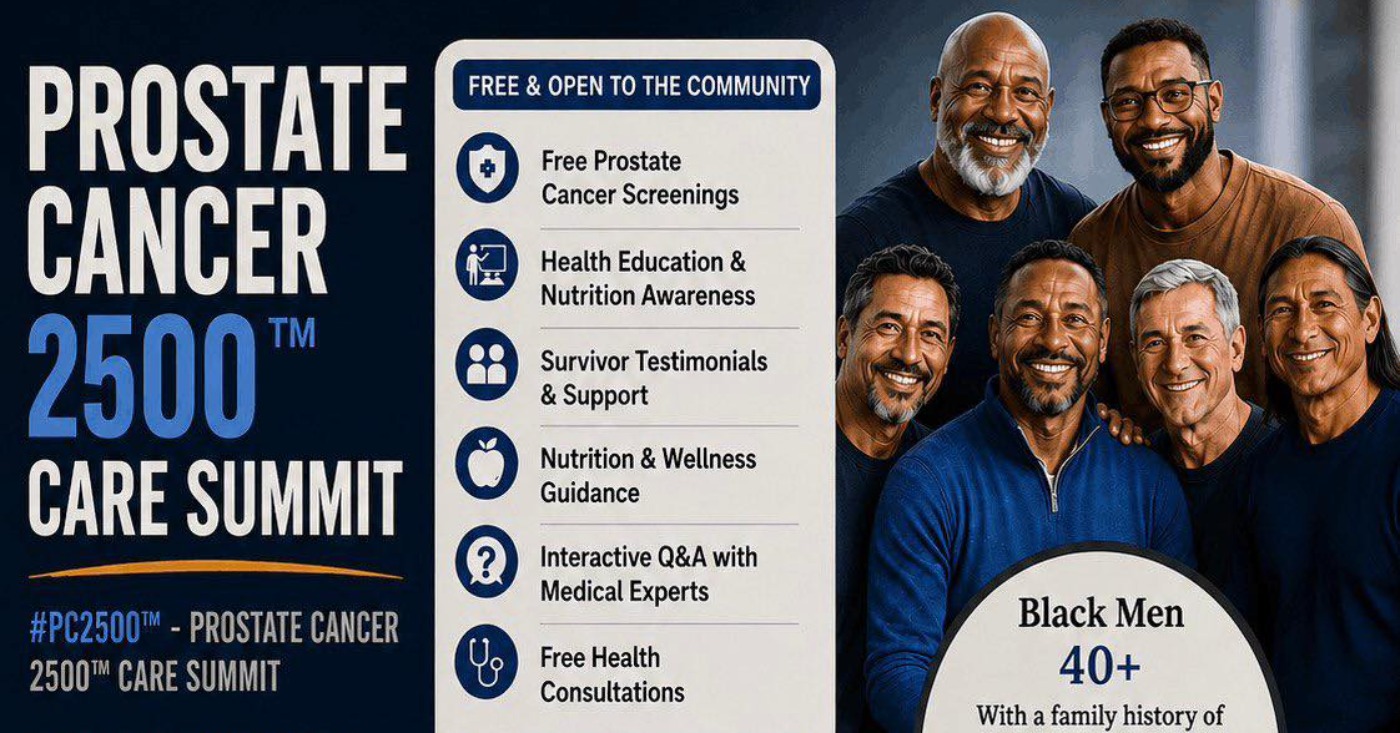
The Prostate Cancer 2500™ Care Summit brings together health systems, community organizations, and survivors to put early detection within reach
Black men in America are diagnosed with prostate cancer more often than other men and are about twice as likely to die from it. Early detection changes that outcome.
On Saturday, Oct. 17 from 10 a.m. to 2 p.m., Allen Temple Baptist Church will host the Prostate Cancer 2500™ Care Summit (#PC2500), a free event open to the entire community.
. Attendees can receive prostate cancer screenings and health consultations on site, learn about prevention and nutrition, ask medical experts questions in an interactive Q&A, and hear from survivors who will share their stories and offer support.
Screening is recommended beginning at age 45, and at age 40 for Black men with a family history of prostate cancer. All men are welcome, and families are encouraged to attend.
The summit’s mission is to reduce the impact of prostate cancer through education, early detection, research, and support. It is presented in partnership with The Oakland Institute of Health, Inc., SCAN, Brotherhood of Elders Network, UCSF Helen Diller Family Comprehensive Cancer Center, Alameda County Public Health Department, Stanford Medicine Cancer Center, Impact Oakland Now, Bay Area Umoja Health, Bay Area Black Nurses Association, Inc., and 100 Black Men of the Bay Area, Inc.
For more information prior to the event, reach out to Rev. Charlotte Y. Williams at (510) 604-5242 | [email protected]
For more information on the day of the event, reach out to Deacon Dwight Williams (510) 501-1650 [email protected]. The church is located at 8501 International Blvd., Oakland, CA 94621 The service is free and free parking and refreshments will be provided. The site is accessible to persons with disabilities. To pre-register, go to Allen-Temple.org
Allen Temple Baptist Church was organized in 1919 in Oakland. For 107 years, ATBC has served as a bright beacon of faith, hope, and love beyond its’ four walls. Allen Temple is committed to sharing the love of God and the message of Good News throughout the world. We welcome people of all ages and cultural backgrounds as we joyfully celebrate worship and fellowship, and carry out ministries of evangelism, discipleship, education, community outreach, and global missions. Allen Temple’s holistic, prophetic and social justice ministries address the needs of the whole person as well as the whole community. Dr. Jacqueline A. Thompson.
Rev. Charlotte Y. Williams is the minister and director of Communications at Allen Temple Baptist Church.

San Diego’s State Workers Demand Better Pay in Major Strike

Unscripted Sports Talk: Featuring Local Media Stars! #shorts

Par 365: Making Indoor Golf More Accessible in Minnesota #shorts

Honoring Clem Haskins: A Basketball Legend’s Legacy at UMN #shorts
NFN live presents Beyond IWDM 50 Podcast
The Hidden Cost of Insurance Loyalty

Retrospectro Talks Viral Videos, Lean Squad, Music & More | Interview

CBCF’s ALC 55 Recap | September 2026

The Washington Informer Celebrates 62 Years | Recap

Heated Seats & Sliding Window: Ultimate Truck Comfort #shorts

OP-ED: Haiti TPS: Have We Lost Sense of Humanity?

Remembering Chauncey Bailey as Student Journalists Face Threats to Truth-Telling

All Skinfolk Ain’t Kinfolk

Poll: Becerra Widens His Lead Over Hilton; Californians Split on Wealth Tax

Rulings Leave Questions Lingering in Nolan Wells Case

Latinas Deserve Equal Pay. Unions Help Make It Happen.

Zakiya Jendayi Arrested, Locked Out of Home by Sheriff’s Deputies

COMMENTARY: The Audacity of Joyce Beatty

Why Black Artists Struggle to Sell Tours

A $2.1 Trillion Wellness Industry Never Built a Daily Practice for Black Children. So This Atlanta Family Did.
San Diego’s State Workers Demand Better Pay in Major Strike
Unscripted Sports Talk: Featuring Local Media Stars! #shorts
Par 365: Making Indoor Golf More Accessible in Minnesota #shorts
Honoring Clem Haskins: A Basketball Legend’s Legacy at UMN #shorts
Retrospectro Talks Viral Videos, Lean Squad, Music & More | Interview
CBCF’s ALC 55 Recap | September 2026
The Washington Informer Celebrates 62 Years | Recap
Heated Seats & Sliding Window: Ultimate Truck Comfort #shorts

Test Subaru’s 11.6-Inch Screen in REAL Daylight #shorts

EV Range Anxiety? Your Daily Commute Needs Just One Overnight Charge #shorts
-

 Black History1 week ago
OP-ED: The Black Church Writes AI’s Next Chapter
-

 Featured7 days ago
Tamiko Armstead | 2026 Lifetime Achiever in Education
-
 Black History1 week ago
Practitioners of African Traditional Spirituality Offer Ancestral Reverence Ritual Oct. 31
-
 Art1 week ago
Kickstarter CEO Everette Taylor Shares Tips on Creating and Growing a Business
-

 Black History1 week ago
Columbus’s Oldest Businesses Still Open: 10 That Have Lasted 75+ Years
-

 Black History1 week ago
COMMENTARY: BIG MAMA SAID: Don’t Throw Away the Gift Just Because It Came Wrapped Wrong
