
Black History
New Computer Lab Adds to MLK Catholic Student Center’s Sense of Home
SOUTHERN UNIVERSITY – SOUTHERNDIGEST — The Martin Luther King Jr. Catholic Student Center at Southern University has opened a new computer lab to provide students with essential academic resources and a sense of community. The project, which began in August 2023 and opened in October, was funded by an anonymous private benefactor.

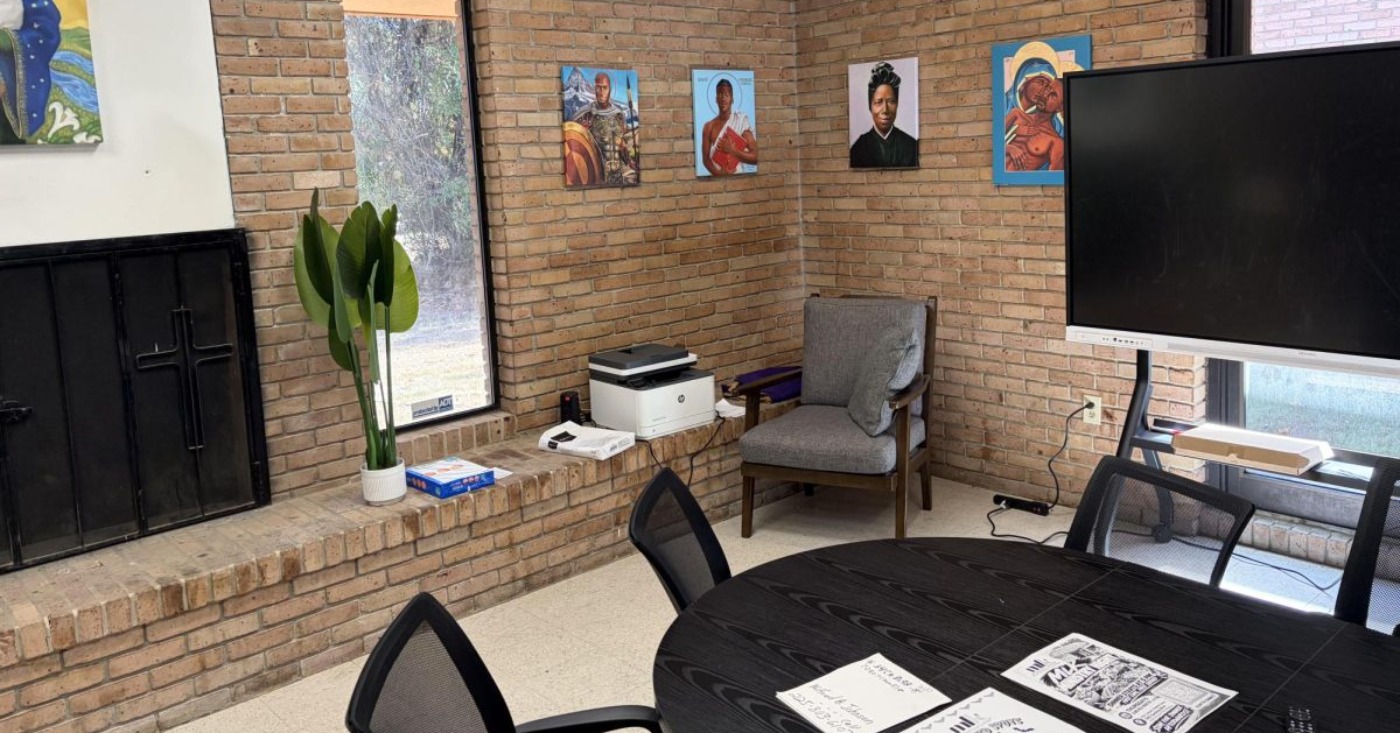
Madison Holmes wanted to leave Southern University. Now, she calls the Martin Luther King Jr. Catholic Student Center home.
The center’s new computer lab has become one of the places where Holmes feels calm, supported and connected to campus life. Holmes said she struggled with being away from her support system in Pass Christian, Mississippi, while also managing difficult classes. At the time, transferring closer to home seemed like a better option.
She recalled going to the library one day to print a lab report and finding a long line at the printer. “I was like, ‘Oh, wait. I know where I can go,’” Holmes said. “So, I came here and printed out my lab report, and then I took it to class.” Her experience is one example of how the center provides students with a place to turn when they need support.
The computer lab opened in October after the project began in August 2026. An anonymous private benefactor provided funding that helped pay for the lab and other improvements throughout the building.
The Rev. Thomas F. Clark, chaplain of the Martin Luther King Jr. Catholic Student Center, said the center aims to support students as they adjust to college life away from home. “You realize that when you’re away from home for the first time, you’re trying to make your way,” Clark said.
According to Clark, students often expressed the need for additional study space. Others shared concerns about unreliable laptops or computer crashes, concerns that ultimately helped shape the decision to add a computer lab.
The lab is one of several resources available to students. The center also provides Wi-Fi, study space and approximately 50 meals every Thursday at 5 p.m. Located across from Bethune Hall, the Martin Luther King Jr. Catholic Student Center has served Southern University students for decades.
According to the Roman Catholic Diocese of Baton Rouge, Father Rawlin B. Enette advocated for a stronger Catholic presence at Southern in the late 1960s. Construction on the center began in 1969 after land was donated by a university official.
Originally known as the Newman Center, the building was later renamed the Martin Luther King Jr. Catholic Student Center. Southern University art professor Frank Hayden also created religious artwork for the facility.
While the center provides practical resources, it also offers students a place to slow down, reflect and feel supported. For Holmes, Clark is part of that support system. “I do think that Father Clark is a safe space and a person I could go to,” Holmes said.
That sense of availability is intentional. Clark said students sometimes stop by with personal concerns or during times of stress. They talk and, in some cases, pray together as he helps students navigate the semester.
“We just feel that we can add to that support by being available and providing a warm and friendly place,” Clark said. As students navigate the challenges of college life, the Martin Luther King Jr. Catholic Student Center continues to offer a place of support, community and encouragement. For Holmes, it has become a home away from home.
Gallery • 3 Photos Brianna Meeks Interior shots of the newly create computer lab.
Based on reporting by Southern University – SouthernDIGEST.



Black History
Keisha Lance Bottoms to Govern State Where Her Great-Great-Grandfather Was Enslaved
ATLANTA DAILY WORLD — Keisha Lance Bottoms has made history as the first Black woman elected governor in the United States, securing her victory in Georgia after previously serving as the mayor of Atlanta. The milestone is deeply personal for Bottoms, as she will now lead the same state where her great-great-grandfather, Sheppard Peek, was once enslaved in Crawfordville.
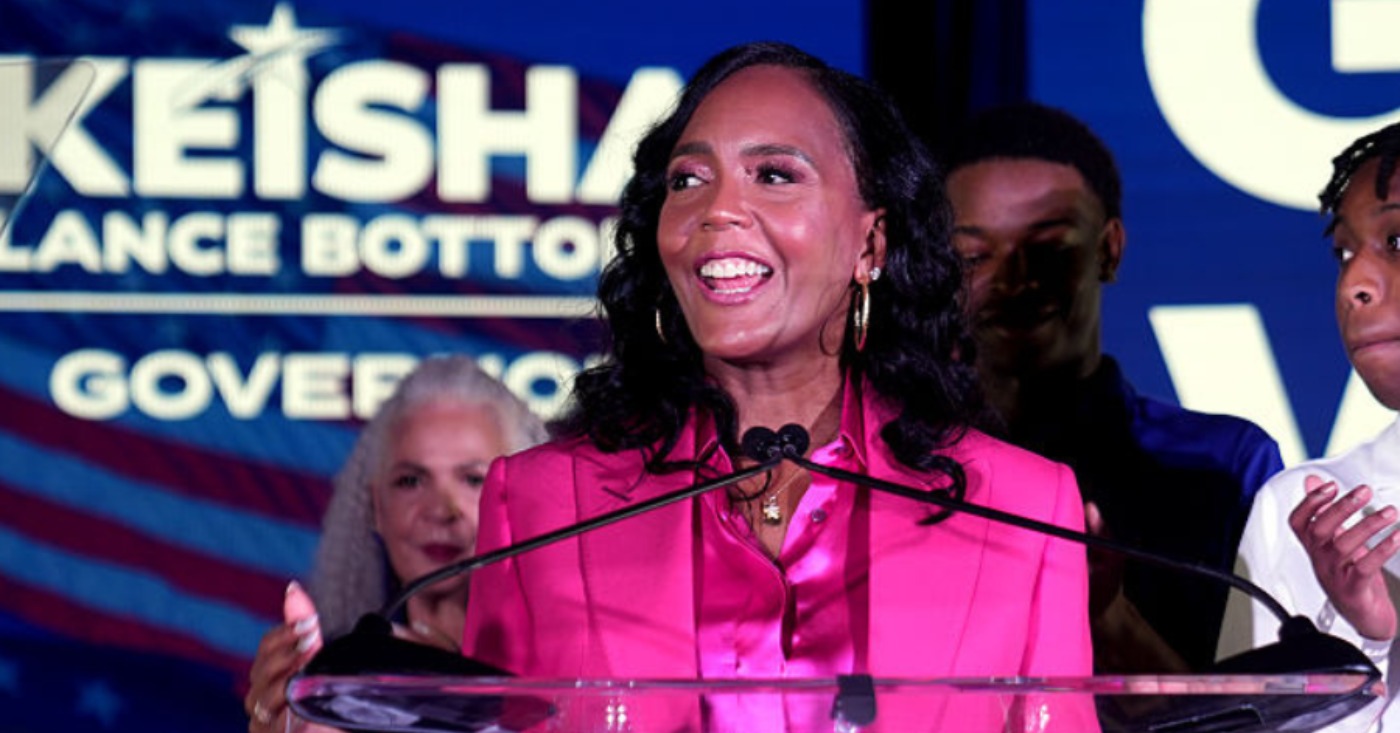
Georgia Gov.-elect Keisha Lance Bottoms is preparing to lead the same state where her great-great-grandfather was enslaved. Sheppard Peek was listed in an 1860 inventory of a white man’s possessions in Crawfordville, Georgia, with an assigned value of $1,400, according to the Atlanta Journal-Constitution (AJC).
On Monday (November 2), just one day before the election, Bottoms returned to Crawfordville, where she spoke with approximately 100 Black voters before visiting the grave of her great-great-grandmother, Betsy Peek. Bottoms knelt at Betsy’s grave and wept, the AJC reported.
“My grandmother would tell me the story of her parents packing them up in a horse and buggy and making their way to Atlanta,” Bottoms told the newspaper. “All of our stories can be told.”
The following day, Bottoms made history becoming the first Black woman elected governor in the United States. Her victory also made her Georgia’s first Black governor and its first female governor.
Before entering the gubernatorial race, Bottoms served as Atlanta’s mayor from 2018 to 2022 and worked as a senior adviser in former President Joe Biden’s administration.
She secured the Democratic nomination in May after receiving more than 50% of the primary vote, BIN previously reported.
The Black Information Network is your source for Black News! Get the latest news 24/7 on The Black Information Network. Listen now on the iHeartRadio app or click HEREto tune in live.
The post Keisha Lance Bottoms To Govern State Where Her Great-Great-Grandfather Was Enslaved appeared first on Atlanta Daily World.
Based on reporting by Atlanta Daily World.
Black History
A Command Through the Culture
SOUTHERN UNIVERSITY – SOUTHERNDIGEST — Southern University and A&M College recently held its annual Second Line to the Polls event, transforming a historic Louisiana cultural tradition into a powerful mobilization effort. On Tuesday, Oct. 27, busloads of students traveled from the Baton Rouge campus to the Louisiana Art & Science Museum, where they were met with a high-energy atmosphere of unity and school spirit.
The moment you become a student at Southern University and A&M College, you step through the doors of endless possibilities, equipped with the power to write your own chapter in history. Every person is born with the mental, physical and vocal ability to walk the paths they choose. Yet as a Jaguar, you are called to do more than follow a path. You are empowered to create one. Jaguars have the ability to break new ground and build what is needed, for change, for dreams, for legacy and for the culture.
On Tuesday, Oct. 27., Southern University and A&M College hosted its annual Second Line to the Polls event, encouraging students not only to vote, but also to educate and be educated. As busloads of students traveled from campus to the Louisiana Art & Science Museum in downtown Baton Rouge, the mission became crystal clear, and the blue and gold spirit shined even brighter.
Southern University’s Student Government Association, the Human Jukebox, the NAACP, Collegiate 100, Omega Tau Pi, Alpha Phi Alpha, Alpha Kappa Alpha, Kappa Alpha Psi, Phi Beta Sigma and Sigma Gamma Rho came together in solidarity, leading the way as students marched from the museum to Baton Rouge City Hall to exercise their right to vote in true South Louisiana fashion.
Historically, a second line in Louisiana has served as a powerful expression of celebration, unity and community. To witness a second line is to witness resilience, joy, freedom and an electrifying spirit that brings people together through culture. Thanks to the leadership of SGA President Bryman Williams and Jaden York, this year’s event reflected those values and more.
Attorney Vernon Wesley Thomas, a Southern University Law Center graduate and current candidate for judge in Louisiana’s 19th Judicial District Court, reflected on the significance of the event and the student turnout. “ You cut me, I bleed blue and gold. Seeing all the young people carry this energy and this will to come out and vote is amazing. I love seeing the youth like this; I love the unity…The youth is the future.” His remarks proved that this event carried out more than what was visible on the surface. It carried civil respect rooted not only in deep-rooted culture, but also in deep-rooted legacy and love.
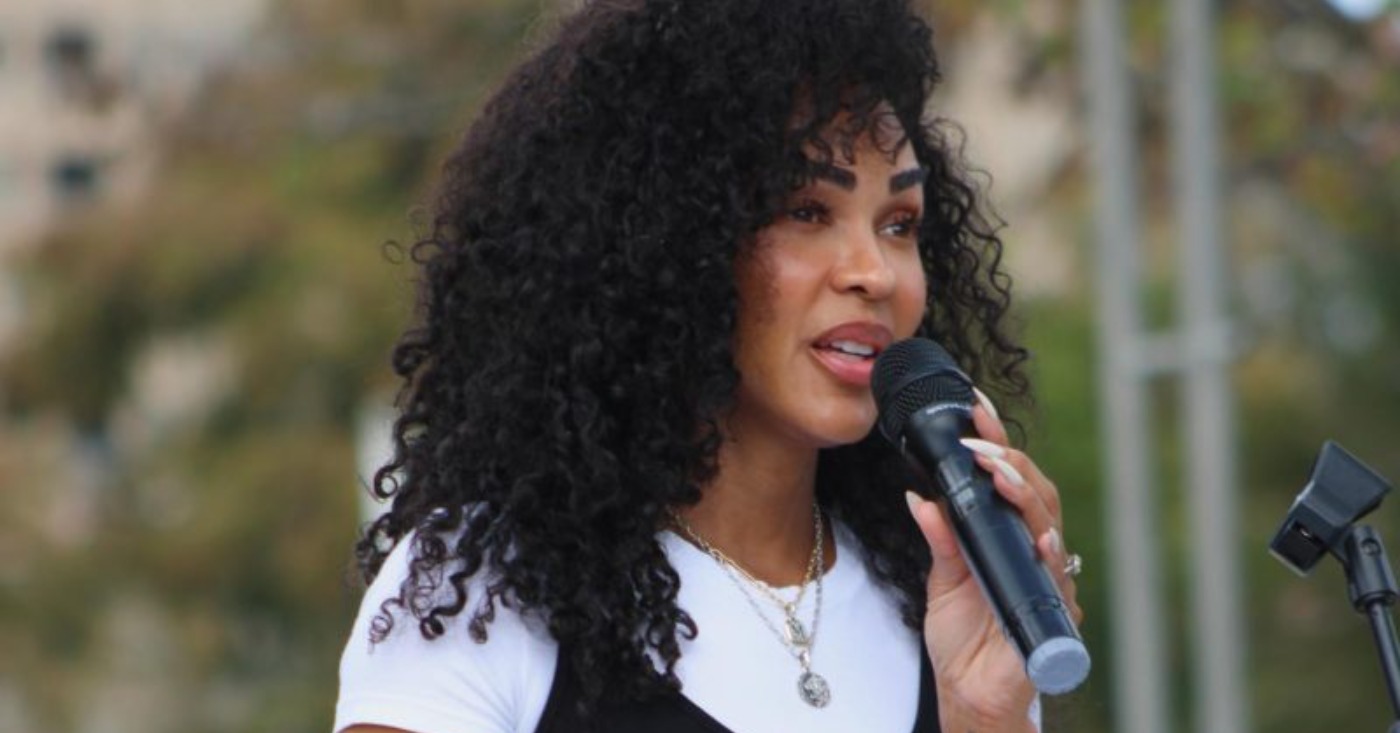
Gallery • 5 Photos Rhyanna Burks Actress and producer, Meagan Good, supporting Southern University students and the city of Baton Rouge at the Secondline to the Polls event hosted by Jaden York, Southern alum and student organizations at Southern University on Tuesday October 27.
Actress Meagan Good Majors came to support the event out of pure love and a pure heart for the youthful drive and determination shown by Southern University students.
The Second Line to the Polls shined harmony through freedom, painted a picture of power and showcased the elegance of the youthful heart. Southern University used culture to call and command. Our culture is our color, our footsteps in history and our freedom brought to life.
Our vote is our voice, our future, our story and our rights. Southern University lit fire of them both, strengthening our reality, our identity, our legacy and our history.
Go Vote, Jags!
Based on reporting by Southern University – SouthernDIGEST.
Black History
Pop-Up Shops: Vendor Costs Can Shape Profits Before Opening Day
CONTENTMANAGERIO — The US pop-up shop industry has become a significant economic force, with revenues exceeding $15.6 billion in 2024. For Black-owned businesses and entrepreneurs who may face challenges securing traditional financing, these temporary retail spaces offer a vital way to test products and build brand loyalty without the burden of a permanent lease.
Vendor expenses determine profits before pop-up shops even open. Your success or the lack thereof is influenced by booth fees, suppliers, and advertising. Pop-ups bring new products to your customers, but they can also leave you out of pocket.
According to IBISWorld, the US pop-up shop industry revenue exceeded $15.6 billion in 2024. Pop-ups offer Black-owned businesses an easy way to try out their products, connect with customers, and build loyalty without the need for a permanent location. This can be particularly helpful for entrepreneurs who struggle to secure the financing needed to start a business.
Before you pay for a booth, look at the costs and work out how much you need to sell to break even. A little planning can help you decide whether an event is worth the investment. Just keep in mind that large crowds don’t always mean big profits.
What Do Pop-up Shops Really Cost?
A pop-up business pays for more than a table and a tent, and booth fees alone vary widely. A June 2026 fayVen study on U.S. vendor opportunities found a middle booth fee of about $55 for listings with confirmed prices. However, costs differed considerably by location, with some high-end markets charging much more.
Ask event organizers for a complete breakdown of costs. Some additional expenses to keep in mind include:
- Electricity
- Insurance
- Permits
- Equipment rental
- Additional display space
Don’t forget about any deposits or application fees, which may be non-refundable. That can be a big deal if bad weather keeps shoppers away and you end up paying the full amount. Before committing, make sure you understand the refund and cancellation policies.
A lower fee can make a first event less risky, but the pop-up still needs to meet your needs. A higher fee may be justified if the event attracts shoppers likely to buy your products.
Get the details in writing. Ask the organizer to confirm the price and what the fee covers. Check local rules on permits and sales restrictions, since these can differ by area and product.
How Do You Work Out Your Break-Even Point?
Before you book a market, work out how much you need to sell to cover your costs. That way, you can judge whether the booth is worth the price.
Add every cost, then divide by the profit on each item. Here is an example.
A candle maker books a 10×10 booth for $375 and pays a $25 application fee. Display supplies cost $60, travel and parking cost $45, and packaging plus card fees cost $70. Total spending is $575.
Each candle sells for $30 and costs $12 to make, so profit is $18 per candle. Divide $575 by $18, and you get 32 candles. Every sale after the 32nd is profit.
Now ask a hard question: can you sell 32 candles in one day? Check your results from past events and ask organizers about attendance.
If the number looks out of reach, don’t force it. Pick a smaller area or bring products with higher margins so the math works in your favor.
Compare prices with similar products, but do not assume you must be the cheapest vendor. Customers also weigh up quality, usefulness, and the experience of buying directly from the maker.
Remember to account for payment processing fees and any commission the organizer takes from sales. If the event requires a minimum inventory, consider how much money will be tied up in products that might not sell.
For many small business owners, especially first-time entrants, the challenge is balancing ambition with reality.
How Do You Get Your Pop-up Booth Noticed?
A good location matters, but so does the audience. A busy market doesn’t guarantee sales if the crowd isn’t interested in your products. Research events before committing so you know the visitors match your business.
Visibility is the lifeline of a pop-up shop. Make your booth easy to read at a glance. Clear pricing, a tidy display, and convenient payment options can make shopping a breeze.
Confusion and long delays can turn customers away to a competitor.
Branded materials can help customers remember your name and product. For example, a vendor could sell custom tote bags or use them to package purchases.
Lighting, signage, and layout matter, too. An inviting booth will draw people in even if they weren’t planning to stop. Step back and look at your setup from across the room.
If people can’t tell what you’re selling, adjust until your products speak for themselves.
Don’t forget the human touch. A warm greeting, a short story about why you started your pop-up business, or a quick demo can turn casual interest into a sale.
Shoppers who choose local businesses often want connection. Give them that, and your booth will stand out.
Frequently Asked Questions
How Do You Find Pop-up Shop Opportunities Near You?
Start with local business associations, community development organizations, neighborhood social media groups, and event calendars. Find markets that suit your product and reach out to those market managers directly.
Before applying, check the event’s audience, vendor selection process, fees, and rules.
What Licenses Do Pop-up Shop Vendors Need?
Requirements usually depend on the:
- Location
- Business activity
- Items sold
A vendor may need a local business license, a temporary seller permit, or additional approval for some types of merchandise. Food vendors face separate health and safety requirements. Check with the city or county where the event takes place before accepting a booking.
What Are Some Good Pop-Up Shop Marketing Ideas?
Start promoting well before the event. Use a mix of social media, local business advertising partnerships, and in-person promotion. Post your booth number, email your list, and tag the organizer so they can share your brand.
Early visibility builds anticipation and gives customers a reason to look for you once the doors open. Small business marketing works best when it’s personal. A quick video showing your setup or a behind-the-scenes look at your products can generate interest.
These moments remind people they’re supporting a real person, not just a logo.
Pop-up Shops Demand Careful Math
Pop-up shops bring energy, community, and a chance to connect with customers who value small-business credibility. Yet profits don’t start at the cash register. They start with decisions you make weeks before the event, including understanding vendor costs.
Is a pop-up shop in your future? Head to our website to learn more about small businesses and why shopping local matters.
Content provided through ContentManagerIO.
Black History
IN MEMORIAM: Marcia Ann Gillespie, Editor of Essence and Ms. Magazines, Dies at 82
Marcia Ann Gillespie, the trailblazing journalist who served as the first editor-in-chief of Essence magazine, has died at age 82. After joining the publication at its inception in 1970, Gillespie spent a decade elevating the beauty and voices of Black women during a pivotal era of self-love and cultural revolution. She later broke barriers as the first Black woman to lead Ms. magazine, further solidifying her status as a titan of the publishing industry. Her expansive career also included authorship and teaching, leaving a profound impact on American media. Read more.
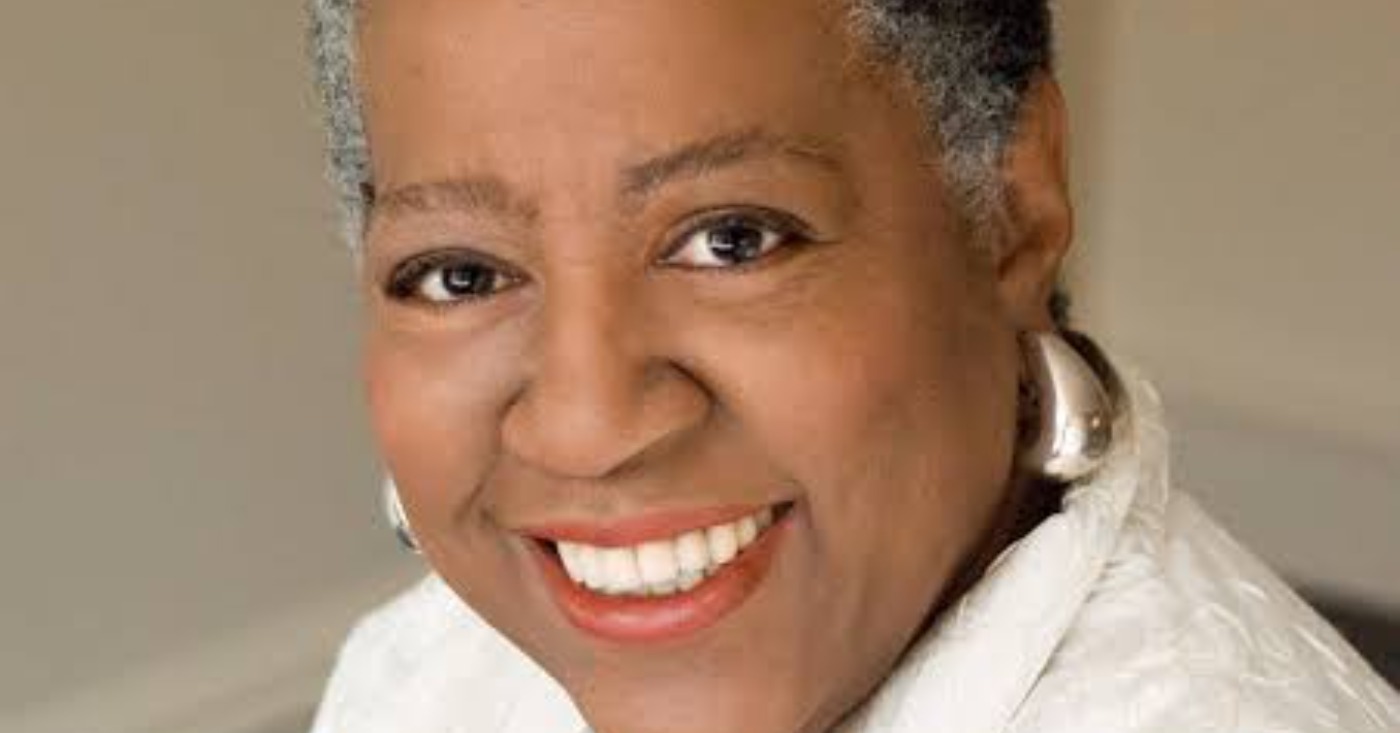
Marcia Anna Gillespie, the first editor in chief of Essence magazine, has died. She was 82.
Born in Rockville Centre, New York, in 1944. The daughter of a church sexton/small business owner and domestic worker/caterer, Gillespie parlayed her degree in American studies from Illinois’s Lake Forest College into a research job at Time-Life Books, Inc. in New York.
There she advocated for fairness and inclusion of Black life in its publications. When the owners of the standard bearer of Black life, Ebony magazine, ventured into creating a special publication for young, Black women, Gillespie was hired as managing editor in 1970, and became editor-in-chief a year later at the young age of 26.
At the time, the venture by the Johnson family – the owners of Ebony magazine and Jet – into creating a publication for young Black women met the growing revolution of self-love in the Black community.
In other words, the battle cry of the late 1960s, “Black is Beautiful,” had a place to be seen and not just heard.
Thousands of young women who had already abandoned straightening combs and European aesthetics learned more ways to wear their natural hair from Afros to cornrows. Young Black designers got a place in the spotlight not just in clothing but jewelry that expressed neo-African ideals. But one of the most important impacts was the magazine’s unapologetic elevation of the beauty of the dark-skinned Black female to the status she deserved.
Under Gillepie’s tenure, Essence championed storytelling that celebrated Black women’s identities, experiences, and contributions at a time when their voices were often overlooked in mainstream media,” Essence wrote in a statement posted to Instagram
For 10 years she steered the fledgling publication before joining Ms. Magazine as a contributor in 1980 later becoming the first Black woman to edit a mainstream American magazine when she took charge in 1992.
In 1998, she helped secure the publication’s future through a women-led ownership group. She stayed at Ms. In various capacities until 2001, during which time the magazine had the most diverse readership in its history.
She also mentored future Essence editor Susan L. Taylor and taught young journalists at SUNY Old Westbury.
Emmy-winning actor Sheryl Lee Ralph took to social media to honor Gillespie’s life.
“Rest in peace, dear Marcia Gillespie,” she wrote on Threads. “Your voice, your brilliance, and your commitment to lifting up Black women leaves a legacy that will continue to inspire me and so many others.”
A professor at SUNY Old Westbury and Bennett College, she also co-authored the authorized biography “Maya Angelou: A Glorious Celebration” in 2008.
According to Wikipedia, she also served on various boards as a director or advisor, including: “…the Arthur Ashe Institute of Urban Health, the Black & Jewish Women of New York, the Violence Policy Center in Washington, D.C., Aspen Institute, …and the Studio Museum of Harlem. Gillespie is a member of the National Council of Negro Women and the American Association of Magazine Editors.”
She was the recipient of several awards, including: the Lake Forest College Outstanding Alumni Award (1973), the New York Women in Communications Matrix Award (1978); a Lifetime Achievement Award from the New York Association of Black Journalists for print journalism (1982); a ‘Top Ten Outstanding Women in Magazine Publishing’ recognition by the March of Dimes.
In later years she was inducted into the American Society of Magazine Editors’ Hall of Fame (2002); the NAACP President’s Award (2006) and the Barbara Graves Legacy Award at the Black Enterprise Women of Power Summit in 2017.
The conclusion for her online obituary reads: “She leaves behind a legacy written not just in the pages she edited, but in every editor, journalist, and reader who found themselves — finally — in the stories she chose to tell.”
Online sources for this report include “The History Makers,” The Washington Informer, Wikipedia, Essence magazine, Ms. Magazine and her obituary.
Black History
U.S. Rep. John Garamendi Honors local ‘Women of the Year’ at Annual Awards Ceremony
Congressman John Garamendi recently honored 52 remarkable women during his 13th annual Women of the Year ceremony in Benicia. The event recognized leaders from California’s 8th District for their significant contributions to public service, education, business, and community life. The honorees, including 16 women from West Contra Costa County, were officially commemorated in the Congressional Record for their dedication to the region. The diverse group includes veterans, educators, and community advocates who have shaped the local landscape through decades of service. Read more about these influential leaders.
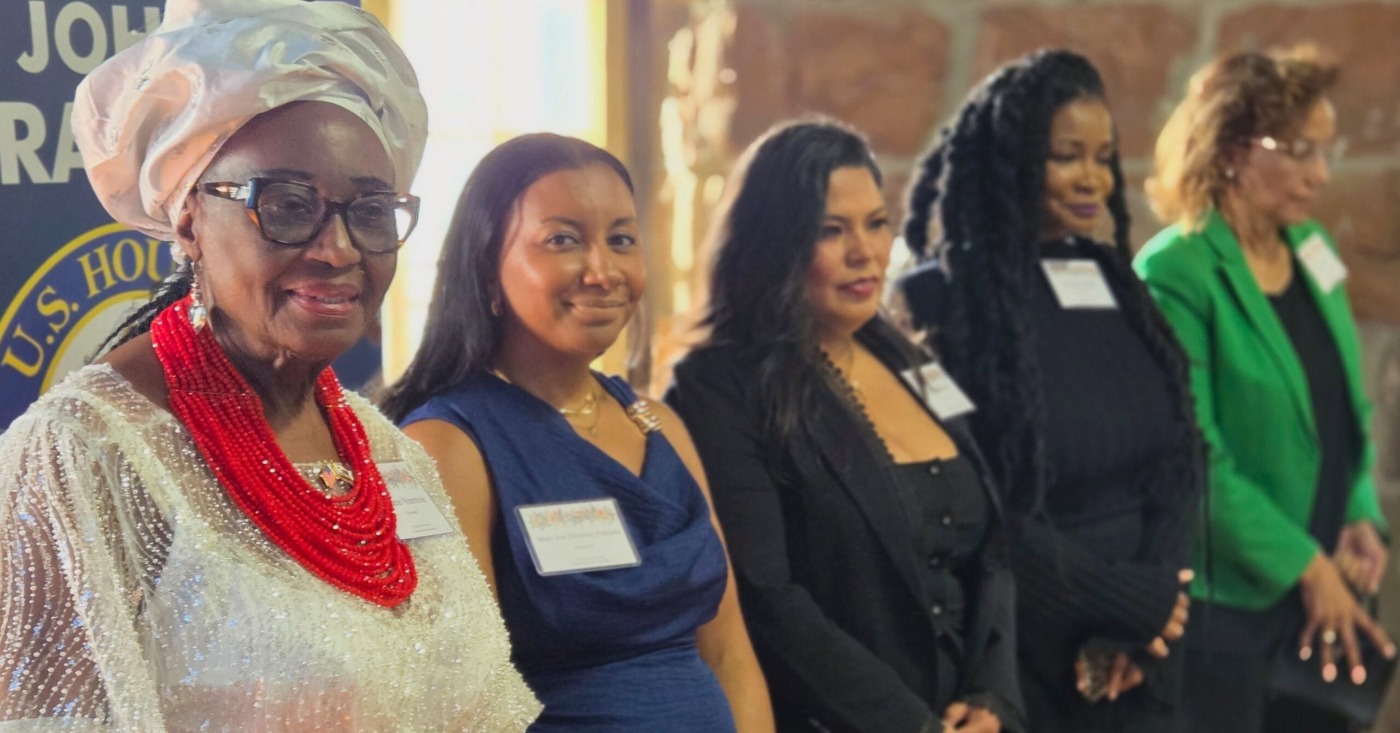
Sixteen women from West Contra Costa County were among 52 honorees recognized by Congressman John Garamendi (D-CA-08) at his 13th annual Women of the Year ceremony in Benicia on Oct. 23.
The 2026 honorees from Solano and Contra Costa counties were recognized for contributions to public service, education, business and community life.
“Every year, I’m honored to recognize the remarkable women of California’s Eighth District who serve as the backbone of our community,” Garamendi said.
Their contributions were also recognized in the Congressional Record. The following profiles summarize the ceremony remarks and supporting biographies.
Richmond
King-Meredith was honored for six decades of community service. An engineer and project manager whose professional career included defense-industry work, she has served organizations including the North Richmond Municipal Advisory Council and Shields-Reid Neighborhood Council. Her contributions also include environmental justice advocacy and artwork addressing social injustice.
Bolds was recognized for supporting Richmond youth and families and organizing community events. She established the annual “Put the Guns Down” event about 20 years ago in response to neighborhood violence. Through her organization, Visions of Hope, she brings together families, service providers, community leaders and public safety partners to address bullying and violence prevention.
Martinez Luna was honored for her work supporting businesses and families along Richmond’s 23rd Street corridor. Born in Guadalajara, Mexico, she became the first person in her family to graduate from high school. A longtime Rigo’s Auto Sales employee and secretary of the 23rd Street Merchants Association, she helps organize community events, supports immigration information forums and works with local partners on neighborhood concerns.
Dawkins-Padigela was recognized for her professional and community leadership. A U.S. Air Force veteran who served seven years as an aircraft mechanic, she later pursued graduate studies in marriage and family therapy and professional clinical counseling. As president of East Bay CAMFT, she supports professional education, networking and collaboration among mental health practitioners.
Padilla, a dean at Contra Costa College, was honored for advancing educational equity and student success. A Richmond High School graduate, she began her higher education at Contra Costa College before earning a bachelor’s degree in applied physics from UC Davis and a doctorate in neuroscience from UC Berkeley. She later returned to CCC to lead initiatives expanding opportunities for students pursuing STEM careers.
Milam was recognized for a public service career that began as a teenager with the East Bay Public Safety Corridor Partnership. As crime prevention manager for the Richmond Police Department, she has worked with government and community partners on violence prevention and homelessness response. Her congressional tribute credits her with helping secure nearly $30 million for outreach, shelter, treatment, encampment resolution and pathways to housing.
Nmereole was honored for supporting immigrant communities, young people and elderly residents throughout Contra Costa County and the greater Bay Area. Her volunteer work includes GED tutoring, vocational nursing exam preparation, computer instruction and youth mentorship. She also helps immigrants navigate services and assists elderly residents with transportation, prescriptions and groceries.
Curl was recognized for more than two decades of service to Richmond, beginning with the city’s redevelopment agency. She became interim city manager in November 2021 and permanent city manager in April 2022 before retiring in 2026. Garamendi credited her with helping secure more than $300 million in grants for infrastructure, housing and education, strengthening city finances and helping Richmond exit the state auditor’s high-risk designation.
Black History
HISTORY MADE: Keisha Lance Bottoms Becomes First Black Woman Elected Governor in American History
ATLANTA DAILY WORLD — History has been made in Georgia. Keisha Lance Bottoms, the former mayor of Atlanta, has been elected governor of Georgia, becoming the first Black woman in American history to win the highest executive office in any state.
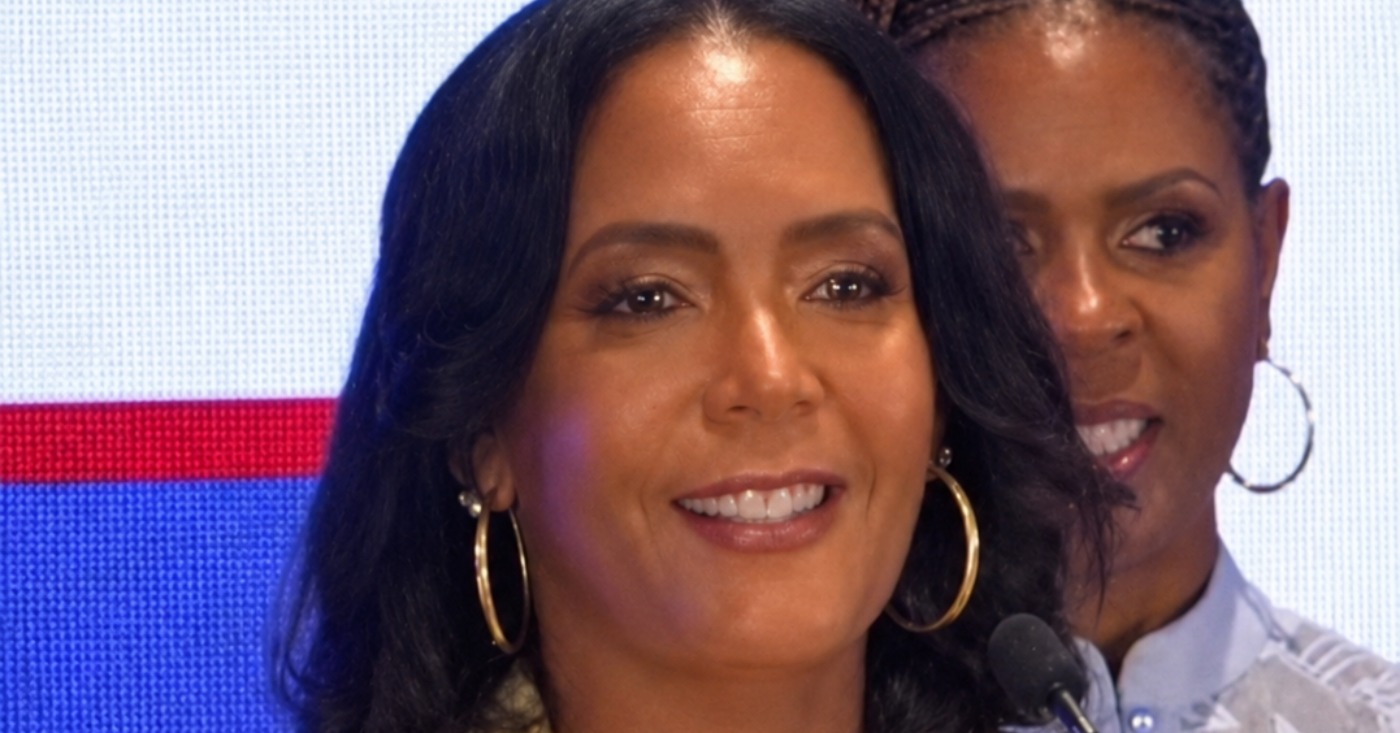
History has been made in Georgia. Keisha Lance Bottoms, the former mayor of Atlanta, has been elected governor of Georgia, becoming the first Black woman in American history to win the highest executive office in any state.
Bottoms’ victory over Republican businessman Rick Jackson represents a defining moment in American politics, breaking a barrier that has stood since the nation’s founding and placing Georgia at the center of a historic political transformation.
For generations, Black women have played a critical role in American democracy, organizing communities, leading movements, mobilizing voters and shaping public policy. Yet despite their contributions, no Black woman had ever been elected governor of a U.S. state.
Until now.
Bottoms’ election also makes her the first woman and first Black person elected governor of Georgia, a state whose political history has been deeply shaped by slavery, segregation, the civil rights movement and the long struggle for equal representation.
Her victory carries particular significance in a state where Black women have been among the most influential forces in voter registration, political organizing and Democratic electoral success.
A fifth-generation Georgian, Bottoms previously served as Atlanta’s 60th mayor from 2018 to 2022. During her administration, she led the city through the COVID-19 pandemic, nationwide protests over racial injustice and a period of significant economic and population growth.
Following her time as mayor, Bottoms served as a senior adviser in President Joe Biden’s administration before returning to Georgia politics to pursue the governorship.
Her campaign focused on expanding access to health care, strengthening public education, increasing wages and addressing the rising cost of living. She also advocated for expanding Medicaid, raising Georgia’s minimum wage to $15 an hour and increasing compensation for teachers and other public employees.
Bottoms faced Jackson, a wealthy health care executive who invested heavily in his campaign and positioned himself as a political outsider. The contest drew national attention as Democrats sought to reclaim the Georgia governor’s office after more than two decades of Republican control.
The historic nature of Bottoms’ victory extends well beyond party politics.
Georgia, once at the center of some of America’s most consequential civil rights battles, has now elected a Black woman to lead its state government. It is a milestone that reflects generations of political participation, organizing and leadership by Black Georgians.
For Atlanta, the moment is especially significant. A former mayor of the city that helped shape the modern civil rights movement will now lead the entire state.
Bottoms’ election opens a new chapter in Georgia’s political history and establishes a milestone that will be remembered far beyond the 2026 election.
For continuing election coverage and results, visit AtlantaDailyWorld.com/election26.


New Computer Lab Adds to MLK Catholic Student Center’s Sense of Home

Keisha Lance Bottoms to Govern State Where Her Great-Great-Grandfather Was Enslaved

A Command Through the Culture
Do You Struggle with Cloudy Tub Water After Frequent Weekend Entertaining?
Pop-Up Shops: Vendor Costs Can Shape Profits Before Opening Day

Check out These Smart Ways Tech Companies Can Speed up Project Timelines Today
What It Actually Takes to Convert Potential Customers Quickly and Consistently

Check out These Smart Ways Tech Companies Can Speed up Project Timelines Today

Check out These Proven Ways to Protect Your Income Following a Serious Job Accident
HE SAID, HE SAID, HE SAID LIVE! — THE LEGACY OF E. LYNN HARRIS LIVES ON FRI 11.13.26 7PM EST

All Skinfolk Ain’t Kinfolk

Practitioners of African Traditional Spirituality Offer Ancestral Reverence Ritual Oct. 31

Tamiko Armstead | 2026 Lifetime Achiever in Education

Oakland Awarded More than $14 Million in State Funding

OP-ED: The Black Church Writes AI’s Next Chapter

Inside 820 S. Michigan: New Book Captures the Lost World of Ebony and Jet

Jendayi Arrest Raises Community Concerns Regarding Sheriff’s Chain of Command

HISTORY MADE: Keisha Lance Bottoms Becomes First Black Woman Elected Governor in American History

Kickstarter CEO Everette Taylor Shares Tips on Creating and Growing a Business

OP-ED: If the ‘Cornell 7’ Were Black Men at an HBCU — America Wouldn’t Be This Sympathetic

Why I Created a Black-Centered Community Coffee Shop #shorts

How EVs Create Opportunity for Black Communities #shorts

Don’t Accept Your Auto Insurance Renewal Before Comparing Quotes #shorts

Pete Pioneered Cable Radio—The Story Behind His Breakthrough #shorts

How a Social Enterprise Café Invests in Young People #shorts

California Redistricting: Prop 50 & San Diego Seat Shakeup

Entrepreneurship Can Feel Lonely—Here’s How to Find Support #shorts

Why the Sports Community Deserves Respect and Support #shorts

Tired Business Owner? How the Gym Helps Me Recharge #shorts

Federal EV Tax Credits Are Gone—But Buyers Can Still Save #shorts
-
 Black History3 days ago
HISTORY MADE: Keisha Lance Bottoms Becomes First Black Woman Elected Governor in American History
-
 Featured6 days ago
Multi-Faith Leaders Representing 10 Million People Launch National Anti-Authoritarian Initiative
-

 Black History5 days ago
Five Hospitals Said No! Who Will Help Annette Henry Recover?
-
 Black History5 days ago
Michael Shiner: The Enslaved Man Who Wrote His Way into American History
-
 Black History5 days ago
Christianity’s Racial History
-
 Featured1 week ago
Young Black voters in Houston defy labels
