
National
The Generational Divide: Millennial Rift Exposed at TSU Sandra Bland Community Forum


By Jerry Ford II
Special to the NNPA from the Houston Forward Times
On the day the family of Sandra Bland filed a lawsuit against the Waller County Police department, many community leaders assembled at the Barbara Jordan–Mickey Leland School of Public Affairs at Texas Southern University, as a community forum called “WHATHAPPENEDTOSANDRABLAND” was held.
The reason for the town hall style meeting was to devise different strategies for proactive measures that would ensure that in the future such incidents are less common. The forum had the goal of fostering collaborations to formulate specific policy recommendations with definite time frames for achieving objectives. Then they wanted to devise mechanisms with the ability to highlight incidents everywhere to bring a voice to each person injured–no matter whom or where.
Speakers included Marlon Smith, Black Greeks Speak; Tarsha Jackson, Texas Organizing Project; Professor Howard Henderson, TSU School of Public Affairs; Sarah Guidry, Earl Carl Institute executive director; and DeWayne Charleston, former Waller County Justice of the Peace.
Charleston was the first African American elected in Waller County and served two terms as Justice of the Peace. Charleston was involved in the federal lawsuit that resulted in Prairie View A&M University students finally being allowed to vote, based on the U.S. Supreme Court ruling in 1979 in The United States v. Waller County.
The honorable Congressman Al Green made an appearance and received the loudest reception as his roaring speech brought community members to their feet. Other notables in attendance included former TSU president and current Houston NAACP chapter president Dr. James Douglas, who pleaded for the decriminalization of noncriminal drug offenses.
The event was well organized and the aforementioned esteemed panel began a discussion full of substance, but didn’t seem to hit a positive cord with millennials. This event started to expose an ever growing frustration of young people who feel as if their voices are being muted.
To many millennials, the panel came across as just a lot of people in power talking to each other about the same old playbook.
The organizers did an excellent job attempting to engage the millennial generation by welcoming a live Twitter discussion via the hash tag #WhatHappenedtoSandraBlandTSU.
Now this is where things got interesting as the community discussion on Twitter had a completely different tone than the forum taking place inside the Barbara Jordan-Mickey Leland auditorium.
As the speakers started singing the same ole tunes sang during the old marching days “We Shall Overcome’’ and pleading with everyone to remain peaceful, frustration started to boil over.
One Twitter user stated “#WhatHappenedToSandraBlandtsu why are we always told to be peaceful? Clearly we are here because there’s an epidemic of POLICE violence,” said @kalebjtaylor.
“I don’t want to talk about more talking. We are done talking #WhatHappenedtoSandraBlandTSU,” said @DivineLadiL.
The frustration on Twitter began to spill over into the auditorium, when a question asked on Twitter was asked at the forum and answered out loud.
“How can student activists and millennials best effect change in our community? #WhatHappenedToSandraBlandtsu,” was the question that was posed and the panel seemed struck by the question, as no one jumped to immediately answer it.
A panel member then responded by telling young people to get on Facebook. The moderator then quickly moved on to the next question, which then set off a negative chain of events in the crowd.
A few students got up and walked out in disgust as a few community members started screaming and interrupting the panelists, pleading to the group to address the younger generation’s questions. A war of words began between upset community members who were displeased with the dismissal of a millennial generation who have been at the forefront of the movement, marching, and organizing in the streets.
“Telling millennials to go on Facebook shows how the older generation is disconnected from the younger generation because we don’t use Facebook that often anymore,’’ said Kaleb Taylor, junior at Texas Southern University.
Beloved congressman Al Green decided to get back up to calm the frustrated group down.
Twitter responded with “These panelists are way out of touch. We need to hear from the young people who are actually doing the work. #WhatHappenedToSandraBlandtsu,” said @glenaustintx.
“#WhatHappenedtoSandraBlandTSU We have a right to speak and be heard.” said @Th3RealMrBrown.
”Apparently millennials don’t know who our elected officials are or how to get involved. Oh. #WhatHappenedtoSandraBlandTSU,” said @glenaustintx.
“#WhatHappenedtoSandraBlandTSU young ppl can’t be involved when the panels are filled w/ an older generation. There needs to be a balance,” said @hi_7hills.
Afterwards, many millennials echoed the notion that the forum confirmed that the people with power do not have a real strategy for change.
The sentiments from most younger attendees at the forum and on Twitter was that all they heard was the same old tunes and that millennials are always sent to the” kiddie” table on social media to discuss important issues.
“This conversation and this panel just showed us that we need more unity in the Black community, and that we have to take an aggressive and proactive stance to make sure these things don’t continue to happen,” said Taylor.
The Houston Justice Coalition was a major force this year in pushing legislation to ensure police officers in Houston began wearing body cameras, and has become one of the most influential grassroots organizations in our community – an organization which happens to be run by millennials.
“I think it’s a challenge for millennials to participate in this process given some of the barriers put in front of us,” said Shekira Dennis, Houston Justice Coalition co-founder. “We are very conscious thinkers and extremely proactive but it becomes difficult when people just limit us to social media.”
“Social media is a powerful tool because it has moved mountains and movements across this country but for someone to make it seem like that’s the only form of activism that we have is a very limited perspective and I believe is unfortunate,” said Dennis.
The reoccurrence of dramatic events can bring a tremendous amount of stress, frustration and trauma on this younger generation, which then results in an opportunity to mobilize masses of community members to make sure events such as those doesn’t happen again.
The 1960s was such a transformational time period because of the plethora of transformative events that shaped a generation of African Americans, ultimately resulting in galvanizing people and moving American society in a new direction.
The new trend today has been to compare modern day activities to the decade of the 1960s, with people using the dramatic moments of that time period to downplay our current reality. This decade has the potential to be just as transformative as the decades of the Civil Rights movement.
This generation – the millennial generation – has had more than its fair share of trauma and dramatic moments. These moments have started to pile on top of one another, and have resulted in an ever-increasing frustration amongst the millennials. As we begin to see the horrible things we read about in our history books come back to life, with stories similar to Emmett Till being played out before us in, there is reason for concern.
We have seen Trayvon Martin, Michael Brown, Tamir Rice, and Eric Gardner treated in the most inhumane ways. We have watched the shooting massacre of a historically Black church during bible study, teenage Black girls being treated like animals at a pool party, and an officer threatening to “light up” a young, Black female for failing to signal and for failing to put out a cigarette.
The initial reactions of most Black people have usually been confusion and shock, because most Black people have bought into this notion of a post-racial society.
Black Americans were taught this false notion in our childhood, that racial discussions are to be avoided and that all our problems would just go away if we just decided not to talk about it.
This has created an illusion to millennials that they are somehow the lucky generation and that they were the generation who would never have to fight anymore, because the fight was over – especially after the election of President Obama provided confirmation of this.
So imagine the shock as Black millenials have watched the total disrespect of President Obama and the “not guilty” verdict of George Zimmerman have exposed the realities of what it means to be Black in America.
A sense of betrayal has seemingly poured over on this generation of millenials. A generation, who has felt lied to in a way, and who don’t know how to react to something they had been told they had actually overcome – after celebrating and claiming to be the lucky post racial generation.
The thing about this new generation is that they refuse to go down this same road, playing the same tune, singing “We Shall Overcome”, and just hoping things will change.
This generation is more educated and connected than the generation during the Jim Crow era. This generation is technologically savvier, entrenched in a social media society that has the power to begin a worldwide revolution with just a simple tweet.
Millennials shouldn’t be fighting for a seat at the table but should have a say in who sits and who shouldn’t have a seat at the table. Before Black Americans move forward in this fight for justice, everyone should come together and combine the ideas of those who represent Baby Boomers, Generation X, Generation Y and millennials.
Unless this is done, Black America can’t move forward. The voices of the younger generation can’t be muted and the fact is millenials are ready to lead, so it is time to let them because the things that are being done now have clearly not been working.





Black Press
Alameda County Supervisor Miley to Propose Illegal Dumping Ordinance
POST NEWS GROUP — The proposed ordinance would add Chapter 6.121 to the County’s General Ordinance Code, establishing an administrative enforcement process that would allow the County to hold more parties accountable without relying solely on criminal prosecution.

Proposal expands accountability, establishes administrative penalties, and ties fines to cleanup costs
On Tuesday, Nov. 17, the Alameda County Board of Supervisors is scheduled to consider the first reading of an ordinance proposed by Supervisor Nate Miley to strengthen enforcement against illegal dumping in unincorporated Alameda County, including Ashland, Cherryland, Castro Valley, San Lorenzo and Fairview.
Illegal dumping places a significant financial burden on residents and taxpayers. In 2024, Alameda County spent $3.8 million addressing 1,483 illegal dumping incidents, an average of approximately $2,562 per incident. Yet no illegal dumping cases from the unincorporated county were charged that year.
The proposed ordinance would add Chapter 6.121 to the County’s General Ordinance Code, establishing an administrative enforcement process that would allow the County to hold more parties accountable without relying solely on criminal prosecution.
Key provisions include:
- Expanded accountability: Penalties could apply to individuals who dump waste, those who provide waste to unlicensed haulers who illegally dispose of it, and vehicle owners who knowingly consent to their vehicles being used for illegal dumping.
- Administrative enforcement: Authorized County personnel could issue penalties and abatement orders, with opportunities for administrative hearings and judicial review.
- Penalties tied to cleanup costs: Fines would start at $2,500 for a first violation, increase to $5,000 for a second and $10,000 for a third. Enhanced penalties of up to $10,000 per violation could apply to large-scale dumping, hazardous waste, or dumping near sensitive locations such as creeks, schools and storm drains.
The ordinance includes safeguards for people acting in good faith. Residents and businesses using licensed haulers would be exempt from waste-generator liability, while vehicle owners whose vehicles were used without their consent and property owners unaware of dumping on their land would also be protected.
Cited individuals could request community service in lieu of penalties, with ability to pay among the factors considered. The proposal would also allow property owners, business improvement districts and community groups to pursue recovery of cleanup costs and authorize the Board to establish a reward fund for tips identifying illegal dumpers.
“Every mattress and every truckload of construction debris dumped in Ashland, Cherryland and Castro Valley gets paid for by the people who live there, and right now the people responsible almost never face a consequence,” Miley said. “This ordinance closes the loopholes that let people hand off their waste and walk away. It gives the County a fair and swift way to hold dumpers accountable, protects people who do the right thing, and makes the penalty match what it costs us to clean up after them.”
Modeled on Santa Cruz County’s illegal dumping ordinance, which took effect in July 2025, the proposal was recommended for approval by the Board’s Unincorporated Services Committee.
Miley is also urging cities and counties throughout the region to adopt similar standards. His office has released a Model Illegal Dumping Enforcement Ordinance developed through the Alameda County Illegal Dumping (ACID) Task Force to support coordinated regional enforcement.
If the Board conducts the first reading on Nov. 17, the ordinance will return for adoption at a subsequent meeting and take effect 30 days after adoption.
Paul Sanftner is the director of communications and special projects for the office of Alameda County Supervisor Nate Miley.
Black Press
Oakland City Council Extends AI Data Center Moratorium for 10 Months.
POST NEWS GROUP — The city must ensure that it has adequate guardrails and that the community is actively involved in decision-making, she said. “It’s important that our staff have the ability to do the appropriate study, and … to do the appropriate outreach to the community, so the community has a voice in anything that we do that will impact their lives.”
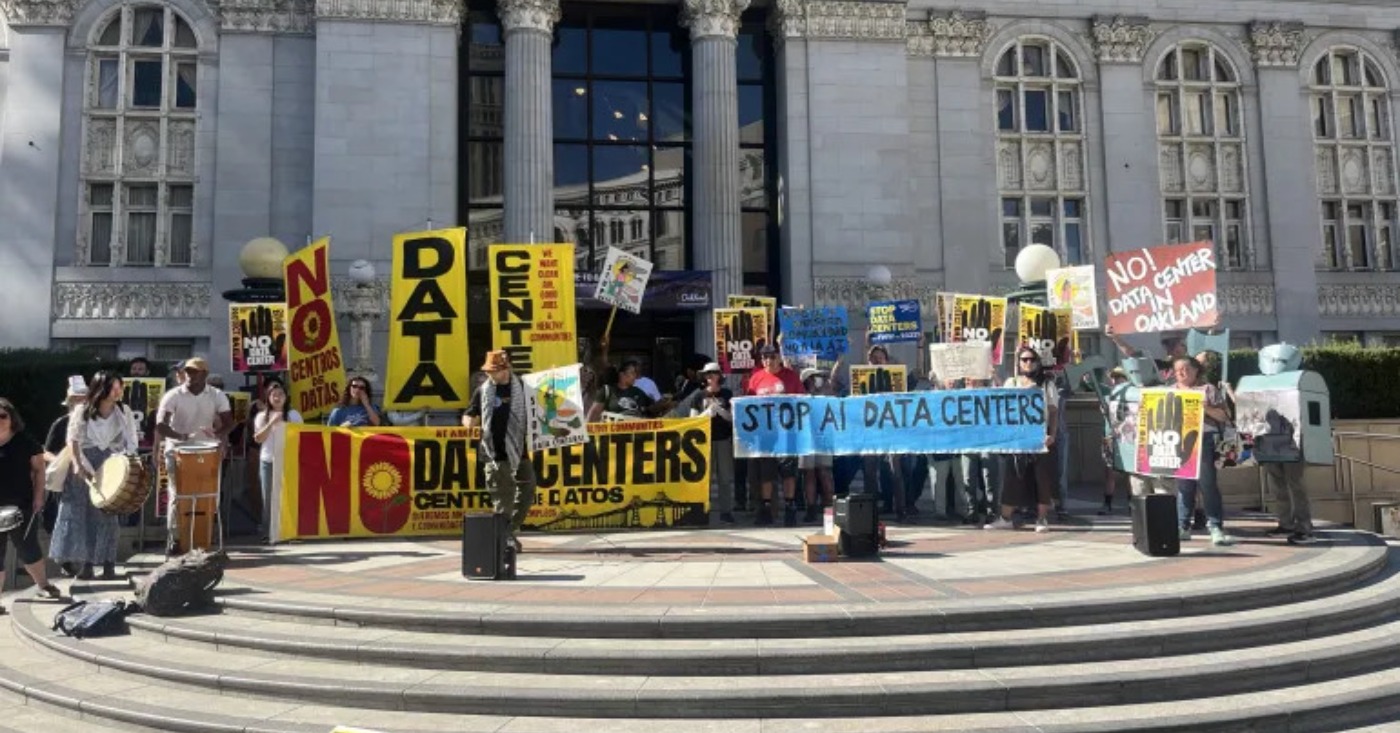
The Oakland City Council voted unanimously this week to extend the city’s moratorium on AI data centers for 10 months – giving the city time to produce a policy that protects residents from the public health and safety dangers that are posed by the proliferation of data centers.
The moratorium extension, which passed at Tuesday’s council meeting, will keep the existing 45-day moratorium in place until Oct. 5, 2027.
“We’re seeing basically an uprising across the country when it comes to how data centers are operating in regard to land use, impacts to the environment, excessive water use and pollution, air pollution, noise pollution, a host of things that are really negatively impacting communities,” said Councilmember Carroll Fife, who is leading the City Council’s efforts to pass the moratorium.
“I represent a district that many of these potential entities are interested in, and two of the giants in the tech industry have leased space in West Oakland, and there’s been another showing interest in a downtown location,” she said.
“I felt it was imperative that I take immediate action to protect Oakland residents from what we’ve seen happen in other parts of the country,” Fife continued. “This is not a rejection of technology. This is not a rejection of economic growth. It’s guardrails against an industry that we’ve seen steamroll individuals throughout the entire globe.”
The city must ensure that it has adequate guardrails and that the community is actively involved in decision-making, she said. “It’s important that our staff have the ability to do the appropriate study, and … to do the appropriate outreach to the community, so the community has a voice in anything that we do that will impact their lives.”
In her recent State of the City address, Mayor Barbara Lee backed the original 45-day moratorium, which passed on Oct. 6 and is set to expire on Nov. 20.
Lee supported the moratorium to give residents more time to consider before any projects move forward, saying, “Residents need to weigh in on any industry that’s trying to come to Oakland.”
Other California cities that already have passed data center moratoriums include San Francisco, Hayward, Oakley, Richmond, Monterey Park, Gilroy, South El Monte, Montebello, and Calexico.
Speaking at the meeting, Bill Gilchrist director of the city’s Planning and Building Department, said that during the moratorium, the city is committed to “looking at areas that might be most severely impacted by land use and residential proximity, and making sure we engage members of the community who may historically have not been able to participate or be invited to participated (in this kind of discussion).”
“The idea for us is to ‘do no harm,’” he said.
Thirty-five public speakers signed up to talk about on the moratorium extension. Almost of them supported the extension, some praising Fife for her leadership on the issue.
Some of the speakers urged the council to consider a permanent ban on data center development in the city.
Supporting the moratorium extension, Laney College professor Peter Brown said, “Don’t cast your vote today based on the illusion we’re operating in the old economy, where corporate investment in Oakland meant thousands of lasting, good-paying jobs, as well as property, business, and income taxes flowing into city coffers,” he said.
“Those days are long gone in this new economy, where every investment is just another asset to be exploited and used as collateral for more investment,” Brown continued. “Every corporate move is to extract from our communities.”
Nyah Tisdell, an East Oakland community organizer with Communities for a Better Environment (CBE), said, “We have community meeting every month…Community members say no (to data centers),” that will go straight to East Oakland, which already has so much industry, so much pollution, and we are trying to better our communities.”
A speaker for Care for Community Action (C4C) said her organization has surveyed more than 400 residents and found that 73% favor a permanent ban on all data centers being built in Oakland.
According to Rev. Leslie Bowling-Dyer, “Data centers are a part of the necessary infrastructure for the rise of an economically and politically untouchable class, and people are not just being lunatics displaying an irrational fear of technology. Technological innovation is not equivalent to social progress. Technological advance is not the problem in itself, but it’s the people who control it.”
Black Press
On Veterans Day, U.S. Rep. Simon Demands Answers on Status of Veterans Affairs Clinic, Columbarium Project
POST NEWS GROUP — “Our veterans have served our nation with dignity and sacrificed so much for our nation – they deserve the best care and benefits possible, close to home. That’s why it is abhorrent that the Trump Administration has canceled the planned construction of a new clinic and columbarium at Alameda Point, despite years of planning and more than $395 million in federal funding already invested in the project.
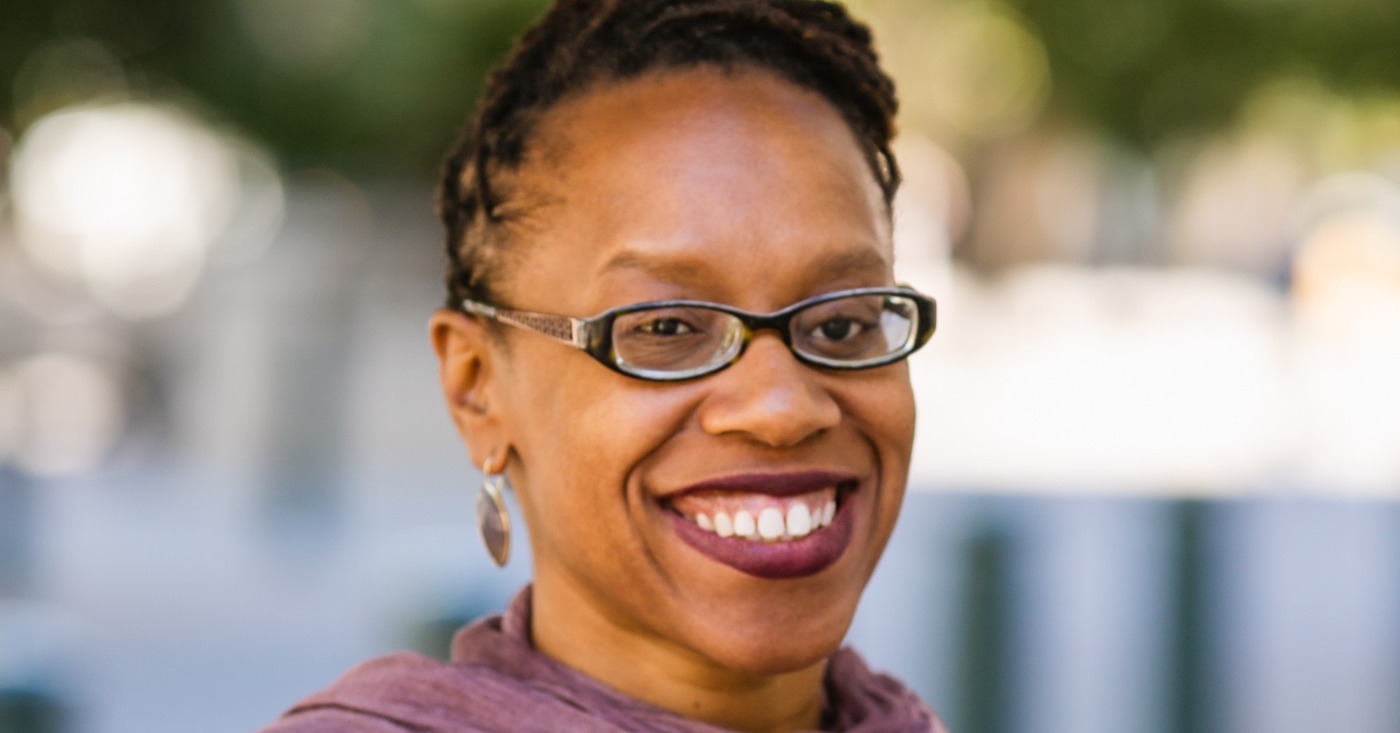
On Veterans Day, Congresswoman Lateefah Simon (D-CA-12) once again called on the Trump administration to provide answers on the status of the Alameda Point Veterans Affairs Clinic and Columbarium Project. Her statement is provided below.
“Our veterans have served our nation with dignity and sacrificed so much for our nation – they deserve the best care and benefits possible, close to home. That’s why it is abhorrent that the Trump Administration has canceled the planned construction of a new clinic and columbarium at Alameda Point, despite years of planning and more than $395 million in federal funding already invested in the project.
“Last year, I demanded answers from the Secretary of Veterans Affairs, Douglas Collins, about the decision and received no response.
That’s why, earlier this year, I worked with my colleagues Speaker Emerita Nancy Pelosi and Rep. Kevin Mullin to successfully fight for and secure report language in the Fiscal Year 2027 Military Construction, Veterans Affairs, and Related Agencies Appropriations bill that would require the Trump administration to provide answers on the status of the project.
“As the Senate considers the Fiscal Year 2027 Military Construction, Veterans Affairs (MilCon-VA), and Related Agencies Appropriations bill, the report language we secured in the House must be included in any final MilCon-VA appropriations bill, so that the 27,000 veterans in my district get the answers they deserve.
“I will not stand idly by as this administration unfairly reels back healthcare services and access for our veterans, and I will continue to hold this administration’s feet to the fire and fight for our district’s previously allocated resources.”
U.S. Rep. Lateefah Simon’s media relations office is the source of this report.
Black Press
OPINION: Mario Juarez’s Courtroom Admissions Raise Questions About Allegations That Fueled Recall of Pamela Price
POST NEWS GROUP — Juarez’ claims became a significant part of the political narrative surrounding the recall campaign that removed me from office. Even though I denied the allegations, for two years, Juarez’s allegation was repeated across news outlets and used as political ammunition against me. His former local criminal defense attorney Ernest Castillo proclaimed Juarez’ innocence and claimed that the charges were politically motivated. Castillo is now a judge in the Alameda County Superior Co
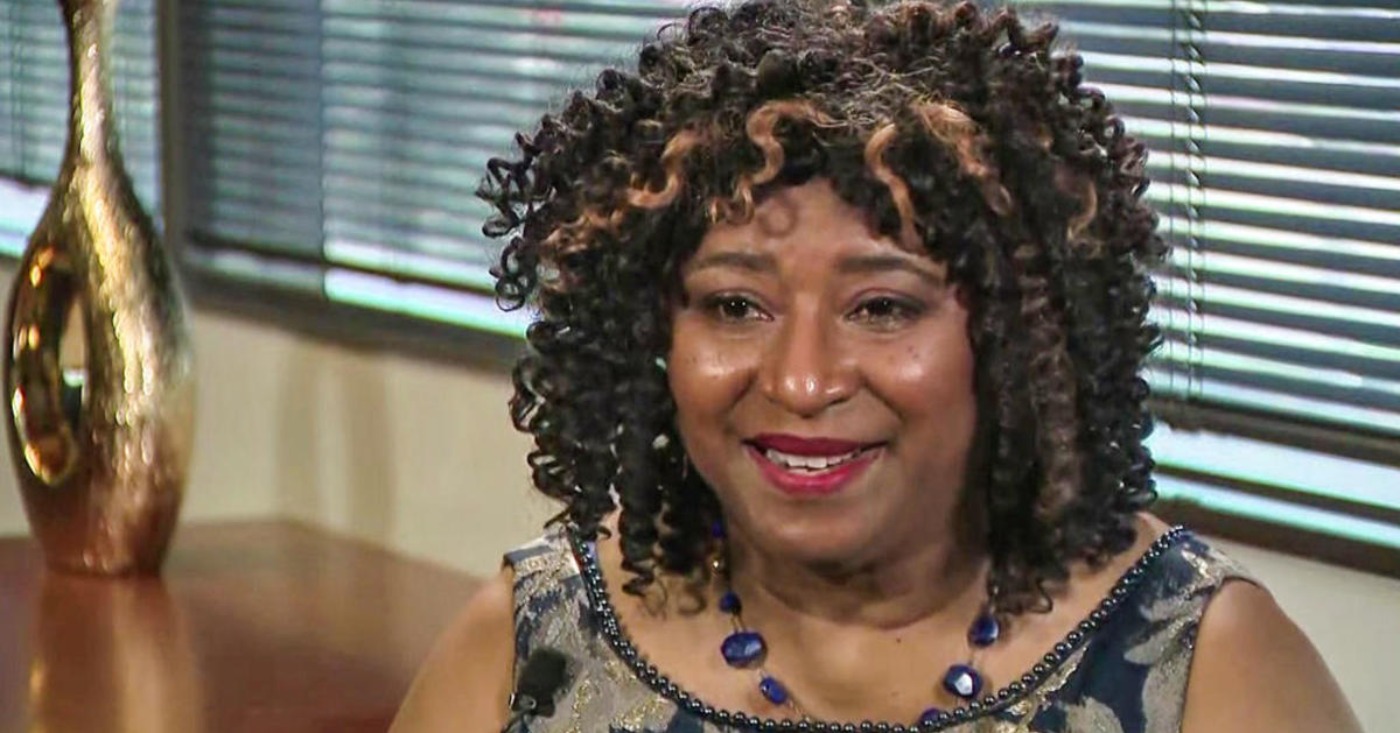
Former Alameda County District Attorney says it may take time, but ‘the truth will always catch up to the lie.’
In 2024, Mario Juarez, the U.S. government’s star witness in former Oakland Mayor Sheng Thao’s bribery case, steadfastly proclaimed his innocence of charges filed by the Alameda County District Attorney’s office under my leadership for allegedly passing tens of thousands of dollars in bad checks.
After he was charged in January 2024, Juarez fabricated a story claiming that I tried to extort $25,000 in cash from him for the anti-recall campaign.
In his recent courtroom testimony at Sheng’s trial, Juarez admitted that he knew the checks he wrote to print brokers Butterfly Direct Marketing were bad and would bounce. He also testified that he took money intended to pay the printer for himself. Juarez has a long, documented history of making false accusations and scamming business partners and acquaintances.
I denied Juarez’s allegation from the beginning. I never solicited a $25,000 payment from Juarez in exchange for dismissing criminal charges. It did not happen.
Now, in open court, the public is hearing Juarez admit that he knew the checks he wrote would bounce and that he took money intended to pay Butterfly for himself.
Juarez’ claims became a significant part of the political narrative surrounding the recall campaign that removed me from office. Even though I denied the allegations, for two years, Juarez’s allegations were repeated across news outlets and used as political ammunition against me. His former local criminal defense attorney, Ernest Castillo, proclaimed Juarez’ innocence and claimed that the charges were politically motivated. Castillo is now a judge in the Alameda County Superior Court.
Juarez’ false allegations against me had political consequences. The media and local bloggers were quick to amplify his allegations. Now they each have an obligation to give the public the same level of attention to the facts that have emerged in court. Anyone who repeated those allegations has a responsibility to revisit them now that Juarez admits he was guilty of the charges.
Juarez’s admissions also raise serious questions about why current District Attorney Ursula Jones Dickson chose to dismiss the charges against him rather than pursue accountability for the criminal conduct he has now admitted under oath. One of Jones Dickson’s first acts in February 2025 was to dismiss the charges against Juarez, despite the victim’s objections.
Political opponents should not be able to turn an unverified accusation into a public verdict. My reputation, my career, and the confidence of voters were all affected by an accusation that was never established as true.
The press should never confuse an allegation with proof and mislead the public about the veracity of a claim. And the current district attorney should not make prosecution decisions based on politics.
About Hon. Pamela Price
Pamela Price earned her B.A. from Yale College and a J.D. and M.A. from the Berkeley School of Law. She was admitted to practice law in California in 1983 and has specialized in federal civil rights litigation since 1991. She has successfully prosecuted civil and criminal cases in Bay area courts and is one of the few Black women to ever argue a case in the U.S. Supreme Court. She served as the elected District Attorney of Alameda County from 2023 to 2024.
Black Press
Hutchinson Concedes: Ballots Still Being Counted in Oakland Board Elections
Oakland District 4 incumbent Mike Hutchinson has conceded his seat on the school board as ballot counting continues for Alameda County. Following ranked-choice tabulations, challenger Kathryn Camp holds a significant lead over the longtime representative whose term ends in January. While Hutchinson expressed pride in his legislative record and opposition to the board majority, other races remain highly competitive. Updates in Districts 2 and 6 show narrow margins and shifting leads as officials finalize the local election results, providing a new outlook for the district.
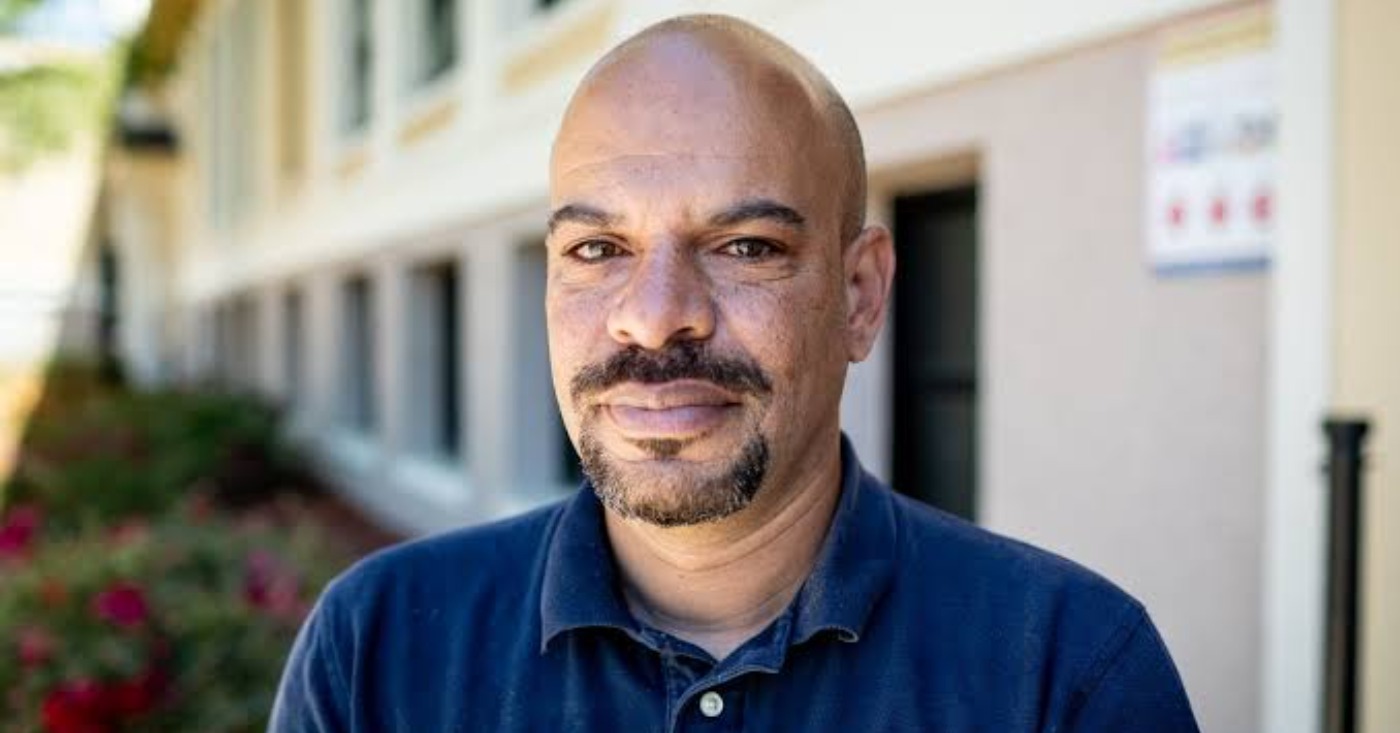
While the results of Oakland and Alameda County elections are still being counted, Oakland District 4 incumbent, Mike Hutchinson, has already conceded online. His term ends in January.
As of Monday, Nov. 9, after ranked-choice votes were tabulated, Hutchinson won 44.36%, while Kathryn Camp won 55.64%. Sylvia Pfeiffer Williams came in third.
Camp’s website describes her as “an Oakland mom, an OUSD parent, and an experienced leader who believes deeply in the power of opportunity and in our responsibility to make sure every child has a real chance to thrive.”
Writing on Facebook, Hutchinson wrote, “It appears that we did not win reelection to the school board. Although it is disappointing, it is not entirely unexpected given what we have faced over the last four years. I have often said that if doing the right thing costs me reelection then so be it.”
In summing up his achievements, he credited himself with the work of the district, the board, and the superintendent and celebrated his opposition to the school board progressive majority and the superintendent.
“During my six years in office, against all odds, and without a board majority, we changed the game. I’m proud to say that we accomplished more than I ever imagined was possible,” he wrote.
“I led through the pandemic and the safe and equitable reopening of the district. I ended the failed school closures policies,” he continued. “I authored and passed the 3 R’s, a comprehensive plan to engage in community conversations to decide how to re-envision, restructure, and redesign OUSD going forward.”
“I steadfastly took a stand against the school board majority over the last two years as they reversed our progress,” he said.
Many school observers and public-school advocates did not share Hutchinson’s enthusiasm for the role he has played.
At present, he often aligns with the Fiscal Crisis Management and Assistance Team (FCMAT), a state-funded agency that advocates for closing schools and cutting education programs, particularly in poorer districts that serve Black and Brown families.
Other school board races are showing mixed results. In District 2, School Board President Jennifer Brouhard is ahead of her challenger Arielle Fleisher, 50.99% to 49.01% as of Monday.
In the District 6 race, Board Vice President Valarie Bachelor is slightly ahead of two challengers in first-place votes at 37.82% but trails after ranked-choice votes are tabulated. With ranked-choice tabulations, Alexandra Williams is the current leader with 54.74% of the vote, ahead of Bachelor, who has 45.26%, as of Monday. Leana Powell came in third.
Williams has worked at public, private, and charter schools. She joined AIMS Academy, part of the American Indian Model Schools network in Oakland, as a math teacher in September 2024.
Black Press
Mayor Lee and Schools’ Supt. Saddler Issue Joint Statement on Recent ICE Activity in Oakland
POST NEWS GROUP — “We will not allow intimidation targeting our families, disrupting our schools, or dividing our neighborhoods. Our schools are sanctuaries where our children belong, and our workplaces and public spaces belong to all Oakland residents,” according to the statement.
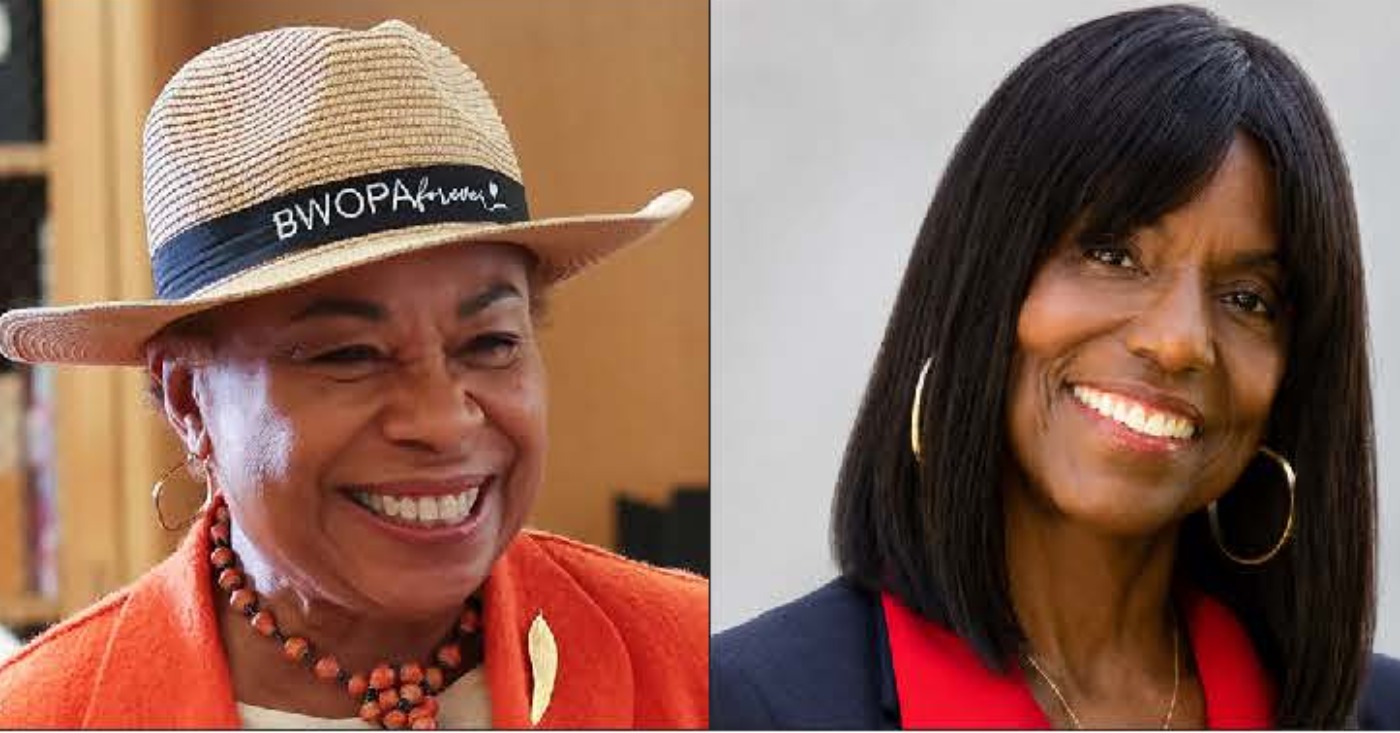
Oakland Mayor Barbara Lee and Oakland Unified School District Superintendent Denise Saddler issued a joint statement to city residents this week concerning increased ICE activity in Oakland and the Bay Area, which has the school community “on edge.”
“We want to remind everyone that OUSD is a ‘Sanctuary District’ inside Oakland, a Sanctuary City. That means your city and school district support you no matter where you came from or how you got here,” the statement said.
“It also means Oakland Stands United: ICE does not belong in Oakland. We will not tolerate actions designed to spread fear in our city,” the two leaders said.
“We will not allow intimidation targeting our families, disrupting our schools, or dividing our neighborhoods. Our schools are sanctuaries where our children belong, and our workplaces and public spaces belong to all Oakland residents,” according to the statement.
The city leaders reemphasized that the city and school district stand with every member of the community.
“We know our rights, and we will protect them every single day. In Oakland, everyone should know that the safety and well-being of all residents is paramount. The schools have strong protocols in place in case of ICE activity anywhere near our campuses.”
City residents are urged to make a report if they see or suspect ICE activity. “Please report it immediately to the Alameda County Immigration Legal Education Partnership (ACILEP) rapid response hotline at 510-241-4011 for immediate support,” according to the statement.


NFL Round-Up: Deshaun Watson and Cleveland Browns impress in comeback victory

Alameda County Supervisor Miley to Propose Illegal Dumping Ordinance

Oakland City Council Extends AI Data Center Moratorium for 10 Months.

On Veterans Day, U.S. Rep. Simon Demands Answers on Status of Veterans Affairs Clinic, Columbarium Project

OPINION: Mario Juarez’s Courtroom Admissions Raise Questions About Allegations That Fueled Recall of Pamela Price

African American Heroes: Susie King Taylor & Buffalo Soldiers

Hutchinson Concedes: Ballots Still Being Counted in Oakland Board Elections

Mayor Lee and Schools’ Supt. Saddler Issue Joint Statement on Recent ICE Activity in Oakland

Mississippi Congressman Bennie Thompson Congratulates Scott Colom on Historic Victory

Farms to Grow, Inc. Hosts the 8th Annual Sweet Potato Pie Tasting Contest

Practitioners of African Traditional Spirituality Offer Ancestral Reverence Ritual Oct. 31

Tamiko Armstead | 2026 Lifetime Achiever in Education

HISTORY MADE: Keisha Lance Bottoms Becomes First Black Woman Elected Governor in American History

OP-ED: The Black Church Writes AI’s Next Chapter

Kickstarter CEO Everette Taylor Shares Tips on Creating and Growing a Business

BLACK MEN VOTE: Mobilizing 100,000 Black Men Ahead of the Midterms 📱

NFN live presents 🎙️ THE ROAD TO BEYOND IWDM 50: WE CANNOT STOP NOW! 8-Week Podcast

Black Household Wealth Plummeted 25% in Three Years, New Data Shows

Secretary of State Shirley Weber Pushes Back Against DOJ Demands Over California Voter Rolls

Columbus’s Oldest Businesses Still Open: 10 That Have Lasted 75+ Years
African American Heroes: Susie King Taylor & Buffalo Soldiers

Chevy Bolt RS: The Real Cost and Charging Question #shorts

NFN presents Pioneer Lunch & Learn

Frontier 3.8L V6 SUV: Quiet Cabin, Strong Acceleration #shorts

Sterling vs. North Forest (9-12-26) | Houston High School Football

Westbury vs. Dulles (9-4-26) | Houston High School Football

Yates vs. Madison (9-5-26) | Houston High School Football

Yates vs. Worthing (9-8-26) | Houston High School Volleyball

Black Veterans’ Fight for Equality…The Forgotten Cost of Service

Which Car Comfort Features Are Worth Paying For? #shorts
-
 Black History1 week ago
Keisha Lance Bottoms to Govern State Where Her Great-Great-Grandfather Was Enslaved
-
 Black History1 week ago
IN MEMORIAM: Marcia Ann Gillespie, Editor of Essence and Ms. Magazines, Dies at 82
-

 Black History6 days ago
Don’t Pass the Torch. Expand the Circle.
-
 Black History7 days ago
Meet Scott Colom, the Mississippi Democrat Leading Tight Mississippi Senate Race
-

 Black Press1 week ago
Eight Black Women Win Georgia Statewide Offices
-

 Featured6 days ago
Democratic Leadership Under Fire, Maxine Waters Challenged & Tyler Perry’s New Political Role 📱
