
Minnesota Spokesman-Recorder
Studies expose destructive housing inequities
MINNESOTA SPOKESMAN-RECORDER — On the heels of the most recent “Anti-Poverty Soldier” piece(June 20, 2019) — about a Duke University study that chronicled the systematic plundering of more than $3 billion in wealth from Chicago’s African American homeowners from 1950 to 1970 — comes a new report from the United Nations that paints an equally troubling picture of the current state of housing in America.

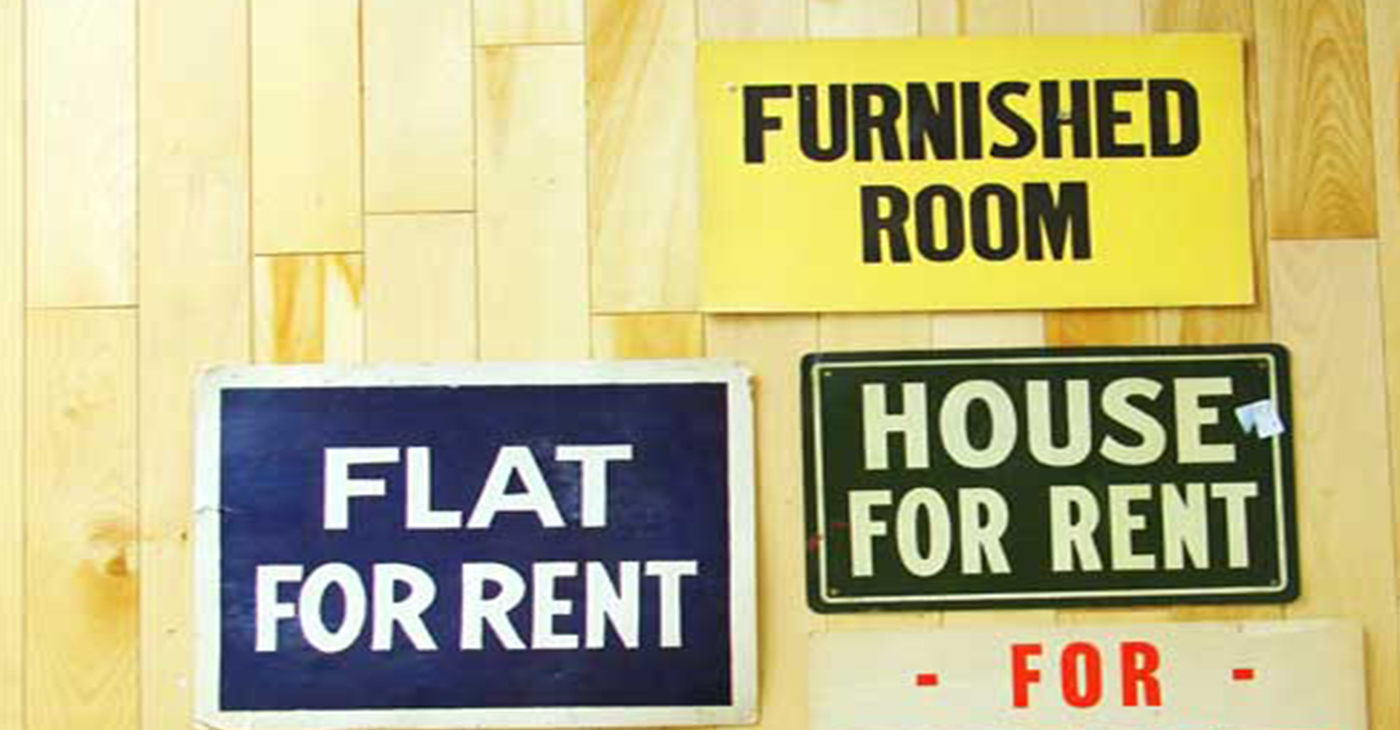
From the rapidly urbanizing cities of the global South to the former Rust Belt cities in the Midwestern United States, millions of people face housing insecurity and/or live in substandard housing. — Jackie Smith and Emily Cummins
The Government of the United States of America has provided financial support primarily through tax breaks and benefits to encourage the institutional investment in housing as an asset class and yet has failed to take measures to ensure access to adequate housing for the most vulnerable populations. — Surya Deva and Leilani Farha
On the heels of the most recent “Anti-Poverty Soldier” piece(June 20, 2019) — about a Duke University study that chronicled the systematic plundering of more than $3 billion in wealth from Chicago’s African American homeowners from 1950 to 1970 — comes a new report from the United Nations that paints an equally troubling picture of the current state of housing in America.
During the past few years, independent experts working on behalf of the United Nation’s (UN) Human Rights Watch have cited a number of violations in the U.S. across a myriad of categories (criminal justice, health care, racial disparities, gender equality, the rights of children and seniors, etc.). They have also declared that the U.S. must overhaul the policies and practices that continue to criminalize poverty.
And now, some of the latest findings with regard to housing further demonstrate how insidiously destructive these policies are. Writing on behalf of the UN, Special Rapporteurs Surya Deva and Leilani Farha reveal that when it comes to government spending, high-income households (those with annual incomes at or above $200,000) receive federal housing subsidies that are “four times greater” than what low-income households get.
What is more, according to the UN report, between 2010 and 2016 federal agencies auctioned off nearly 200,000 homes with delinquent mortgages. Almost all of these homes were purchased — for significantly less than they are worth — by private equity groups “who now earn rent on these properties.”
And, while average rents in the U.S. have increased by approximately 25 percent in the last decade or so, average annual incomes have decreased during that same period of time.
Finally, the UN notes that every day in America almost 7,500 renter families are evicted from their homes. Not surprisingly, the overwhelming percentage of evictions are occurring in African American neighborhoods.
Here in Minnesota — despite supposed efforts to increase the number of affordable housing units — the data suggest housing costs are continuing to rise unabated, which again disproportionately affect communities of color. In a report from May of this year, the Minneapolis-based Family Housing Fund (FHF) indicates that housing in the Twin Cities is on pace to become as expensive as cities like Chicago, Denver, and Seattle.
Likewise, a Minnesota Housing Partnership Study, also from this spring, tells us that more than 100,000 Minnesota households have no affordable housing options at all, while another half-million households are classified as cost-burdened, a number that continues to grow.
Similar to the national statistics, as inflation-adjusted rents rise throughout the state (in all but one Minnesota county since 2000), adjusted incomes among renter households have continued to decline.
Clearly, though, not everyone is suffering. Lisa Sturtevant, who authored the FHF report, says that for those households earning more than $85,000 per year, “There is an excess of available housing” in the Twin Cities. I suppose that’s typical; those who need, don’t have, and those who don’t need, have too much.
Still, as I think about these studies and how important they are — after all, they give us insight into the real condition of the world around us — I can’t help but think of something the late author and Kansas City Star columnist William E. Vaughn once said.
To paraphrase him: Wouldn’t it be something if low-income and working people in America were to get half the money that universities, government agencies, and others spend on studying them?
This article originally appeared in the Minnesota Spokesman-Recorder.












Featured
Serena Williams: The Beast Narrative & Black Womanhood #shorts
Serena Williams’ power was unfairly labeled a “beast” due to race and gender bias. This video unpacks the damaging roots of that narrative.


The narrative surrounding Serena Williams’ power was unfairly tainted by race and gender bias, labeling her a ‘beast’ to undermine her femininity. This discussion unpacks the complex roots of that damaging portrayal. #SerenaWilliams #GenderBias #RacialInjustice #SportsCommentary #Femininity
Featured
Black Men Shattering Stereotypes: Intelligence Beyond Assumptions #shorts
See a brilliant Black man defy assumptions and shatter stereotypes. Prepare to have your perspective challenged by this incredible display of #BlackExcellence.
Witness a brilliant Black man who shatters expectations and defies assumptions. Prepare to have your perspective challenged. #BlackExcellence #StereotypeChallenge #Inspiration #Mindset
Featured
Vegetarian Switch: My Brother’s Fasting Journey Inspired Me #shorts
My brother’s fasting journey inspired me to go vegetarian, and I haven’t looked back! See how his challenge sparked my own healthy living transformation.

My journey to vegetarianism started with a challenge from my baby brother, Javon Nesby. Inspired by his fasting and self-challenge, I decided to try it and haven’t looked back. #Vegetarian #Inspiration #Family #HealthyLiving
Featured
Serena Williams: The Beast Narrative & Black Women’s Burden #shorts
Serena Williams defied the “beast” narrative, proving Black women can be powerful and feminine athletes. She redefined what it means to win.

Black women face unique challenges and stereotypes. Serena Williams shattered norms, redefining athleticism, femininity, and power on and off the court. #SerenaWilliams #BlackWomen #Athleticism #Femininity #Power
Featured
Giving Back: 100 Book Bags for Twin Cities Youth #shorts
100 book bags brought to Twin Cities youth at Ujamaa Place! See the confidence and community spirit in action. #CommunityGiveback #YouthEmpowerment

Giving back at Ujamaa Place! 100 book bags distributed to the kings and queens. Witnessing the community’s high standards and confident spirit. #CommunityGiveback #UjamaaPlace #YouthEmpowerment #BookBags
Featured
Deion Sanders: Don’t Shrink, Flex Against Racism! #shorts
Deion Sanders urges us to flex, not shrink, in the face of racism. Embrace your power and refuse to compromise your identity.

A confident Black man’s refusal to compromise his identity when engaging with white culture. Advocates for displaying strength, not shrinking. #DeionSanders #BlackIdentity #CulturalStrength #SelfRespect


Building Wealth, Inspiring Hope & Celebrating Our Legacy

Style Takes Center Stage at the 39th Annual Salute to Excellence in Education

Car Review: Seat Comfort & Dashboard Glare Issues #shorts

134 Black-Owned Banks Founded: See How Many Remain Today! #shorts

Dr. Earleen Patterson’s 30 Year Legacy of Education and Service at SIUE

Latinas Deserve Equal Pay. Unions Help Make It Happen.

Defender ONE-on-ONE: U.S. Rep. Christian Menefee

Unlock Your Best Auto Loan: Ask These Questions! #shorts

News Observer Weekly — October 7, 2026 | Top 5 Stories of the Week

Atlas Family Comfort: Worth the Extra Cash? #shorts

Latest Massacre in Haiti Reveals Cruelty U.S. Deportations

The Youngest American Killed in the Vietnam War

Booked and Unbound: The Legacy of Black Women’s Literary Circles

Passing for White, Fighting for Black America: The Courage of Walter White

OPINION: Nolan Wells’ Death One of Several Signifying Racial Terror Lives on in U.S. South

Prostate Cancer is Twice as Likely to Kill Black Men. Talking to Your Doctor Could Help Save Your Life

OP-ED: Haiti TPS: Have We Lost Sense of Humanity?

OP-ED: If AI Is the New Language of Power, Then NAN Wants Black Communities Fluent

OP-ED: How Does Your State Rank for Pre-K?

Henry O. Flipper: A Trailblazer at West Point and Beyond
Building Wealth, Inspiring Hope & Celebrating Our Legacy
Style Takes Center Stage at the 39th Annual Salute to Excellence in Education
Car Review: Seat Comfort & Dashboard Glare Issues #shorts
134 Black-Owned Banks Founded: See How Many Remain Today! #shorts
Dr. Earleen Patterson’s 30 Year Legacy of Education and Service at SIUE
Defender ONE-on-ONE: U.S. Rep. Christian Menefee
Unlock Your Best Auto Loan: Ask These Questions! #shorts
News Observer Weekly — October 7, 2026 | Top 5 Stories of the Week
Atlas Family Comfort: Worth the Extra Cash? #shorts

Antron Brown Takes His Impact Beyond the Racetrack
-
 Black Press1 week ago
OP-ED: Haiti TPS: Have We Lost Sense of Humanity?
-

 Black History1 week ago
Why Black Artists Struggle to Sell Tours
-

 Auto1 week ago
Consumers and States Awarded $694 Million After Predatory Auto Lender Settles Lawsuit
-

 Art1 week ago
From Ma Rainey to AI: New Technology Amplifies an Old Fight over Artist Control
-

 Black Press1 week ago
TILGHMAN: Why Parents of Children with IEPs Should Know Their School Bus Driver
-

 Black Press1 week ago
COMMENTARY: Property Is Power! What Is a Gift of Equity and What Could It Mean for Black America?
