
Tech
Startup adds beds and Wi-Fi to buses to turn them into ‘moving hotels’
Nulla pariatur. Excepteur sint occaecat cupidatat non proident, sunt in culpa qui officia deserunt mollit anim id est laborum.


Et harum quidem rerum facilis est et expedita distinctio. Nam libero tempore, cum soluta nobis est eligendi optio cumque nihil impedit quo minus id quod maxime placeat facere possimus, omnis voluptas assumenda est, omnis dolor repellendus.
Nulla pariatur. Excepteur sint occaecat cupidatat non proident, sunt in culpa qui officia deserunt mollit anim id est laborum.
Sed ut perspiciatis unde omnis iste natus error sit voluptatem accusantium doloremque laudantium, totam rem aperiam, eaque ipsa quae ab illo inventore veritatis et quasi architecto beatae vitae dicta sunt explicabo.
Neque porro quisquam est, qui dolorem ipsum quia dolor sit amet, consectetur, adipisci velit, sed quia non numquam eius modi tempora incidunt ut labore et dolore magnam aliquam quaerat voluptatem. Ut enim ad minima veniam, quis nostrum exercitationem ullam corporis suscipit laboriosam, nisi ut aliquid ex ea commodi consequatur.
At vero eos et accusamus et iusto odio dignissimos ducimus qui blanditiis praesentium voluptatum deleniti atque corrupti quos dolores et quas molestias excepturi sint occaecati cupiditate non provident, similique sunt in culpa qui officia deserunt mollitia animi, id est laborum et dolorum fuga.
“Duis aute irure dolor in reprehenderit in voluptate velit esse cillum dolore eu fugiat”
Quis autem vel eum iure reprehenderit qui in ea voluptate velit esse quam nihil molestiae consequatur, vel illum qui dolorem eum fugiat quo voluptas nulla pariatur.
Temporibus autem quibusdam et aut officiis debitis aut rerum necessitatibus saepe eveniet ut et voluptates repudiandae sint et molestiae non recusandae. Itaque earum rerum hic tenetur a sapiente delectus, ut aut reiciendis voluptatibus maiores alias consequatur aut perferendis doloribus asperiores repellat.
Lorem ipsum dolor sit amet, consectetur adipisicing elit, sed do eiusmod tempor incididunt ut labore et dolore magna aliqua. Ut enim ad minim veniam, quis nostrud exercitation ullamco laboris nisi ut aliquip ex ea commodo consequat.
Nemo enim ipsam voluptatem quia voluptas sit aspernatur aut odit aut fugit, sed quia consequuntur magni dolores eos qui ratione voluptatem sequi nesciunt.












#BuyBlack
Why Black-Owned Businesses Can’t Afford to Be Invisible to AI
BLACKPRESSUSA NEWSWIRE — Black-owned businesses now have the chance to stand out and earn trust without you spending a lot of money. If you update your content and use it to address the problems your customers face, AI tools are more likely to notice you. Get positive reviews from your loyal customers. Posting these on your pages and engaging with your customers boosts your visibility. Check out more black-owned business growth insights on our page.


By Rob McManus
Many people use AI tools to search for products and services instead of search engines. If Black-owned businesses aren’t easy for AI to find, they end up losing potential customers. Let AI help you gain the trust of people who are considering your business for the first time so your brand can grow.
According to McKinsey & Company, Black Americans run over 3 million businesses across the U.S. It hasn’t always been easy for small businesses owned by Black people to stand out in their communities.
Start using AI to gain a competitive advantage and keep up with how customers find brands now.
How Much Do Black-Owned Businesses Contribute to the Economy?
They generate around $133.7 billion in total sales, as reported by the Department of Small and Local Business Development.
Your business doesn’t need to make a huge amount of revenue to have an impact on the economy. You’re helping others grow by:
- Offering them a job
- Inspiring them to be future entrepreneurs
- Supporting their businesses when they supply you with items
Why Do Black-Owned Businesses Struggle to Survive?
Failing to keep up with technology as it evolves and having limited access to funding. When you first start your business, you’ll probably do most of the work by yourself.
Handling the following tasks without the right tools can be overwhelming:
- Bookkeeping
- Customer service
- Supply chain management
- Marketing
You might find yourself having little time to focus on the things that can actually help your company grow. Set aside time to ask your clients for their feedback. You may struggle with brand visibility if you don’t have reviews to help you earn trust.
Many entrepreneurs start their businesses with savings or get loans from their loved ones. If lenders with good interest rates don’t consider you for loans, you’ll probably end up borrowing from those with high rates. Paying a huge interest reduces your profits over time.
Discovering the Benefits of Staying Visible to AI
Ensure your business shows up in AI searches whenever someone is looking up something related to what you offer. You don’t even need a huge budget to boost digital visibility.
AI Helps Customers Find Your Business Faster
Many shoppers begin searching for products using simple questions. Someone may ask an AI tool to tell them who sells the best scented candles near them.
If a homeowner needs their pipes fixed, they might search for price estimates. You can boost your chances of appearing in AI snippets by:
- Answering the questions customers often ask using your content
- Providing accurate details about your company
- Posting great photos of your products
Don’t just create a simple business website and hope that your potential customers will stumble upon it. When you start using tools like GetNextNet.ai, you’ll be able to see how AI tools see your brand. Tracking your readiness score helps you figure out what you need to improve.
Better Online Presence Builds Trust Before Customers Call
It’s not easy for people to trust a business they’ve never worked with, especially when they want to order something online. You’ll be able to leave great first impressions if you have:
- Clear descriptions for all your services
- Updated business hours
- An active blog with content posted regularly
- Genuine customer testimonials
AI tools scan such things before recommending businesses to users. Avoid just marketing your products on your site. Posting content that also helps customers address the issues they’re facing makes you more trustworthy.
If you own a Black-owned accounting firm, post guides explaining tax deadlines for small businesses. You should give AI more reasons to see you as the best solution.
Once someone visits your page after coming across it in an AI overview or an answer provided by a tool like ChatGPT, your job isn’t done. Ensure your site shows them what to do next so they don’t feel stranded.
Saving Time While Growing Your Online Presence
You’ll keep enjoying the results of AI visibility for longer than you would with traditional marketing campaigns. If you have helpful content on your site, it can help you keep bringing in business for months or even years.
Start simplifying consumer discovery by:
- Creating articles that answer questions customers will continue asking for years
- Reviewing older blog posts to update statistics and links
- Tracking how each post is performing to see what you should invest in
When you use these tips, you will be able to reduce how much you spend on marketing. It’s important to be flexible since customers’ behavior changes frequently.
Frequently Asked Questions
Can AI Recommend Small Businesses Even if They Aren’t National Brands?
Yes. AI doesn’t recommend businesses based only on size or popularity since it mostly looks for:
- Reliable information
- Content that’s relevant to what a user is asking
- Consistent business details
Don’t be discouraged if you’re mostly competing against big businesses. When you position your brand well for AI tools to discover, people might pick you over brands they already know.
How Long Does It Take to Improve AI Visibility?
The results will vary depending on your website and the level of competition. It’s possible to notice a huge difference in just a few weeks after getting new reviews.
AI tools were probably not suggesting your site simply because you didn’t have testimonials they could refer to when checking if your brand is authentic.
Be consistent and know what AI tools reward the most. It will help you grow your visibility faster.
Do Social Media Pages Help AI Understand My Business?
Yes. Your social media profiles can give AI tools more details about your business. Post more often and don’t ignore your customers in the comments.
Responding to them helps you build trust. Use your social media pages to support your website and help you direct more traffic to it.
Enhancing Digital Visibility
Black-owned businesses now have the chance to stand out and earn trust without you spending a lot of money. If you update your content and use it to address the problems your customers face, AI tools are more likely to notice you.
Get positive reviews from your loyal customers. Posting these on your pages and engaging with your customers boosts your visibility. Check out more black-owned business growth insights on our page.
Black Press
Unlock Cost Efficiency with Design for Manufacturing
BLACKPRESSUSA NEWSWIRE — An undeniable advantage of this approach is its impact on manufacturing process optimization. By designing products with production constraints in mind, companies can steer clear of unnecessary complexity. Doing this means far less wasted time, materials, and labor.

By Nicole Melchionda
Design for manufacturing is a great way to tap into a new level of cost efficiency because it takes into account real-world production methods. By aligning with product design decisions, DFM can reduce waste, minimize rework, and even prevent the need for expensive changes late in the manufacturing cycle.
Cutting-edge manufacturing environments can’t do without DFM if you want to match engineering intent with practical execution. Doing this is a wonderful way to ensure that products move from the initial concept to final production with as few obstacles as possible, all while lowering expenses.
What Is Design for Manufacturing and Why Does It Matter for Cost Efficiency?
In essence, design for manufacturing takes a structured approach to how well a product can be produced during the design phase. This is a far cry from treating engineering and production as separate stages. Instead, DFM connects them into a unified workflow that prioritizes the following:
- Efficiency
- Simplicity
- Repeatability
An undeniable advantage of this approach is its impact on manufacturing process optimization. By designing products with production constraints in mind, companies can steer clear of unnecessary complexity. Doing this means far less wasted time, materials, and labor.
After all, poorly designed components often call for the following:
- Specialized tooling
- Extended assembly time
- Multiple revisions
It’s easy for all of the above to increase costs quickly.
You don’t need an eureka moment to achieve cost-effective product design. Rather, engineers must take into account the right factors early on, such as material selection, part geometry, and assembly sequence.
Organizations like Atlantic Manufacturing Solutions apply these principles so that design decisions fit production capabilities to a T. As such, you can reduce clashes between design teams and manufacturing operations.
How Does Design for Manufacturing Improve Production Efficiency?
DFM goes a long way toward improving production efficiency because it simplifies the way one builds and assembles products in the first place. One of its most effective strategies involves reducing part counts.
From there, you can directly lower assembly time and labor requirements. Fewer components also mean fewer opportunities for mistakes, which improves consistency across all production runs.
Standardization is yet another advantage you shouldn’t go without. When manufacturers reuse common components across product lines, product efficiency strategies turn out to be far easier to implement at scale. You can count on this to reduce procurement complexity while helping stabilize supply chains.
The best engineers take advantage of design innovation techniques as a way of rethinking traditional structures. Instead of sticking to complex assemblies, designers can use the following to streamline production without compromising on performance:
- Modular systems
- Integrated components
- Alternative materials
Feedback loops between engineering and production teams further boost efficiency. Gathering insights on the factory floor can uncover bottlenecks or other issues. By staying on top of these in future design iterations, you can fuel a continuous improvement cycle.
What Are the Major Cost Drivers That DFM Helps Reduce?
DFM targets a handful of major cost drivers in manufacturing, and one of the most significant is tooling complexity. Just about any intricate design requires custom molds, specialized fixtures, or frequent tool changes, all of which increase both upfront and ongoing costs.
Material usage is another critical factor because inefficient designs may require excess raw material or lead to high scrap rates during machining or molding. By taking the time to optimize geometry and tolerances, manufacturers can reduce waste by a significant degree.
Labor costs also decrease when one streamlines assembly processes. Products that are easier to assemble demand fewer manual steps, after all. It’s easy to see how this can reduce production time and minimize the need for highly specialized labor.
Quality-related costs, including rework and scrap, are also reduced through improved production practices. When you can manufacture designs easily and consistently, defect rates drop, and production becomes more predictable.
What Industries Benefit Most From Design for Manufacturing?
Any industries that depend on repeatable production and high volumes benefit most from DFM. The following all use DFM to control costs and improve consistency:
- Automotive
- Aerospace
- Consumer electronics
- Industrial equipment
- Medical device manufacturing
Even small design improvements in these sectors can lead to sizable savings due to scale alone. It’s worth consulting with a professional if you think that your business could benefit from this kind of tech.
Frequently Asked Questions
When Should Design for Manufacturing Be Applied?
In short, the sooner in the product development process, the better. Ideally, it begins during the concept stage and continues on through both prototyping and production planning. The earliest possible application can help prevent design choices that later demand pricey changes or lengthy production delays.
The following should work together closely throughout development:
- Designers
- Engineers
- Manufacturing teams
Doing this can help pinpoint potential challenges before they worsen into larger problems. That way, you can enjoy butter-smooth product launches.
Can Design for Manufacturing Be Applied to Existing Products?
Indeed. You can redesign existing products using DFM principles whenever you’re ready. Engineers often review mature or legacy products to highlight unnecessary parts, inefficient assembly steps, excessive material use, or outdated manufacturing methods.
Even relatively small changes can reduce production costs, shorten assembly time, and even improve reliability without affecting the product’s intended function. For instance, you may want to consolidate components or pick out a more suitable material.
Can Small Businesses Benefit From Design for Manufacturing?
Of course. Although DFM is often thought of in terms of large-scale manufacturers, small and mid-sized businesses can realize substantial benefits, too.
Tight budgets make it especially vital to sidestep expensive mistakes during product development. Applying DFM principles early helps smaller companies make the most of their resources.
It’s Time to Save Money and Resources With Design for Manufacturing
Design for manufacturing can change the way you look at production. Why waste time and energy when you can streamline the process from the get-go? Gone are the days of needing highly specialized equipment for the vast majority of designs.
You can come to us anytime you want to learn about the latest developments and tips in business, education, health, lifestyle, and much more. One of the best ways to avoid missing out on fresh content is by following us on social media or saving our website in your browser bar.
Black Press
What Resilient Farm Operations Do Differently Long Before Harvest Season
BLACKPRESSUSA NEWSWIRE — The stakes are high. According to the USDA Economic Research Service, America’s farms contribute more than $200 billion to U.S. GDP, underscoring how much depends on reliable agricultural operations. By the time harvest season arrives, many of the most important decisions have already been made. Resilience is built during the quieter months, long before it is ever needed.

By Alison Green
Resilient farm operations do things differently long before harvest season by prioritizing maintenance, planning, recordkeeping, and contingency measures that help keep critical work moving when challenges arise.
Harvest season is the busiest time of the year, the period when months of planning, investment, and hard work are finally put to the test. When equipment breaks down or unexpected challenges emerge, the impact can be immediate.
The stakes are high. According to the USDA Economic Research Service, America’s farms contribute more than $200 billion to U.S. GDP, underscoring how much depends on reliable agricultural operations.
By the time harvest season arrives, many of the most important decisions have already been made. Resilience is built during the quieter months, long before it is ever needed.
Is Farming Profitable in the U.S.?
Farming can be profitable, but profitability is rarely determined by crop yields alone.
A farm may have strong production and still face challenges from rising input costs, equipment breakdowns, labor shortages, or weather-related disruptions. Small setbacks can quickly become expensive when they occur during planting or harvest, when every day matters.
This reality helps explain why resilience has become such an important part of modern farm management. The ability to adapt, recover, and keep operations moving can be just as valuable as a productive growing season.
What Is a Resilient Farm Operation?
A resilient farm operation is not one that avoids every challenge.
Weather events, equipment failures, supply delays, and labor shortages can affect even the best-run farms. What sets resilient operations apart is how they respond when those disruptions occur.
In agriculture, resilience is built through preparation. The farms that recover fastest from setbacks are usually the ones that have already invested time in maintenance, planning, record-keeping, and contingency measures long before harvest season arrives.
Equipment Problems Are Addressed Before They Become Emergencies
Few things are more frustrating than discovering a mechanical problem when a tractor, combine, or other piece of equipment is needed immediately.
Resilient farm operations try to uncover those issues during slower periods of the year. Worn belts, leaking hoses, failing bearings, and other maintenance concerns are easier and less expensive to address before they lead to a breakdown in the middle of a busy season.
Repairs tend to go more smoothly when information is easy to find. Having access to parts information, service records, and agriculture vehicles repair manuals can help operators identify problems faster and keep equipment in working condition when timing matters most.
For many well-run agricultural farms, avoiding downtime is about reducing the chances of being caught off guard when critical equipment is needed most.
They Build Backup Plans for Critical Operations
Every farm relies on a handful of activities that cannot afford long delays.
Planting windows can be missed, harvest schedules can shift, and deliveries can arrive late. When those situations arise, resilient operations are less likely to make decisions from scratch.
Some keep spare parts on hand for frequently used equipment. Others maintain relationships with multiple suppliers or have access to backup machinery when needed.
The specifics vary from one operation to another, but the thinking is similar. A backup plan may never be needed, but having one can make the difference between a temporary setback and a disruption that affects the entire season.
Small Maintenance Tasks Receive More Attention Than People Realize
Major equipment failures typically start as minor issues.
A loose belt, low fluid level, or worn tire may not seem urgent on a busy day. Left unchecked, however, small problems can turn into expensive repairs or unexpected downtime during critical periods of the season.
Resilient farm operations stay on top of routine tasks such as:
- Checking and replacing worn belts
- Monitoring fluid levels
- Inspecting tires and tracks
- Lubricating moving components
- Replacing damaged hoses
- Testing batteries and electrical systems
None of these jobs is particularly exciting. Their value comes from preventing larger problems that could interrupt operations when equipment is needed most.
Record-Keeping Makes Decisions Easier
Farm record-keeping rarely gets the same attention as equipment or crop production.
Yet when a machine starts showing signs of trouble, maintenance records can provide valuable context. Knowing when a component was last replaced, how frequently repairs have been made, or whether a recurring issue has appeared before can make troubleshooting much easier.
Good records can also help farms plan ahead. Instead of reacting to breakdowns, operators can identify patterns and schedule maintenance before problems affect daily operations.
A maintenance log may not seem important on a quiet afternoon, but it becomes much more valuable when a machine is down and time is running short.
FAQs
How Can Weather Affect Farm Resilience?
Weather can disrupt planting schedules, field access, harvesting timelines, and crop quality. Resilient operations build flexibility into their plans so they can adjust when conditions change unexpectedly.
Why Do Supply Chain Delays Matter for Farms?
Many farms depend on timely deliveries of parts, fuel, seed, fertilizer, and other inputs. Delays can create operational challenges, particularly during busy periods when replacement items are needed quickly.
Do Smaller Farms Need Resilience Planning?
Yes. Unexpected disruptions can affect farms of any size. Preparing for equipment issues, labor shortages, or supply interruptions can help reduce operational risks regardless of acreage.
What Role Does Technology Play in Farm Resilience?
Technology can help farms monitor equipment performance, track maintenance schedules, manage inventory, and improve decision-making. The specific tools vary, but access to accurate information can support faster responses when issues arise.
Why Is Labor Planning Important Before Harvest?
Harvest activities require additional coordination and manpower. Planning ahead can help farms avoid scheduling challenges and ensure critical tasks are completed within narrow timeframes.
Can Preparation Actually Save Farms Money?
It can. Avoiding a major breakdown during planting or harvest is less expensive than dealing with repairs, delays, and lost productivity after the fact.
Resilience Is Built into Farm Operations Long Before It Is Needed
When harvest season arrives, there is rarely time to start preparing.
The farm operations that tend to navigate disruptions most effectively are often the ones that spent months maintaining equipment, reviewing plans, and getting ready for challenges they hoped would never happen.
Keep reading for more news and analysis on agriculture, business, and the challenges shaping today’s economy.
#BuyBlack
How Proactive and Preemptive IT Solutions Are Revolutionizing the Tech World
NNPA NEWSWIRE — To protect your customers’ private data, start by finding the right partners and vendors. Many resources are available, including an IT services provider selection guide specifically made for small business owners. This will allow you to select a managed IT services vendor.

By Amy Kang
IT support is an important asset to a business because it prevents problems from occurring. Proactive and preventative IT solutions help identify potential problems, reduce downtime, and protect your systems. In doing this, they provide reliable IT support and create an environment where your business can grow.
A 2026 study, the Global Cybersecurity Outlook 2026, found that 73% of individuals had either been affected by an incident of cybercrime personally or knew someone who had. These statistics show just how damaging cyber threats can be to small business owners. This has led many companies to rethink how they utilize technology.
Many are now choosing to invest in systems that can identify problems before they happen. This allows them to find issues early and take immediate action when a problem occurs. The trend has also been observed among Black entrepreneurs and other low-budget businesses.
What Are Some Current Cyber Threats Facing Businesses Today?
Numerous cyber threats face today’s businesses. Some of these include:
- Phishing scams
- Ransomware
- Identity theft
- Data breaches
Small to medium-sized Black-owned businesses and startups are particularly vulnerable. This is due to the limited resources available to recover from attacks.
What Are Some Differences Between Preemptive and Proactive IT?
Preemptive IT addresses an issue before it develops into a problem. The main goal of preemptive IT is to locate vulnerabilities within your system and update older software applications.
Proactive IT, on the other hand, monitors systems constantly. It then takes action as soon as a problem becomes apparent. In other words, proactive IT seeks to identify potential problems before they develop into larger issues.
Building More Resilient Organizations With Better IT Solutions
IT solutions are critical to helping organizations continue to operate through disruptions. If you have no way to respond to information technology failures, it can be disastrous.
Protect Your System From Failure Through Real-Time Monitoring
Real-time monitoring provides an opportunity for you to oversee your systems. By doing so, you are able to recognize a potential problem when it occurs. Some examples of how real-time monitoring may be applied include:
- Monitoring server and network performance
- Identifying suspicious login attempts
- Monitoring application software errors
- Watching for security threats or any suspicious activity
When you use all of these methods, you will be able to reduce downtime and protect your systems.
Minimize Downtime Using Automated IT Solutions
Automated IT solutions allow your business to address small-scale IT issues very early on. These cybersecurity solutions continuously monitor and perform routine functions behind the scenes.
You can also use automation to identify technical defects. This tool will send notifications to alert users when action is required.
Enhance Data Backups and Disaster Recovery Plans
Creating good backup and recovery plans enables businesses to recover quickly. Cloud-based data storage and auto-backup capabilities are key here. They make it easy for organizations to recover lost files, such as customer records, following a disaster event.
What Does the Future of Technology Look Like?
IT has become a key element of nearly all aspects of a business today. As long as a business has good outsourced IT systems, it will have a competitive advantage in terms of:
- Efficiency
- Reliability
- Growth
Improving IT Operations Through AI and Automation
AI and automation are fundamentally changing the way people do business. They can transform how you approach technology operations and security. Some ways that businesses are using AI and automation include:
- Automating routine IT tasks
- Faster identification of cyber threats
- More rapid responses to customers
- Tracking system performance and security
AI and automation solutions also provide relief to IT staff. This allows businesses to operate more efficiently.
Increasing Access to Technology for Entrepreneurs
To ensure that everyone has equal access to technology, it is important to address two major issues: affordable IT support for small businesses and digital literacy.
Many Black entrepreneurs and small business owners face these problems. They develop online-based companies with little to no technology team or formalized training.
Digital literacy programs are beneficial. They must be developed so that people have the tools to compete in the digital world. For example, many Historically Black Colleges and Universities (HBCUs) and local community organizations offer training courses in:
- Cybersecurity
- Data analytics
- IT
Creating Trust by Protecting Your Customer’s Private Data
To protect your customers’ private data, start by finding the right partners and vendors. Many resources are available, including an IT services provider selection guide specifically made for small business owners. This will allow you to select a managed IT services vendor.
Ultimately, a strong security posture helps reduce risk and creates stability for your business. Protecting your customers’ personal information will generate credibility. You will also enjoy loyalty among your consumer base.
Frequently Asked Questions
How Do Small Businesses Create Low-Cost Cybersecurity Plans?
To begin, use secure passwords and install antivirus software. Remember to also enable multi-factor authentication and keep all systems updated regularly.
What Will Cyber Insurance Do for Your Business?
You will need it if your business is hacked or loses customer information due to an online attack. The cyber insurance policy will help you recover some of the money that was lost as a result of the data theft.
How Will Working Remotely Affect Your Company’s IT Needs?
Remote work requires you to provide your employees with much safer internet connectivity. Your employees also need more securely configured hardware and devices.
How Can You Measure the Effectiveness of Your IT Security Plan?
You should look at the number of attacks occurring against your systems. Also, look at response times, downtime, and overall data protection efforts over time.
What Are the Challenges Associated With Utilizing Multiple Cloud Service Providers?
Using multiple cloud service providers increases cost. It also increases complexity and potential security issues if not properly configured.
Stay Ahead With Reliable IT Solutions
Reliable IT solutions can keep your business safer and prepare it for the future. With proactive and preemptive IT solutions in particular, you will have less downtime and more stable systems. They protect customer data from potential security risks by fixing small problems before they become large ones.
Catch up on the latest news and commentaries from around the world impacting African Americans today.
Black Press
Why Post-Launch Monitoring is Critical for Long-Term Medical Device Success
NNPA NEWSWIRE — Post-launch monitoring is a strategic function that shapes device safety, performance, and regulatory standing long after market entry. Real-world data surfaces what pre-market testing cannot catch, and manufacturers who invest in robust surveillance are better equipped to act on emerging issues, extend product longevity, and earn trust with clinicians and patients.
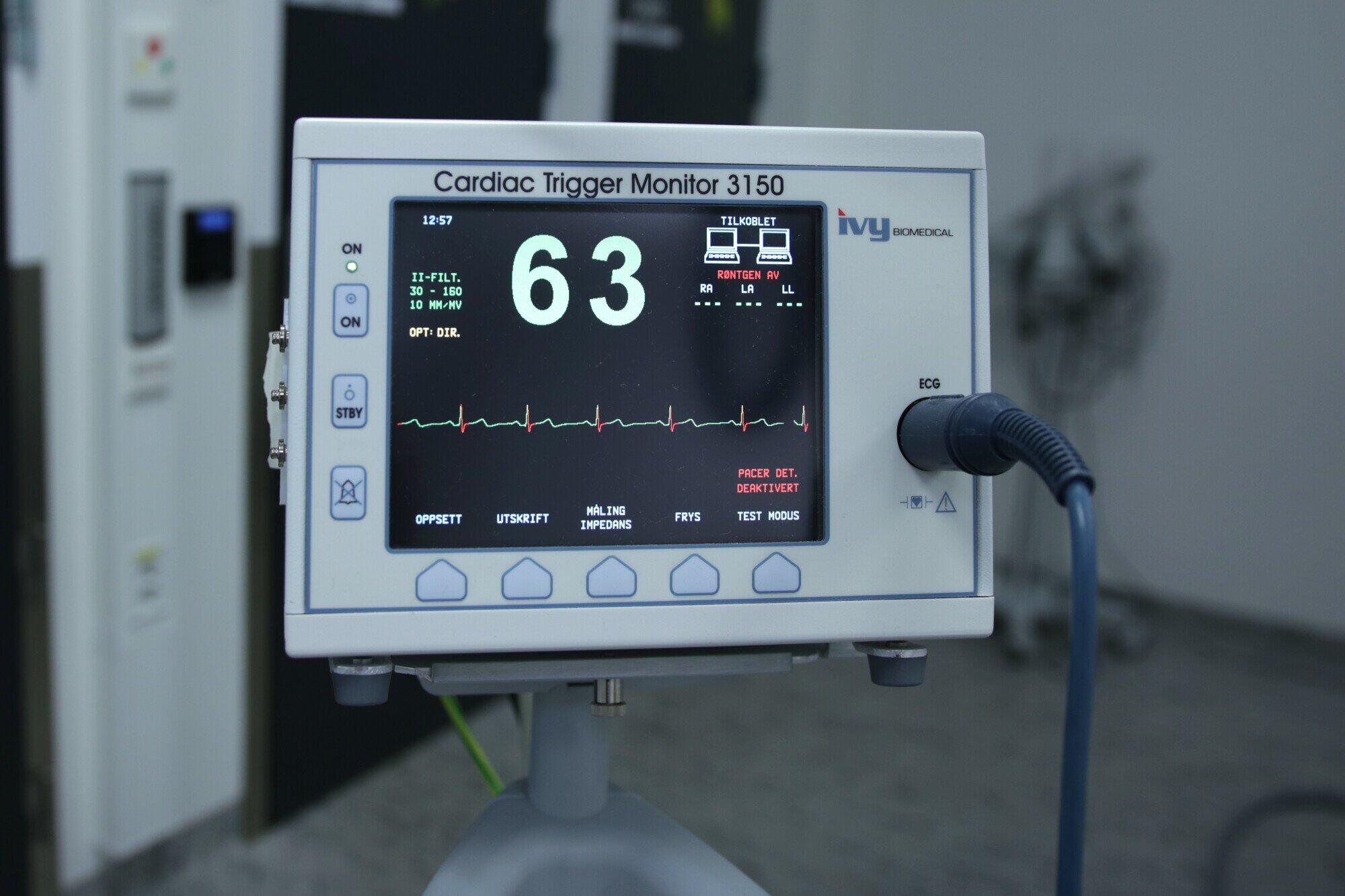
By Cristal Dyer
Post-launch monitoring enables medical device manufacturers to detect safety issues, track real-world performance, and maintain regulatory compliance after a product reaches the market. Pre-market trials are limited in size and scope and cannot fully account for the diversity of patients and clinical conditions encountered in everyday practice.
Continuous surveillance provides the data needed to respond quickly when problems arise and sustain device effectiveness long term.
According to the FDA, its Medical Device Reporting system logs over two million adverse event reports each year, a volume that reflects how much about a device’s real-world behavior remains unknown at launch. Those reports represent real patients and real clinicians encountering issues that no trial protocol could fully anticipate.
A device that performs flawlessly under controlled study conditions can behave very differently across varied populations, clinical settings, and years of continuous use. For manufacturers, building strong post-launch surveillance means staying ahead of those variables and having the evidence to act when it matters most.
Why Can’t Pre-Market Testing Predict Real-World Performance?
Pre-market trials are basically a starting point for understanding how a device behaves. They rely on a fairly small, carefully selected group of patients in controlled conditions, and that means there are real limits to what they can tell you about device effectiveness across diverse populations.
Clinical practice is naturally more unpredictable, with patients of varying ages, health histories, and medical complexity. Trials simply cannot replicate that variety.
Several real-world factors can actually affect how a device performs after launch:
- Patients with multiple co-existing conditions that weren’t represented in trials
- Clinicians with varying levels of training and familiarity with the device
- Differences in clinical environments, equipment, and standard procedures
- Long-term wear and tear that short-duration studies can’t capture
Post-launch analysis is what gives manufacturers a clear picture of how a device performs once it’s in the field. Real-world data can surface trends, like a higher-than-expected failure rate, for instance, or a usability problem that only appears in specific patient groups, and catching those trends early really does make a difference.
Protecting Patients and Staying Compliant
Regulatory bodies like the U.S. Food and Drug Administration expect manufacturers to keep monitoring their devices after market entry. Medical device monitoring is typically a formal requirement in most major markets, and the data collected feeds directly into safety decisions and risk management updates.
Consistent monitoring gives manufacturers the data they need to act on performance issues before they escalate.
Monitoring Strategies That Support Compliance
There are several tools manufacturers typically use to stay on top of post-market performance, and each one captures a different type of data. Each approach generates specific findings that help manufacturers spot and respond to emerging issues.
Some common monitoring strategies include:
- Complaint management systems that log issues reported by clinicians and patients
- Post-market clinical follow-up studies that track outcomes in real-world patient populations
- Device registries that collect long-term performance data across large groups of users
- Vigilance reporting systems that flag adverse events to regulators in near real-time
When manufacturers identify a problem, they can use that monitoring data to trigger corrective action: a design change, a manufacturing update, or revised instructions for use. Acting quickly on that data is what keeps devices safe and keeps manufacturers in line with their regulatory obligations.
What Does Post-Launch Monitoring Mean for Your Bottom Line?
Manufacturers that invest in strong post-market surveillance tend to see returns that go well beyond regulatory compliance. Long-term medical success depends on a device continuing to perform reliably in practice, and that only happens when manufacturers actively track performance data and act on it.
Frankly, the commercial case for monitoring is just as strong as the safety case.
Reputation and Product Longevity
A device that consistently delivers safe, effective results builds trust with clinicians and the health systems that use it. That trust translates into continued adoption, stronger referrals, and a longer commercial lifespan.
Post-market performance data can actually support the marketing of next-generation medical devices, since real-world evidence is a powerful tool in any commercial strategy.
AI-enabled devices really deserve special attention here. These devices learn from data, so their performance can shift as patient populations and clinical environments change over time. Monitoring inputs and outputs on an ongoing basis is the only way to catch that kind of drift before it affects patient outcomes.
Frequently Asked Questions
How Long Should Post-Launch Monitoring Continue After a Device Reaches Market?
Post-launch monitoring typically continues throughout the device’s commercial life. Regulatory frameworks in most markets require ongoing surveillance for as long as the device remains available to patients, and some obligations can continue even after a product is withdrawn from sale.
Who Is Responsible for Post-Market Surveillance?
The manufacturer typically carries the primary responsibility for setting up and running post-market surveillance. Regulators set the requirements and review submitted data, so in practice, it is a shared system with the manufacturer handling day-to-day operations.
How Does Post-Launch Monitoring Differ Between the FDA and EU Medical Device Regulation Frameworks?
The EU Medical Device Regulation framework, introduced in 2021, places significantly stricter demands on manufacturers than earlier EU rules, including more frequent reporting and written surveillance plans. The U.S. Food and Drug Administration’s approach is similarly comprehensive, yet uses different reporting timelines and documentation requirements. Manufacturers operating in both markets need to manage these separately.
Can Post-Launch Data Be Used to Support a New Indication or Labeling Update?
Yes, real-world evidence gathered through post-market surveillance can actually support regulatory submissions for expanded indications or updated labelling. Manufacturers often use this data to strengthen their clinical evidence base over time, and regulators in many markets actively encourage this kind of evidence generation.
The Foundation of Long-Term Device Success
Post-launch monitoring is a strategic function that shapes device safety, performance, and regulatory standing long after market entry. Real-world data surfaces what pre-market testing cannot catch, and manufacturers who invest in robust surveillance are better equipped to act on emerging issues, extend product longevity, and earn trust with clinicians and patients.
From complaint systems to post-market clinical follow-up studies, the right monitoring infrastructure defines a device’s lifespan. Visit our website to explore practical guidance and build a monitoring strategy that delivers long-term medical device success.




Second Row Fold: Cargo Space Impact Explained #shorts

Planting seeds of economic mobility for St. Louis students

Revitalizing Civics: Reclaiming Our Constitution

FDIC Study: Minority Banks & Lending for Communities #shorts

Car Seat Access: Test Your Third Row Layout! #shorts

CeCe Winans and friends turn Chaifetz Arena into a house of praise

Unitarian Universalist Congregation of Montclair | Preacher: Rev. Mark Thompson 10.11.26

Black-Owned Banks: FDIC Data Reveals Shocking Truth #shorts

2026 Defender 130X: Is The $110k SUV Worth It? #shorts

Mastering the Used Car Market ep11

Latest Massacre in Haiti Reveals Cruelty U.S. Deportations

The Youngest American Killed in the Vietnam War

OPINION: Nolan Wells’ Death One of Several Signifying Racial Terror Lives on in U.S. South

Passing for White, Fighting for Black America: The Courage of Walter White

OP-ED: Haiti TPS: Have We Lost Sense of Humanity?

OP-ED: If AI Is the New Language of Power, Then NAN Wants Black Communities Fluent

OP-ED: How Does Your State Rank for Pre-K?

Henry O. Flipper: A Trailblazer at West Point and Beyond

Asm. Smallwood-Cuevas’s Bill Repealing ‘Racist’ CalWORKs ‘Man-in-the-House’ Rule Clears Legislature

NBA All-Star Damian Lillard Returns Home for 15th Annual Backpack Giveaway
Second Row Fold: Cargo Space Impact Explained #shorts
Planting seeds of economic mobility for St. Louis students
Revitalizing Civics: Reclaiming Our Constitution
FDIC Study: Minority Banks & Lending for Communities #shorts
Car Seat Access: Test Your Third Row Layout! #shorts
CeCe Winans and friends turn Chaifetz Arena into a house of praise
Unitarian Universalist Congregation of Montclair | Preacher: Rev. Mark Thompson 10.11.26
Black-Owned Banks: FDIC Data Reveals Shocking Truth #shorts
2026 Defender 130X: Is The $110k SUV Worth It? #shorts
Mastering the Used Car Market ep11
-

 Black Press1 week ago
Zakiya Jendayi Arrested, Locked Out of Home by Sheriff’s Deputies
-

 Black Press6 days ago
A $2.1 Trillion Wellness Industry Never Built a Daily Practice for Black Children. So This Atlanta Family Did.
-

 Art6 days ago
Montclair Brewery: Brewing Culture, Community, History
-

 Black History1 week ago
Listening as a Lifeline: A Doula’s Witness to Black Maternal Health
-

 BlackPressUSA4 days ago
Latinas Deserve Equal Pay. Unions Help Make It Happen.
-

 Black Press6 days ago
COMMENTARY: But God!
