
Politics
Stacey Abrams Talks Candidly on Race, Political Power in U.S.
WASHINGTON INFORMER — Stacey Abrams, 45, made history last November in her effort to become the nation’s first African-American female governor.


By D. Kevin McNeir
Stacey Abrams, 45, made history last November in her effort to become the nation’s first African-American female governor — a race that she lost by the slimmest of margins and whose results — that is the validity of the outcome — remain “questionable” to many Americans — Black and white. Her campaign initiated a new national conversation about the importance of voting rights by shining a light on voter suppression efforts in Georgia. As a result, there is a new focus on ending what Abrams calls “systematic disenfranchisement” of African-American voters and other voters of color in America.
As she indicated during a provocative conversation held on Feb. 15 at the Brookings Institution in Northwest, a public policy think tank founded in 1916, her defeat and scurrilous conditions and circumstances behind her loss, have only served as an impetus for her to become even more involved in leading the charge against voter suppression. Joined by Jelani Cobb, she discussed the increasing political power of African Americans after the 2018 elections and the tensions that may arise as the African-American electorate and candidates claim more political space.
“I was raised to understand that the process of voting is directly tied to the kinds of policies we want to see, so voter suppression is more than saying ‘you can’t vote,’” she said. “Voter suppression is physical activity and psychic events that tell you not to use it — done in three ways — the Georgia ‘trifecta.’”
“First, there’s registration and impediments like it being hard to get on rolls, making it difficult for you to use a third party, the requirement that your name has to exactly match (ID and the voter’s registration card/data base) — something that impacted 53,000 voters in Georgia who were denied their right to vote by the employ of this law, 93 percent of whom were people of color and the requirement in Georgia that immigrants had to use their alien number — a violation of federal law,” she said.
“Also, some states still have ‘use it or lose it’ laws, something that was addressed in a recent lawsuit in Ohio, that allows states to remove voters from the rolls if they haven’t voted in a certain amount of time.”
“Second, ballot access, if voters did not request an absentee ballot in Georgia. Of 300 precincts in the state, 214 were shut down, making it more difficult, if not impossible for those with transportation to get to their closest polling location.”
Third, counting the ballots. Voters could not be sure that their vote was counted as some counties in the state threw away ballots due to “discrepancies” with their signature or for simple things like voters putting the date in the wrong place. Collectively, these are the ways that voter suppression works.
Cobb: How can these anti-democratic, racist practices continue to persist?
Abrams: They were never removed. They have just been perfected. It wasn’t until the 20th century that Native Americans were allowed to vote. One way to deny certain people the right to vote, specifically millennials, people of color and immigrants, and to therefore maintain control over public policy, is voter suppression. The insidiousness of voter suppression is that the laws allowed things to proceed in the GA election — what was done was perfectly legal — but could not be considered ethical or moral. Remedies remain limited you have people to change the policies — so, it’s a vicious cycle.
“The crisis of our day is we live in a nation where those in power use the law to undermine the very lawmaking process we both desire and deserve,” she said.
Abrams’ ‘Fair Fight’ Initiative
Abrams recalls that while on Nov. 6, the race remained too close to call, she began receiving a host of cries and calls for her concede. She says she couldn’t.
“We kept getting calls and calls about those who’d had difficulty exercising their right to vote,” she said. “In places where the majority of voters were Black, many reported being forced to stand in line for up to four hours. Some could not afford to stay in line that long because they had to return to work. Students at the AU Center were denied provisional ballots because polling places ran out of paper.”
“The night of the election, I demanded that every vote be counted because I understood that my campaign was premised on being a vote for people who had not been seen or heard. It wasn’t about the outcome. Still, we filed lawsuits and made incremental progress vs. the other side that had allegedly been destroying ballots. By Nov. 16, we were able to show that voter suppression was real. We got 50,000 calls. But imagine how many did not call or didn’t know they could call.”
“My campaign wasn’t the only one to face this — I was just the one getting the most attention. I chose not to respond with anger or sorrow but rather with action. I was raised not to just identify problems but to look for ways to solve them. ‘Fair fight’ has become something I’ve chosen to address — this should not happen to anyone else.
Cobb: Are there really 500,000 unregistered Black voters in Georgia? Are they really there? They didn’t come out for Obama so I’ve been skeptical about that number. What goes into mobilizing these electorates? Is this applicable to progressives and people of color running in the South?
Abrams: I am partisan so my advice probably isn’t applicable for those who aren’t Democrats. That said, you have to start early. I had been laying the groundwork for seven years while a member of the Georgia Assembly. You have to send people out to community with cultural competence. You have to train people to do the work so that later they can be hired to work on other campaigns. and then be able to be hired by campaigns.
We were aware of and met with those representing multi-racial, multi-ethnic, religious or sexual orientations differences. We met with Black-owned newspapers and inquired how to get into their media. We held roundtables with LGBTQ communities, with African Americans and with Asians. Pundits criticized us for investing in reaching out to voters rather than spending our money with the mainstream media. But I’ve never believed in turnout models so I refused to spend time or money only with those historically proven as more likely to vote.
Abrams said, when asked about Donald Trump and his decision to declare a national emergency in order to secure funding for the building of his wall, “He hopes to gain political clout after having failed in the actual process but the judicial system will deal with that. But we cannot turn this into a 24-hour circus over why or why or how doesn’t understand how American politics work. We have to ignore him.”
As for her plans to run for U.S. Senate, she replied, “I do not know.”
“But I can say that being the first Black female candidate for governor in the U.S. was an eye-opener,” she said. “We tend to take for granted those things or people that have proven most reliable. Black women are among the highest demographic of consistent voters. And like our car, which we assume will always start, it’s been assumed that Black women will always vote and will vote in certain ways. But we need to really understand more acutely the consequences of our actions. A car needs consistent care — Black women require care as well, particularly given our long history of reliability when voting.”
“Running a campaign is hard, expensive and mean. In fact, those who were meanest to me said things like ‘I really believe you’re the best candidate.’ Then they whispered to me, ‘but you’re a Black woman,’” she said.
“We can ill-afford to hold pity parties by saying that voter suppression remains alive and well in the U.S. and that it negatively impacted the results of my run for governor. We have to talk about voter suppression every day, with every political pundit, with every reporter — every day.”
“As for the Democratic Party, they need to decide what issues are most important. They need to be authentic and tell the truth all the time. They need to be clear about what their vision is for America. As for those who say they don’t see color or decry identity of their constituency, they don’t deserve to be president.”
Abrams’ newest book, “Lead from the Outside,” is slated for release March 2019.
This article originally appeared in the Washington Informer.












Black Press
Secretary of State Shirley Weber Pushes Back Against DOJ Demands Over California Voter Rolls
California Secretary of State Shirley N. Weber is pushing back against U.S. Department of Justice demands to investigate voters suspected of being noncitizens shortly before the general election. Federal authorities are seeking to block mail-in ballots from approximately 20,000 registered voters, but Weber argues the request is an unlawful attempt to purge voter rolls and incite public distrust. Tensions have escalated further following a specific security dispute involving a thumb drive delivered to Los Angeles County officials. Read more for details on the state’s response.
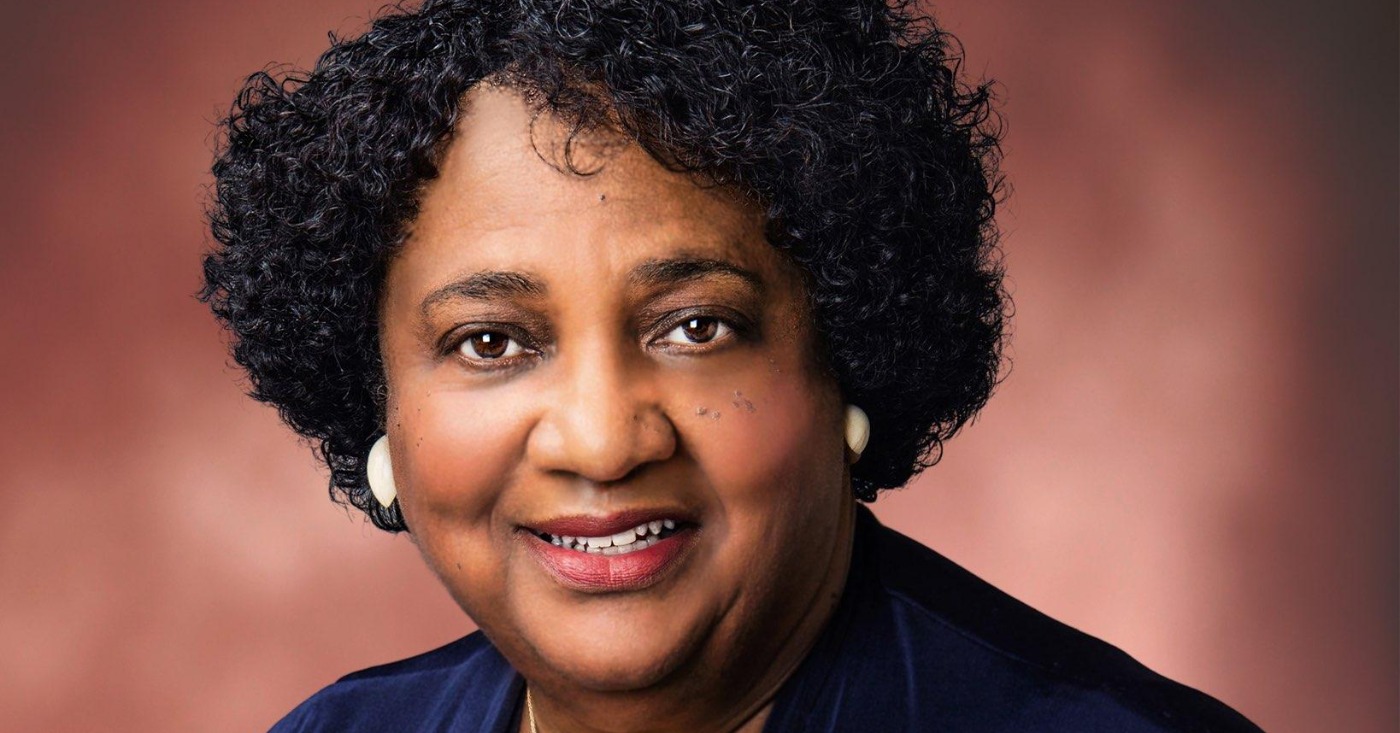
California Secretary of State Shirley N. Weber criticized the U.S. Department of Justice (DOJ)for demanding that state election officials investigate voters suspected of being noncitizens just weeks before the Nov. 3 general election.
“The U.S. DOJ’s relentless efforts to unlawfully gain access to states’ protected voter data and purge voter rolls serve only to cause chaos and fuel public distrust in our elections,” Weber said in an Oct. 14 statement.
Weber said her office received a demand to investigate an unspecified number of individuals the federal government believes are “likely noncitizens.” However, the DOJ did not provide her office with the list and gave California just 48 hours to obtain it, investigate and take action.
The demand comes as the DOJ, working with the Department of Homeland Security (DHS), seeks to block California from counting mail-in ballots from approximately 20,000 registered voters whose citizenship status the federal government has questioned.
“State-facilitated voter fraud is unacceptable in the United States of America,” said U.S. Attorney General Todd Blanche. “If found responsible in a court of law, the State of California will have seriously undermined confidence in our electoral system and violated laws that protect our nation’s representative system of government.”
According to Weber’s office, the Los Angeles County Registrar-Recorder/County Clerk received the federal government’s list on a password-protected thumb drive, with the password written on a sticky note.
Registrar-Recorder/County Clerk Dean C. Logan said his office declined to access the files because the device did not meet established security standards.
“We have not accessed the drive because doing so would conflict with established data privacy and information security protocols,” Logan said. “We do not consider the device a secure medium.”
Weber also challenged earlier federal allegations that California had 190,000 noncitizens on its voter rolls, saying the Trump administration had failed to provide evidence or explain its methodology despite requests from her office.
“California has robust state law requirements that only U.S. citizens can register to vote and that any non-eligible registrants are removed from the state’s voter rolls,” Weber said. “My office and California election officials remain committed – as always – to ensuring a fair and smooth 2026 general election.”
The DOJ’s letters to the California secretary of state and Los Angeles County election officialsoutline the federal government’s demands.
Black History
Oakland Honors 60 Years of the Black Panther Party at the All Power to the People Gala
Oakland recently gathered at the Scottish Rite Center for the All Power to the People gala, celebrating the 60th anniversary of the Black Panther Party. Presented by the Dr. Huey P. Newton Foundation, the event brought together movement veterans, community leaders, and elected officials to honor the organization’s history of radical love and community service. Attendees enjoyed performances by youth arts groups and heard testimonials regarding the Party’s enduring influence on local housing and healthcare. The evening featured a keynote address exploring the moral clarity required for activism, click to read more.
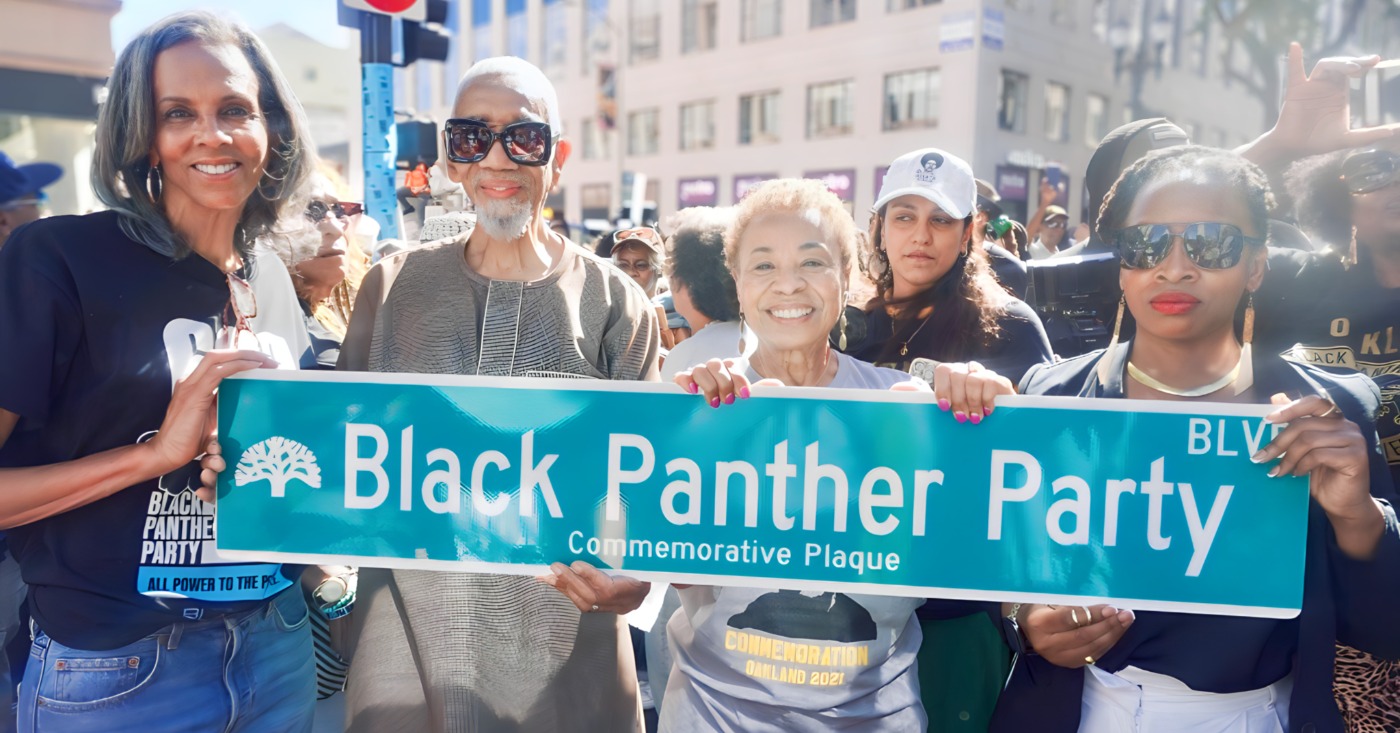
Oakland gathered on Oct. 17 to celebrate the 60th anniversary of the Black Panther Party (BPP), the movement Huey P. Newton and Bobby Seale founded in the city six decades ago.
The “All Power to the People” evening gala, at Oakland’s Scottish Rite Center, brought together Panther veterans, families, community leaders, and younger generations for a night of history, music, and recommitment.
The festivities, presented by the Dr. Huey P. Newton Foundation, began with a black carpet entrance up the staircase to the center. Each side was lined with servers holding trays of champagne for guests to retrieve while walking in.
An energetic U.S. Congresswoman Lateefah Simon opened the program as emcee. Charlotte Hill O’Neal offered libations, and 16-year-old Abayomi Lewis, a Haitian American high school junior from San Francisco, performed BBP’s anthem, “The Meeting.” Young Gifted & Black, a performing arts program that has served Bay Area youth since 2010, followed with an inspirational performance of stepping and speaking truth to power.
During dinner service by Chef Michele McQueen, Oakland Mayor Barbara Lee shared how instrumental the Black Panther Party was to her as a young single parent of two boys. “The Party provided food and lots of support and Fredrika Newton’s mother, a prominent real estate broker and housing rights activist, helped me navigate purchasing my very first home.”
Lee also shared lots of Panther history, including that she was the finance chair for Black Panther Party co-founder, Bobby Seale when he ran for Oakland mayor.
Dr. Xavier Buck, executive director of the Dr. Huey P. Newton Foundation, spoke of how being held at gunpoint by six New York City police officers in Jamaica Queens, reading the autobiography of Assata Shakur, and learning from Fredrika Newton inspired his life’s work.
“I’ve been poured into by Black Panther Party members throughout the country and what I’ve learned the most from them is “radical love.” The same love that created free breakfast programs, free ambulance services, and free sickle cell anemia testing for the Black community.”
Marvel’s Black Panther author and journalist Ta-Nehisi Coates delivered the keynote address.
“The legacy of the Black Panther Party lives on,” said Coates noting the presence of BPP veterans. He further remarked that people often focus narrowly on how to win, but real moral clarity comes from reflecting on what principles you are willing to stand for—and what you are willing to lose for—even in the face of steep odds.
Fredrika Newton, co-founder and president of the Dr. Huey P. Newton Foundation, thanked Panther veterans for “all you gave” and expressed hope that attendees would leave with a renewed commitment to the work that remains.
“Seeing Panther veterans, younger generations, and the community united to honor the Party, reminds me why this work has mattered so much,” said Newton.
Everyone in the room joined in song in tribute to Bobby Seale, wishing the 90-year-old well and took pictures with him.
Cyril Innis Jr., known as “Bullwhip,” addressed the issue of political prisoners and fighting for their freedom. The program booklet listed the dozens of imprisoned Panther members who passed away and honored the sacrifices of those still incarcerated.
A Legacy Award, was presented to Charlotte Hill O’Neal, known affectionately as “Mama C.”
“Mama C” has continued the Party’s work from Tanzania, where she and her husband, Pete O’Neal, founder of the Kansas City chapter, have lived in exile since 1970. Together they established the United African Alliance Community Center and the Leaders of Tomorrow Children’s Home which cares for orphans.
“Mama C” ceremoniously circled each table honoring the ancestors of the movement and encouraged guests to call out the names of loved ones who had passed away.
Marc Philpart of the Black Freedom Fund supported the anniversary and pledged to keep investing in the people and organizations carrying the work forward.
Trust for Public Land also marked the occasion, recalling its collaboration with the Panthers and Oakland residents who turned vacant lots into neighborhood gardens in the 1970s.
The Dr. Huey P. Newton Foundation opened the Black Panther Party Museum in January 2024, and the museum has since held multiple exhibitions and welcomes more than 30,000 visitors a year on the newly named Black Panther Party Boulevard in downtown Oakland. For more information, go to HueyPNewtonFoundation.org
Black Press
Fate of Bay Area Public Transit Hinges on Regional Transit Measure
Voters in five Bay Area counties will decide the fate of a regional sales tax measure on Nov. 3 that could determine the future of local public transportation. If approved, the Regional Transit Measure would implement new sales taxes in Alameda, Contra Costa, San Mateo, Santa Clara, and San Francisco counties starting in 2027. The funding aims to address massive financial deficits facing agencies like BART and Muni, providing nearly $1 billion annually to prevent station closures and service cuts. Read more.

On Nov. 3, voters in five Bay Area counties will vote on a regional sales tax measure that, if it fails, could prompt local transit agencies to close train stations and cut bus service.
If passed, the Regional Transit Measure, or RTM, will impose a half-cent sales tax in Alameda, Contra Costa, San Mateo, and Santa Clara counties as well as a one-cent sales tax in San Francisco starting April 2027.
The tax would raise an estimated $980 million annually for 14 years to fund the region’s public transit agencies, which are struggling with massive financial deficits. Revenue would go to BART, Muni, Caltrain, Alameda-Contra Costa Transit, the Santa Clara Valley Transportation Authority, the San Francisco Bay Ferry, Golden Gate Transit, and other transportation agencies operating in the five counties.
In California, a regional measure for a new sales tax would normally require a two-thirds majority approval if the state Legislature directly places it on a ballot. Transit advocates, however, chose to collect signatures to make the sales tax a citizen-initiated ballot measure that would lower the threshold to a simple majority of votes cast across the five counties.
The RTM received more than 241,000 signatures, exceeding the 186,000-signature threshold required to qualify for the ballot.
Black Press
Why AC Transit Director Joel Young is My Choice for AC Transit Board Ward 3
Former AC Transit Director Patrisha Piras is endorsing incumbent Joel Young for the AC Transit Board of Directors, Ward 3. Piras highlights Young’s tenure as the longest-serving member of the current board and his role in securing over $600 million in funding for the district. Young has previously served as board president and is credited with advancing clean-energy initiatives and workforce development programs. Piras cites his institutional knowledge as vital for navigating current financial challenges to ensure regional connectivity. Find out why Young is being recommended for another term.
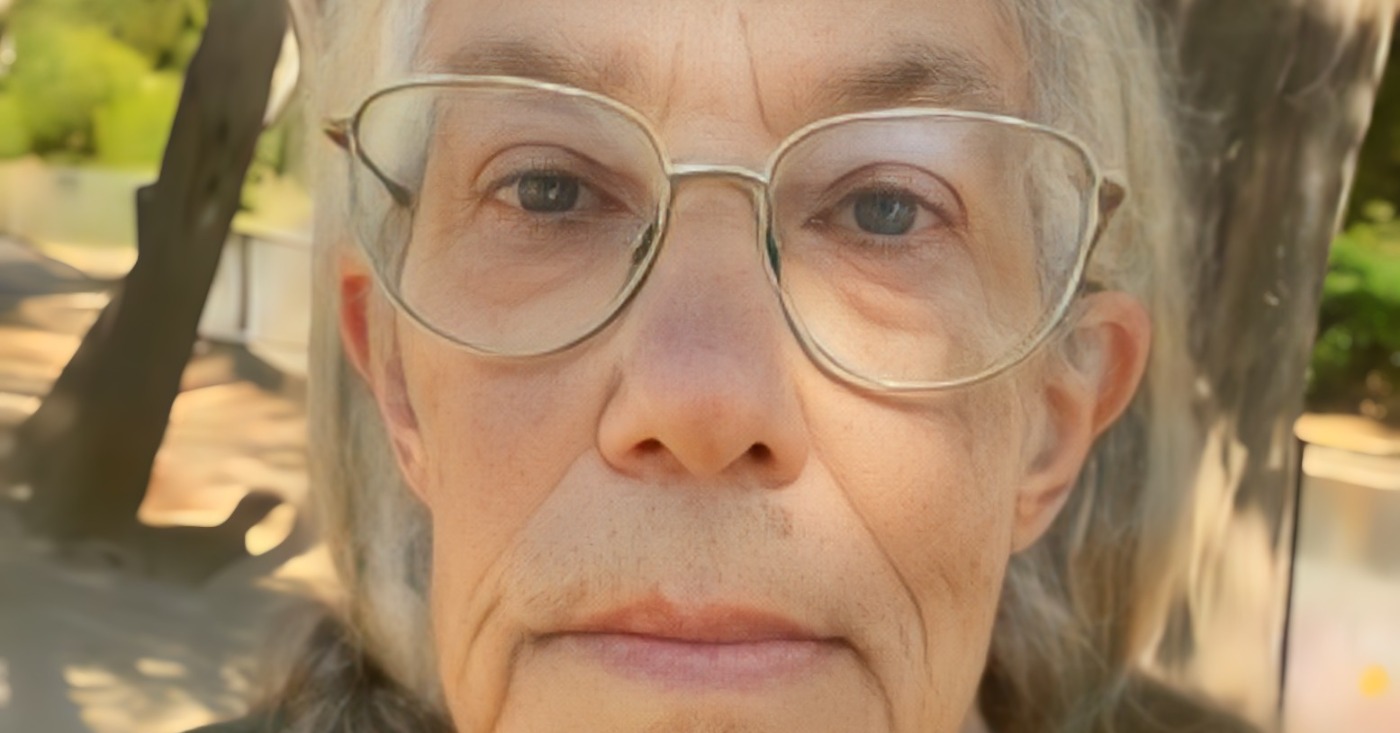
As a former AC Transit Director for more than a decade, I know firsthand what it takes to serve effectively on the AC Transit Board. That is why I am proud to endorse Joel Young for election to the AC Transit Board of Directors, Ward 3.
Joel’s dedication to AC Transit and the communities they serve has been unmatched. Throughout his years on the Board, he has been a tireless advocate for riders, employees, and residents who depend on reliable, affordable public transportation every day. The majority of his colleagues have shown their trust, respect, and confidence in him by electing him as Board president.
As the longest-serving member of AC Transit’s current Board, Joel has played a pivotal role in securing more than $600 million in funding for the District, advancing clean-energy transit initiatives, strengthening workforce development programs, and helping position AC Transit as a national leader in innovation and sustainability. His leadership has extended beyond the Bay Area, representing AC Transit on the national stage and advocating successfully for investments that strengthen public transportation across the country, even with the current federal administration.
At a time when transit agencies face significant financial and operational challenges, Joel brings the experience, institutional knowledge, and steady leadership needed to help guide AC Transit forward. He understands that public transportation is about more than buses and infrastructure. It is about connecting people to jobs, schools, health care, and opportunity while ensuring that our communities remain accessible and economically vibrant.
Joel Young has a proven record of working with others to deliver results, protect transit service, and fight for the resources needed to meet the evolving needs of our region. His dedication, leadership, and commitment to public service make him exceptionally qualified to represent AC Transit Ward 3.
I strongly endorse Joel Young for the AC Transit Board of Directors and encourage Ward 3 voters to support his election by Nov. 3.
Patrisha “Pat” Piras is a former AC Transit director.
Black Press
OP-ED: For Us It’s Feel-a-Nomics
BLACKPRESSUSA NEWSWIRE — Consumer confidence is at its lowest level since 2014. The median household income in America is $87,460 but it takes a median income of $150,000 to buy a home. Affordable housing is sitting vacant because folks still can’t afford it particularly with the dramatic cuts to SNAP and Medicaid we saw in Trump’s “Big Ugly Bill.”

I often refer to the economic conditions we see in our Black community is Black-a-nomics. But that description is truly rooted in Feel-a-nomics: the economy that you can feel.
Feel-a-Nomics gets past the philosophical abstractions you hear about so much on the news that politicians use to paint a rosier picture than the reality you’re facing. Feel-a-Nomics doesn’t care about corporate profits or dividend projections because those earnings don’t trickle down to your wallet. It doesn’t pay any attention to inflated job numbers when we know that it takes at least two of those jobs to earn a living wage.
Feel-a-Nomics is the economy that affects every day of your life.
Foreclosure rates are skyrocketing up 21% for the first half of 2026 and car repossessions were up 43% as of January. That’s Feel-a-Nomics because it’s your home on the chopping block and that’s the car you need to get to and from your job.
Credit card debt is surging as more than half of Americans are forced to rely on credit cards to pay for basic needs like groceries, rent and utilities. Student debt has jumped since the Trump administration reversed course on Biden repayment and forgiveness plans. This unconstitutional war has brought us record high diesel prices and fertilizer costs along with 16 unnecessary American deaths with a Feel-a-Nomics impact of higher prices at the pump and the grocery store as it costs our farmers more not just to grow our food, but to send it to us too.
Consumer confidence is at its lowest level since 2014. The median household income in America is $87,460 but it takes a median income of $150,000 to buy a home. Affordable housing is sitting vacant because folks still can’t afford it particularly with the dramatic cuts to SNAP and Medicaid we saw in Trump’s “Big Ugly Bill.”
The MAGA healthcare cuts are piling on new premiums and high deductibles. High inflation, particularly at the gas pump and the grocery store, is cutting our legs from under us. The value of our dollar is shrinking at every turn and it doesn’t matter anymore if you want to get a second or third job because, according to another piss poor jobs report, the work just isn’t out there.
According to the Federal Reserve, the net worth of Black households is down 25%. That’s our home. That’s our community. Those are our families! That’s Feel-a-Nomics and, here in the Black community, it hurts. So let’s turn that pain into progress.
After gutting the Voting Rights Act and more, President Trump and the MAGA Congress has done everything they can to cripple Black progress and Black communities. They’ve picked our pockets and our bodies to the bone. But there’s something we can do about it.
The economics of voting are undeniable and, try as they might, they can’t keep us out of the voting booth. That’s why we have groups like State Voices, Repairers of the Breach, Common Cause, No Kings and more coming together to drive voter mobilization and participation. That’s why Repairers of the Breach is organizing 1,000 marches to the polls across the South and battleground states like North Carolina where 201,609 voters cast their ballots on Thursday’s first of early voting.
That’s a 46.7% increase in early voting from 2022. That’s huge! But it’s just the start.
We need a generational, Presidential year-type turnout if we’re going to turn this ship around and find the Feel-a-Nomics relief we need in our communities. That means we all have to do our part from the streets to the suites.
We need everyone from the PhDs to folks who don’t have a GED. We need the farmers and forklift drivers, college students to life students, front line workers for everyone who works on the line.
We need everyone.
We’ve all felt the impact of MAGAnomics and Trumpism. We’ve all felt the pain whether it’s that empty feeling looking at bills you just can’t pay no matter what you cut or the cramp in your stomach because you’re skipping meals trying to keep the lights on.
We’ve all felt the pain of these Feel-a-Nomics. But the good news is that we have an opportunity right now to do something about it. We have the opportunity to make a change at the ballot box.
But it’s going to take all of us to make it happen. It’s going to take every shoulder against the wheel to push back on the big money holding us down. It’s going to take all of us but we’ve done it before.
Are you ready to do it again?
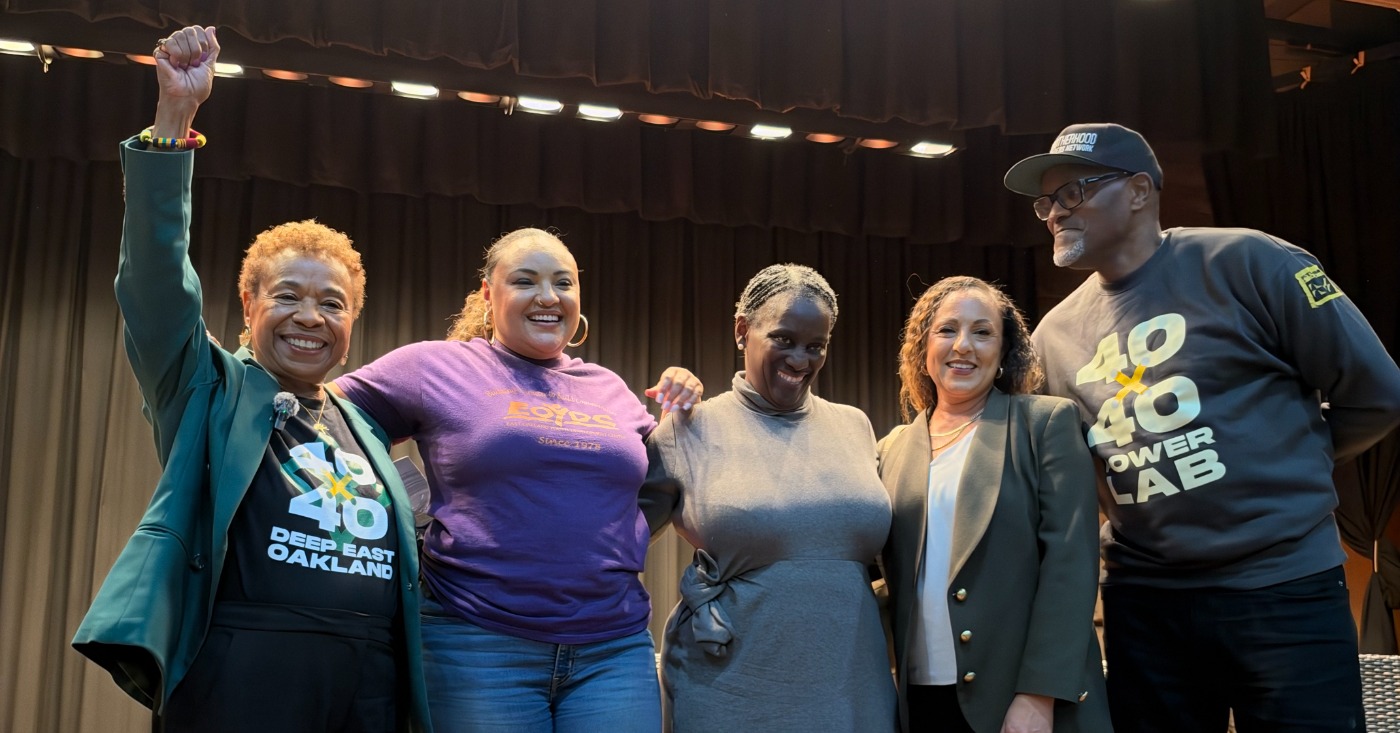
In partnership with Rise East and the 40×40 Council, Oakland Mayor Barbara Lee held a special 2026 State of the City East Oakland community conversation on Oct. 14.
The purpose of bringing a State of the City address directly to the community was to celebrate East Oakland, highlight the work underway, and look ahead to what neighbors, local businesses, youth, funders, community organizations, and partners can accomplish together.
Held at the Roots Community Health/Parker Elementary School Campus at 7929 Ney Ave., the event was emceed by special guest Mark Curry, Oakland native, comedian, and actor.
Lee shared how Rise East and the 40×40 Council have brought together the knowledge, relationships, and resources of people and organizations committed to East Oakland.
Residents bring lived experience, community organizations bring trusted relationships and philanthropy, and businesses bring resources and opportunity, she said, then turned to the government’s role: public investment, services and policy.
But, Lee intoned, City Hall has a responsibility to help connect those efforts.
“I am committed to listening to residents, working across departments and sectors, and helping open doors to opportunity. We must connect neighborhood priorities to the decisions we make about housing, economic development, safety, health and our young people.
City Hall “must be accountable for the results,” Lee said. “The measure of success is what families experience: greater stability, more opportunity and a stronger sense that they belong and have a future here.
“Tonight is an opportunity to listen to the leaders doing this work, learn what is making a difference and identify where we can do more together,” the mayor said.
Lee went on to moderate a ‘fireside chat’ on the theme: Building Oakland’s Future Together — From Neighborhood Investment to Community Empowerment with:
- Selena Wilson, CEO, East Oakland Youth Development Center
- Greg Hodge, CEO, Brotherhood of Elders
- Carolyn “CJ” Johnson, CEO, Black Cultural Zone
- Dr. Noha Aboelata, CEO, Roots Health Center
Mayor Barbara Lee’s media relations department provided this report.

San Diego’s State Workers Demand Better Pay in Major Strike

Unscripted Sports Talk: Featuring Local Media Stars! #shorts

Par 365: Making Indoor Golf More Accessible in Minnesota #shorts

Honoring Clem Haskins: A Basketball Legend’s Legacy at UMN #shorts
NFN live presents Beyond IWDM 50 Podcast
The Hidden Cost of Insurance Loyalty

Retrospectro Talks Viral Videos, Lean Squad, Music & More | Interview

CBCF’s ALC 55 Recap | September 2026

The Washington Informer Celebrates 62 Years | Recap

Heated Seats & Sliding Window: Ultimate Truck Comfort #shorts

OP-ED: Haiti TPS: Have We Lost Sense of Humanity?

Remembering Chauncey Bailey as Student Journalists Face Threats to Truth-Telling

All Skinfolk Ain’t Kinfolk

Poll: Becerra Widens His Lead Over Hilton; Californians Split on Wealth Tax

Rulings Leave Questions Lingering in Nolan Wells Case

Latinas Deserve Equal Pay. Unions Help Make It Happen.

Zakiya Jendayi Arrested, Locked Out of Home by Sheriff’s Deputies

COMMENTARY: The Audacity of Joyce Beatty

Why Black Artists Struggle to Sell Tours

A $2.1 Trillion Wellness Industry Never Built a Daily Practice for Black Children. So This Atlanta Family Did.
San Diego’s State Workers Demand Better Pay in Major Strike
Unscripted Sports Talk: Featuring Local Media Stars! #shorts
Par 365: Making Indoor Golf More Accessible in Minnesota #shorts
Honoring Clem Haskins: A Basketball Legend’s Legacy at UMN #shorts
Retrospectro Talks Viral Videos, Lean Squad, Music & More | Interview
CBCF’s ALC 55 Recap | September 2026
The Washington Informer Celebrates 62 Years | Recap
Heated Seats & Sliding Window: Ultimate Truck Comfort #shorts

Test Subaru’s 11.6-Inch Screen in REAL Daylight #shorts

EV Range Anxiety? Your Daily Commute Needs Just One Overnight Charge #shorts
-

 Black History1 week ago
OP-ED: The Black Church Writes AI’s Next Chapter
-

 Featured6 days ago
Tamiko Armstead | 2026 Lifetime Achiever in Education
-
 Black History1 week ago
Practitioners of African Traditional Spirituality Offer Ancestral Reverence Ritual Oct. 31
-
 Art1 week ago
Kickstarter CEO Everette Taylor Shares Tips on Creating and Growing a Business
-
 Black History1 week ago
Columbus’s Oldest Businesses Still Open: 10 That Have Lasted 75+ Years
-
 Black History1 week ago
COMMENTARY: BIG MAMA SAID: Don’t Throw Away the Gift Just Because It Came Wrapped Wrong
