
Featured
Op-Ed: Black Women Show the Way Forward in 2018
SAN DIEGO VOICE & VIEWPOINT — There is a reckoning afoot in this country. On one side, Trump has emboldened and embodied a virulent and reckless hate that targets women, Black people, and immigrants (among many others). Each day brings a new outrage. On the other side, #MeToo has followed #BlackLivesMatter as a hashtag-turned-movement, led by courageous truth-tellers who are sick and tired of a violent and largely ignored status quo.

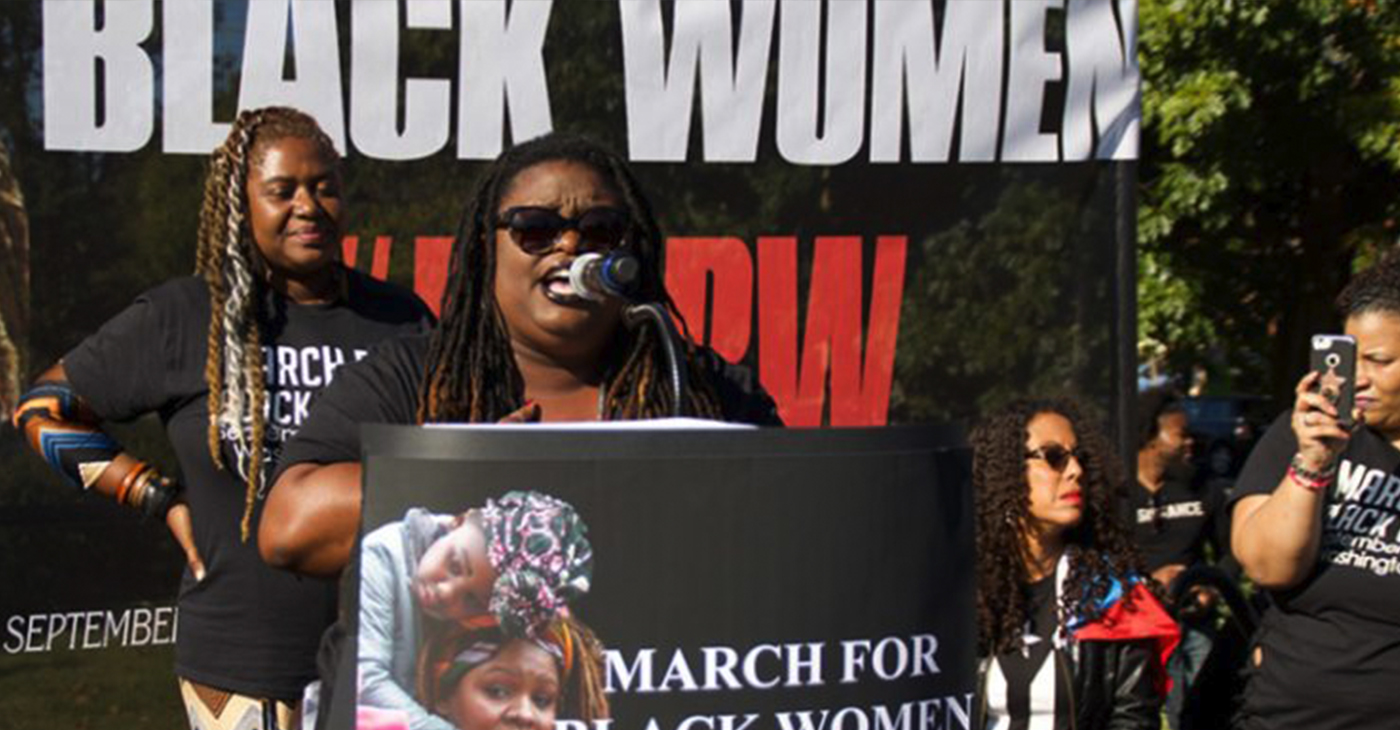
By Monica Simpson (Executive Director, SisterSong)
There is a reckoning afoot in this country. On one side, Trump has emboldened and embodied a virulent and reckless hate that targets women, Black people, and immigrants (among many others). Each day brings a new outrage. On the other side, #MeToo has followed #BlackLivesMatter as a hashtag-turned-movement, led by courageous truth-tellers who are sick and tired of a violent and largely ignored status quo. The conversation about race and gender in this country has broken open, and now we must all contend with the truth of who we are as a nation.
While this may feel like scary and unfamiliar territory to some, in reality, the U.S. is just catching up to an understanding and analysis that Black women in this country have had for a long time. Black women have never had the luxury of ignorance—not to police violence, not to the rampant sexual harassment and assault that women experience at home, school, and work. In 2018, we should look to the work of Black women to see the path forward for a troubled and divided nation. In a way, Black women scholars and organizers have left breadcrumbs for us to follow to liberation, if we’ll only pay attention.
In 1989, legal scholar, Kimberly Crenshaw, coined the term “intersectionality” in her paper for the University of Chicago Legal Forum to explain how Black women’s oppression on the basis of gender combined with oppression on the basis of race to create something altogether new, an experience of discrimination did not match what either white women or Black men experience. This concept would lay the groundwork for social justice organizing that now spans the globe, and provided a vocabulary for something Black women experience on a daily basis. While intersectionality risks dilution as an increasingly popular buzzword, the analysis it provides is a crucial tool to cut through the noise and understand the Trump administration’s policies and their impact on different communities.
Take for instance the recent Jane Doe case, and similar cases, of the Trump administration blocking young immigrant women from getting reproductive healthcare. The mistreatment of the “Janes” (as they’ve come to be called) at the hands of the Trump administration targets them both as women and as immigrants, and the two identities cannot be pulled apart. “Intersectionality” provides an analysis that explains why their treatment is so much more extreme, and its impact so severe.
Just five years after Crenshaw’s groundbreaking work, the reproductive justice movement was founded by Black women who, like Crenshaw, saw that their perspectives and experiences were being, once again, left out of the equation. Reproductive justice brought intersectionality and a global human rights framework together with a nuanced understanding of U.S. policies of reproductive coercion. The founding mothers of reproductive justice rejected White feminism’s focus on the birth control and the legality of abortion as too narrow, and described a vision for a world, where we can all prevent pregnancy if we want to, end a pregnancy if we need to, and have and raise children in healthy environments and without fear of violence.
Reproductive justice broadened the lens of abortion rights to include low-income women and women of color “and” broadened the entire conversation to recognize the ways in which U.S. policies denied motherhood to some women even while forcing it on others against their will.
This framework is crucial to connect the dots among Trump’s reproductive policies. Trump wants to make birth control unaffordable, push abortion out of reach, and punish women for having children. What seems inconsistent on the surface is, in fact, all part of one agenda to coerce and control a woman’s decisions about pregnancy, childbirth, and parenting.
When Trump was first elected, Black women were the least surprised. We saw Trump coming from a mile away and we already knew how deep this country’s anti-woman and anti-Black sentiment ran. Now, more than a year later, the work of Black women will help us understand and combat Trump’s agenda, with Black women leading the fight.
Let 2018 be the year of the Black woman.
Let 2018 be the year Black women’s brilliance, leadership, and analysis are heeded at last. Let 2018 mark the beginning of a new era of listening to, respecting, and trusting Black women. Just stop for a moment and imagine what might happen, if we actually made those words a reality.
The day after the Alabama Senate race, the hashtag #TrustBlackWomen was all over social media. And yes, we should trust Black women voters, because they’ve kept us from the brink many times. But Black women’s wisdom and contributions have so much more to teach us all—and we’re going to need to understand that if we hope to keep Trump from dragging us backward.
Like many other Black women across the country, I was standing up in my living room cheering and clapping my hands as I watched Oprah deliver her passionate speech at the Golden Globes. The next day the media went wild with hopes for and critiques of a theoretical run for president—but they missed the point. While the thought of it made me smile, what I saw was an invitation.
I saw an invitation for Black women to take every opportunity that we are given speak up and speak out for ourselves. I saw an invitation for Black Women to take up even more space. I saw an invitation for Black women to take the mic, to move to center stage and demand the attention and respect we have always deserved.
Monica Simpson is the executive director of SisterSong: The National Women of Color Reproductive Justice Collective, based in Atlanta, Ga., and the director of the Trust Black Women Partnership. You can follow SisterSong on Twitter at @SisterSong_WOC.
This article originally appeared in the San Diego Voice & Viewpoint.












Featured
Headline: FAMU Homecoming Injuries, Discarded Ballots & Rising Holiday Costs 📱
A FAMU homecoming turns tragic, election ballots are found in a park, and inflation hits your holiday plans. Get the full story on Black Press USA’s Morning Show.


A FAMU homecoming celebration takes a troubling turn, with 12 people injured, including six children. Meanwhile, two bins of undelivered ballots are discovered in a Seattle park dumpster, raising questions about election security.
Plus, Thanksgiving dinner could cost families more this year, and soaring chocolate prices are putting a damper on Halloween candy sales.
From public safety and election integrity to the rising cost of everyday life, we’re breaking down the headlines and the stories impacting our communities.
Watch Black Press USA’s Morning Show for the headlines, the context, and the conversation behind the news.
#BlackPressUSA #MorningShow #BlackNews #FAMU #ElectionNews #CostOfLiving
Featured
Headline: FAMU Homecoming Injuries, Discarded Ballots & Rising Holiday Costs
From the FAMU homecoming tragedy to election ballot concerns and rising holiday costs, we break down the news impacting our communities. Watch the latest report.

A FAMU homecoming celebration takes a troubling turn, with 12 people injured, including six children. Meanwhile, two bins of undelivered ballots are discovered in a Seattle park dumpster, raising questions about election security.
Plus, Thanksgiving dinner could cost families more this year, and soaring chocolate prices are putting a damper on Halloween candy sales.
From public safety and election integrity to the rising cost of everyday life, we’re breaking down the headlines and the stories impacting our communities.
Watch Black Press USA’s Morning Show for the headlines, the context, and the conversation behind the news.
#BlackPressUSA #MorningShow #BlackNews #FAMU #ElectionNews #CostOfLiving
Featured
OTR @ Par 365
Thomas Jackson discusses his journey from pandemic golfer to the founder of Par365, a Roseville space dedicated to making the sport accessible and community-focused.

Thomas Jackson’s favorite part about being a Black business owner in Minnesota is the ability to create community, perspective, autonomy and authentic experiences.
On this episode of MSR On the Radar, Jackson joins host Damenica Ellis to talk about discovering golf during the COVID-19 pandemic and how that hobby became Par365, an indoor golf simulator, bar, restaurant and event space in Roseville that he and his wife opened in December 2023. Their mission was to make golf more accessible, more affordable and more approachable.
Jackson shares how breaking into the industry took marketing, local partnerships and social events, why intimidated newcomers needed extra encouragement, and the programming Par365 built in response, including Golf 101 sessions and a speaker series for middle and high school students. He also talks about moving from a corporate product development career to full-time entrepreneurship, balancing the business with family life, and his advice for aspiring entrepreneurs: compress your vision into a minimum viable product and grow at a reasonable pace.
Listen to the full conversation.
Featured
OTR w LeBrent Speed
LeBrent Speed shares how his B3 Project is revolutionizing networking by prioritizing community impact and mentorship over simple sales.
LeBrent Speed founded The Better Black Business (B3) Project to intentionally combine commerce and community for Black entrepreneurs and authentic allies. Just over two years in, the professional networking program has more than 100 members and is expanding to other cities.
On this episode of MSR On the Radar, Speed shares how a licensed minister who always aspired to work in business became BNI’s first Black regional director, and why he saw a need for more intentional Black networking spaces. He explains B3’s founding principle of serving over selling, defines networking as the intentional pursuit of impactful relationships, and talks about his nonprofit, The Better Black Business Initiative, which trains Black youth, next-generation allies and justice-impacted people to become entrepreneurs.
Speed also discusses his first book, “The Transformation Code: 5 Keys to Transforming Your Life and Impacting the World,” and how it grew out of one of the lowest periods of his life.
Listen to the full conversation.
Featured
OTR w Terresa Moses @ Black Garnett Books
Terresa Moses shares her journey from social justice design to running Black Garnet Books. Discover how she builds community through storytelling and entrepreneurship.
Terresa Hardaway says her favorite part of being a business owner is the chance to intentionally build community. In 2017, she co-founded Blackbird Revolt, a design studio focused on social justice, anti-racism and abolition. In 2024, she acquired Black Garnet Books.
Blackbird Revolt helps government agencies, nonprofits and grassroots organizations with branding, animation, video and audio production, fabrication and other creative work. At Black Garnet Books, Hardaway uses storytelling to show what Black liberation looks like, curating Black and Brown authors and hosting events that center community.
She also shares how she adapted her bookstore during Operation Metro Surge, how her network gave her the confidence to become an entrepreneur, and her advice for anyone starting a business: have a plan, know who you are, and surround yourself with people who will remind you when you forget.
Hardaway is an associate professor of graphic design and director of design justice at the University of Minnesota’s College of Design.
Featured
Stay Focused: Make Your Vote Count This Election
Don’t let the headlines distract you from what matters. Watch Dr. Warren’s latest message on staying focused and making your voice count this November.

🗳️🚨 Don’t let the headlines distract you from what matters! Dr. Warren urges voters to stay focused, look beyond the political scandals, and make their voices count at the polls this November. Watch the full From the Desk of the Editor episode now!
#StayFocused #Election2026 #FromtheDeskoftheEditor #VoiceAndViewpoint


Headline: FAMU Homecoming Injuries, Discarded Ballots & Rising Holiday Costs 📱

Headline: FAMU Homecoming Injuries, Discarded Ballots & Rising Holiday Costs

OTR @ Par 365

OTR w LeBrent Speed

OTR w Terresa Moses @ Black Garnett Books

Stay Focused: Make Your Vote Count This Election

Confused by Your Ballot? Joy Reid’s Tips for Houston Voters

Confused by Your Ballot? Joy Reid’s Tips for Houston Voters

Oakland Probate Dispute Raises Questions About Court-Ordered Property Transfer and Missing Notice

‘Raising a Child Shouldn’t Break the Bank’: California Is Helping Families Save on Childcare Costs

OP-ED: Haiti TPS: Have We Lost Sense of Humanity?

Remembering Chauncey Bailey as Student Journalists Face Threats to Truth-Telling

All Skinfolk Ain’t Kinfolk

Poll: Becerra Widens His Lead Over Hilton; Californians Split on Wealth Tax

Rulings Leave Questions Lingering in Nolan Wells Case

Latinas Deserve Equal Pay. Unions Help Make It Happen.

Zakiya Jendayi Arrested, Locked Out of Home by Sheriff’s Deputies

COMMENTARY: The Audacity of Joyce Beatty

Why Black Artists Struggle to Sell Tours

A $2.1 Trillion Wellness Industry Never Built a Daily Practice for Black Children. So This Atlanta Family Did.
Headline: FAMU Homecoming Injuries, Discarded Ballots & Rising Holiday Costs 📱
Headline: FAMU Homecoming Injuries, Discarded Ballots & Rising Holiday Costs
OTR @ Par 365
OTR w LeBrent Speed
OTR w Terresa Moses @ Black Garnett Books
Stay Focused: Make Your Vote Count This Election
Confused by Your Ballot? Joy Reid’s Tips for Houston Voters
Confused by Your Ballot? Joy Reid’s Tips for Houston Voters

Black Men for Angie Nixon

When to Quit Your Day Job for a Growing Business #shorts
-

 Black History1 week ago
OP-ED: The Black Church Writes AI’s Next Chapter
-

 Featured6 days ago
Tamiko Armstead | 2026 Lifetime Achiever in Education
-
 Black History1 week ago
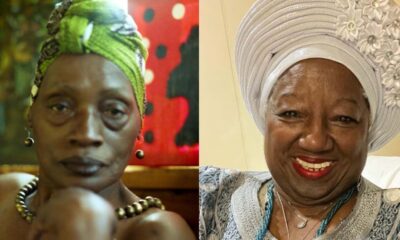
Practitioners of African Traditional Spirituality Offer Ancestral Reverence Ritual Oct. 31
-

 Black Press1 week ago
OP-ED: If the ‘Cornell 7’ Were Black Men at an HBCU — America Wouldn’t Be This Sympathetic
-

 Art1 week ago
Inside 820 S. Michigan: New Book Captures the Lost World of Ebony and Jet
-

 Black Press1 week ago
While Black Families Pay More for Power, Some Attorneys General Fight to Save High-Cost Coal
