
Black History
Meharry Medical College Announces Collaboration with University of Memphis and Methodist Le Bonheur Healthcare for More Doctors of Color
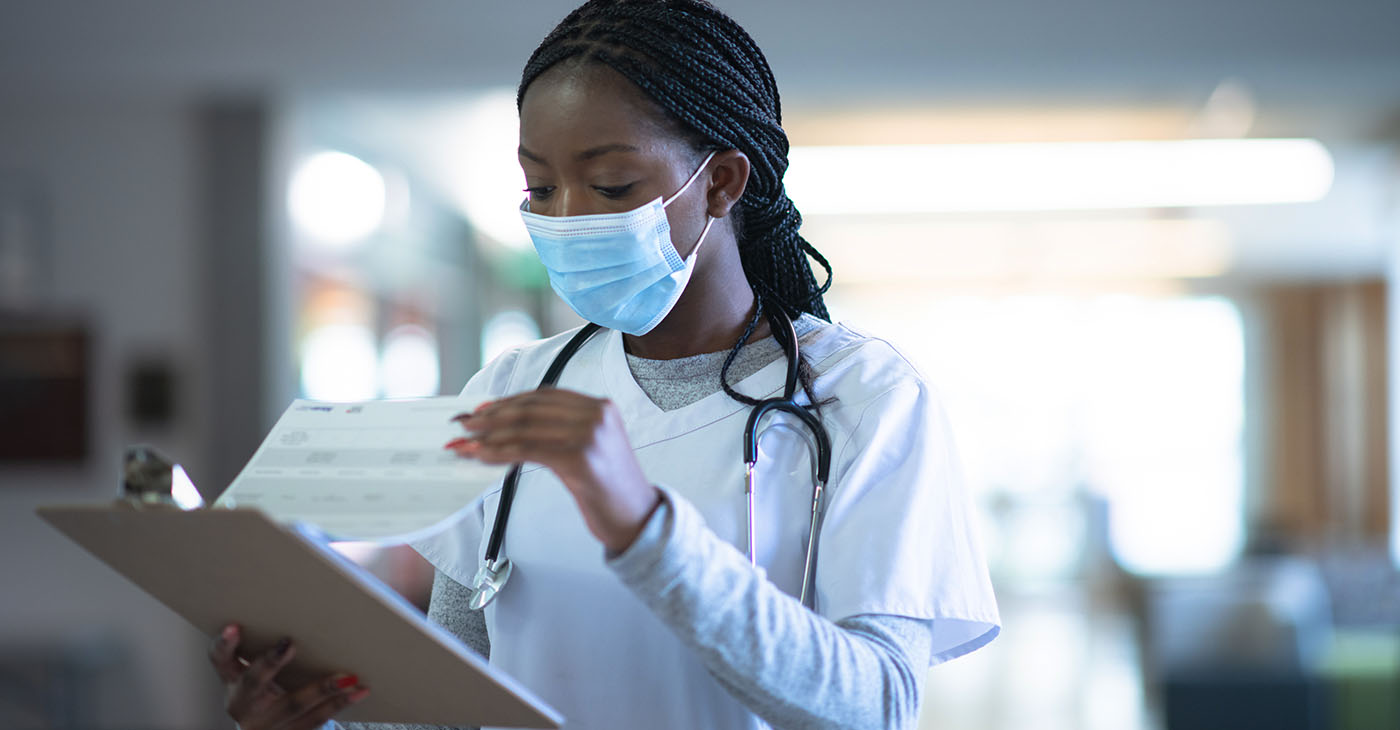
NNPA NEWSWIRE — “We will work together to diversify the healthcare provider pipeline and advance health care education,” said Dr. James Hildreth, the president of Meharry Medical College in Nashville. The institutions plan to create training and research for medical students of color, hoping they will grow the number of primary care doctors across the state.

By Stacy M. Brown, NNPA Newswire Senior National Correspondent
@StacyBrownMedia
Meharry Medical College, Methodist Le Bonheur Healthcare, and the University of Memphis announced a historic collaboration the conglomerate said would diversify health care and advance health care education.
“It’s a game-changer,” Dr. James Hildreth, the president of Meharry Medical College in Nashville, said during a Zoom news conference on Monday, December 17.
“We will work together to diversify the healthcare provider pipeline and advance health care education,” Dr. Hildreth proclaimed.
The institutions plan to create training and research for medical students of color, hoping they will grow the number of primary care doctors across the state.
Initial plans include offering rotations for third-and-fourth-year students at Meharry and Church Health in Memphis.
The institutions will recruit students of color to pursue pre-medical undergraduate degrees at the University of Memphis.
They would have preferred access to medical school and biomedical sciences graduate programs at Meharry.
Methodist has committed to providing clinical training rotations and residencies in its hospitals.
Besides increasing the number of physicians of color, the partnership expects to create research collaborations between Meharry, Methodist, and the University of Memphis.
A clinical affiliation with Church Health, which serves the underinsured in Memphis, plans to provide educational and health care benefits to the community.
“We are delighted for this historic opportunity to work alongside these legacy institutions in the Memphis region to provide meaningful experiences for our students and care for those who need it most,” Dr. Hildreth stated.
“There is a critical need throughout our country for a pipeline of Black talent within medicine. Now more than ever, the Black community needs greater access to preventive care and to providers they trust,” he said.
“This partnership with Methodist and the University of Memphis will support our ongoing efforts to diversify students’ training and educational experiences, so they are fully prepared to serve.”
Meharry officials said they’re committed to collaborations that help Black health care professionals directly impact health disparities, address social determinants of health, and improve health for minority communities across Tennessee.
“This partnership allows MLH to expand on our commitment of providing exceptional training opportunities for the next generation of physicians, nurses, and medical professionals,” Michael Ugwueke, president and CEO of Methodist Le Bonheur, offered.
The partnership comes at a critical time in health care, particularly in the Mid-South where patients face many health challenges, Ugwueke added.
“Leveraging the expertise of Methodist, Meharry, and the University of Memphis will allow us to implement innovative care models in community outreach, health education and research to meet the needs of the patients we are privileged to serve,” Ugwueke concluded.
According to a release issued just before the news conference, because Church Health has residents at Baptist Memorial Health Care, Meharry students will have access to medical training at three Memphis clinical settings — Methodist Le Bonheur, Church Health and Baptist Memorial Hospital-Memphis.
“This is a truly wonderful thing for Memphis,” said Dr. Scott Morris, head of Church Health.
“Memphis is a Black city. We ought to be fully engaged in training young Black students to become Black physicians, and by God, we’re going to do it.”
Dr. Morris said conversations between the partners began less than three months ago.
“To get where we are now would take five years,” he said, noting it could be a pattern for the nation in developing more physicians of color.
“This is a very big initiative,” Dr. Morris said.
“It will take years to come to fruition, but at that this point, it’s not just talking. I truly believe it is going to happen.”
Further, the University of Memphis “is very excited for the opportunity to partner with such tremendous education and industry leaders in healthcare,” the school’s president, M. David Rudd, added.
“This will enhance our relationship with Methodist Le Bonheur, a highly respected organization in our community that has worked with and supported the U of M for years.
“It will begin a new and promising relationship with Meharry Medical College, an institution we view as one of the very best nationally in training students to effectively identify health disparities and treat patients, especially those in underserved communities.”







Black History
OP-ED: The Black Church Writes AI’s Next Chapter
BLACKPRESSUSA NEWSWIRE — I implore my fellow faith leaders to use these tools. Start now and use them with wisdom. We count on each and every one of you to make sure our communities help write the next chapter of this story. This rapid change is not as unfamiliar as it may sound. My first understanding of AI came from using a calculator for the first time in grade school. We did not call it AI, but it was a tool that helped me work through mathematical equations hours more efficiently.

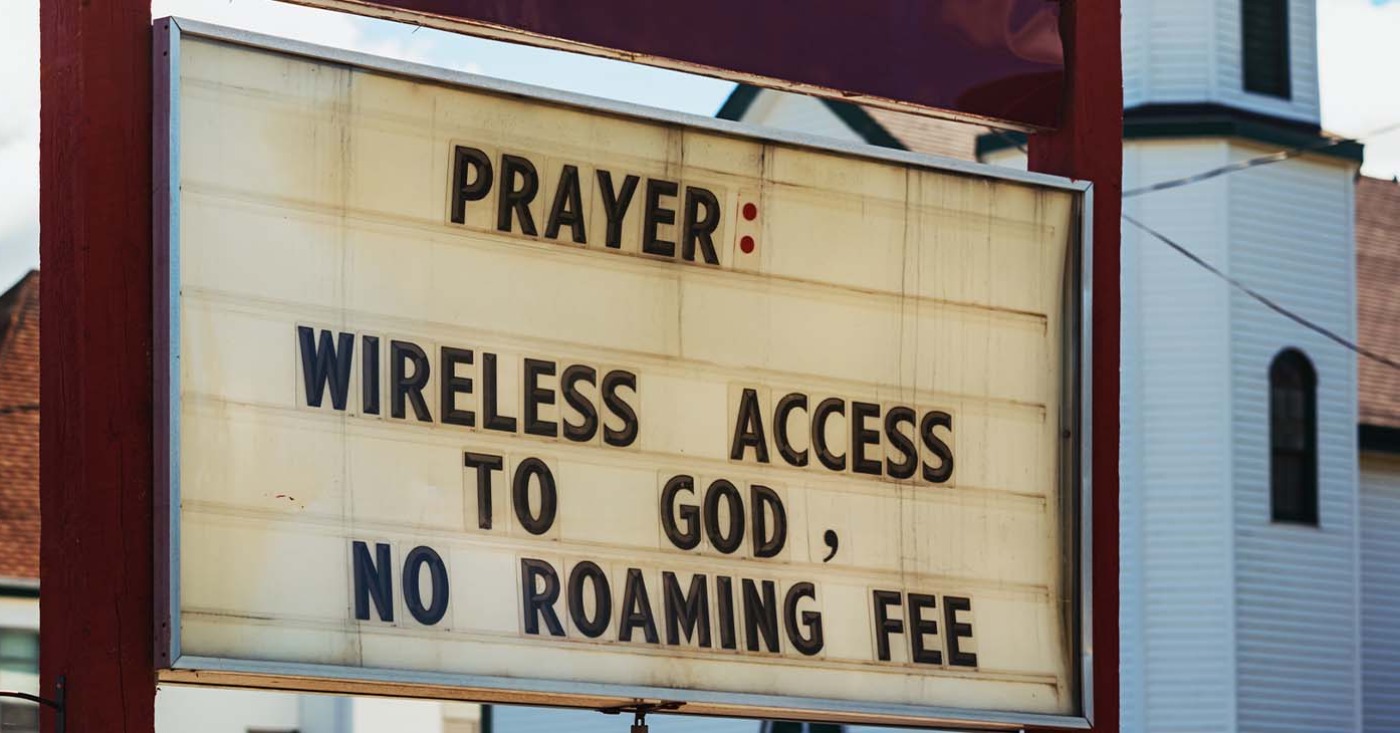
For generations, the Black church has stood strong in our communities through every historical change this country has experienced. During the civil rights movement and in recent times, faith leaders have helped uplift Black sanctuaries to register voters, keep food pantries open for people in need, and sit with families in hospital rooms in their most desperate moments. When our people faced new trials, they could always look to our faith leaders and the church to lean in to help us be included in these transformative changes.
Artificial intelligence is the latest revolutionary change to impact our society, and much like other transformations before us, underserved communities often get left behind.
I was recently featured in a report entitled “Faith, Community & AI” and it found that people send ChatGPT more than 70 million messages a week about religion. Nearly 22 million involve studying sacred texts, and 16 million ask about religious practices and holy days. Our members make up part of those numbers. They bring questions of faith to these tools every day.
Pastors have noticed, and according to a September 2025 Lifeway Research survey of 1,003 Protestant pastors, 42 percent said they use or experiment with AI in ministry. I count myself among them.
I write my sermons by hand, through prayer and study. When I finish a draft, I ask ChatGPT this question: “Where might this sermon become unclear or difficult to follow for someone early in their walk of faith?” It shows me gaps in my preparation, like where I incorrectly assumed everyone would know the context of who the Pharisees were. Then, change comes from my own pen, not the robot. The tool helps me reach the person in the back pew while the message still comes from me.
If I could have my wish, our whole community would take a similar posture. We must use these tools, understand them, and most importantly be present to help shape them if we want to be included in the coming change.
I implore my fellow faith leaders to use these tools. Start now and use them with wisdom. We count on each and every one of you to make sure our communities help write the next chapter of this story. This rapid change is not as unfamiliar as it may sound. My first understanding of AI came from using a calculator for the first time in grade school. We did not call it AI, but it was a tool that helped me work through mathematical equations hours more efficiently.
It starts with training; there is no involvement without understanding. Free AI trainings have begun in our churches and community centers across the nation. Every faith leader should sign up and, when possible, encourage members of your congregations to join you. By learning how to use AI, we can better understand what it can do, make up our own minds about its impact, and have a say in how it shapes our communities.”
Next, we must be at the tables where the builders of these tools make decisions. Presence is the first step toward understanding, and that gap is only bridged through a coordinated effort. How can any tool serve a community well if that community is not part of the conversation? Our traditions, needs, and concerns must be accounted for, and Black faith leaders are already making that happen. OpenAI’s recent Faith report states plainly that AI should never become an arbiter of religious truth. I fully intend to hold the company to its word, and the most effective way I can do that is from inside.
I will close with this––we must diligently protect what only the church can give. A believer in Seoul, Korea quoted in the report warned, “if you pour every struggle into a private chat, your pastor and your friends may never learn you need help.” A chatbot will not sit with a grieving family or pray with you at two in the morning. As we adopt this technology, it is up to us to ensure it keeps people connected to each other and to their church.
Rev. Dr. Adolphus Lacey is senior pastor of Bethany Baptist Church in Brooklyn, New York.
Black History
Federal Agents Search Ilhan Omar’s Home Just 22 Days Before Election
WASHINGTON INFORMER — Federal agents searched the D.C.-area home of Rep. Ilhan Omar (D-Minn.) on Monday, 22 days before Election Day. This extraordinary step involved executing a criminal search warrant against a sitting member of Congress.
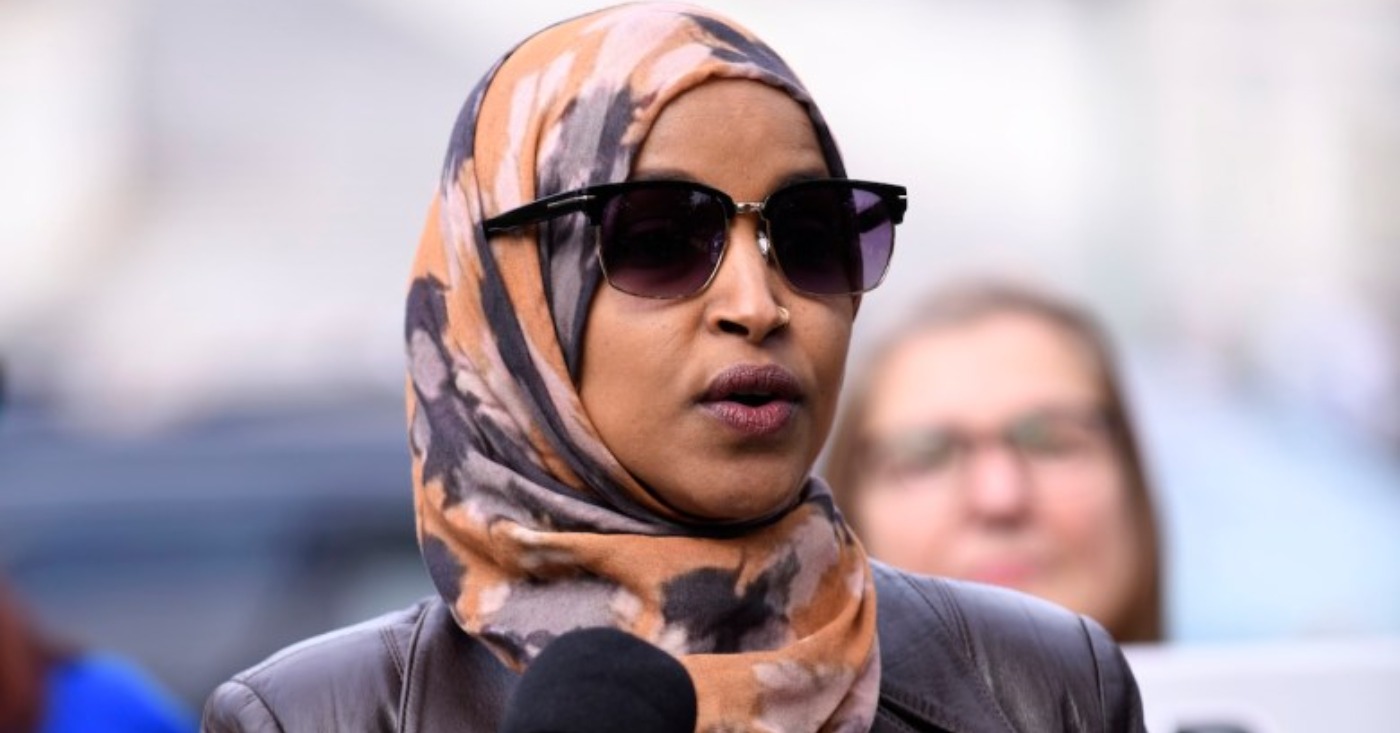
Federal agents searched the D.C.-area home of Rep. Ilhan Omar (D-Minn.) on Monday, taking the extraordinary step of executing a criminal search warrant against a sitting member of Congress just 22 days before Election Day, as the Trump administration investigates allegations involving her family’s immigration records.
The search immediately drew accusations of political intimidation from Omar’s supporters, who pointed to President Donald Trump’s repeated attacks on the Minnesota congresswoman and questioned the timing of an investigation targeting one of his most outspoken critics.
“Representative Omar is a dedicated public servant and a true ally for working families, and Donald Trump has done nothing but use racist tropes and stereotypes to attack her,” said Joel Payne, MoveOn’s chief communications officer. “Now, he’s abusing his power to physically intimidate and harass her.”
A Justice Department spokeswoman acknowledged that Homeland Security Investigations agents, part of Immigration and Customs Enforcement, searched a District residence as part of an ongoing federal criminal investigation.
The spokeswoman declined to provide additional information or publicly identify the person under investigation.
According to published reports, the warrant identified possible violations involving false statements, immigration document fraud and conspiracy. Federal investigators have also examined questions concerning Omar’s finances, campaign funds and interactions with foreign citizens.
No criminal charges against the congresswoman were identified, but Monday’s search occurred less than four weeks before voters decided whether to return Omar to Congress.
The investigation follows months of public accusations from senior Trump administration officials, including Vice President JD Vance, who previously claimed that Omar committed immigration fraud.
In an interview with conservative commentator Benny Johnson, Vance asserted, without publicly presenting evidence, that the administration believed Omar had broken immigration laws. He also said he and White House deputy chief of staff Stephen Miller had discussed how to pursue the allegations.
“What are the legal remedies now that we know that she’s committed immigration fraud?” Vance asked during the interview. “How do you go after her? How do you investigate her?”
Omar has repeatedly rejected the accusations, including claims that she married her brother to facilitate immigration fraud. Her office dismissed Vance’s allegations in March as fabricated and defamatory.
Questions about the investigation intensified in August when Immigration and Customs Enforcement refused to release records sought under the Freedom of Information Act concerning allegations surrounding Omar’s 2009 marriage to Ahmed Nur Said Elmi.
The agency cited an exemption allowing law enforcement authorities to withhold records when disclosure could interfere with enforcement proceedings. The refusal did not establish that Omar committed fraud or, at the time, confirmed that she was personally under investigation.
Omar, who came to the United States as a refugee from Somalia, was elected to Congress in 2018 and became one of the first two Muslim women to serve in the House. She represents Minnesota’s 5th Congressional District, which includes Minneapolis, and has frequently challenged Trump over immigration enforcement, civil rights, and his administration’s treatment of immigrant communities.
Her confrontations with the administration have made her a recurring target of the president’s political attacks. The criminal investigation also follows a frightening incident earlier this year in which Omar was physically attacked during a public appearance.
On Jan. 27, a man attacked Omar during a town hall meeting at the National Urban League’s Twin Cities headquarters in Minneapolis. The incident prompted condemnation from the National Coalition on Black Civic Participation and its Black Women’s Roundtable, which demanded accountability and warned against political violence.
“We are shocked and extremely disturbed by the attack on Rep. Ilhan Omar yesterday while she attempted to address the critical issues and chaos swirling around in Minneapolis,” Melanie L. Campbell, president and CEO of the coalition and national convener of the Black Women’s Roundtable, said in a Jan. 28 statement.
Campbell praised Omar for continuing to speak out despite threats against her.
“We believe that NO public official should be threatened or physically attacked, especially when they are serving in the best interests of their constituents,” Campbell said. “Political violence and intimidation have no place in our democracy.”
MoveOn, the progressive advocacy organization, accused Trump of using federal law enforcement to intimidate a political opponent and urged voters to respond at the ballot box.
“On Nov. 3rd, we get our chance to fight back and hold him and his corrupt administration accountable,” Payne said.
Based on reporting by Washington Informer.
Black History
‘We Are Ready’: NAACP Launches Voter Protection Hub Ahead of Midterms
ATLANTA DAILY WORLD — The NAACP is launching a voter protection hub to protect voting rights ahead of the midterm elections. Voters can report intimidation and suppression via phone and online, with NAACP attorneys and legal volunteers investigating complaints and seeking emergency court intervention.
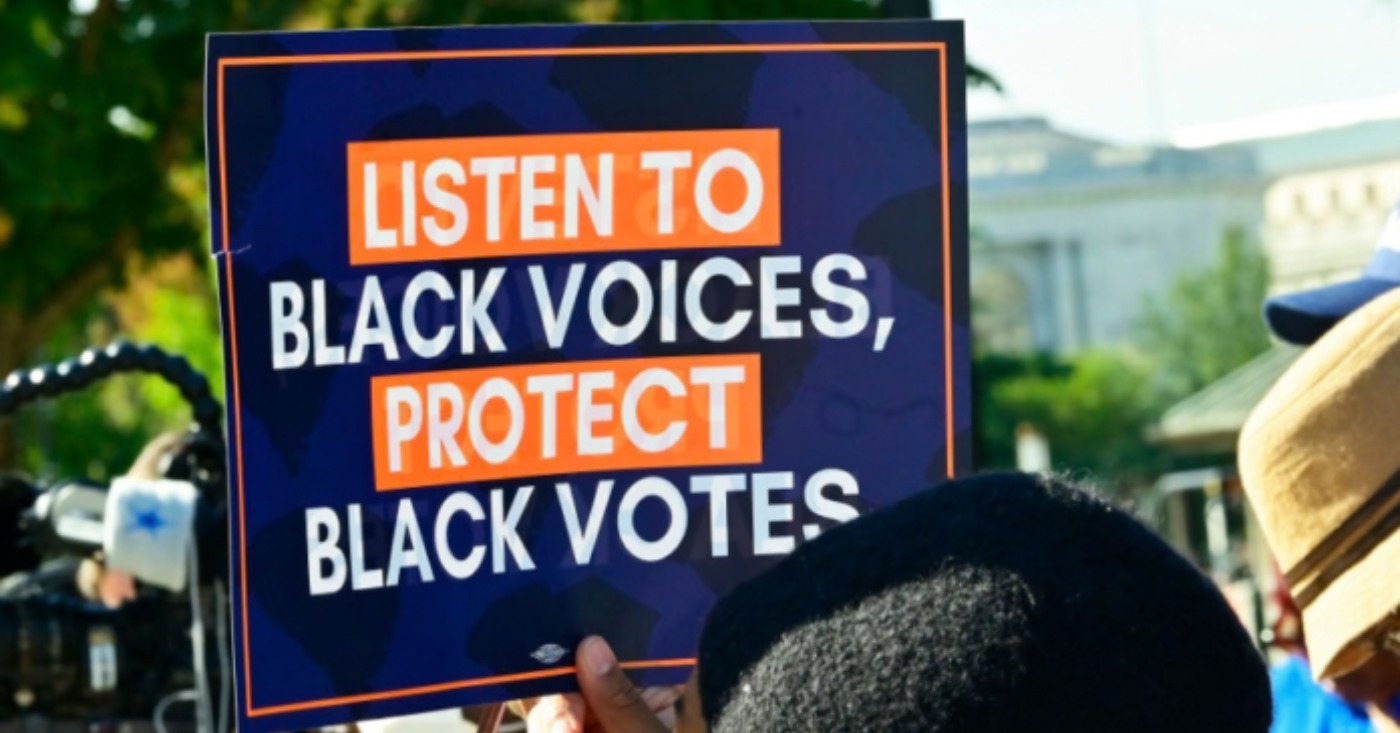
The NAACP is launching a voter protection hub ahead of the 2026 midterm elections as voting rights groups prepare for potential challenges at the polls.
Voters will be able to report allegations of intimidation and suppression by phone and through online submissions, while NAACP attorneys and legal volunteers investigate complaints and seek emergency court intervention when necessary.
According to The Washington Post, the hub is scheduled to launch October 24.
“We are ready,” NAACP General Counsel Kristen Clarke told The Washington Post. “We have an army of legal volunteers across the country and are prepared to activate and seek emergency relief on Election Day where necessary.”
The effort comes as organizations are also working to increase Black voter participation ahead of the midterms. BIN reported in September that the Congressional Black Caucus Institute launched its “SO VOTE” campaign, which plans to spend at least $4.5 million registering and mobilizing Black voters, young voters and rural voters.
The Associated Press reported that the campaign is targeting Georgia and Mississippi statewide, along with 16 congressional districts.
The NAACP is particularly focused on voter intimidation, changes to election rules and the impact of redistricting on Black voting power.
The organization filed a lawsuit against Justice Department Assistant Attorney General Harmeet Dhillon on Friday (October 2), seeking records about the department’s plans to deploy election monitors at polling places during the midterm elections.
“To be clear, there is no federal statute that gives the U.S. Department of Justice the right to send their so-called ‘election monitors’ to polling sites across the country,” Clarke said in a statement.
The NAACP’s voter protection hub will give voters a centralized way to report problems and connect with the organization’s legal team during the election.
The Black Information Network is your source for Black News! Get the latest news 24/7 on The Black Information Network. Listen now on the iHeartRadio app or click HEREto tune in live.
Based on reporting by Atlanta Daily World.
Black History
Pleasant Zion Missionary Baptist Church Celebrates 100 Years of Spiritual, Mind, Body, and Soul Ministries
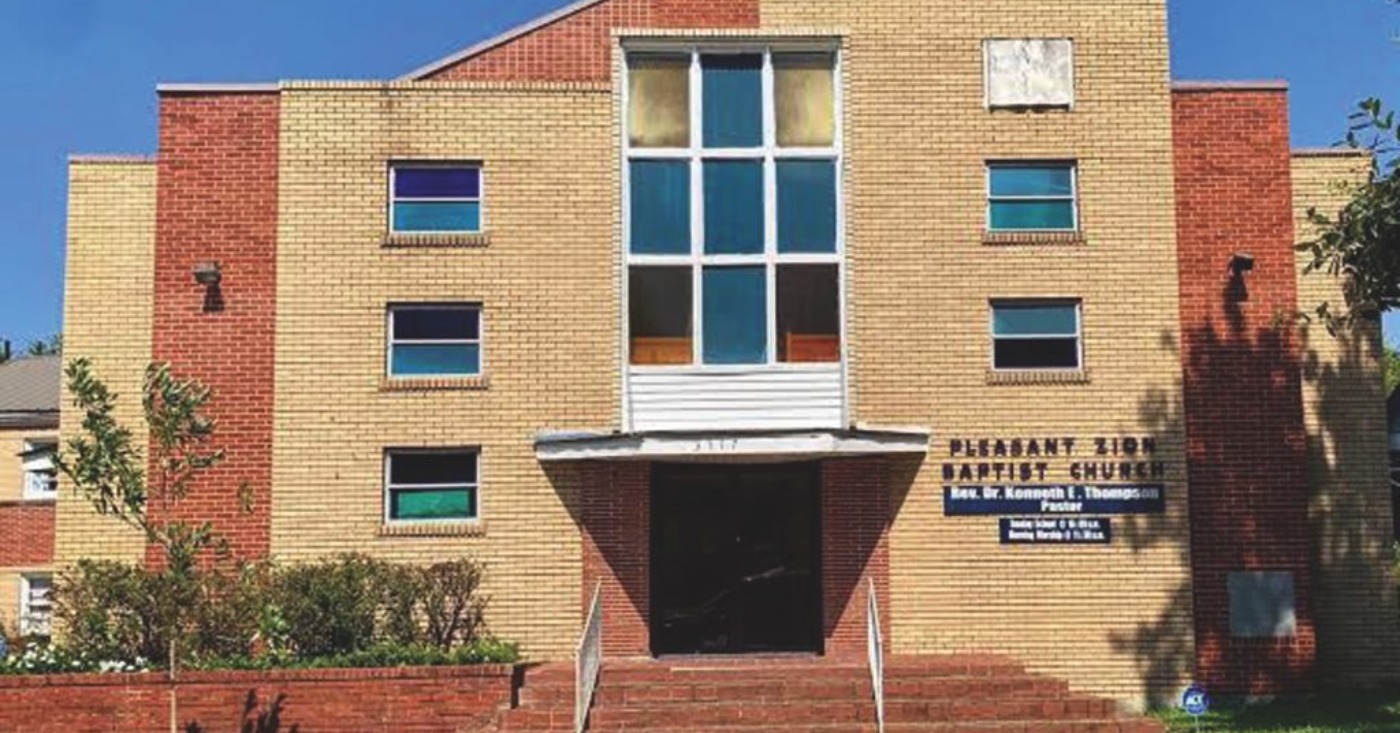
LOUISIANA WEEKLY — Pleasant Zion Missionary Baptist Church, located at 3317 Toledano Street in uptown New Orleans, is celebrating its 100th anniversary with a Centennial Weekend on October 17-18.
The legacy of the African-American church in the United States is that of a refuge, a caring and welcoming institution, a port in the storm, that has fed African Americans spiritually, economically, mentally and physically, and has nurtured the souls of people of African ancestry throughout their existence in America.
Pleasant Zion Missionary Baptist Church has carried on that legacy for the past 100 years. Established in 1926, Pleasant Zion MBC, located at 3317 Toledano Street, is a cornerstone of faith in uptown New Orleans and a beacon of hope for the Hoffman Triangle/Central City neighborhood.
Pleasant Zion MBC continues its mission of faith, education and empowerment for future generations. The church celebrates its 100th anniversary with a forward-looking Centennial Weekend, October 17-18.
Throughout its long history, Pleasant Zion has served its community by providing religious training and cultural, educational and recreational activities for children and adults. For decades, PZMBC has worked with neighborhood leadership to address issues such as neighborhood blight, housing and safety concerns.
Many have sought Pastor Kenneth E. Thompson’s confidential, wise counsel and comfort.
Pleasant Zion Missionary Baptist Church’s Centennial Celebration focuses on youth. “Our Centennial is not just about looking back – it’s about investing in our youth and building the future of our community,” Pastor Thompson affirms.
For decades, PZMBC has worked with neighborhood leadership to address issues such as neighborhood blight, housing, and safety concerns, Pastor Thompson adds.
During the summer, PZMBC sponsored summer enrichment camps for children with a range of activities, including culinary arts, STEM, music and field trips to museums and Black historic sites such as Armstrong Park.
The church has provided free food baskets, placed homeless women in hotel rooms, and provided financial assistance to people at risk of eviction or homelessness.
“Throughout its long history, Pleasant Zion has served the needs of its community by providing religious training, cultural, educational and recreational activities for both children and adults.
This upcoming Centennial Celebration honors a century of spiritual leadership while investing in the next generation, uplifting youth voices, education and sacred music.
Special guests at the celebration include the famous Zion Harmonizers. The world-renowned gospel group celebrated 87 years in gospel music with a special anniversary performance in March 2026 at St. John Institutional Missionary Baptist Sanctuary.
The program also features acclaimed Bishop Tyrone Jefferson, Voices of SUNO and the NORD Choir.
This article originally published in the October 12, 2026 print edition of The Louisiana Weekly newspaper.
Based on reporting by Louisiana Weekly.
Black History
Cash for Moms: As Medicaid Cuts Loom, Cities Test a New Approach to Black Maternal Health
LOUISIANA WEEKLY — WORD IN BLACK — A maternal health crisis continues to disproportionately impact the Black community, with Black mothers experiencing significantly higher mortality rates during childbirth and their infants facing increased risks of prematurity and death. Data indicates Black moms die at three times the rate of white moms, and Black infants are about twice as likely to die as white infants in some states.

By now, there’s little question that a maternal health crisis is rocking the Black community. The data tells the story: Black moms are dying during childbirth at three times the rate of white moms, a disproportionately high percentage of Black children are born prematurely, and Black infants are about twice as likely to die as white infants in states like Louisiana.
But new data from a handful of pilot projects also suggests a potential solution that could significantly improve outcomes for Black mothers and their babies: cash payments, no strings attached.
Studies show the unrestricted money led to fewer preterm births, higher newborn birth weights, and fewer critical-care infant hospitalizations. It also reduced stress among new moms who would otherwise struggle to attend prenatal check-ups, pay for food and formula, or keep a roof over their heads.
“This makes so much sense to me,” says Tamara Mason, an official with the nonprofit March of Dimes who worked on an Atlanta project distributing money to low-income pregnant women. “Why isn’t everyone doing this?”
Sen. Cory Booker, a New Jersey Democrat, is among several sponsors of legislation that would provide direct financial aid to new mothers, similar to the expanded child tax credit in 2021. The credit sent monthly payments of up to $300 per child straight to most families’ bank accounts; experts credit it with lifting millions of children out of poverty.
When it expired, child poverty rose again.
“I believe that we need to, for moms, flood resources to them through things like the child tax credit,” Booker said during an August press briefing on the Black Maternal Health Momnibus Act. “We were able to cut child poverty virtually in half for our communities, and that actually does affect child outcomes.”
Those positive outcomes in part spurred the March of Dimes to launch trial programs providing universal basic income, or UBI, to pregnant women and new moms in two cities: Atlanta, which Bloomberg ranked as the most economically unequal large city in the country, and New Orleans, which March of Dimes gave an F grade.
No strings attached
In Atlanta, the Guaranteed Basic Income Program gave each participant $1,000 a month during pregnancy and her baby’s first year. Women most likely to live in poverty in that city are Black women of reproductive age; 25 pregnant women in two of the area’s highest-need ZIP codes received the cash.
March of Dimes ran the pilot through an Atlanta collective-impact partnership known as the collaborative. It is modeled on San Francisco’s Abundant Birth Project and, organizers say, rooted in an idea the Rev. Martin Luther King Jr. championed decades ago.
Funders Skeptical at First – Then All In
Mason said she spent months pitching foundations on the idea, which some considered outside her organization’s lane.
“I was honestly surprised that a couple of foundations,” Mason says. “Funders were like, ‘Why is March of Dimes in this space? You all are the birth defects people. You’re the preterm birth people.’”
The Community Foundation for Greater Atlanta signed on as the primary funder. The Liz Blake Giving Fund and the Jesse Parker Williams Foundation funded data gathering and evaluation Emory University conducted.
The nonprofit Center for Black Women’s Wellness handled recruitment, and more than 110 women applied for the 25 spots, Mason said. Applicants had to live in one of the two ZIP codes, earn no more than 200 percent of the federal poverty level, and be 12 to 28 weeks pregnant.
Cash, Diapers and a Network
Stipends were paid through a prepaid card, letting evaluators track spending without restricting it. Helping Mamas, a nonprofit focused on diaper insecurity, supplied 300 diapers and eight packs of wipes a month, plus a car seat and other essentials. The Georgia Black Doula Network encouraged, but didn’t require, participants to hire doulas.
Early results from Emory’s evaluation, as described by Mason, show a 20 percent decrease in financial stress and a 66 percent decrease in hopelessness, a figure she called striking. Prenatal outcomes trended better than average.
Mason was careful not to oversell what $1,000 a month can fix. Several participants lost housing; one or two dealt with domestic violence.
Even though GBI reduced financial stress, “it still is one piece of the puzzle,” Mason said.
New Orleans: Overcoming Crisis
March of Dimes runs a similar program in New Orleans, GBI Rx, offering pregnant patients in their first or second trimester $12,000, as a lump sum or $1,000 a month. Two partner medical clinics enroll patients for healthcare, and the payment card blocks cash withdrawals and spending on liquor and gambling.
In Louisiana, “we have a maternal and infant health crisis – specifically, a Black maternal and infant health crisis,” said Robin Gruenfeld, director of collective impact for March of Dimes in New Orleans. ”And it’s been that way for a long time.”
Black infants there died at about twice the rate of white infants from 2021 to 2023. Gruenfeld said Orleans Parish has the state’s lowest prenatal care utilization rate.
Gruenfeld said the program’s city seed money, federal pandemic relief funds, and foundation funding were “zeroed out” without notice. Most funds were later restored at a lower level, forcing organizers to scale down to 94 participants instead of the 100 planned. They also enrolled on a first-come, first-served basis.
Recipients spent lump sums on housing, cars and insurance. But spending priorities for the participants changed when the federal government stopped paying out SNAP food benefits during last fall’s federal shutdown.
“During that time, more than a quarter of the funds that we gave folks was going to groceries,” Gruenfeld said.
Several New Orleans city government officials are now weighing a program modeled on Michigan’s Rx Kids, which a study credits with nearly halving neonatal deaths in Flint, one of the poorest cities in the state.
“We are seeing policies pushed by the political will of predominantly Black women come into effect, and then also the backlash,” says Danielle Atkinson of Mothering Justice Action Fund, a nonprofit advocacy organization. “In Michigan, we have Rx Kids, which is extremely popular [and] the data on the impact is undeniable.”
But recent changes are endangering the success of such programs, particularly amid President Donald Trump’s hostility towards programs focused on diversity, equity and inclusion.
“We’re getting this pushback around identifying race and parental status as systemic areas of oppression,” Atkinson says. It remains to be seen, she says, “whether or not we are going to be able to prevail with the political power and the popular will of these issues, or the rhetoric and the history of racism in our country.”
Washington Looks Elsewhere
That includes the Republican-controlled Congress, which has shown little appetite for cash aid tied to pregnancy.
The Black Maternal Health Momnibus Act, which Booker reintroduced along with Democratic Reps. Lauren Underwood of Illinois and Alma Adams of North Carolina, bundles 14 bills on housing, nutrition, WIC and the perinatal workforce, but not direct cash.
Still, signs suggest the issue – providing cash aid to low-income mothers and their babies – may stay on the front burner as the midterm elections approach in November.
This month, former Vice President Kamala Harris and Michigan Senate nominee Abdul El-Sayed, both Democrats, hosted a Black maternal health roundtable in Detroit. Danielle Atkinson of Mothering Justice took part.
“Black mamas deserve access to quality healthcare that sees us, listens to us, and understands us at every step of the way,” Atkinson said afterward. “The responsibilities we carry do not end at pregnancy, nor do they disappear when we give birth and want to spend time with our newborn. They stay with us throughout all that we experience.”
Based on reporting by Louisiana Weekly.
Black History
Jamika Phillips: Software Engineer Turned Manicurist Entrepreneur
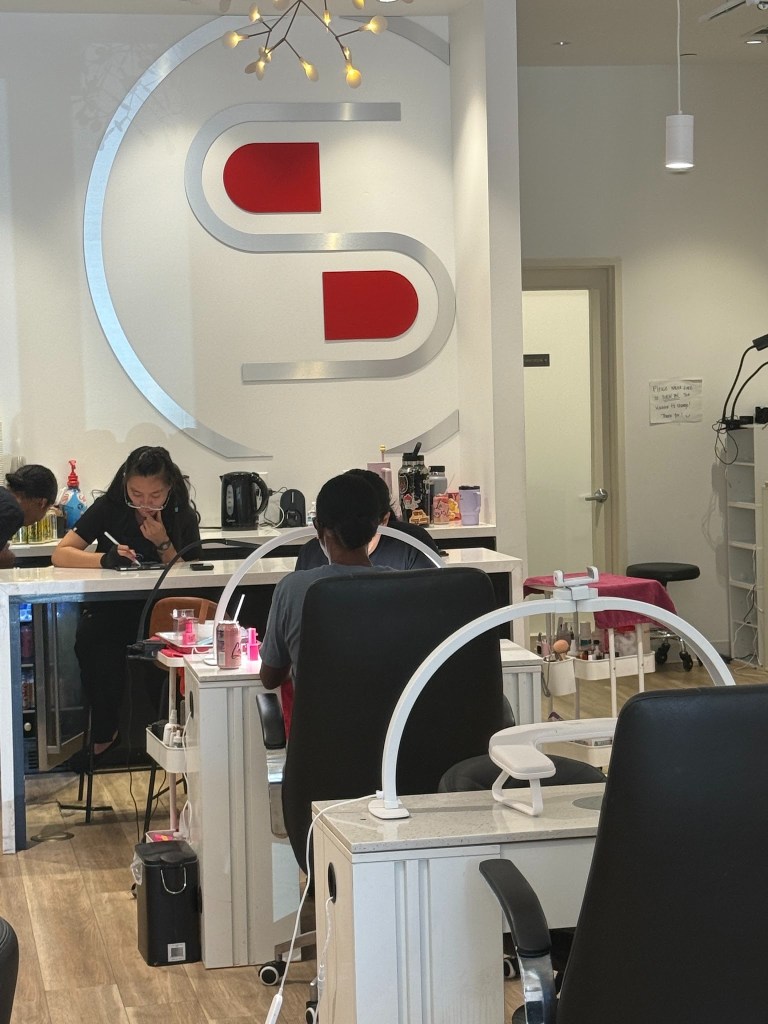
HOUSTON DEFENDER — Jamika Phillips transformed a two-decade-old dream into Shades The Nail Bar, a Sienna-area salon she opened in January 2022. Phillips, who spent over 20 years in software engineering and global process management, envisioned a nail salon that fosters community, quality care, and client education, aspiring to be the “Cheers” of nail salons.
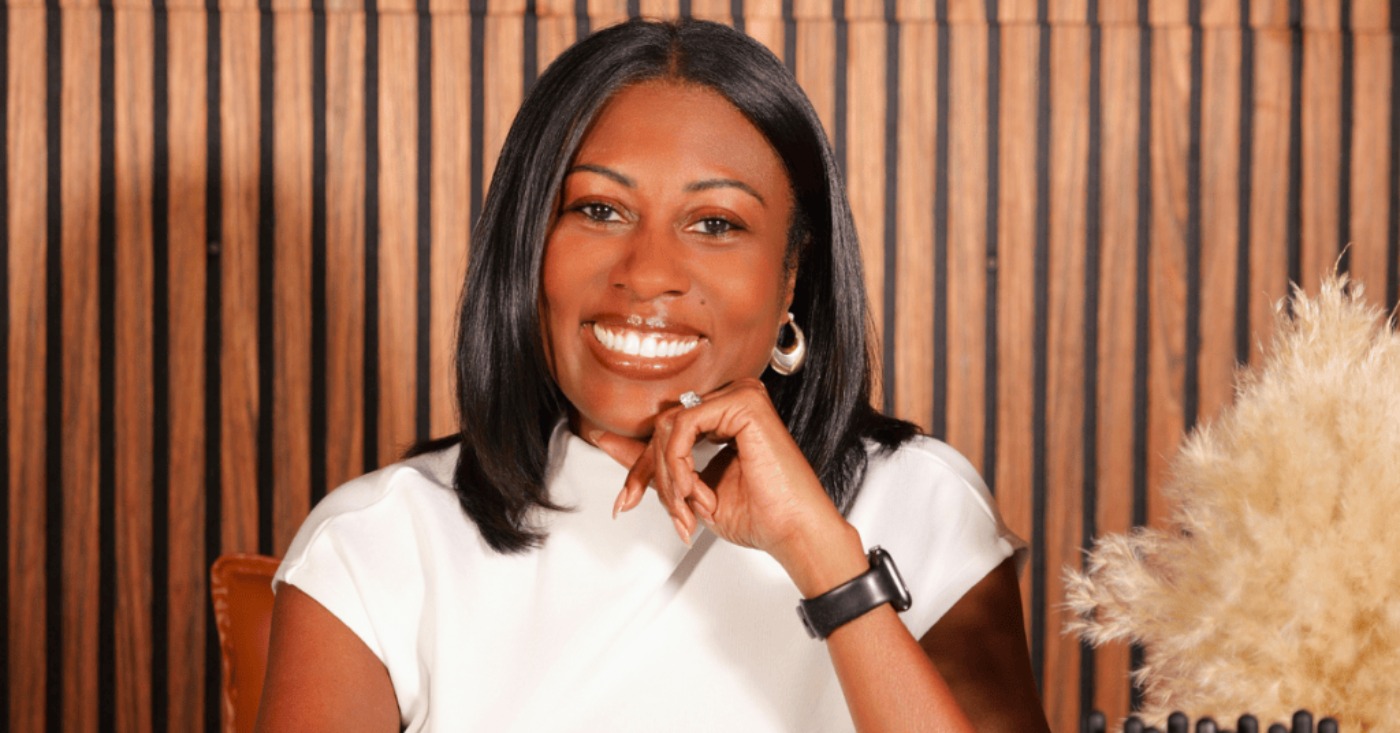
For Jamika Phillips, getting your nails done should feel like more than another appointment squeezed onto an already crowded calendar.
She wanted a place where the person doing your nails knows your name, remembers what you drink, what colors you like, and maybe even what was happening in your life the last time you sat in their chair.
“I kind of wanted to be the ‘Cheers’ of nail salons,” Phillips said. “I wanted clients to be able to have a community where they could come and know their nail techs, know that they were getting quality care with their nails, and know that we would give them education.”
That vision became Shades The Nail Bar, the Sienna-area salon Phillips opened in January 2022 after leaving a career that had nothing to do with the beauty industry.
A dream decades in the making
Phillips spent more than 20 years in corporate America, working in software engineering and global process management. Her background is in computer science, but the idea of owning a nail salon wouldn’t go away.
“I have notes back from probably 2000 where I would think about the names of the salons that I wanted,” Phillips said. “I still have these pages, and I look back at them and thank God for them every day.”
While still working full time, Phillips enrolled in manicurist school, working her corporate job during the day and attending classes at night and on Saturdays until she earned her license.
“I would work from 9 to 5. I would go to school from 5 to 9 Monday through Friday, on Saturdays from like 8 to 2,” she recalled.
“There were a lot of people that said, ‘Are you sure you want to do this?’…’ `There’s a lot of competition’… ‘Typically, not a lot of Black people own nail salons.’ I refused to let that stop me.”
Jamika Phillips
After moving to Houston with her husband, Phillips prepared to open a salon in the city. She had signed a letter of intent and was about a week away from signing a lease when the COVID-19 pandemic hit.
“I thank God I did not sign the lease,” Phillips said.
The setback redirected her closer to home. While driving through Sienna, where her family lives, Phillips spotted an available space, pulled over, and called the number. The space was available. Shades The Nail Bar was on its way.
Creating a different kind of nail salon

Phillips knew she was entering a crowded industry, but she also saw an opportunity as a Black woman entering a business where few salon owners looked like her.
“There were a lot of people that said, ‘Are you sure you want to do this?’” she said. “There’s a lot of competition. There are nail salons every two miles from each other. Typically, not a lot of Black people own nail salons.”
Instead of discouraging her, Phillips said the skepticism became “ammunition” to keep going.
“Black women spend tons of money in the nail care industry,” Phillips said. “So it was something that I said, we got to do this.”
Even the name Shades was intentional.
“I wanted shades to represent not just the nail polish colors, but I wanted it to represent different shades of nail technicians as well as clientele,” she said.
Today, her staff includes Black, Hispanic, and Asian nail technicians, reflecting the diverse community the business serves.
The salon is also acrylic-free, offering alternatives including builder gel, polygel, and Gel-X. Phillips researches products and often tries them herself before introducing them to clients.
“I’m always looking at new ways to make Shades different.”
Those differences extend beyond nail services. Shades offers complimentary beverages, cleans clients’ rings during appointments, and emphasizes sanitation and nail health.
@shadesthenailbar 50 looks GOOD on you, Lolita! 🥂✨💅🏾 We had the pleasure of being part of Lolita’s 50th birthday celebration, and hearing her share her experience at Shades made it even sweeter. ❤️ There’s something special about celebrating a milestone with a little self-care, beautiful nails, and GOOD energy. Thank you, Lolita, for choosing Shades to be part of such a special birthday. Here’s to 50 and FABULOUS! 🎂✨ Celebrating something special? Come celebrate with us. Book now at ShadesTheNailBar.com 📍 9101 Sienna Crossing Dr., Suite 160 Missouri City, TX 77459 #ShadesTheNailBar#50thBirthday#BirthdayNails#MissouriCityNails#SiennaTX#HoustonNails#BirthdayCelebration♬ original sound – Shades The Nail Bar
But Phillips said its biggest distinction is the relationships.
“We’ve seen them have babies. We’ve seen them lose their babies. We’ve seen them lose their parents. We’ve seen marriages, divorces,” Phillips said. “I mean, we are there for them.”
Staff members send cards and cookies during important moments and often know a regular client’s preferred drink before the client asks.
“We really do try to build and bond a relationship with our clientele so that they know that, hey, we are here for them,” Phillips said.
Shades also supports local schools, churches, and Fort Bend-area charitable efforts.
Corporate lessons meet entrepreneurship
Phillips may have traded software engineering for nail polish, but she didn’t leave her corporate experience behind. She said the leadership, teamwork, and organizational skills she developed during more than two decades in corporate America became the foundation for running Shades.
“I can’t say that I was an entrepreneur by trade,” she said. “A lot of those things — the leadership, the teamwork, the organizational skills — all those things were built over my corporate career.”
Entrepreneurship brought its own lessons, from finding vendors who understood her vision to keeping detailed financial records, building the right team, and maintaining strong customer service.
Phillips credits her husband and children with supporting her through missed family dinners and soccer games. She also credits mentor LeeVera Smith, a business adviser with the Small Business Development Center, with helping her develop the business plan that became Shades’ foundation.
“Jamika is one of those people who wants to learn everything to bring her customers the best experience,” Smith said. “I’m supposed to be her mentor, but I learn so much from her.”
Phillips’ girlfriends also pitched in, proofreading her website, organizing supplies, offering feedback, and talking her through the inevitable difficult days.
Because Phillips knows better than most that dreams don’t always arrive on schedule. Sometimes they sit quietly in notebooks for 20 years before you finally decide it’s time to bet on yourself.
Based on reporting by Houston Defender.


NFL Round-Up: Caleb Williams strikes back, Panthers, Browns and Titans secure victories

Birmingham on Pace for Fewest Homicides in 75 Years

Ancestral Responsibility: Young Native Voters Fight Political Invisibility

Black Household Wealth Plummeted 25% in Three Years, New Data Shows

Kickstarter CEO Everette Taylor Shares Tips on Creating and Growing a Business

HBCU Football Roundup: Homecoming Wins for Howard, Tennessee State and Jackson State

Luxury SUV: Heated Seats & Captain’s Chairs Review #shorts

Black-Owned Banks: Compliance to Community Business #shorts

FDIC Study: African American Banks Disappearing Rapidly #shorts

Car Buying Tip: Check Windshield Glare & Interior Space! #shorts

The Youngest American Killed in the Vietnam War

Passing for White, Fighting for Black America: The Courage of Walter White

OP-ED: Haiti TPS: Have We Lost Sense of Humanity?
NFL: Week Two Recap | Jalen Hurts did not fold; Caleb Williams exits game with injury

Remembering Chauncey Bailey as Student Journalists Face Threats to Truth-Telling

Peter Magubane: a Camera Against Apartheid

Mayor Lee Announces $1 Million Kaiser Permanente Grant for Pilot Program to Address Homelessness, Clean Up Public Spaces throughout Oakland

OP-ED: How Head Start Also Helps Parents

Poll: Becerra Widens His Lead Over Hilton; Californians Split on Wealth Tax

Community Action Group ‘Friends of Zakiya’ Ask Sheriff for Time
Luxury SUV: Heated Seats & Captain’s Chairs Review #shorts
Black-Owned Banks: Compliance to Community Business #shorts
FDIC Study: African American Banks Disappearing Rapidly #shorts
Car Buying Tip: Check Windshield Glare & Interior Space! #shorts

St. Louis Celebrates Excellence at The St. Louis American’s 39th Annual Salute to Education Gala

‘No King: Vote Early’ protest for democracy in St. Louis

Optimize Your Seating: Essential Household Setup Guide #shorts

Brake Pedal Test Drive: Smooth Stops for Your Truck! #shorts

Life Lessons Learned Through Adversity: My Journey #shorts

From Claflin Alum to ColorBlind Artist
-

 Black Press6 days ago
All Skinfolk Ain’t Kinfolk
-
 Black Press5 days ago
Oakland Awarded More than $14 Million in State Funding
-

 Black Press5 days ago
Jendayi Arrest Raises Community Concerns Regarding Sheriff’s Chain of Command
-
 African American News and Issues4 days ago
Black History: Gladys West Mathematics Helped Make GPS Possible
-

 Black Press5 days ago
Allen Temple Baptist Church Hosts Free Prostate Cancer Screenings on Oct. 17
-
 Black Press5 days ago
Democrats, Community Groups Back Measure EE to Change How Oakland Is Governed
