
Community
Golden State Grand Chapter Order of the Eastern Star Chooses 52nd Grand Worthy Mason
OAKLAND POST — Denise Harrison was instated as the 52nd Grand Worthy Matron of the Order of the Eastern Star


By The Oakland Post
Denise Harrison was instated as the 52nd Grand Worthy Matron of the Order of the Eastern Star on Sept. 22. The ceremony was held at the Crowne Royal Hotel in Concord, California. Harrison provides over 50 chapters throughout the state of California. Harrison’s chapter is 55, which is in Oakland.
Harrison is a legacy member as her father was a Grand Master Mason. Harrison joined the Order of the Eastern Star in 1997. She rose through the ranks by striving for excellence, commitment, dedication, purpose and perseverance. Harrison was in the Pauline Dupee Chapter 55, where she served two terms as Worthy Matron of Pauline Dupee Chapter 55. She also served in the Grand Chapter for various elected and appointed positions for the Golden State Grand Chapter, Order of the Eastern Star, Prince Hall Rite of Adoption, State of California.
“I feel good, honored and proud to be a Grand Worthy Matron,” said Harrison.
Harrison attended Oakland public schools and earned a Bachelor of Arts degree in political science from California State University—East Bay. She holds a Master’s degree in organizational management from the University of Phoenix. She worked in the retail industry for more than 38 years and retired from Costco Wholesale after completing over 25 years of service. She accomplished great academic and career feats while being a single mother of two children.
“I asked God for this and he put me in this time and season.God can help me through everything. Put God first and stay focused,” said the newly appointed Grand Worthy Matron Harrison.
A strong relationship with Christ has kept Harrison grounded, focused and positive despite some of the challenges that comes with achieving success.
The Golden State Grand Chapter Order of the Eastern Star P.H.R.A. began in 1907. There are 108 jewels and gems that have served as the Grand Worthy Matrons and Past Grand Worthy Patrons. Each Grand Worthy Matron has a two year tenure and they will elect someone else. During Harrison’s tenure, she plans to put her efforts towards Breast Cancer and youth. Both issues are near to her heart. Harrison’s mother passed away when she was a toddler due to breast cancer. The theme during her tenure will be focusing on loving one another because she feels the community needs to show one another more love.
“The love train—don’t be envious or jealous. We need to just love one another,” said Harrison.
Recruiting more youth in the East Bay is a focus to the organization. The rules changed recently in that the Order of the Eastern Star accepts new members by recommendation and not by bloodline like previous years. The benefits for the youth members are community service, public speaking and leadership. Young people can aspire to be Grand Miss Matron and Grand Prince Matron.
“Inspire young people to join…it must be meaningful to you. If you enjoy charity work, working in the community and doing things for others. You’ll be happy to join the order of the Eastern Star,” said Harrison.
This article originally appeared in the Oakland Post.











Black History
“Blue Tsunami” Sweeps Georgia, Bottoms Makes History
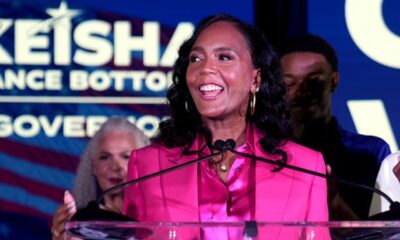
MOREHOUSE COLLEGE – THE MAROON TIGER — A political shift described as a “Blue Tsunami” has transformed the landscape of Georgia leadership following the recent election. Keisha Lance Bottoms made history when the race was called on Nov. 3, becoming the first woman and the first Black person elected as governor of Georgia.
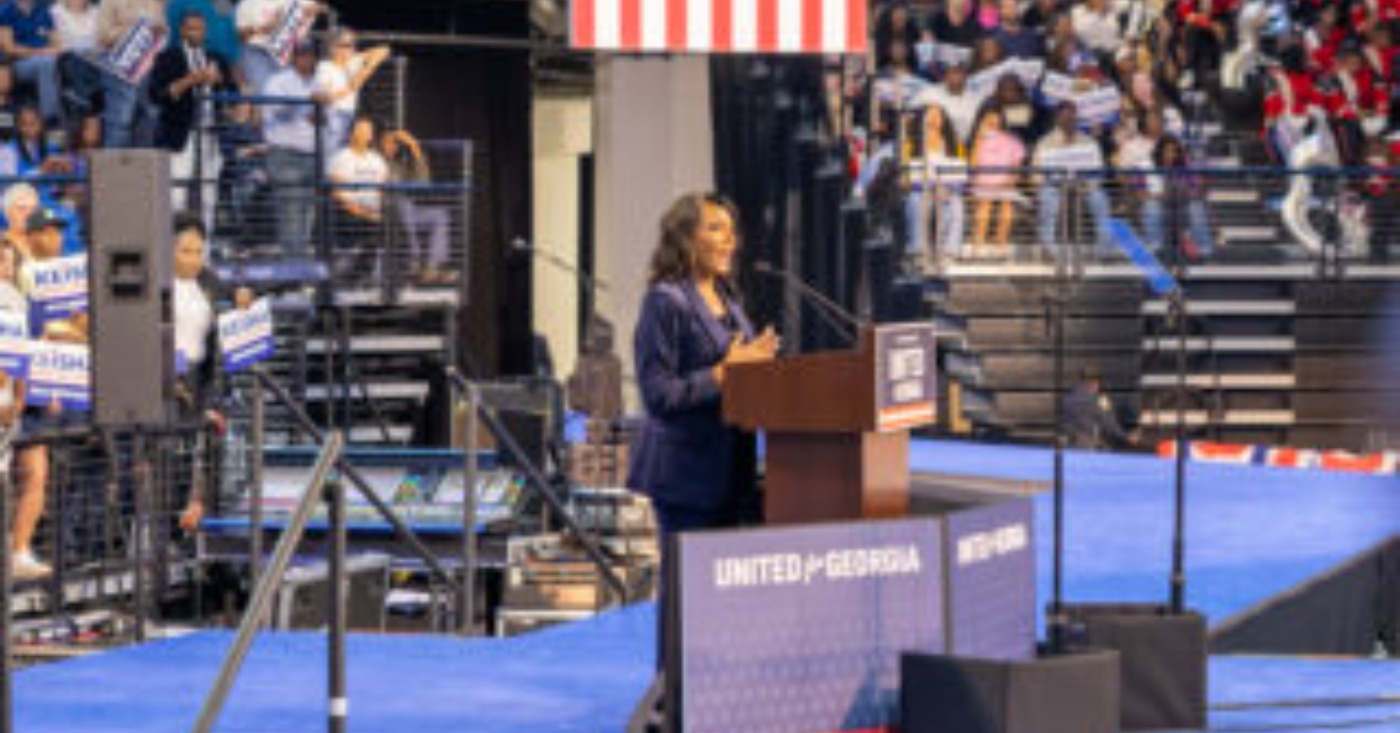
The race was called on Nov. 3 at 9:24 p.m., which is much earlier than most elections. The atmosphere of the Marriott Marquis located in downtown Atlanta was only a mere sample of the excitement statewide. The event hall could barely hold the guests as the line for access passes extended across the entire lobby floor. Everyone came in some of their best attire, sporting unmistakable blue diamond pins with the words, “Keisha Lance Bottoms for governor.”
Now, Bottoms will become Georgia’s first woman and first Black governor when she takes office in January, making her the first Black woman to serve as governor of any U.S. state.
She described her campaign as reaching every corner of the state, “from the red hills of Georgia to the Blue Ridge Mountains of the Piedmont,” as cameras crowded in to capture the moment.
Joining her onstage were her mother, her children and her husband, Derek Bottoms, whom she met while attending Georgia State University College of Law and married in October 1994.
Supporters who had campaigned alongside Bottoms for 578 days shed tears of joy at her election watch party. Among those near the stage were U.S. Sen. Raphael Warnock ‘91, D-Ga., the senior pastor of Ebenezer Baptist Church, and the Rev. Jamal Harrison Bryant ‘94, the senior pastor of New Birth Missionary Baptist Church.
Eight Black women, many firsts
In 2025, Black women experienced disproportionate employment losses as the Trump administration implemented federal workforce cuts and rolled back diversity, equity and inclusion initiatives.
The losses disproportionately affected Black women across the country. In 2026, Georgia voters elected eight Black women to statewide office, marking a historic shift in the state’s political leadership. The South had something to say.
Georgia’s eight major statewide executive offices are the governor, lieutenant governor, attorney general, secretary of state, agriculture commissioner, insurance commissioner, labor commissioner and state school superintendent.
When the newly elected officials take office in January, Black women will hold seven of Georgia’s eight statewide executive offices, a first for the state, with Lt. Gov.-elect Josh McLaurin holding the eighth seat.
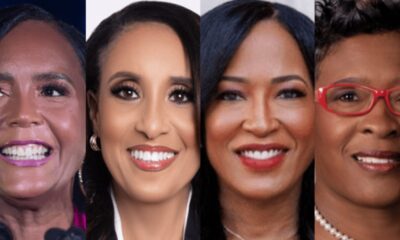
Several broke barriers of their own. Tanya Miller will become Georgia’s first elected woman attorney general. Penny Brown Reynolds, a former Fulton County judge, will become the first Black person elected Georgia secretary of state. Keisha Sean Waites, a former Atlanta City Council member, will become Georgia’s first Black woman insurance commissioner. Educator Lydia Powell will become its first Black woman state school superintendent, while Nikki Porcher will become its first Black woman labor commissioner.
Agriculture Commissioner-elect Katherine Juhan-Arnold founded Baby Katie’s Pharm & Kitchen, a nonprofit farm that provides fresh produce and agricultural education to underserved communities. Shelia Edwards, who won the District 5 race, will join Alicia Johnson as one of only two Black women on the Georgia Public Service Commission. Johnson became the first Black woman elected to a statewide partisan office outside the judiciary in Georgia after winning her commission seat in 2025.
“Georgia chose competence,” Brown Reynolds told The 19th. “We were not selected because we were Black women. I believe that we were selected because all of us bring something that Georgia desperately needs.”
Andra Gillespie, a political science professor at Emory University, told USA Today that the number of Black women elected to leadership positions in Georgia is unprecedented.
“Black women have definitely reached a point where they can not only run and be taken seriously for leadership positions in major parties,” she said.
The wins reached Congress too. State Rep. Jasmine Clark, D-Ga, became the first Black woman with a doctorate in science elected to Congress, winning Georgia’s 13th Congressional District seat, while U.S. Reps. Lucy McBath and Nikema Williams won reelection.
“Georgia has shown up”
Warnock said Georgia voters showed the power of organizing this election cycle and pledged to keep fighting for historically Black colleges and universities.
“I’m proud of Georgia. Georgia has shown up,” Warnock said. “Some 3 million of them early voted.”
He said churches played a key role in that turnout.
“What we saw, among other things, in this election cycle is the power of organizing, and the faith community has always been an important part of that,” he said.
When asked about the legislative priorities he plans to pursue with Keisha Lance Bottoms, Warnock highlighted his efforts to secure federal funding for historically Black colleges and universities.
Warnock pointed to a recent $97.1 million federal award supporting STEM programs at 10 historically Black colleges and universities and other minority-serving institutions, including Clark Atlanta University. His office has also reported securing more than $17 billion for HBCUs nationwide since he began his full Senate term.
With Governor-Elect Bottoms being an HBCU graduate of Florida A&M University, Georgia will have two HBCU alumni representing the people of the state.
“My own life is a testament to how these schools perform way above their weight,” he said. “And so I’ll continue to fight for them.”
His advice for current students was simple: “Morehouse gave me everything I needed to get ready,” he said. “I want the students to look at someone like me, and many others in various fields, and know that we sat in those same desks that they sit in. And so the sky is the limit.”
“Money doesn’t make you a success; character does”
Bryant said the win was personal, crediting Black men and Black churches for helping elect Bottoms.
“Super excited to know history was made, and to know that Black men supported a Black woman to get to this place,” he said.
The biggest hurdle, Bryant said, was getting Black churches involved and engaged, which he described as a return to the church’s tradition from the civil rights movement.
His advice for young men at Morehouse and across Georgia was direct.
“The takeaway lesson for all of us is money doesn’t make you a success,” Bryant said. “Character does.”
When the officials-elect take office in January, Black women will lead nearly every corner of Georgia’s executive branch. Bottoms announced her transition team Friday, Nov. 6. She and the seven other statewide officials-elect will be sworn in in January.
This site uses Akismet to reduce spam. Learn how your comment data is processed.
Based on reporting by Morehouse College – The Maroon Tiger.
Black History
“Blue Tsunami” Sweeps Georgia, Bottoms Makes History
MOREHOUSE COLLEGE – THE MAROON TIGER — A political shift described as a “Blue Tsunami” has transformed the landscape of Georgia leadership following the recent election. Keisha Lance Bottoms made history when the race was called on Nov. 3, becoming the first woman and the first Black person elected as governor of Georgia.
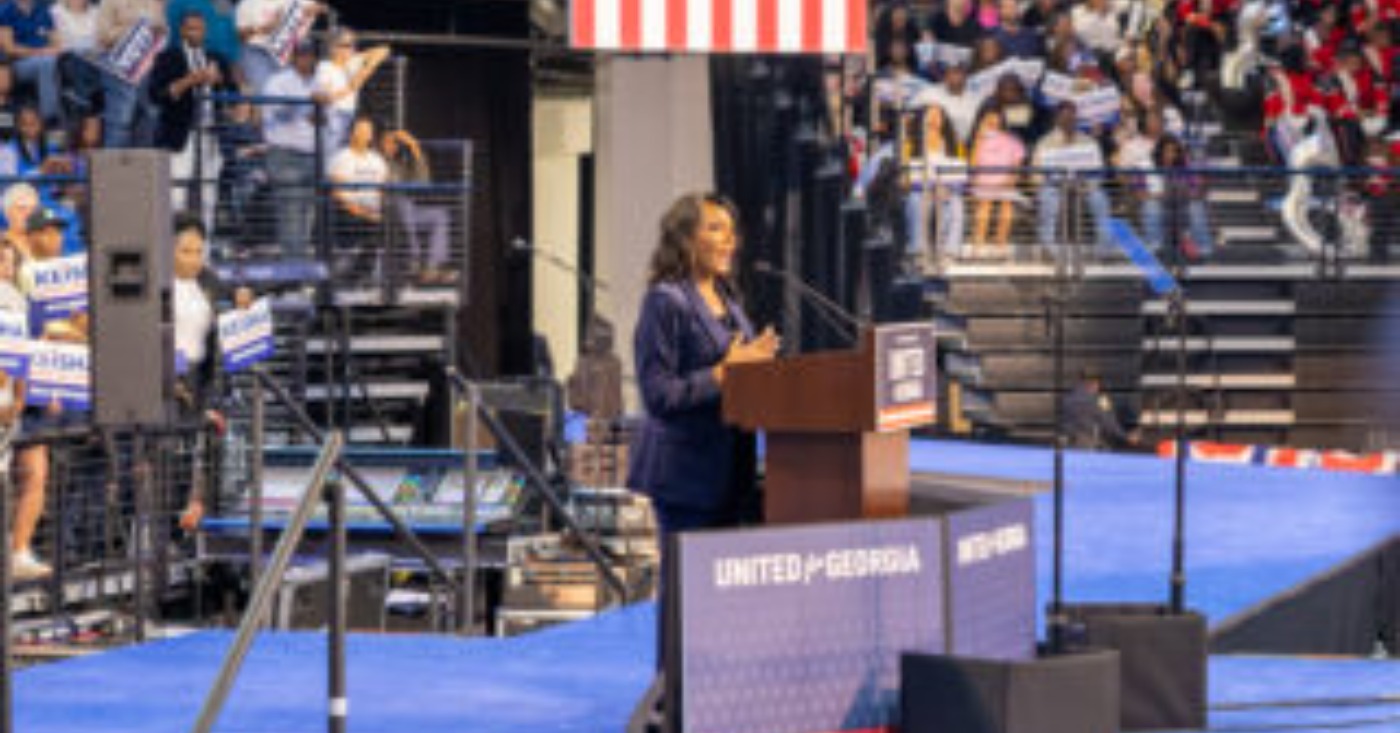
The race was called on Nov. 3 at 9:24 p.m., which is much earlier than most elections. The atmosphere of the Marriott Marquis located in downtown Atlanta was only a mere sample of the excitement statewide. The event hall could barely hold the guests as the line for access passes extended across the entire lobby floor. Everyone came in some of their best attire, sporting unmistakable blue diamond pins with the words, “Keisha Lance Bottoms for governor.”
Now, Bottoms will become Georgia’s first woman and first Black governor when she takes office in January, making her the first Black woman to serve as governor of any U.S. state.
She described her campaign as reaching every corner of the state, “from the red hills of Georgia to the Blue Ridge Mountains of the Piedmont,” as cameras crowded in to capture the moment.
Joining her onstage were her mother, her children and her husband, Derek Bottoms, whom she met while attending Georgia State University College of Law and married in October 1994.
Supporters who had campaigned alongside Bottoms for 578 days shed tears of joy at her election watch party. Among those near the stage were U.S. Sen. Raphael Warnock ‘91, D-Ga., the senior pastor of Ebenezer Baptist Church, and the Rev. Jamal Harrison Bryant ‘94, the senior pastor of New Birth Missionary Baptist Church.
Eight Black women, many firsts
In 2025, Black women experienced disproportionate employment losses as the Trump administration implemented federal workforce cuts and rolled back diversity, equity and inclusion initiatives.
The losses disproportionately affected Black women across the country. In 2026, Georgia voters elected eight Black women to statewide office, marking a historic shift in the state’s political leadership. The South had something to say.
Georgia’s eight major statewide executive offices are the governor, lieutenant governor, attorney general, secretary of state, agriculture commissioner, insurance commissioner, labor commissioner and state school superintendent.
When the newly elected officials take office in January, Black women will hold seven of Georgia’s eight statewide executive offices, a first for the state, with Lt. Gov.-elect Josh McLaurin holding the eighth seat.
Several broke barriers of their own. Tanya Miller will become Georgia’s first elected woman attorney general. Penny Brown Reynolds, a former Fulton County judge, will become the first Black person elected Georgia secretary of state. Keisha Sean Waites, a former Atlanta City Council member, will become Georgia’s first Black woman insurance commissioner. Educator Lydia Powell will become its first Black woman state school superintendent, while Nikki Porcher will become its first Black woman labor commissioner.
Agriculture Commissioner-elect Katherine Juhan-Arnold founded Baby Katie’s Pharm & Kitchen, a nonprofit farm that provides fresh produce and agricultural education to underserved communities. Shelia Edwards, who won the District 5 race, will join Alicia Johnson as one of only two Black women on the Georgia Public Service Commission. Johnson became the first Black woman elected to a statewide partisan office outside the judiciary in Georgia after winning her commission seat in 2025.
“Georgia chose competence,” Brown Reynolds told The 19th. “We were not selected because we were Black women. I believe that we were selected because all of us bring something that Georgia desperately needs.”
Andra Gillespie, a political science professor at Emory University, told USA Today that the number of Black women elected to leadership positions in Georgia is unprecedented.
“Black women have definitely reached a point where they can not only run and be taken seriously for leadership positions in major parties,” she said.
The wins reached Congress too. State Rep. Jasmine Clark, D-Ga, became the first Black woman with a doctorate in science elected to Congress, winning Georgia’s 13th Congressional District seat, while U.S. Reps. Lucy McBath and Nikema Williams won reelection.
“Georgia has shown up”
Warnock said Georgia voters showed the power of organizing this election cycle and pledged to keep fighting for historically Black colleges and universities.
“I’m proud of Georgia. Georgia has shown up,” Warnock said. “Some 3 million of them early voted.”
He said churches played a key role in that turnout.
“What we saw, among other things, in this election cycle is the power of organizing, and the faith community has always been an important part of that,” he said.
When asked about the legislative priorities he plans to pursue with Keisha Lance Bottoms, Warnock highlighted his efforts to secure federal funding for historically Black colleges and universities.
Warnock pointed to a recent $97.1 million federal award supporting STEM programs at 10 historically Black colleges and universities and other minority-serving institutions, including Clark Atlanta University. His office has also reported securing more than $17 billion for HBCUs nationwide since he began his full Senate term.
With Governor-Elect Bottoms being an HBCU graduate of Florida A&M University, Georgia will have two HBCU alumni representing the people of the state.
“My own life is a testament to how these schools perform way above their weight,” he said. “And so I’ll continue to fight for them.”
His advice for current students was simple: “Morehouse gave me everything I needed to get ready,” he said. “I want the students to look at someone like me, and many others in various fields, and know that we sat in those same desks that they sit in. And so the sky is the limit.”
“Money doesn’t make you a success; character does”
Bryant said the win was personal, crediting Black men and Black churches for helping elect Bottoms.
“Super excited to know history was made, and to know that Black men supported a Black woman to get to this place,” he said.
The biggest hurdle, Bryant said, was getting Black churches involved and engaged, which he described as a return to the church’s tradition from the civil rights movement.
His advice for young men at Morehouse and across Georgia was direct.
“The takeaway lesson for all of us is money doesn’t make you a success,” Bryant said. “Character does.”
When the officials-elect take office in January, Black women will lead nearly every corner of Georgia’s executive branch. Bottoms announced her transition team Friday, Nov. 6. She and the seven other statewide officials-elect will be sworn in in January.
This site uses Akismet to reduce spam. Learn how your comment data is processed.
Based on reporting by Morehouse College – The Maroon Tiger.
Black Press
OP-ED: Closing the Next Digital Divide — Communities of Color Must Have a Voice in the AI Future
As artificial intelligence reshapes the global economy, leaders are warning that communities of color risk falling behind if they lack access to critical training. Following the push to bridge the pandemic-era digital divide, new initiatives like the AI Fluency Initiative in Houston are providing practical exposure to these tools for small business owners and students. Ensuring Black and Brown communities are not the last to benefit from this technological transformation requires a combination of literacy programs and developer accountability to prepare workers for an evolving landscape. Read more.
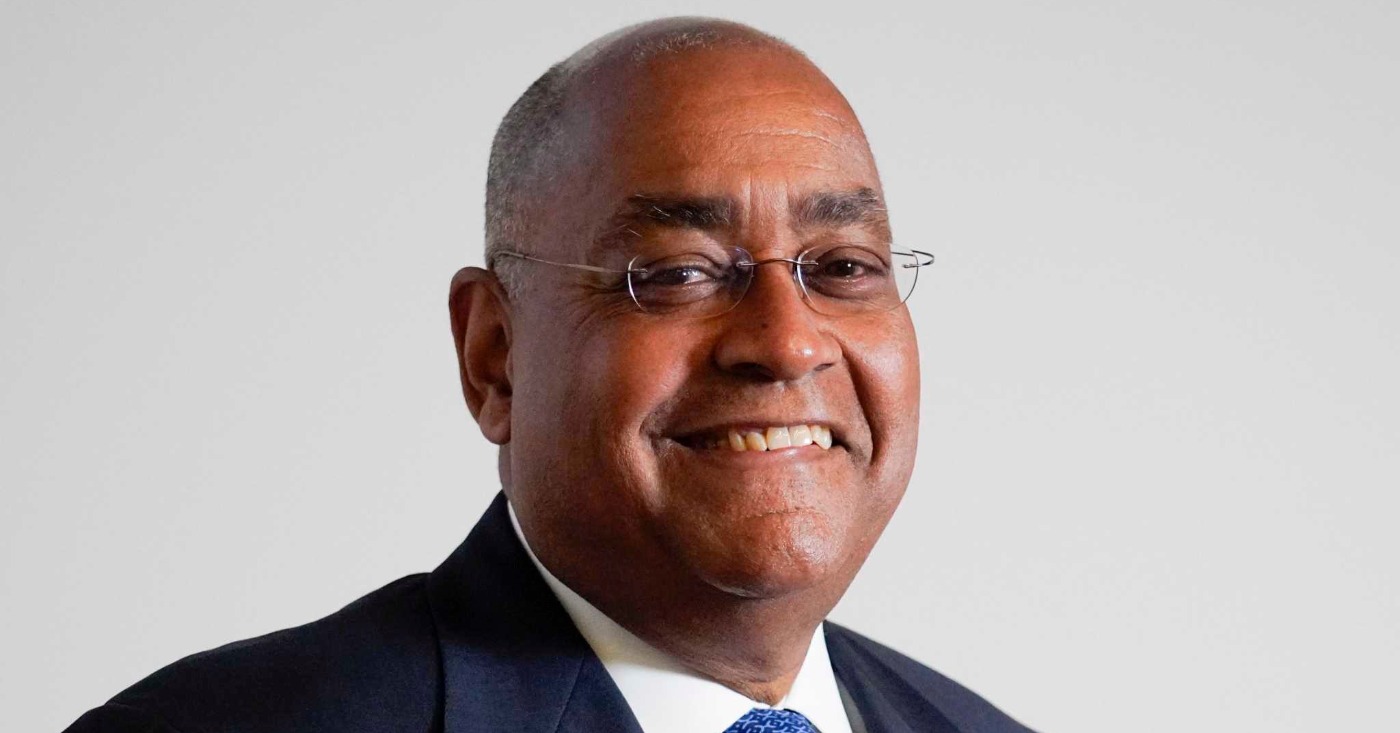
Technology has long shaped who has access to opportunity. As artificial intelligence begins reshaping our workplaces, schools, and daily lives, we must ensure communities of color are not left catching up once again.
In 2020, the pandemic risked widening a digital divide that has put people of color at a disadvantage for years. Access to the technologies that are shaping the world should be available to all. When the internet emerged as the technology of note, children needed access for their education. Adults needed access to find work and succeed in their jobs. Increasingly, upward mobility and economic opportunity depend on having the skills to use the tools transforming our economy.
In Harris County, we worked to make sure our residents were not on the wrong side of that vast digital divide. Through the Office of Broadband, we distributed thousands of hotspots, established more than 100 public Wi-Fi locations, and invested in infrastructure to increase internet availability for under-resourced families.
Today, another divide is emerging. In 2020, the challenge was whether families could get online. Now, communities need to learn to navigate a world increasingly influenced by AI or risk being left behind. More than access, responsible AI requires thinking critically about the technology, its outputs, and the companies behind it. AI literacy builds a foundation for that reflection. We cannot allow Black and Brown communities to be the last to benefit from another technological transformation.
That is why I was proud to partner with Reverend Al Sharpton and the National Action Network (NAN) in September to bring the AI Fluency Initiative to Houston. The program seeks to provide people with practical exposure to AI and show how these tools can be used in jobs, education, small business, and more. Open to the public, programs like this give residents the knowledge to participate in a changing economy and shape the systems developing around them.
Technology companies also have a role to play in making information accessible. OpenAI partnered with NAN on AI literacy in Houston and has supported practical training across the country through OpenAI Academy. Local businesses, older adults, and educators are among the groups the company has targeted through these efforts. This kind of engagement matters. The organizations building AI tools must equip communities with the skills and confidence to use them effectively. When people understand its capabilities and limitations, AI can help them address problems they are already facing.
Entrepreneurs like Kaija Pack are already putting that potential into practice here in Texas. As she built Break Life Houston, she leveraged ChatGPT to develop business strategies and expand her customer base, ultimately growing her business enough to open a second location.
Small business owners like Kaija should understand how AI can help them compete. Workers should understand how it may change their industries. Students should learn how to use these tools responsibly. Communities should understand AI so they can have a meaningful voice when decisions about the technology affect them.
This principle has guided much of my public service. Earlier this year, Commissioner Lesley Briones and I championed Harris County’s first worker Consultation Policy because workers deserve a say in the choices that will impact their livelihoods. Those voices are amplified when we understand their means of empowerment.
AI literacy is a path to that understanding. A seat at the table is most powerful when people have the knowledge they need to advocate for themselves.
Understanding includes risks as well as opportunities. We need to learn how to use these tools safely, and developers have the responsibility to build safety into their systems. OpenAI, for example, has invested in external testing, safeguards, and publicly documented standards for model behavior. Developers should pair innovation with accountability.
Closing the AI divide will be a collaborative effort. Harris County already has networks like our Digital Navigators that connect residents with technology and digital skills. We should build on initiatives like these and make practical AI education accessible at a greater scale.
Too often, people of color have been asked to adapt to new systems after they were built and the rules were already written. With AI, we have an opportunity to be involved from the outset.
The future should not simply happen to us. We should have a hand in shaping it.
Black History
New NAACP Report Warns AI Could Deepen Health Disparities in Black Communities
The NAACP and Sanofi’s ACE Your Health StoryMap was released during AfroTech 2026, finding that healthcare deserts, broadband gaps, and distrust could keep Black Americans from benefiting from the AI boom in medicine. Read more.

Every day, Americans put about 50 million health questions to Microsoft’s Copilot and Bing. More than eight in 10 physicians say they already use AI in their work and believe that proof of safety for these tools is essential. According to a new NAACP report, the emerging technology has quietly become part of how healthcare gets delivered in this country. But the nation’s largest civil rights organization is warning that Black communities may be at risk of being left behind or even harmed by it.
The NAACP and the pharmaceutical company Sanofi released “AI Fluency is a Challenge on Both Sides of the Exam Room” during the AfroTech Conference 2026 in Houston. It is the third installment of the groups’ ACE Your Health StoryMap series, an interactive, data-driven look at how AI, internet access and long-standing healthcare inequities are shaping the future of health in Black America.
The report warns that new technology does not instantly erase old gaps on its own.
“Too many Black communities continue to face healthcare deserts, provider shortages, clinic closures, inadequate internet access, and concerns about racial bias,” said Dr. Chris T. Pernell, Director of the NAACP Center for Health Equity. “If these gaps remain unaddressed, AI could inadvertently widen existing healthcare disparities instead of helping close them. Equity and fairness must be intentionally designed into the future of healthcare AI from the very beginning, not as patchwork fixes.”
The numbers show why. Nineteen percent of people who use AI for health information say they turned to it because they could not afford to see a provider, according to the report. Black adults are significantly more likely than White adults to use AI for mental health advice.
Meanwhile, the report finds, the health system many Black Americans rely on remains hard to reach. One in three Americans lives in a healthcare desert. In the Mississippi Delta, all 154,000 Black residents live more than 25 miles from a hospital rated four or five stars. About 3.8 million Black Americans live in homes without a broadband subscription, which limits their access to digital health tools and AI-enabled resources. Safety-net providers are likewise concerned about having access to these tools due to limited funding and training in their systems.
Trust may be the toughest barrier, says the NAACP. Nearly two-thirds of Black adults believe racial bias remains a major problem in healthcare, the report found, and one-third expect AI to make that bias worse.
The findings draw on the ACE Your Health initiative, national datasets and input from nearly 23,000 community members across 47 states, the District of Columbia and Puerto Rico. The initiative launched in 2024 as a collaboration between the NAACP and Sanofi, which describes itself as an R&D driven, AI-powered biopharma company. The StoryMap follows the NAACP’s AI White Paper on designing AI for health equity and its Policy Framework for Equitable Health AI.
“Scientific innovation is transforming healthcare in ways that were unimaginable just a few years ago, but innovation must be matched by intentional efforts to expand access, build trust, and address barriers that prevent communities from fully benefiting from these advances,” said Tanisha M. Sullivan, Head of External Engagement & Health Equity Strategy at Sanofi.
She added that pharmaceutical companies should do more than develop breakthrough medicines and technologies. “Pharmaceutical companies have an important role to play, not only in developing breakthrough medicines and technologies, but also in partnering with community organizations, healthcare providers, and policymakers to ensure those innovations reach the people who need them most, ensuring no community gets left behind.”
The report also lays out steps communities can take, including expanding broadband adoption, building AI fluency and digital skills, strengthening community-based health education and advocating for equitable technology policies. It also invites community members to add their voices to the StoryMap.
The full report and other ACE Your Health resources are available at naacp.org.
Black Press
Do You Want to Transform a Standard Venue into a Luxury Experience?
BLACKPRESSUSA NEWSWIRE — Creating a luxury event involves far more than simply providing high-quality food and a formal dress code. To truly transform a standard venue into an unforgettable experience, event planners must ensure that every detail, from the atmosphere to the entertainment, is meticulously curated to match a specific theme.

A luxury experience involves elevated food, atmosphere, and entertainment for attendees. The venue matters just as much. Focus on comfortable seating, premium lighting, and other elements to provide guests with a beautiful event that they will not forget.
Have you ever stepped into an event space that took your breath away? A well-curated luxury event space with matching party backdrop setups can transport you to another time or place, providing a needed break from the stresses of everyday life. Event planners understand that the venue needs to contribute to the luxury experience as much as any other factor.
What Is a Luxury Experience?
A luxury experience simply means that the event provides attendees with a beautiful setting and premium food. Additionally, every part of the event should be curated to match its theme and purpose.
How Can Venue Transformation Turn a Regular Space Into a Luxury Experience?
How can you upgrade your venue from a regular party to a luxury experience? Here are some steps to take that will elevate the quality of your venue and setting.
Divide the Room Into Zones
If possible, divide the room into several zones, so attendees can mix and mingle. For instance, an event with a cocktail hour and a sit-down dinner can have a cocktail area with standing tables and a dining area with traditional sit-down setups. A silent auction functions better when the auction area is separated from where guests tend to congregate and socialize.
Consider Beverly Hills event equipment rentals to make each zone unique. Provide features that attract guests so they make their way around the space, rather than staying in one area.
Find a Sophisticated Color Palette
Garish, tacky colors can instantly downgrade your event. Guests will notice before anything else, and the glaring shades may be unpleasant to look at.
Some events have a predesignated color scheme based on their purpose or the hosting organization. In these cases, try to incorporate neutral shades wherever possible to soften the space and avoid clashing with the existing color palette.
If you can choose the colors, consider the theme of the event. A fundraiser for breast cancer awareness, for example, may call for shades of pink. A casino night will work better with a darker theme.
Use Comfortable Seating
Guests should find respite when sitting, not immediately feel uncomfortable. Invest in chair rentals that have cushions and are wide enough to accommodate your guests. Create spaces designed for comfort with couches and plushy chairs.
Set Up Premium Lighting
Cheap lighting can put an unpleasant glare on the entire space. Use soft, warm lights that emit luxury, rather than whiter lights. With warmer undertones, even brighter lights will not hurt the eyes as much.
Add table lamps and lower lighting for a cozier glow. Allow guests to adjust the lighting to their preferences as well.
Ensure the Acoustics Are Balanced
Sound is essential for creating a premium experience. Live music is a wonderful option, but the acoustics need to be balanced to prevent your guests from feeling overwhelmed. Perform sound checks with live musicians before the event begins so you can assess the sound quality all over the event venue, not just in front of the stage.
If you choose prerecorded music or a DJ, speaker placement is crucial. Avoid putting speakers too close to seating areas or places where guests congregate. Rather, place the speakers in areas that allow them to fill the room instead of directly next to people’s ears.
Highlight Nature
An outdoor event should emphasize nature to elevate the event space. Consider incorporating and highlighting the natural beauty of the venue. Indoor events can be instantly upgraded by bringing plant life, such as trees and flowers, into the room to cultivate an inviting oasis.
Frequently Asked Questions
Is a Luxury Event Worth the Higher Price Tag?
Often, yes, especially when fundraising is involved. Luxury events that are curated to a higher net-worth audience may translate to more money raised overall.
VIP guests expect a premium experience. When guests pay hundreds of dollars per plate or thousands per table, it is important to deliver every element of luxury to show them that they did not waste their money.
For weddings or other events that do not include raising money, a luxury event may still be the best option to suit your needs. If you have always dreamed of an exquisite wedding with finer touches, then adding luxury will be worth it to have the day that you deserve.
What Is the Dress Code for a Luxury Event?
It depends on the style of the event, as well as the time of day, setting, and many other elements. Luxury events that take place in the evening typically lean toward black- or white-tie, but a mid-morning brunch may feature more casual wear.
If you are hosting a luxury event, it is best practice to outline the dress code on the invitation. There will not be any guesswork involved for guests, and you do not have to worry about attendees showing up with the wrong attire.
Consider including advice, even if it doesn’t strictly relate to the dress code. Heels, for example, may not work well in events that take place on a golf course or another grassy area.
How Far in Advance Do You Have to Start Planning a Luxury Event?
Ultimately, it is up to you when you need to start planning the event. When contacting vendors such as caterers and entertainment, see how far out you can book and lock in those elements as soon as possible.
The earlier you plan, the less stressed you will be. As your event approaches, you can focus on finishing touches rather than nailing down huge problems.
Consider Luxury Party Aesthetics
A luxury experience is about more than just a fancy plate of food and a black-tie or white-tie dress code. Curating the event space to match the event’s mood will help bring the entire concept together.
Would you like to learn more about event hosting? Explore our site for ideas and inspiration to suit your next event.
Content provided through ContentManagerIO.
Black History
Don’t Pass the Torch. Expand the Circle.
Alpha Kappa Alpha Sorority, Inc. is redefining mentorship by empowering undergraduate women to take active roles in high-level organizational governance. Instead of asking young leaders to wait their turn, the sorority is integrating students like Noah M.P. Harris into international boards and planning committees alongside seasoned veterans like Dr. Tonja L. Ringgold. This intergenerational model aims to combat professional burnout and systemic barriers by offering meaningful responsibility and guidance today, rather than in the distant future, to learn how this approach is transforming leadership. read more.
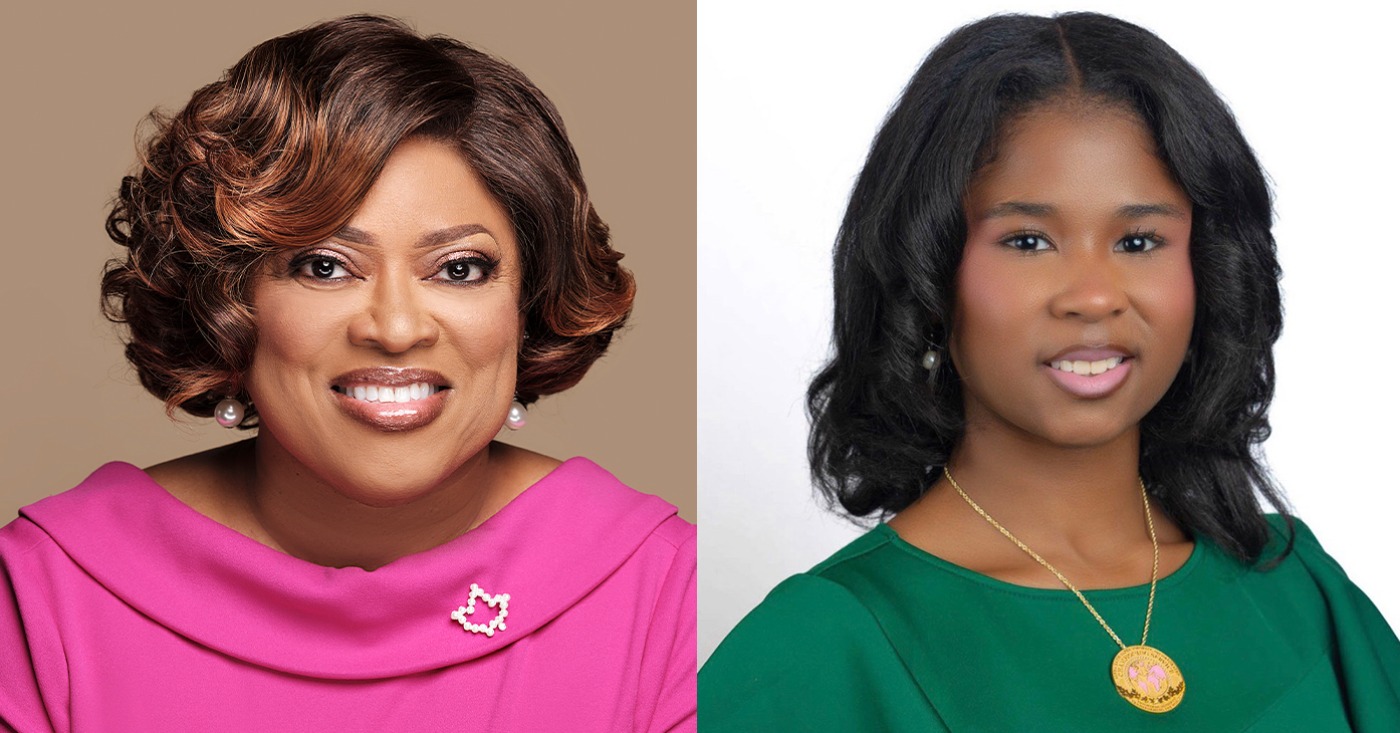
On Nov. 14, hundreds of undergraduate women gathering at Morgan State University in Baltimore for Alpha Kappa Alpha Sorority’s Undergraduate Leadership Institute will do more than listen to presentations. They will run the program. Graduate advisers will take seats in the back of the room.
This is intentional. Too many institutions invite young people to observe leadership without trusting them to exercise it. We believe the future of leadership depends not on one generation stepping aside for another, but on generations sharing responsibility now.
We have seen the difference from two vantage points.
For Dr. Ringgold, Morgan State is where that journey began. Initiated into Alpha Kappa Alpha’s Alpha Delta Chapter in 1982, she recently reunited with two sorority sisters who guided her as an undergraduate, including a former chapter president whose example still informs her leadership today. Forty-four years later, she returns as director of the sorority’s North Atlantic Region, keenly aware of what it means when someone invests in a young woman’s potential. The homecoming carries added significance: Alpha Delta, chartered in 1926, is celebrating its centennial; and the chapter that shaped her is still helping shape new leaders.
For Ms. Harris, leadership is not a distant destination. She is a Bowie State University senior and president of its Eta Chapter who, this summer, was elected Alpha Kappa Alpha’s International Second Vice President. As an undergraduate member of the sorority’s international governing board, she carries student perspectives into decisions affecting the organization. A 2025 Leadership Fellows experience encouraged her to seek that larger platform. To her, leadership is measured by the people she can serve, not simply the position she holds.
Our experiences challenge a familiar assumption: Young people must wait their turn. Founded in 1908 by Black college women, Alpha Kappa Alpha now counts more than 390,000 initiated members across more than 1,122 chapters. That reach brings a responsibility to open doors, not merely preserve tradition.
Deloitte’s 2026 global survey found that 76% of Gen Z respondents were interested in pursuing senior leadership roles eventually, although only 6% of surveyed Gen Z and millennials named leadership their primary career goal. Many cited burnout, excessive responsibility and work-life balance as concerns. Young people are not necessarily avoiding leadership. They are questioning the conditions under which it is exercised.
At a time when companies are pulling back on women’s advancement, Black women face persistent barriers. McKinsey and LeanIn.Org’s 2025 report found that among companies studied, only 60 Black women were promoted to manager for every 100 men. Telling young women to wait their turn cannot fix an unequal pathway to leadership.
Experience matters. Seasoned leaders carry institutional memory, hard-won judgment and relationships that take years to build. But experience cannot develop in a waiting room. Young leaders need meaningful assignments, honest guidance and room to make mistakes. Experienced leaders must also be prepared to reconsider familiar ways of doing things.
We see that exchange in our own relationship. Ms. Harris draws on Dr. Ringgold’s decades of sorority service and higher education experience. Dr. Ringgold listens when Ms. Harris speaks, recognizing that younger perspectives can challenge assumptions and reveal better approaches. Neither of us has all the answers. Both of us have something to contribute.
Our upcoming Undergraduate Leadership Institute will put that principle into practice. Undergraduate members will lead, with graduate members offering guidance and expertise. We’re taking the same approach in planning our 96th North Atlantic Regional Conference, scheduled for March 2027, where undergraduate counterparts will work alongside graduate vice chairs in operations, programming, social activities and logistics. They’ll help plan an event serving the entire region, not just their undergraduate peers.
That is the distinction between inclusion and influence. A seat at the table means little if the people invited cannot help determine what happens there.
Businesses, colleges, nonprofits and civic organizations can do the same. Pair mentorship with meaningful assignments. Involve emerging leaders in decisions before those decisions are final. Give them resources and room to grow. When they challenge a familiar practice, ask whether it still serves its purpose.
We should not ask experienced leaders to disappear or young leaders to wait. The goal isn’t to pass the torch and walk away. It’s to expand the circle of people empowered to lead and build stronger institutions together.
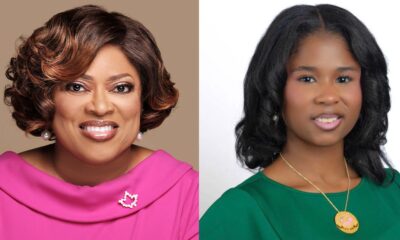
Dr. Tonja L. Ringgold is the North Atlantic Regional Director of Alpha Kappa Alpha Sorority, Incorporated. Noah M.P. Harris, a senior at Bowie State University, is the sorority’s International Second Vice President and president of its Eta Chapter.


“Blue Tsunami” Sweeps Georgia, Bottoms Makes History

“Blue Tsunami” Sweeps Georgia, Bottoms Makes History

OP-ED: And Then What?

OP-ED: Closing the Next Digital Divide — Communities of Color Must Have a Voice in the AI Future

Which Car Comfort Features Are Worth Paying For? #shorts

Choosing a Truck Bed? Test Your Gear Before You Buy #shorts

Black Resilience: The Powerful Story of George Wallace’s Redemption

From The Desk of The Editor 11/11/26

Credit Builder Loans Offer a Fresh Start #shorts

Small Savings Build Lasting Financial Peace #shorts

Practitioners of African Traditional Spirituality Offer Ancestral Reverence Ritual Oct. 31

Tamiko Armstead | 2026 Lifetime Achiever in Education

HISTORY MADE: Keisha Lance Bottoms Becomes First Black Woman Elected Governor in American History

OP-ED: The Black Church Writes AI’s Next Chapter

OP-ED: If the ‘Cornell 7’ Were Black Men at an HBCU — America Wouldn’t Be This Sympathetic

Inside 820 S. Michigan: New Book Captures the Lost World of Ebony and Jet

Kickstarter CEO Everette Taylor Shares Tips on Creating and Growing a Business

While Black Families Pay More for Power, Some Attorneys General Fight to Save High-Cost Coal

BLACK MEN VOTE: Mobilizing 100,000 Black Men Ahead of the Midterms 📱

NFN live presents 🎙️ THE ROAD TO BEYOND IWDM 50: WE CANNOT STOP NOW! 8-Week Podcast
Which Car Comfort Features Are Worth Paying For? #shorts
Choosing a Truck Bed? Test Your Gear Before You Buy #shorts
Black Resilience: The Powerful Story of George Wallace’s Redemption
From The Desk of The Editor 11/11/26
Credit Builder Loans Offer a Fresh Start #shorts
Small Savings Build Lasting Financial Peace #shorts

Help Another Black Family Buy a Car—Leave a Review #shorts

Brett McNeal on Becoming a College AD and the State of Minneapolis Sports | Blacklight on Sports

Kern County Veterans Day Parade Honors Veterans in Downtown Bakersfield

How Fleet Purchases Build Black Community Wealth #shorts
-
 Black History1 week ago
HISTORY MADE: Keisha Lance Bottoms Becomes First Black Woman Elected Governor in American History
-
 Black History6 days ago
Keisha Lance Bottoms to Govern State Where Her Great-Great-Grandfather Was Enslaved
-
 Black History1 week ago
IN MEMORIAM: Marcia Ann Gillespie, Editor of Essence and Ms. Magazines, Dies at 82
-
 Black History4 days ago
Don’t Pass the Torch. Expand the Circle.
-
 Black Press6 days ago
Eight Black Women Win Georgia Statewide Offices
-
Black Press6 days ago
What It Actually Takes to Convert Potential Customers Quickly and Consistently
