
Religion
God’s Influence on Hip-Hop

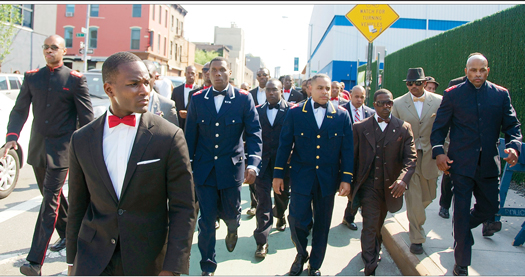

|
The roots of a culture, the power of unity, the power of the word and a powerful Brooklyn concert
by Ashahed M. Muhammad
Special to the NNPA from The Final Call
(FinalCall.com) – Many rappers and members of the Hip Hop Nation will readily admit that though they are not registered members of the Nation of Islam or self-identified members of the Five Percent Nation, they have been influenced by both in very significant ways.
In Black communities, particularly major metropolitan areas, it is not unusual to hear the greetings of “As-Salaam Alaikum” coming from the mouths of little children, Christians, and many others who are not Muslims.
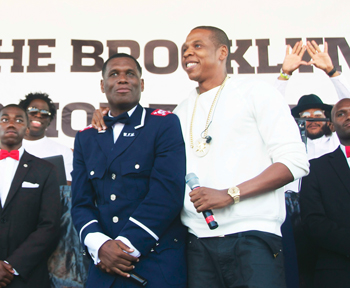
Jay Electronica and Jay-Z share a light moment during the festival.
|
Within the culture of Hip Hop, you will hear many using the phrase “Word is Bond” who have never in their lives seen the Supreme Wisdom Lessons by Master W. Fard Muhammad, nor the 120 Lessons of the Five Percenters. But at the core of the culture are the teachings of the Nation of Islam, which center on the divine destiny of Black people to rise, the importance of knowledge of self, and the reality of God as manifested in men and women, not as a disembodied spirit.
In fact, the fundamental teachings that a man, God himself, came to identify and deliver Black people in fulfillment of the prophecies, is at the root of any Black liberation theology being taught or heard today.
Through his lectures and writings, the Most Honorable Elijah Muhammad shattered the myths of the White God, the White Jesus and White Supremacy cloaked in the religion of Christianity. It was the teachings of the Nation of Islam that brought Black people face to face with the fact that what they were reading in the pages of their Bibles represented prophecies that had yet to be fulfilled and symbolic pictures of people, places, and events in the future.
The old gospel songs about Moses asking Pharaoh to “let my people go” and the deliverance of a suffering people seeking redemption are not Jewish melodies, but Black freedom songs, so it is fitting that Hip Hop would be the musical vehicle as modern day gospel songs to the youth, carrying forth these important truths and newly discovered realities.
Black people were taught about the holocaust of European Jews, but nothing about their own Black Holocaust. Black people knew U.S. History, but very little about their history before slavery. All that would change with the injection of consciousness raising lyrics that would not only inform, but also educate.
It was Public Enemy pictured inside the liner notes of their 1990 offering titled “Fear of A Black Planet” discussing strategy looking over maps and a globe with members of the Security of the First World (S1W) wearing white Fruit of Islam uniforms. It was Ice Cube pictured inside the liner notes of his 1991 offering “Death Certificate” with brothers from the Lench Mob and brothers of the F.O.I. in the picture while he stood between them both reading a copy of The Final Call with the headline “Unite or Perish.”
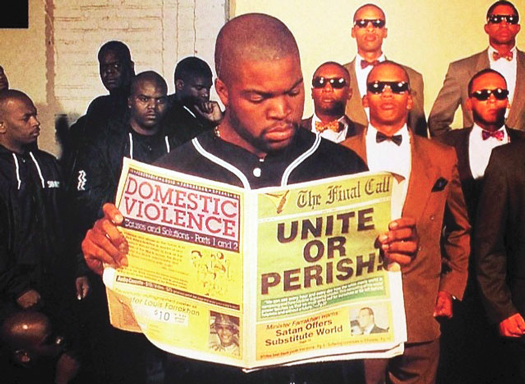
Ice Cube in the liner notes of his 1991 album Death Certificate was pictured with brothers from the street and the Fruit of Islam. He said his words represented: “The Death Side: a mirror image of where we are today and The Life Side: a vision of where we need to go.”
|
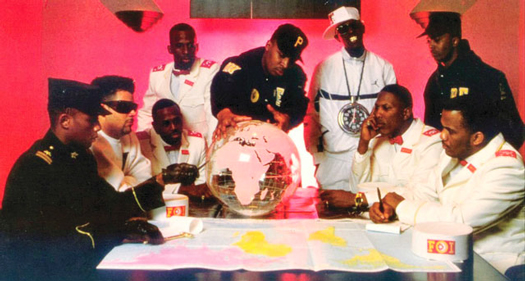
The lyrical content of Public Enemy’s Chuck D and the imagery of the Security of the First World (S1W) prompted many to look further into the Nation of Islam and to find out about Minister Farrakhan.
|
Consciousness raised
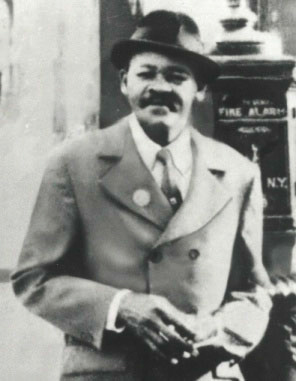
Clarence 13X Smith a.k.a. The Father Allah
|
The founder of the Five Percenters (a.k.a. the Nation of Gods and Earths) was Clarence 13X Smith, a former member of the Nation of Islam’s Temple No. 7 who is credited with taking the teachings and Supreme Wisdom to young people in New York.
For many, during the late 1980s and mid-1990s, their first exposure to the voice of the Honorable Minister Louis Farrakhan was hearing his speeches mixed over beats, or perhaps a reference in a Hip Hop song.
That was the case for Wise Intelligent of the group the Poor Righteous Teachers, a phrase taken directly from the Nation of Islam’s Supreme Wisdom. As a young 15-year-old from Trenton, N.J., while listening to the song “Bring the Noise,” he heard the unmistakably aggressive and commanding voice of Public Enemy’s Chuck D say: “Farrakhan’s a prophet and I think you ought to listen to what he can say to you, what you ought to do…”
“That was my first encounter with Minister Farrakhan,” said Wise Intelligent. “Hearing that led me into research. That opened the door to an entirely different view and perspective on the Nation of Islam beyond what I’d been told.”
“I’m very appreciative of just that one lyric, that particular lyric,” Wise Intelligent noted.
The Gods of Hip Hop in Brooklyn
Seeing Jay Electronica at the 2014 Brooklyn Hip Hop Festival in full Fruit of Islam uniform took many back to a time when it was not uncommon to hear consciousness raising lyrics coming from the most prominent and popular rappers.
It was a major demonstration of the potential and the future of Hip Hop and it was a major public representation of Islam, said Dr. Wesley Muhammad, who has been a close friend and confidante of Jay Electronica’s for many years and was intricately involved in the planning and execution of his July 12 performance surrounded by the Allah Team, Lions Out the Cage and members of the Fruit of Islam from Muhammad’s Mosque No.7 and 7C.
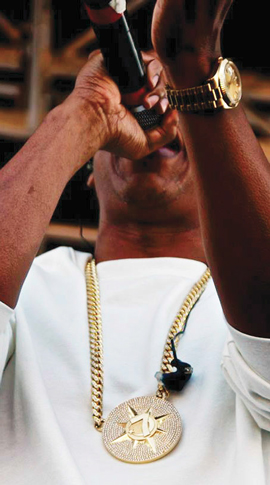
Jay Z at the Brooklyn Hip Hop festival rocking the microphone wearing the medallion he later gave to Jay Electronica. Photo: Understanding Allah
|
“We can’t deny the fact that Hip Hoppers, rappers, are the gods of the Black community,” said Dr. Muhammad. “A god is a being of power and force. There is no other element in the Black community that has the power to shape and direct Black culture—and through that Black life— like the rappers do,” Dr. Muhammad added.
“Life for a large segment of Black people revolves around the dictation of rappers,” said Dr. Muhammad. “There is no other element in our community that has that power—not sports figures, none of our religious figures—no one does. And only a God can make a god. I have to assume that the Hip Hoppers have that power by Allah’s permission, which suggests that Allah has deep interest in using the Hip Hop community and what I think what happened in Brooklyn signals to the world that Allah is ready to take control of this powerful artistic expression,” he said.
It is for that very reason Lord Jamar of the legendary group Brand Nubian feels having Hip Hop mogul Jay Z present and performing with Jay Electronica with the F.O.I was very important. Lord Jamar has been outspokenly critical of Hip Hop’s direction with the feminization of the Black male and turn towards crime, violence, materialism and commercialism. Instead of rappers using their influence to endorse enlightening books, or to discuss historical figures, many have used their popularity to promote self-destructive lifestyles and excessive narcotic and alcohol use. Lord Jamar described what took place at the festival as “a beautiful day” for the Hip Hop Nation.
“That type of energy I definitely haven’t seen or felt in quite a long time especially surrounding Hip Hop. To have the brother Jay Electronica to come there with the F.O.I. dressed in full F.O.I. garb was a strong statement to make today in Hip Hop. Then to receive the chain from Jay Z that has the Universal Flag on it and to be wearing that in conjunction with the F.O.I. uniform, I thought was a very strong statement because both those ciphers are inextricably intertwined and to see that psychological display of unity I think was beautiful, especially at a time in Hip Hop— and in music in general—where finding something positive is almost non-existent,” he added.
Farrakhan’s view of Hip Hop
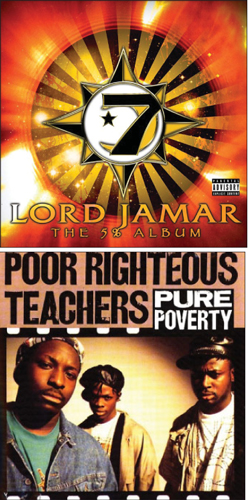
Lord Jamar’s “The 5% Album” and The Poor Righteous Teachers album “Pure Poverty”.
|
As recently as two months ago, Minister Farrakhan through a post via Facebook shared his feelings about the Jay Electronica/Jay Z collaboration titled “We Made It” which contained numerous references to the doctrinal foundation and lessons of the Nation of Islam.
“I am grateful to Allah (God) for the greatness of Jay Z and Jay Electronica, who could take the wisdom of the Honorable Elijah Muhammad, or the wisdom of Brother Clarence 13X, who is really the father of The Five Percent Nation, and use that wisdom in a song. And just as we can be inspired by words to do bad things, we can be inspired by words to do great things! I hope that this is the beginning of these great rappers taking their role as not just rappers, but enlighteners of the vast audience that is theirs. And from that enlightenment, produce a world where human beings, regardless of race or creed or color, can live together in peace and harmony. Best wishes to Jay Z and Jay Electronica, and all our great emcees. Continue The Good Work of feeding the flock,” Min. Farrakhan wrote.
On numerous occasions the Minister has spoken of the potential power of rightly guided Hip Hop artists to guide the world’s youth toward liberation.
Minister Farrakhan held an East Coast Hip Hop Summit in New York in 2001, a West Coast Hip Hop Summit in Los Angeles in 2002, and a large gathering of the South’s Hip Hop artists at Atlanta’s Justin’s Restaurant which at that time was owned by P-Diddy, in 2007.
In 2003, the Minister sat down for a discussion with Ja Rule to squash the beef between he and rapper 50 Cent. In 2008, Nas made an song that was originally titled “Louis Farrakhan.” In late 2013, artist Kanye West found himself embroiled in a controversy with the Anti-Defamation League of B’nai B’rith. After receiving strong backing and counsel from Minister Farrakhan, Kanye withstood the Jewish onslaught and refused to bow. Popular rapper Rick Ross not only met with Minister Farrakhan, he also posted a photo letting the world know of his respect for the Minister. In his book “Decoded” Jay Z mentions Minister Farrakhan in explaining lyrics to one of his songs, and has a picture of him in it. Members of the Wu Tang Clan have met with the Minister numerous times, and the RZA frequently attends the NOI’s annual Saviours’ Day convention.
Although Minister Farrakhan himself has remained connected to many of the industry’s leading Hip Hop artists, that direct connection has not been maintained on “the street level” and as a result, the culture and lyrical content has suffered, according to Dr. Muhammad.
Jay Electronica, showing his willingness to take Minister Farrakhan’s guidance to do his part to close the gap by using his growing influence and popularity to spread wisdom and truth, posted on Facebook: “The Minister said that the enemy wants to shut down the mosques, but that it’s ok because one day we would be meeting in Soldier’s Field Stadium … I say let’s go fill up these stadiums!”
While the public display was met with cheers, Wise Intelligent said it was “disheartening” to hear criticism coming from some.
“We understand the difference between peacocking and a show of power, those necessary displays of power that galvanize the people’s potential and draws them close to the reality and an understanding of organizational strength,” said Wise Intelligent.
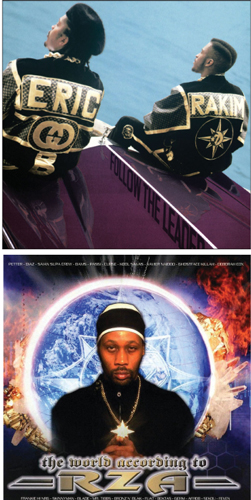
Eric B. & Rakim’s “Follow the Leader” with Rakim’s custom made coat displaying the Universal Flag of the Five Percenters (Nation of the Gods and Earths) and Wu Tang Clan’s RZA wearing a Universal Flag medallion.
|
It was a display of unity and goodwill, not just from the standpoint of seeing the Nation of Islam and Five Percenters together, but it was an important thing for Black young people to see, he added.
Instead of rap crews being named after criminal organizations, or united by illicit activities and negativity, the pendulum may be swinging in the direction of positive energy with references to kings and queens, with mind elevating lyrics. It remains to be seen if this will continue, said Lord Jamar, who has always used his popularity and platform to spread knowledge.
Lord Jamar’s 2006 offering titled simply “The 5% Album” included a 90-page booklet primarily dealing with the history of the Five Percent Nation and aspects of the life of the group’s founder Clarence 13X Smith, whom they refer to as “Father Allah.”
“I come from an era where the elders they would pull your coat so to speak, when you were doing something wrong, and it wouldn’t be in a hateful way, it would be like ‘hey brother, you need to do the knowledge to what you’re doing right now because you’re bumming out right now, you’re moving fast and this is what can happen’ and it was out of love,” said Lord Jamar.
“So right now we’re in a situation where they are trying to disconnect our youth from the knowledge and wisdom that their elders have by trying to create a generation gap, which didn’t exist, especially with Hip Hop. You know Hip Hop is a unifying music. I’m able to like certain songs that my son who is 21 would like and he likes certain music from the ’90s.”
Wise Intelligent sees promise in the unity and uplifting lyrical content of artists affiliated with Atlanta’s God-Hop movement originated by Sol Messiah and headlined by the brilliantly creative emcee Sa-Roc. Artists like Jasiri X, Dead Prez, Immortal Technique, Black Collar Biz, Tahir RBG and Narubi Selah consistently deliver thought provoking, “politically oriented content” to counter the formulaic, oft-times vulgar and repetitive gibberish played on the radio, he said.
It may look like consciousness raising rappers disappeared, but they have not, he added.
For his video for the song “Illuminati,” Wise Intelligent had members of the F.O.I. from Trenton shown, as well as the Cycle Kings, a legendary Black motorcycle club, members of the RBG movement and Black Panthers to show a united front.
“They represent organizations that exist within our communities that are for the good of the people,” said Wise Intelligent. “That’s what is needed. That kind of organizational structure and we have to cross those lines.”






![Library of Congress description: "H. Rap Brown, SNCC [i.e., Student Nonviolent Coordinating Committee], news conference]" (Wikimedia Commons / Photo by Marion S. Trikosko)](https://blackpressusa.com/wp-content/uploads/2025/11/1124-H-Brown-400x240.jpg)
![Library of Congress description: "H. Rap Brown, SNCC [i.e., Student Nonviolent Coordinating Committee], news conference]" (Wikimedia Commons / Photo by Marion S. Trikosko)](https://blackpressusa.com/wp-content/uploads/2025/11/1124-H-Brown-80x80.jpg)


Black History
Practitioners of African Traditional Spirituality Offer Ancestral Reverence Ritual Oct. 31
The Council for Global Ancestral Reverence will host “Ancestral Souls Rising” from Oct. 31 to Nov. 2, featuring a three-day gathering of prayer and discussion. Led by elders and priests across the African diaspora, the seventh annual ritual honors those lost without traditional rites while addressing current social challenges. This year’s event connects ancestral wisdom with contemporary issues, including a two-day conversation inspired by Afro-Beat music focused on Black community solidarity and the sacred importance of voting. Read more for details on the ritual schedule and participants.
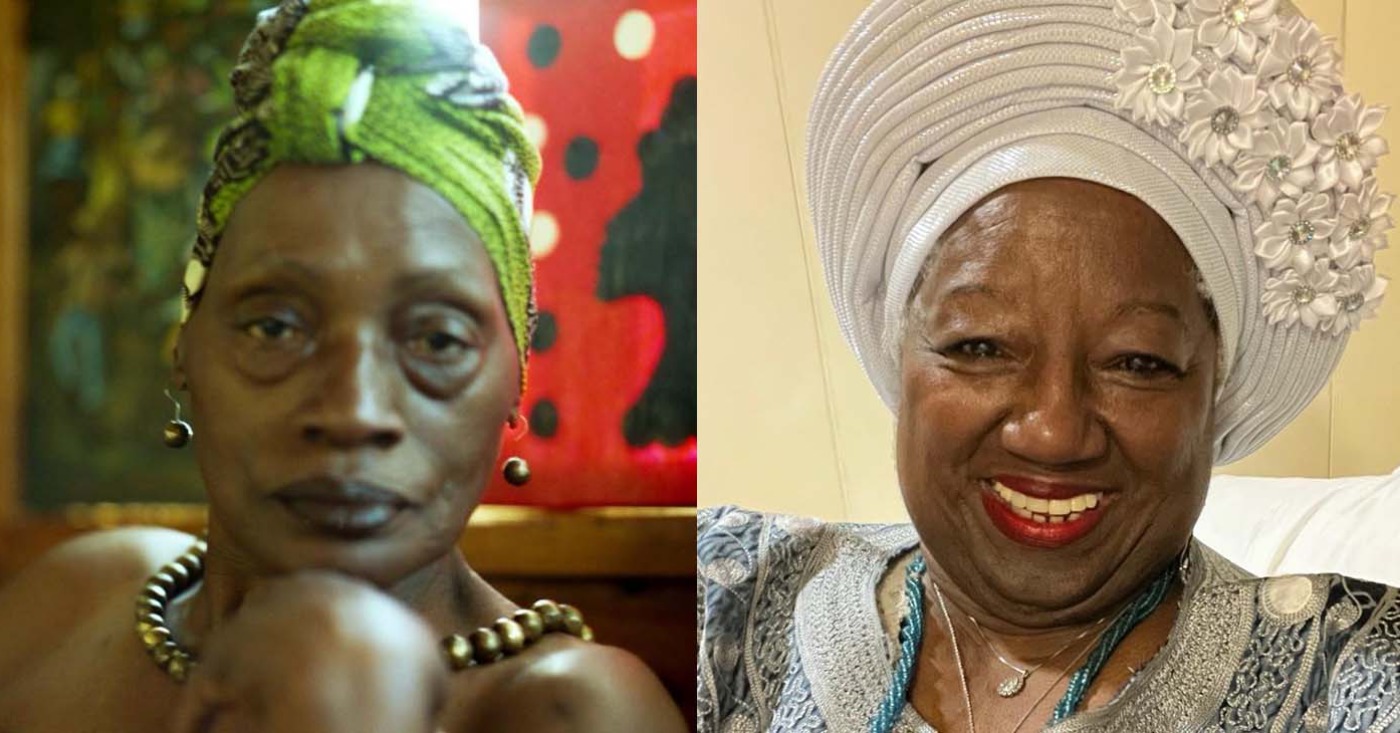
The Council for Global Ancestral Reverence (C4GAR), a group of elders who practice African traditional spirituality, will lead a three-day gathering of prayer and discussion from Oct. 31-Nov. 2.
Called ‘Ancestral Souls Rising,’ the council members and 21 priests will lead the prayers from many parts of the African diaspora: Africa, Portugal, and across the U.S. from Maryland to the Bay Area.
Now in its seventh year, the annual ritual began during the 2020 pandemic when hundreds of thousands of people died alone and were buried in mass graves without rites and rituals according to loved ones’ traditions.
This prayer event was and is intended to give peace to the departed and comfort for the living who still mourn. Each year, we gather names of new ancestors from living elders to elevate them into the “Great Hall of the Titans.”
In ensuing years, C4GAR added themes to the prayer gathering that referenced current events. In 2024, before the consequential presidential election, C4GAR called on people to vote, invoking the memory of Civil Rights Movement heroes and heroines like John Lewis, who urged “Good Trouble,” and Fannie Lou Hamer, who famously declared that she was “sick and tired of being sick and tired.”
The day of global Prayer on Oct. 31 will be followed by a two-day conversation inspired by “The Blueprint,” an Afro-Beat song by UyiosaEl, to write our new blueprint that supports solidarity and action in the Black community.
“Our elders have, for many generations, known the power of prayer, ritual and breath,” the council said in a statement.
It was and is their intention, then, to use the cultural wisdom, the gift of prayer “and the most sacred thing we have, our breath, to send energy into the world that invokes and honors our ancestors,” the council statement continued.
“Doing this creates a vibration that protects us and employs their ancient wisdom for the well-being of our communities,” the elders said.
The councilmembers, all over the age of 60, recognize that what is now history for so many was once their lived experience. And that history, those joys and sorrows, are now in their bodies.
To them, the uttered prayer and the sacred breath are oaths to an unfolding future that people can still shape.
The council members are Dr. Iyabeji Cathy Royal, Iyalocha Jennifer Dillard, Manbo Charlene Desir (Florida), Nana Sula Spirit (Louisiana), Baba Obafemi Feyemi, Ohen Nedra T. Williams, and Iyalocha Wanda Ravernell-Stewart Emeritus (Oakland).
This year, they also encourage everyone within their reach to VOTE because it is not only a secular and political act, but a sacred one. Remember, the ancestors were denied that right and died for it.
For tickets, go to:
Black History
COMMENTARY: BIG MAMA SAID: Don’t Throw Away the Gift Just Because It Came Wrapped Wrong
TEXAS METRO NEWS — Journalist and mentor Terry Allen reflects on the profound wisdom of his grandmother, Lucille “Big Mama” Allen, who believed that a person’s mistakes do not represent their total identity. Allen argues that many behavioral issues seen in young men are actually symptoms of undeveloped gifts that have been applied to the wrong environments.
Big Mama had a way of seeing something in you before you could see it in yourself.
My grandmother, Lucille “Big Mama” Allen, came from a generation that believed in correction. I grew up in a household where somebody might tell you, “Go get me a switch.” You knew what that meant.
But age has taught me something: correction without direction can stop behavior, but it doesn’t always develop the person.
Sometimes what we call a young man’s problem is really an undeveloped gift.
ADVERTISEMENT
I learned that through mentoring.
I once worked with a young man who was gambling and running numbers. Now, I wasn’t going to celebrate the behavior. Wrong is wrong. But I also refused to believe his mistakes represented the totality of who he was.
I looked underneath the behavior.
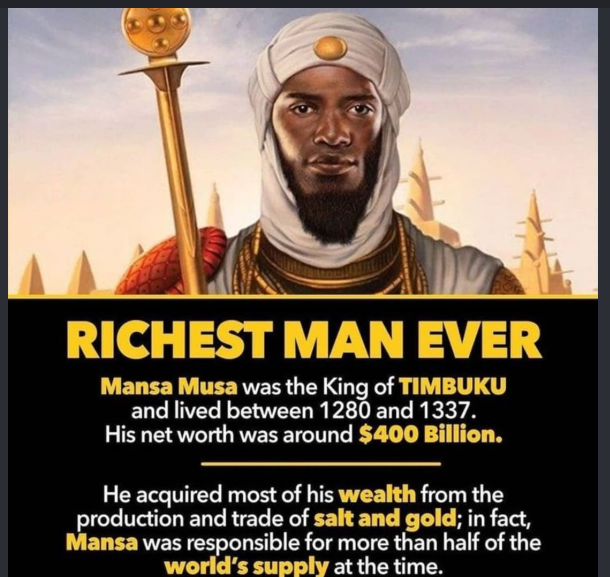
This young brother understood numbers. He understood money, calculation and risk. His gift wasn’t gambling. His gift was his mind. So I introduced him to another image: Mansa Musa, the legendary African ruler whose name became synonymous with extraordinary wealth, commerce and economic power. to The message was simple: You already have something inside you. Now what are you going to do with it? That young man redirected his abilities. What had been operating in the wrong environment found purpose through education, accounting and legitimate business. Today, he has built a leading Bookkeeping firm in California’s East Bay.
That is what mentoring can do. It is also why I created programs like City MenTor and why, for 25 years, City Men Cook has celebrated fathers, mentors and men who show up. Mentoring isn’t creating somebody in our image. It is helping somebody recognize what God already placed inside them. I thnaks GOd for allys ike Pastor Keith Lofton who helpe me keep the programs grunded in Faith.
ADVERTISEMENT
Scripture tells us to “fan into flame the gift of God.” — 2 Timothy 1:6.
Somebody reading this has a gift that survived mistakes, disappointment, rejection, bad decisions and maybe even your own attempts to bury it.
But it survived.Now comes the question Big Mama might ask
Baby, if God restored your gift, who are you using it to restore?
Don’t just celebrate your comeback. Reach back. Find somebody whose gift came wrapped wrong—and help them unwrap it.
ADVERTISEMENT
Big Mama said: Don’t throw away the gift. Redirect it. Develop it. Then give it away.
Terry Allen is an NABJ award-winning Journalist, DEI expert, PR professional, and – Vice President at FocusPR, founder of the charity City Men Cook, and Dallas Chapter President of NBPRS.org
Based on reporting by Texas Metro News.
Black History
OP-ED: The Black Church Writes AI’s Next Chapter
BLACKPRESSUSA NEWSWIRE — I implore my fellow faith leaders to use these tools. Start now and use them with wisdom. We count on each and every one of you to make sure our communities help write the next chapter of this story. This rapid change is not as unfamiliar as it may sound. My first understanding of AI came from using a calculator for the first time in grade school. We did not call it AI, but it was a tool that helped me work through mathematical equations hours more efficiently.

For generations, the Black church has stood strong in our communities through every historical change this country has experienced. During the civil rights movement and in recent times, faith leaders have helped uplift Black sanctuaries to register voters, keep food pantries open for people in need, and sit with families in hospital rooms in their most desperate moments. When our people faced new trials, they could always look to our faith leaders and the church to lean in to help us be included in these transformative changes.
Artificial intelligence is the latest revolutionary change to impact our society, and much like other transformations before us, underserved communities often get left behind.
I was recently featured in a report entitled “Faith, Community & AI” and it found that people send ChatGPT more than 70 million messages a week about religion. Nearly 22 million involve studying sacred texts, and 16 million ask about religious practices and holy days. Our members make up part of those numbers. They bring questions of faith to these tools every day.
Pastors have noticed, and according to a September 2025 Lifeway Research survey of 1,003 Protestant pastors, 42 percent said they use or experiment with AI in ministry. I count myself among them.
I write my sermons by hand, through prayer and study. When I finish a draft, I ask ChatGPT this question: “Where might this sermon become unclear or difficult to follow for someone early in their walk of faith?” It shows me gaps in my preparation, like where I incorrectly assumed everyone would know the context of who the Pharisees were. Then, change comes from my own pen, not the robot. The tool helps me reach the person in the back pew while the message still comes from me.
If I could have my wish, our whole community would take a similar posture. We must use these tools, understand them, and most importantly be present to help shape them if we want to be included in the coming change.
I implore my fellow faith leaders to use these tools. Start now and use them with wisdom. We count on each and every one of you to make sure our communities help write the next chapter of this story. This rapid change is not as unfamiliar as it may sound. My first understanding of AI came from using a calculator for the first time in grade school. We did not call it AI, but it was a tool that helped me work through mathematical equations hours more efficiently.
It starts with training; there is no involvement without understanding. Free AI trainings have begun in our churches and community centers across the nation. Every faith leader should sign up and, when possible, encourage members of your congregations to join you. By learning how to use AI, we can better understand what it can do, make up our own minds about its impact, and have a say in how it shapes our communities.”
Next, we must be at the tables where the builders of these tools make decisions. Presence is the first step toward understanding, and that gap is only bridged through a coordinated effort. How can any tool serve a community well if that community is not part of the conversation? Our traditions, needs, and concerns must be accounted for, and Black faith leaders are already making that happen. OpenAI’s recent Faith report states plainly that AI should never become an arbiter of religious truth. I fully intend to hold the company to its word, and the most effective way I can do that is from inside.
I will close with this––we must diligently protect what only the church can give. A believer in Seoul, Korea quoted in the report warned, “if you pour every struggle into a private chat, your pastor and your friends may never learn you need help.” A chatbot will not sit with a grieving family or pray with you at two in the morning. As we adopt this technology, it is up to us to ensure it keeps people connected to each other and to their church.
Rev. Dr. Adolphus Lacey is senior pastor of Bethany Baptist Church in Brooklyn, New York.
Black History
Pleasant Zion Missionary Baptist Church Celebrates 100 Years of Spiritual, Mind, Body, and Soul Ministries
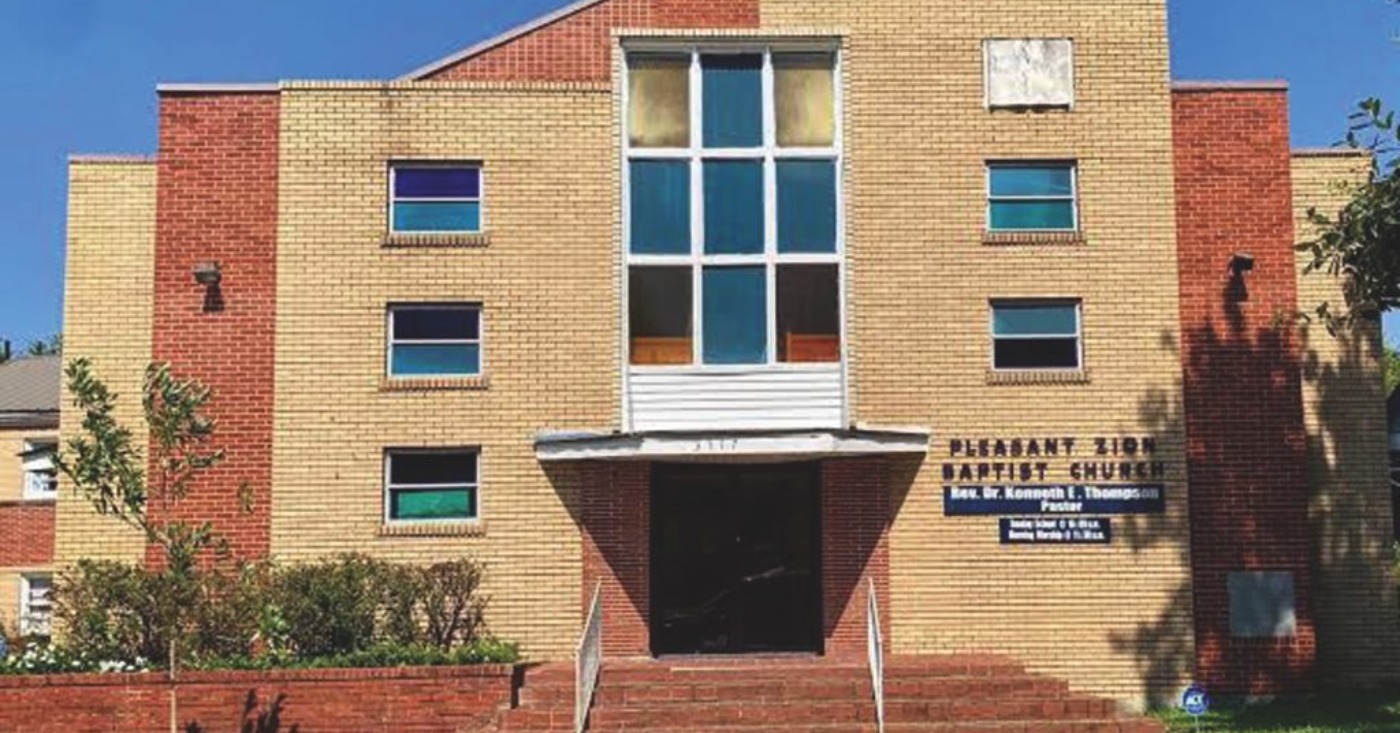
LOUISIANA WEEKLY — Pleasant Zion Missionary Baptist Church, located at 3317 Toledano Street in uptown New Orleans, is celebrating its 100th anniversary with a Centennial Weekend on October 17-18.
The legacy of the African-American church in the United States is that of a refuge, a caring and welcoming institution, a port in the storm, that has fed African Americans spiritually, economically, mentally and physically, and has nurtured the souls of people of African ancestry throughout their existence in America.
Pleasant Zion Missionary Baptist Church has carried on that legacy for the past 100 years. Established in 1926, Pleasant Zion MBC, located at 3317 Toledano Street, is a cornerstone of faith in uptown New Orleans and a beacon of hope for the Hoffman Triangle/Central City neighborhood.
Pleasant Zion MBC continues its mission of faith, education and empowerment for future generations. The church celebrates its 100th anniversary with a forward-looking Centennial Weekend, October 17-18.
Throughout its long history, Pleasant Zion has served its community by providing religious training and cultural, educational and recreational activities for children and adults. For decades, PZMBC has worked with neighborhood leadership to address issues such as neighborhood blight, housing and safety concerns.
Many have sought Pastor Kenneth E. Thompson’s confidential, wise counsel and comfort.
Pleasant Zion Missionary Baptist Church’s Centennial Celebration focuses on youth. “Our Centennial is not just about looking back – it’s about investing in our youth and building the future of our community,” Pastor Thompson affirms.
For decades, PZMBC has worked with neighborhood leadership to address issues such as neighborhood blight, housing, and safety concerns, Pastor Thompson adds.
During the summer, PZMBC sponsored summer enrichment camps for children with a range of activities, including culinary arts, STEM, music and field trips to museums and Black historic sites such as Armstrong Park.
The church has provided free food baskets, placed homeless women in hotel rooms, and provided financial assistance to people at risk of eviction or homelessness.
“Throughout its long history, Pleasant Zion has served the needs of its community by providing religious training, cultural, educational and recreational activities for both children and adults.
This upcoming Centennial Celebration honors a century of spiritual leadership while investing in the next generation, uplifting youth voices, education and sacred music.
Special guests at the celebration include the famous Zion Harmonizers. The world-renowned gospel group celebrated 87 years in gospel music with a special anniversary performance in March 2026 at St. John Institutional Missionary Baptist Sanctuary.
The program also features acclaimed Bishop Tyrone Jefferson, Voices of SUNO and the NORD Choir.
This article originally published in the October 12, 2026 print edition of The Louisiana Weekly newspaper.
Based on reporting by Louisiana Weekly.
Black Press
Allen Temple Baptist Church Hosts Free Prostate Cancer Screenings on Oct. 17
The summit’s mission is to reduce the impact of prostate cancer through education, early detection, research, and support. It is presented in partnership with The Oakland Institute of Health, Inc., SCAN, Brotherhood of Elders Network, UCSF Helen Diller Family Comprehensive Cancer Center, Alameda County Public Health Department, Stanford Medicine Cancer Center, Impact Oakland Now, Bay Area Umoja Health, Bay Area Black Nurses Association, Inc., and 100 Black Men of the Bay Area, Inc.
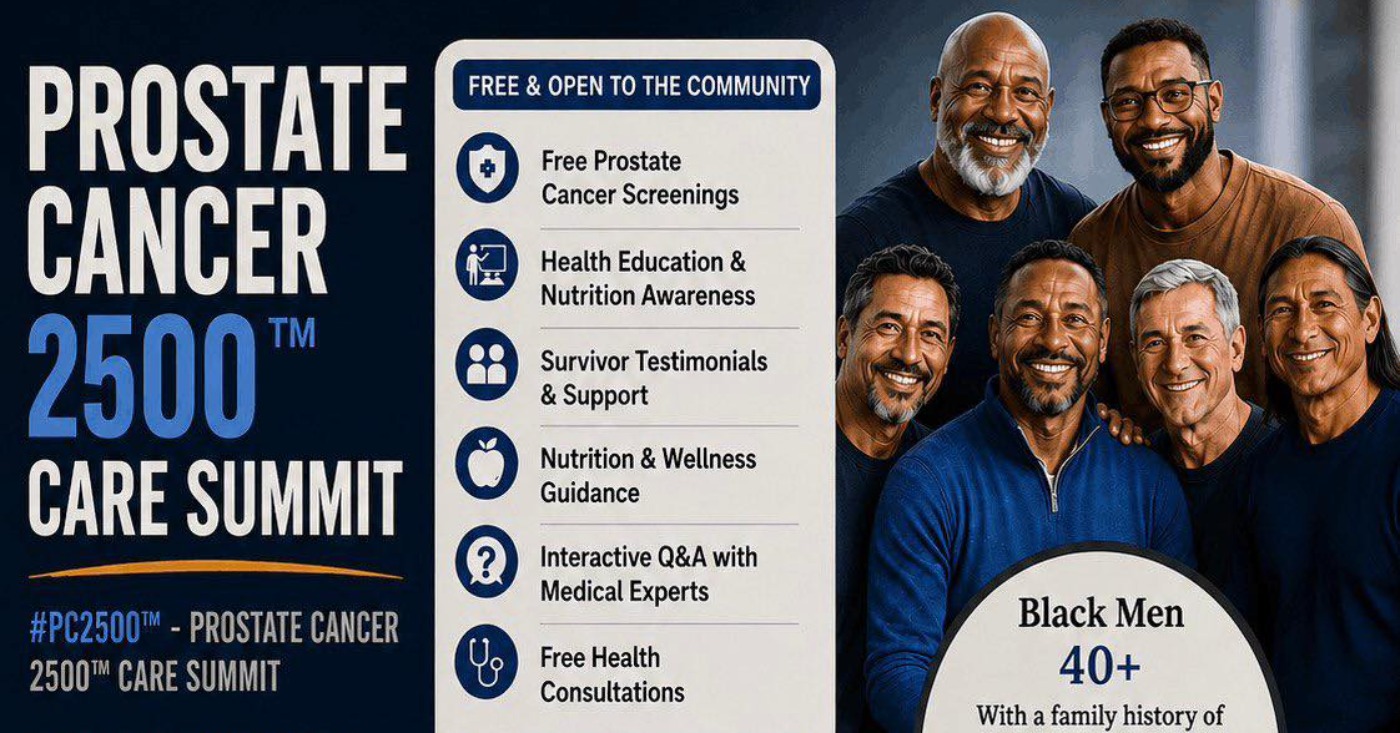
The Prostate Cancer 2500™ Care Summit brings together health systems, community organizations, and survivors to put early detection within reach
Black men in America are diagnosed with prostate cancer more often than other men and are about twice as likely to die from it. Early detection changes that outcome.
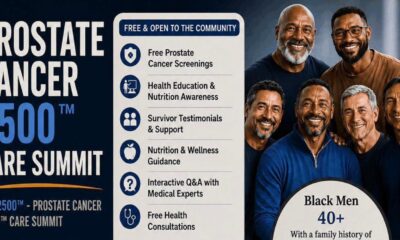
On Saturday, Oct. 17 from 10 a.m. to 2 p.m., Allen Temple Baptist Church will host the Prostate Cancer 2500™ Care Summit (#PC2500), a free event open to the entire community.
. Attendees can receive prostate cancer screenings and health consultations on site, learn about prevention and nutrition, ask medical experts questions in an interactive Q&A, and hear from survivors who will share their stories and offer support.
Screening is recommended beginning at age 45, and at age 40 for Black men with a family history of prostate cancer. All men are welcome, and families are encouraged to attend.
The summit’s mission is to reduce the impact of prostate cancer through education, early detection, research, and support. It is presented in partnership with The Oakland Institute of Health, Inc., SCAN, Brotherhood of Elders Network, UCSF Helen Diller Family Comprehensive Cancer Center, Alameda County Public Health Department, Stanford Medicine Cancer Center, Impact Oakland Now, Bay Area Umoja Health, Bay Area Black Nurses Association, Inc., and 100 Black Men of the Bay Area, Inc.
For more information prior to the event, reach out to Rev. Charlotte Y. Williams at (510) 604-5242 | [email protected]
For more information on the day of the event, reach out to Deacon Dwight Williams (510) 501-1650 [email protected]. The church is located at 8501 International Blvd., Oakland, CA 94621 The service is free and free parking and refreshments will be provided. The site is accessible to persons with disabilities. To pre-register, go to Allen-Temple.org
Allen Temple Baptist Church was organized in 1919 in Oakland. For 107 years, ATBC has served as a bright beacon of faith, hope, and love beyond its’ four walls. Allen Temple is committed to sharing the love of God and the message of Good News throughout the world. We welcome people of all ages and cultural backgrounds as we joyfully celebrate worship and fellowship, and carry out ministries of evangelism, discipleship, education, community outreach, and global missions. Allen Temple’s holistic, prophetic and social justice ministries address the needs of the whole person as well as the whole community. Dr. Jacqueline A. Thompson.
Rev. Charlotte Y. Williams is the minister and director of Communications at Allen Temple Baptist Church.
Black Press
Should You Have to Pay to Hear the Gospel?
ST. LOUIS AMERICAN — Pastor Philip Anthony Mitchell of Atlanta’s 2819 CHURCH and Tim Timberlake of Celebration Church in Jacksonville, Florida, are at the center of a social media debate. The controversy stems from ticket prices for their “Street Preachers” podcast tour, with general admission tickets reportedly costing around $60 and VIP options up to $200.
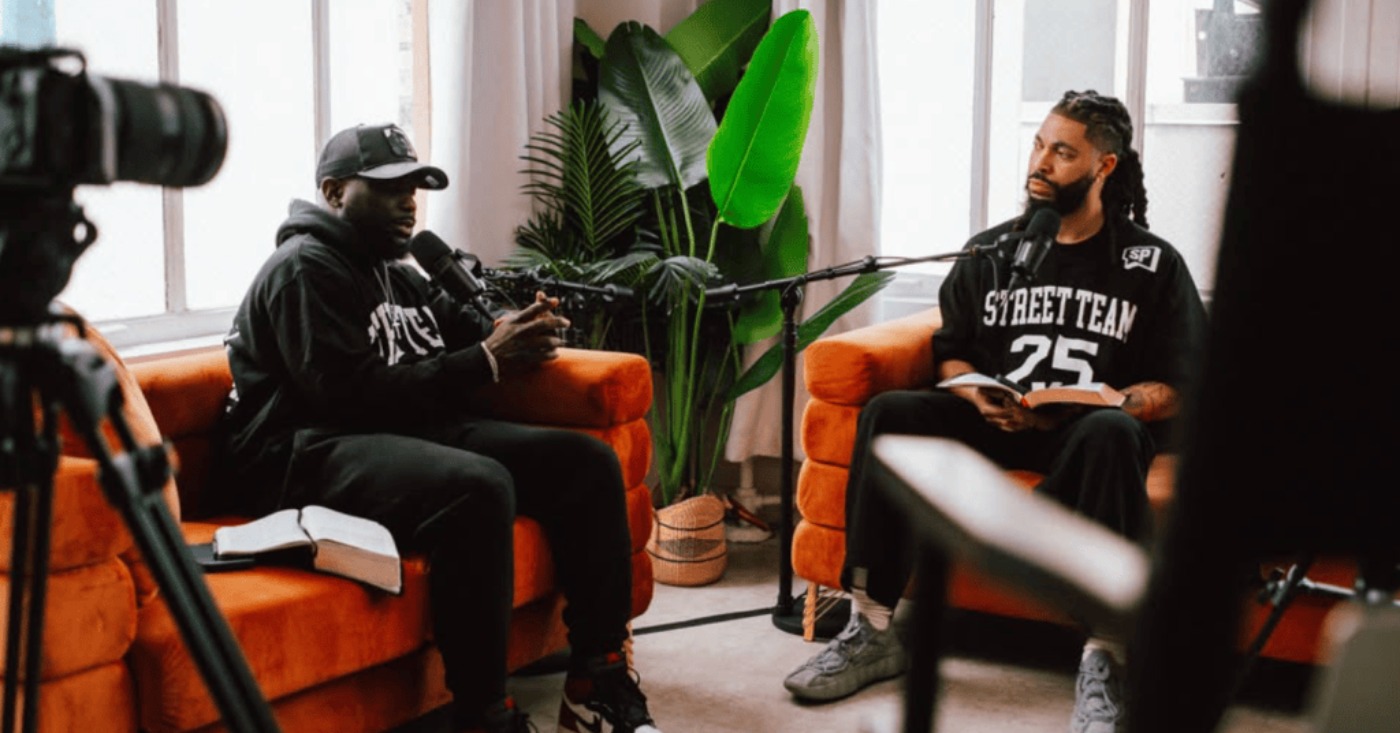
For generations, the Black church has passed the offering plate to keep the lights on, pay the preacher, help the poor and carry the Gospel beyond its walls. But what happens when the preacher leaves the sanctuary, takes a popular Christian podcast on tour — and charges admission?
That question has placed Pastor Philip Anthony Mitchell, founder and lead pastor of Atlanta’s fast-growing 2819 CHURCH, at the center of a heated social media debate.
Mitchell and Tim Timberlake, senior pastor of Celebration Church in Jacksonville, Florida, host “Street Preachers,” which its official website describes as a “raw, unfiltered podcast” committed to spreading the Gospel.
‘A brood of vipers’
The controversy began after ticket prices for the podcast’s 2026 tour circulated online. General admission tickets reportedly cost about $60 before fees, with premium options, including a VIP meet-and-greet package, priced at $200. Critics questioned whether ministers should charge people to hear the Gospel.
Others defended the pastors, arguing that Christian events require venues, transportation, security, equipment and staff.
Mitchell answered critics from the pulpit last month, calling them “a brood of vipers.” He said the podcast is a separate, personal project and that neither his church nor Timberlake’s is bankrolling it.
“Now we have decided to go on a tour to take the gospel to cities, and because that’s not funded by 2819, and it’s not funded by Celebration Church, Tim and I gotta do that with our own pockets,” Mitchell said. “It’s why there is tickets. We have to pay for venues and security and productions and staff from our own pockets.”
Mitchell called some critics “ignorant” and said they did not know that a child was healed through faith during one of the events.
“And you want to complain about a 60 ticket?” he said. “So hate on!”
Worship service vs. media event
Mitchell maintains that “Street Preachers” is an independently produced podcast tour, not a worship service, and that ticket revenue helps cover production costs.
Yet the presence of pastors, Scripture and Gospel language makes the distinction less clear to some believers.
The official tour website lists all eight 2026 stops as sold out. Promotional material announcing additional dates promised, “Better ticket options. Same Gospel. Same move of God.”
Corporate prayer gathering
The language gets to the heart of the dispute. Some Christians argue that no one should be kept outside because they cannot afford a ticket. Others say the Gospel remains free even when people pay for the venue and experience surrounding its presentation.
The paid podcast tour, however, is not Mitchell’s only large-scale gathering. On Oct. 10, 2819 CHURCH will host “ACCESS — That Powerful Hour of Prayer” at AT&T Stadium in Arlington, Texas. Admission is free.
2819 CHURCH has said 80,000 free tickets were claimed before registration reopened.
The contrast raises another question: What makes one Gospel-centered event a ministry supported by donors and another a production supported by customers?
Unfiltered preaching, youth appeal
Mitchell’s congregation, composed largely of young Black adults, grew from fewer than 200 weekly worshippers in 2023 to about 6,000, according to the church. Some worshippers arrive before sunrise to secure a place inside.
His appeal rests partly in an intense, vulnerable and raw preaching style.
“I’m preaching without watering that down, without filtering out things that we think might be too controversial,” Mitchell told The Associated Press.
That visibility has also brought scrutiny of his theology, associations, travel, security and the businesses surrounding his ministry.
But the controversy reaches beyond Mitchell and Timberlake. Christian music concerts charge admission. Seminaries charge tuition. Religious publishers sell Bibles, books and devotionals. Churches pay musicians, media teams and guest preachers. Money becomes particularly uncomfortable, however, when an event is presented simultaneously as ministry and entertainment.
Ministry vs. entertainment
Supporters should not assume every dollar collected becomes personal profit. Critics, however, question whether lower-cost seats, sponsored tickets or free admission for people who cannot pay should be part of a Gospel-centered event.
The Black church always has required resources for ministry. It also has carried a sacred responsibility to make room for people with little or nothing to give.
The sold-out “Street Preachers” tour shows people are willing to pay to attend. The free ACCESS gathering offers a different model. The challenge is preserving that open door as Christian ministry increasingly adopts the machinery — and economics — of popular entertainment.
The post Should you have to pay to hear the Gospel? appeared first on St. Louis American.
Based on reporting by St. Louis American.


Tre and Shawn Lemons – A Community Service Love Story

How A Busy Entrepreneur Keeps Fitness On The Agenda

Mayor Barbara Lee Holds Special State of the City Address in Deep East Oakland

Practitioners of African Traditional Spirituality Offer Ancestral Reverence Ritual Oct. 31

It’s Time to Lose Weight Before the Holidays

Trader Vic’s Returns to Its Oakland Roots

Oakland Coal Terminal Backed by Trump Would Be Bigger, Dirtier Than Promised, Says Report

Opponents Smear Effective African American Transit Director as Election Nears

COMMENTARY: BIG MAMA SAID: Don’t Throw Away the Gift Just Because It Came Wrapped Wrong

Columbus’s Oldest Businesses Still Open: 10 That Have Lasted 75+ Years

The Youngest American Killed in the Vietnam War

Passing for White, Fighting for Black America: The Courage of Walter White

OP-ED: Haiti TPS: Have We Lost Sense of Humanity?

NFL: Week Two Recap | Jalen Hurts did not fold; Caleb Williams exits game with injury

Remembering Chauncey Bailey as Student Journalists Face Threats to Truth-Telling

Peter Magubane: a Camera Against Apartheid

Mayor Lee Announces $1 Million Kaiser Permanente Grant for Pilot Program to Address Homelessness, Clean Up Public Spaces throughout Oakland

OP-ED: How Head Start Also Helps Parents

Poll: Becerra Widens His Lead Over Hilton; Californians Split on Wealth Tax

Community Action Group ‘Friends of Zakiya’ Ask Sheriff for Time
Tre and Shawn Lemons – A Community Service Love Story
How A Busy Entrepreneur Keeps Fitness On The Agenda

Luxury SUV: Heated Seats & Captain’s Chairs Review #shorts

Black-Owned Banks: Compliance to Community Business #shorts

FDIC Study: African American Banks Disappearing Rapidly #shorts

Car Buying Tip: Check Windshield Glare & Interior Space! #shorts

St. Louis Celebrates Excellence at The St. Louis American’s 39th Annual Salute to Education Gala

‘No King: Vote Early’ protest for democracy in St. Louis

Optimize Your Seating: Essential Household Setup Guide #shorts

Brake Pedal Test Drive: Smooth Stops for Your Truck! #shorts
-
 Black Press7 days ago
All Skinfolk Ain’t Kinfolk
-
 Black Press6 days ago
Oakland Awarded More than $14 Million in State Funding
-
 Black Press6 days ago
Jendayi Arrest Raises Community Concerns Regarding Sheriff’s Chain of Command
-
 African American News and Issues4 days ago
Black History: Gladys West Mathematics Helped Make GPS Possible
-
 Black Press6 days ago
Allen Temple Baptist Church Hosts Free Prostate Cancer Screenings on Oct. 17
-
 Black Press6 days ago
Democrats, Community Groups Back Measure EE to Change How Oakland Is Governed
