
Business
GM Safety Crisis Grows as Recalls Mount



This Feb. 18, 2007, file photo shows an unsold 2006 Grand Prix sedan sitting outside a General Motors dealership in Boulder, Colo. General Motors safety crisis worsened on Monday, June 30, 2014, when the automaker added 8.2 million vehicles to its huge list of cars recalled over faulty ignition switches. (AP Photo/David Zalubowski, File)
TOM KRISHER, AP Auto Writers
DEE-ANN DURBIN, AP Auto Writers
DETROIT (AP) — General Motors’ safety crisis deepened dramatically Monday when the automaker added 8.2 million vehicles to its ballooning list of cars recalled over faulty ignition switches.
The latest recalls involve mainly older midsize cars and bring GM’s total recalls in North America to 29 million this year, surpassing the 22 million recalled by all automakers last year. They also raise questions about the safety of ignition switches in cars made by all manufacturers.
In the latest recalls, GM said keys may be jostled or accidentally bumped, causing the ignition to slip out of the “run” position. The recalls cover seven vehicles, including the Chevrolet Malibu from 1997 to 2005, the Pontiac Grand Prix from 2004 to 2008, and the 2003-2014 Cadillac CTS.
The company is aware of three deaths, eight injuries and seven crashes involving the vehicles, although it says there’s no clear evidence that faulty switches caused the accidents. Air bags didn’t deploy in the three fatal accidents, which is a sign that the ignition was out of position. But air bags may not deploy for other reasons as well.
A GM spokesman couldn’t say Monday if more recalls are imminent. But this may be the end of the recalls associated with a 60-day review of all of the company’s ignition switches. At the company’s annual meeting earlier in June, CEO Mary Barra said she hoped most recalls related to that review would be completed by the end of the month.
Karl Brauer, an industry analyst with Kelley Blue Book, said the number of recalls — while huge — may be a good thing for the company in the long run.
“I think there’s a new standard for what GM considers a potential safety defect, and Mary Barra has no tolerance or patience for potential safety defects that are unresolved,” he said.
In a statement Monday, Barra said “we will act appropriately and without hesitation” if any new issues come to light.
Lance Cooper, a Marietta, Georgia, attorney who is suing GM, said he was not surprised by the additional recalls and expects even more. A company-funded investigation of the ignition switch problems by former U.S. Attorney Anton Valukas found that GM had a dysfunctional corporate culture in which people didn’t take responsibility to fix the problems, Cooper said.
“Cars got made that were defective. The buck kept getting passed, and this is what happened as a result,” Cooper said.
The announcement of more recalls extends a crisis for GM that began in February with small-car ignition switch problems. GM recalled 2.6 million older small cars worldwide because the switches can unexpectedly slip from “run” to “accessory,” shutting off the engines. That disables power steering and power brakes and can cause people to lose control of their cars. It also stops the air bags from inflating in a crash. GM has been forced to admit that it knew of the problem more than 10 years, yet it failed to recall the cars until this year.
GM has been reviewing the performance of its ignition switches since the first recalls were announced, and it continues to find more that can turn too easily. Of the 29 million vehicles recalled by the company this year, 17.1 million have been due to ignition switches.
The problem has drawn the attention of the National Highway Traffic Safety Administration, the government’s road safety agency. On June 18, the agency opened two investigations into ignition switches in Chrysler minivans and SUVs, and acknowledged that it’s looking at the whole industry.
The agency is looking into how long air bags remain active after the switches are moved out of the run position. In many cases, the answer is less than a second.
GM’s conduct in the small-car recall already is under investigation by the Justice Department and both houses of Congress. Earlier this year, the company paid a $35 million fine to NHTSA for delays in reporting the small-car ignition switch problems.
GM’s recalls on Monday bring this year’s total so far to more than 40 million for the U.S. industry, far surpassing the old full-year record of 30.8 million from 2004.
The recalls come the same day the company’s compensation consultant, Kenneth Feinberg, announced plans to pay victims of crashes caused by the defective small-car switches. Attorneys and lawmakers say about 100 people have died and hundreds were injured in crashes, although Feinberg said he didn’t have a total.
Feinberg said the company has placed no limit on how much he can spend in total to compensate victims. But victims of the new set of recalls announced Monday can’t file claims to the fund, which deals only with the small cars.
In the original recall, the ignition switches didn’t meet GM’s specifications but were used anyway, and they slipped too easily out of the “run” position.
The vehicles recalled Monday have switches that do conform to GM’s specifications. In these cases, the keys can move the ignition out of position because of jarring, bumps from the driver’s knee or the weight of a heavy key chain. The cars recalled Monday will get replacement keys; the small cars recalled in February are getting new ignitions.
In all the cases, the ignition switches out of the “run” position and into the “accessory” or “off” position.
GM is urging people to remove everything from their key rings until all of the recalled cars can be repaired.
Of the three people who died in crashes involving the newly recalled vehicles, it’s unclear whether those deaths were ignition-related, said GM spokesman Alan Adler. In each of the cases the air bags didn’t deploy, but there are many reasons air bags don’t deploy, including the angle at which a car is hit and whether or not the occupants were belted, he said.
The Detroit company said it plans to take a $1.2 billion charge in the second quarter for recall-related expenses. Added to a $1.3 billion charge in the first quarter, that brings total recall expenses for the year to $2.5 billion.
GM also announced four other recalls Monday covering more than 200,000 additional vehicles. Most are to fix an electrical short in the driver’s door that could disable the power locks and windows and even cause overheating.
GM has announced 54 separate recalls this year.
GM’s stock fell 32 cents, or just under 1 percent, to close at $36.30 on Monday.
Copyright 2014 The Associated Press. All rights reserved. This material may not be published, broadcast, rewritten or redistributed.










Black History
COMMENTARY: BIG MAMA SAID: Don’t Throw Away the Gift Just Because It Came Wrapped Wrong
TEXAS METRO NEWS — Journalist and mentor Terry Allen reflects on the profound wisdom of his grandmother, Lucille “Big Mama” Allen, who believed that a person’s mistakes do not represent their total identity. Allen argues that many behavioral issues seen in young men are actually symptoms of undeveloped gifts that have been applied to the wrong environments.

Big Mama had a way of seeing something in you before you could see it in yourself.
My grandmother, Lucille “Big Mama” Allen, came from a generation that believed in correction. I grew up in a household where somebody might tell you, “Go get me a switch.” You knew what that meant.
But age has taught me something: correction without direction can stop behavior, but it doesn’t always develop the person.
Sometimes what we call a young man’s problem is really an undeveloped gift.
ADVERTISEMENT
I learned that through mentoring.
I once worked with a young man who was gambling and running numbers. Now, I wasn’t going to celebrate the behavior. Wrong is wrong. But I also refused to believe his mistakes represented the totality of who he was.
I looked underneath the behavior.
This young brother understood numbers. He understood money, calculation and risk. His gift wasn’t gambling. His gift was his mind. So I introduced him to another image: Mansa Musa, the legendary African ruler whose name became synonymous with extraordinary wealth, commerce and economic power. to The message was simple: You already have something inside you. Now what are you going to do with it? That young man redirected his abilities. What had been operating in the wrong environment found purpose through education, accounting and legitimate business. Today, he has built a leading Bookkeeping firm in California’s East Bay.
That is what mentoring can do. It is also why I created programs like City MenTor and why, for 25 years, City Men Cook has celebrated fathers, mentors and men who show up. Mentoring isn’t creating somebody in our image. It is helping somebody recognize what God already placed inside them. I thnaks GOd for allys ike Pastor Keith Lofton who helpe me keep the programs grunded in Faith.
ADVERTISEMENT
Scripture tells us to “fan into flame the gift of God.” — 2 Timothy 1:6.
Somebody reading this has a gift that survived mistakes, disappointment, rejection, bad decisions and maybe even your own attempts to bury it.
But it survived.Now comes the question Big Mama might ask
Baby, if God restored your gift, who are you using it to restore?
Don’t just celebrate your comeback. Reach back. Find somebody whose gift came wrapped wrong—and help them unwrap it.
ADVERTISEMENT
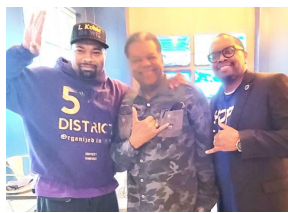
Big Mama said: Don’t throw away the gift. Redirect it. Develop it. Then give it away.
Terry Allen is an NABJ award-winning Journalist, DEI expert, PR professional, and – Vice President at FocusPR, founder of the charity City Men Cook, and Dallas Chapter President of NBPRS.org
Based on reporting by Texas Metro News.
Black History
Columbus’s Oldest Businesses Still Open: 10 That Have Lasted 75+ Years
COLUMBUS TIMES — Columbus, Georgia, traces its commercial roots to the early 19th century, when the Chattahoochee River and local cotton mills fueled a burgeoning regional economy. While the city has transformed into a modern hub for banking and manufacturing, a select group of businesses and institutions have managed to survive for more than 75 years.
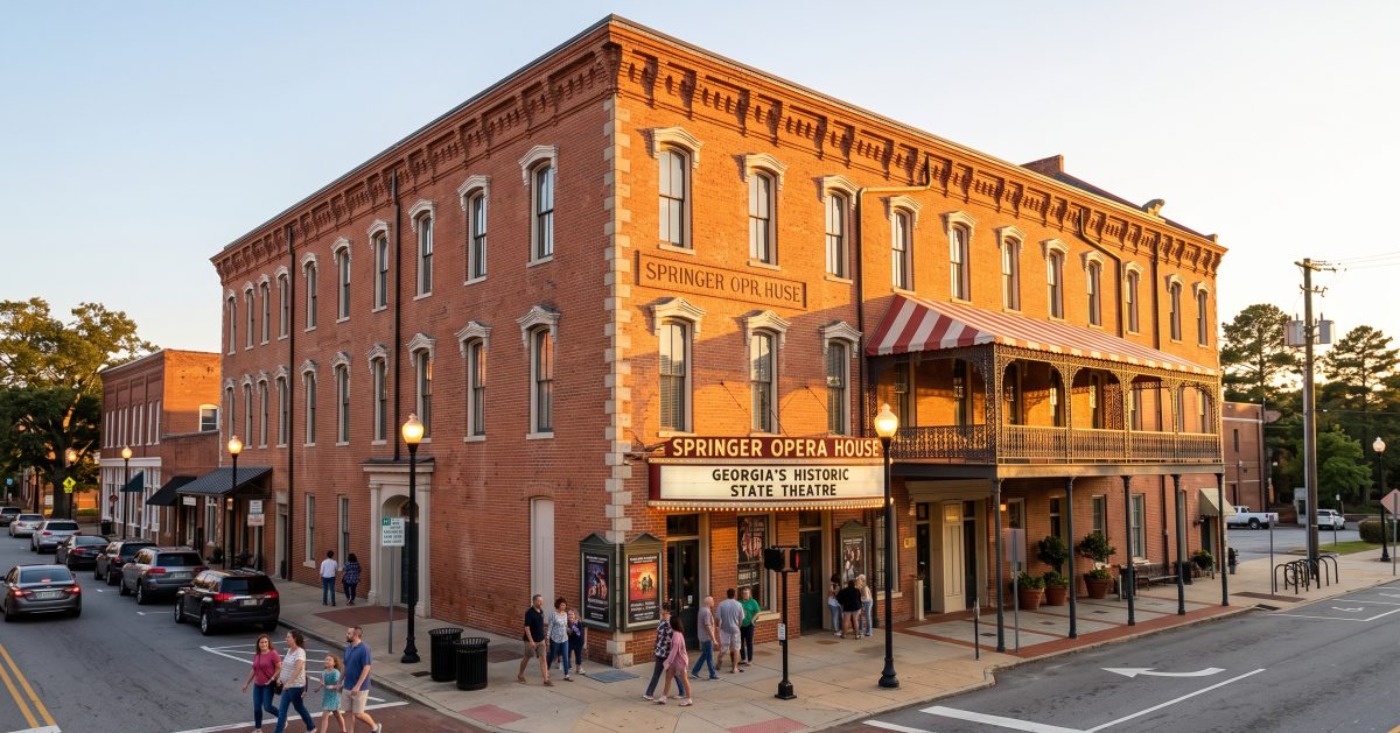
The historic Springer Opera House in downtown Columbus, Georgia, opened in 1871 and stands as one of the city’s oldest surviving cultural institutions.
Some Columbus businesses have been around longer than the automobiles, shopping centers and neighborhoods that now surround them. A handful date back to the 1800s, when cotton mills powered the local economy and the Chattahoochee River carried goods between communities. Others survived the Great Depression, two world wars, economic downturns and decades of changing consumer habits.
While hundreds of businesses have opened and closed across Columbus over the generations, these 10 have histories stretching back at least 75 years. Some remain family-owned, while others have survived mergers, ownership changes or major transformations. Together, their histories tell the story of how Columbus grew from a riverfront trading town into a regional center for banking, manufacturing, commerce and culture.
This list includes businesses, commercial institutions and their surviving successors with documented Columbus roots before 1951. It is not a definitive ranking of every surviving business, and several entries have changed ownership, names or operating models over time.
1. Columbus Ledger-Enquirer — 1828 (198 Years)
One of Columbus’s oldest surviving commercial institutions is its longtime newspaper, the Columbus Ledger-Enquirer. Its history began in 1828 with the founding of the Columbus Enquirer, the same year Columbus was established. The Columbus Ledger followed in 1886, and the two newspapers eventually became a single publication in 1988.
Over nearly two centuries, the newspaper has documented wars, elections, industrial expansion, economic downturns and major changes throughout the Chattahoochee Valley. Its ownership changed again in July 2026, when the Georgia Trust for Local News purchased the Ledger-Enquirer from McClatchy. The newspaper continues operating, although the modern publication is the product of mergers and transformations rather than an unchanged business established in 1828.
2. Willcox-Lumpkin Co. — 1848 (178 Years)
Insurance agency Willcox-Lumpkin traces its history to 1848, making it one of Columbus’s oldest documented commercial enterprises. Historical city directories identify the business as an insurance agency that protected homes, businesses and property long before automobiles became common. The company remained associated with generations of the Willcox and Lumpkin families.
Its history is supported by advertisements appearing in Columbus directories more than a century ago. Georgia Secretary of State records currently list Willcox-Lumpkin Co. as active and in compliance, with its corporate registration dating to December 1923. That distinction matters because the business’s claimed operating history is considerably older than its present corporate registration.
3. Springer Opera House — 1871 (155 Years)
The Springer Opera House opened in 1871 and became one of the city’s most important entertainment destinations. Built by businessman Francis Joseph Springer, the theater attracted nationally recognized performers and helped establish Columbus as a cultural center. Its ornate Victorian architecture remains one of downtown’s most recognizable landmarks.
The Springer nearly disappeared during the 1960s after declining attendance and years of deterioration. Preservationists rescued the building, and theatrical performances returned in 1965. Although it has not operated continuously in the same form, the Springer remains an active performing arts institution and an example of how historic properties can find new economic life.
4. Schomburg’s Jewelers — 1872 (154 Years)
Few Columbus retailers can claim a family history as long as Schomburg’s Jewelers. Carl Frederick Schomburg established the jewelry business in 1872 after working as a clockmaker, and the company gradually expanded into watches, jewelry and other luxury goods. Five generations of the family have been associated with the business.
Today, Schomburg’s operates on Rollins Way and identifies itself as Georgia’s oldest fifth-generation jeweler. Its longevity reflects a business model built around specialized craftsmanship, customer relationships and family continuity. While many traditional jewelry stores have disappeared or become part of national chains, Schomburg’s has maintained a recognizable local identity.
5. Goldens’ Foundry & Machine Co. — 1882 (144 Years)
Two brothers, Theodore and J. Poitevent Golden, established Goldens’ Foundry & Machine Co. in 1882. The company began as a small foundry and machine shop during an era when Columbus was expanding rapidly as a manufacturing center. Its products helped supply the machinery and industrial equipment needed by businesses throughout the region.
More than 140 years later, the business remains associated with descendants of its founders. Goldens’ continues manufacturing industrial castings while also developing consumer products through its Goldens’ Cast Iron brand. Its survival is especially significant because many of the textile mills and industrial operations that helped create its original market have long since closed.
6. W.C. Bradley Co. — 1885 (141 Years)
The W.C. Bradley Co. traces its origins to 1885, when William Clark Bradley entered the cotton business in Columbus. Over time, his growing enterprise expanded into groceries, fertilizer, transportation, manufacturing and financial services. The company eventually became one of the most influential business organizations in the Chattahoochee Valley.
Its business interests helped shape the development of modern Columbus, including the city’s banking and manufacturing sectors. The company also became closely associated with Char-Broil, the nationally recognized outdoor cooking brand. Today, W.C. Bradley Co. maintains its corporate headquarters near the Chattahoochee River, continuing a business legacy that began when cotton dominated the regional economy.
7. Synovus Banking Legacy — 1888 (138 Years)
The banking institution that became Synovus began in 1888 with the establishment of two Columbus banks. According to company history, the idea developed partly from the need to provide textile workers with a safe place to keep their earnings. Those early banking operations eventually evolved into Columbus Bank and Trust and later Synovus Financial Corporation.
A major change occurred in January 2026 when Synovus merged with Pinnacle Financial Partners, ending its existence as an independent corporation. The combined organization continues serving Columbus customers under the Synovus name during the transition to Pinnacle branding, which is scheduled for 2027. Pinnacle also announced plans in June to expand its downtown Columbus workspace, reinforcing the city’s continued importance to the banking operation.
8. Dinglewood Pharmacy — 1918 (108 Years)
Dinglewood Pharmacy opened on November 13, 1918, and became one of Columbus’s most recognizable neighborhood businesses. While generations of customers have visited for prescriptions and pharmacy services, the business is equally famous for its traditional lunch counter. Its signature scrambled dog has become closely associated with Columbus food culture.
The pharmacy celebrated its centennial in 2018, an achievement relatively few independent neighborhood businesses reach. Its ability to combine traditional pharmacy services with a popular local dining experience has helped preserve its reputation across generations. Dinglewood remains an especially visible example of a business whose appeal extends well beyond the original service it was established to provide.
9. Striffler-Hamby Mortuary — 1923 (103 Years)
Striffler-Hamby Mortuary traces its business history to 1923, when David Abraham Striffler opened his own funeral establishment in downtown Columbus. Striffler had entered the local funeral industry in 1908 before eventually establishing an independent operation. In 1930, he moved the business into a building constructed specifically for funeral services.
The mortuary became an established name as generations of Columbus families turned to it for funeral arrangements. Today, the business operates as part of the Dignity Memorial network, showing how a longstanding local institution can continue under different corporate ownership. Its history also offers a look at how funeral services evolved from small undertaking establishments into modern funeral homes.
10. WRCG Radio, Originally WRBL — 1928 (98 Years)
Columbus entered the broadcasting era on May 10, 1928, when WRBL began transmitting radio programs to local listeners. The station was established through the efforts of early radio pioneer Bill Lewis and became the city’s first radio broadcasting operation. Its original programming helped bring news, entertainment and live events into Columbus homes.
The station eventually changed ownership, frequencies and call letters, becoming WRCG in 1977. Historical research by Columbus State University and Historic Columbus confirms the connection between the original WRBL radio operation and its later identity. Today, WRCG represents a surviving broadcasting legacy that predates television’s arrival in Columbus by approximately 25 years.
What These Businesses Reveal About Columbus
The survival of these institutions reflects the major industries that shaped Columbus over nearly two centuries. Banking, manufacturing, retail, insurance, entertainment and communications all played important roles in the city’s economic development. Several businesses adapted to changing markets, while others survived by maintaining relationships with generations of local customers.
Their histories also demonstrate that longevity does not necessarily mean remaining unchanged. Some businesses were acquired by larger corporations, others moved into new industries, and several preserved their names despite major changes in ownership. For Columbus residents, these institutions provide a tangible connection to the city’s past while continuing to influence its economic and cultural identity.
Source: Historic Columbus Foundation; Columbus State University Archives and Special Collections; Georgia Historical Society; New Georgia Encyclopedia;
Based on reporting by Columbus Times.
Black Press
Lawyer-Turned-Contractor Hones Focus on Redeveloping Properties for Housing
BAY STATE BANNER — Donald Donnalson spent his childhood summers assisting his stepfather with contractor work, a job he initially disliked and vowed to never pursue professionally. After earning degrees from Boston College and Northeastern University Law School, Donnalson practiced law for several years before a return to contracting reignited his interest in the field. In 2011, he launched Beantown Builders, Inc.

Banner Business Sponsored by The Ujima Project
At a young age, Donald Donnalson helped his stepfather with contractor work during his summers off. He always hated it back then and vowed to never go into the profession.
After earning degrees from Boston College and Northeastern University Law School, he practiced law for a number of years. But when his stepfather asked for help with contracting as an adult, Donnalson “caught the bug.” He launched Beantown Builders, Inc. in 2011, which now focuses on housing builds including multifamily conversions, redevelopment of underutilized properties, and accessory dwelling units throughout Greater Boston and eastern Massachusetts.
“There are a lot of contractors in Massachusetts, and discovering what your niche is — for any entrepreneur, but especially in this industry — is super important,” he said, adding that their housing niche is important for its impact on the community.
“Greater Boston faces significant housing affordability and availability challenges, and we think that existing properties represent an opportunity to create additional housing without always requiring entirely new developments,” he said.
Donnalson started his company with incredible personal investment. He left his role as a finance manager for Audi Natick and liquidated his 401k to jumpstart the business.
“I basically just bet on myself. I didn’t have a project. I didn’t have anything. I was just like, I’m gonna go do this because if I don’t do it now, I’m never gonna do it,” he explained.
Today his minority-owned business is addressing the need for more housing while helping dispel broader distrust of contractors.
“Seeing a company like ours in the community that’s willing to learn more, do more, take on these experiences, and fill the gap where there seems like there’s not enough of us around is a big help,” he said, later adding that, “as an MBE [Minority Business Enterprise], we’re focused on building more than a successful construction company. We’re developing the people, systems and capabilities to take on increasingly complex projects while contributing to housing opportunities, economic development and the communities we serve.”
For Director of Marketing Alicia Zuniga, their mission helps guide the work and build trust with customers. Beantown’s clients are a mix of homeowners, families and property investors.
The team “understands construction is about much more than buildings. Behind every project are people with goals, expectations and important decisions to make,” Zuniga said.
Donnalson said one of the biggest obstacles he currently faces is attracting and keeping the best talent to help on projects, which have taken the team as far south as Fall River and North Attleboro and as far north as Lynn.
They recently supported The Guild nonprofit in constructing a community-oriented urban space, turning a hillside into public green space with paths and areas to gather. Landscape architects at Landworks Studio designed the urban forest project while Beantown supported the build, including masonry and permeable paving.
“Projects like this reflect our belief that construction can do more than improve individual properties; it can also contribute to the neighborhoods and communities around them,” Donnalson said
Based on reporting by Bay State Banner.
Black Press
Black Household Wealth Plummeted 25% in Three Years, New Data Shows
MICHIGAN CHRONICLE — A new analysis of Federal Reserve data reveals that median wealth for Black households dropped 25% between 2022 and 2025, falling from $49,100 to $36,800. This decline occurred while White, Hispanic, and Asian households experienced increases in their median net worth, further widening the national racial wealth gap.

Median wealth among Black households fell 25% between 2022 and 2025, widening the racial wealth gap even as White, Hispanic, and Asian households saw their median net worth increase, according to a new analysis of Federal Reserve data.
Center for Economic and Policy Research (CEPR) director of race and economic justice, Algernon Austin, shared in an analysis published Tuesday (October 13) that median wealth among Black households fell from $49,100 in 2022 to $36,800 in 2025, a 25% decline.
In comparison, median wealth reached $332,100 for White households, $79,600 for Hispanic households, and $677,600 for Asian households in 2025, according to CEPR.
While Black households lost wealth, these groups saw their median wealth increase between 2022 and 2025. In 2025, Black households’ median wealth was $179,100 below the national median, up from a $162,000 gap in 2022.
Austin’s analysis suggests declining home, vehicle, and retirement account values contributed to the drop. The share of Black households with nonfinancial assets also declined from 81% to 78.4%.
The findings come as broader household wealth gains slowed and financial strain increased.Reuters reported earlier this month that the Federal Reserve’s latest Survey of Consumer Finances found the share of families spending at least 40% of their income on debt payments rose from 6.5% in 2022 to 8.6% in 2025.
The latest findings add to longstanding concerns about the racial wealth gap. A 2017 report by Prosperity Now and the Institute for Policy Studies projected that median Black household wealth could reach zero by 2053 if existing trends continued, raising questions about the long-term financial security of Black families.
That figure was a projection based on trends at the time, not a confirmed outcome.
The Black Information Network is your source for Black News! Get the latest news 24/7 on The Black Information Network. Listen now on the iHeartRadio app or click HEREto tune in live.
Based on reporting by Michigan Chronicle.
Art
Kickstarter CEO Everette Taylor Shares Tips on Creating and Growing a Business
HOWARD UNIVERSITY NEWS SERVICE — Everette Taylor, the CEO of the global crowdfunding platform Kickstarter, recently visited Howard University to serve as the inaugural guest for the Cathy Hughes School of Communications’ new speaker series. Addressing students at the Founders Library, Taylor emphasized that the future of business belongs to those who are bold enough to take risks.
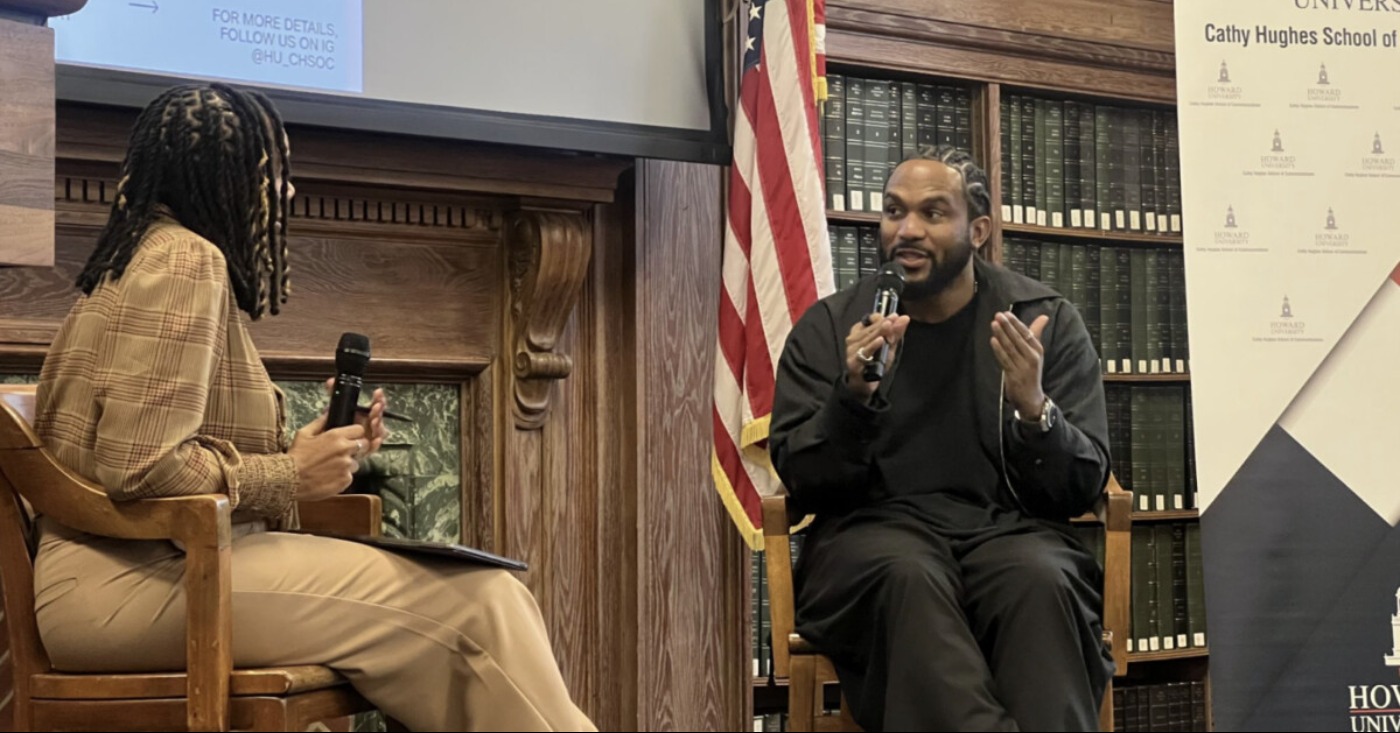
WASHINGTON (HUNS) — “The future belongs to creators who are bold,” Everette Taylor, CEO of crowdfunding platform Kickstarter, told students at Howard University during a recent visit.
As Taylor discussed his journey, he tested the boldness of students by inviting them to share their ideas during an impromptu pitch session at the Cathy Hughes School of Communications’ new speaker series in the Browsing Room of Founders Library. The inaugural speaker then shocked one group of students by pledging to invest in their thesis film, paying forward the opportunities that have lifted him as he struggled to pursue his dreams.
Taylor grew up in a low-income neighborhood in Richmond, Virginia, where he frequently encountered gang violence and drug dealing amid periods of homelessness.
Not feeling as if he conformed to conventional ideas of success, he eventually found inspiration in Jay-Z who balanced being an artist and an entrepreneur. Similarly, Taylor carved his own route, launching and growing various businesses.
He gained enough recognition to land on the 2018 Forbes’ 30 Under 30 list in marketing and advertising. In 2022, Forbes also named him as one of the top 50 most entrepreneurial CMOs when he was chief marketing officer of Artsy, an online art gallery and marketplace. That same year he took over Kickstarter, and the company reported a year-over-year revenue increase of 50% in the first quarter of 2026.
Taylor encouraged the audience through his story, but he also gave practical advice to help students who share his zeal to create and grow their business.
He explained that his mentor, Artsy CEO Mike Steib, helped him make the transition from being a CMO to becoming CEO at Kickstarter.
“These opportunities I don’t take for granted,” Taylor said, adding that Steib was “the first leader I had to take me under his wing.”
When he began his position at Kickstarter, Taylor said, “I had zero imposter syndrome, because I felt like I was ready for it, and it was because this person invested in me over the past few years.”
“A lot of my journey was me just hustling and being bold enough to ask for what I want, but I also need people to give me an opportunity.”
This idea of giving people opportunity impacts his business philosophy, as Taylor estimates that the number of African American employees grew exponentially since he’s been in leadership.
“Kickstarter was I think less than 2% Black, and at our peak I had gotten it to 20-something percent Black,” Taylor said.
Even then, Taylor also saw a need for representing other perspectives. “We still serve people globally, so we need people from different countries and cultures,” he said. “If you’re building a global company, it’s important to build a diverse base of people.”
“I always want to impact more lives, and that always leads to more results.”
Everette Taylor, CEO of Kickstarter
With the success Taylor had after becoming CEO of Kickstarter, he also found a need to prioritize his health.
“This is the first year that I’ve started the year with zero business goals,” he said. “For the first time, my goals have been centered around my health.”
He cites the illness of a friend who appeared to be healthy. Seeing his friend, who is also a successful entrepreneur, endure illness pushed him to prioritize his health.
“Business, I can do that in my sleep, but for me right now I’m so much more focused on setting goals for myself, and I know that’s going to impact the work that I do by feeling healthier and being a better version of myself.”
Samantha Housen, a sophomore public relations major and interior design minor from Harlem, attended the event to gain knowledge to grow her non-profit and for-profit businesses.
“I’m here because I want to explore more of the details of entrepreneurship from an actual professional,” Housen said, and to “see how his mindset could help me in my entrepreneurship.”
“My biggest takeaway is that I’m bold, and it’s OK to be bold,” she said. “I very much have the authority to do whatever I seek to do.”
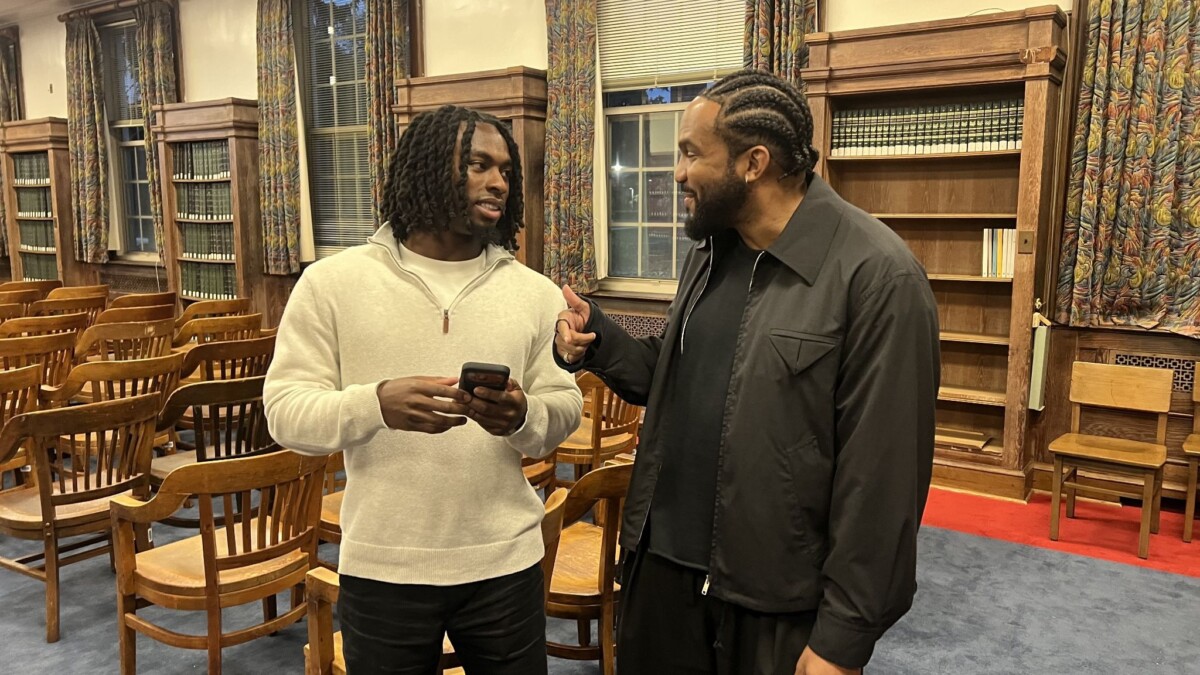
Kimberly Moffitt, Ph.D., dean of the Cathy Hughes School of Communications and host of the event, said she was excited about the speaker series.
“It’s because of students,” Moffitt said. “They felt like they weren’t hearing enough from people who are already post-graduation and successful. They wanted to hear those voices. So, this is an opportunity for me to bring folks to campus so they could reach out, talk and interact with folks that they aspire to be like or will be inspired by.”
Moffitt was excited for students to see someone who looked like them and carried themselves authentically in a position of high acclaim.
“He is showing you a different path, and letting you know that it’s OK to be who you are and show up in that space and not have to apologize,” Moffitt said of Taylor.
Moffitt also wants to encourage students to make the most of the speaker series. She gives details on upcoming speakers and the importance of hearing these people tell their stories.
“Those of you who want to be in TV and film, those jobs are different now,” she said. “You have to hustle in a different way.”
“I need our students to think about entrepreneurship in all that they do,” Moffitt added. “I want students to leave with that so that they have it in their back pocket should they need to draw on it.”
After the event. Taylor explained why boldness is essential to his success at Kickstarter.
“It’s for the grind and the ambition — not settling for status quo and mediocrity, and really going for it,” he said. “I always want to impact more lives, and that always leads to more results.”
Solomon Goins is a reporter for HUNewsService.com.
Based on reporting by Howard University News Service.
Black History
Jamika Phillips: Software Engineer Turned Manicurist Entrepreneur
HOUSTON DEFENDER — Jamika Phillips transformed a two-decade-old dream into Shades The Nail Bar, a Sienna-area salon she opened in January 2022. Phillips, who spent over 20 years in software engineering and global process management, envisioned a nail salon that fosters community, quality care, and client education, aspiring to be the “Cheers” of nail salons.
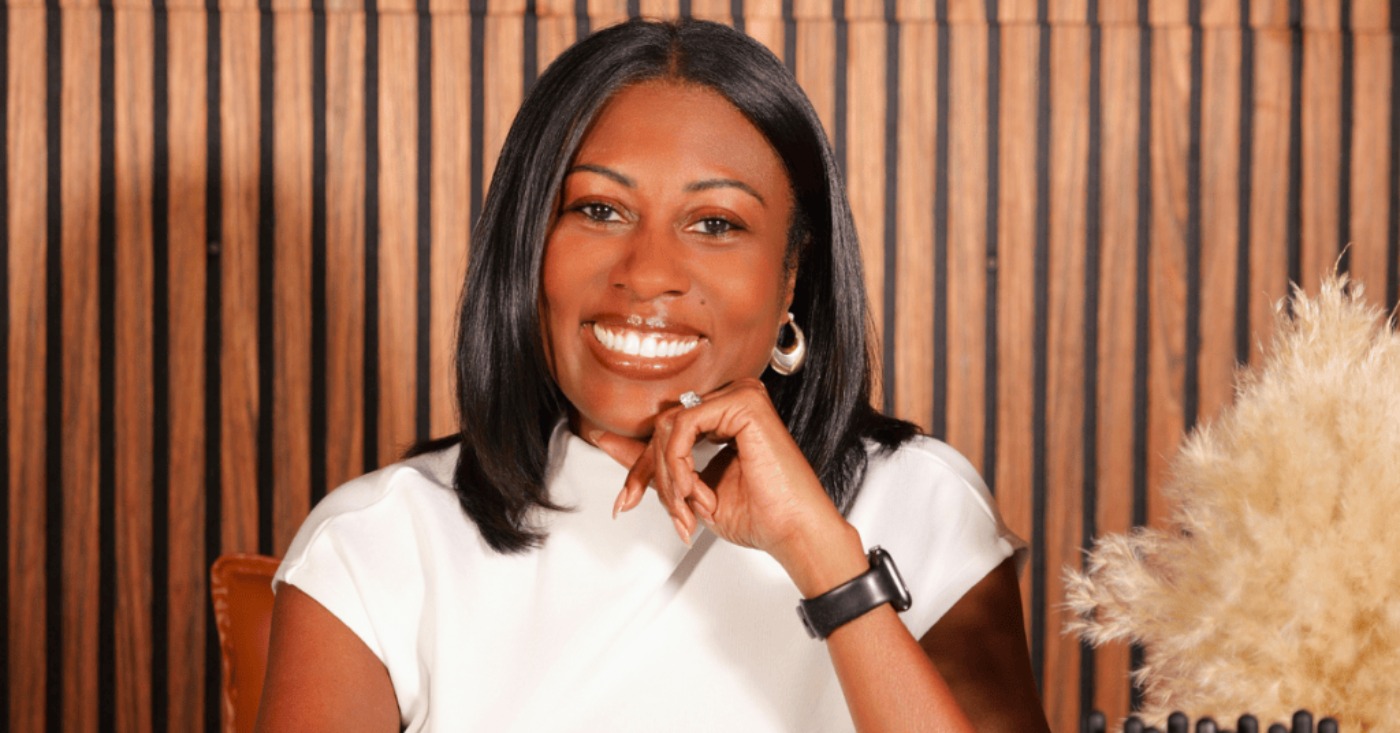
For Jamika Phillips, getting your nails done should feel like more than another appointment squeezed onto an already crowded calendar.
She wanted a place where the person doing your nails knows your name, remembers what you drink, what colors you like, and maybe even what was happening in your life the last time you sat in their chair.
“I kind of wanted to be the ‘Cheers’ of nail salons,” Phillips said. “I wanted clients to be able to have a community where they could come and know their nail techs, know that they were getting quality care with their nails, and know that we would give them education.”
That vision became Shades The Nail Bar, the Sienna-area salon Phillips opened in January 2022 after leaving a career that had nothing to do with the beauty industry.
A dream decades in the making
Phillips spent more than 20 years in corporate America, working in software engineering and global process management. Her background is in computer science, but the idea of owning a nail salon wouldn’t go away.
“I have notes back from probably 2000 where I would think about the names of the salons that I wanted,” Phillips said. “I still have these pages, and I look back at them and thank God for them every day.”
While still working full time, Phillips enrolled in manicurist school, working her corporate job during the day and attending classes at night and on Saturdays until she earned her license.
“I would work from 9 to 5. I would go to school from 5 to 9 Monday through Friday, on Saturdays from like 8 to 2,” she recalled.
“There were a lot of people that said, ‘Are you sure you want to do this?’…’ `There’s a lot of competition’… ‘Typically, not a lot of Black people own nail salons.’ I refused to let that stop me.”
Jamika Phillips
After moving to Houston with her husband, Phillips prepared to open a salon in the city. She had signed a letter of intent and was about a week away from signing a lease when the COVID-19 pandemic hit.
“I thank God I did not sign the lease,” Phillips said.
The setback redirected her closer to home. While driving through Sienna, where her family lives, Phillips spotted an available space, pulled over, and called the number. The space was available. Shades The Nail Bar was on its way.
Creating a different kind of nail salon

Phillips knew she was entering a crowded industry, but she also saw an opportunity as a Black woman entering a business where few salon owners looked like her.
“There were a lot of people that said, ‘Are you sure you want to do this?’” she said. “There’s a lot of competition. There are nail salons every two miles from each other. Typically, not a lot of Black people own nail salons.”
Instead of discouraging her, Phillips said the skepticism became “ammunition” to keep going.
“Black women spend tons of money in the nail care industry,” Phillips said. “So it was something that I said, we got to do this.”
Even the name Shades was intentional.
“I wanted shades to represent not just the nail polish colors, but I wanted it to represent different shades of nail technicians as well as clientele,” she said.
Today, her staff includes Black, Hispanic, and Asian nail technicians, reflecting the diverse community the business serves.
The salon is also acrylic-free, offering alternatives including builder gel, polygel, and Gel-X. Phillips researches products and often tries them herself before introducing them to clients.
“I’m always looking at new ways to make Shades different.”
Those differences extend beyond nail services. Shades offers complimentary beverages, cleans clients’ rings during appointments, and emphasizes sanitation and nail health.
@shadesthenailbar 50 looks GOOD on you, Lolita! 🥂✨💅🏾 We had the pleasure of being part of Lolita’s 50th birthday celebration, and hearing her share her experience at Shades made it even sweeter. ❤️ There’s something special about celebrating a milestone with a little self-care, beautiful nails, and GOOD energy. Thank you, Lolita, for choosing Shades to be part of such a special birthday. Here’s to 50 and FABULOUS! 🎂✨ Celebrating something special? Come celebrate with us. Book now at ShadesTheNailBar.com 📍 9101 Sienna Crossing Dr., Suite 160 Missouri City, TX 77459 #ShadesTheNailBar#50thBirthday#BirthdayNails#MissouriCityNails#SiennaTX#HoustonNails#BirthdayCelebration♬ original sound – Shades The Nail Bar
But Phillips said its biggest distinction is the relationships.
“We’ve seen them have babies. We’ve seen them lose their babies. We’ve seen them lose their parents. We’ve seen marriages, divorces,” Phillips said. “I mean, we are there for them.”
Staff members send cards and cookies during important moments and often know a regular client’s preferred drink before the client asks.
“We really do try to build and bond a relationship with our clientele so that they know that, hey, we are here for them,” Phillips said.
Shades also supports local schools, churches, and Fort Bend-area charitable efforts.
Corporate lessons meet entrepreneurship
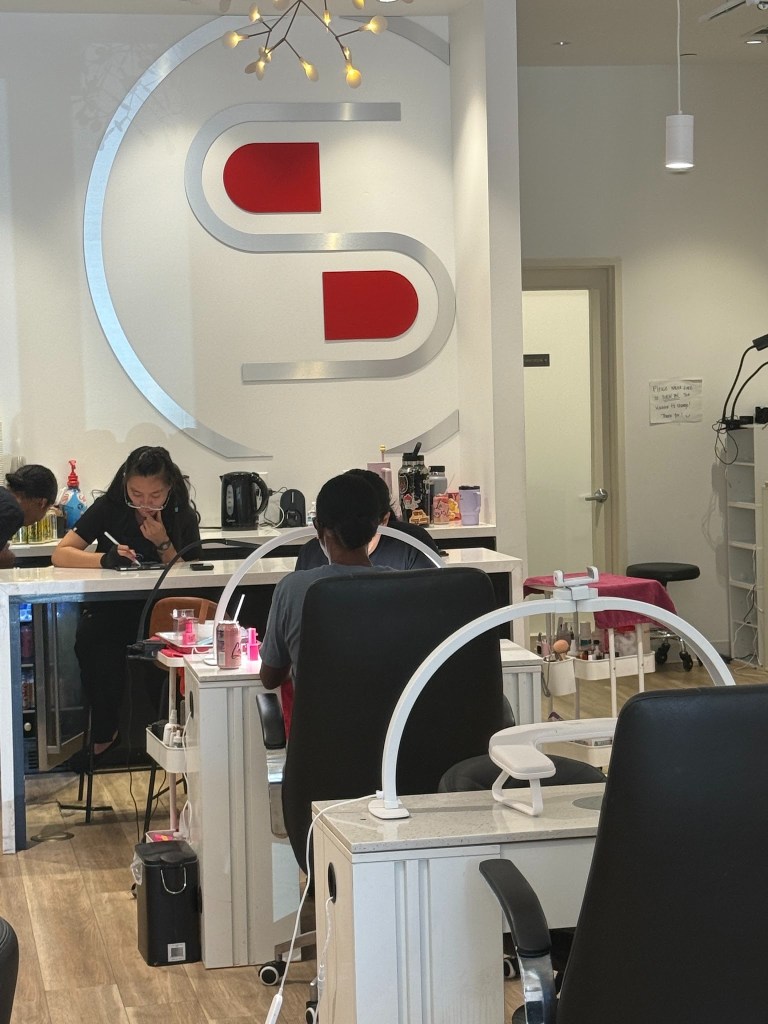
Phillips may have traded software engineering for nail polish, but she didn’t leave her corporate experience behind. She said the leadership, teamwork, and organizational skills she developed during more than two decades in corporate America became the foundation for running Shades.
“I can’t say that I was an entrepreneur by trade,” she said. “A lot of those things — the leadership, the teamwork, the organizational skills — all those things were built over my corporate career.”
Entrepreneurship brought its own lessons, from finding vendors who understood her vision to keeping detailed financial records, building the right team, and maintaining strong customer service.
Phillips credits her husband and children with supporting her through missed family dinners and soccer games. She also credits mentor LeeVera Smith, a business adviser with the Small Business Development Center, with helping her develop the business plan that became Shades’ foundation.
“Jamika is one of those people who wants to learn everything to bring her customers the best experience,” Smith said. “I’m supposed to be her mentor, but I learn so much from her.”
Phillips’ girlfriends also pitched in, proofreading her website, organizing supplies, offering feedback, and talking her through the inevitable difficult days.
Because Phillips knows better than most that dreams don’t always arrive on schedule. Sometimes they sit quietly in notebooks for 20 years before you finally decide it’s time to bet on yourself.
Based on reporting by Houston Defender.


COMMENTARY: BIG MAMA SAID: Don’t Throw Away the Gift Just Because It Came Wrapped Wrong

Columbus’s Oldest Businesses Still Open: 10 That Have Lasted 75+ Years

Lawyer-Turned-Contractor Hones Focus on Redeveloping Properties for Housing

NFL Round-Up: Caleb Williams strikes back, Panthers, Browns and Titans secure victories

Birmingham on Pace for Fewest Homicides in 75 Years

Ancestral Responsibility: Young Native Voters Fight Political Invisibility

Black Household Wealth Plummeted 25% in Three Years, New Data Shows

Kickstarter CEO Everette Taylor Shares Tips on Creating and Growing a Business

HBCU Football Roundup: Homecoming Wins for Howard, Tennessee State and Jackson State

Luxury SUV: Heated Seats & Captain’s Chairs Review #shorts

The Youngest American Killed in the Vietnam War

Passing for White, Fighting for Black America: The Courage of Walter White

OP-ED: Haiti TPS: Have We Lost Sense of Humanity?
NFL: Week Two Recap | Jalen Hurts did not fold; Caleb Williams exits game with injury

Remembering Chauncey Bailey as Student Journalists Face Threats to Truth-Telling

Peter Magubane: a Camera Against Apartheid

Mayor Lee Announces $1 Million Kaiser Permanente Grant for Pilot Program to Address Homelessness, Clean Up Public Spaces throughout Oakland

OP-ED: How Head Start Also Helps Parents

Poll: Becerra Widens His Lead Over Hilton; Californians Split on Wealth Tax

Community Action Group ‘Friends of Zakiya’ Ask Sheriff for Time
Luxury SUV: Heated Seats & Captain’s Chairs Review #shorts

Black-Owned Banks: Compliance to Community Business #shorts

FDIC Study: African American Banks Disappearing Rapidly #shorts

Car Buying Tip: Check Windshield Glare & Interior Space! #shorts

St. Louis Celebrates Excellence at The St. Louis American’s 39th Annual Salute to Education Gala

‘No King: Vote Early’ protest for democracy in St. Louis

Optimize Your Seating: Essential Household Setup Guide #shorts

Brake Pedal Test Drive: Smooth Stops for Your Truck! #shorts

Life Lessons Learned Through Adversity: My Journey #shorts

From Claflin Alum to ColorBlind Artist
-

 Black Press6 days ago
All Skinfolk Ain’t Kinfolk
-

 Black Press5 days ago
Oakland Awarded More than $14 Million in State Funding
-

 Black Press5 days ago
Jendayi Arrest Raises Community Concerns Regarding Sheriff’s Chain of Command
-

 African American News and Issues4 days ago
Black History: Gladys West Mathematics Helped Make GPS Possible
-

 Featured1 week ago
2026 Voting Guide: Every Candidate and Proposition Explained!
-

 Black Press5 days ago
Allen Temple Baptist Church Hosts Free Prostate Cancer Screenings on Oct. 17
