
Black Press
Empowering Black Parenting: Tips and Insights That Matter
NNPA NEWSWIRE — As a Black person, you are probably finding that the journey of being a good parent is laced with more parenting challenges than you expected, especially as the world is changing rapidly around you. If you feel like you could do with some more tools to help you navigate this journey, then you are in the right place.


Parenting is a challenge for all cultures, considering that you have the desire to transmit knowledge, love, and acceptance to your child so they can be prepared to go on the journey that matters. This involves having open conversations about the world they live in, prioritizing emotional wellness, and more.
As a Black person, you are probably finding that the journey of being a good parent is laced with more parenting challenges than you expected, especially as the world is changing rapidly around you. If you feel like you could do with some more tools to help you navigate this journey, then you are in the right place.
Empowering Black parenting is all about honoring your heritage, nurturing emotional well-being, and giving your children the strategies to survive in an increasingly complex and dangerous world.
Centering Culture and Identity Early
The biggest gift that African American parenting can bestow upon its children is a strong sense of identity. In a world that’s constantly pulling them in all directions, they need an anchor that will show them who they are and where they stand.
You can begin this journey early by making everyday choices relevant to your culture:
- Choosing books that feature Black protagonists
- Listening to music and experiencing art that’s rooted in Black culture
- Watching movies that have brilliant, strong African American actors and actresses (Black Panther being one great example)
- Sharing family stories and showing Black family dynamics that display resilience and achievement
It’s not about celebrating Black History Month and then forgetting about it for the rest of the year.
Having Open Conversations about the World They Live In
The world is getting increasingly complicated and complex. It’s not the same as when you or your parents grew up, and that needs to be acknowledged.
Your children need to understand the world they live in so they can navigate it better. This is especially true for African American children living in certain parts of the United States, where they are in more danger than in other spaces.
Keep your conversations at age-appropriate levels, but start having these conversations right now. These chats about fairness, justice, safety, and self-advocacy will ensure your children process their experiences, rather than internalizing confusion, fear, or even shame.
Advocating Within Educational Spaces
The cost of childcare in NYC can be exorbitant, and if you cannot do without it, then you will want to find a way to advocate for your child in such educational places. You want your child to go into these spaces and feel accepted, loved, and supported.
They should be treated fairly, supported fully, and challenged appropriately, so:
- Attend the meetings
- Communicate regularly with the teachers
- Understand the school policies
- Join any additional extracurricular activities as necessary
Remember that advocacy isn’t about confrontation but about collaboration.
Focusing on Emotional Wellness
Your child needs to be emotionally healthy as much as they need to do well academically. That emotional wellness comes from you and the skills you transmit to them.
For generations, emotional struggles were ignored, unnamed, and relegated to the sidelines or minimized. The time has come to remove that silence, to break that cycle.
Teach your children to name their feelings, practice empathy, and seek help when they feel overwhelmed with their emotions or anything else. Your children need to know that you will be there for them no matter what emotional hurdle comes their way.
Modeling Financial and Life Skills
We live in a capitalistic society where financial knowledge, or lack thereof, can make a huge difference in a child’s life. Start modeling financial and life skills right now, speaking to your child about it regularly so they don’t miss out on this important capability.
Teaching basic financial literacy, goal setting, and decision-making skills will go a long way in the future. Start a 529 College Savings Plan for them so they don’t have to go into heavy debt for their education in the future.
Encouraging Joy, Rest, and Play
Life isn’t just about toiling away at some task until you die. It should also be joyous and beautiful.
You can help your children by making space for them:
- To be creative
- To laugh freely
- To explore interests
- To experiment, and more
You will also benefit from rest, so teach self-care not only to your child but to yourself as well. Practicing healthy boundaries will also help here.
Frequently Asked Questions
How Can Black Parents Challenge Stereotypes Through Everyday Actions?
As Black parents, you are probably going to notice stereotypes being foisted upon your children regularly. People are ignorant, and there’s nothing you can do about them.
But you can make your child’s identity and individuality strong enough that they can handle all of these prejudices without faltering. Affirmations, positive reinforcement, and consistent support remind children that they are capable, valued, and deserving of opportunity.
How to Build Strong Black Parenting Support Networks?
Children need a community of supportive people around them, and that’s why building a strong support network around you is going to be crucial. It’s not only for your child, but also for yourself.
You can’t do it all yourself, no matter how much you would like to. Having a group of friends, family members, loved ones, and colleagues who all support you in this parenting journey is going to ensure you don’t burn out on the journey.
It will also teach your child about teamwork and the importance of good friendships and strong family roots.
Empowered Black Parenting Raises Confident Children
Empowering Black parenting is rooted in intention, love, and vision. It honors the past while actively shaping a better future.
Take the steps listed above, and it will ensure you equip your children with all the skills necessary to take on the world as it comes at them, without breaking down or becoming anxious. Every conversation, tradition, and lesson contributes to raising children who know who they are and believe in what they can become.
Please read through related articles on our website for more articles sharing the voice of the Black community.





Black History
OP-ED: The Black Church Writes AI’s Next Chapter
BLACKPRESSUSA NEWSWIRE — I implore my fellow faith leaders to use these tools. Start now and use them with wisdom. We count on each and every one of you to make sure our communities help write the next chapter of this story. This rapid change is not as unfamiliar as it may sound. My first understanding of AI came from using a calculator for the first time in grade school. We did not call it AI, but it was a tool that helped me work through mathematical equations hours more efficiently.

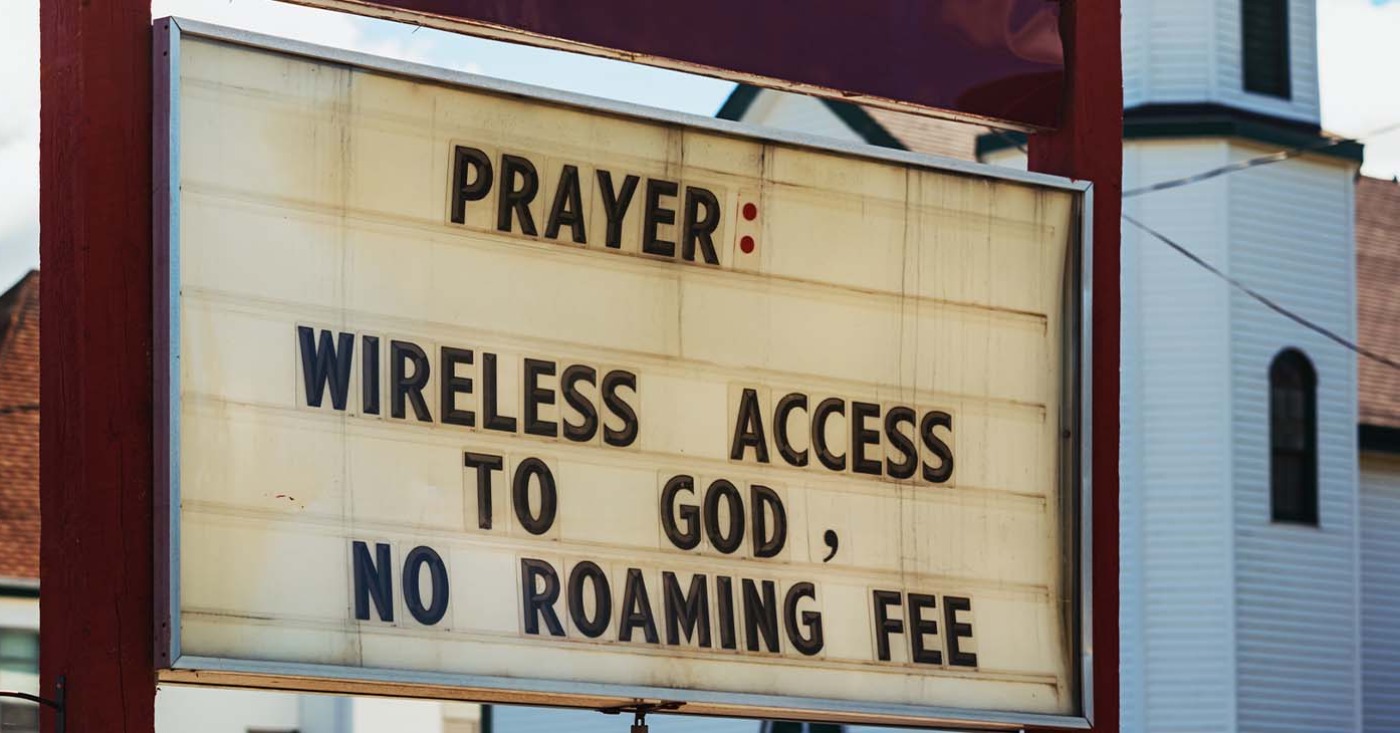
For generations, the Black church has stood strong in our communities through every historical change this country has experienced. During the civil rights movement and in recent times, faith leaders have helped uplift Black sanctuaries to register voters, keep food pantries open for people in need, and sit with families in hospital rooms in their most desperate moments. When our people faced new trials, they could always look to our faith leaders and the church to lean in to help us be included in these transformative changes.
Artificial intelligence is the latest revolutionary change to impact our society, and much like other transformations before us, underserved communities often get left behind.
I was recently featured in a report entitled “Faith, Community & AI” and it found that people send ChatGPT more than 70 million messages a week about religion. Nearly 22 million involve studying sacred texts, and 16 million ask about religious practices and holy days. Our members make up part of those numbers. They bring questions of faith to these tools every day.
Pastors have noticed, and according to a September 2025 Lifeway Research survey of 1,003 Protestant pastors, 42 percent said they use or experiment with AI in ministry. I count myself among them.
I write my sermons by hand, through prayer and study. When I finish a draft, I ask ChatGPT this question: “Where might this sermon become unclear or difficult to follow for someone early in their walk of faith?” It shows me gaps in my preparation, like where I incorrectly assumed everyone would know the context of who the Pharisees were. Then, change comes from my own pen, not the robot. The tool helps me reach the person in the back pew while the message still comes from me.
If I could have my wish, our whole community would take a similar posture. We must use these tools, understand them, and most importantly be present to help shape them if we want to be included in the coming change.
I implore my fellow faith leaders to use these tools. Start now and use them with wisdom. We count on each and every one of you to make sure our communities help write the next chapter of this story. This rapid change is not as unfamiliar as it may sound. My first understanding of AI came from using a calculator for the first time in grade school. We did not call it AI, but it was a tool that helped me work through mathematical equations hours more efficiently.
It starts with training; there is no involvement without understanding. Free AI trainings have begun in our churches and community centers across the nation. Every faith leader should sign up and, when possible, encourage members of your congregations to join you. By learning how to use AI, we can better understand what it can do, make up our own minds about its impact, and have a say in how it shapes our communities.”
Next, we must be at the tables where the builders of these tools make decisions. Presence is the first step toward understanding, and that gap is only bridged through a coordinated effort. How can any tool serve a community well if that community is not part of the conversation? Our traditions, needs, and concerns must be accounted for, and Black faith leaders are already making that happen. OpenAI’s recent Faith report states plainly that AI should never become an arbiter of religious truth. I fully intend to hold the company to its word, and the most effective way I can do that is from inside.
I will close with this––we must diligently protect what only the church can give. A believer in Seoul, Korea quoted in the report warned, “if you pour every struggle into a private chat, your pastor and your friends may never learn you need help.” A chatbot will not sit with a grieving family or pray with you at two in the morning. As we adopt this technology, it is up to us to ensure it keeps people connected to each other and to their church.
Rev. Dr. Adolphus Lacey is senior pastor of Bethany Baptist Church in Brooklyn, New York.
Black History
Federal Agents Search Ilhan Omar’s Home Just 22 Days Before Election
WASHINGTON INFORMER — Federal agents searched the D.C.-area home of Rep. Ilhan Omar (D-Minn.) on Monday, 22 days before Election Day. This extraordinary step involved executing a criminal search warrant against a sitting member of Congress.
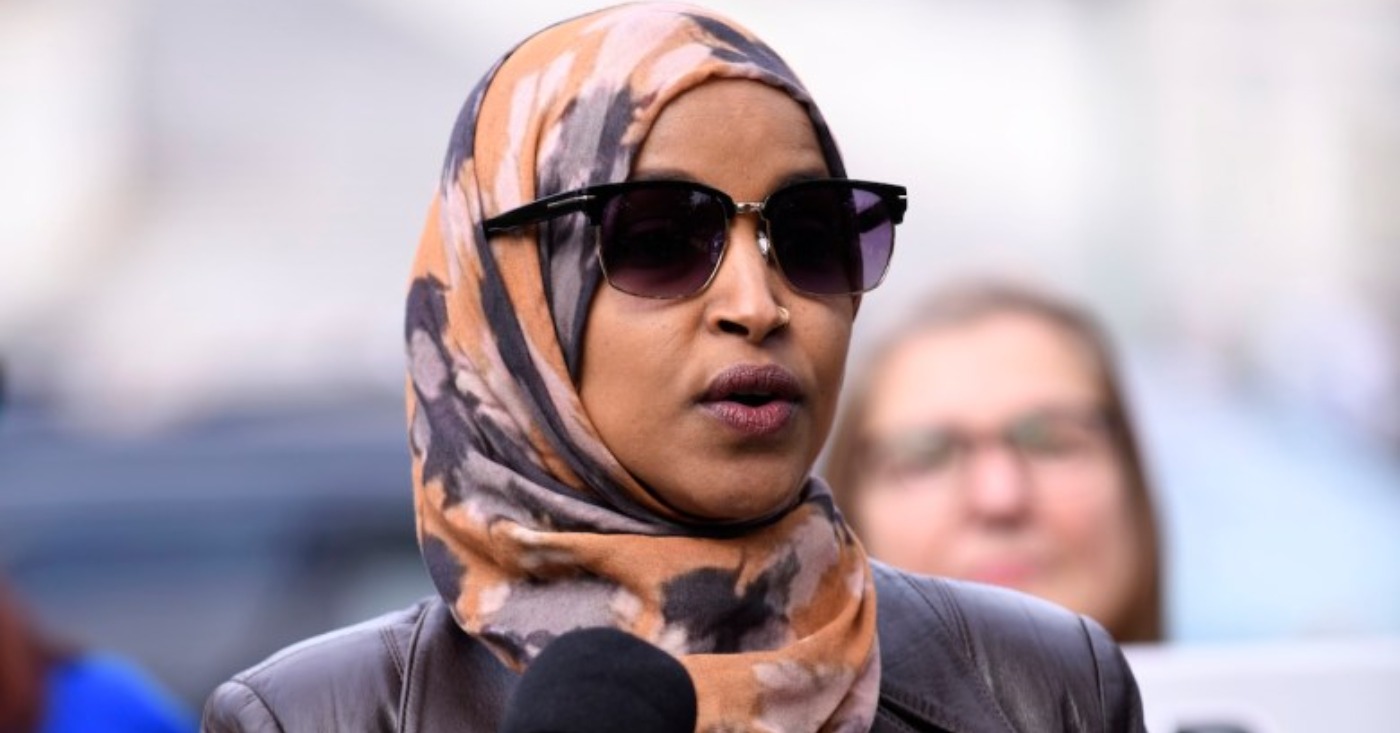
Federal agents searched the D.C.-area home of Rep. Ilhan Omar (D-Minn.) on Monday, taking the extraordinary step of executing a criminal search warrant against a sitting member of Congress just 22 days before Election Day, as the Trump administration investigates allegations involving her family’s immigration records.
The search immediately drew accusations of political intimidation from Omar’s supporters, who pointed to President Donald Trump’s repeated attacks on the Minnesota congresswoman and questioned the timing of an investigation targeting one of his most outspoken critics.
“Representative Omar is a dedicated public servant and a true ally for working families, and Donald Trump has done nothing but use racist tropes and stereotypes to attack her,” said Joel Payne, MoveOn’s chief communications officer. “Now, he’s abusing his power to physically intimidate and harass her.”
A Justice Department spokeswoman acknowledged that Homeland Security Investigations agents, part of Immigration and Customs Enforcement, searched a District residence as part of an ongoing federal criminal investigation.
The spokeswoman declined to provide additional information or publicly identify the person under investigation.
According to published reports, the warrant identified possible violations involving false statements, immigration document fraud and conspiracy. Federal investigators have also examined questions concerning Omar’s finances, campaign funds and interactions with foreign citizens.
No criminal charges against the congresswoman were identified, but Monday’s search occurred less than four weeks before voters decided whether to return Omar to Congress.
The investigation follows months of public accusations from senior Trump administration officials, including Vice President JD Vance, who previously claimed that Omar committed immigration fraud.
In an interview with conservative commentator Benny Johnson, Vance asserted, without publicly presenting evidence, that the administration believed Omar had broken immigration laws. He also said he and White House deputy chief of staff Stephen Miller had discussed how to pursue the allegations.
“What are the legal remedies now that we know that she’s committed immigration fraud?” Vance asked during the interview. “How do you go after her? How do you investigate her?”
Omar has repeatedly rejected the accusations, including claims that she married her brother to facilitate immigration fraud. Her office dismissed Vance’s allegations in March as fabricated and defamatory.
Questions about the investigation intensified in August when Immigration and Customs Enforcement refused to release records sought under the Freedom of Information Act concerning allegations surrounding Omar’s 2009 marriage to Ahmed Nur Said Elmi.
The agency cited an exemption allowing law enforcement authorities to withhold records when disclosure could interfere with enforcement proceedings. The refusal did not establish that Omar committed fraud or, at the time, confirmed that she was personally under investigation.
Omar, who came to the United States as a refugee from Somalia, was elected to Congress in 2018 and became one of the first two Muslim women to serve in the House. She represents Minnesota’s 5th Congressional District, which includes Minneapolis, and has frequently challenged Trump over immigration enforcement, civil rights, and his administration’s treatment of immigrant communities.
Her confrontations with the administration have made her a recurring target of the president’s political attacks. The criminal investigation also follows a frightening incident earlier this year in which Omar was physically attacked during a public appearance.
On Jan. 27, a man attacked Omar during a town hall meeting at the National Urban League’s Twin Cities headquarters in Minneapolis. The incident prompted condemnation from the National Coalition on Black Civic Participation and its Black Women’s Roundtable, which demanded accountability and warned against political violence.
“We are shocked and extremely disturbed by the attack on Rep. Ilhan Omar yesterday while she attempted to address the critical issues and chaos swirling around in Minneapolis,” Melanie L. Campbell, president and CEO of the coalition and national convener of the Black Women’s Roundtable, said in a Jan. 28 statement.
Campbell praised Omar for continuing to speak out despite threats against her.
“We believe that NO public official should be threatened or physically attacked, especially when they are serving in the best interests of their constituents,” Campbell said. “Political violence and intimidation have no place in our democracy.”
MoveOn, the progressive advocacy organization, accused Trump of using federal law enforcement to intimidate a political opponent and urged voters to respond at the ballot box.
“On Nov. 3rd, we get our chance to fight back and hold him and his corrupt administration accountable,” Payne said.
Based on reporting by Washington Informer.
Black History
‘We Are Ready’: NAACP Launches Voter Protection Hub Ahead of Midterms
ATLANTA DAILY WORLD — The NAACP is launching a voter protection hub to protect voting rights ahead of the midterm elections. Voters can report intimidation and suppression via phone and online, with NAACP attorneys and legal volunteers investigating complaints and seeking emergency court intervention.
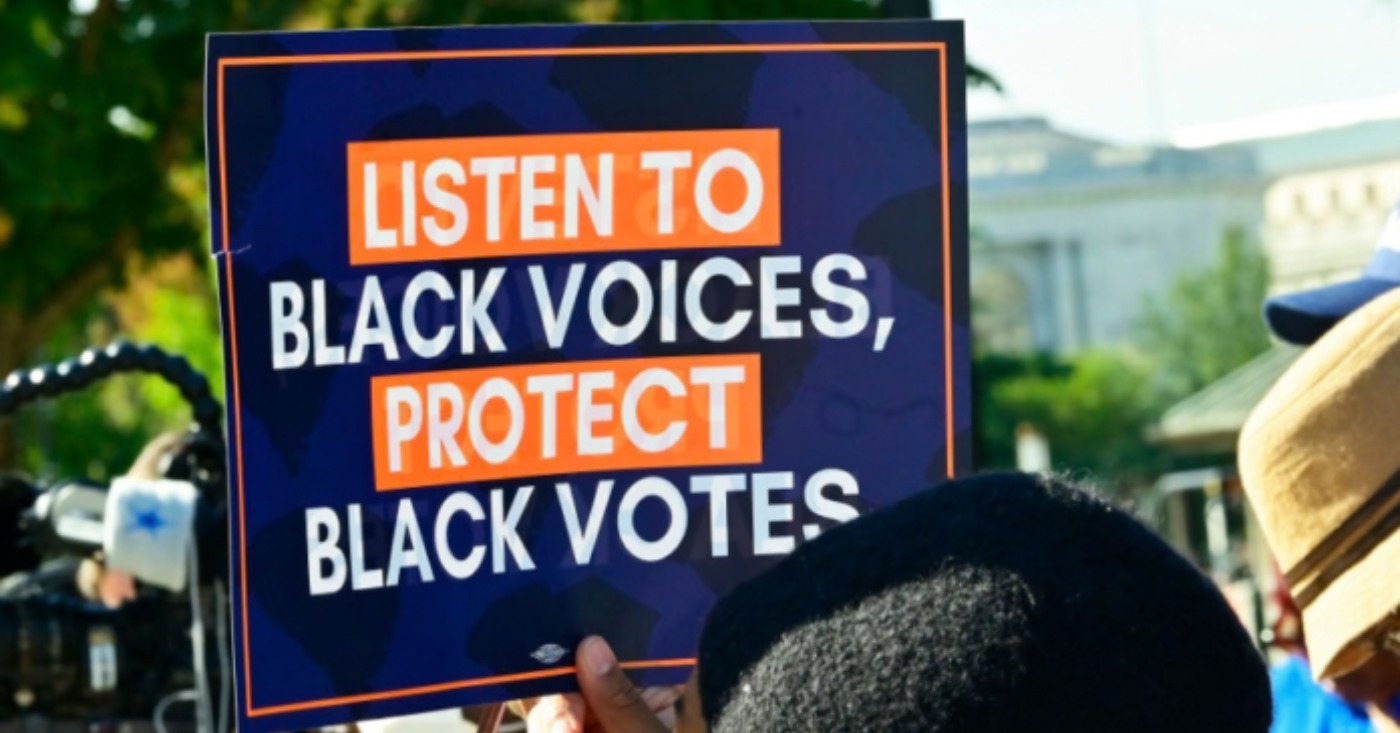
The NAACP is launching a voter protection hub ahead of the 2026 midterm elections as voting rights groups prepare for potential challenges at the polls.
Voters will be able to report allegations of intimidation and suppression by phone and through online submissions, while NAACP attorneys and legal volunteers investigate complaints and seek emergency court intervention when necessary.
According to The Washington Post, the hub is scheduled to launch October 24.
“We are ready,” NAACP General Counsel Kristen Clarke told The Washington Post. “We have an army of legal volunteers across the country and are prepared to activate and seek emergency relief on Election Day where necessary.”
The effort comes as organizations are also working to increase Black voter participation ahead of the midterms. BIN reported in September that the Congressional Black Caucus Institute launched its “SO VOTE” campaign, which plans to spend at least $4.5 million registering and mobilizing Black voters, young voters and rural voters.
The Associated Press reported that the campaign is targeting Georgia and Mississippi statewide, along with 16 congressional districts.
The NAACP is particularly focused on voter intimidation, changes to election rules and the impact of redistricting on Black voting power.
The organization filed a lawsuit against Justice Department Assistant Attorney General Harmeet Dhillon on Friday (October 2), seeking records about the department’s plans to deploy election monitors at polling places during the midterm elections.
“To be clear, there is no federal statute that gives the U.S. Department of Justice the right to send their so-called ‘election monitors’ to polling sites across the country,” Clarke said in a statement.
The NAACP’s voter protection hub will give voters a centralized way to report problems and connect with the organization’s legal team during the election.
The Black Information Network is your source for Black News! Get the latest news 24/7 on The Black Information Network. Listen now on the iHeartRadio app or click HEREto tune in live.
Based on reporting by Atlanta Daily World.
Art
Comedy and Loss Collide in Kevonstage’s ‘Grief Sucks’ at the Pageant
ST. LOUIS AMERICAN — Comedian KevOnStage brought his one-man show “Grief Sucks” to The Pageant, offering an experience that blended humor with the raw realities of loss. The show, rooted in his personal journey after the sudden death of his brother, manager, and business partner Jason Fredericks four years ago, gave the audience permission to laugh and cry, often at the same time.

When KevOnStage took the stage at The Pageant Sunday night, his house rules let everyone know what they were in for with his one-man show “Grief Sucks.”
“Do not judge yourself. Do not judge the jokes. Just laugh,” he said.
Even within his directions, were jokes.
He gave the audience permission to cry, but quietly – because Black people have a tendency to do things at full volume.
The hour that followed provided plenty of laughter. But underneath the humor were truths that anyone who has ever lost someone could feel deep in their chest.
The show was based on his experience of losing his brother, best friend, manager and business partner Jason Fredericks. He died suddenly of a heart attack four years ago at the age of 42.
Kev warned the audience to be mindful of their social media — both the wild posts that could end up being someone’s last and the intrusive ones people make after a loved one dies. And he gave people permission to laugh at the moments that feel too outrageous to say out loud — the ones that become inside jokes for families trying to survive the worst days of their lives.
“Grief is dark humor,” he said as he walked through the story of his brother’s death — a story he jokingly blamed on Nia Long.
He found a way to give permission to laugh at the outlandish moments that often serve as inside jokes. Those who have lived through some of the worst moments of their lives and not only found a way to talk about it, but to steal a laugh in the midst.
“Grief is dark humor,” he said as he walked through the story of his brother’s death — a story he jokingly blamed on Nia Long.
“I know that sounds crazy,” he said. “It’s not her fault — but it is her responsibility.”
It was a jarring moment, but it let the audience know exactly what kind of honesty they were in for.
He said his brother’s death was “proof that she is drop‑dead gorgeous.”
“Sometimes things are funny — and sometimes things are funny because you should not be laughing,” he said.
The show moved through a series of points about grief, each one backed by a story that made the room nod in recognition. He talked about how grief can twist ordinary moments — how it can make you jealous of people with siblings or irritated by strangers having a good day.
He explained how grief can twist even the simplest moments, how it can make you jealous of people with siblings, or irritated by strangers having a good day. He brilliantly compared grief to a rock stuck in your shoe. Sometimes it’s small and manageable. Other times its jagged and unbearable – but always there.
He also talked about the unfairness of grief — how the world doesn’t stop when your loved one dies, how people still go to Raising Cane’s, still pick up their kids, still laugh. And he talked about the heartbreak of realizing his brother never got to see things he would have loved, from TV shows to cultural moments. And that he was robbed of the opportunity to engage with him about them.
“He would have loved Sinners,” Kev said. “But he never got to see it.”
At one point, he paused to show a video of his brother telling him how proud he was. The room went quiet. It wasn’t the polite kind of silence – but the kind where you can hear someone in the back sniff. The crowd assured him that it was okay for him to take a beat. His voice shook as he pushed through. Those pauses made the audience lean in even more.
Kev made grief feel communal. He made people laugh at things they didn’t think they were allowed to laugh at. And he reminded everyone in the room that grief doesn’t make sense, doesn’t follow rules, and doesn’t care about timing. And most importantly, he drove home the point that it also doesn’t have to be carried alone.
There were moments when his emotions got the best of him. There was the video he shared of his brother telling Kev how proud he was of him that compelled him to take a beat. His voice quivered as he powered through. Those pauses made the audience connect with the show all the more. Grief Sucks wasn’t just comedy. It was catharsis. It was storytelling. It was a room full of people realizing they weren’t the only ones trying to make sense of loss.
KevOnStage gave them permission to feel all of it — and to laugh anyway.
Internet personality and standup comedian KevOnStage used the sudden and unexpected loss of his brother as the foundation for a one-man show that was funny, honest and a little dark – often at the same time.
Sunday night, he brought “Grief Sucks” to The Pageant. His barometer check
KevOnStage walked onto The Pageant stage Sunday night with a promise: that the next hour would be funny, honest and a little dark. And he delivered all three — often at the same time.
His one‑man show, Grief Sucks, was as relatable as it was funny. It was the kind of performance where the audience laughed hard, then caught themselves nodding in recognition. Because beneath every punchline was a truth that anyone who has lost someone could feel in their chest.
He opened with the kind of humor that only comes from someone who has lived through the worst days of their life and somehow found a way to talk about it. He told the crowd they had permission to cry, laugh, sit still, or just breathe — but to “cry quietly,” because, as he joked, Black folks tend to do everything at full volume.
Then he went straight into the story of losing his brother — not with soft edges, but with the kind of raw honesty that made the room go still. He explained how grief can twist even the simplest moments, how it can make you jealous of people with siblings, or irritated by strangers having a good day. He compared grief to a rock stuck in your shoe: sometimes small and manageable, sometimes jagged and unbearable, but always there.
And he didn’t shy away from the intrusive thoughts that come with loss — the ones people rarely admit out loud. He shared the moment he realized he had lived longer than his older brother ever got to, and how that fact sits heavy no matter how much time passes.
Kev’s storytelling is built on the kind of humor that comes from real life — the funeral home upcharges, the family dynamics, the dark jokes that slip out at the worst possible moments. He told a story about previewing his brother’s body with his wife and grandmother, and how one unexpected comment turned into an inside joke that has carried them through four years of grief.
He also talked about the unfairness of grief — how the world doesn’t stop when your loved one dies, how people still go to Raising Cane’s, still pick up their kids, still laugh. And he talked about the heartbreak of realizing his brother never got to see things he would have loved, from TV shows to cultural moments.
The most emotional part of the night came when he recounted the day his brother died — the phone calls, the confusion, the hope, and finally the moment his nephew said, “He’s gone,” while Kev was sitting in a middle seat on a United flight. He told it plainly, without theatrics, and the room held its breath.
But even in that story, he found a way to make people laugh — not at the pain, but at the absurdity of life continuing around you when your world has just shattered.
By the end of the show, KevOnStage had done something rare: he made grief feel communal. He made people laugh at things they didn’t think they were allowed to laugh at. And he reminded everyone in the room that grief doesn’t make sense, doesn’t follow rules, and doesn’t care about timing — but it also doesn’t have to be carried alone.
Grief Sucks wasn’t just comedy. It was catharsis. It was storytelling. It was a room full of people realizing they weren’t the only ones trying to make sense of loss.
And on a Sunday night at The Pageant, KevOnStage gave them permission to feel all of it — and to laugh anyway.
Based on reporting by St. Louis American.
Black Press
OP-ED: She’s Not Non-Compliant, She’s Hungry: Addressing Food Justice to Improve Breast Cancer Outcomes
CHICAGO DEFENDER — Food insecurity in Chicago’s South Side and surrounding suburbs disproportionately affects Black women with breast cancer, impacting their treatment and recovery.
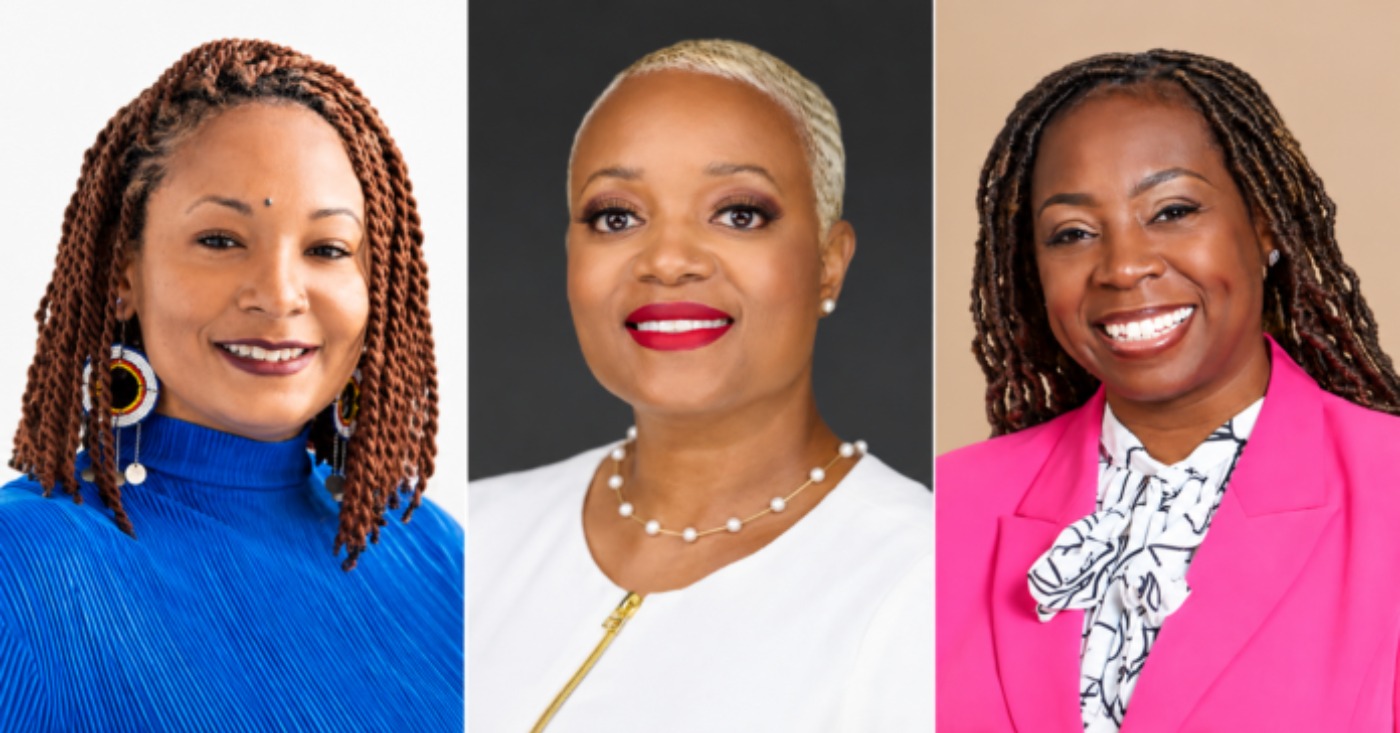
Here’s a transformational idea: everyone should have access to safe, healthy and affordable food.
If this idea doesn’t feel radical to you, then perhaps you haven’t spent much time in the Southside of Chicago and its adjoining suburbs.
Food insecurity is rampant in our neighborhoods. If you live in Washington Heights, you are practically guaranteed to experience lower food access than the average Chicagoan – with similar circumstances in the South Shore, West Englewood or West Pullman.
It has been clearly documented that “Food is Medicine.” In fact, according to countless scientific studies, good nutrition is critical during cancer treatment. It empowers your body to maintain muscle, rebuild damaged tissues and better withstand aggressive radiation or chemotherapy. A patient with access to nutritious food will experience fewer side effects, like fatigue and nausea, and will have less need for extra medicines. In short, good food improves a patient’s daily life.
Instead, though, a Black woman with breast cancer in our South Side neighborhoods or suburbs has the opposite experience. In fact, if “food is medicine,” then we are inarguably in a crisis, and it is disproportionately affecting Black women with breast cancer.
As co-authors of the Pinkprint and members of the Chicago Better Together Breast Cancer Disparities Think Tank, an initiative launched to address the disproportionate impact of breast cancer mortality on Black women in Chicago’s South Side and South Suburbs, we know that by combining data-informed strategies with community-driven advocacy and leadership, we will create equitable, sustainable outcomes for those most affected by breast cancer and the lack of access to nutritious foods in their communities.
Solutions start as local initiatives. We must pilot community-driven solutions in areas with the highest breast cancer mortality rates and limited access to nutritious food.
Existing local programs – food pantries, community fridges and even hospital-run delivery systems – are a critical piece of this local infrastructure. They are just a component, though, of the robust nutrition infrastructure the South Side lacks. In the long-term, our neighborhoods need clean, well-stocked grocery stores – and we must demand that our elected officials do everything they can to attract and retain these food corporations to invest in our communities.
This is just one item on their to-do list. Long-term solutions will include policy changes and targeted incentives at the city, state and federal levels. Just this spring, over 150,000 people in Illinois lost SNAP benefits, a devastating cut with ripple effects across families into entire neighborhoods. These cuts disproportionately affect people in the South Side of Chicago – not to mention, overwhelm food banks and other centers that serve as part of our social safety net. The Families Receiving Emergency Support for Hunger (FRESH) program in Illinois provides a one-time, automatic $400 cash payment per eligible household member to residents who lost their SNAP food benefits. This will help ease the immediate negative effects of these cuts and is much appreciated. But it is not a long-term solution.
When we started conversations in work groups about this project, we started with the idea that Black women deserve equitable access to quality breast cancer care. Any conversation about breast cancer care and goals for improved outcomes, must include a conversation about nutrition justice.
Nutrition justice is not just a transformational ideal: it is an idea that will literally transform our neighborhoods and the quality of life of every single person living in them. It will put grocery stores in empty storefronts; it will deliver food to a breast cancer patient going through chemotherapy.
Nutrition justice will help improve breast cancer outcomes for Black women on Chicago’s South Side. And Black women should not have to wait.
This op-ed is the second in a series focusing on eliminating breast cancer mortality in Black women on Chicago’s Southside. The authors are part of the Chicago Better Together Breast Cancer Disparities Think Tank, an initiative launched to address the disproportionate impact of breast cancer mortality on Black women in Chicago’s Southside and South Suburbs. Together with other community leaders, they have co-authored the Pinkprint, a strategic multistep plan and call-to-action on this critical issue.
The post She’s Not Non-compliant, She’s Hungry: Addressing Food Justice to Improve Breast Cancer Outcomes appeared first on Chicago Defender.
Based on reporting by Chicago Defender.
Black History
Pleasant Zion Missionary Baptist Church Celebrates 100 Years of Spiritual, Mind, Body, and Soul Ministries
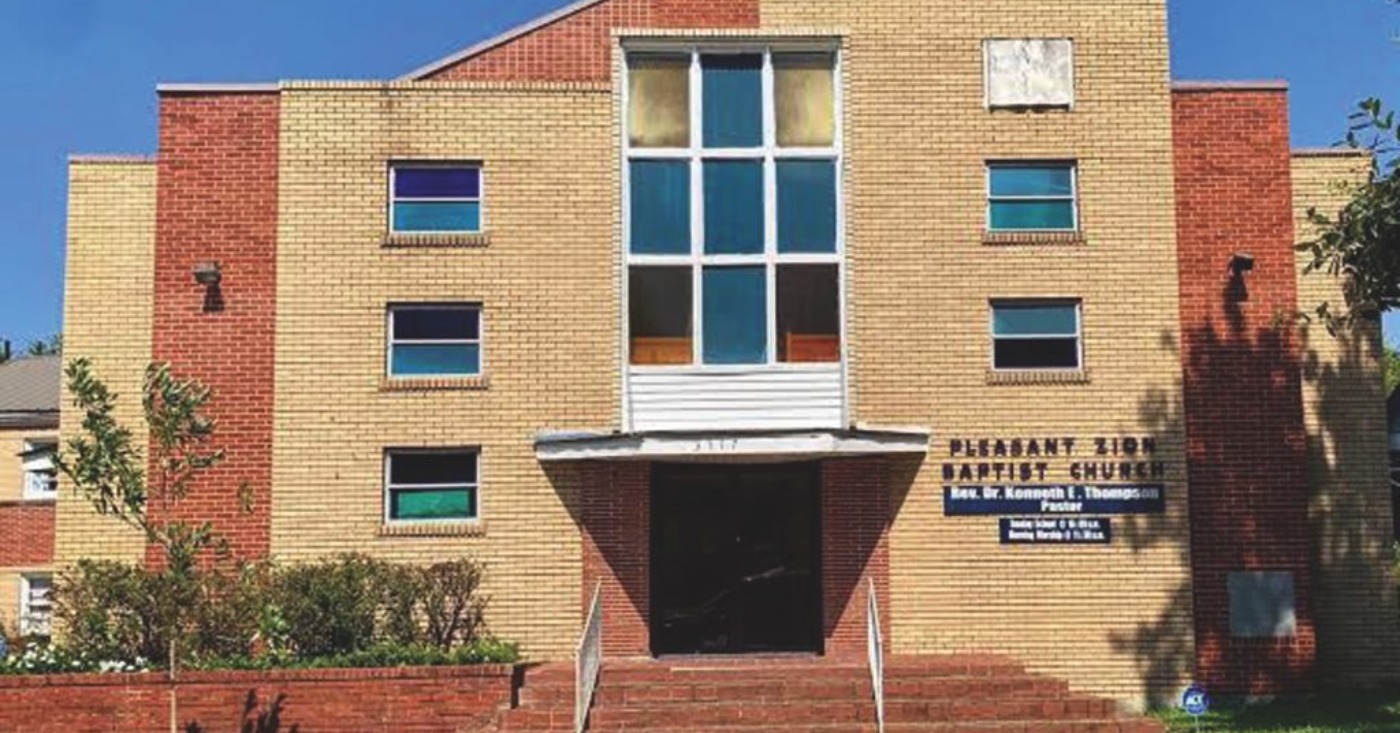
LOUISIANA WEEKLY — Pleasant Zion Missionary Baptist Church, located at 3317 Toledano Street in uptown New Orleans, is celebrating its 100th anniversary with a Centennial Weekend on October 17-18.
The legacy of the African-American church in the United States is that of a refuge, a caring and welcoming institution, a port in the storm, that has fed African Americans spiritually, economically, mentally and physically, and has nurtured the souls of people of African ancestry throughout their existence in America.
Pleasant Zion Missionary Baptist Church has carried on that legacy for the past 100 years. Established in 1926, Pleasant Zion MBC, located at 3317 Toledano Street, is a cornerstone of faith in uptown New Orleans and a beacon of hope for the Hoffman Triangle/Central City neighborhood.
Pleasant Zion MBC continues its mission of faith, education and empowerment for future generations. The church celebrates its 100th anniversary with a forward-looking Centennial Weekend, October 17-18.
Throughout its long history, Pleasant Zion has served its community by providing religious training and cultural, educational and recreational activities for children and adults. For decades, PZMBC has worked with neighborhood leadership to address issues such as neighborhood blight, housing and safety concerns.
Many have sought Pastor Kenneth E. Thompson’s confidential, wise counsel and comfort.
Pleasant Zion Missionary Baptist Church’s Centennial Celebration focuses on youth. “Our Centennial is not just about looking back – it’s about investing in our youth and building the future of our community,” Pastor Thompson affirms.
For decades, PZMBC has worked with neighborhood leadership to address issues such as neighborhood blight, housing, and safety concerns, Pastor Thompson adds.
During the summer, PZMBC sponsored summer enrichment camps for children with a range of activities, including culinary arts, STEM, music and field trips to museums and Black historic sites such as Armstrong Park.
The church has provided free food baskets, placed homeless women in hotel rooms, and provided financial assistance to people at risk of eviction or homelessness.
“Throughout its long history, Pleasant Zion has served the needs of its community by providing religious training, cultural, educational and recreational activities for both children and adults.
This upcoming Centennial Celebration honors a century of spiritual leadership while investing in the next generation, uplifting youth voices, education and sacred music.
Special guests at the celebration include the famous Zion Harmonizers. The world-renowned gospel group celebrated 87 years in gospel music with a special anniversary performance in March 2026 at St. John Institutional Missionary Baptist Sanctuary.
The program also features acclaimed Bishop Tyrone Jefferson, Voices of SUNO and the NORD Choir.
This article originally published in the October 12, 2026 print edition of The Louisiana Weekly newspaper.
Based on reporting by Louisiana Weekly.


OP-ED: The Black Church Writes AI’s Next Chapter

St. Louis Celebrates Excellence at The St. Louis American’s 39th Annual Salute to Education Gala

‘No King: Vote Early’ protest for democracy in St. Louis

Optimize Your Seating: Essential Household Setup Guide #shorts

Brake Pedal Test Drive: Smooth Stops for Your Truck! #shorts

Life Lessons Learned Through Adversity: My Journey #shorts

From Claflin Alum to ColorBlind Artist

Turning Abolitionist Design Research Into Real-World Business #shorts

Black Journalists: Community, Excellence, and Lifting Up #shorts

NFN Exclusive: Muslims in AI

The Youngest American Killed in the Vietnam War

Passing for White, Fighting for Black America: The Courage of Walter White

OP-ED: Haiti TPS: Have We Lost Sense of Humanity?

NFL: Week Two Recap | Jalen Hurts did not fold; Caleb Williams exits game with injury

Remembering Chauncey Bailey as Student Journalists Face Threats to Truth-Telling

Peter Magubane: a Camera Against Apartheid

Mayor Lee Announces $1 Million Kaiser Permanente Grant for Pilot Program to Address Homelessness, Clean Up Public Spaces throughout Oakland

OP-ED: How Head Start Also Helps Parents

Poll: Becerra Widens His Lead Over Hilton; Californians Split on Wealth Tax

Community Action Group ‘Friends of Zakiya’ Ask Sheriff for Time
St. Louis Celebrates Excellence at The St. Louis American’s 39th Annual Salute to Education Gala
‘No King: Vote Early’ protest for democracy in St. Louis
Optimize Your Seating: Essential Household Setup Guide #shorts
Brake Pedal Test Drive: Smooth Stops for Your Truck! #shorts
Life Lessons Learned Through Adversity: My Journey #shorts
From Claflin Alum to ColorBlind Artist
Turning Abolitionist Design Research Into Real-World Business #shorts
Black Journalists: Community, Excellence, and Lifting Up #shorts
NFN Exclusive: Muslims in AI

NFN Live presents The State of the Westward
-
 BlackPressUSA1 week ago
Latinas Deserve Equal Pay. Unions Help Make It Happen.
-

 Black Press5 days ago
All Skinfolk Ain’t Kinfolk
-

 Black Press5 days ago
Oakland Awarded More than $14 Million in State Funding
-
 Black Press5 days ago
Jendayi Arrest Raises Community Concerns Regarding Sheriff’s Chain of Command
-
 African American News and Issues3 days ago
Black History: Gladys West Mathematics Helped Make GPS Possible
-
 Black Press5 days ago
Allen Temple Baptist Church Hosts Free Prostate Cancer Screenings on Oct. 17
