
Benjamin F. Chavis Jr.
COMMENTARY: Health Care is a Civil Rights Issue
BLACKPRESSUSA.COM — Pharmaceutical manufacturers and their backers spent more than $400,000 in support of Virgina politicians 2024 for pro-pharma legislation. This tiny drop in their estimated $1.7 trillion revenue bucket can have a huge effect on Virginia’s minorities.
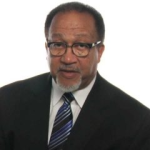

Virginia’s Next Governor Should Work to Eradicate Pharmacy Deserts
In 2023, there were 1.6 million Black residents in Virginia, and Black voters made up 19% of the voting age population. With less than 60 days remaining both Lt. Governor Winsome Sears and Congresswoman Abigail Spanberger have a unique opportunity to galvanize this voting base. The first candidate to address the issue of lowering drug costs for Virginia’s minority underserved communities will have tapped into an urgent Civil rights issue of 2025 and motivated a block of voters.
The rich and powerful can only provide money for a campaign, but voters determine elections. Nevertheless, they will try so I am not surprised by the Pharmaceutical Industry’s campaign contributions and lobbying efforts in Virginia.
Pharmaceutical manufacturers and their backers spent more than $400,000 in support of Virgina politicians 2024 for pro-pharma legislation. This tiny drop in their estimated $1.7 trillion revenue bucket can have a huge effect on Virginia’s minorities.
Take the pro-pharma bill SB 875, which became law just this year. It forces any PBMs (pharmacy Benefit Manager) like CVS, or Express Scripts contracted with the State of Virginia to make their pricing more transparent.
This may seem noble on the surface, but PBMs exist to negotiate lower drug prices through health insurance plans, Medicare, and other health programs. By passing SB 875 into law, they took away PBMs’ leverage against Big Pharma companies during price negotiations. In other words, Virginia’s lawmakers legally forced the poker hand of any PBM who wants to do business with the state. It also opens up PBMs for more attacks – and more anti-PBM legislation in Virginia – down the road.
So why is this law so racially ominous? Without PBMs, pharmaceutical companies have all the pricing leverage they need to increase drug costs by 40% to 50%. Virginia’s communities of color, who often stand on the lower end of the pay scale, will be affected the most.
Worse, SB 875 could contribute to higher disease and mortality rates among minorities if drug prices are raised. The average adherence rates of Blacks and Hispanics to their drug regimens are 4.8% to 6.5% lower than whites. That’s roughly 20-25 fewer days of medication use per year, which can lead to poorer health outcomes. Rising prices will increase these rates, leading to much worse health outcomes.
Communities of color already face much higher rates of chronic illness. Black Americans are 30% more likely than white Americans to die from heart disease. Hispanic and Latino adults are 70% more likely to be diagnosed with diabetes than non-Hispanic whites. Minorities also face much higher rates of stroke, high blood pressure, obesity, kidney disease, asthma, and other health issues. If Big Pharma gets to raise its prices even higher, more of Virginia’s minorities will die.
PBMs are also vital for our dramatically changing pharmacy landscape. Thousands of pharmacies are closing across America, forming what public health policy experts call “pharmacy deserts.”
Between 2016 and 2024, Virginia lost about 6% of its pharmacies, with 50 of those pharmacies closing in 2024 alone. A 2025 study from Virigina Commonwealth University identified 44 pharmacy deserts where gaps in pharmacy services need plugging. Many of them are urban centers with higher minority populations.
PBMs are helping to close these gaps through mail-order drug deliveries by bringing much needed and affordable access to pharmaceuticals in these pharmacy deserts, where Black and Hispanic communities are disproportionately affected. But if Big Pharma had its way,
We must encourage big PHRAMA to put people over profits. They’re spending $400,000 of their roughly $1.7 trillion in revenue and massive profits to influence politicians and eradicate PBMs, who are helping minorities by bringing down the exorbitant drug prices that pharmaceutical manufacturers set and making drugs more accessible.
Weakening PBMs and giving pricing power to Big Pharma would only make the problem worse. Americans already pay nearly 300% more for drugs than citizens of other countries thanks to Big Pharma’s pricing strategies.
Can communities of color really trust Big Pharma to set drug without some line of defense to keep our drug prices low? No, we can’t, and PBMs are the solution.
If Virginia’s Gubernatorial candidates and legislators view Health Care as an urgent Civil Rights issue, then you will have a winning platform at the voting box in November.
Reverend Dr. Benjamin F. Chavis, Jr is President and CEO of the National Newspaper Publishers Association (NNPA) and Executive Producer/Host of The Chavis Chronicles on PBS TV nationwide, and can be reached at [email protected]




Benjamin F. Chavis Jr.
Leadership Matters: Congressman Troy Carter & Microsoft’s Fred Humphries | Two Exclusive Interviews


In this special episode of Leadership Matters, host Dr. Benjamin F. Chavis Jr. presents two powerful, in-depth interviews with leaders making an impact across public service and the technology sector: Congressman Troy Carter and Fred Humphries, Corporate Vice President at Microsoft.
🔹 Segment 1: Congressman Troy Carter
Dr. Chavis sits down with Congressman Carter to discuss leadership in Congress, advancing economic opportunity, and addressing key issues affecting communities nationwide. Carter shares insights on public service, advocacy, and creating meaningful change through policy and civic engagement.
🔹 Segment 2: Fred Humphries, Microsoft
In a separate conversation, Fred Humphries provides a global business perspective on leadership within the technology industry. He discusses innovation, digital equity, and Microsoft’s role in expanding access to technology, workforce development, and economic inclusion in underserved communities.
Together, these two conversations explore:
Leadership across government and the technology sector
Expanding economic opportunity and digital inclusion
The role of innovation in shaping the future
Building pathways for workforce development and growth
Strengthening communities through collaboration and purpose-driven leadership
Leadership Matters is a dynamic video series that highlights visionary leaders working to create a more just, equitable, and prosperous future.
👉 Don’t forget to like, comment, and subscribe for more inspiring conversations with today’s leading voices.
#LeadershipMatters #BenjaminChavis #TroyCarter #FredHumphries #Microsoft #BlackLeadership #PublicPolicy #TechLeadership #DigitalEquity #EconomicOpportunity #Innovation #Leadership
Benjamin F. Chavis Jr.
Leadership Matters: Rep. James E. Clyburn & AmeriHealth’s Rhonda Mims | Two Exclusive Interviews
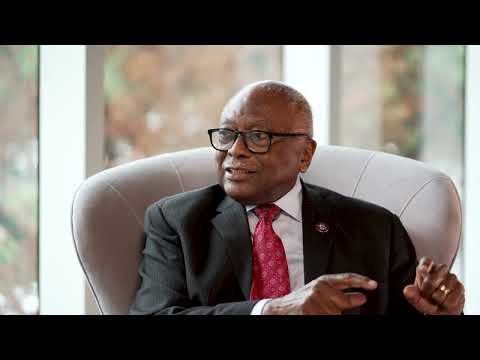
In this impactful episode of Leadership Matters, host Dr. Benjamin F. Chavis Jr. presents two in-depth interviews with leaders shaping the future of public policy and healthcare: U.S. Representative James E. Clyburn of South Carolina and Rhonda Mims, Executive Vice President at AmeriHealth Caritas.
🔹 Segment 1: Rep. James E. Clyburn (South Carolina)
Dr. Chavis engages Congressman Clyburn in a powerful discussion on leadership in Congress, the ongoing fight for civil rights, and advancing equity through public policy. As one of the most influential voices in American politics, Clyburn shares insights on governance, social justice, and the importance of sustained civic engagement.
🔹 Segment 2: Rhonda Mims, AmeriHealth Caritas
In a separate interview, Rhonda Mims offers a compelling perspective on leadership in the healthcare sector. She discusses innovation, public affairs, and the importance of expanding access to quality care while addressing health disparities across underserved communities.
Together, these two conversations explore:
Leadership across government and healthcare sectors
Advancing equity through policy and innovation
The importance of access, inclusion, and community impact
The future of healthcare and public service leadership
Building stronger, healthier communities through collaboration
Leadership Matters is a dynamic video series dedicated to highlighting visionary leaders who are driving meaningful change across industries and communities.
👉 Don’t forget to like, comment, and subscribe for more inspiring conversations with today’s most impactful leaders.
#LeadershipMatters #BenjaminChavis #JamesClyburn #RhondaMims #AmeriHealth #HealthcareLeadership #PublicPolicy #BlackLeadership #HealthEquity #CivilRights #CommunityImpact #leadershipinspiration
Benjamin F. Chavis Jr.
Leadership Matters: Gov. Wes Moore on Service, Leadership & Economic Opportunity

In this inspiring episode of Leadership Matters, host Dr. Benjamin F. Chavis Jr. sits down with Maryland Governor Wes Moore, a visionary leader dedicated to expanding opportunity, advancing equity, and strengthening communities across the state.
Governor Moore shares insights from his journey of leadership—from military service and business to public office—and reflects on the responsibility of leadership in addressing today’s most pressing challenges. The conversation highlights his commitment to economic development, education, workforce opportunity, and creating pathways for success for all residents.
In this engaging discussion, Governor Moore addresses:
Leadership rooted in service, accountability, and purpose
Expanding economic opportunity and workforce development
Advancing equity in education and public policy
The importance of civic engagement and community leadership
Building a stronger, more inclusive future for Maryland and beyond
Leadership Matters is a powerful video series that showcases influential leaders who are shaping the future through vision, innovation, and a commitment to justice and progress.
👉 Don’t forget to like, comment, and subscribe for more conversations with today’s most impactful leaders.
#LeadershipMatters #BenjaminChavis #WesMoore #GovernorMoore #Maryland #Leadership #PublicPolicy #EconomicOpportunity #BlackLeadership #CommunityImpact #WorkforceDevelopment #Equity
Benjamin F. Chavis Jr.
Leadership Matters: Rep. Gabe Amo & Dr. Yasmine Wahdan on Policy, Innovation & Global Health

In this compelling episode of Leadership Matters, host Dr. Benjamin F. Chavis Jr. features two in-depth interviews with leaders shaping the future of public policy and global healthcare: U.S. Representative Gabe Amo of Rhode Island and Dr. Yasmine Wahdan of Bayer, a global pharmaceutical company.
🔹 Segment 1: Rep. Gabe Amo (Rhode Island)
Dr. Chavis speaks with Congressman Amo about his leadership in Washington, his commitment to public service, and his work advancing policies that promote economic opportunity, equity, and community development. Amo shares his perspective on civic engagement, representation, and the evolving role of government in addressing today’s challenges.
🔹 Segment 2: Dr. Yasmine Wahdan, Bayer
In a separate interview, Dr. Wahdan offers a global perspective on leadership in the pharmaceutical industry, discussing innovation, healthcare access, and the role of scientific advancement in improving lives worldwide. She highlights the importance of collaboration, research, and equitable access to healthcare solutions.
Together, these two conversations explore:
Leadership in government and global healthcare
Advancing equity through policy and innovation
The future of public health and medical advancement
Building inclusive opportunities across sectors
The power of leadership to create lasting impact
Leadership Matters is a dynamic series showcasing visionary leaders who are driving change across industries and communities worldwide.
👉 Be sure to like, comment, and subscribe for more inspiring conversations with today’s most impactful leaders.
#LeadershipMatters #BenjaminChavis #GabeAmo #YasmineWahdan #Bayer #PublicPolicy #HealthcareInnovation #GlobalHealth #BlackLeadership #PharmaceuticalIndustry #EconomicEquity #Leadership
#BuyBlack
NNPA Fund Hosts Black Press Day 2026 At Howard University, Celebrating the Past and Looking Ahead to the Future
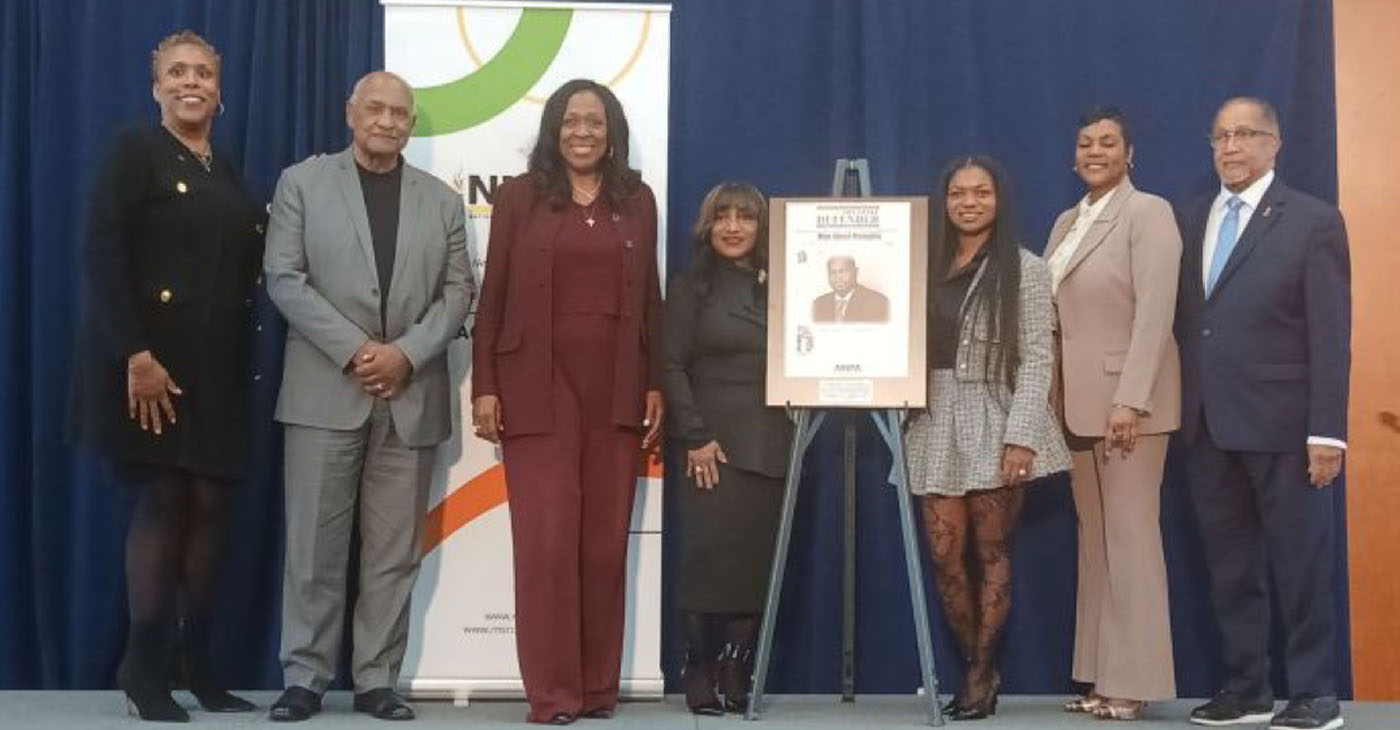
THE AFRO — As in years past, the most sacred part of the reception was the enshrinement presentation and plaque acceptance led by Karen Carter Richards, NNPA Fund chair, which celebrated the life of Bernal E. Smith II, who, prior to his death in 2017 at the age of 45, had been instrumental in restoring local ownership of The New Tri-State Defender in Memphis, Tenn., as its president and publisher.
By D. Kevin McNeir | Special to The AFRO
Nearly 100 members of the Black Press – some still honing their skills as journalists in college classrooms along with seasoned veterans representing Black publications from across the U.S.; and both friends of and corporate sponsors of the Black Press, gathered on the campus of Howard University (HU) on March, 18 for this year’s Black Press Week Reception.
The program, hosted by the National Newspaper Publishers Association (NNPA) Fund, now in its 50th year and led by Executive Director Kelly Hodges, was held in the HU Blackburn Center. Highlights from the reception included a State of the Black Press address delivered by NNPA President and CEO Dr. Benjamin Chavis Jr., musical selections from the Howard University Community Choir, an AI-themed fireside chat, and remarks from various speakers who updated the audience on recent initiatives related to the survival and growth of the Black Press.
As in years past, the most sacred part of the reception was the enshrinement presentation and plaque acceptance led by Karen Carter Richards, NNPA Fund chair, which celebrated the life of Bernal E. Smith II, who, prior to his death in 2017 at the age of 45, had been instrumental in restoring local ownership of The New Tri-State Defender in Memphis, Tenn., as its president and publisher.
Hodges described Smith as a visionary, a dynamic leader, and one of the NNPA’s most widely regarded voices representing the next generation of Black Press publishers.
“He was known for his commitment to community empowerment, social justice, and innovative media leadership,” Hodges said. “We chose to enshrine him into the NNPA Fund of Distinguished Black Publishers this year at Howard University where he will forever be recognized for his lasting contributions to African American journalism and the legacy of the Black Press.”
The Black Press Week 2026 reception opened with a welcome address from Karen Carter Richards, NNPA Fund chair and publisher of the Houston Forward Times, who invited the audience to join her in “celebrating the excellent legacy of those who have powered the Black Press over the past 199 years.”
John Warren, NNPA Fund board member, publisher of The San Diego Voice & Viewpoint and chair of the NNPA, delivered opening remarks that emphasized his decades-long connection and commitment to Howard University.
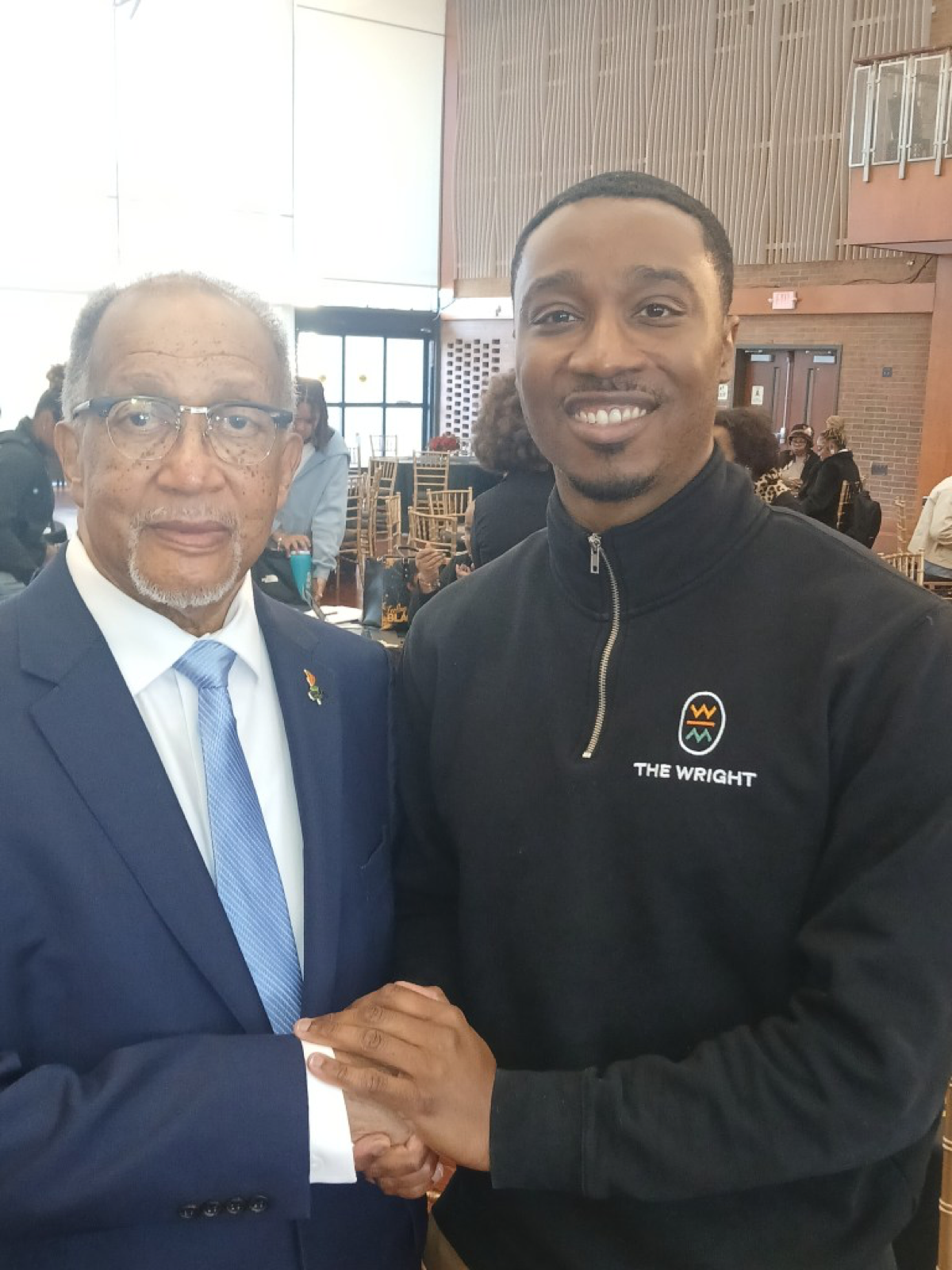
During Black Press Day 2026, held on the campus of Howard University on March 18, one recurring theme shared by featured speakers was the importance of providing more opportunities for intergenerational conversations among members of the Black Press. Pictured is Dr. Benjamin F. Chavis Jr., president and CEO, NNPA, an icon from the Civil Rights Movement, and Phil Lewis, Washington Association of Black Journalists, president, who moderated a fireside chat about the essential integration of AI in Black Press newsrooms during the program and who represents the cadre of young Black journalists who are making their way in the industry. Credit: AFRO Photo/D. Kevin McNeir.
“I’m a two-time graduate and of Howard who completed law school 42 years ago and I am excited to be back on this campus,” Warren said. “We have weathered some tough times but always survived because of powerful presidents who shepherded us through the storms. Howard University represents a vast and impressive history – stories that without the Black Press may have never been documented and would have been lost to future generations.”
Chavis, who chose as the theme for his address, “Legacy, Struggle, Innovation, and the Road Ahead,” said while the nation prepares to celebrate its 250th anniversary, Blacks must remember that our history did not begin in 1776 but rather thousands of years earlier on the African continent.
“Even in the face of unprecedented inhumanity, torture, rape, violence, lynchings, and the racist discrimination and enslavement of African people in America before and after 1776, we not only survived but held on to our sense of dignity, purpose, struggle, mission, and vision,” Chavis said. “Now, as we prepare for the 200th anniversary of the Black Press, we must consider what truths are we passing on to the next generation?
“What truths are we holding onto that shatter the sinful and hateful stereotypes that work to sustain our oppression rather than to ensure our liberation? We represent a sacred tradition of truth telling as members of the Black Press. However, it has never just been about the news – it has always been about freedom, justice, dignity, and self-determination,” said Chavis who added that the Black Press must continue to serve as a prophetic voice in the wilderness of American democracy as it challenges various forms of injustice.
As the Black Press continues its commitment to digitizing photographs and publications dating back to its founding in the early 19th century, Howard University serves as the home for archives that continue to grow and are housed on Howard’s campus under the auspices of the Moorland Spingarn Research Center (MSRC). Reports from two representatives of the NNPA’s ongoing digitization efforts, Brandon Nightingale, senior project manager, and Sijan Shrestha, MSRC scholar, provided critical information about the NNPA’s efforts to ensure that its past works remain available for future generations.
Chavis challenged his colleagues to ready themselves for the digital transformation which is sweeping across America and the world and to recognize that the shift from print to digital publishing is far from optional but is instead essential for those who wish to survive.
“This moment demands strategic resilience, intergenerational leadership to secure the future, and the ability to move forward as innovators who understand the benefits of emerging technologies like artificial intelligence and who are not afraid of the changes that it will inevitably bring to our industry,” he said. “But changes notwithstanding, our mission remains urgent and that cause first voiced in 1827 by the publishers of Freedom’s Journal which journeyed throughout two centuries of struggle and triumph, is still before us.
“The role of the Black Press is more vital today than ever before,” he continued. “As we honor the legacy of those like Frederick Douglass and Ida B. Wells, we must accept as our task the preparation of a new generation who will be called upon to carry the torch.”
Benjamin F. Chavis Jr.
OP-ED: Black America’s 2026 Urban Challenges: Mayor Mamdani Case Study
NNPA NEWSWIRE — We are the Black Press of America. For the past 199 years, since the first publication of Freedom’s Journal in New York City in 1827, we have had to call out those who pretended to be our political allies. Accountability from those we help to elect is A fair and just demand.


By Dr. Benjamin F. Chavis Jr.
Today, across the United States of America, in some of the largest urban cities, Black Americans are having renewed nightmares about being taken for granted, ignored, and being erased in history and in the public square.
Ethnic cleansing is an insidious form of systematic racism. In response to the increasing “Browning of America,” concerns are raised about the unfulfillment of prior commitments intended to ensure racial equality in municipal politics, economics, and urban revitalization.
New York City is the nation’s largest city. The presence and contributions of African Americans to the city’s centuries-long development and evolution are rarely highlighted or saluted. The election of Zohran Mamdani would not have been possible without the huge turnout of African American and Latino voters. Yet the interests of Black America in the nation’s largest metropolis appear to be triaged routinely by the Mamdani Administration.
We are the Black Press of America. For the past 199 years, since the first publication of Freedom’s Journal in New York City in 1827, we have had to call out those who pretended to be our political allies. Accountability by those we help to elect is a fair and just demand.
Voters of color – both Black and Latino New Yorkers – backed Andrew Cuomo heavily in the primary, but then ultimately decided to give Zohran Mamdani a chance: overcoming their skepticism on housing, transit, and public safety, and reportedly moved by his affordability agenda.
This trust, on the part of Black voters in particular, may have been misplaced. Why? Several troubling early signs that the new mayor is disregarding New Yorkers of color and treating them like Ralph Ellison’s iconic Invisible Man.
Thus far Mayor Mamdani has appointed no Black deputy mayors. This is a glaring signal to Black voters who voted for Mamdani on the promise of racial equity in the city’s administration. Does Mamdani value our insights, lived experiences, or our voices in crafting critical policies in City Hall?
Mamdani was forced to apologize to Black New Yorkers for overlooking the historical contributions of enslaved and indigenous people to building the city when he talked about a city “built by immigrants” in his inauguration speech.
The Mamdani administration is holding a series of “Rental Ripoff” hearings, spearheaded by Cea Weaver, the director of his Office to Protect Tenants, who called homeownership a form of white supremacy. The mayor is reaching out to help private landlords rather than prioritizing fixing public housing (NYCHA), which has a dismal track record of poor conditions (no heat, year-plus waits for repairs, rampant pests and mold).
90 percent of the more than 511,000 NYCHA residents are Black and Latino, which is part of a larger trend in which 95 percent of Black households in New York State live in highly segregated buildings and/or neighborhoods. NYCHA is the largest landlord in NYC, so the Mamdani administration telling residents to wait even longer for a solution to their long-standing sub-standard living conditions has to be challenged.
The unfolding case study of Mayor Mamdani in New York City reveals that we must keep voting, with record voter turnout. But after the elections, we must hold mayors and other elected officials accountable. Mamdani still has time to ensure greater equity in NYC. But will he do the right thing at the right time?
Rev. Dr. Benjamin F. Chavis, Jr. is President and CEO of the National Newspaper Publishers Association (NNPA) and can be reached at [email protected]


Tamra Nicole redefines dress for successDefender Network

What’s On Your News Feed? How to Spot Election Misinformation

Yolanda Green Barnes – You’re Not Starting Over

Serve First: B3’s Founding Principle for Success #shorts

Rakim at City Winery STL

Minneapolis Community Demands Better: A Call to Action #shorts

Terresa Hardaway-Blackbird Revolt, Black Garnet Books-Putting Black Liberation Into Daily Practice

Terresa Hardaway on Blackbird Revolt, Black Garnet Books and Design Justice | On The Radar | MSR

Can You See Clearly in Bright Sunlight? Check These 2 Reflections #shorts

Master Your State: 5 Keys to Well-being #shorts

OP-ED: Haiti TPS: Have We Lost Sense of Humanity?

Remembering Chauncey Bailey as Student Journalists Face Threats to Truth-Telling

All Skinfolk Ain’t Kinfolk

Rulings Leave Questions Lingering in Nolan Wells Case

Poll: Becerra Widens His Lead Over Hilton; Californians Split on Wealth Tax

Latinas Deserve Equal Pay. Unions Help Make It Happen.

Zakiya Jendayi Arrested, Locked Out of Home by Sheriff’s Deputies

COMMENTARY: The Audacity of Joyce Beatty

Why Black Artists Struggle to Sell Tours

A $2.1 Trillion Wellness Industry Never Built a Daily Practice for Black Children. So This Atlanta Family Did.
Tamra Nicole redefines dress for successDefender Network
What’s On Your News Feed? How to Spot Election Misinformation
Yolanda Green Barnes – You’re Not Starting Over
Serve First: B3’s Founding Principle for Success #shorts
Rakim at City Winery STL
Minneapolis Community Demands Better: A Call to Action #shorts
Terresa Hardaway-Blackbird Revolt, Black Garnet Books-Putting Black Liberation Into Daily Practice
Terresa Hardaway on Blackbird Revolt, Black Garnet Books and Design Justice | On The Radar | MSR
Can You See Clearly in Bright Sunlight? Check These 2 Reflections #shorts
Master Your State: 5 Keys to Well-being #shorts
-

 Black Press1 week ago
Oakland Awarded More than $14 Million in State Funding
-

 Black Press1 week ago
Jendayi Arrest Raises Community Concerns Regarding Sheriff’s Chain of Command
-

 African American News and Issues1 week ago
Black History: Gladys West Mathematics Helped Make GPS Possible
-

 Black History5 days ago
OP-ED: The Black Church Writes AI’s Next Chapter
-

 Featured3 days ago
Tamiko Armstead | 2026 Lifetime Achiever in Education
-
 Black Press1 week ago
Democrats, Community Groups Back Measure EE to Change How Oakland Is Governed
