
Entertainment
CBS Shifts Schedule to Boost Ratings for ‘Extant’


Halle Berry as Molly Woods in the new CBS series “Extant.” (Dale Robinette/CBS)
DAVID BAUDER, AP Television Writer
NEW YORK (AP) — “Extant” is getting a kick-start from CBS to try to improve its ratings less than a month into its run.
Starting Wednesday, CBS is moving the drama starring Halle Berry back an hour, to 10 p.m. EDT, so that it follows “Criminal Minds.” The hope is that the long-running procedural will provide a more compatible lead-in than “Big Brother,” which airs at 8 p.m.
“Extant” had just under 6.5 million viewers last Wednesday, the Nielsen Co. said. That was enough to make Nielsen’s top 10 for the week, and CBS says “Extant” picks up significant time-shifted viewership. But it’s not the big splash that TV’s most popular network was expecting for its highest-profile new drama of the summer, which was beaten last week by reruns of two “NCIS” dramas.
Struggling Fox must shudder to think where it would be this summer without Gordon Ramsey. The season debut of “Hotel Hell,” in which the cranky chef takes on the hospitality industry, was behind only “Master Chef” and “Hell’s Kitchen” as the network’s most popular show last week.
CBS won the week with an average of 5.4 million viewers. Led by two airings of “America’s Got Talent,” easily the week’s most popular program, NBC averaged 5.2 million viewers. ABC had 3.9 million, Univision had 3.2 million, Fox had 2.8 million, Telemundo had 1.3 million and ION Television had 1.2 million.
TNT was the week’s most popular cable network, averaging 2.24 million viewers in prime time. USA had 2.15 million, the Disney Channel had 2.08 million, Fox News Channel had 1.78 million and History had 1.62 million.
NBC’s “Nightly News” topped the evening newscasts with an average of 7.8 million viewers. ABC’s “World News” was second with 7.4 million, and the “CBS Evening News” had 6 million viewers.
For the week of July 21-27, the top 10 shows, their networks and viewerships: “America’s Got Talent” (Tuesday), NBC, 10.43 million; “America’s Got Talent” (Wednesday), NBC, 10.32 million; “NCIS,” CBS, 8.7 million; “60 Minutes,” CBS, 7.66 million; “The Big Bang Theory,” CBS, 7.13 million; “The Bachelorette,” ABC, 7.09 million; “Under the Dome,” CBS, 6.74 million; “Big Brother (Wednesday), CBS, 6.63 million; “NCIS: Los Angeles,” CBS, 6.56 million; “Extant,” CBS, 6.483 million.
___
ABC is owned by The Walt Disney Co. CBS is owned by CBS Corp. CW is a joint venture of Warner Bros. Entertainment and CBS Corp. Fox is owned by 21st Century Fox. NBC and Telemundo are owned by Comcast Corp. ION Television is owned by ION Media Networks.
___
Online:
https://www.nielsen.com
Copyright 2014 The Associated Press. All rights reserved. This material may not be published, broadcast, rewritten or redistributed.


Black History
Learn Black History and Win Your Next Game Night
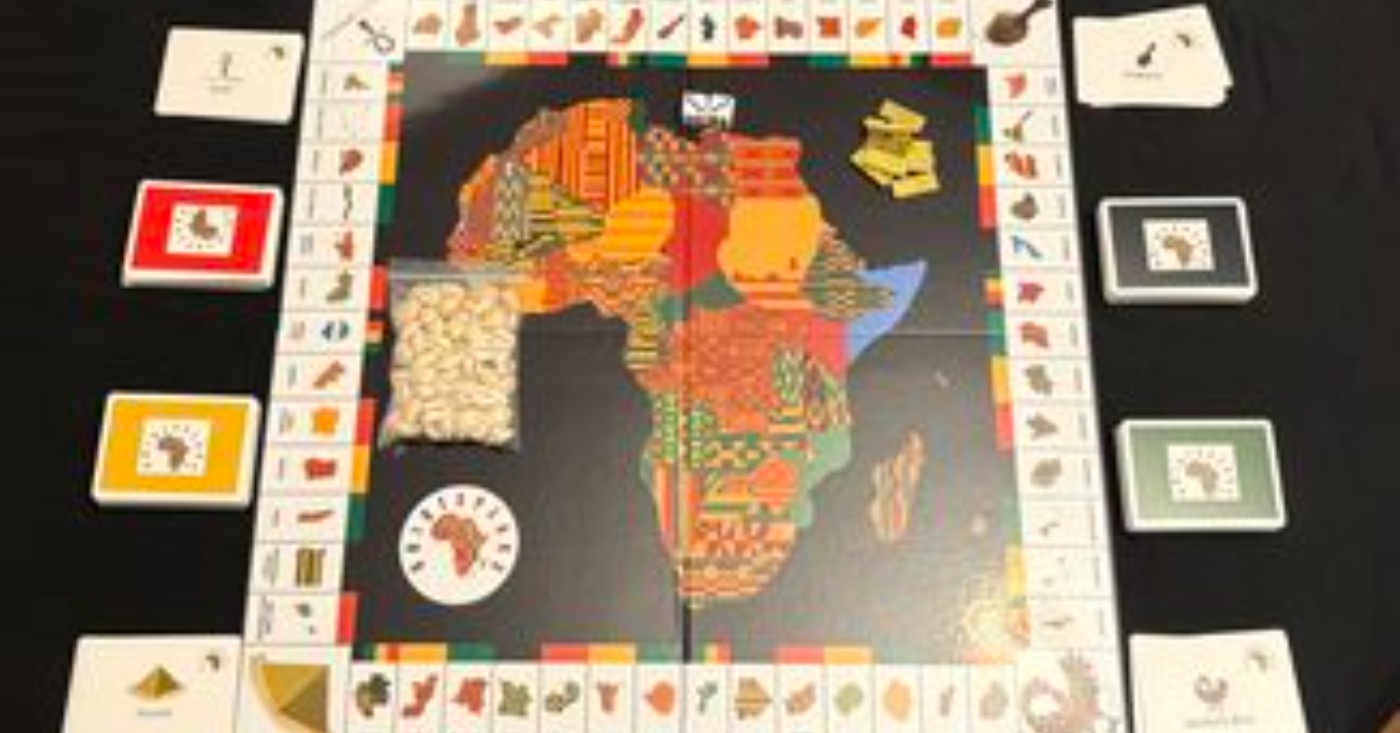
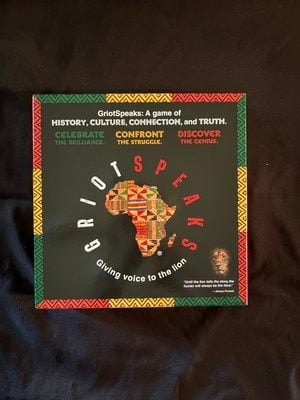
INDIANAPOLIS RECORDER — Dr. Maxine Bryant, a culture keeper and professor, is combatting book bans and historical inaccuracies through the launch of GriotSpeaks: The Game. The new board game is designed to celebrate the African diaspora by incorporating elements of geography, literature, music, and the Gullah Geechee culture.
Maxine Bryant, Ph.D., creator and founder GriotSpeaks, is sharing the history of the African diaspora through her new board game.
Bryant often quotes the African proverb: “Until the lion tells the story, the hunter will always be the hero.” She said for the hunter has been telling the story of the African diaspora for “far too long.”
The game is based in African culture. The spaces on the board feature the countries of the African diaspora and it uses gold bars and cowrie shells as currency while special game spaces showcase symbols such as the Sankofa bird, a pyramid and an Ankh.
Bryant, a culture keeper and educator, created the game to add a bit of fun to her ongoing mission of dispelling myths and sharing accurate history. She used the history lessons she taught over the years as the foundation for the game’s trivia questions. Bryant said she is even more motivated to correct the inaccurate narratives due to recent book bans and efforts to minimize or omit the contributions of Black people.
“We can’t tell our story if we don’t know our story,” Bryant said.
History buffs may start the game with a slight advantage, but even players with limited knowledge have a chance to win with some strategic play. During one game demonstration, she said, an 11-year-old beat her with the clever use of one of the game’s wild cards.
Bryant’s goal is for people to learn new information while having a good time with one another. She sat down with the Recorder to share her inspiration for the game and how she hopes it will influence the culture.
This interview has been edited for length and clarity.
What was the inspiration for creating a game?
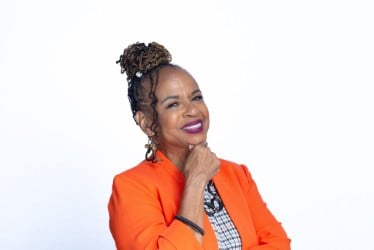
Maxine Bryant: In all honesty, God gave me the vision for the game.
I put that board game together the way God showed me in in this vision, if you will, it was to be educational, informative, and entertaining. And so, I knew I wanted it to encompass all of the diaspora and with the educational part of it. Since I am a professor, it needed to encompass the critical areas of our history.
So, it’s geography; it’s the resistance, the protest — all of that. It’s … literature, music, the Gullah Geechee culture, storytelling, the whole gamut, and then Black people.
What are some of the things people are surprised to finally learn while playing the game?
Bryant: The genius of Black people.
Many people know Madam C.J. Walker, although I’m finding out that not everybody does. But one of the questions (asks about) who invented the hot comb? Everybody thinks Madam C.J. Walker, but no, that was not her thing. Her thing was hair care and strengthening hair. It was a man (Walter H. Sammons) who created the hot comb. So, people are amazed at what they’re learning.
How do you hope that this new knowledge helps people see the world?
Bryant: So, what I hope people learn is our true history, the history of our struggle, and our resistance, the history of our greatness, and information about our culture. That positions us then to be able to stand tall in knowledge of self.
One of the things I wholeheartedly believe in is that little Black boys and little Black girls who grow up with the message that you are nothing because you are Black … it’s easy for me to take you out. But if I look at you and I know that you’re great and I’m great, I may just have a different kind of level of respect for you.
I think that having a sense of self can impact how I look at myself and how I look at people who look like me.
Is there anything else you want to share?
Bryant: In my mind, this game is a must-have. It is so unique. Now, within the culture, we have trivia games and usually they’re trivia about sports or about entertainment and some about history, right? And usually, it pertains to people in the United States or events in the United States, culture in the United States.
This game contains movement around a physical board like Monopoly, but it also encompasses the entire African diaspora so it’s not just the United States. People who played this game tell me … they’ve never seen anything like it.
GriotSpeaks: The Game is best suited for players 17 and older. The game is available for purchase through Amazon or at the GriotSpeaks website.
Contact Editor-in-Chief Camike Jones at 317-762-7850.
The post Learn Black history and win your next game night appeared first on Indianapolis Recorder.
Based on reporting by Indianapolis Recorder.
Black Press
21st Annual Taste of Soul: California’s Largest Black Street Festival Comes Alive With Culture, Music and Connections
The 21st annual Taste of Soul Family Festival drew over 300,000 attendees to South Los Angeles for a massive celebration of Black culture, food, and music. Spanning the Crenshaw Boulevard corridor, the free event featured roughly 350 vendors, offering everything from Southern cuisine to professional health services and job recruitment opportunities. While headlining musical acts performed across three stages, the festival also served as a vital platform for small business entrepreneurs to reach a vast audience. Organizers are now addressing reports regarding several incidents that occurred during the festivities. Read more.

The 21st annual Taste of Soul Family Festival brought hundreds of thousands to Crenshaw Boulevard in South Los Angeles on Oct. 17 for food, music and a celebration of Black culture. Visitors could shop with small businesses, enjoy live music performances, speak with health professionals and learn about job opportunities.
Presented by Bakewell Media and the Los Angeles Sentinel, the free festival stretched along the corridor from Stocker Street to Obama Boulevard. The Sentinel estimated attendance at more than 300,000. The day also marked founder Danny J. Bakewell Sr.’s 80th birthday.
“We call it a party with a purpose,” Pam Bakewell, the founder’s sister and a longtime festival organizer, told California Black Media (CBM).
The enticing aromas of barbecue, fried chicken and catfish filled the air as food vendors served up a tempting array of Southern favorites, including cobbler and other desserts. Vendors also offered clothing, jewelry, books and beauty products. About 350 vendors and sponsors participated, including approximately 80 food vendors, Bakewell said. Businesses came from across Southern California and as far away as Chicago and Atlanta.
“In one day, an entrepreneur has the opportunity to showcase their business to hundreds of thousands of people,” Danny J. Bakewell Jr., president of the Sentinel.
Chase offered vendors training in marketing and financial management, followed by a reception.
Experienced vendors also helped newcomers. Pam Bakewell cited Cobbler King, a longtime participant who shares lessons from his early festivals about preparing for crowds and building a business.
“We want everybody to be successful,” she said. “We can’t guarantee that, but we give you the crowd.”
Kaiser Permanente served as the festival’s main medical provider. St. John’s Community Health sponsored Children’s World, where children played games while families received preventive care and information about follow-up services.
St. John’s provided flu shots, fluoride treatments for children and clinic sign-ups for physical examinations. It also reported distributing more than 10,400 bags of diapers.
CBM hosted a booth as part of its California Black Health Journalism Project, a yearlong, solutions-oriented reporting initiative to advance health equity for Black Californians.
Dr. Deidra Beckles, who practices family and internal medicine, and Adriana Westby-Trent, Ph.D., a licensed clinical psychologist, held “Ask the Doc” conversations. Both are with Divinely Restored Health & Wellness. The booth drew steady traffic as they answered attendees’ health questions. Visitors received a “Your Wellness Matters” T-shirt.
The Sentinel promoted a developing jobs platform, inviting attendees to post resumes and connect with employers. Bakewell said about 350 people signed up along the boulevard.
Three stages offered music for different generations. The Bakewell Media Sounds of the Soul Stage featured Thelma Houston, Switch and headliner Midnight Star. Tony Cornelius, son of “Soul Train” creator Don Cornelius, introduced Midnight Star and appeared with eight veteran dancers from the television show.
The Radio Free KJLH Music Stage featured Lucky Daye, Alex Isley, Allen Stone and Terisa Griffin. On the Brenda Marsh-Mitchell Gospel Stage, MAJOR. served as host and performer. The lineup included Deitrick Haddon, local choirs and a youth performing arts ensemble.
During the festivities, ABC7 reported two stabbings and an hours long Los Angeles Police Department citywide tactical alert.
Pam Bakewell said police told organizers the incidents occurred outside the festival boundaries. She said organizers are reviewing safety measures with security personnel and police.
Black History
Retirement Triggers Doctor to Pen Book for Young Audience
THE CHAMPION NEWSPAPER — After more than 35 years as a pediatric surgeon, Dr. Deborah Burton has transitioned from the operating room to the world of young adult literature. Writing under the pen name MD Burton, the retired Marietta physician recently released her debut sci-fi fantasy mystery novel, Invisible Cages: The Alynthia Quest.
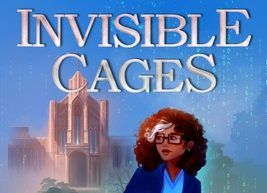
After more than 35 years as a pediatric surgeon, Deborah Burton retired but didn’t give up one of the most rewarding aspects of her career—connecting with young people.
Burton used writing and her imagination to create a young adult sci-fi fantasy mystery novel, Invisible Cages: The Alynthia Quest, under the pen name MD Burton. Her debut novel launched in early October, and Burton said she’s been delighted with the responses so far.
The novel follows Jade Babington who leads a team of resourceful friends as they join an elite organization to crack a spy network and embark on a high-tech adventure to find answers. Her quest is complicated by powers that surge through her body, and to be successful, she needs to understand her family roots, embrace her emerging talents, and step into her legacy, according to a press release.
Through the book, readers are introduced to a range of characters who work in STEM and healthcare careers which Burton hopes will inspire readers to consider pursuing careers in some of those areas.
Burton moved to Dunwoody in 1995 and ran a successful pediatric ear, nose, and throat practice in Marietta. She retired in 2021 but missed the educational moments she shared with her young patients.
“I talk to kids all the time,” said Burton, adding that she likes to share insight into the many career paths in healthcare. “I love to educate and empower.”
She said she worked on the book for five years, researching coding, microchips, and satellites.
“It was a learning journey,” she remarked.
The book explores themes of self-acceptance, girl empowerment through strong female characters, the importance of family, and STEM exposure, states the press release. Set on a fictional health complex, the novel introduces readers to healthcare careers, as well as engineering and computer science.
The author also had to delve into unique aspects of her main character.
“Jade has powers and sees auras,” she explained. “So I spent a good amount of time learning about auras, telepathy and magical realism.”
In addition, to providing insight to STEM and healthcare careers, Burton hopes the books help her teen female readers dealing with insecurities to better understand and appreciate what makes them unique and the power they possess. She also hopes it will build self-confidence.
“You have to accept who you are,” she said. “Whatever your differences are, everybody’s got them, embrace them.”
Burton said she originally planned the book to be a seven-part series but on the advice of her edit changed it to four parts.
“I know what my end goal is,” said Burton noting that she’s included Easter eggs in the first book to entice readers throughout the reading process and has a completed outline for the other books in the series. After completing an audiobook of Invisible Cages: The Alynthia Quest by the end of the year, Burton plans to start writing the next book in 2027.
On Nov. 15, a book signing is scheduled at the Politan Row food hall in Dunwoody.
The self-published book is available in eBook, paperback, and hardback formats, on Amazon, Barnes & Noble, and other online retailers.
3 total views
Based on reporting by The Champion Newspaper.
Black Press
Dallas Mavericks Unite Players, Legends and the Oak Cliff Community at 2026 Community Tip-Off
THE DALLAS WEEKLY — The Dallas Mavericks launched their 2026-27 season by bringing the annual Community Tip-Off directly to the residents of Southern Dallas. Held at Halperin Park in Oak Cliff, the free event attracted approximately 3,000 children and featured current stars alongside franchise legends.
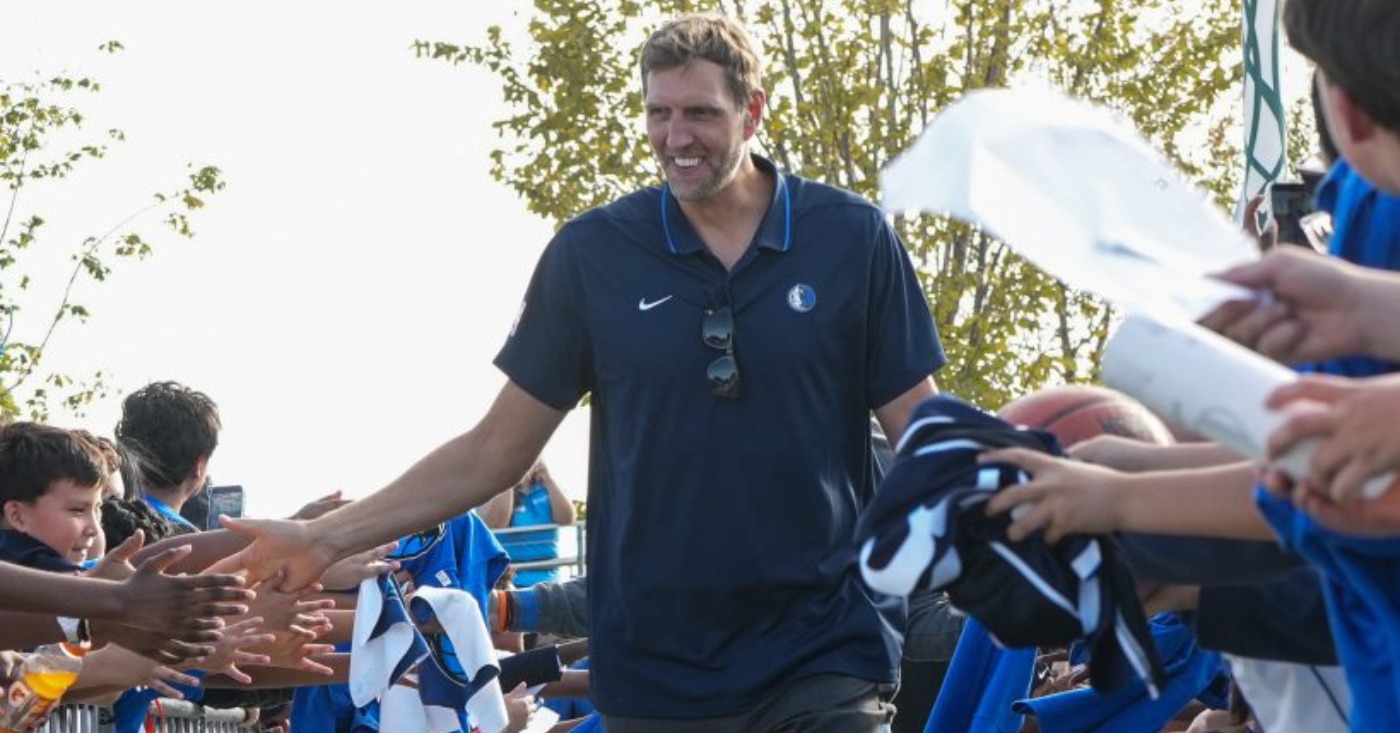
Dirk Nowitzki played 21 seasons for the Dallas Mavericks, becoming one of the most recognizable players in franchise history. However, some of the younger fans attending the team’s 2026 Community Tip-Off had a question for the Mavericks legend.
“I’m sure some of these kids didn’t know who I was because they asked,” Nowitzki said. “Some of them asked me, ‘Did you play for the Mavs?’ I think so, when your parents were around.”
It was one of many interactions that took place Monday afternoon as the Mavericks brought their 2026 Community Tip-Off directly to the people of Southern Dallas at Halperin Park in Oak Cliff.
Thousands of children had the opportunity to play basketball, enjoy festivities and spend time with their favorite Mavericks players and legends at the free community event, presented by Ticketmaster.

Mavericks president of business operations Ethan Casson spoke about the planning that went into bringing the celebration to Oak Cliff and the organization’s desire to create something different for the community.
“I think what we wanted to do for this season was really establish something that was about creating something more substantial, being very intentional with our efforts,” Casson said. “What if we showed up in a very grand way?”
That vision helped bring the Mavericks to Halperin Park, a bridge park constructed over Interstate 35E to reconnect Oak Cliff neighborhoods that had been separated by the highway for decades.
“We recognize what this park physically represents, which is connecting communities,” Casson said. “And when you’re able to visit, which we did with April and her team, the vision started to come to life.”
The park officially opened in May after years of planning, fundraising and community involvement. The Mavericks saw an opportunity to bring basketball and entertainment to a space created to strengthen relationships between neighborhoods.
April Allen, president and CEO of the Southern Gateway Public Green Foundation, appreciated the organization choosing Oak Cliff for its season-opening celebration.
“For the Mavs to come here to Oak Cliff, to spend the time, energy and resources that you see here is really a testament to their commitment to community,” Allen said. “We’re so grateful and honored that they chose us for this experience.”
The Mavs Foundation also presented a $50,000 grant to Halperin Park during the celebration, providing additional financial support for the community space.
Dallas City Manager Kimberly Bizor Tolbert attended the event and emphasized the importance of bringing celebrations and resources to Southern Dallas rather than leaving communities behind.
“We’ve got to continue to make sure that our community members are not left behind, and we’ve got to take things and be bold about going and being a part of community assets like Halperin Park,” Tolbert said.

(Roberto Hernandez/Dallas Mavericks)
The park represents an opportunity for neighborhoods to reconnect while creating a space where residents can gather and build relationships.
“I see that park as now a bridge that’s going to help us do that, even at a higher level,” Tolbert said.
Nowitzki also recognized the significance of the park and the investment that went into bringing the project to life.
“We all know what this park means to Dallas,” Nowitzki said. “Obviously, it’s been a project that’s been in the works for a long, long time.”
The Mavericks transformed Halperin Park into a gathering place filled with children playing basketball, visiting food vendors and interacting with players they had watched throughout the season.
Casson estimated approximately 3,000 children participated in the Community Tip-Off, including students from kindergarten through sixth-grade after-school programs.
Parents, teachers, local businesses and nonprofit organizations also attended, helping bring different parts of the Southern Dallas community together for the afternoon.
Approximately 200 Mavericks staff members helped organize the celebration, along with basketball operations personnel and corporate partners. Casson emphasized that bringing the entire organization together was an important part of making the event possible.
“When I say it was all hands on deck, it was all hands on deck,” Casson said. “It was really just one goal. How do we make it grand?”
Once the celebration began, the players had opportunities to interact with young fans and share messages about pursuing their dreams.
Mavericks forward Morez Johnson Jr. was among those who took the opportunity to encourage children to believe in themselves and work toward their goals.
“I think it means a lot, you know, to give these kids a lot to look up to,” Johnson said.
Johnson also reflected on messages shared with the children by his teammates, including P.J. Washington, Kyrie Irving and Cooper Flagg, about working hard and remaining focused on their dreams.
As one of the newer members of the Mavericks organization, Johnson appreciated the welcome he received and the chance to begin building relationships with the Dallas community.
“They welcomed me with open arms,” Johnson said. “I’m excited to get a chance to spend some time with these kids when I’m done with the interviews. I’m grateful to be here.”
For Casson, having players interact with children was one of the most meaningful parts of the celebration. He believes many athletes can relate to the experiences of young fans because of the coaches, teachers and mentors who helped shape their lives.
“To see your superheroes in person and know that those superheroes raised their hand and said they want to be here and be a part of it for this group is pretty special,” Casson said.
Nowitzki has experienced that relationship with Mavericks fans for more than two decades. Although some of the children were too young to remember his playing career, he appreciated the opportunity to connect with another generation.
“It’s cool to still get embraced by the city that I’ve played for for so long and now is my home,” Nowitzki said. “So definitely special. It means a lot.”
While the Community Tip-Off helped introduce the Mavericks to another generation of fans, the organization hopes to continue bringing similar celebrations to neighborhoods throughout Dallas.
Casson said the team plans to make the event an annual tradition, with future celebrations taking place in different communities.
“This is just the beginning,” Casson said. “This celebration we plan to bring to different communities, special communities throughout Dallas, year after year after year.”
The organization’s plans to visit other neighborhoods will not end its involvement in Southern Dallas. Casson emphasized that the Mavericks intend to continue supporting the community through additional programs, resources and investments.
Halperin Park was built to reconnect neighborhoods that had been separated for decades. On Monday, it also brought together generations of Mavericks fans, from those who watched Nowitzki throughout his career to children meeting him and the current team for the first time.
The Mavericks came to Oak Cliff to celebrate the beginning of the 2026-27 NBA season, but their goal extends beyond one afternoon of basketball and entertainment.
For Casson, the lasting impact of the celebration will depend on the organization’s willingness to continue showing up for the communities it serves.
“I think it’s important when you do any event, big or small, that it’s not a one-off,” Casson said. “This is about showing up again and again and again in different ways.”
The post Dallas Mavericks Unite Players, Legends and the Oak Cliff Community at 2026 Community Tip-Off appeared first on Dallas Weekly.
Based on reporting by The Dallas Weekly.
Art
Brooklyn Roots and Artistic Genius
THE POSITIVE COMMUNITY — Jean-Michel Basquiat emerged from Brooklyn to become one of the most influential artists of the late twentieth century. Born in 1960 to a Haitian father and a mother of Puerto Rican descent, his upbringing was defined by a rich blend of Caribbean cultural traditions and the linguistic diversity of New York City.
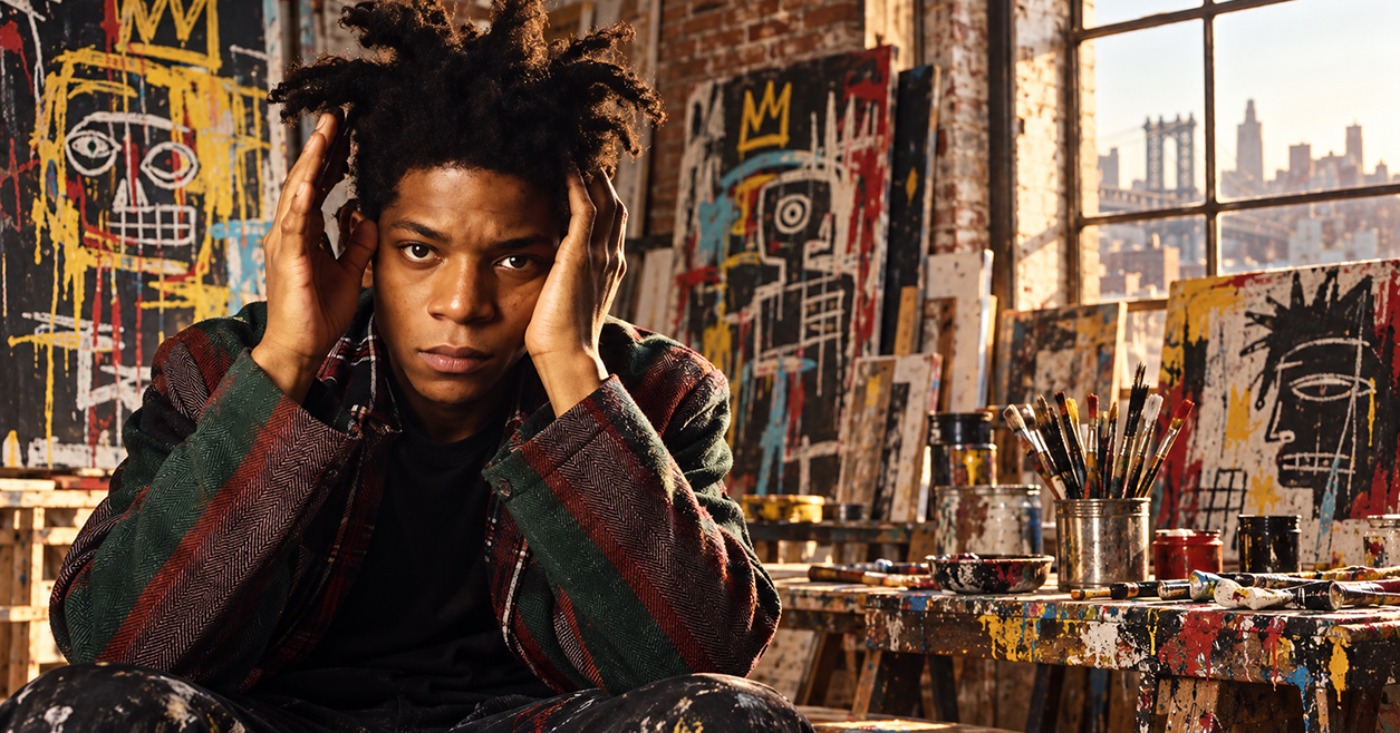
Jean-Michel Basquiat was one of the most influential artists to emerge from New York City during the late twentieth century. Born on December 22, 1960, in Brooklyn, New York, he transformed his experiences growing up in the city into a distinctive artistic language that combined painting, poetry, history, music, and social commentary. His work explored Black identity, racism, power, and the experiences of people whose stories had often been overlooked by mainstream institutions. Although his career lasted only a few years, Basquiat left a lasting mark on contemporary art.
Basquiat grew up in a family that exposed him to several cultural influences. His father, Gérard Basquiat, was born in Haiti, while his mother, Matilde Andrades, was born in New York to Puerto Rican parents. Through his parents, Jean-Michel was connected to Haitian, Puerto Rican, and broader Caribbean cultural traditions. Growing up in Brooklyn, he experienced the diversity of New York City, where different languages, communities, musical styles, and artistic expressions existed side by side. These influences would later become visible in his paintings, which frequently incorporated historical references, handwritten words, and symbols.
His mother played an important role in encouraging his early interest in art. Matilde recognized her son’s artistic ability and introduced him to museums, books, and cultural experiences. One important childhood event occurred when Basquiat was seven years old and was struck by a car while playing in the street. During his recovery, his mother gave him a copy of Gray’s Anatomy, a medical reference book that illustrated the human body in considerable detail. Its anatomical drawings influenced his lifelong interest in skeletons, skulls, and the internal structures of the human body. These images later became recurring features in his artwork.
Basquiat was one of four children born to Gérard and Matilde, although the family had experienced the loss of an older son before his birth. He had two younger sisters, Lisane and Jeanine, with whom he shared his early family life. His parents eventually separated, and his mother experienced periods of serious personal difficulties that affected the family. These circumstances formed part of a complicated childhood that included both encouragement and hardship. Although his family relationships were not always easy, his mother’s early support for his artistic interests remained an important influence on his development.
Basquiat’s upbringing was also shaped by language and cultural diversity. He grew up speaking English, French, and Spanish, reflecting the backgrounds of his parents and the environment in which he was raised. In 1974, his family moved to Puerto Rico for a period before returning to Brooklyn in 1976. These experiences exposed him to different cultural perspectives and helped establish the broad historical and cultural interests that later appeared in his work. His paintings often included words and references drawn from different languages, histories, and communities, creating a visual expression of his multicultural identity.
As a teenager, Basquiat became increasingly connected to Manhattan’s downtown art and music scenes. He eventually left home and supported himself through various activities, including selling handmade postcards and painted T-shirts. Along with his friend Al Diaz, he began creating cryptic graffiti under the name SAMO, short for “Same Old.” Their messages appeared on walls around Lower Manhattan and attracted attention for their wit, unusual phrasing, and criticism of established social and cultural conventions. This early work helped Basquiat develop a reputation as an original voice in New York’s underground creative community.
By the early 1980s, Basquiat had moved from street-based expression into the world of professional painting. His work attracted attention through exhibitions that introduced his distinctive style to collectors, critics, and fellow artists. His paintings combined bold colors, rough lines, repeated symbols, handwritten phrases, and images of human figures. Rather than following traditional expectations of polished painting, he created works that appeared energetic, fragmented, and emotionally direct. His artistic approach reflected the rhythms of New York City, where street culture, hip-hop’s emerging influence, punk music, and experimental art intersected.
A central theme in Basquiat’s work was the experience of Black people in a society shaped by racial inequality. He frequently portrayed historical figures, athletes, musicians, and other individuals whose achievements deserved recognition. Crowns appeared throughout his paintings as symbols that could suggest dignity, authority, and the importance of people who had been marginalized. His work also challenged colonialism, racism, and the unequal distribution of power. Rather than presenting history as a distant collection of events, Basquiat brought it into the present, encouraging viewers to consider whose stories were celebrated and whose were neglected.
Music was another important element of Basquiat’s creative life. He played in a band that eventually became known as Gray, exploring experimental sounds alongside his visual art. He was influenced by jazz and the broader musical culture of New York, and his paintings often possess a rhythm that resembles improvisation. Words, marks, and images seem to compete for attention while creating an overall composition. His artistic process shared something with jazz musicians who build a performance through experimentation, repetition, and unexpected changes. This connection between music and painting helped distinguish Basquiat from many of his contemporaries.
Basquiat also developed a significant relationship with Andy Warhol, one of the most recognizable artists of the twentieth century. The two artists collaborated on paintings during the 1980s, combining different approaches to imagery, color, and popular culture. Their relationship brought Basquiat into contact with an influential figure in the established art world, although it also highlighted the tensions between artistic creativity, celebrity, and commercial success. As his reputation grew, Basquiat had to navigate an industry that increasingly treated his identity and personal story as part of the appeal of his work. Nevertheless, he continued to produce paintings that expressed his individual perspective and challenged conventional ideas about art.
Despite his extraordinary success, Basquiat’s life was tragically short. He died in New York City on August 12, 1988, at just 27 years old, from an accidental drug overdose. His death ended a remarkably productive period in which he had moved from an underground artist in Brooklyn and Manhattan to an internationally recognized painter. His final years have also encouraged broader discussions about the pressures faced by young artists, the demands of celebrity, and the difficulties of maintaining personal well-being while working in a highly competitive industry. His death remains a painful reminder of the distance between public recognition and the private struggles a person may experience.
Today, Jean-Michel Basquiat’s legacy extends far beyond the galleries in which his paintings are displayed. His work is held by major museums, studied by scholars, and admired by artists across generations. His Brooklyn upbringing, Haitian and Puerto Rican heritage, family experiences, and encounters with New York’s streets all contributed to the development of an artistic vision that was unmistakably his own. Basquiat demonstrated that an artist did not need to follow traditional academic pathways to create work of lasting significance. His paintings continue to speak about identity, inequality, history, and the power of creative expression. From the streets of New York to the world’s leading museums, Basquiat remains a symbol of artistic independence and the enduring influence of Black creativity.
Based on reporting by The Positive Community.
Black Press
Roland Martin Brings Black Votes Matter to Tallahassee
FLORIDA SUN — Roland Martin brought his “Black Votes Matter 2026” live show to The Edison in Tallahassee as part of his “Roland on the Road” series, coinciding with Florida A&M University’s homecoming celebrations. The event drew a large crowd of Rattlers to the restaurant for a broadcast focused on the upcoming November general election.
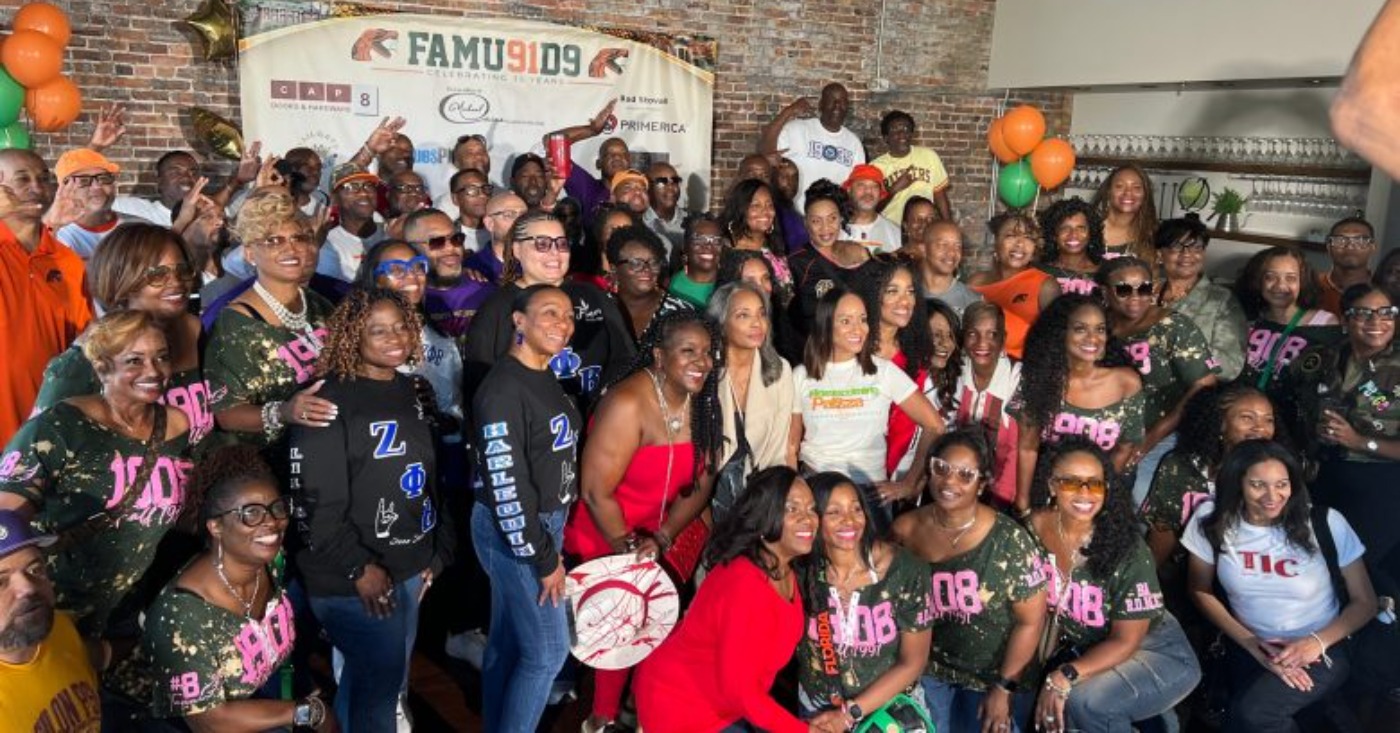
TALLAHASSEE — Roland Martin hosted his “Black Votes Matter 2026” live show at The Edison on Friday, Oct. 23, bringing an election-focused conversation to Florida A&M University’s homecoming celebrations.
Rattlers filled the restaurant to celebrate homecoming and watch the broadcast, according to event organizers. Democratic candidates, elected officials and entertainment figures joined the program as campaigns entered the final stretch before the Nov. 3 general election.
The Tallahassee stop was part of Martin’s “Roland on the Road” series. It focused on the role of Black voters in the 2026 election and issues affecting communities across Florida.
Candidates and elected officials on the program
The show’s published billing featured state Rep. Angie Nixon, Florida’s Democratic nominee for U.S. Senate; David Jolly, the Democratic nominee for governor; and film producer Will Packer.
Organizers’ confirmed guest list also included Joey Mendoza Atkins, the Democratic nominee for Florida agriculture commissioner, and state Reps. Gallop Franklin, Jervonte Edmonds and Rashon Young.
The event coincided with FAMU’s Oct. 18–25 homecoming week. The university’s schedule included Friday’s Homecoming Convocation and FAMFest marketplace, followed by Saturday’s parade and football game.
Affordability and voter participation
Briefing materials prepared for guests emphasized housing costs, property insurance, health care and voter participation. The planned interview format called for short conversations about lawmakers’ work and the issues facing Floridians.
The Florida Democratic Party framed its message around lowering household costs and supporting its candidates in November. Its briefing encouraged guests to discuss affordability and the importance of voting.
For Florida Black voters following the election, the program placed statewide campaigns alongside familiar figures from politics and entertainment. Holding the broadcast during homecoming also brought the election conversation into a gathering centered on Rattler traditions and reunions.
Florida’s general election is Tuesday, Nov. 3. Readers can find official election dates and contact information for their county elections office through the Florida Division of Elections.


TagsAngie NixonBlack Votes Matter 2026David JollyFAMU homecomingFlorida electionsFlorida legislatureJoey Mendoza Atkinsroland martinTallahasseeWill Packer
Based on reporting by Florida Sun.


Together We Rise: Black Unity Demands Change! #shorts

Christianity’s Racial History

Darren Riley of JustAir Solutions on the Need for Hyper-Local Data in Detroit’s Fight for Clean Air

Learn Black History and Win Your Next Game Night

DOJ Fights to Keep Rep. Ilhan Omar’s Search Warrant Sealed: Report

Five Hospitals Said No! Who Will Help Annette Henry Recover?

Oakland NAACP, BWOPA Speak Out Against Alleged Harassment of Black Women Political Leaders

COMMENTARY: Oakland’s Black Students Have Gained Ground: We Shouldn’t Stop Now

From Backyard Grilling to Jack London Square: Jamale Carlyle’s Chicken Wing Success Story

SEIU Local 1000 and State of California Will Continue to Negotiate New Labor Contract

All Skinfolk Ain’t Kinfolk

Practitioners of African Traditional Spirituality Offer Ancestral Reverence Ritual Oct. 31

Latinas Deserve Equal Pay. Unions Help Make It Happen.

A $2.1 Trillion Wellness Industry Never Built a Daily Practice for Black Children. So This Atlanta Family Did.

Oakland Awarded More than $14 Million in State Funding

Tamiko Armstead | 2026 Lifetime Achiever in Education

Should You Have to Pay to Hear the Gospel?

Montclair Brewery: Brewing Culture, Community, History

Master P Encourages Norwood Elementary Students to Dream Big, Work Hard

OP-ED: The Black Church Writes AI’s Next Chapter
Together We Rise: Black Unity Demands Change! #shorts
Darren Riley of JustAir Solutions on the Need for Hyper-Local Data in Detroit’s Fight for Clean Air

TCWAM: Get Out And VOTE (11/03/2026)

Test Buick’s Head-Up Display, Wireless Charger & Bose Audio #shorts

Maintenance As A Money Move

Buick Enclave Safety Tech: What It Can—and Can’t—Do #shorts

ELECTION DAY 2026: Black Voter Turnout, Trump’s Clemency Controversy & a $495M Prison Deal 📱

ELECTION DAY 2026: Black Voter Turnout, Trump’s Clemency Controversy & a $495M Prison Deal

Trump as a Distraction…Focus on the Ballot and 2028

Kids Escape City Chaos for Camp Paradise #shorts
-
 Black Press1 week ago
Secretary of State Shirley Weber Pushes Back Against DOJ Demands Over California Voter Rolls
-
 Art1 week ago
Capturing Black Life’s Beauty
-
 Black History1 week ago
Retirement Triggers Doctor to Pen Book for Young Audience
-
 Black History1 week ago
Oakland Honors 60 Years of the Black Panther Party at the All Power to the People Gala
-

 Featured1 day ago
Multi-Faith Leaders Representing 10 Million People Launch National Anti-Authoritarian Initiative
-

 Black Press1 week ago
Fatigue, Bloating, and Inflammation: Spotting the Subtle Signs of MASLD
