
Featured
Black Men Prioritize Their Health at St. Louis Wellness Day
Black men and families gathered for free health screenings and a vital conversation about prioritizing well-being at St. Louis Wellness Day. “Get checked out, so you don’t get checked in.


“Get checked out, so you don’t get checked in.”
Black men and families gathered at Harris Stowe State University for free health screenings, a 5K and an important conversation about putting their health first.
Read the full story: https://www.stlamerican.com/your-health-matters/black-men-prioritize-health-at-harris-stowe-during-stl-stop-of-national-wellness-initiative/
✒️ Kenya Vaughn
📸 Lawrence Bryant
#BlackMensHealth #StLouis #stlamerican




Featured
Tamra Nicole redefines dress for successDefender Network
Tamra Nicole shares how to master your professional image and redefine what it means to dress for success. Discover her expert insights in this video feature.

Visit Our Website
Read more stories by our team
https://defendernetwork.com/category/news/opinion/
Sign-up for the Top 5 newsletter
Donate/ Support Our Work
Featured
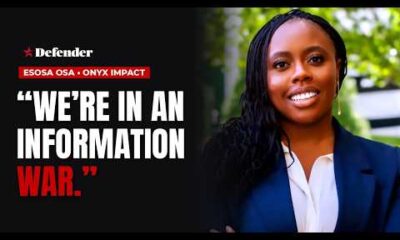
What’s On Your News Feed? How to Spot Election Misinformation
Social media is fueling a new era of election misinformation. Learn how to spot digital propaganda and protect your vote with expert tips from Onyx Impact.

Many young Black voters aren’t getting their election news from newspapers or TV. It’s coming from TikTok, Instagram and group chats. The Defender talks with Esosa Osa, founder and CEO of Onyx Impact, about how online propaganda targets Black communities and how to protect yourself before you share.
Osa explains why we’re “fundamentally in an information war,” why spotting AI fakes takes more than checking for extra fingers, and her three-step “receipts check” for anything that hits your feed. With early voting underway in Texas, she also shares why voting early is one of the best defenses against Election Day disinformation.
In this video, you’ll hear about:
– Why your news comes from where you spend the most time
– How fast lies spread now, and why that’s what’s new
– Why the “check the fingers” AI test isn’t enough
– The receipts check: find the source, pause on emotion, ask who benefits
– Why Texans should vote early
– Why Black news outlets need to get “off rented land”
Chapters
0:00 “We’re in an information war”
0:11 Where young voters get their news
0:38 Lies aren’t new
0:58 Spotting AI fakes
1:15 The receipts check
1:43 Why you should vote early
2:06 Getting off “rented land”
2:28 Where to learn more
Before you share, check the receipts. Learn more at propagandaplaybook.org, and check your polling place and early voting hours before you go.
Subscribe to The Defender for more exclusive interviews, local news, and community coverage.
Sign up for the Top 5 newsletter
Donate / Support Our Work
#Misinformation #Houston #Election2026 #MediaLiteracy #BlackVoters #TexasVotes #OnyxImpact #TheDefender
Visit Our Website
Read more stories by our team
https://defendernetwork.com/category/news/opinion/
Sign-up for the Top 5 newsletter
Donate/ Support Our Work
Featured
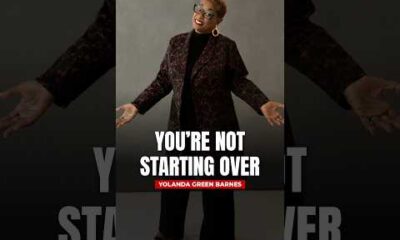
Yolanda Green Barnes – You’re Not Starting Over
Former TV personality Yolanda Green Barnes explains why reinventing your career isn’t starting over—it’s starting from experience.
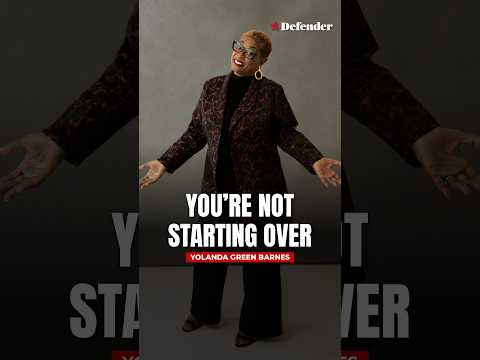
Former Houston TV personality Yolanda Green Barnes sits down with The Defender to talk about leaving corporate America, launching her own leadership firm, and why reinvention doesn’t mean starting from scratch.
After 30 years in television and business, Barnes is now the founder of The Ashayé Group, where she coaches executives and organizations and speaks to women across the country. She shares the people who poured into her along the way, why she tells professionals “you’re not starting over, you’re starting from experience,” and why it’s never too late to do something different.
In this video, you’ll hear about:
– The women and mentors who believed in her before she believed in herself
– Leaving corporate America and betting on herself in the “fourth quarter” of her career
– How The Ashayé Group helps leaders connect the business to the people
– Why pouring into women is at the heart of her work
– Taking inventory of your value before your next career move
Chapters
0:00 “Those are the inspirations”
0:27 Meet Yolanda Green Barnes
0:32 Just do what you love
1:07 The Ashayé Group
1:40 You’re starting from experience
2:10 It’s never too late
Thinking about your next chapter? Learn more about Yolanda’s work at theashayegroup.com and follow her on Instagram at @yolandagreenbarnes.
Subscribe to The Defender for more exclusive interviews, local news, and community coverage.
Visit Our Website
Read more stories by our team
https://defendernetwork.com/category/news/opinion/
Sign-up for the Top 5 newsletter
Donate/ Support Our Work
Featured
Serve First: B3’s Founding Principle for Success #shorts
Stop chasing profits and start building value. Discover how prioritizing service over self-interest transforms your business relationships and drives growth.
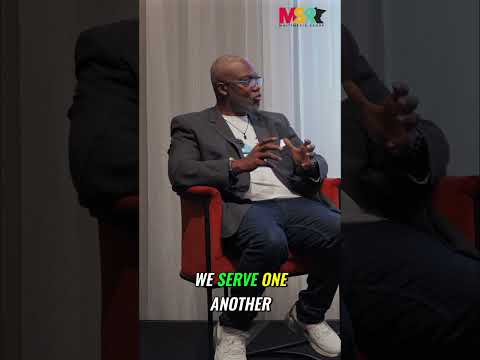
Transform your business relationships by prioritizing service over profit. When you intentionally seek to help others first, you build authentic value and lasting connections. Shift your focus and watch the dynamic of your entire business change. #BusinessGrowth #LeadershipMindset #ServantLeadership #Entrepreneurship
Featured
Rakim at City Winery STL
The God MC took center stage at City Winery, delivering a masterclass in flow that reminded St. Louis why he’s a hip-hop legend. Watch the highlights now.
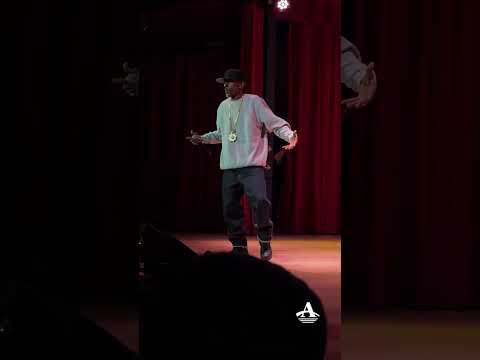
🎤 Throwback Thursday, and class is back in session! Rakim brought the classics, deep cuts and legendary flow to City Winery, reminding St. Louis why his place in hip hop history is secure. Watch the video, then read Kenya Vaughn’s full review.
What’s the one Rakim track you’ll always turn up?
🖊️ Written by Kenya Vaughn
https://www.stlamerican.com/arts-and-entertainment/rakims-hip-hop-masterclass/
#ThrowbackThursday #Rakim #HipHop #stlamerican
Featured
Minneapolis Community Demands Better: A Call to Action #shorts
North Minneapolis is demanding a brighter future through local leadership and collective action. See how investing in our land is empowering the next generation.

True change starts from within. Building a stronger future for North Minneapolis requires local leadership and collective action. It is time to invest in our own land to create better opportunities for every young person in the community. #NorthMinneapolis #CommunityGrowth #LocalEmpowerment #CommunityBuilding


Tamra Nicole redefines dress for successDefender Network

What’s On Your News Feed? How to Spot Election Misinformation

Yolanda Green Barnes – You’re Not Starting Over

Serve First: B3’s Founding Principle for Success #shorts

Rakim at City Winery STL

Minneapolis Community Demands Better: A Call to Action #shorts

Terresa Hardaway-Blackbird Revolt, Black Garnet Books-Putting Black Liberation Into Daily Practice

Terresa Hardaway on Blackbird Revolt, Black Garnet Books and Design Justice | On The Radar | MSR

Can You See Clearly in Bright Sunlight? Check These 2 Reflections #shorts

Master Your State: 5 Keys to Well-being #shorts

OP-ED: Haiti TPS: Have We Lost Sense of Humanity?

Remembering Chauncey Bailey as Student Journalists Face Threats to Truth-Telling

All Skinfolk Ain’t Kinfolk

Rulings Leave Questions Lingering in Nolan Wells Case

Poll: Becerra Widens His Lead Over Hilton; Californians Split on Wealth Tax

Latinas Deserve Equal Pay. Unions Help Make It Happen.

Zakiya Jendayi Arrested, Locked Out of Home by Sheriff’s Deputies

COMMENTARY: The Audacity of Joyce Beatty

Why Black Artists Struggle to Sell Tours

A $2.1 Trillion Wellness Industry Never Built a Daily Practice for Black Children. So This Atlanta Family Did.
Tamra Nicole redefines dress for successDefender Network
What’s On Your News Feed? How to Spot Election Misinformation
Yolanda Green Barnes – You’re Not Starting Over
Serve First: B3’s Founding Principle for Success #shorts
Rakim at City Winery STL
Minneapolis Community Demands Better: A Call to Action #shorts
Terresa Hardaway-Blackbird Revolt, Black Garnet Books-Putting Black Liberation Into Daily Practice
Terresa Hardaway on Blackbird Revolt, Black Garnet Books and Design Justice | On The Radar | MSR
Can You See Clearly in Bright Sunlight? Check These 2 Reflections #shorts
Master Your State: 5 Keys to Well-being #shorts
-

 Black Press1 week ago
Oakland Awarded More than $14 Million in State Funding
-
 Black Press1 week ago
Jendayi Arrest Raises Community Concerns Regarding Sheriff’s Chain of Command
-
 African American News and Issues1 week ago
Black History: Gladys West Mathematics Helped Make GPS Possible
-

 Black History5 days ago
OP-ED: The Black Church Writes AI’s Next Chapter
-

 Featured3 days ago
Tamiko Armstead | 2026 Lifetime Achiever in Education
-
 Black Press1 week ago
Democrats, Community Groups Back Measure EE to Change How Oakland Is Governed
