
News
A social work career is one of the few with more openings than people


A social work career puts you in a field with more open jobs than trained people to fill them. Employers keep posting positions while retirements and career changes thin the workforce faster than schools can restock it. This mismatch has become the profession’s defining feature.
Government projections quantify the shortage. The U.S. Bureau of Labor Statistics expects roughly 74,000 job openings for social workers every year through 2034, with employment growing 6%, faster than the average for all occupations. Employers across healthcare, education, and community services draw from the same small pool of trained professionals, so strong candidates often hold multiple offers at once.
Unfilled positions ripple outward into communities. When no social worker is available, families in crisis, students who are struggling, and patients leaving hospitals navigate their hardest moments alone.
Two credentials stand between the shortage and the people who could fill it: a graduate degree and a state license. Each one sets the pace at which new professionals reach the front lines.
Why Are Social Workers in Such High Demand?
The explanation is straightforward: need has grown faster than the profession itself. According to SAMHSA’s national survey, in 2024, 61.5 million U.S. adults experienced a mental illness, and only about half received any treatment.
Few careers in mental health cover as much ground as social work. Practitioners staff hospitals, schools, courts, and child welfare agencies in addition to traditional counseling roles. When one profession serves so many settings, shortages show up everywhere at once.
Several forces keep pushing demand higher:
- An aging population that needs healthcare and hospice support
- Rising rates of anxiety, depression, and substance use
- Schools are adding behavioral health staff for students
- Hospitals expanding discharge planning and patient support teams.
With demand rising in all four areas at once, the workforce cannot stretch far enough to cover them.
What Degree Do You Need for a Social Work Career?
A bachelor’s degree in social work (BSW) gets a graduate hired; a master of social work degree gets them into the jobs going unfilled. The distinction matters because the shortage is concentrated at the advanced-practice level.
The Master of Social Work (MSW) is the credential the profession runs on. It unlocks clinical training, supervisory roles, and specialized practice across the fields of:
- Healthcare
- Education
- Governmen
Students split their time between coursework (clinical assessment, human behavior, policy, research) and hundreds of hours of supervised fieldwork.
In recent years, access has widened considerably. Working adults can now earn a master of social work degree online without leaving their jobs, completing field placements right in their own communities.
When comparing MSW programs, four features matter most:
- Accreditation from the Council on Social Work Education
- Field placement support in your region
- Advanced standing tracks for BSW holders
- Clinical coursework that counts toward licensure
Applicants who vet these four items early avoid a degree that does not lead to a license. A social work career does not demand a long runway. Standard full-time programs run two years, and advanced standing tracks cut that to about one year for students who already hold a BSW.
How Do You Become a Licensed Clinical Social Worker?
No stage thins the workforce more than licensure. According to HRSA, millions of Americans now live in federally designated mental health professional shortage areas, and clinical roles rank among the hardest for employers to fill.
A licensed clinical social worker credential takes several years to earn after earning the degree. The length is the point; every stage adds supervised, hands-on skills that classroom hours cannot.
Social work licensure follows a similar path in most states:
- Earn an MSW from an accredited program
- Pass the required licensing exam
- Complete roughly 3,000 hours of supervised clinical practice
- Apply for clinical licensure through your state board
The steps are consistent nationwide; the details are not, which makes the state licensing board the only authority worth planning around.
Frequently Asked Questions
How Much Do Social Workers Earn?
The median annual wage for community and social service occupations was $57,530 in May 2024, which topped the $49,500 median for all occupations, according to the Bureau of Labor Statistics. Pay climbs with clinical licensure, specialization, and setting, with healthcare and government roles at the higher end. Location matters as well, since states facing the deepest shortages often pay a premium to attract candidates.
Which Settings Employ the Most Social Workers?
Individual and family service organizations, state and local governments, schools, and healthcare facilities employ the largest shares of the workforce. Hospitals have become a major growth area as care teams add behavioral health support to patient services. Private practice opens up after clinical licensure, giving experienced professionals control over their caseload and schedule.
Can You Keep Working While Completing an MSW?
Yes, and many students do exactly that. Online and part-time formats let students schedule coursework around full-time jobs, with field placements arranged in their local area. Part-time tracks stretch the degree to three or four years instead of two, trading speed for a steady paycheck.
Does a Social Work License Transfer Between States?
Licenses do not transfer automatically, and each state sets its own requirements for education, exams, and supervised hours. A growing number of states have joined the Social Work Licensure Compact, which aims to simplify multistate practice for licensed professionals. Anyone planning a move should check both states’ rules before starting an application.
What Is the Difference Between an MSW and an LCSW?
The MSW is an academic degree, while the LCSW is a state-issued clinical credential earned after graduation. The degree comes first and, on its own, qualifies graduates for many roles. The license adds the authority to diagnose and treat mental health conditions independently.
A Field Waiting on Its Next Generation
Most jobs force a trade between stability, meaning, and earning potential. A social work career skips the trade – the openings are projected, the work is consequential, and the clinical ladder is clearly marked.
Every obstacle in this field has a workaround except one: someone still has to choose to do the work. Stay with us for straightforward reporting and updates worth your time.



‘I’m here to stand up for democracy’ says Kenneth Petty at the ‘No Kings: Vote Early’ protest on the Tamm Bridge in St. Louis, Missouri, Saturday Oct. 17, 2026.
This is the fourth national “No Kings” protests since President Trump second presidential term. Indivisible called on people throughout the country to mobilize neighbors and communities to vote early in the mid-term election. Over 3,000 “No Kings” protest our taking place today.
📷 Dawn Suggs | St. Louis American
#VoteEarly #UnlockTheBallot #ProtectDemocracy #STL #stlamerican
car reviews
Optimize Your Seating: Essential Household Setup Guide #shorts
Maximize your space with these simple seating optimization tips. Learn how to arrange your layout for better accessibility and flow in any room.

Optimize your space! Count seating positions and test accessibility for smooth entry/exit. Consider your most frequent carry-ons for a practical fit. Perfect for any household. #AutoNetwork
🔗 Watch the full video: https://youtu.be/8HFPFmqpCdg
#SeatingArrangement #HomeOrganization #SpaceSaving #PracticalTips
car reviews
Brake Pedal Test Drive: Smooth Stops for Your Truck! #shorts
Does your truck require heavy pressure to stop? Learn how to gauge pedal effort and ensure safe, controlled braking before you make your next big purchase.
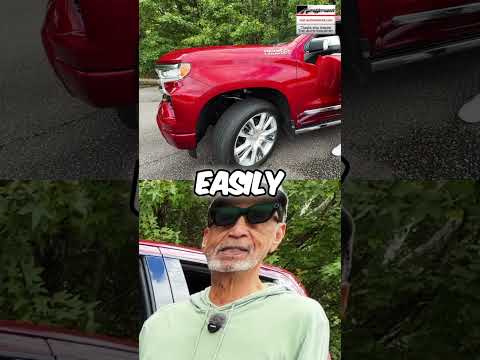
Do you need heavy brake pedal pressure for smooth stops? Learn to gauge pedal effort and brake safely and in control during your test drive. Essential before a big purchase. #AutoNetwork
🔗 Watch the full video: https://youtu.be/6sLjUP3UQfY
#BrakeControl #TruckDriving #TestDriveTips #VehicleSafety
Featured
Life Lessons Learned Through Adversity: My Journey #shorts
Discover the profound life lessons learned through the highs and lows of adulthood. See how navigating adversity revealed God’s unwavering faithfulness.

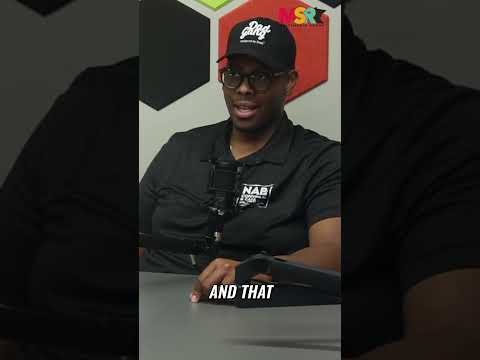
Navigating the ups and downs of life, especially through the twenties and into the thirties, reveals profound lessons. Adversity has shown the Lord’s faithfulness. #LifeLessons #Adversity #FaithJourney #PersonalGrowth
Black Enterprise
From Claflin Alum to ColorBlind Artist
Discover how Claflin alum Patro “Pero” Ulmer defies expectations by creating stunning murals and vibrant art despite being colorblind.

From classrooms to college campuses to city murals and community events, artist Patro “Pero” Ulmer is leaving his creative mark on the world, one color at a time. He’s an in-demand artist from Orangeburg, SC who believes art is “a way of living in which creativity is not a hobby, but a lifestyle.” We’ll discuss Patro’s inspiring journey from HBCU Claflin University to art classrooms as a educator to becoming a renowned muralist and painter across The Carolinas and beyond- and how he creates beauty even though he is colorblind.
Featured
Turning Abolitionist Design Research Into Real-World Business #shorts
Bridge the gap between abolitionist theory and real-world business strategy. Learn how to transform your passion for liberation into a tangible, thriving enterprise.
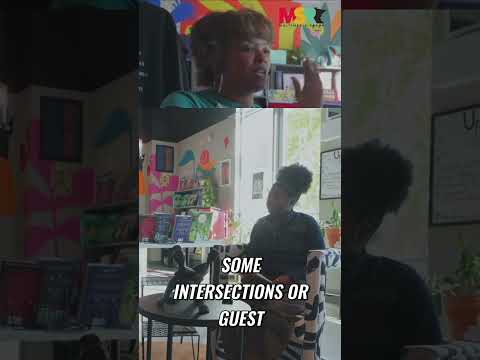
Discover the sweet spot where your businesses, research, and liberation efforts align. Actualize your theories into practice and explore surprising connections, maybe even an abolitionist ice cream shop! #PassionProject #CareerGoals #FindYourNiche #Innovation


‘No King: Vote Early’ protest for democracy in St. Louis

Optimize Your Seating: Essential Household Setup Guide #shorts

Brake Pedal Test Drive: Smooth Stops for Your Truck! #shorts

Life Lessons Learned Through Adversity: My Journey #shorts

From Claflin Alum to ColorBlind Artist

Turning Abolitionist Design Research Into Real-World Business #shorts

Black Journalists: Community, Excellence, and Lifting Up #shorts

NFN Exclusive: Muslims in AI

NFN Live presents The State of the Westward

Alliance of Civil Rights Orgs launch Week of Action; National Black Man Voter Day set for Oct. 24

The Youngest American Killed in the Vietnam War

Passing for White, Fighting for Black America: The Courage of Walter White

OP-ED: Haiti TPS: Have We Lost Sense of Humanity?

NFL: Week Two Recap | Jalen Hurts did not fold; Caleb Williams exits game with injury

Remembering Chauncey Bailey as Student Journalists Face Threats to Truth-Telling

Peter Magubane: a Camera Against Apartheid

Mayor Lee Announces $1 Million Kaiser Permanente Grant for Pilot Program to Address Homelessness, Clean Up Public Spaces throughout Oakland

OP-ED: How Head Start Also Helps Parents

Poll: Becerra Widens His Lead Over Hilton; Californians Split on Wealth Tax

Community Action Group ‘Friends of Zakiya’ Ask Sheriff for Time
‘No King: Vote Early’ protest for democracy in St. Louis
Optimize Your Seating: Essential Household Setup Guide #shorts
Brake Pedal Test Drive: Smooth Stops for Your Truck! #shorts
Life Lessons Learned Through Adversity: My Journey #shorts
From Claflin Alum to ColorBlind Artist
Turning Abolitionist Design Research Into Real-World Business #shorts
Black Journalists: Community, Excellence, and Lifting Up #shorts
NFN Exclusive: Muslims in AI
NFN Live presents The State of the Westward

MC’ing a Gala: A Night of Love & Black Excellence #shorts
-
 BlackPressUSA1 week ago
Latinas Deserve Equal Pay. Unions Help Make It Happen.
-

 Black Press5 days ago
All Skinfolk Ain’t Kinfolk
-

 Black Press4 days ago
Oakland Awarded More than $14 Million in State Funding
-
 African American News and Issues3 days ago
Black History: Gladys West Mathematics Helped Make GPS Possible
-
 Black Press4 days ago
Jendayi Arrest Raises Community Concerns Regarding Sheriff’s Chain of Command
-
 Black Press4 days ago
Allen Temple Baptist Church Hosts Free Prostate Cancer Screenings on Oct. 17
