
Community
Neighborhood polling places likely to disappear by 2020
WAVE NEWSPAPERS — In March 2020, vote centers, which are centralized facilities where any eligible voter in Los Angeles County can cast a ballot, will replace traditional, neighborhood polling precincts.


By John W. Davis Contributing Writer
INGLEWOOD — Lance Bailey loves the fact that his neighborhood polling place is only a few blocks away.
“Often times I’ll just walk because I believe in being a responsible citizen,” said Bailey, who has lived and voted in Inglewood for more than 25 years.
Nevertheless, changes are coming for Bailey and every other voter in Los Angeles County.
That’s why Bailey was one of the dozens of people who gathered Dec. 11 at Inglewood City Hall to learn how voting will change in 2020 and make suggestions where vote centers should be placed in his neighborhood.
In March 2020, vote centers, which are centralized facilities where any eligible voter in Los Angeles County can cast a ballot, will replace traditional, neighborhood polling precincts.
However, there may be some overlap in previous polling locations because public buildings, such as city halls, libraries, schools, community centers, as well as churches are being considered for potential locations.
Vote centers, which will feature new, electronic, computerized ballot marking devices instead of traditional voting booths, may also be located at shopping malls and in Starbucks and other chain restaurants.
Other non-traditional locales under consideration include transit centers, arts and cultural spaces like public parks and major entertainment destinations.
The 1,000 new vote centers across L.A. County are courtesy of the California Voter’s Choice Act of 2016.
Right now, county leaders are considering as many as 15 potential vote center locations in Inglewood alone.
Vote centers will be open for up to 11 days including Election Day. They will replace 5,000 polling locations countywide that are only open on Election Day.
“What I really learned is the value of working with the public and getting their input,” said Kiyana Asemanfar, who led the vote center meeting in Inglewood and serves as the policy outreach coordinator for California Common Cause, which is a nonpartisan, nonprofit advocacy organization.
Meanwhile, same-day registration will also be available at every vote center.
The Voter’s Choice Act will also make vote-by-mail drop box locations available for 29 days prior to Election Day.
Mobile and pop-up vote centers, which have been popular suggestions at community meetings are also in the works.
“We work a lot to make sure that voting is accessible and convenient for voters,” Asemanfar added as she prepared to host her sixth grassroots community meeting on vote centers in as many weeks.
“I want them to be convenient,” echoed Inglewood City Clerk Yvonne Horton.
In November’s election, Inglewood’s voter turnout was 51 percent.
Horton is encouraged vote centers will help create an environment for voter turnout in Inglewood to remain at historic levels.
“I want them to have enough voting centers where there won’t be any problems for people to go and vote. I want accessibility,” Horton said.
“Right now, a poll worker works one day… this will allow them to work more than one day because [the centers are] going to be open more. It will give them the opportunity to have a little extra income because quite a few of the people are retired,” Horton said. “Plus, they take pride in it.”
Making sure 1,000 vote centers are strategically located in L.A. County is paramount. That’s why project leaders are considering demographic factors like population density, ethnicity, low-income populations and employment centers to determine if a potential vote center location is viable.
“The key is having as many voting centers as possible, so that people don’t have to go a far distance to either drop off or vote,” Horton added.
County leaders are still open to suggestions from the public. Advocates want to make sure final vote center locations are accessible to people with disabilities, close to public transit and have enough parking so voters don’t feel discouraged about being able to get in and out of the vote center in a timely manner.
A second round of community meetings, with updates on final vote center locations will be held next summer.
Additionally, county leaders are looking to hold mock elections for voters to familiarize themselves with vote centers and electronic ballots.
This article originally appeared in the Wave Newspapers.









Art
The Afrikan Restoration Project Marks 60 Years of Kwanzaa With New Book and Expanded Focus
THE AFRIKAN RESTORATION PROJECT FOR IMMEDIATE RELEASE | November 24, 2026 Media contact: Shujaa Baker | [email protected] | (949) 257-7133 | Media Kit – https://bit.ly/3X2tSlz The Afrikan Restoration Project Marks 60 Yea

The Afrikan Restoration Project Marks 60 Years of Kwanzaa With New Book and Expanded Focus
Events in San Diego, Detroit, and online will honor the holiday’s origins and prepare for the next sixty years of the Nguzo Saba.
The Afrikan Restoration Project (TARP) announces its 2026 Kwanzaa anniversary season, Dec. 26–Jan. 1, marking sixty years of the African American and Pan-African holiday first observed in Los Angeles in 1966. Under the theme “Celebrating the First Sixty Years of Kwanzaa… and the Next!” the programs share an expanded understanding of the Kwanzaa creation story and thoughtfully promote year-round practice of the Nguzo Saba (Seven Principles).
Central to the celebration is the worldwide debut of the new book titled “Kwanzaa – FOR KIDS (and everybody else!),” written by Shujaa Baker, illustrated by Thad Lavalais, and based on the firsthand accounts of Kinamo and Karama Damu about the first Kwanzaa. The book traces how ten-year-old Kinamo’s questions about African holidays in 1965 inspired the creation of Kwanzaa while recounting the children’s experiences leading up to the first celebrations in 1966. Learn more at kwanzaaforkids.org.
60th Anniversary Events
Dec. 26 | San Diego | 1–4:30 p.m. PT — WorldBeat Cultural Center, Balboa Park. The children’s Kwanzaa Camp celebration and book debut features Karama Damu, a participant in the first Children’s Kwanzaa, along with a Kwanzaa Essentials lesson and lessons from the new book, art, music, drumming, and dance. Instructional content by Imagiread.
Dec. 26 | San Diego | 6–9 p.m. PT — WorldBeat Cultural Center. Umoja (Unity) Night program celebrating the First Sixty Years of Kwanzaa… and the Next! recognizes the first sixty years of Kwanzaa and the work ahead to teach the Nguzo Saba more broadly
Dec. 27 | Detroit | 2–5 p.m. ET — Charles H. Wright Museum of African American History. The Kujichagulia (Self-Determination) program explores Kwanzaa’s past, present, and future, and the role of self-determination in Elevating Blackness.
Dec. 29 | Online | 5–7 p.m. PT — Kwanzaa Then and Now: Celebrating the First Sixty Years and Preparing for the Next. TARP introduces its new book and announces the return of its study group on Jan. 10, 2027 – examining Ujamaa (Cooperative Economics) in the age of AI and robotics.
TARP is merging our work to promote African culture, S.T.E.M., manufacturing, and principled daily practice into a new online program called The Elevating Blackness Online Academy. Launching on December 5th, this site offers educational resources that build character, including curricula for Kwanzaa – FOR KIDS, the STEM ’n ’Nem children’s book series, and partner content.
Visit https://elevatingblackness.com for more info. (For beta test access – TESTER / Innovationary2026!).
TARP also invites public discussion of three position statements on Kwanzaa’s origins, the responsibilities of the next sixty years, and the daily practice of the Seven Principles found here.
Event details and registration: https://kwanzaa.org/events.html and https://tarpie.org/events. Contact Shujaa Baker for interviews, the media kit, and high-resolution images. See tarpie.org for full details.
About The Afrikan Restoration Project
TARP is an African-centered educational and cultural development initiative advancing cultural knowledge, practical capabilities, and principled community development through publications, programming, and collaborative education.
Black Press
Native American Health Center Connects 140 Community Members to Career Opportunities During Native American Heritage Month
The Native American Health Center recently hosted its Career Connect job fair at the Flicker Building and Cultural Center in Oakland, welcoming 140 community members in honor of Native American Heritage Month. Organized through the federally funded Strong Native Workforce Program, the event aimed to promote economic stability by connecting American Indian, Alaska Native, and Native Hawaiian residents with local career pathways. A diverse group of employers from the healthcare, technology, and government sectors attended to provide attendees with information regarding job openings and professional training programs. Read more.
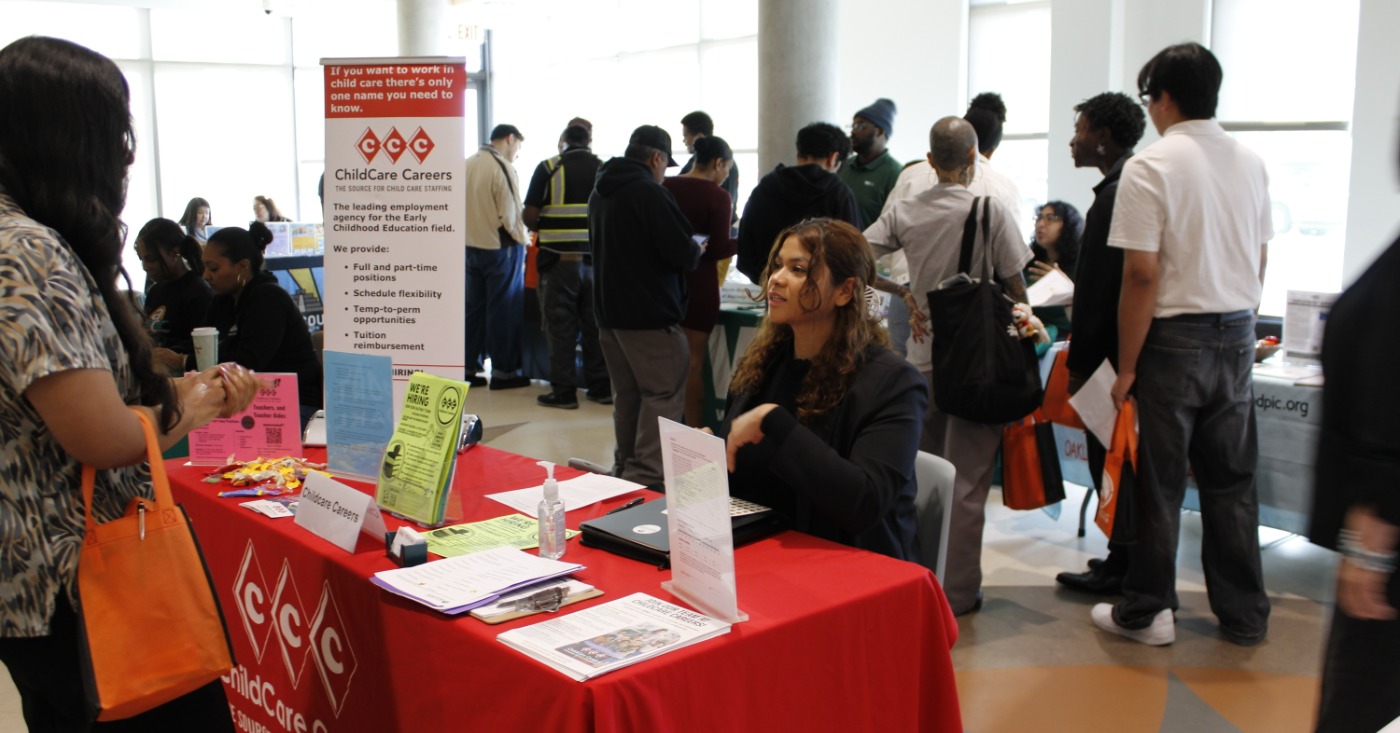
In celebration of Native American Heritage Month, the Native American Health Center (NAHC) welcomed 140 community members to its Career Connect: Community Job & Career Fair on Friday, Nov. 6.
Held at NAHC’s Flicker Building and Cultural Center in Oakland, the event connected American Indian, Alaska Native, Native Hawaiian, and other community members with employers, career pathways, workforce development programs, and family resources throughout the San Francisco Bay Area.
The event was organized through NAHC’s Strong Native Workforce Program, a federally funded initiative supported by the U.S. Department of Labor through the Workforce Innovation and Opportunity Act (WIOA). The program helps Native community members pursue meaningful employment and long-term economic stability through career counseling, job placement assistance, skills training, and supportive services.
The Career Connect Job Fair was coordinated with support from Gallo Advantage Consulting, a Native American woman-owned consulting firm specializing in strategic planning, community engagement, and workforce development. Working alongside NAHC, the firm supported employer outreach, event coordination, and partnerships with local businesses and community organizations.
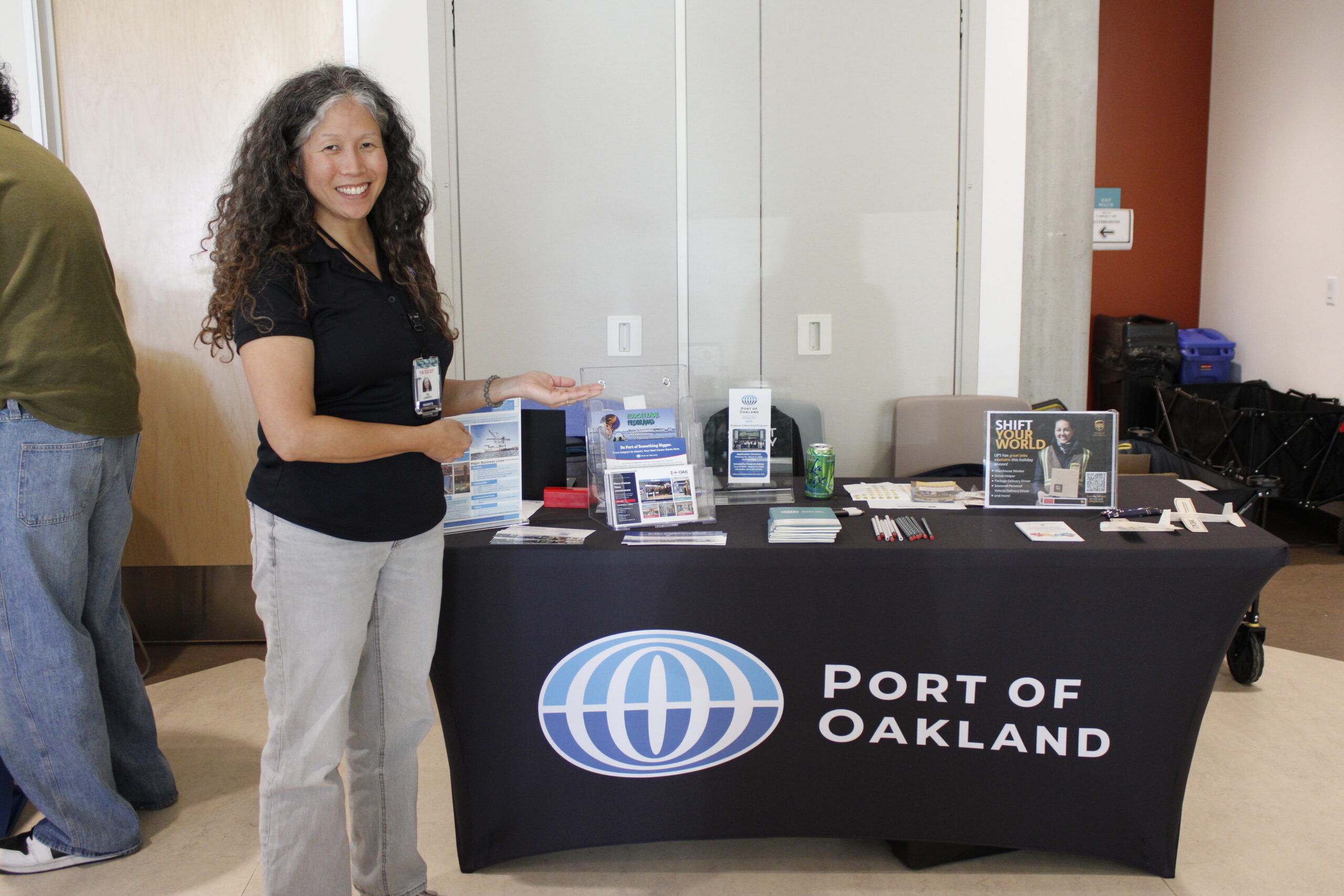
“Native American Heritage Month is an opportunity to celebrate the strength, resilience, and contributions of our communities while investing in their future,” said Natalie Aguilera, CEO of NAHC. “Employment is an important part of health and well-being, providing economic stability, purpose, and opportunities for individuals and families to thrive. Through our Strong Native Workforce Program and events like Career Connect, we are helping community members build meaningful careers and create stronger futures for generations to come. We are grateful to the employers and community partners who joined us in this effort.”
The job fair featured employers across healthcare, technology, government, transportation, education, and other industries. Participating organizations included Cisco Systems, the City of Oakland, East Bay Regional Park District, Kaiser Permanente, Port of Oakland, Sutter Health, Balance Staffing, MANOS Homecare, Inc., Childcare Careers, AC Transit, Samuel Merritt University, Waste Management of Alameda County, Inc., CareBuilders at Home – East Bay, East Bay Municipal Utility District, Patelco Credit Union, and Code Tenderloin.
Workforce development and community partners who shared their resources with participants included the Oakland Private Industry Council, Lao Family Community Development, The Unity Council, West Oakland Jobs Resource Center, Friendship House Association of American Indians of San Francisco, the Washoe Tribe of Nevada and California’s Alameda County Native TANF Program, as well as NAHC’s own Community Wellness Department.
Throughout the event, attendees connected with employers, explored job openings, and learned about apprenticeships, certification programs, training opportunities, and community resources.
Held during Native American Heritage Month, Career Connect highlighted the importance of investing in Native communities through education, employment, and economic opportunity. The event demonstrated the value of bringing employers and community organizations together to support career advancement and build a stronger Native workforce.
About Native American Health Center
Founded in 1972, the Native American Health Center (NAHC) is a nonprofit community health center serving American Indians, Alaska Natives, and surrounding communities throughout the San Francisco Bay Area. NAHC provides culturally responsive healthcare, behavioral health services, and community wellness programs, including workforce development initiatives that support employment and economic opportunity. All individuals are welcome at NAHC. NAHC provides care for 15,000 members annually. NAHC employs almost 300 staff across 17 sites in three counties: Alameda, San Francisco, Contra Costa.
For more information, visit www.nativehealth.org.
About Gallo Advantage Consulting
Gallo Advantage Consulting is a Native American woman-owned consulting firm specializing in strategic planning, community engagement, workforce development, and partnership development. The firm works with public agencies, nonprofits, and community organizations to strengthen programs, build partnerships, and expand opportunities for the communities they serve.
For more information, visit www.galloadvantage.com
Black Press
A Record 216 Firearms Collected at East Oakland Gun Buy-Back Event
The Oakland Police Department and community partners recently hosted the “Guns to Gardens” buyback event, collecting a record 216 firearms. This total marks the largest collection in more than a decade, surpassing the previous high of 130 guns set in 2022. Participants received a total of $18,000 in gift cards for surrendering weapons ranging from compact pistols to military-style assault rifles and ghost gun kits. Officials confirmed that every weapon collected will eventually be repurposed to serve a new community function. Read more.
Over the weekend, the Oakland Police Department (OPD) and community partners hosted “Guns to Gardens,” a gun buyback event with strong community participation. OPD collected a record 216 firearms, exceeding the previous high of more than 130 in 2022 and marking the largest collection in more than a decade.
“Thanks to the generosity of our faith-based coalition, the Kaiser Foundation, and local partners, we distributed $18,000 in gift cards to community members who turned in their firearms,” said Oakland Mayor Barbara Lee.
The buyback follows the graduation of the 197th academy of Oakland Police Department (OPD) cadets on Nov. 6. The nine cadets are already making their mark connecting with residents, honoring the department’s history, and supporting department events.
In their first month, the Cadets helped clean the Remember Them monument at Henry J. Kaiser Memorial Park. They learned about Oakland Police Officer John Grubensky, who died in the line of duty while guiding community members to safety during the Oakland Hills Fire and is honored on the monument.
The Cadets handed out candy at OPD’s annual Trunk or Treat celebration and helped with the 197th Police Academy graduation ceremony.
Most recently, the Cadets participated in an inspection and pinning ceremony, marking another milestone in their development and service to our community.
OPD thanks Kaiser Permanente and PG&E for their donations, which led to the reinstatement of the Cadet Program. This program offers young people ages 15½ to 20½ opportunities to engage with their community, gain experience, and explore careers in public safety.
But it was the veteran officers that handled the buyback at St. Benedict’s Catholic Church at 2245 82nd Ave.in East Oakland.
The weapons collected on Nov. 14 ranged from compact pistols to assault weapons. One participant also surrendered equipment used to create homemade firearms, commonly known as “ghost guns.”
“I was shocked to see the number of assault weapons, military-style firearms, and ghost guns turned in,” said Oakland Police Chief James Beere. “Every firearm removed from our streets is one less that could be used in a shooting or other act of violence. By choosing to turn in unwanted guns, we help protect our neighborhoods and ultimately save lives.”
OPD and Lee thanked the community partners, volunteers, and participants for their continued support in this effort.
“Every single gun collected will be transformed into garden tools and given back to the community at future events,” said Lee. “A huge thank you to everyone who participated, our dedicated partners, and OPD for making Oakland safer.”
Paul Chambers is the strategic communications manager for the Oakland Police Department.
Black Press
A Record 216 Firearms Collected at East Oakland Gun Buy-Back Event
The Oakland Police Department and community partners recently hosted the “Guns to Gardens” buyback event, collecting a record 216 firearms. This total marks the largest collection in more than a decade, surpassing the previous high of 130 guns set in 2022. Participants received a total of $18,000 in gift cards for surrendering weapons ranging from compact pistols to military-style assault rifles and ghost gun kits. Officials confirmed that every weapon collected will eventually be repurposed to serve a new community function. Read more.
Over the weekend, the Oakland Police Department (OPD) and community partners hosted “Guns to Gardens,” a gun buyback event with strong community participation. OPD collected a record 216 firearms, exceeding the previous high of more than 130 in 2022 and marking the largest collection in more than a decade.
“Thanks to the generosity of our faith-based coalition, the Kaiser Foundation, and local partners, we distributed $18,000 in gift cards to community members who turned in their firearms,” said Oakland Mayor Barbara Lee.
The buyback follows the graduation of the 197th academy of Oakland Police Department (OPD) cadets on Nov. 6. The nine cadets are already making their mark connecting with residents, honoring the department’s history, and supporting department events.
In their first month, the Cadets helped clean the Remember Them monument at Henry J. Kaiser Memorial Park. They learned about Oakland Police Officer John Grubensky, who died in the line of duty while guiding community members to safety during the Oakland Hills Fire and is honored on the monument.
The Cadets handed out candy at OPD’s annual Trunk or Treat celebration and helped with the 197th Police Academy graduation ceremony.
Most recently, the Cadets participated in an inspection and pinning ceremony, marking another milestone in their development and service to our community.
OPD thanks Kaiser Permanente and PG&E for their donations, which led to the reinstatement of the Cadet Program. This program offers young people ages 15½ to 20½ opportunities to engage with their community, gain experience, and explore careers in public safety.
But it was the veteran officers that handled the buyback at St. Benedict’s Catholic Church at 2245 82nd Ave.in East Oakland.
The weapons collected on Nov. 14 ranged from compact pistols to assault weapons. One participant also surrendered equipment used to create homemade firearms, commonly known as “ghost guns.”
“I was shocked to see the number of assault weapons, military-style firearms, and ghost guns turned in,” said Oakland Police Chief James Beere. “Every firearm removed from our streets is one less that could be used in a shooting or other act of violence. By choosing to turn in unwanted guns, we help protect our neighborhoods and ultimately save lives.”
OPD and Lee thanked the community partners, volunteers, and participants for their continued support in this effort.
“Every single gun collected will be transformed into garden tools and given back to the community at future events,” said Lee. “A huge thank you to everyone who participated, our dedicated partners, and OPD for making Oakland safer.”
Paul Chambers is the strategic communications manager for the Oakland Police Department.
Black History
IN MEMORIAM: Claude T. Everhart, San Francisco’s First Black Deputy Mayor, Dies at 73
Claude T. Everhart, the first African American deputy mayor of San Francisco and a dedicated community advocate for five decades, passed away on October 27 at the age of 73. A former member of the Black Panther Party, Everhart rose from community organizing to serve as chief of staff for Mayor Art Agnos, where he helped lead the city through the aftermath of the 1989 Loma Prieta earthquake. His career spanned significant roles in youth development and municipal policy. Visit BlackPressUSA.com to read more.
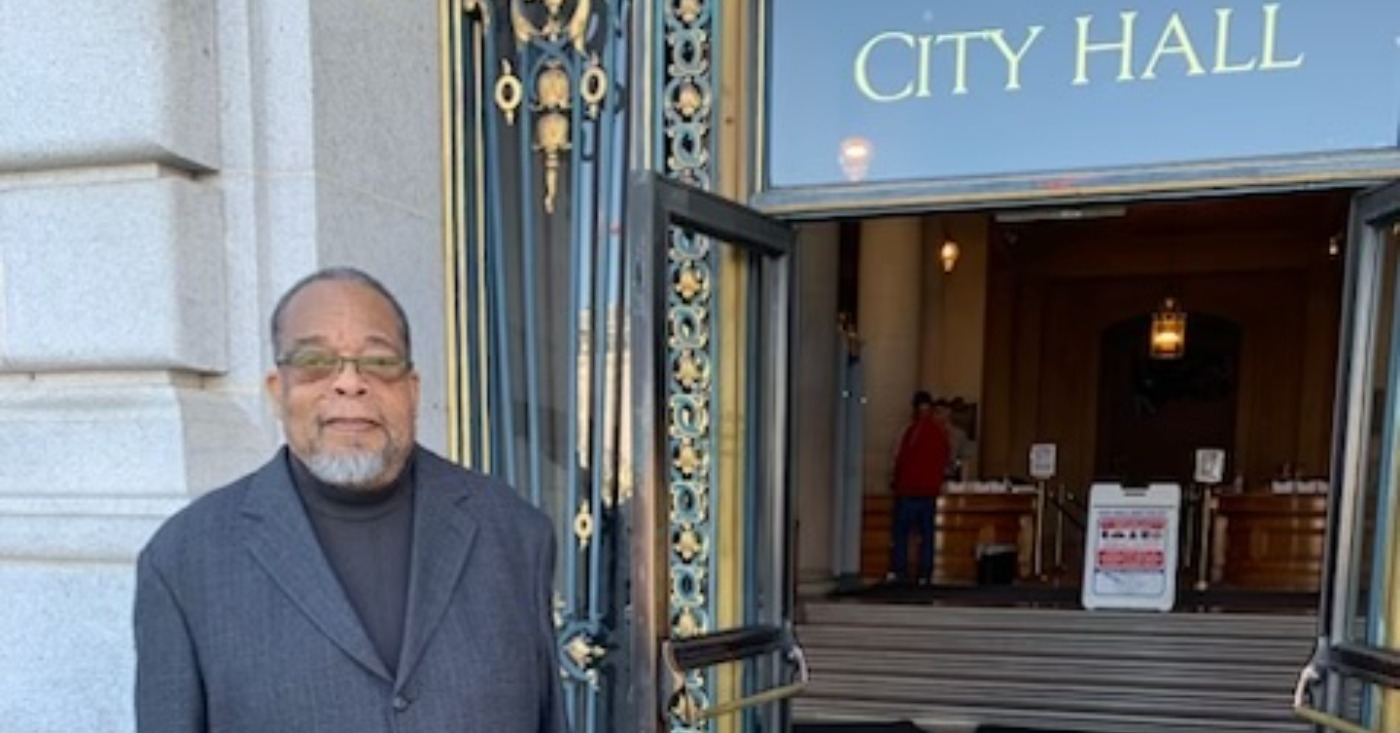
Claude T. Everhart, first African American deputy mayor and chief of staff to former San Francisco Mayor Art Agnos who served working families and communities of color for 50 years, died on Oct 27 in Oakland. He was 73.
“Claude Everhart was… He was the engine room of our administration’s most significant efforts to improve the lives of our city’s most underserved populations San Francisco has lost a true champion of the people, and I have lost a very dear friend and a trusted partner,” Agnos said in a statement.
Born in San Francisco in 1952, Everhart graduated from Lowell High in ’70. As a student, he was involved in the Black Panther Party, participating in various demonstrations, the San Francisco State College strike, and the Party’s Free Breakfast Program.
As a teen, he led the Oceanview–Merced–Ingleside Community Organization, created summer jobs for youth, and opened a group home as an alternative to incarceration.
In 1974, he became the first executive director of Young Community Developers (YCD) The program was founded by a group of young Black activists who pushed City Hall for funding to train residents for jobs at the Hunters Point Naval Shipyard.
More than 50 years later, YCD is still providing job readiness training, reentry services for formerly incarcerated adults, and youth programming, and Everhart remained on the board into recent years.
Everhart joined Agnos’ staff in 1976, became his chief of staff and then executive deputy mayor when Agnos was elected mayor in 1988.
In that role, he was part of the leadership team that led San Francisco through the October 17, 1989, Loma Prieta earthquake (the city’s worst since 1906). The administration rebuilt the damaged infrastructure and decided to take down the quake-damaged Embarcadero Freeway, thereby opening the waterfront. They would not move the unhoused people displaced from the damaged shelters until new housing was available, and they created “Beyond Shelter,” which became a nationally recognized network of multi-service centers for the unhoused.
He took a few unpopular stands on behalf of the disadvantaged. He fought against the homeporting of the USS Missouri at Hunters Point on grounds of gentrification, demanded a full clean-up of the yard, and pushed for investigations and redress in the wake of allegations of racial discrimination in both the Police and Fire Departments.
He was instrumental in setting up the Mayor’s Office of Youth and Children’s Services, helped to divest the city’s retirement system from South Africa, brought a supermarket to Hunters Point, and worked to increase city contracting with minority-owned businesses.
He later served as a VP at Waste Management of Alameda County and as a political consultant to several people, including former Oakland Mayor Elihu Harris and San Francisco Assessor Doris Ward.
His legacy lives on through Jelani House (the family recovery and counseling program named for his late son), of which he was a board member and at the Ella Hill Hutch Community Center in the Fillmore, a long-standing youth and community center with a mural on the building in his honor.
Everhart is predeceased by his son Jelani. He is survived by his wife of 51 years, Sandra, and daughter, Maisha.
A memorial service will be held on Nov 23 at 11 a.m. at Jones Memorial UMC, 1975 Post St., San Francisco, CA 94115. In lieu of flowers, the family asks that donations be made to Young Community Developers and Jelani House.
Darolyn Davis is the president and CEO of D&A Communications.

Black Press
UC Doctors, Nurses and Community Rally to Demand ICE Out of UC Hospitals
A coalition of University of California resident physicians and nurses rallied outside the Board of Regents meeting in San Francisco this week to demand the removal of immigration enforcement from UC hospitals. Supported by organizations including the California Nurses Association and SEIU, the protesters called for systemwide protocols to protect patient privacy and worker safety. Organizers argue that the presence of federal agents undermines medical trust and compromises care for vulnerable populations. The coalition is now urging university leadership to implement specific transparency measures and updated guidelines to read more.
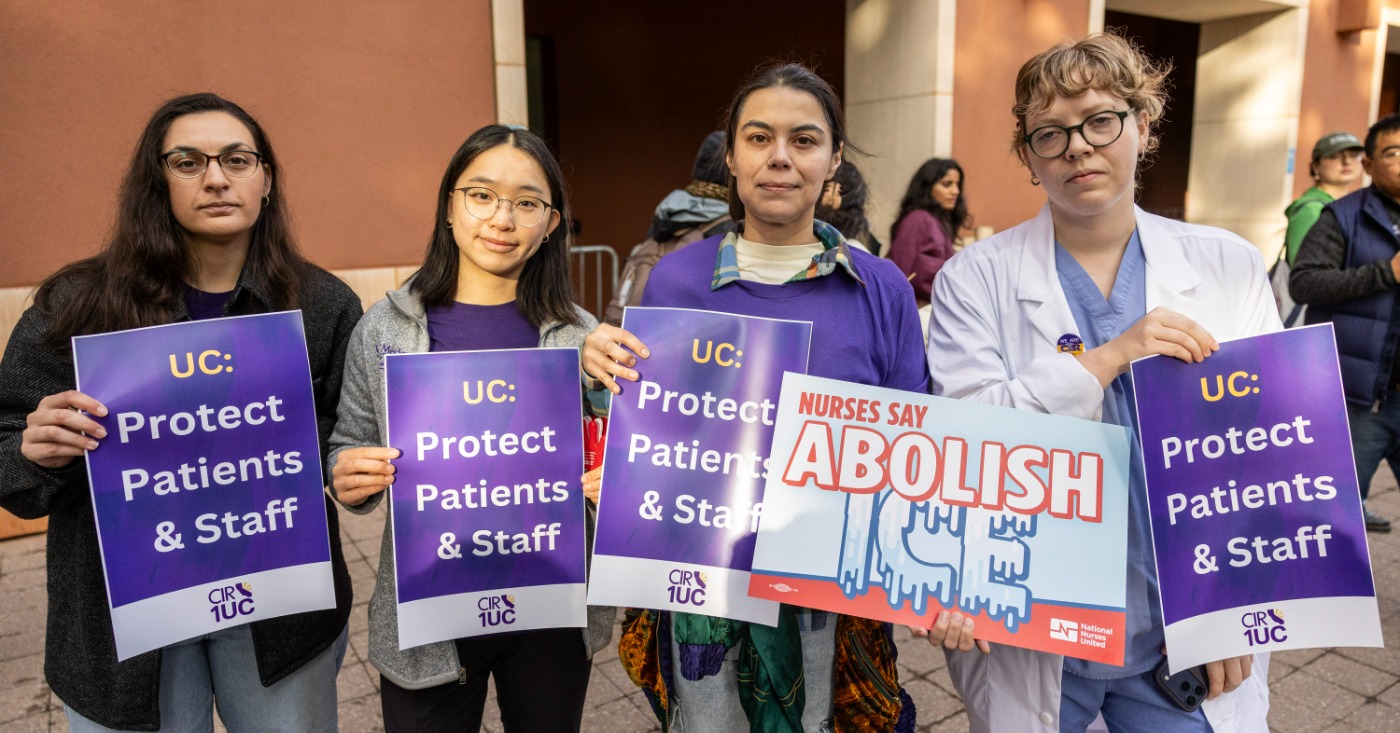
Alongside community members, a coalition of resident physicians and nurses from across the University of California rallied this week outside the Board of Regents meeting in San Francisco demanding that UC get ICE out of its hospitals and establish clear, systemwide protections for patients and healthcare workers.
Hundreds of emails have been sent to the Board of Regents and UC President James Milliken reiterating the need for a comprehensive policy and protocol. The email action is cosponsored by the Committee of Interns/Service Employees International Union (CIR/SEIU), the California Immigrant Policy Center, California Nurses Association, and United Auto Workers 4811, according to a press release issued by protest organizers.
These actions on Tuesday, Nov. 17, were part of a growing campaign to ensure UC hospitals remain places of healing, dignity, and confidential medical care for everyone, regardless of immigration or custody status, the press release said.
Currently, a lack of clear, consistent protocols and staff training for situations involving patients in immigration enforcement custody at UC Health facilities creates confusion, safety risks, and the potential for violations of patients’ rights. Healthcare workers need clear guidance to protect patient privacy, uphold legal rights, and provide appropriate medical care.
“As doctors, the well-being of the people we serve is our utmost priority. The presence of immigration enforcement in our hospitals undermines our ability to provide care and impedes patients from receiving proper, dignified treatment. UC must take action now to protect patients and staff,” said Dr. SatKartar Khalsa, CIR-SEIU regional vice president.
The presence of immigration enforcement officers in healthcare settings can interfere with medical examinations and treatment, compromise patient confidentiality, and undermine trust between patients and providers. Patients in immigration custody may face barriers to contacting family, accessing support services, and participating in decisions about their care. Healthcare workers also report fears of unsafe working conditions, racial profiling, and retaliation for advocating for their patients.
“Nurses demand that our hospitals must be places of healing and safety and completely off limits to any sort of ICE or federal immigration agent presence,” said Jamile Cabacungan, a medical-surgical-telemetry RN at UCSF Stanyan Hospital. “From the start of this cruel and unnecessary deportation program, nurses have been educating ourselves and our patients to know and exercise our rights, and we even sponsored state legislation to keep ICE out of our hospitals. Our employer UC must step up and proactively do everything possible to support us and our ability to provide safe care to our patients and communities.”
The coalition calls on UC leadership to:
- Protect patient privacy and dignity by limiting ICE access to patient care areas and safeguarding confidential patient communications.
- Uphold patients’ rights and continuity of care, including access to certified medical interpreters, family notification, surrogate decisionmakers, social services, legal support, and safe disposition planning.
- Protect healthcare workers from racial profiling and retaliation for advocating for immigrant patients.
- Establish clear protocols and staff training for responding to immigration enforcement activity in hospitals.
- Ensure transparency and accountability, including information about federal immigration agents’ visits to UC hospitals over the past year.
- Meet with union representatives to address healthcare workers’ concerns and develop effective protections.
The coalition is urging – at a minimum – for UC to adopt the updated California Attorney General guidelines, with stronger protections modeled on comprehensive immigrant rights policies. These protections must include practical protocols, staff training, clear lines of responsibility, and accountability for implementation.



The Afrikan Restoration Project Marks 60 Years of Kwanzaa With New Book and Expanded Focus

How EDUCATION Evolved Her Business Since 2020 #shorts

Jamal’s Take: Cowboys Send a Message With Dominating Win Over Tennessee Titans

Twin Cities Radio: Why I Finally Joined The Current #shorts

I Made Six Figures—But Lost Money Building My Business #shorts

How Hip-Hop’s Evolution Made Us Fall in Love Again #shorts

Conscious Hip Hop: Why Great MCs Still Go Unheard #shorts

Check These Driving Impressions Before Buying #shorts

Car Buying Tips: 4 Steps to Avoid Costly Dealer Friction #shorts

Super Cruise or Rear Screens? Choose What Matters #shorts

HISTORY MADE: Keisha Lance Bottoms Becomes First Black Woman Elected Governor in American History

Retirement Triggers Doctor to Pen Book for Young Audience

Capturing Black Life’s Beauty

Multi-Faith Leaders Representing 10 Million People Launch National Anti-Authoritarian Initiative

Christianity’s Racial History

Hundreds of Black Christian Leaders Arriving in Israel for Martin Luther King-Inspired Mission

Message from the Associate Editor: Blindness, Hurts, Cops

Michael Shiner: The Enslaved Man Who Wrote His Way into American History

Keisha Lance Bottoms to Govern State Where Her Great-Great-Grandfather Was Enslaved

Don’t Pass the Torch. Expand the Circle.
How EDUCATION Evolved Her Business Since 2020 #shorts
Jamal’s Take: Cowboys Send a Message With Dominating Win Over Tennessee Titans
Twin Cities Radio: Why I Finally Joined The Current #shorts
I Made Six Figures—But Lost Money Building My Business #shorts
How Hip-Hop’s Evolution Made Us Fall in Love Again #shorts
Conscious Hip Hop: Why Great MCs Still Go Unheard #shorts
Check These Driving Impressions Before Buying #shorts
Car Buying Tips: 4 Steps to Avoid Costly Dealer Friction #shorts
Super Cruise or Rear Screens? Choose What Matters #shorts

This BOUNDARIES Bag Is Connecting Women Beyond the Purchase #shorts
-

 Black Press1 week ago
COMMENTARY: Thank You, Trump, for Making America Great Again!
-

 Black Press1 week ago
Black Men Encouraged to Start Prostate Cancer Screening at 45
-
 Black History1 week ago
Mississippi Congressman Bennie Thompson Congratulates Scott Colom on Historic Victory
-
 Black Press1 week ago
Oakland City Council Extends AI Data Center Moratorium for 10 Months.
-
 Black Press1 week ago
Computational Thinking and Young Children: It’s Not What You Might Think!
-

 Black History5 days ago
Black Barbershops Have Long Given Neighborhood Politics a Place to Unfold.
