
Black Press
Hypertension and Heart Disease: Doctors, Advocates and Patients Are Tackling the Leading Cause of Death for Black Californians
Cardiovascular disease remains the leading cause of death for Black Californians, who experience stroke and hypertension at significantly higher rates than the state average. While personal lifestyle changes such as improved diet and exercise are vital, many patients find that individual efforts are not enough to manage the “silent killer.” Data from the 2026 California State of Public Health Report reveals that the cardiovascular death rate for Black residents is 1.6 times the statewide average, a disparity experts attribute to a combination of traditional risk factors and systemic medical challenges.

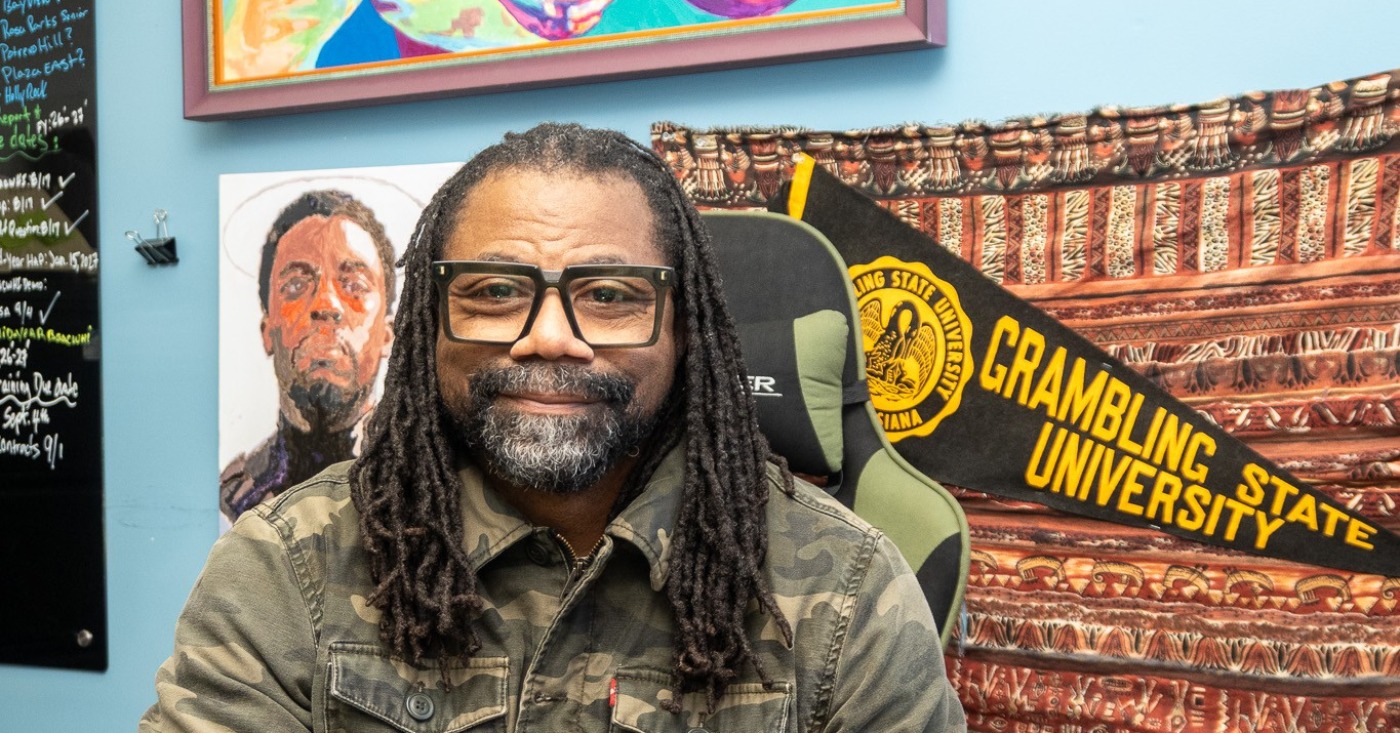
Andre Aikins, 55, serves as director of programs at the San Francisco-based Rafiki Coalition for Health and Wellness, an organization dedicated to improving health outcomes in the Black community.
For Aikins, that work is personal.
His father and older brother died from preventable illnesses in their late 50s, he said. So, when Aikins learned he had high blood pressure and borderline diabetes, the diagnosis came as a shock — especially since he took pride in his healthy and active lifestyle.
“For a while, I refused to believe it and tried to deal with it my own way,” recalled Aikins, a former math teacher and assistant principal. “After going to the doctor a couple of times, I was told it wasn’t getting better, so I had to take prescription drugs, and I had to eat differently.”
Those changes paid off, said Aikins.
“Blood pressure? Perfect. All my health indicators, including blood glucose, are below the range for diabetes.”
But for some Black Californians, taking medication and adopting healthier habits aren’t enough. Getting the right medical care can be just as critical.
Chris Goodloe, an Inland Empire resident, was doing everything right. He exercised, ate healthy foods and took his prescribed medications. Yet his blood pressure remained stubbornly high.
Frustrated with what he perceived as inadequate care at his local Kaiser Permanente facility, Goodloe sought help from a Black female doctor in Murrieta after experiencing a panic attack.
That decision, he said, made all the difference.
The doctor referred him to a specialist who prescribed a diuretic to help control his blood pressure. Goodloe credits that breakthrough to finding a physician who listened.
“I hate to make this about race, but if I hadn’t seen the Black lady in Murrieta I would have never gotten to a specialist,” he said.
Goodloe’s experience underscores how access to attentive, effective medical care can shape health outcomes, particularly for Black patients navigating a health care system in which disparities persist.
Those disparities are especially troubling when it comes to cardiovascular disease, a leading cause of death among Black Californians.
According to the2026 California State of Public Health Report, Black Californians have the highest reported stroke prevalence, and their cardiovascular disease death rate is 1.6 times the statewide average. Additionally, 2023 Centers for Disease Control and Prevention survey data show that Black Californians had the highest prevalence of hypertension among racial and ethnic groups in the state.
Dr. Powell Jose, a Northern California-based Sutter Health cardiologist and heart disease researcher, said high rates of hypertension remain a significant challenge in the Black community. A Sutter Health study found that Black patients under 50 had the highest rates of heart disease, stroke and heart failure compared with other groups, he said.
“When we dug into why that was the case, it was mostly related to traditional risk factors not being well controlled,” Jose explained.
Experts say those findings are particularly concerning because hypertension is a major contributor to cardiovascular disease. Left untreated, high blood pressure damages blood vessels over time, significantly increasing the risk of stroke, heart attack and heart failure.
Dr. Alexis Simpkins, a vascular neurologist at Cedars-Sinai Medical Center in Los Angeles who specializes in stroke care and cerebrovascular disease, said many people don’t know they have hypertension because they aren’t routinely screened.
“Hypertension is often called the ‘silent killer,’” she said. “High blood pressure is the number one preventable risk factor for heart disease and stroke. Hypertension is treatable. The goal is detecting it and managing it before a serious event happens.”
Aikins pointed to diet, lack of exercise and mental well-being as factors contributing to the disproportionate burden of cardiovascular disease among Black Californians. He also said reluctance to seek medical care can compound those risks.
“When you go to the doctor, most of the time we say, ‘I’m okay,’ unless we are on our deathbed,” Aikins said. “We don’t get regular checkups unless our arm is falling off.”
Simpkins, an American Heart Association (AHA) volunteer expert, said the exact cause of “essential hypertension” is unknown. Rather than focusing on a single cause, she encourages patients to follow the AHA’s Life’s Essential 8 framework, which emphasizes healthy eating, physical activity, quality sleep, avoiding tobacco, managing cholesterol and blood sugar, maintaining a healthy weight and controlling blood pressure.
But as Goodloe’s experience illustrates, personal responsibility is only part of the equation. How the health care system responds to patients with uncontrolled hypertension can be equally important.
Dr. Steven W. Chen, associate dean of clinical affairs and professor at the USC Mann School of Pharmacy and an AHA volunteer expert, said patients can struggle with uncontrolled hypertension and other chronic conditions even after months of visits with primary care providers.
Chen described a problem known as “treatment inertia,” in which patients repeatedly visit doctors with elevated blood pressure but leave without adjustments to their treatment.
“We have plenty of medications, all generic and inexpensive, widely available,” he said. “They’re just not being deployed well. That’s a fault of our system.”
To illustrate how more proactive care can improve outcomes, Chen pointed to a Los Angeles program led by the late Dr. Ronald Victor that brought pharmacists into Black barbershops to help patrons manage hypertension.
According to Chen, “About 90% of participants receiving the pharmacist-led intervention achieved blood pressure control, compared with 32% of those receiving usual care.”
Chen said Victor’s “secret sauce” was a poster featuring a patient’s photograph and testimonial that connected blood pressure management to personal goals and family milestones.
“It wasn’t medical,” Chen explained. “It was about things like, ‘I want to be there when my kids graduate from high school, when my daughter gets married. The things you don’t really think about so much, but when you start to put it together, it is what motivates you. That was remarkably effective at engaging participants.”
Other health systems are also exploring ways to improve hypertension treatment and eliminate gaps in care.
A March study led by the University of California, San Francisco, found that the UC health system’s use of the UC Way Hypertension Medication Algorithm helped thousands of patients achieve better blood pressure control.
Dr. Sandeep P. Kishore, an internist and associate professor of medicine at UCSF, said the program helped about 4,860 people control their blood pressure, with an estimated 72 strokes, 48 heart attacks and 38 deaths averted.
The tool provides clinicians with a step-by-step approach to medication adjustments and recommends closer patient follow-up. Between 2023 and 2025, blood pressure control among Black patients increased from 63.4% to 67.3%, while control across all patients rose from 68.5% to 73.9%.
“Nationally, we know Black patients are more likely to experience therapeutic inertia, where blood pressure stays high, but treatment isn’t intensified or changed,” Kishore said. “The UC algorithm gives clinicians a clear, science-backed next step and recommends faster follow-up, measurement, and clinical action, so patients reach their goals sooner.”
Jose said Sutter Health has expanded remote monitoring programs that equip patients with wireless blood pressure cuffs and connect them with pharmacists who review readings and can adjust medications remotely.
Another option for patients whose hypertension remains difficult to control is renal denervation, a procedure that targets nerves surrounding the arteries supplying the kidneys to help lower blood pressure.
“I’ve had Black patients go through this procedure successfully, cut back on their medications, and have better blood pressure control,” Jose said.
Jose also recommended that people have their lipoprotein(a), or Lp(a), levels checked at least once in their lifetime because elevated levels increase the risk of heart disease and stroke.
Simpkins emphasized that regular screening remains essential because patients cannot manage hypertension if they don’t know they have it.
“High blood pressure is one of the most important risk factors we can intervene on,” she said.
“Even if prevention isn’t possible, we know how to manage hypertension effectively. We need to make sure it doesn’t become a barrier to quality of life.”
At the community level, organizations such as the Rafiki Coalition are working to make prevention and early detection more accessible. The San Francisco nonprofit hosts events throughout the Bay Area to educate Black residents about health risks and encourage regular checkups.
This month, Aikins said, the organization plans to offer blood pressure screenings at a community event.
For Aikins, whose family history underscores the potentially devastating consequences of chronic illness, the message is simple: Take action before a health problem becomes a crisis.
“Don’t take your health for granted,” Aikins said. “Engage in preventive measures. When something doesn’t feel right, get it checked out. Don’t wait until you’re bedridden.”






Black Press
Marin City Is Especially Vulnerable to El Niño High Tides, Strong Winds, Flooding and Power Outages
Marin City faces significant risks as extreme El Niño weather conditions threaten the community with high tides, flooding, and power outages. Local advocates warn that the neighborhood’s single access point and history of limited emergency response leave vulnerable residents, including those with life-threatening illnesses, at risk of isolation. While the county has allocated millions for weather preparedness, local organizers say Marin City has not received direct funding for its specific needs. Community leaders are now mobilizing to provide emergency supplies and specialized training to protect their neighbors. Read more.

Marin City Climate Resilience (MCCR) focuses on support for most vulnerable residents
Marin City, along with other communities in Marin County, is preparing for the predicted high tides, strong winds and flooding that are expected in coming months due to extreme El Niño weather conditions.
Marin City has a history of residents who are at-risk due to multiple hazards, i.e. environmental contaminations, racism, economic disparities which have existed for decades. These issues become even more critical in times of crisis.
One of the major concerns during torrential rains, high tides, high winds and flooding is power failures. This is especially of concern for residents with life-threatening illnesses who depend on electricity to sustain life or prevent medical deterioration. Residents who require electricity for bed and chair assistance and who are isolated are left vulnerable.
Marin City has a long history of the fire and sheriff departments not being available to Marin City residents in emergencies because of their extensive responsibilities in southern Marin.
The community is prone to intense flooding because of its location at the base of Highway 101. Additionally, Marin City has only one way in and out, so when flooding and high tides occur, residents face the possibility of being isolated and cut off from outside emergency medical assistance. At-risk residents would not be able to leave to go to specialty doctors for dialysis, heart and lung issues and unexpected emergency health situations.

All of these potential conditions create stress and anxiety among residents.
Mobilizing disaster preparedness for this community, Marin City Climate Resilience (MCCR) and other community organizations and advocates are working intensely to support local residents.
MCCR is working specifically to provide services to the most vulnerable with access and functional needs, including seniors; people with disabilities; pregnant women; and infants and small children who may need additional assistance before, during, and after an emergency, disaster, or public health event.
MCCR preparedness plans include providing education and training and most importantly teams of residents (Climate Care Ambassadors) to assist vulnerable community members. Ambassadors will receive training in adult and pediatric first aid as well as how to respond to breathing and cardiac emergencies, injuries and sudden illness.
Over $5 million has been allocated in county funds for El Niño, but Marin City has not received any funding to provide direct services to its residents.
MCCR is seeking Bay Area-wide donations to provide at least 300 vulnerable residents with emergency survival supplies and services. These donations will be utilized for “Go Bags,” or grocery carts, that contain: blankets, clothing, health and personal items, radios, flashlights, phone chargers, food, and other basic necessities.
Each Go Bag will cost about $150 to prepare. The entire project is estimated to cost $100,000.
“This project shines a light on the many ways this community has been neglected and harmed by a lack of investment resulting in a 20-year difference in life expectancy, and it shows the ability of the community, as it has done in the past, to come together to support each other, especially in these emergency situations,” said Terrie Green, CEO of Marin City Climate Resilience.
Because folks have expressed concern about the issues facing Marin City, the Post will be covering these issues on a regular basis.
Due to the emergency situation, donations are especially critical right now. To make a donation, contact: Terrie Harris Green, [email protected], (415) 336-6421.
Black History
‘We’re Committed to Delivering the Change that the American People Deserve’
House Speaker-designate Hakeem Jeffries recently outlined a legislative vision for the 120th Congress, emphasizing a commitment to affordability and government accountability. As the first Black congressman set to take up the Speaker’s gavel, Jeffries appeared alongside historic leadership selections Katherine Clark and Pete Aguilar to address the economic struggles facing American families. The Democratic nominee pledged to combat rising costs for groceries, housing, and healthcare while promising to address systemic corruption. Jeffries further detailed his strategy for representing diverse communities across the nation. Read more.
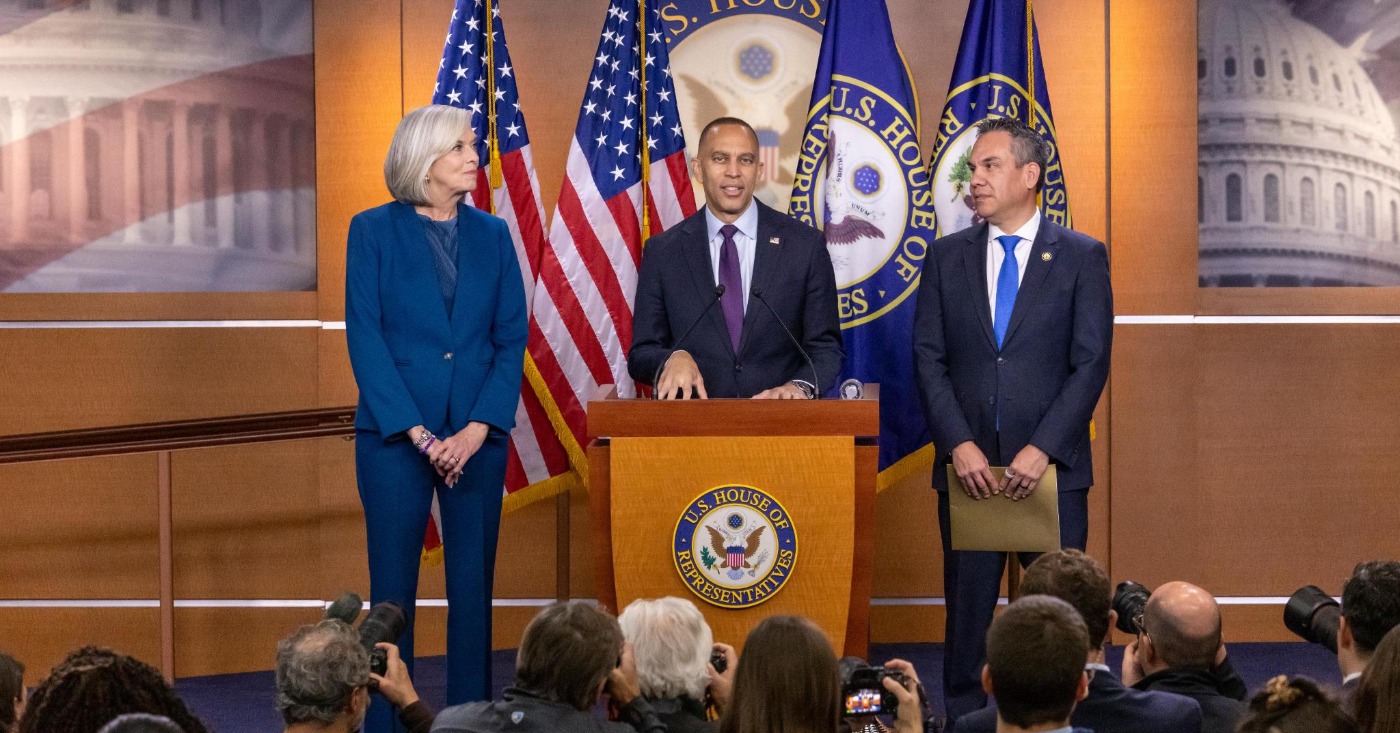
Hakeem Jeffriesto become the first Black congressman to take up the Speaker’s gavel
House Speaker-designate Hakeem Jeffries held a press conference where he emphasized that House Democrats are committed to delivering on their vision of affordability and accountability for the American people in the 120th Congress.
His remarks are shared below.
“It’s a high honor and a distinct privilege to stand before the American people today as the Democratic nominee to be the next Speaker of the United States House of Representatives. It’s a particular honor to stand with two amazing leaders, patriots, colleagues and friends. Katherine Clark, the Democratic Leader, the Majority Leader in the 120th Congress, a historic elevation, and Pete Aguilar, the next Majority Whip of the 120th Congress, also a historic elevation.
“We collectively know as House Democrats that life is way too expensive here in the United States of America. There are far too many people in this country who are working hard, they’re playing by the rules, but they can’t thrive and they can barely survive. That’s not acceptable here in this great country, the wealthiest country in the history of the world. We know the American people are struggling. We know millions of people are drowning in this failed Republican economy, and House Democrats are committed to turning things around.
“Our message to the American people who are struggling in this failed economy is a simple one. We hear you. We see you. We feel you. And House Democrats are committed to making life better for you. We’re going to fight for an affordable America. We’re going to fight to lower the high cost of groceries and gas and housing.
We’re going to fight to make healthcare affordable for every single American. And we’re going to fight to make sure that, in the face of the unprecedented corruption, chaos and cruelty visited upon the American people, that House Democrats will hold the crooks accountable, not for partisan reasons, but for patriotic ones, because the American people deserve better.
The 120th Congress is going to be the most diverse in America’s history. And we know that what brings people together are the challenges that Americans of every walk of life are experiencing. Our commitment is that we’re going to fight hard to make life better for everyone.
We’re going to fight for small-town America. We’re going to fight for urban America. We’re going to fight for rural America. We’re going to fight for the heartland of America. We’re going to fight for Black and brown communities all across America.
The people of this country are demanding bold, dramatic and transformational change. The status quo is unacceptable. And we’re committed to delivering, in a meaningful way, the type of change that the American people deserve so that everyone in this country can live an affordable life, a comfortable life and a good life.
U.S. Rep. Hakeem Jeffries’ media relations office is the source of this report.
Black History
PRESS ROOM: Governor-Elect Byron Donalds Announces Leadership Team for 2027 One Florida Inauguration
BLACKPRESSUSA NEWSWIRE — Under the theme “One Florida: A Celebration of the Florida Dream,” the inauguration will honor Florida’s rich history, celebrate the people and communities that make our state extraordinary, and look ahead to a future of opportunity for every Floridian.

Erika Donalds to Serve as Inaugural Chair; Cindy Gil-Avila Named Honorary Co-Chair
Governor-elect Byron Donalds today announced the leadership team for the 2027 Florida Inauguration, which will mark the swearing-in of Governor-elect Donalds and Lieutenant Governor-elect Bryan Ávila on January 5, 2027.
Under the theme “One Florida: A Celebration of the Florida Dream,” the inauguration will honor Florida’s rich history, celebrate the people and communities that make our state extraordinary, and look ahead to a future of opportunity for every Floridian.
Erika Donalds will serve as Inaugural Chair, Cindy Gil-Avila as Honorary Co-Chair, and Ed Miyagishima as Executive Director. They will be joined by an experienced leadership team responsible for planning inaugural events, coordinating statewide outreach, and creating meaningful opportunities for Floridians to participate in this special moment in our state’s history.
Reflecting the spirit of One Florida, the leadership team brings together individuals with different backgrounds, experiences, and political perspectives, united by a shared commitment to Florida and its future.
Governor-elect Byron Donalds said:
“The opportunity to serve the people of Florida is an extraordinary honor, and one I will never take for granted. This inauguration isn’t just about a new administration. It’s about celebrating the people, communities, and shared aspirations that make Florida such a special place to call home. I’m grateful to Erika, Cindy, and this outstanding team for helping us create a celebration that reflects the spirit of One Florida and welcomes Floridians from every corner of our great state.”
Lieutenant Governor-elect Bryan Ávila said:
“I’m grateful to everyone who has stepped forward to help make this occasion meaningful for Floridians across our state. As we prepare for this new chapter, I look forward to celebrating the traditions that unite us, the communities that strengthen us, and the opportunities we can create together for the next generation.”
Inaugural Chair Erika Donalds said:
“I’m deeply honored to help bring this celebration to life. Florida is a remarkable place, not simply because of its beauty or opportunity, but because of its people — hardworking families, entrepreneurs, educators, first responders, and neighbors who make our communities strong. We want this inauguration to reflect the very best of Florida: the traditions we cherish, the communities we call home, and the hope we share for our children and grandchildren. Above all, we want every Floridian to feel that this is their celebration, because the Florida Dream belongs to all of us.”
2027 One Florida Inaugural Leadership Team
- Erika Donalds — Inaugural Chair
- Cindy Gil-Avila — Honorary Co-Chair
- Ed Miyagishima — Executive Director
- Danielle Alvarez — Senior Advisor
- Bobby DuBose — Senior Advisor
- Brad Herold — Senior Advisor
- Amanda Emmons — Deputy Executive Director, Donor Operations
- Julia Friedland — Deputy Executive Director, Communications
- Yen Le — Deputy Executive Director, External Outreach
- Megan McKinley — Deputy Executive Director, Donor Relations
About the Inaugural Leadership Team
Erika Donalds — Inaugural Chair
Erika Donalds is an education entrepreneur, nonprofit founder, and former elected school board member with a longstanding commitment to expanding educational opportunity for Florida families. She founded the Education Freedom Foundation and OptimaEd and has helped establish six classical charter schools. Her public service includes the Collier County School Board, the Florida Constitution Revision Commission, and the Florida Gulf Coast University Board of Trustees.
Cindy Gil-Avila — Honorary Co-Chair
Cindy Gil-Avila is an entrepreneur and leadership development professional with more than 15 years of experience helping individuals and organizations thrive. She founded Capability Growth Associates, where she focuses on developing leaders, strengthening workplace cultures, and helping organizations reach their potential. Originally from Bogotá, Colombia, she lives in Miami Springs with her husband, Lieutenant Governor-elect Bryan Ávila, and their two children. She brings a passion for family, community, and service to her role as Honorary Co-Chair of the 2027 One Florida Inauguration.
Ed Miyagishima — Executive Director
Ed Miyagishima brings extensive experience in government operations, protocol, and major event planning. His federal service spans three presidential administrations and includes coordinating official visits and major events. He previously served as Florida’s Director of Protocol and International Affairs under Governor Rick Scott and as Senior Advisor for Campaign Operations for Byron Donalds for Governor.
Danielle Alvarez — Senior Advisor
Danielle Alvarez will serve as Senior Advisor to Governor-elect Byron Donalds’ Inauguration, having advised his campaign since its launch. A Partner at Mercury, Alvarez most recently served as Senior Advisor to President Trump at the White House and on his winning 2024 campaign. She previously served as RNC Communications Director, and served in Governor Rick Scott’s administration.
Bobby DuBose — Senior Advisor
Bobby DuBose is a former Florida House Democratic Leader and longtime public servant from Fort Lauderdale. He represented his community in the Florida House of Representatives from 2014 to 2022, serving as Democratic Leader from 2020 to 2022. He previously served as a Fort Lauderdale city commissioner and vice mayor and is a graduate of the University of Florida.
Brad Herold — Senior Advisor
Brad Herold is a partner at Something Else Strategies and an experienced political and communications strategist. He served as Senior Advisor to Governor-elect Donalds’ 2026 campaign, managed Ron DeSantis’ 2018 gubernatorial campaign, and previously served as Executive Director of the Republican Party of Florida.
Amanda Emmons — Deputy Executive Director, Donor Operations
Amanda Emmons brings experience in fundraising operations and organizational management. She helped lead the finance team for Byron Donalds for Governor and previously served as Finance Director for U.S. Senator Kelly Loeffler’s Senate campaign. She is President of ANE Strategies LLC and resides in Jupiter, Florida.
Julia Friedland — Deputy Executive Director, Communications
Julia Friedland is a Vice President at Mercury with extensive experience in government, public affairs, and strategic communications. She previously served in Governor Ron DeSantis’ press office, as Director of Development and Partnerships for SelectFlorida, and in communications leadership roles with the Republican Party of Florida and Republican National Committee.
Yen Le — Deputy Executive Director, External Outreach
Yen Le brings experience in statewide outreach, coalition engagement, and organizational leadership. She served as Political Director for Byron Donalds’ gubernatorial campaign and previously held leadership roles with Senator Marco Rubio’s campaign, the Republican National Committee, and the Republican Party of Florida. She also worked with the Florida Senate and in the private sector.
Megan McKinley — Deputy Executive Director, Donor Relations
Megan McKinley is a Tallahassee native with extensive experience in fundraising and political finance. She served as Finance Director for Byron Donalds for Governor and previously held finance roles for Senator Marco Rubio, Senator Tim Scott, and the National Republican Senatorial Committee. She is a graduate of the University of Georgia.
One Florida: A Celebration of the Florida Dream
One Florida is a tribute to the people who have built this state and the generations who will shape its future.
From the Panhandle to the Keys, from our largest cities to our smallest towns, every community and every Floridian has a place in the story of our state.
The 2027 inauguration will celebrate the people, traditions, and opportunities that make Florida extraordinary, while honoring the responsibility of public service and looking ahead with gratitude, optimism, and a renewed commitment to the Florida Dream.
Additional announcements, including the members of the One Florida Inaugural Committee, event details, and opportunities for public participation, will be shared in the coming weeks.
For updates, visit onefloridainauguration.com.
Black Press
COMMENTARY: Historic Elections Bring Joy to an Embattled Nation
BLACKPRESSUSA NEWSWIRE — Despite federal rollbacks in diversity and inclusion, fair housing, voting rights and more, when 2027 arrives, the nation’s elected leaders in states and in Washington will more closely resemble the country’s diversity in race, gender, and ethnicity. Beyond this year’s lengthy list of historic wins, when new officials assume their duties in January, America will have:

Despite economic challenges, civil rights leaders see hope
The glowing aftermath of November’s historic midterm elections not only usher in an annual season of hope and faith but also provide an encouraging sign that our democracy will now address the needs of millions of people who have been either pushed out or locked out of economic opportunity.
Despite federal rollbacks in diversity and inclusion, fair housing, voting rights and more, when 2027 arrives, the nation’s elected leaders in states and in Washington will more closely resemble the country’s diversity in race, gender, and ethnicity. Beyond this year’s lengthy list of historic wins, when new officials assume their duties in January, America will have:
- A Black Speaker of the House of Representatives
- 5 Black governors serving in Florida, Georgia, Maryland, Nevada and Wisconsin
- 7 Black state attorneys general protecting consumers in Georgia, Illinois, Maryland, Massachusetts, Minnesota, New York and Washington state
- 7 Black U.S. Senators representing Delaware, Georgia, Illinois, Maryland, Mississippi, New Jersey and South Carolina
- 66 or more members in the Congressional Black Caucus, depending upon final election certifications.
A chorus of civil rights advocates herald both the victories and opportunities for the nation.
“Voters didn’t just decide in this election,” stated Maya Wiley, president and CEO of the Leadership Conference on Civil and Human Rights. “They demanded! They demanded a very different future from the one offered from the current administration and its allies… Across race, gender, sexuality, identity, nation of origin, age, religion, disability, income, and geography, the majority of this country showed what they hold most sacred — their rights and freedoms that are tied to their opportunities and well-being…We cannot just tinker with a past that made progress but proved too fragile and resulted in dreams deferred.”
While Janai Nelson, Legal Defense Fund (LDF) President and Director-Counsel, applauded voters’ efforts in the November midterm elections, she also quickly noted that the quest for freedom and economic inclusion continues.
“The work of rebuilding our democracy begins now and we must be bold and visionary,” said Nelson. “LDF will continue its work with Black communities to hold elected officials accountable to address the very real issues facing our communities: ending the thuggery that has been unleashed by the president’s reckless deportation forces, ensuring strong and effective educational opportunities for all students, making health care and housing affordable, and creating fair economic opportunities that give everyone a chance to thrive — not just those at the top. Our vote was not the final word.”
The depth and breadth of the nation’s financial challenges is underscored in an updated report entitled, State of Personal Finance in America Q3 2026, a quarterly research study conducted by Ramsey Solutions that tracks personal finance behaviors and attitudes of everyday Americans.
According to the update, an estimated 94 million U.S. adults say they’re struggling or in crisis financially. The study also found that more than half of Americans – 53 percent – are living paycheck to paycheck.
“When more than half of Americans are cutting back on Christmas gifts, it shows just how much families are feeling the pressure,” said Rachel Cruze, personal finance expert and co-host of “The Ramsey Show” and “Smart Money Happy Hour.” “Christmas should be a time of joy, not a
financial burden that follows you into the new year.”
For some federal lawmakers, resurrecting the Consumer Financial Protection Bureau’s (CFPB) to its rightful regulatory role is a priority. In published comments appearing in a recent article by The Guardian, Representative Bill Foster of Illinois and Senators Raphael Warnock of Georgia and Catherine Cortez Masto of Nevada plan to aggressively scrutinize what has happened at the CFPB in recent years.
“Next Congress, my colleagues on the Financial Services Committee and I will investigate the unconstitutional dismantling of the CFPB,” Foster said, adding that he and other committee members will pursue “subpoenas, investigations, hearings, and, ultimately, legislative action to restore consumer protections in this country and hold accountable those who seek to profit off the most vulnerable Americans.”
Massachusetts Senator Elizabeth Warren, a former Harvard professor credited as being CFPB’s ‘brainchild’ is also speaking up for the embattled agency.
“Accountability is coming,” said Warren. “If you’re a Wall Street executive, Big Tech CEOs, giant corporations that have been cheating people, you should be worried. And government officials who have put their own interests ahead of the public interest, should be worried too.”
Hopes for future consumer-friendly reforms also include relief for the 42.6 million student loan borrowers who collectively struggle with $1.7 trillion of debt.
“Borrowers expect the newly elected Congress to address the student debt crisis and work to make student loan payments more affordable,” said Natalia Abrams, Student Debt Crisis Center President. “The 120th Congress has an opportunity and a responsibility to fulfill their promises of affordability. Student loan borrowers deserve a seat at the table and real solutions that address the financial burden they carry every day.”
Now, before new terms of office begin, is a season for Black America to celebrate our hope, joy, and faith in the future.
As Derrick Johnson, the NAACP President and CEO noted, “Once again, Black voters have proven that we are not bystanders in this country, we are its builders.”
Charlene Crowell is a senior fellow with the Center for Responsible Lending. She can be reached at [email protected]
Black History
Black Women’s Roundtable Unveils Its First 100 Days Federal Policy Agenda Priorities & Congratulates Congressman Hakeem Jeffries on Historic House Speaker Nomination
BLACKPRESSUSA NEWSWIRE — Developed under Campbell’s leadership, the BWR’s Policy Priorities draw from the Black Women’s Roundtable 2027 Federal Policy Agenda. They translate Black women voters’ concerns into specific legislative demands and a clear standard for holding newly elected members and returning lawmakers accountable.
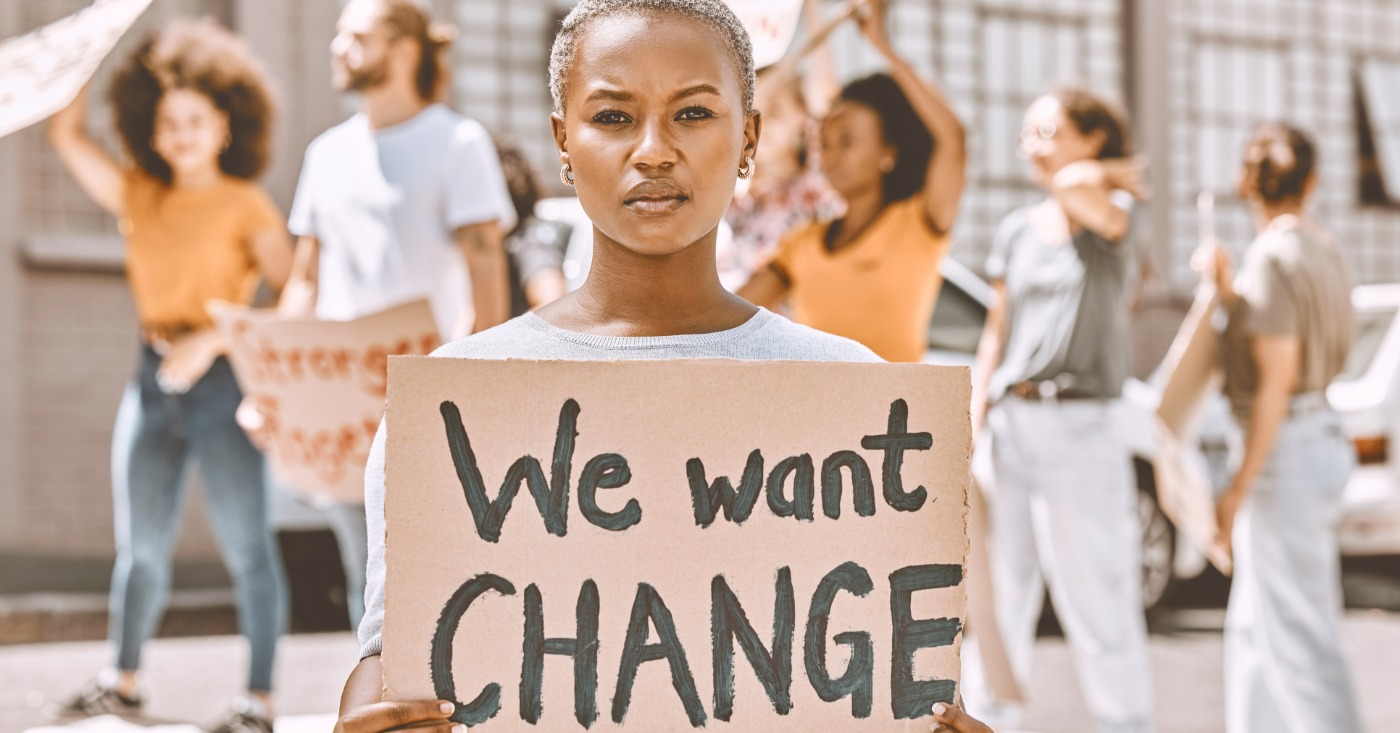
“Black Women Didn’t Just Mobilize to Change Who Holds Office. We Organized to Change What Government Delivers”
Grounded in the 2026 Power of the Sister Vote Poll, BWR Outlines Seven Congressional Priorities Addressing Black Women Voters’ Concerns About Economic Security, Health Care, Voting Rights and Opportunities
Following the House Democratic Caucus’s nomination of Hakeem Jeffries for speaker, bringing him one step closer to becoming the first Black American to lead the U.S. The House of Representatives, the Black Women’s Roundtable today released its sevenpriorities for the first 100 days of the 120th Congress. The full House will elect its speaker when the new Congress convenes in January 2027. The BWR is the women and girls’ empowerment arm of the National Coalition on Black Civic Participation (NCBCP).
“For Black women who organized, mobilized their communities and helped elect the incoming Congress, the prospect of the nation’s first Black speaker carries profound historical significance, and an opportunity to turn representation into results,” states Melanie L. Campbell, NCBCP president and CEO and National Convener of the Black Women’s Roundtable.
Developed under Campbell’s leadership, the BWR’s Policy Priorities draw from the Black Women’s Roundtable 2027 Federal Policy Agenda. They translate Black women voters’ concerns into specific legislative demands and a clear standard for holding newly elected members and returning lawmakers accountable.
Working alongside state affiliates and coalition partners, NCBCP and the Black Women’s Roundtable led a multigenerational GOTV & Democracy Defense Campaign to engage and mobilize thousands of Black voters and protect access to the ballot across The South and in key states including: AL, FL, GA, MI, MS, NC, OH, PA, and SC (see www.UnityCampaign.org).
Black women helped mobilize voters and shape the outcome of the 2026 Midterm Elections. Now, they are sending a clear message to elected officials on a national, state and local level: Deliver on the issues that matter to our families and communities or answer to the voters who put you there.
The BWR Policy Priorities are informed by the The 2026 BWR Power of the Sister Vote Poll, a national survey of 1,000 registered Black women voters conducted during the 2026 midterm cycle. The findings underscore the urgency: 47% identified protecting the social safety net as a top federal priority, 43% cited rising prices, and 31% prioritized lowering health care and prescription drug costs.
Building on its nationwide voter mobilization and democracy protection efforts, NCBCP and BWR are now turning that organizing power toward holding elected officials accountable.
“Today’s vote brings Hakeem Jeffries one step closer to becoming the first Black speaker of the House – a historic milestone built on generations of struggle for representation and the organizing that Black women carried into this election,” said Melanie L. Campbell, NCBCP president and CEO and national convener of the Black Women’s Roundtable. “We recognize the significance of this moment, and we intend to build on it. Black women didn’t just mobilize to change who holds office. We organized to change what the government delivers.”
THE SEVEN PRIORITIES: WHAT BLACK WOMEN EXPECT FROM CONGRESS
NCBCP and BWR are calling on the 120th Congress to:
- Protect the Social Safety Net: Reverse Medicaid and SNAP cuts and protect Social Security and Medicare.
- Lower the Cost of Living: Expand the Child Tax Credit, increase affordable housing opportunities and address policies driving up family costs.
- Make Health Care Affordable and Save Black Mothers and Babies: Restore ACA tax credits, lower prescription drug costs, expand postpartum Medicaid coverage and protect maternity care.
- Create Jobs, Raise Wages & Expand Business Opportunities: Invest in job creation and apprenticeships, establish a $25 federal minimum wage, end the subminimum wage for tipped workers, advance paid family leave and expand access to entrepreneurship, small business development capital and federal contracting and procurement opportunities.
- Protect Voting Rights and Defend Democracy: Pass the John R. Lewis Voting Rights Advancement Act and the Freedom to Vote Act, protect ballot access and reject legislation that threatens voting rights.
- Reduce Gun Violence and Keep Communities Safe: Advance common-sense gun safety legislation, police accountability and protections for survivors of domestic violence.
- Combat Racism and Protect Equal Opportunity: Protect Black women and girls, defend civil rights and lawful diversity, equity and inclusion initiatives, and advance equal opportunity.
The broader federal policy agenda also calls for repealing the One Big Beautiful Bill Act, reversing cuts to federal programs and services, protecting federal workers and advancing economic, environmental and racial justice.
On immigration, Congress should provide no additional funding for U.S. Immigration and Customs
Enforcement (ICE). It should instead redirect the $75 billion the Department of Homeland Security received for ICE through 2029 toward addressing the affordability crisis and require the Department of Homeland Security to enforce civil rights protections.
The message to Congress is unmistakable: Black women did not mobilize simply to change who holds office. They mobilized to change what the government delivers.
Read the full Black Women’s Roundtable 2027 Federal Policy Agenda:HERE
About NCBCP: The National Coalition on Black Civic Participation (NCBCP) is a nonpartisan, nonprofit organization that, for 50 years, has worked to increase civic engagement and political participation in Black communities. Through its national network of organizations and grassroots partners, NCBCP strengthens civic leadership, promotes voter participation and advances policies that support equity and opportunity.
About the Black Women’s Roundtable: The Black Women’s Roundtable (BWR) is the women and girls’ empowerment arm of NCBCP. BWR brings together Black women leaders and organizations to advance civic engagement, economic security, leadership development and public policy priorities impacting Black women, girls and their families.
Black Press
Staying Ready: What Every Californian Should Know About Preparing for El Niño
BLACKPRESSUSA NEWSWIRE — “California is heading into a winter shaped by one of the strongest El Niño patterns on record,” said Matt Notley, Cal OES’ deputy director. “But the state has been preparing since last summer and our efforts now are about making sure our preparedness message reaches every community.”

Recent storms soaked parts of Northern and Southern California, brought heavy snow to the mountains and coincided with king tides that contributed to hazardous surfing conditions along sections of the coast.
As more storms are expected this winter, state and local officials are sharing resources to help Californians prepare.
At an online briefing hosted Nov. 13 by California Black Media (CBM), American Community Media (ACoM) and the California Governor’s Office of Emergency Services (Cal OES), officials discussed how residents can prepare.
“California is heading into a winter shaped by one of the strongest El Niño patterns on record,” said Matt Notley, Cal OES’ deputy director. “But the state has been preparing since last summer and our efforts now are about making sure our preparedness message reaches every community.”
El Niño is a climate pattern marked by warmer-than-average ocean temperatures in the tropical eastern Pacific. It can shift weather patterns and increase the odds of a wetter winter in California, though it does not guarantee severe storms in every area. NOAA says a strong to very strong El Niño is likely through January to March 2027.
Michael Anderson, the California Department of Water Resources’ climatologist, said elevated ocean levels can “amplify” flooding during king tides. Californians typically experience king tides in late fall and winter. Anderson said residents can expect rain to arrive in bursts lasting two to three days.
“Timing, pace, and scale of the storms drive the impacts. Storm size and time between the storms are really important,” said Anderson. “Coastal impacts have already started. They will amplify as the season evolves. So, if you are along the coast, please be careful.”
Understanding weather patterns is one part of preparing. Gov. Gavin Newsom proclaimed a state of emergency on Sept. 21 because of the developing 2026-27 El Niño, an early step to prepare for potential severe weather, according to Brian Ferguson, Cal OES’ chief deputy director of policy.
The Ready California website offers disaster alerts, preparation guidance and printable materials, including flip books and fact sheets, in multiple languages.
Among its recommendations, Ready California advises residents to check whether their home or workplace is in a flood-prone area; clear gutters and storm drains; fix roof leaks; trim trees; and get sandbags early. Residents should also sign up for local emergency alerts, prepare a Go Bag with medications and important documents, keep flashlights and charged phones nearby, and follow evacuation orders. This is a partial list of tips.
“We’re really trying to start early by talking to folks, getting the word out, and also how do we support communities on the front end so we can ultimately keep as many folks safe as possible,” said Ferguson. “Taken together, these actions help reduce the risk that we face and also improve public safety before the storms arrive.”
The California Water Watch website lets users check precipitation and other water conditions by address or ZIP code. Anderson said California should see short periods of stormy weather “every couple of weeks.”
The state is encouraging residents to prepare now. Cal OES and the governor’s office have emphasized the importance of having an emergency plan.
For more information, visit the Ready California website,sign up for emergency alerts, find disaster help or read preparedness materials and make a plan.



Hypertension and Heart Disease: Doctors, Advocates and Patients Are Tackling the Leading Cause of Death for Black Californians

Marin City Is Especially Vulnerable to El Niño High Tides, Strong Winds, Flooding and Power Outages

‘We’re Committed to Delivering the Change that the American People Deserve’

PRESS ROOM: Governor-Elect Byron Donalds Announces Leadership Team for 2027 One Florida Inauguration

COMMENTARY: Historic Elections Bring Joy to an Embattled Nation

Black Women’s Roundtable Unveils Its First 100 Days Federal Policy Agenda Priorities & Congratulates Congressman Hakeem Jeffries on Historic House Speaker Nomination

Staying Ready: What Every Californian Should Know About Preparing for El Niño

Experts Convene to Make the ‘Early Connections’ that Matter for Children’s Health, Learning

PRESS ROOM: Donalds Transition Website Now Open to All Floridians Who Want to Serve

Delay Motherhood: What you need to know about egg freezing

HISTORY MADE: Keisha Lance Bottoms Becomes First Black Woman Elected Governor in American History

Secretary of State Shirley Weber Pushes Back Against DOJ Demands Over California Voter Rolls

Retirement Triggers Doctor to Pen Book for Young Audience

Capturing Black Life’s Beauty

Multi-Faith Leaders Representing 10 Million People Launch National Anti-Authoritarian Initiative

Christianity’s Racial History

Hundreds of Black Christian Leaders Arriving in Israel for Martin Luther King-Inspired Mission

Oakland Honors 60 Years of the Black Panther Party at the All Power to the People Gala

Message from the Associate Editor: Blindness, Hurts, Cops

Michael Shiner: The Enslaved Man Who Wrote His Way into American History
Delay Motherhood: What you need to know about egg freezing

Car Buying Tips: 5 Steps to Get a Better Deal #shorts

Massive Chevy Tahoe Interior Tour: The Cup Test Challenge #shorts

Scott Colom’s Nike Challenge Goes National, Freshman Democrats Get a Surprise 📱

Scott Colom’s Nike Challenge Goes National, Freshman Democrats Get a Surprise

MLGW offers up to $7,500 per home to help builders connect to the grid

San Diego Black Judges: A Historic Shift on the Bench

She’s Turning Her Ovarian Cancer Story Into a Lifesaving Mission #shorts

Tahoe 15-Inch Head-Up Display: Can You Read It in Sunlight? #shorts

MC Scat Cat: The Story Behind Paula Abdul’s No. 1 Hit #shorts
-
 Black Press1 week ago
OP-ED: Closing the Next Digital Divide — Communities of Color Must Have a Voice in the AI Future
-

 Black History1 week ago
New NAACP Report Warns AI Could Deepen Health Disparities in Black Communities
-

 Black Press7 days ago
COMMENTARY: Thank You, Trump, for Making America Great Again!
-

 Black History1 week ago
“Blue Tsunami” Sweeps Georgia, Bottoms Makes History
-

 Black Press6 days ago
Black Men Encouraged to Start Prostate Cancer Screening at 45
-

 Black Press1 week ago
OP-ED: And Then What?
