
Economy
Working People’s Town Hall and a Ride to the Polls
THE TENNESSEE TRIBUNE — Back in the day, campaign events like the one held last Thursday were well-attended festivities organized by the unions that represent government workers.


NASHVILLE, TN – It’s a tradition around election time for Democratic Party hopefuls to gather at some union hall, taste some cherry tomatoes, salami, and cheese chucks and promise to look out for working men and women once they get elected. The problem is not enough of them get elected.
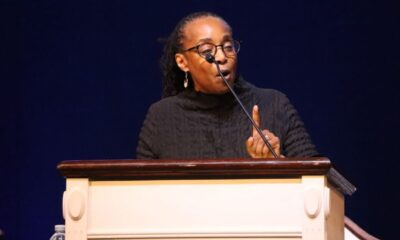
Vonda McDaniel, President of the Nashville Central Labor Council, emceed a working people’s town hall at the Nashville Education Association hall October 25. Unions want to get pro-worker candidates elected across the state.
Back in the day, campaign events like the one held last Thursday were well-attended festivities organized by the unions that represent government workers. They were celebrations that promised to bear fruit with higher wages or better health coverage for Metro’s bus drivers, firemen, healthcare workers, and teachers. Not anymore.
For two years in a row, Metro teachers didn’t get the raises they were expecting. And thousands of Metro employees, like firemen and first responders, didn’t get a cost of living raise either. City Hall is well aware its employees are being squeezed out of the housing market because they don’t make enough money to live in the city they serve.
“I think the reality we have to face is that in the house there are the ‘fighting 25’ who support the working class and 74 very ultra-conservative colleagues who don’t,” said Brenda Gilmore, a candidate for State Senate in District 19.

[/media-credit] Brenda Gilmore talks to union members. Central Labor Council President Vonda MCDaniel listens.
Gilmore, Karl Dean, and Bob Freeman sat behind tables facing seven union reps who briefed the candidates on the issues important to their members.
“Tennessee federal workers and workers all over have been attacked recently by Congress and the President is trying to privatize our jobs and take away out bargaining rights,” said Lisa Hartman, a nurse with the Veterans Administration. She is V-P of the local union representing federal workers in Nashville.
She asked if the three candidates would reach out to Congressmen and Senators to stop the attacks on federal workers. Not surprisingly, Eric Huth, who represents Nashville teachers, talked about low wages. “The number one issue that is impacting teachers in this particular district would be pay. And the issue is a problem all across the state,” Huth said. He noted that the state may provide for teacher raises but local school districts can use the money for other things and often do.

[/media-credit] Eric Huth represents Nashville teachers. The town hall meeting took place at the NEA hall.
Trista Boseman is a member of SEIU Local 205 and represents workers at General Hospital. “As we gather tonight to vote I want to remind all of us we need to elect officials who believe healthcare is a human right,” Boseman said.
Trista Boseman, SEIU Local 205, works at Nashville General Hospital. Mark Young is President of IAFF Local 140, the Nashville fIrefighters union,
Mark Young, President of Firefighters Local 140, said cancer was now the leading cause of death among firefighters. He said Nashville’s firefighters are protected but Young wanted to know if the candidates would support a statewide cancer bill for firefighters.

[/media-credit] Patrick Green is President of ATU Local 1235, city bus drivers
C.L. Smith, V-P of UAW Local 737 talked about retirement security for his members, better wages and healthcare. “We are concerned mainly with the disintegration of the Middle Class,” Smith said.
Patrick Green, President of Amalgamated Transit Union, Local 1235, said their main concern was worker safety. He noted that in September three bus drivers were attacked while they were driving a bus. He wanted support for stronger laws to protect drivers and passengers.
Dr. Cynthia George, represents workers at TSU. Her members are worried by the threat of privatization at public universities which threatens to take away jobs with union benefits.
Once they heard from the union reps, the candidates each responded.

[/media-credit] Karl Dean is running uphill against BIll Lee for Governor.
“One of the things that needs to change in this state is that when people want to unionize that is a decision that the workers make. It’s not something that the state weighs in on. They should be allowed to do it and the state should let that happen,” said Dean.
“We’ve got to learn how to work smarter not harder so we can use from November 7 through early January to sit down and figure out how we can get some of these laws passed,” said Gilmore.
Bob Freeman is a political neophyte running for a House seat in District 56. “I decided to run when I looked out and saw a lot of partisan decisions being made that really shouldn’t be partisan,” Freeman said. “How does the safety and health of our firemen become partisan?” he asked.
Dean left to go to a fundraiser. “It’s part of this business,” he said. About a dozen people loaded up into two vans and road to a polling place at Casa Azafran on Nolensville Rd. to vote.
This article originally appeared in The Tennessee Tribune.









Black Press
OP-ED: Proposition 44 Would Put a Price on Trust
The danger in Proposition 44 is not only its 90 percent figure. It is that the meaning of “qualifying” spending will be worked out later. A clinic preparing a budget today may not know whether a navigator, health educator, transportation program, outreach worker, technology upgrade, or other patient-support service will be counted the way it expects. Yet the financial consequence of getting it wrong could be immediate.

Black Press
OP-ED: Proposition 40: It’s Time to Play Chess, Not Checkers
Proposition 40 would impose a one-time 5 percent tax on the wealth of Californians with more than $1 billion in assets. Most of that money would go toward health care, with the remainder supporting food assistance and education-related programs.

Black Press
OP-ED: How One State Invests in Fast-Track Training to Overcome Childcare Worker Shortages, Center Closures
BLACKPRESSUSA NEWSWIRE — “If North Carolina is going to produce the qualified workforce necessary to meet the demand for high-quality childcare services in a timely manner, the state must lean less heavily on higher education to train and prepare early childhood professionals and more heavily on strategies that are more accessible, affordable, flexible, and expeditious,” the report’s authors wrote.
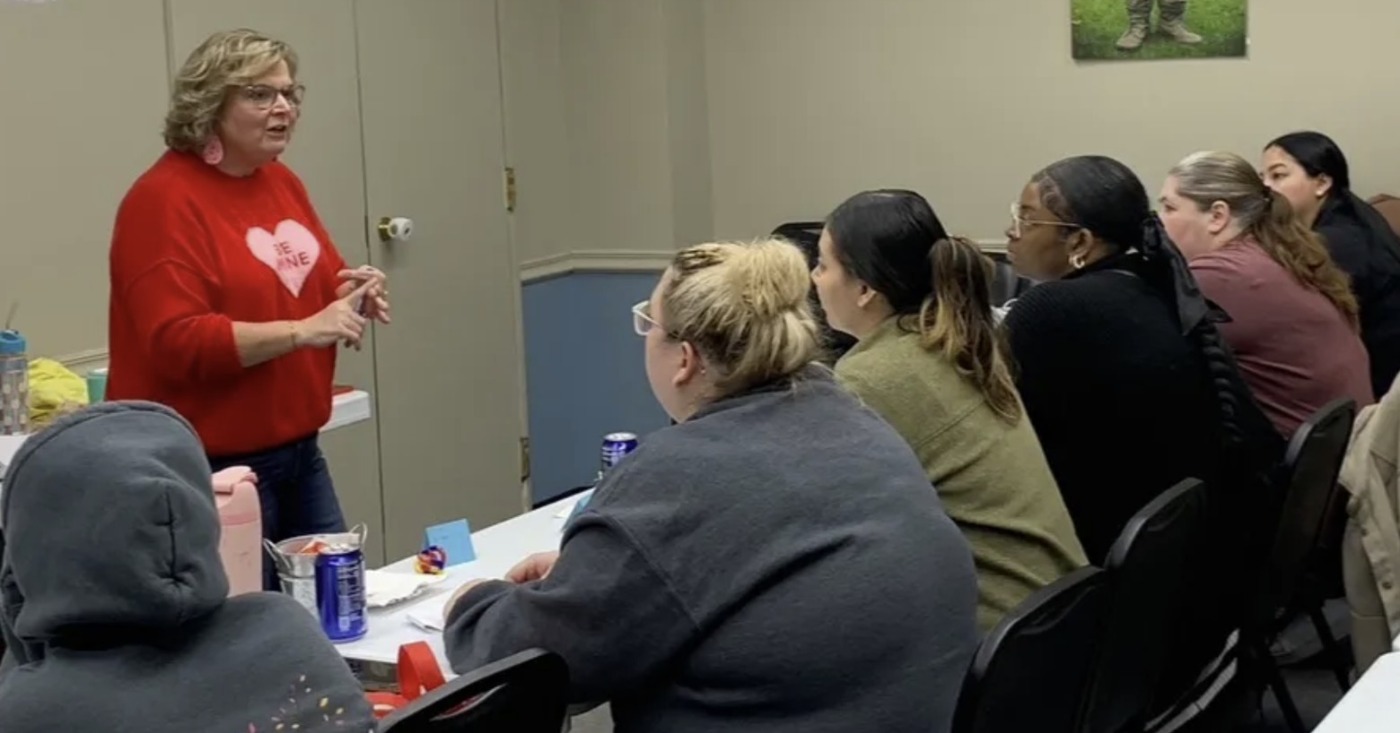
About a week after finishing the Early Childhood Workforce Ready Academy in Wayne County, North Carolina, Dominque McBride walked into Little Bulldogs Academy in Goldsboro.
She carried a packet filled with certifications — such as CPR, first aid, playground safety — that she earned while undergoing intensive training during the two-week academy in February 2024.
At the end of the interview, McBride walked out with a job.
Typically, that type of training can take months to a year to complete, said Shelly Willis, director of program coordination and evaluation with Partnership for Children of Wayne County, which offers the academy.
On top of that, students would have had to pay for the various certifications and classes and squeeze them in between jobs and their lives at home.
But McBride and more than 100 other people got the training for free over the past two years, thanks to grants from the Camber Foundation, according to Valerie Wallace, executive director of the Partnership for Children of Wayne County. She said the organization, which supports community projects in 41 eastern North Carolina counties, has pumped $145,000 into the childcare academies in Wayne and Johnston counties.
McBride said the academy prepared her for her first job in childcare, and made it easy to get all the required certifications and training in one place, in a short time.
“If I had to do it on my own, I think I would have been overwhelmed,” McBride told NC Health News.
Now, state legislators want to take that model and expand it across the state. They included $1.5 million in one-time funding in the state budget passed in July. The training support is part of a slate of efforts added to this year’s budget to tackle staffing shortages and long waitlists for childcare in North Carolina.
From March 2018 to June 2026, North Carolina has lost a net 1,072 childcare sites, according to the NC Early Care and Learning dashboard. Enrollment dropped by 28,183 children — or 11.5% — during that same time.
The NC Chamber touted such academies as a way to address chronic staffing shortages driving those closures in a February 2025 report.
“If North Carolina is going to produce the qualified workforce necessary to meet the demand for high-quality childcare services in a timely manner, the state must lean less heavily on higher education to train and prepare early childhood professionals and more heavily on strategies that are more accessible, affordable, flexible, and expeditious,” the report’s authors wrote.
‘At a crossroads’
The National Conference of State Legislatures also recently highlighted such academies for quick training to alleviate workforce shortages.
The recommendation is included in the report “Childcare at a Crossroads: A State Legislative Framework for Strengthening Childcare Systems,” released on July 27. The report was developed by a bipartisan work group of 13 state legislators from across the country that included North Carolina state Sen. Jim Burgin, R-Harnett.
The legislators wrote that childcare has become “one of the most urgent and complex challenges facing states.”
“It affects children’s development and well-being, parents’ ability to work, employers’ access to a stable workforce and the economic vitality of communities large and small,” they said in the report. “Rural and urban. Red and blue. No state is unaffected, and no ideology holds all the answers.
“As costs rise, workforce shortages persist and demand remains strong, state policymakers face important decisions,” the report’s authors continued. “The childcare system is at a crossroads, and decisions made now will shape how well systems meet the needs of families and economies in the years ahead.”
North Carolina has struggled to meet the need. Lack of childcare costs the state $5.65 billion every year in economic activity, according to a 2024 report from the U.S. Chamber of Commerce Foundation, the NC Chamber Foundation, and advocacy organization NC Child.
Since 2018, childcare employment in the state rose by just 1%, or 419 people, even as the state’s population grew by around a million people.
Where that growth has occurred has been uneven.
Small centers and family childcare homes make up most of the closures, according to research shared July 9 by Afton Partners, an Illinois-based consultant firm that specializes in several areas, including early education. The group presented the findings earlier in the year to members of the North Carolina Task Force on Child Care and Early Education.
Meanwhile, more large centers have opened, mainly in urban areas, according to the Afton research.
Many counties, including Wayne, have lost workers and childcare slots from 2018 to 2026.
In Wayne County, state data shows there are nine fewer childcare facilities than in 2018. Average monthly enrollment dropped by more than 1,000 kids during that same time. And average monthly employment is down by 420 workers.
The state faces a double whammy: demand for more childcare slots and a lack of workers.
The biggest problem in childcare is having qualified teachers, Burgin said as part of a panel discussion on the “Childcare at a Crossroads” report at the National Conference of State Legislatures conference in Chicago last month.
“We’ve made the restrictions so high that by the time that they get enough qualified people on board, those people will go find other jobs, usually in the school system,” he said.
He told the audience that North Carolina directed millions of dollars to tackling the childcare workforce issue in the state’s latest budget.
The bipartisan work group’s report highlighted North Carolina’s childcare academies, like the program in Wayne County.
Other efforts in the report included a high school student training program in South Dakota, scholarships and stipends for people pursuing childcare degrees in Delaware, and a pilot program in New Mexico that gives stipends to people in workforce training for childcare.
In West Virginia and Rhode Island, there are also apprenticeships that target the childcare work force.
Like some other states, North Carolina included in its recent budget stipends for graduates who stay with an employer for at least a year.
‘A huge step forward’
The N.C. Child Fatality Task Force has been recommending since 2024 that North Carolina support efforts to improve the childcare system, including increasing subsidies to childcare centers, especially in the wake of additional federal childcare stabilization grants that sunsetted as the COVID pandemic wound down.
Childcare funding was one of the four task force recommendations for this year.
In July, the General Assembly passed a budget with $97 million in federal funding to increase reimbursement rates to providers of subsidized childcare and to create a much-welcomed floor rate. The budget also transfers $16.8 million from the federal Temporary Assistance for Needy Families block grant to the state’s childcare subsidy program.
Creating a rate floor means that, for the first time, all facilities will get at least the statewide average for subsidized care. Without that base rate, subsidies have ranged widely across the state, which has made it difficult for some facilities to survive.
The state’s childcare subsidy program uses state and federal money to help pay for childcare for low- to moderate-income families who qualify. Families still have to cover a co-pay. The subsidy can be used for children through age 12, or up to age 18 for children with special needs.
While the state doesn’t set salaries for childcare workers, increasing the subsidy gives providers the flexibility to pay workers more.
Low pay has been an issue in attracting and maintaining childcare workers. Starting median hourly wages for childcare teachers in 2023 was $14 per hour, according to the 2023 North Carolina Child Care Workforce Study by Early Years (formerly Child Care Services Association.) That’s the same or less than entry-level jobs at retail stores such as Target and Walmart and fast food restaurants such as Five Guys and Whataburger.
“With our current economic situation and the prices of everything increasing, it is very difficult to stay in the field of childcare and make ends meet with the average pay offered,” McBride said in an email.
“It’s not only about attracting people to the field, but encouraging them to stay,” she added.
To quickly train childcare workers, legislators funneled $1.5 million in one-time funding to replicate childcare academies modeled after the program in Wayne County across the state. Two-thirds of that funding will cover tuition costs. The remaining $500,000 will pay for stipends of $500 for every student hired within three months of graduating and who stays employed for at least one year at the same childcare program.
“This funding for child care is a huge step forward in helping to stabilize North Carolina’s child care system,” Kella Hatcher, executive director of the Child Fatality Task Force, said in an email.
A model program
In Wayne County, Wallace and Willis with the Partnership for Children are hoping the increased subsidy rate, along with a new rate floor, will ease high turnover while the academies help train new childcare workers more quickly.
They’ve had about a dozen people sign up for each session, the most recent of which ran from Aug. 3 through Aug. 14. It was the first of three planned for this year under the Camber grant.
“Those may not seem like high numbers, but if you can put that many people to work, it makes a huge difference in a childcare,” said Wallace. “Our numbers are going to be fewer, but they’re mighty if we give these folks the necessary training that they need.”
Wallace said they’ve tweaked their academy a little bit every year to make it stronger and attract more people.
“We’ve learned with each academy that we’ve done, and last year we worked with the North Carolina Partnership for Children to try to get this to be aligned,” in anticipation of the state creating a pilot program, Wallace said. “So if people were doing it across the state, everybody was doing the same curriculum, and it was going to be consistent with what people were coming out of the academies with.”
They’re not sure if they’ll add more academy classes this year based on what was passed in the state budget. It depends on whether their program is considered aligned with the state plan. They could add up to three more sessions later in the fiscal year based on that state plan, Wallace said.
The training allows students like McBride to be hired immediately.
McBride, 29, was working for the Wayne County Department of Social Services when her mother saw a notice in 2024 about the free training to become a childcare worker. It came at a perfect time for McBride, who was disillusioned with the paperwork involved in her DSS job.
And she always wanted to teach and work with children, she said. In her now-former job at Little Bulldogs, she worked with the 2-year-olds.
“It can be very chaotic,” she said, describing children that age as wanting to be more autonomous but not quite ready for that. “But I enjoyed every bit of it.”
Every day, she saw the need for more childcare workers.
“We weren’t getting enough childcare teachers as much as we were getting kids,” McBride said. “We couldn’t keep up.”
Her work at Little Bulldogs inspired McBride to go back to school for a degree in early childhood education with a focus on special education. She now works with children on the autism spectrum at Action Behavior Center in Clayton.
She’s grateful for Wayne County’s childcare academy.
“It definitely helps you prepare,” she said. “The one thing that can deter you is feeling like you’re not equipped to do it.”
This article first appeared on North Carolina Health News and is republished here under a Creative Commons Attribution-NoDerivatives 4.0 International License.
Black Press
Latanya Orr Expands Vision After Goldman Sachs Program
CHICAGO CRUSADER — Chicago entrepreneur LaTanya Orr has completed the Goldman Sachs One Million Black Women: Black in Business program, an experience she states has refined her business growth strategies and deepened her commitment to supporting women entrepreneurs. Orr founded The FoundHERS Suite, a collaborative space for women business owners.

Chicago entrepreneur LaTanya Orr has graduated from the Goldman Sachs One Million Black Women: Black in Business program, a milestone she says has helped sharpen her approach to business growth while expanding her work supporting women entrepreneurs.
Orr, an author and business strategist, is the founder of The FoundHERS Suite, a collaborative workspace and entrepreneurial community designed to help women business owners develop their companies through education, connections and shared opportunities.
She participated in the Spring 2026 cohort of Goldman Sachs’ Black in Business program, which provides business education and resources to Black women sole proprietors. Orr said the experience strengthened her understanding of enterprise growth, financial stewardship and long-term business strategy.
“The program didn’t hand me a blueprint—it challenged me to rethink the one I already had,” Orr said. “It strengthened my thinking around enterprise, stewardship, and long-term impact while reaffirming the work I’ve been called to do.”
Her participation in the program came during a period of transition for The FoundHERS Suite. Earlier this year, an unexpected incident involving the building where the Suite operated forced the business to temporarily close its physical location.
Rather than abandon the concept, Orr said the interruption provided an opportunity to reassess how the organization could continue serving women entrepreneurs while she considered the future of the physical workspace.
Part of that evolution is BridgeWRX, Orr’s strategic advisory and thought leadership platform. The venture is designed to help women entrepreneurs move beyond developing brands and focus on building sustainable businesses through strategy, leadership development and intentional growth.
Orr emphasizes that BridgeWRX is not intended to replace The FoundHERS Suite. Instead, she sees it as an extension of the broader mission, providing additional ways for entrepreneurs to receive information, build relationships and strengthen their businesses while she explores the Suite’s next chapter.
Since completing the Goldman Sachs program, Orr has expanded that work through strategic advisory services, educational programs, publishing and community-centered initiatives.
Among those efforts is ShiftShop, a workshop series focused on practical business development. Another initiative, Gather & Shift, brings entrepreneurs together for networking, collaboration and shared learning.
Orr is also developing an editorial component to her work. Through The Bridge, her Substack publication, and HERspectives, a LinkedIn thought leadership series, she writes about entrepreneurship, leadership, business growth and the challenges established founders encounter as they attempt to move from operating individual businesses toward building larger enterprises.
Her developing BridgeWRX Leadership Library is expected to include books, tools and other resources drawn from more than two decades of Orr’s experience as an entrepreneur.
“I’ve come to realize that the assignment was always bigger than the building,” Orr said. “BridgeWRX allows me to extend the mission of The FoundHERS Suite in new ways while continuing to prepare for its next chapter. My passion has always been helping women discover what’s possible, build with intention, and create something that lasts.”
The Goldman Sachs One Million Black Women initiative was launched as part of the financial institution’s broader effort to invest in Black women and address economic disparities. Black in Business focuses specifically on Black women sole proprietors, providing participants with business education, access to resources and opportunities to develop strategies for growth.
For Orr, completing the program comes as she works to bring several parts of her entrepreneurial experience under a broader strategy.
Through BridgeWRX, she plans to continue offering advisory services, educational experiences, publishing and community programming. At the same time, Orr said she remains committed to The FoundHERS Suite and its original goal of creating opportunities for women entrepreneurs to connect and grow.
The result, she said, is an expanded vision centered not simply on operating a business, but on helping entrepreneurs create enterprises capable of producing long-term impact.
Based on reporting by Chicago Crusader.
Black Press
ROOTED IN CULTURE, LEADING IN BANKING
EAST TEXAS REVIEW — Beatriz Monsivais, a Branch Manager at Spring Hill State Bank, has built a 20-year banking career rooted in a childhood passion for numbers, sparked by a calculator her mother gave her. Immigrating from Mexico City at age five, Monsivais’s upbringing instilled in her a strong work ethic and the invaluable gift of bilingualism, which has significantly shaped her professional journey.
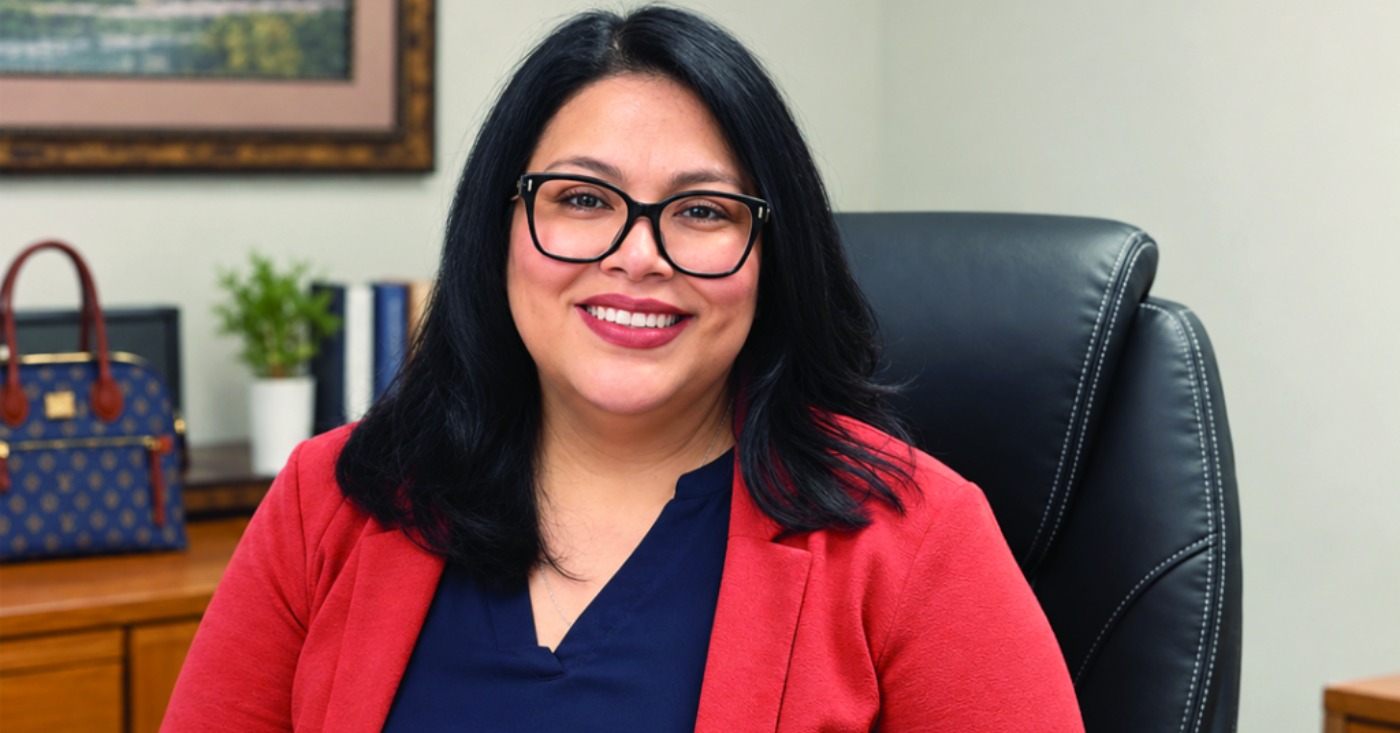
Beatriz Monsivais turns a childhood passion into a 20-year banking legacy of trust, mentorship, and community impact at Springhill State Bank
Story and photos by Joycelyne Fadojutimi
For Beatriz Monsivais, the dream of working in finance didn’t begin in a corporate boardroom or a university lecture hall. It began in childhood, sparked by a simple garage-sale calculator her mother gave her. That cherished token turned into hours of playing “store” and ignited a lifelong passion for numbers. Today, as a successful Branch Manager at Spring Hill State Bank, Beatriz is using that same passion to build financial bridges and empower the East Texas community.
Roots of Resilience and Language
Born in Mexico City, Beatriz immigrated to the United States at age five. Growing up in a traditional Mexican household, her mother enforced a strict, loving rule: only Spanish at home.
“My mom didn’t want us to lose our language,” Beatriz recalls. “I am so thankful for that today. Being bilingual hasn’t just been a personal gift; it has played a massive role in shaping my career.”
Alongside the gift of bilingualism, her mother instilled a relentless, multi-generational work ethic. In their household, the standard was clear: “If you’re going to do something, do it right!” Beatriz carries this philosophy into her leadership every day, ensuring that everyone who sits across from her desk receives her absolute best.
A Temporary Detour Becomes a Lifelong Calling
Beatriz graduated from Longview High School in 2002 and enrolled at Kilgore College. Hoping to earn extra money before fully diving into her studies, she accepted an entry-level position at East Texas Professional Credit Union. What was meant to be a one-year break quickly evolved into a flourishing, decades-long career.
When she later transitioned to Spring Hill State Bank, leadership recognized her drive. Supported by the bank, she attended classes through the Center for Financial Training, ultimately earning her Lending Certificate and expanding her expertise into the world of real estate and personal loans.
Throughout her 20-year journey at the bank, Beatriz found strength in powerful female mentors. Leaders like Lynn Magee, who first hired her as a new account representative, saw her immense potential and constantly championed her growth. Working alongside Sharon Copeland, Beatriz absorbed invaluable real estate knowledge. Seeing women thrive in pivotal leadership roles motivated Beatriz to keep climbing.
Bridging the Gap in Community Banking
When Beatriz first walked through the doors of Spring Hill State Bank in 2006, she was the only bilingual employee on staff. Today, she looks around with immense pride at a diverse team of bilingual tellers, customer service representatives, loan secretaries, and lending officers.
“Relationships and trust are fundamental pillars of Hispanic culture, and those values fit perfectly with community banking,” Beatriz explains. “Financial education—understanding credit, building savings, buying a home, or launching a business—can alter the trajectory of a family’s future. Sometimes, people just need a professional they can truly trust to explain their options in their own language and help them take that brave first step.”
For Beatriz, banking is entirely about people. Her leadership style is deeply rooted in making her team feel supported and ensuring every customer feels safe, welcomed, and genuinely cared for.
Words of Wisdom for the Next Generation
A devoted wife to her husband, Julio, and a proud mother to her two children, Alexander and Natalia, Beatriz attributes her achievements to her roots and her mother’s guidance.
To the next generation of Hispanic professionals aspiring to break into the financial sector, Beatriz offers powerful advice:
“Believe in yourself and exactly what you bring to the table. Our culture, our unique life experiences, and our language are not hurdles—they are profound strengths. Stay willing to learn, never fear a new opportunity, and surround yourself with mentors who uplift you. Above all, never feel like you have to change who you are to achieve success.”
The post ROOTED IN CULTURE, LEADING IN BANKING appeared first on East Texas Review.
Based on reporting by East Texas Review.
Art
Montclair Brewery: Brewing Culture, Community, History
THE POSITIVE COMMUNITY — Montclair Brewery, located in Montclair, New Jersey, has evolved beyond a craft beer destination into a community gathering place. Founded by husband-and-wife team Leo and Denise Sawadogo, the brewery connects its beers to African, Caribbean, and African American history and culture.

Montclair Brewery has become much more than a place to enjoy a craft beer. Located on Walnut Street in Montclair, New Jersey, the family-owned microbrewery has developed into a gathering place where beer, music, culture, history and community come together. Founded by husband-and-wife team Leo and Denise Sawadogo, the brewery has established a distinctive identity by connecting its beers to African, Caribbean and African American history and culture.
The story began with Leo Sawadogo’s passion for home brewing. Originally from Burkina Faso in West Africa, Leo grew up watching his mother brew traditional beverages using grains, herbs and spices. Brewing was part of his cultural experience long before craft beer became a major American trend. After years of making beer at home and sharing it with friends and family, Leo and Denise began imagining how they could transform that passion into a business. The company was established in 2014, and after years of planning and nearly a year of construction, Montclair Brewery opened its doors in October 2018.
The brewery represented an important milestone for Montclair because it became the town’s first microbrewery. But its significance extended beyond being a new business. Leo and Denise brought together two different cultural backgrounds: Leo’s West African heritage and Denise’s Jamaican roots. Those influences became part of the brewery’s personality and, importantly, part of the beers themselves. Instead of treating culture as something separate from the business, the couple made it an essential ingredient in their approach to brewing.
One of the brewery’s most distinctive traditions is its annual Black History Month beer series. These beers are often inspired by prominent figures, historical events and cultural traditions. Over the years, the brewery has created beers honoring people such as Harriet Tubman, Larry Doby, Maya Angelou, Chadwick Boseman and journalist Gil Noble. The brewery has also used its beers to celebrate African heritage and important moments in Black history. In 2026, for example, its series included beers inspired by Patrice Lumumba and Larry Doby.
The story behind each beer is almost as important as the beer itself. Montclair Brewery demonstrates how food and beverages can become vehicles for storytelling. A beer named for Larry Doby can introduce customers to the history of the baseball pioneer who broke the American League’s color barrier and later made Montclair his home. A beer inspired by Patrice Lumumba can encourage people to learn about African independence and the history of the Democratic Republic of Congo. In this way, the brewery turns a visit to a taproom into an opportunity for cultural discovery.
Montclair Brewery has also connected its business to local history. One example is the Howe House, one of Montclair’s historic homes associated with the town’s African American history. The brewery created a Belgian-style ale honoring James Howe and committed a portion of sales from the beer toward efforts to preserve the historic property. This illustrates a larger philosophy behind the brewery: its identity is not simply based on selling beer, but on using the business as a platform to recognize people, places and stories that deserve greater attention.
The brewery’s importance also comes from its role as a community gathering place. Its taproom offers indoor and outdoor seating and hosts a variety of events and activities. Music, entertainment, cultural programs and community gatherings have helped make the brewery part of Montclair’s social landscape. During the COVID-19 pandemic, when gathering in public spaces became difficult, the brewery adapted its business model by shifting toward bottling and outdoor operations. Its ability to adapt helped it survive a period that was devastating for many small businesses.
Another important part of Montclair Brewery’s story is representation within the craft-beer industry. Black-owned breweries remain a small portion of the American craft-brewing landscape, making the visibility of businesses like Montclair Brewery particularly significant. Denise has also become an important voice for women in the brewing industry, while Leo’s background and approach have helped challenge traditional ideas about who a brewer is supposed to be. Together, they demonstrate that the craft-beer industry can reflect a much broader range of cultures and experiences.
The brewery’s success has also allowed its reach to extend beyond Montclair. Its beers have received attention from regional and national media, and the company has participated in collaborations with other breweries and cultural organizations. One collaboration celebrated the 50th anniversary of hip-hop with the legendary DJ duo Awesome 2. Other beers have incorporated ingredients such as baobab fruit, sorghum and spices connected to African and Caribbean traditions. These collaborations and unusual ingredients help distinguish Montclair Brewery from breweries whose identities are based primarily on conventional beer styles.
Ultimately, Montclair Brewery represents an example of how a small business can become part of the cultural fabric of a community. Leo and Denise Sawadogo created a brewery from a personal passion, but they built something larger than a place to drink. Their beers tell stories about Africa, the Caribbean, Black America and Montclair itself. The brewery demonstrates that entrepreneurship can preserve history, celebrate culture and bring people together. In Montclair, every pint can become part of a larger conversation about heritage, creativity, community and the continuing evolution of Black-owned businesses in America.
Based on reporting by The Positive Community.


Atlas Family Comfort: Worth the Extra Cash? #shorts

Antron Brown Takes His Impact Beyond the Racetrack

Headlines and Hot Topics with Rodney Perry

Headlines and Hot Topics with Rodney Perry 📱

Houston’s ‘call Me Mother’ Exhibit Opens Today, Spotlighting Black Maternal Health

Should You Have to Pay to Hear the Gospel?

NCCU Ramping up for the 89th Ultimate Homecoming Experience

Botham Jean’s Killer Granted Parole 7 Years After His Murder

Morehouse School of Medicine Fall Convocation Has Strong Ties to Nashville

Ghana’s Ministry of Foreign Affairs Publishes Global Circle’s Vatican Reparations Call in Special Edition Alongside Heads of State

Latest Massacre in Haiti Reveals Cruelty U.S. Deportations

Booked and Unbound: The Legacy of Black Women’s Literary Circles

The Youngest American Killed in the Vietnam War

COMMENTARY: Big Mama Said ‘Don’t Let Grief Break the Bank’

U.S. Sole Nation to Oppose U.N. Resolution Correcting Africa’s Size on World Maps

Passing for White, Fighting for Black America: The Courage of Walter White

U.S. Open Influencers Spark Backlash over Ring Lights, Filming as Gauff and Osaka Speak Out

Prostate Cancer is Twice as Likely to Kill Black Men. Talking to Your Doctor Could Help Save Your Life

OPINION: Nolan Wells’ Death One of Several Signifying Racial Terror Lives on in U.S. South

OP-ED: If AI Is the New Language of Power, Then NAN Wants Black Communities Fluent
Atlas Family Comfort: Worth the Extra Cash? #shorts
Antron Brown Takes His Impact Beyond the Racetrack
Headlines and Hot Topics with Rodney Perry
Headlines and Hot Topics with Rodney Perry 📱

Jamal’s Take: Cowboys’ Epic Comeback Win and Dak’s Dominance Against Houston

REBROADCAST: HE SAID, HE SAID, HE SAID:Author Derrick M. Jackson — FRI. 10.9.26 7PM E

2026 Land Rover Defender 130 X Interior 360 Video

Dr. Bettina Drake Becomes First Michael F. Neidorff Professor at WashU Medicine

2027 VW Atlas SEL Premium R-Line: Worth $58K? #shorts

REBROADCAST! — ASK ALMA! — TUES 10.6.26 7PM EST
-

 Black Press6 days ago
OP-ED: Haiti TPS: Have We Lost Sense of Humanity?
-
 Black History1 week ago
Remembering Chauncey Bailey as Student Journalists Face Threats to Truth-Telling
-

 Black Press1 week ago
Poll: Becerra Widens His Lead Over Hilton; Californians Split on Wealth Tax
-
 Black History1 week ago
COMMENTARY: The Audacity of Joyce Beatty
-

 Black History1 week ago
Rulings Leave Questions Lingering in Nolan Wells Case
-
 Black History1 week ago
Baptist Minister Says Black Church Champions for Civil Rights to Reign but Hesitates to Let Black Women Lead
