
Black Press
Richmond Neighbors Put Pantry Power on the Map
Richmond Area Mutual Aid has released a new digital map identifying Little Free Food Pantries across the city to help residents combat rising grocery costs. These neighborhood outposts operate on a mutual aid model, encouraging community members to leave shelf-stable goods and fresh produce for those in need. While some locations began as small pandemic-era projects, they have evolved into essential hubs supported by local families, retirees, and nonprofit organizations. Organizers are now seeking new hosts to expand this autonomous network further. Read more.

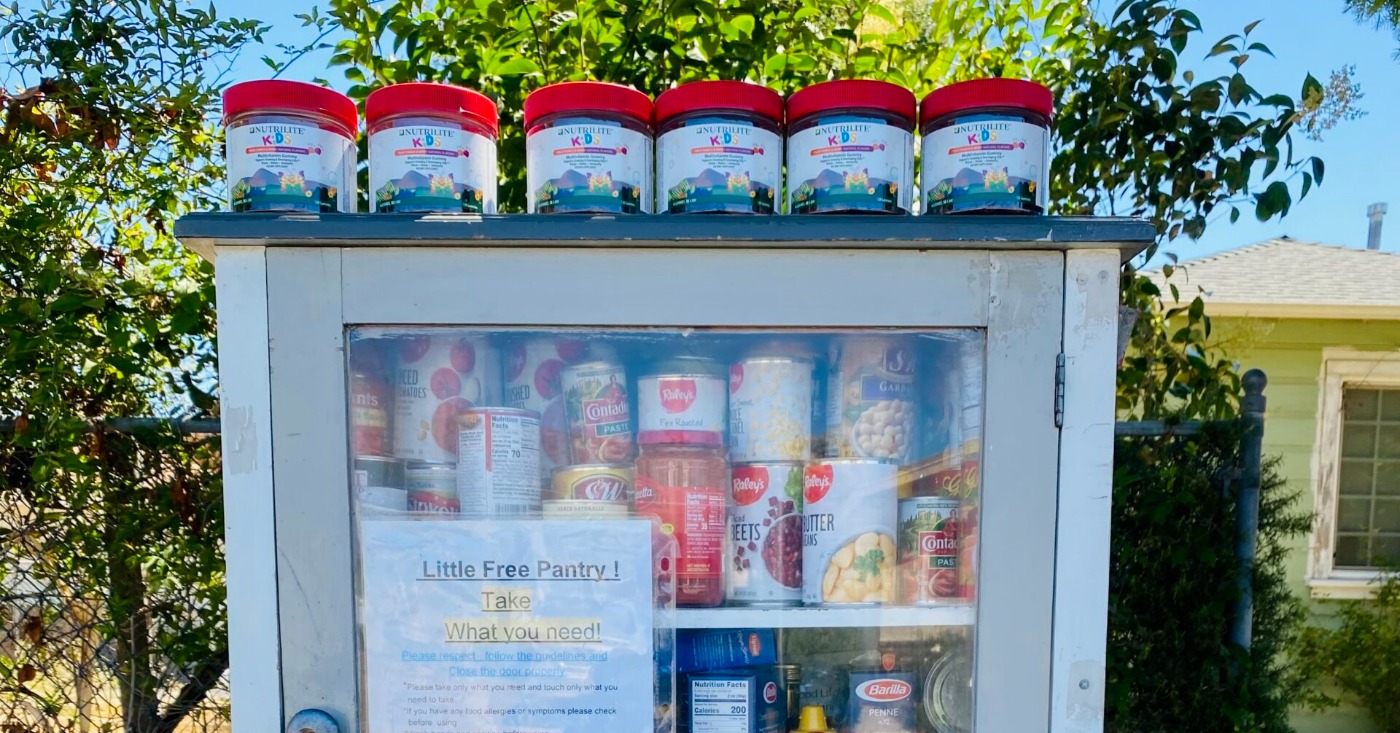
In Richmond, a small cabinet can carry a big message: dinner is here, no questions asked. Richmond Area Mutual Aid (RAMA) has created a map of current Little Free Food Pantries across the city. The neighborhood outposts encourage anyone to take what they need and leave what they can.
The map connects residents with pantries that may be as simple as a shelf, box or cabinet outside a home or business. According to RAMA’s website, the spaces can hold shelf-stable groceries and fresh produce that can safely spend some time outside refrigeration. The operating principle is as clear as the group’s motto: “Give what you can, take what you need.”
One of the map’s sites is near 34th Street and Roosevelt Avenue, where Achala Jayagoda and her family host a pantry that began as a Little Free Food Table during the pandemic. Her son, Eagle, founded it. The pantry has since grown into a lasting neighborhood resource. Amid the high cost of food, Jayagoda said supplies can disappear with startling speed.
“It continues to serve the community with everyone’s support,” Jayagoda toldTthe Richmond Standard. She said the people who contribute are not only nearby neighbors, but donors from elsewhere in Richmond and, at times, beyond the city. A few nonprofit organizations pitch in, too.
Jayagoda has also heard from retirees who collect end-of-day giveaways from grocery stores and bakeries and bring them to the pantry. Sometimes the deliveries include fresh food. At first concerned about leaving perishables out, she said it turns out those items move quickly. It’s a sign, in her view, of how urgently people need the help.
In fact, the pantry can be emptied within hours. Then the same community that uses it swings back into action. “Thankfully, the community helps restock it as quickly as possible so people can continue getting food,” Jayagoda said. As the holidays approach, she hopes that circle of giving will widen to reach more families.
RAMA describes itself on its website as a group of neighbors from Richmond and nearby communities working toward a place that is “safe, joyful and thriving.” The pantry project turns that broad aim into something concrete: a can of beans, a bag of rice, a loaf of bread—and a nearby place to share it.
Keeping each pantry going takes more than a sturdy box. RAMA’s website says every location needs an individual or organization willing to place the pantry on its property, and a team of stewards who can stock and clean it. A host may also serve as a steward. That local team is the point: RAMA wants each pantry to become an autonomous neighborhood hub supported over time by people who live nearby.
For residents ready to start one, RAMA says it can guide or support pantry construction and installation, share reclaimed food and help hosts adapt shelving or other materials into a workable setup. RAMA has announced free pantry build days Nov. 14 and Dec. 12; residents can email [email protected] for details.
Check out the Richmond pantry map below and get more information from RAMA at https://www.wegotusrichmond.org/pantries/. Visit RAMA on Instagram at @RichmondAreaMutualAid.







Black Press
Oakland Latino Chamber of Commerce Hosts Statewide Convention, Generating $3 Million in Economic Impact
The Oakland Latino Chamber of Commerce recently hosted the 47th Annual California Hispanic Chambers of Commerce Statewide Convention, drawing more than 1,000 attendees to the city. The event generated an estimated $3 million economic impact, benefiting local retailers, hotels, and small businesses throughout the region. Organized in partnership with Visit Oakland, the convention featured a marketplace for local entrepreneurs and focused on advancing economic prosperity for Latino-owned businesses. Several innovative features were introduced during the summit to provide lasting resources for the state’s business community, read more.
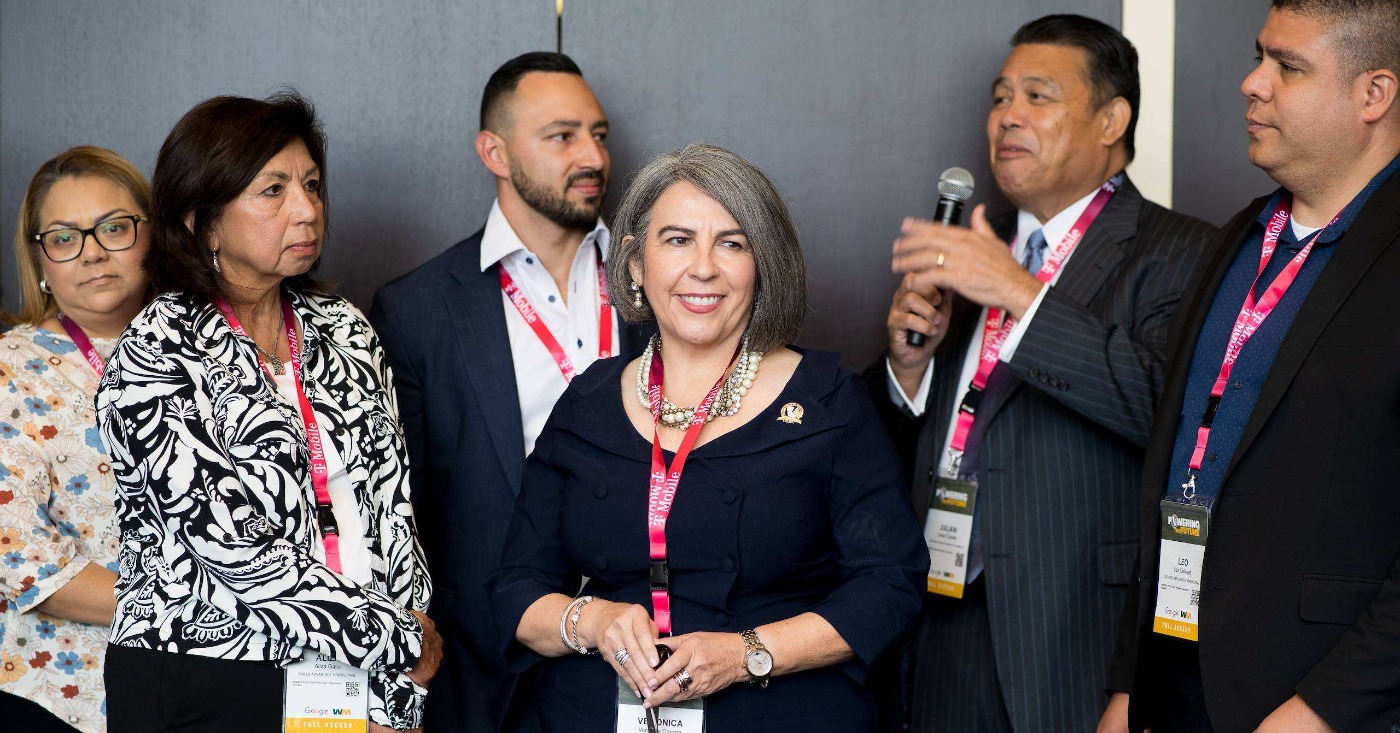
The Oakland Latino Chamber of Commerce (OLCC) recently served as the Host Chamber for the 47th Annual California Hispanic Chambers of Commerce (CHCC) Statewide Convention, held in Oakland in August 2026.
The Convention welcomed more than 1,000 attendees from throughout California and generated an estimated $3 million economic impact for the City of Oakland, providing significant support to local hotels, restaurants, transportation providers, retailers, and small businesses.
In conjunction with Visit Oakland, OLCC brought in various local sponsors and worked closely with the California Hispanic Chamber of Commerce, to make the Oakland Convention a success.
The success of the 47th Annual CHCC Statewide Convention demonstrates what is possible when business leaders, entrepreneurs, community organizations, and public partners work together with a shared vision, said Aliza Gallo, president of the OLCC.
“By welcoming more than 1,000 attendees and generating an estimated $3 million economic impact, we not only showcased Oakland as a premier destination for business and innovation but also created lasting opportunities for local businesses and entrepreneurs,” said Gallo, who also served as co-host of the event.
She adds that the “convention elevated Oakland’s visibility, strengthened statewide and local partnerships, and reinforced the Oakland Latino Chamber of Commerce’s commitment to advancing economic prosperity for our members and our community.”
As part of its leadership role, OLCC introduced two innovative features designed to extend the convention’s impact beyond the event itself. Conference workshops were recorded and made available for continued learning and professional development.
These recordings will be shared with OLCC members and made available for broader public access, expanding educational opportunities for businesses and entrepreneurs throughout California. The workshop content will also be distributed to the 85 Latino Chambers and Affiliate Members within the CHCC network, which collectively is 135 member organizations statewide.
In addition, OLCC created and managed the Oakland Mercadito, a vibrant marketplace showcasing local Latino and Latina entrepreneurs. The Mercadito provided small business owners with an opportunity to market their products and services, connect with new customers, and gain exposure to business and community leaders from across the state.
The initiative highlighted Oakland’s entrepreneurial talent and demonstrated OLCC’s commitment to supporting small business growth and economic opportunity.
“Oakland is one of the most diverse cities in the United States” commented Peter Gamez, president & CEO of Visit Oakland. “Our city’s celebration of culture makes everyone feel they belong here and allows for truly authentic experiences.
“Our diversity is a powerful draw for groups and individual visitors. We are extremely proud of this and continue to cultivate and grow this message as we welcome conferences and conventions to The Town,” Gamez said.
For more information, see the Visit Oakland video about the CHCC Convention In Oakland: https://lnkd.in/p/eRpe2sYD
The Oakland Latino Chamber of Commerce is the source of this story.
About The Oakland Latino Chamber of Commerce
Oakland Latino Chamber of Commerce (OLCC) www.oaklandlatinochamber.com is dedicated to advancing economic opportunity, strengthening business capacity, and elevating the visibility of Latino-owned businesses throughout Oakland and the East Bay. Through advocacy, partnerships, technical assistance, and community engagement, OLCC works to ensure that Latino entrepreneurs have the resources and support necessary to thrive.
Black History
HISTORY MADE: Keisha Lance Bottoms Becomes First Black Woman Elected Governor in American History
ATLANTA DAILY WORLD — History has been made in Georgia. Keisha Lance Bottoms, the former mayor of Atlanta, has been elected governor of Georgia, becoming the first Black woman in American history to win the highest executive office in any state.
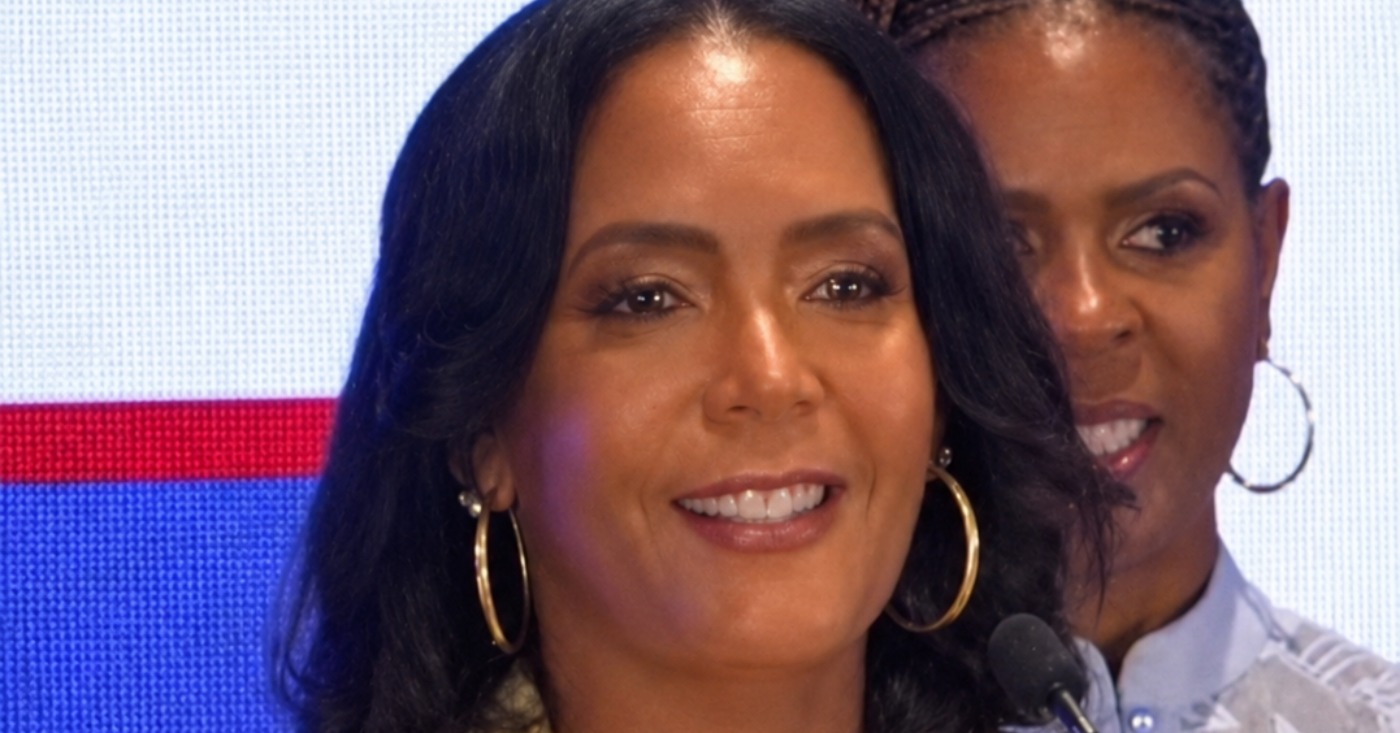
History has been made in Georgia. Keisha Lance Bottoms, the former mayor of Atlanta, has been elected governor of Georgia, becoming the first Black woman in American history to win the highest executive office in any state.
Bottoms’ victory over Republican businessman Rick Jackson represents a defining moment in American politics, breaking a barrier that has stood since the nation’s founding and placing Georgia at the center of a historic political transformation.
For generations, Black women have played a critical role in American democracy, organizing communities, leading movements, mobilizing voters and shaping public policy. Yet despite their contributions, no Black woman had ever been elected governor of a U.S. state.
Until now.
Bottoms’ election also makes her the first woman and first Black person elected governor of Georgia, a state whose political history has been deeply shaped by slavery, segregation, the civil rights movement and the long struggle for equal representation.
Her victory carries particular significance in a state where Black women have been among the most influential forces in voter registration, political organizing and Democratic electoral success.
A fifth-generation Georgian, Bottoms previously served as Atlanta’s 60th mayor from 2018 to 2022. During her administration, she led the city through the COVID-19 pandemic, nationwide protests over racial injustice and a period of significant economic and population growth.
Following her time as mayor, Bottoms served as a senior adviser in President Joe Biden’s administration before returning to Georgia politics to pursue the governorship.
Her campaign focused on expanding access to health care, strengthening public education, increasing wages and addressing the rising cost of living. She also advocated for expanding Medicaid, raising Georgia’s minimum wage to $15 an hour and increasing compensation for teachers and other public employees.
Bottoms faced Jackson, a wealthy health care executive who invested heavily in his campaign and positioned himself as a political outsider. The contest drew national attention as Democrats sought to reclaim the Georgia governor’s office after more than two decades of Republican control.
The historic nature of Bottoms’ victory extends well beyond party politics.
Georgia, once at the center of some of America’s most consequential civil rights battles, has now elected a Black woman to lead its state government. It is a milestone that reflects generations of political participation, organizing and leadership by Black Georgians.
For Atlanta, the moment is especially significant. A former mayor of the city that helped shape the modern civil rights movement will now lead the entire state.
Bottoms’ election opens a new chapter in Georgia’s political history and establishes a milestone that will be remembered far beyond the 2026 election.
For continuing election coverage and results, visit AtlantaDailyWorld.com/election26.
Black Press
Black Wall St. Announces 2nd Annual Legacy Weekend Celebrating Black Economic Excellence, Wealth & Community
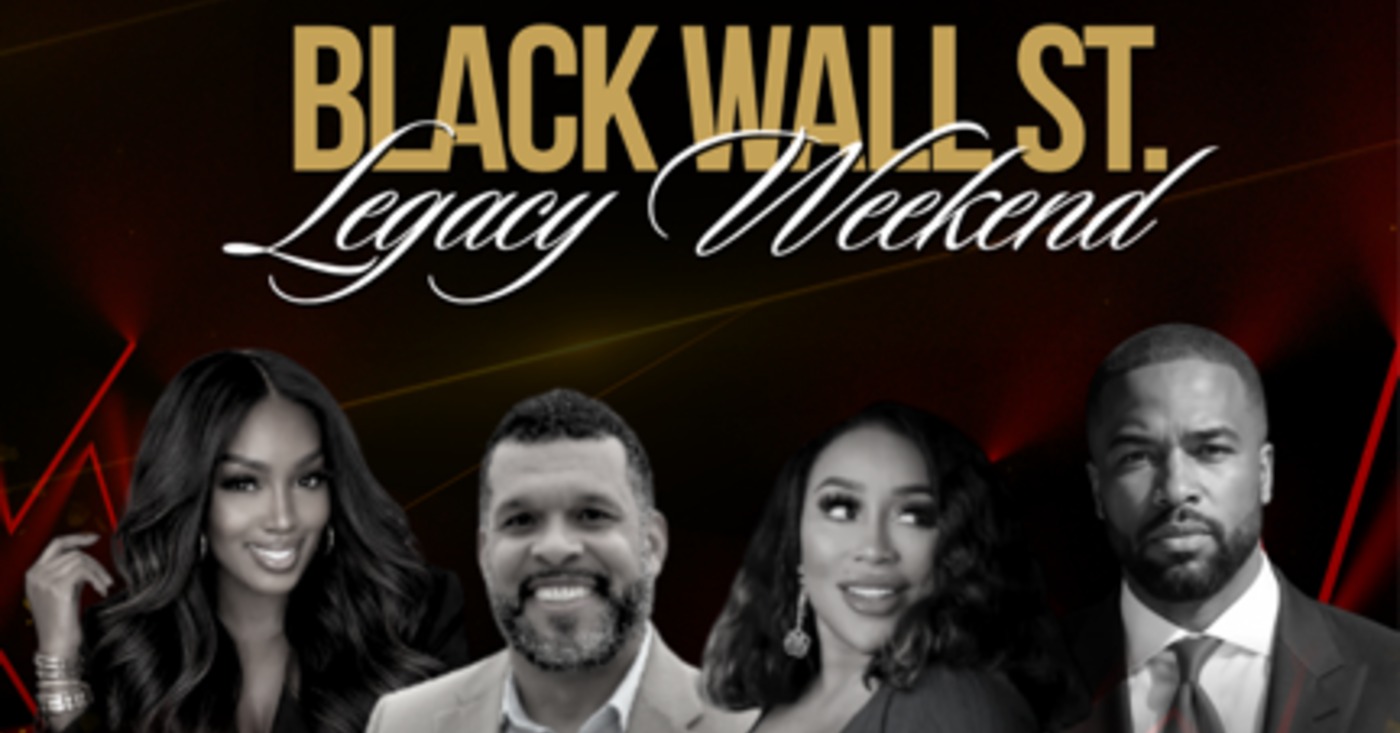
Generational wealth isn’t created by accident—it is built with intention, protected through strategy, and passed forward with purpose. From November 6–8, 2026, Houston will serve as the backdrop for the 2nd Annual Black Wall St. Legacy Weekend, a three-day summit committed to advancing entrepreneurship, financial empowerment, and the enduring legacy of Black economic resilience.
Under this year’s core theme, “Protecting Your Legacy and Growing Your Wealth,” the weekend offers local families, founders, and community leaders direct access to the tools needed to secure long-term financial independence.
Across three days, attendees will gain insight into the core pillars of wealth creation and business sustainability. Educational sessions and interactive workshops will cover:
-
Asset Protection & Finance: Estate planning, trust building, navigating insurance, and cultivating strategic banking relationships.
-
Modern Business Growth: Leveraging artificial intelligence, digital marketing, and real estate development.
-
Holistic Leadership: Balancing mental health, foundational financial literacy, and sustainable entrepreneurship.
The event features an esteemed roster of industry leaders, including Gene Boykin Jr., Dr. Velma Trayham, and Benaisha Pooe-Lewis. Alongside keynote presentations, the weekend includes targeted networking sessions, an interactive vendor marketplace highlighting local businesses, and an awards ceremony honoring community pioneers driving economic progress across Houston.
LEGACY WEEKEND AT A GLANCE
Friday, November 6, 2026
Legacy Weekend Kickoff Mixer
6:30–9:30 PM
Powered by Black Houston Creative Network
PLUME
110 W 23rd St., Houston, TX
Saturday, November 7, 2026
Legacy Weekend Conference
10:00 AM–5:00 PM
Red Oak Ballroom
816 Town and Country Blvd., Suite 210
Houston, TX 77024
Official After Party
8:00 PM–12:00 AM
The Quad
4608 Almeda Rd., Houston, TX
Tickets:bwslegacyweekend.com/ticket
Sunday, November 8, 2026
Black Wall St. Veteran & Family Field Day
11:00 AM–5:00 PM
Emancipation Park
Houston, TX
Beyond business strategy, Legacy Weekend creates space for community celebration, offering a family-friendly atmosphere designed to inspire the next generation of builders and innovators.
Tickets:bwslegacyweekend.com/field-day
“Legacy is more than what we leave behind. It is what we build, protect, and pass forward,” said Frank Perkins. “Legacy Weekend is designed to give our community access to the information, resources, and connections needed to create a stronger financial future for generations to come.”
Black History
Hundreds of Black Christian Leaders Arriving in Israel for Martin Luther King-Inspired Mission
Hundreds of African American and African Christian leaders are visiting Israel for the ‘Unfinished Business Pilgrimage,’ inspired by Dr. Martin Luther King’s plans for a pilgrimage in 1967 that was canceled due to the Six Day War. The event aims to promote pro-Israel sentiments amidst rising antisemitism and will expand to thousands of participants in 2027. Pastor Dumisani Washington emphasizes the importance of Black Americans recognizing their role in supporting Israel. Pilgrimage leaders are also delivering gifts to victims of recent violence, reiterating the historical bond between Jewish and Black communities in advocating for justice. Pastor Michael A. Stevens highlights the need for education against antisemitism while suggesting that Israel should be more attuned to issues affecting Black lives.
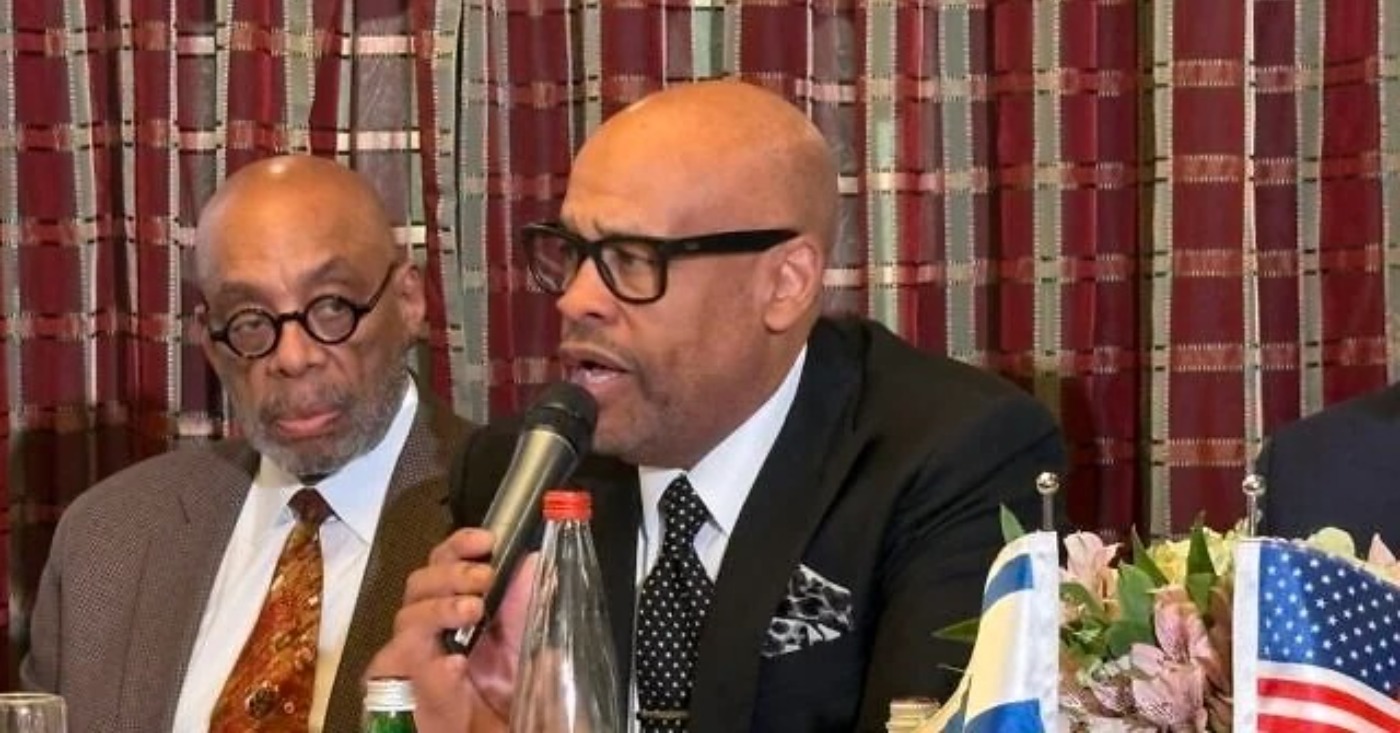
As support for Israel declines precipitously in the US, hundreds of African-American and African pastors and Christian leaders are arriving in Israel this week for a mission inspired by the slain US civil rights leader Rev. Dr. Martin Luther King.
King planned to bring thousands of pilgrims to Israel and Jordan in 1967, but that trip was postponed because of the Six Day War and the political implications of such a trip. He said he would look into coming the next year, but was assassinated in April 1968.
“There were no mass pilgrimages” back then, says Pastor Dumisani Washington, a pro-Israel activist, at a press conference in Jerusalem. “We as Black Americans recognize that Black Americans were about to start something that no one else was doing.”
The “Unfinished Business Pilgrimage” will expand to thousands of participants next year, say organizers, to mark 60 years since King’s planned visit.
“We felt a burden in our heart,” Washington continues. “We see the rising antisemitism on the right and on the left.”
There is a “mountain of support rising from the Black church,” says Pastor Michael A. Stevens, Sr.
The leaders of the pilgrimage present gifts to victims of the Hamas-led October 7, 2023, massacre, including freed hostage Elkana Bohbot; Hila Abir, whose brother Lotan was murdered at the Nova music festival; and Daniel Lischinsky, whose son Yaron was murdered alongside his fiancée Sarah Milgrim at an Israeli embassy event in Washington, DC.
Ther rest of the participants arrive tomorrow, and will visit biblical sites across the country, as well as the site of the Nova massacre.
Steven says that Jewish and Black Americans had a tradition of coming together to “establish what was right, and to set the tone for the nation and for the world.”
“If anyone should stand with our Jewish brothers and sisters, it ought to be African-Americans, it ought to be Africans,” he continues.
Though rates of antisemitism have risen among people of color, Stevens tells The Times of Israel, “I still think we are the lowest-hanging fruit to educate and to learn.” He says, “The African-American Church is still the most influential institution in all of America, in fact, at least in the Black community.”
Stevens says one of the objectives of the mission is to spread awareness that “we cannot have antisemitism in our culture, period.”
At the same time, he says that Israel could improve its approach to Black America: “I believe Israel could be more attentive to the fact that a lot of the loss of lives that we see looks like us. Whether it’s in Gaza, whether it’s Ethiopians and racism.”
Reverend Dr. Benjamin F. Chavis. Jr. is on this delegation representing the Black Press of America and Spill the Honey as a present-day fulfillment of the dream and prior plan of Reverend Dr. Martin Luther King, Jr in 1967 to lead a 5000 Black Clergy Pilgrimage to Israel.
Black History
Christianity’s Racial History
THE POSITIVE COMMUNITY — Historian and author Jemar Tisby is challenging the traditional narratives of American religious history through his acclaimed work, The Color of Compromise. His research provides a comprehensive examination of how Christian institutions have historically participated in, accommodated, or resisted racial injustice from the colonial era to the present day.
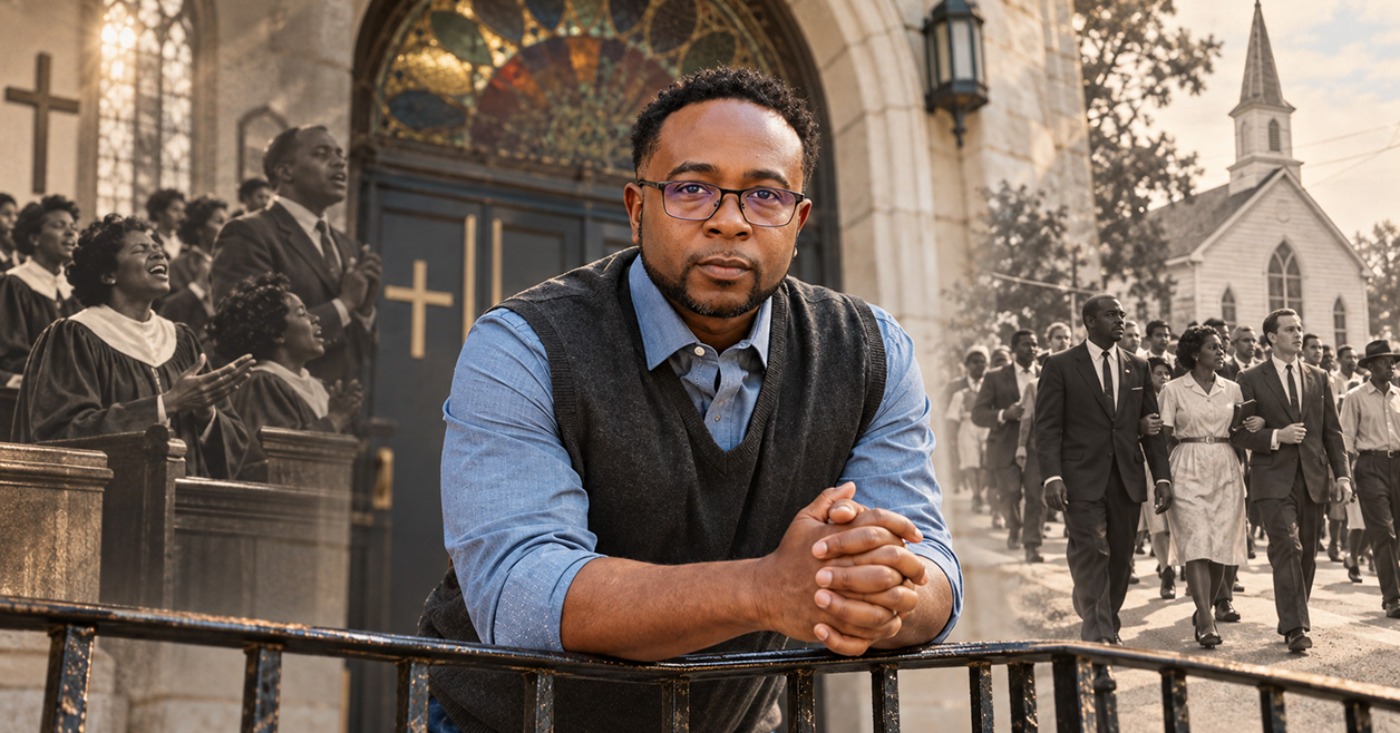
Jemar Tisby is a historian, author, and public speaker whose work examines the relationship between Christianity, racism, and American history. Through his writing, he challenges readers to reconsider the role religious institutions have played in shaping racial attitudes and social structures. His widely recognized book, The Color of Compromise: The Truth About the American Church’s Complicity in Racism, explores how Christian churches have participated in, accommodated, and sometimes resisted racial injustice throughout American history. Tisby’s work encourages readers to examine the past honestly and consider what meaningful change requires today.
One of the central arguments in The Color of Compromise is that racism in America cannot be understood without examining the influence of religious institutions. Christianity has often been associated with messages of love, justice, compassion, and equality. Yet churches and Christian leaders have sometimes supported systems that denied African Americans their freedom and dignity. Tisby examines this contradiction, demonstrating how religious beliefs and institutions could be used to justify racial oppression rather than challenge it.
The book takes readers back to the era of European colonization and slavery, when religious arguments were frequently used to defend the enslavement of Africans. Some Christian leaders claimed that slavery was compatible with biblical teachings, while others used Christianity to encourage resistance to the institution. Enslaved Africans developed their own spiritual traditions, drawing strength from their faith while enduring violence, separation from family, and the denial of basic human rights. Tisby highlights the importance of understanding how Christianity became intertwined with the development of American slavery.
Tisby also explores the role of churches during the Civil War and Reconstruction. Although emancipation ended legal slavery, it did not eliminate racial prejudice or the struggle for equal citizenship. Some religious communities supported efforts to educate formerly enslaved people and establish independent Black institutions. Others tolerated or defended segregation and white supremacy. The period demonstrates how Christian institutions faced a choice between challenging racial injustice and preserving existing social arrangements.
Another important subject in the book is the relationship between Christianity and Jim Crow segregation. During the late nineteenth and early twentieth centuries, racial segregation became deeply embedded in American society. Many churches reflected the same divisions, maintaining separate congregations and unequal opportunities for worship and leadership. Tisby argues that compromise occurred not only when Christians openly defended racism but also when they remained silent or accepted discriminatory practices to avoid conflict. This distinction is essential to understanding the book’s central message.
The civil rights movement provides another significant chapter in this history. Black churches played a vital role in organizing demonstrations, supporting community leadership, and providing spiritual encouragement to people fighting racial discrimination. Figures such as the Reverend Dr. Martin Luther King Jr. drew upon Christian teachings to challenge segregation and demand equal rights. However, not all white Christian congregations supported the movement. Tisby examines the difference between those who actively opposed racism and those who hesitated to challenge the racial status quo.
A major strength of Tisby’s writing is his attention to the difference between individual prejudice and institutional racism. A person may believe in treating others fairly while participating in organizations or traditions that produce unequal outcomes. Similarly, a church may preach love and acceptance while failing to confront discriminatory practices within its own community. Tisby encourages Christians to look beyond personal intentions and examine the consequences of their actions, their institutional policies, and their willingness to address injustice.
The book also challenges contemporary Christians to consider how the legacy of racial compromise continues to affect American religious life. Questions about church leadership, worship communities, racial representation, education, and public policy remain important. Tisby argues that acknowledging historical wrongdoing is not about assigning personal guilt to every modern Christian. Rather, it is about understanding how past decisions shaped the present and recognizing the responsibility to pursue greater fairness, accountability, and inclusion.
Tisby’s work has become an important contribution to conversations about race and religion because it asks readers to move beyond comfortable narratives about American Christianity. His historical approach encourages people to examine uncomfortable evidence, listen to the experiences of African Americans, and recognize the difference between professing moral principles and practicing them. The book also raises questions about what genuine reconciliation requires, emphasizing that meaningful progress involves more than expressions of goodwill. It requires a willingness to confront injustice and make changes that reflect the values Christians claim to uphold.
Ultimately, The Color of Compromise is a call for historical honesty, moral reflection, and meaningful action. Jemar Tisby challenges churches and individual believers to understand how Christianity has been used both to support oppression and to inspire resistance against it. His message is especially relevant in a society still wrestling with racial inequality and the consequences of its history. By examining the past with courage and integrity, readers can better understand the responsibilities of faith in the present. The book reminds us that the true test of religious conviction is not simply what people profess to believe, but whether their actions reflect justice, compassion, and respect for the dignity of every human being.
Based on reporting by The Positive Community.
Black History
Learn Black History and Win Your Next Game Night
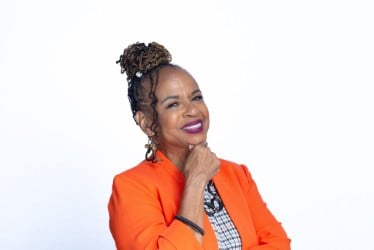
INDIANAPOLIS RECORDER — Dr. Maxine Bryant, a culture keeper and professor, is combatting book bans and historical inaccuracies through the launch of GriotSpeaks: The Game. The new board game is designed to celebrate the African diaspora by incorporating elements of geography, literature, music, and the Gullah Geechee culture.
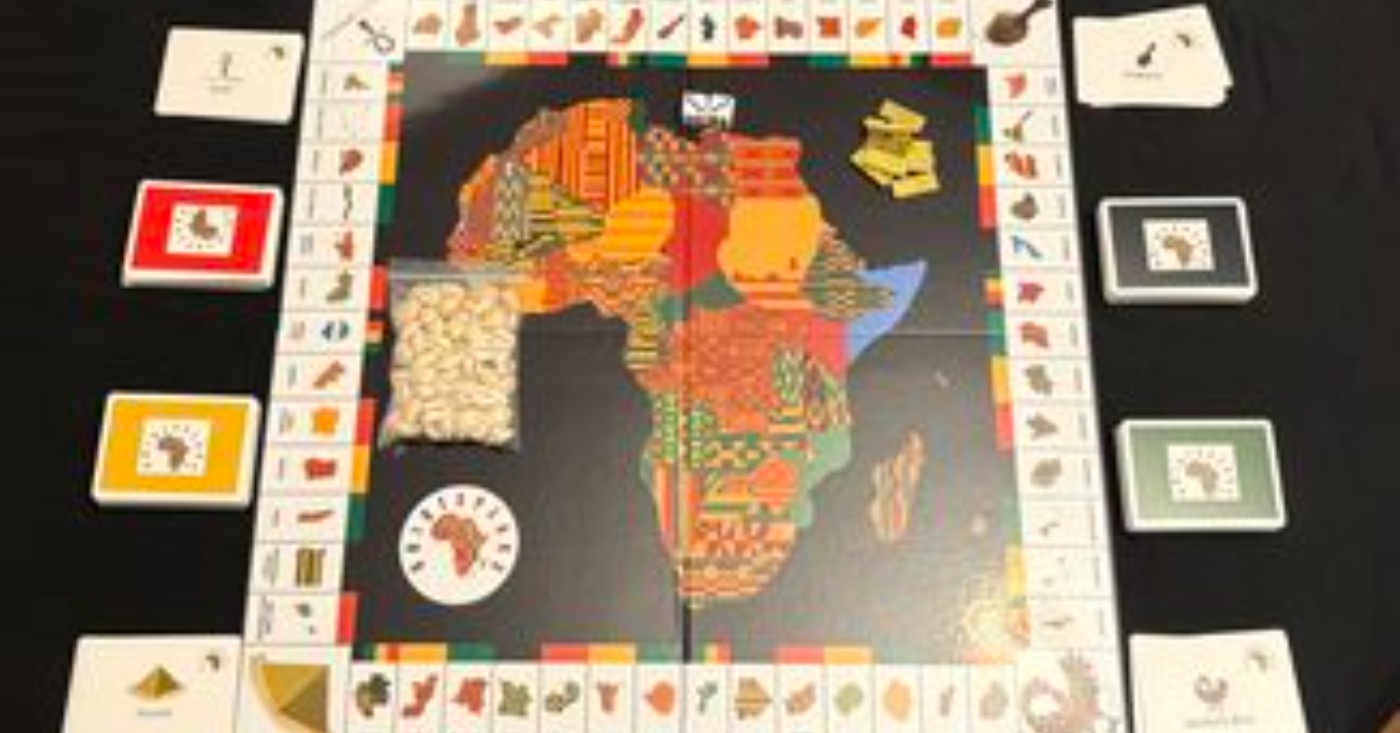
Maxine Bryant, Ph.D., creator and founder GriotSpeaks, is sharing the history of the African diaspora through her new board game.
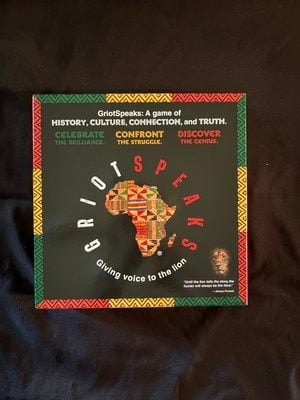
Bryant often quotes the African proverb: “Until the lion tells the story, the hunter will always be the hero.” She said for the hunter has been telling the story of the African diaspora for “far too long.”
The game is based in African culture. The spaces on the board feature the countries of the African diaspora and it uses gold bars and cowrie shells as currency while special game spaces showcase symbols such as the Sankofa bird, a pyramid and an Ankh.
Bryant, a culture keeper and educator, created the game to add a bit of fun to her ongoing mission of dispelling myths and sharing accurate history. She used the history lessons she taught over the years as the foundation for the game’s trivia questions. Bryant said she is even more motivated to correct the inaccurate narratives due to recent book bans and efforts to minimize or omit the contributions of Black people.
“We can’t tell our story if we don’t know our story,” Bryant said.
History buffs may start the game with a slight advantage, but even players with limited knowledge have a chance to win with some strategic play. During one game demonstration, she said, an 11-year-old beat her with the clever use of one of the game’s wild cards.
Bryant’s goal is for people to learn new information while having a good time with one another. She sat down with the Recorder to share her inspiration for the game and how she hopes it will influence the culture.
This interview has been edited for length and clarity.
What was the inspiration for creating a game?
Maxine Bryant: In all honesty, God gave me the vision for the game.
I put that board game together the way God showed me in in this vision, if you will, it was to be educational, informative, and entertaining. And so, I knew I wanted it to encompass all of the diaspora and with the educational part of it. Since I am a professor, it needed to encompass the critical areas of our history.
So, it’s geography; it’s the resistance, the protest — all of that. It’s … literature, music, the Gullah Geechee culture, storytelling, the whole gamut, and then Black people.
What are some of the things people are surprised to finally learn while playing the game?
Bryant: The genius of Black people.
Many people know Madam C.J. Walker, although I’m finding out that not everybody does. But one of the questions (asks about) who invented the hot comb? Everybody thinks Madam C.J. Walker, but no, that was not her thing. Her thing was hair care and strengthening hair. It was a man (Walter H. Sammons) who created the hot comb. So, people are amazed at what they’re learning.
How do you hope that this new knowledge helps people see the world?
Bryant: So, what I hope people learn is our true history, the history of our struggle, and our resistance, the history of our greatness, and information about our culture. That positions us then to be able to stand tall in knowledge of self.
One of the things I wholeheartedly believe in is that little Black boys and little Black girls who grow up with the message that you are nothing because you are Black … it’s easy for me to take you out. But if I look at you and I know that you’re great and I’m great, I may just have a different kind of level of respect for you.
I think that having a sense of self can impact how I look at myself and how I look at people who look like me.
Is there anything else you want to share?
Bryant: In my mind, this game is a must-have. It is so unique. Now, within the culture, we have trivia games and usually they’re trivia about sports or about entertainment and some about history, right? And usually, it pertains to people in the United States or events in the United States, culture in the United States.
This game contains movement around a physical board like Monopoly, but it also encompasses the entire African diaspora so it’s not just the United States. People who played this game tell me … they’ve never seen anything like it.
GriotSpeaks: The Game is best suited for players 17 and older. The game is available for purchase through Amazon or at the GriotSpeaks website.
Contact Editor-in-Chief Camike Jones at 317-762-7850.
The post Learn Black history and win your next game night appeared first on Indianapolis Recorder.
Based on reporting by Indianapolis Recorder.


Richmond Neighbors Put Pantry Power on the Map

Oakland Latino Chamber of Commerce Hosts Statewide Convention, Generating $3 Million in Economic Impact

Find Black-Owned EV Businesses That Invest in Your Community #shorts

Stand, Rep, Vote

Houston Igbofest welcomes legendary Ijele Masquerade

Stand Rep Vote – Explainer

Judge V’s Bees make sweet honey in the Tre

Cyberstalking Nightmare Exposes Hidden Dangers of Online Accounts

“The Right People on the Bus”: Coach Tremaine Jackson on Prairie View’s Turnaround

Defender Athlete of the Week – Kwabena Dako

All Skinfolk Ain’t Kinfolk

Practitioners of African Traditional Spirituality Offer Ancestral Reverence Ritual Oct. 31

Latinas Deserve Equal Pay. Unions Help Make It Happen.

Tamiko Armstead | 2026 Lifetime Achiever in Education

Oakland Awarded More than $14 Million in State Funding

OP-ED: The Black Church Writes AI’s Next Chapter

2026 Voting Guide: Every Candidate and Proposition Explained!

Jendayi Arrest Raises Community Concerns Regarding Sheriff’s Chain of Command

Inside 820 S. Michigan: New Book Captures the Lost World of Ebony and Jet

OP-ED: If the ‘Cornell 7’ Were Black Men at an HBCU — America Wouldn’t Be This Sympathetic
Find Black-Owned EV Businesses That Invest in Your Community #shorts
Stand, Rep, Vote
Houston Igbofest welcomes legendary Ijele Masquerade
Stand Rep Vote – Explainer
Judge V’s Bees make sweet honey in the Tre
Cyberstalking Nightmare Exposes Hidden Dangers of Online Accounts
“The Right People on the Bus”: Coach Tremaine Jackson on Prairie View’s Turnaround
Defender Athlete of the Week – Kwabena Dako

Defender Coach of the Week – Shawn Gray

St. Louis showed up for Jodeci
-
 Black History1 day ago
HISTORY MADE: Keisha Lance Bottoms Becomes First Black Woman Elected Governor in American History
-
 Black History1 week ago
Retirement Triggers Doctor to Pen Book for Young Audience
-

 Featured4 days ago
Multi-Faith Leaders Representing 10 Million People Launch National Anti-Authoritarian Initiative
-

 Black Press1 week ago
Fatigue, Bloating, and Inflammation: Spotting the Subtle Signs of MASLD
-

 Black Press1 week ago
Dallas Trinity FC Signs Kaiya Brewer to Academy Contract
-

 Art1 week ago
Brooklyn Roots and Artistic Genius

