
News
Here’s what you need to know about preventing warehouse accidents this season

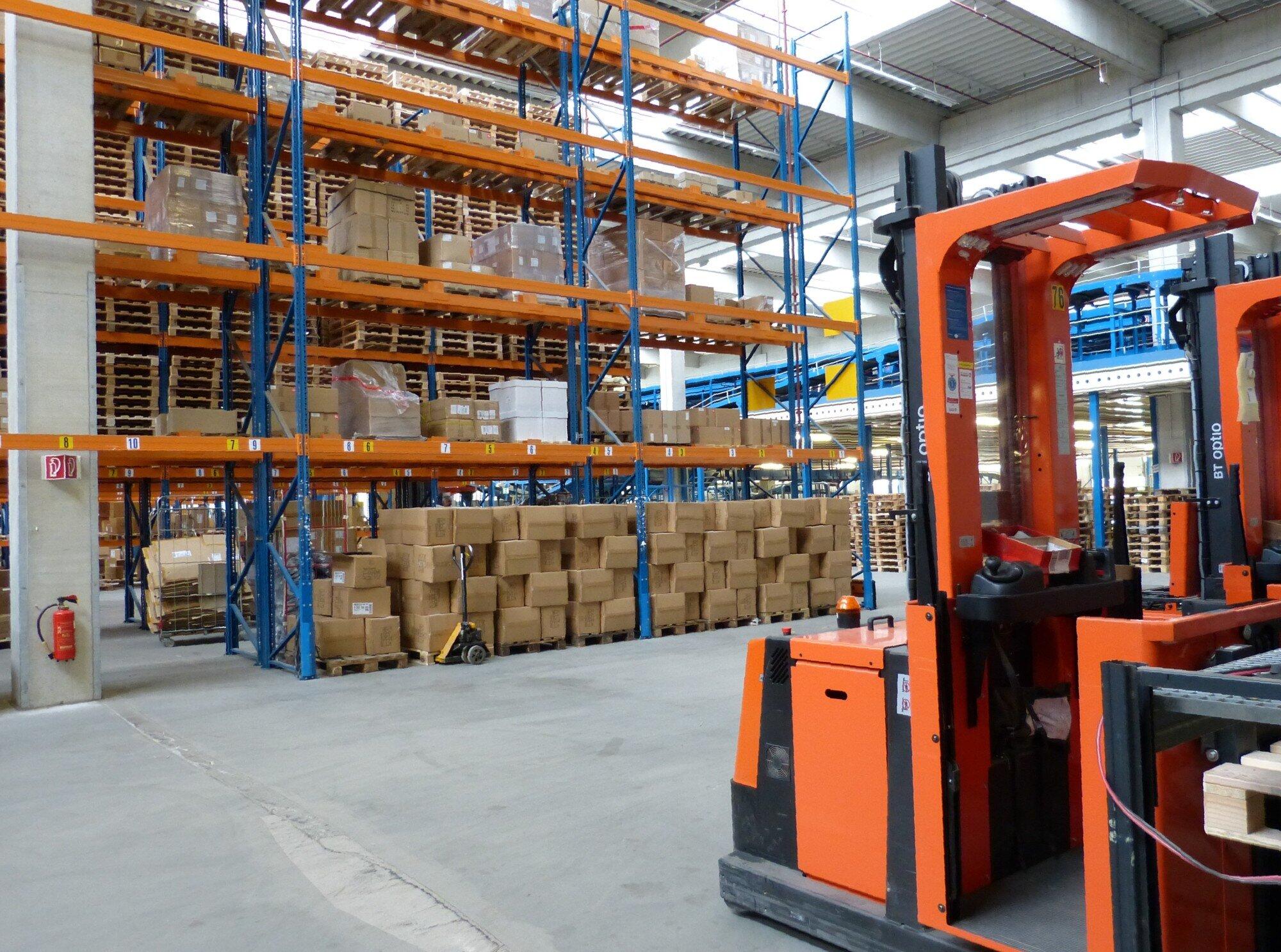
Preventing or minimizing the risk of workplace safety hazards in warehouses starts with comprehensive hazard identification. Implementing anti-slip, trip, and fall strategies and equipment and machinery safety policies is just as crucial.
Mitigating warehouse hazards, particularly during peak shopping seasons, has become all the more crucial nowadays, as e-commerce continues to grow at an exponential rate. An article published on MHLNews.com even noted that U.S. warehouse work has tripled over the last 20 years as a result of e-commerce increasing to account for 16.4% of retail sales.
With this greater demand for warehousing comes an increased risk of industrial accidents, which is why implementing rigorous safety protocols should be a top priority for warehouse owners and operators.
What Is Workplace Safety?
Workplace safety pertains to the policies, practices, and procedures employers must enforce and employees must follow to prevent or mitigate the risk of job injuries, illnesses, and immediate harm.
In the U.S., worker protection and safety laws are in place, primarily governed by federal statutes enforced by agencies like the U.S. Department of Labor and the Occupational Safety and Health Administration (OSHA). Unfortunately, even with these regulations, many workplace injuries and illnesses still occur each year.
Per the latest data available from the U.S. Bureau of Labor Statistics, in 2024 alone, an estimated 2.5 million nonfatal injuries and illnesses occurred in the private sector.
Who Is Responsible for Workplace Safety?
Workplace safety is a responsibility that both employers and employees share. Employers, however, bear the primary and legal responsibility of ensuring workers have a healthy and safe work environment. If they fail, they risk having their workers:
- Fall ill
- Sustain injuries
- Die in workplace accidents
If any of these happen, employers can expect to face legal and financial consequences.
There are OSHA penalties and fines that await non-compliant employers. They may also find themselves embroiled in lawsuits from injured workers or the surviving family members of workers who are victims of wrongful death cases.
How Can Warehouse Owners Prevent or Minimize the Risk of Workplace Safety Hazards?
Data from the National Safety Council (NSC) shows that in 2024, the transportation and warehousing industry had 310,000 cases of medically consulted injuries. Even more unfortunate is that 790 workers within this sector lost their lives while on the job.
All those figures underscore the importance of prioritizing warehouse workplace safety and minimizing the risk of hazards on the job. With the following strategies, owners and operators are more likely to achieve this goal.
Conducting Comprehensive Hazard Identification
Comprehensive hazard identification is the basis of a proactive workplace safety program, as it uncovers dangerous conditions and job-specific hazards before they cause:
- Injuries and illnesses
- Equipment damage
- Unplanned downtimes
- Operational shutdowns
When warehouse owners know exactly what risks their operations and employees face, they can shift from a reactive approach to a more proactive, targeted resolution. They can also prioritize risks, addressing the most dangerous ones first.
One example is the increase in seasonal safety hazards during high-demand seasons or the “holiday rush.” In many cases, the significant influx in warehousing demand calls for hiring seasonal workers, who may then be unfamiliar or inexperienced with machinery operation and safety protocols.
In those situations, warehouse owners can mitigate risk by enforcing safety training. They should also implement a buddy system, in which they pair less experienced workers with veterans.
Implementing Slip, Trip, and Fall Prevention Policy
Slips, trips, and falls are among the most common causes of injuries in workplaces, from warehouses to construction sites, hospitals, and restaurants.
While not all result in severe or life-threatening injuries, some do, putting patients at risk of broken bones and internal organ damage. Others experience serious traumatic brain injuries, and sometimes, even death.
Having a comprehensive slip, trip, and fall prevention policy should therefore be another top priority for warehouses, and it must involve:
- Immediate clutter removal and spill cleanups
- Clearing congested inventory storage areas
- Ensuring no stacking violations (e.g., for shelves and pallets) exist
- Maintaining bright lighting, including immediate replacement of “burnt-out” bulbs
- Managing cords and hoses and keeping them away from foot traffic
- Using anti-slip footwear and installing anti-slip surfaces
Putting Machinery Safety Protocols in Place
Some of the greatest dangers in warehouses have to do with equipment and machinery, particularly forklifts. Employers must therefore put machinery safety protocols in place, including scheduling regular inspections and partnering with a reliable material handling parts and service provider.
With well-maintained equipment and machinery, dangerous failures (e.g., tip-overs, rollovers, and falling loads) are less likely to occur, minimizing the risk that certified operators and authorized personnel face.
Frequently Asked Questions
What Are the Common Causes of Workplace Safety Problems?
Workplace safety problems often stem from slip, trip, and fall hazards, including cluttered walkways and wet floors. Uneven surfaces, combined with poor lighting, can also lead to people slipping, tripping, falling, and sustaining injuries.
Poor work ergonomics and posture are primary causes of workplace safety risks, too. Workers who lift heavy objects incorrectly, perform repetitive tasks, and maintain awkward standing or sitting postures, for instance, are often more prone to job injuries.
Failure to implement strict protocols on who can operate specialized equipment and machinery, such as forklifts, is another typical reason behind workplace incidents. Employers in industries that use these machines must only allow and authorize certified workers with extensive experience and training to operate them.
Are Warehouses the Most Dangerous Workplaces?
No, warehouses aren’t the single “most” dangerous workplaces. They are, however, among the riskiest job sites and working environments.
According to the NSC, the transportation and warehousing sector, together with state and local governments, had the highest recordable rates for injuries and illnesses per 100 workers in 2024. The transportation and warehousing sector also had the highest rate of injuries and illnesses involving days away from work (DAFW) per 10,000 workers.
Keep Warehouse Workers Safe With Proactive Strategies
Maintaining workplace safety in warehouses requires identifying hazards, implementing slip, trip, and fall prevention policies, and enforcing machinery safety protocols. With these strategies, warehouse owners can reduce the dangers and threats their workers face every single day.
If you’re looking for more insightful guides like this or the latest events and news impacting the Black community, we’ve got you covered. Browse our most recent posts and coverage to stay in the loop.



‘I’m here to stand up for democracy’ says Kenneth Petty at the ‘No Kings: Vote Early’ protest on the Tamm Bridge in St. Louis, Missouri, Saturday Oct. 17, 2026.
This is the fourth national “No Kings” protests since President Trump second presidential term. Indivisible called on people throughout the country to mobilize neighbors and communities to vote early in the mid-term election. Over 3,000 “No Kings” protest our taking place today.
📷 Dawn Suggs | St. Louis American
#VoteEarly #UnlockTheBallot #ProtectDemocracy #STL #stlamerican
car reviews
Optimize Your Seating: Essential Household Setup Guide #shorts
Maximize your space with these simple seating optimization tips. Learn how to arrange your layout for better accessibility and flow in any room.

Optimize your space! Count seating positions and test accessibility for smooth entry/exit. Consider your most frequent carry-ons for a practical fit. Perfect for any household. #AutoNetwork
🔗 Watch the full video: https://youtu.be/8HFPFmqpCdg
#SeatingArrangement #HomeOrganization #SpaceSaving #PracticalTips
car reviews
Brake Pedal Test Drive: Smooth Stops for Your Truck! #shorts
Does your truck require heavy pressure to stop? Learn how to gauge pedal effort and ensure safe, controlled braking before you make your next big purchase.

Do you need heavy brake pedal pressure for smooth stops? Learn to gauge pedal effort and brake safely and in control during your test drive. Essential before a big purchase. #AutoNetwork
🔗 Watch the full video: https://youtu.be/6sLjUP3UQfY
#BrakeControl #TruckDriving #TestDriveTips #VehicleSafety
Featured
Life Lessons Learned Through Adversity: My Journey #shorts
Discover the profound life lessons learned through the highs and lows of adulthood. See how navigating adversity revealed God’s unwavering faithfulness.


Navigating the ups and downs of life, especially through the twenties and into the thirties, reveals profound lessons. Adversity has shown the Lord’s faithfulness. #LifeLessons #Adversity #FaithJourney #PersonalGrowth
Black Enterprise
From Claflin Alum to ColorBlind Artist
Discover how Claflin alum Patro “Pero” Ulmer defies expectations by creating stunning murals and vibrant art despite being colorblind.

From classrooms to college campuses to city murals and community events, artist Patro “Pero” Ulmer is leaving his creative mark on the world, one color at a time. He’s an in-demand artist from Orangeburg, SC who believes art is “a way of living in which creativity is not a hobby, but a lifestyle.” We’ll discuss Patro’s inspiring journey from HBCU Claflin University to art classrooms as a educator to becoming a renowned muralist and painter across The Carolinas and beyond- and how he creates beauty even though he is colorblind.
Featured
Turning Abolitionist Design Research Into Real-World Business #shorts
Bridge the gap between abolitionist theory and real-world business strategy. Learn how to transform your passion for liberation into a tangible, thriving enterprise.

Discover the sweet spot where your businesses, research, and liberation efforts align. Actualize your theories into practice and explore surprising connections, maybe even an abolitionist ice cream shop! #PassionProject #CareerGoals #FindYourNiche #Innovation


‘No King: Vote Early’ protest for democracy in St. Louis

Optimize Your Seating: Essential Household Setup Guide #shorts

Brake Pedal Test Drive: Smooth Stops for Your Truck! #shorts

Life Lessons Learned Through Adversity: My Journey #shorts

From Claflin Alum to ColorBlind Artist

Turning Abolitionist Design Research Into Real-World Business #shorts

Black Journalists: Community, Excellence, and Lifting Up #shorts

NFN Exclusive: Muslims in AI

NFN Live presents The State of the Westward

Alliance of Civil Rights Orgs launch Week of Action; National Black Man Voter Day set for Oct. 24

The Youngest American Killed in the Vietnam War

Passing for White, Fighting for Black America: The Courage of Walter White

OP-ED: Haiti TPS: Have We Lost Sense of Humanity?

NFL: Week Two Recap | Jalen Hurts did not fold; Caleb Williams exits game with injury

Remembering Chauncey Bailey as Student Journalists Face Threats to Truth-Telling

Peter Magubane: a Camera Against Apartheid

Mayor Lee Announces $1 Million Kaiser Permanente Grant for Pilot Program to Address Homelessness, Clean Up Public Spaces throughout Oakland

OP-ED: How Head Start Also Helps Parents

Poll: Becerra Widens His Lead Over Hilton; Californians Split on Wealth Tax

Community Action Group ‘Friends of Zakiya’ Ask Sheriff for Time
‘No King: Vote Early’ protest for democracy in St. Louis
Optimize Your Seating: Essential Household Setup Guide #shorts
Brake Pedal Test Drive: Smooth Stops for Your Truck! #shorts
Life Lessons Learned Through Adversity: My Journey #shorts
From Claflin Alum to ColorBlind Artist
Turning Abolitionist Design Research Into Real-World Business #shorts
Black Journalists: Community, Excellence, and Lifting Up #shorts
NFN Exclusive: Muslims in AI
NFN Live presents The State of the Westward

MC’ing a Gala: A Night of Love & Black Excellence #shorts
-

 BlackPressUSA1 week ago
Latinas Deserve Equal Pay. Unions Help Make It Happen.
-

 Black Press5 days ago
All Skinfolk Ain’t Kinfolk
-

 Black Press4 days ago
Oakland Awarded More than $14 Million in State Funding
-

 African American News and Issues3 days ago
Black History: Gladys West Mathematics Helped Make GPS Possible
-
 Black Press4 days ago
Jendayi Arrest Raises Community Concerns Regarding Sheriff’s Chain of Command
-
 Black Press4 days ago
Allen Temple Baptist Church Hosts Free Prostate Cancer Screenings on Oct. 17
