
The Philadelphia Tribune
5 ways to save money on an RV road trip
THE PHILADELPHIA TRIBUNE — Heading out on a road trip in a recreational vehicle allows travelers a unique opportunity to explore the nation while enjoying some comforts, too.


Heading out on a road trip in a recreational vehicle allows travelers a unique opportunity to explore the nation while enjoying some comforts, too.
“It’s not so much about just getting to where you’re going and stopping when you’re there, but you really get to enjoy the journey,” says Julie Hall, a spokesperson for AAA. “It’s also a cost-effective way to travel, or it can be at least.”
But RV travel still comes with some expenses. Here’s how to keep them in check.
1. Choose a smaller vehicle
RVs range from small campers and towable trailers to grand motor homes over 40 feet long. Whether you rent or buy, the bigger you go, the more it’ll cost.
“People can opt for a big luxury coach and pay thousands of dollars a week, or they can get a small [one] for a fraction of that price,” says Chuck Woodbury, editor for RVtravel.com, who adds that larger vehicles typically offer less fuel efficiency and flexibility. “When you decide you need to get some milk or cereal or want to go out and hit the local tavern, well, you’ve got to move your home to do that.”
For some, a roomier RV may be necessary to accommodate large groups. In that case, save money by splitting the cost with fellow travelers.
2. Use fuel efficiently
Prepare to spend more at the pump; RVs get about 6 to 18 mpg, depending on the size and model, Woodbury says. Cars average about 24 mpg.
Hall recommends using AAA’s gas cost calculator to estimate the expense upfront. If the total exceeds your fuel budget, try a few saving strategies:
Use an app like GasBuddy to map out gas stations along the route and identify locations with the lowest prices.
Pay with a credit card that offers rewards on gas purchases.
Slow down. “The faster you go, the more you’re going to burn. If you’re not in a big hurry, then go 60 [mph] instead of 70,” Woodbury says.
3. Find free (or cheap) destinations
While you’ll avoid the cost of staying in hotels, you could still face fees for camping plus hooking up to water, sewer and electricity. The good news: There are plenty of affordable campsites. With an RV, you can camp free overnight on U.S. Forest Service and Bureau of Land Management lands and in Walmart parking lots, where allowed.
Ellie Quinlan and Brad Hartland, who have been traveling and living out of their yellow VW van for the past several months, search for free spots on websites like iOverlander.com and FreeCampsites.net.
“They include everything from campsites to free public land to truck stops,” Hartland says. “For each site, there’ll be a review. You can see the last time someone was there and get a sense of what you’re getting yourself into,” Quinlan adds.
You can also save money on RV rentals if you’re willing to drive between certain destinations. For example, Cruise America has “one-way specials,” which discount fees for travelers who pick up and drop off their vehicles in specific cities. Look for other area-based deals online and ask seasoned RV travelers for recommendations via blogs and community groups.
4. Bring your own food
Many RVs come equipped with refrigerators and cooktops, making real meals possible on the road. Stock up on fresh produce and your favorite fixings for sandwiches for a cheaper — and healthier — alternative to eating at diners and fast-food joints.
Grocery stores can provide amenities along the way, too. “Trader Joe’s has free coffee and samples, and almost all have private, clean bathrooms,” Quinlan says.
If you want to sprinkle in a few restaurant meals, research your options. Before the trip, plan where you might eat and see if there are discounts available, Hall says.
5. Join a club
Memberships and loyalty programs offer a wide variety of perks. A one-year, $44 membership for the camping club Passport America includes a 50% discount per night on stays throughout its network of RV campgrounds. There may be exclusions, though, often during popular travel times like Fourth of July and Labor Day weekends. Check availability at each location in advance.
“If a park fills up in the summer, they’re not probably going to want to offer half price when they can get full price. But in the off-season, they will gladly take half price,” Woodbury says.
Other memberships can help you save year-round. Find out about rewards-club benefits at places like gas stations, grocery stores and sporting goods stores.
This article originally appeared in The Philadelphia Tribune.










2019 NNPA DTU Journalism Fellowship
PRESS ROOM: Chevrolet Awards $165,000 in Scholarships to 2022 HBCU Marketing and Journalism Interns
NNPA NEWSWIRE — “The NNPA and Chevrolet partnership has been and continues to be extremely productive supporting aspiring journalists and amplifying their voices” said NNPA President and CEO Dr. Benjamin F. Chavis Jr. “Students worked alongside our renowned publishers for an in-depth experience while understanding how to bridge the gap between traditional and new-age journalism, and we cannot wait to see how their stories change EV myths within their communities.”


“Discover the Unexpected” interns “Charged Forward” with electrification through immersive experience
DETROIT – Chevrolet and the National Newspaper Publishers Association concluded their sixth year of “Discover the Unexpected,” a 10-week immersive internship and scholarship program for 11 HBCU students, five within marketing and six within journalism, to explore marketing roles focused on General Motors’ vision for an all-electric future and journalism with the NNPA.
“Chevrolet is honored to continue our partnership with the NNPA for DTU, providing HBCU students professional and personal growth opportunities,” said Steve Majoros, vice president of Chevrolet Marketing. “The fellows made an impact on our Chevy Marketing team as they navigated new experiences – including working with large corporations, virtual work environments and time management skills – and learned how to effectively convey the benefits of EVs to their local communities, all while exemplifying professionalism and passion.”
NNPA publishers across the country also hosted the six journalism fellows this summer. Students were exposed to print, broadcast, digital and photojournalism skills in addition to experiencing the Chevy Bolt EUV in person.
“The NNPA and Chevrolet partnership has been and continues to be extremely productive supporting aspiring journalists and amplifying their voices” said NNPA President and CEO Dr. Benjamin F. Chavis Jr. “Students worked alongside our renowned publishers for an in-depth experience while understanding how to bridge the gap between traditional and new-age journalism, and we cannot wait to see how their stories change EV myths within their communities.”
During the program, students had the opportunity to create content and engaging stories about the Chevy Bolt EUV, electrification and EV adoption, allowing them to act as change agents within their local communities.
2022 DTU fellow Antonio Andrews applied to DTU because he wanted to work with EVs. “The automotive industry is undergoing its largest transition since inception,” he noted. “To be able to give insight and have access to new and innovative concepts is a dream come true.”
The 2022 DTU program was amplified by notable industry mentors and esteemed alumni. Program ambassador Terrence J, American actor, model and entertainer, accompanied the students in New Orleans as they participated in The Big Easy Bolt Race, a curated team ride-and-drive scavenger hunt to learn about electrification in addition to Black history and New Orleans culture.
“As a graduate of North Carolina A&T State University with a mass communication degree, I understand the passion and enthusiasm that HBCU students bring to the table,” said Jenkins. “I was elated to work alongside these students and provide an opportunity to connect and motivate each of them into their future careers.”
Justin Shaifer, TV host, producer and STEM advocate, returned to DTU as the fellows’ mentor for the second year, encouraging students to “take what you’re asked to do and go above and beyond to operate with excellence at every step” during the program’s closing ceremonies in Detroit. He continued, “This is a phenomenal program, and it was an honor to be a part of these incredible young professionals.”
Reflecting on how the DTU program prepared him for his career at GM, former DTU fellow and current DMAX group leader Emmanuel Dorvil explained, “My foot was on the gas pedal for my career. I had to ensure I was always prepared, whether it involved vehicle releases or increasing multicultural diversity with EV consumption. The exposure of this program sets you apart – the ability to connect with others is what we need as aspiring young professionals.”
Chevrolet awarded each fellow a $10,000 scholarship and a $5,000 stipend. To date, DTU has provided 49 HBCU students more than $600,000.
Learn more about the Discover the Unexpected fellowship at https://www.nnpa.org/chevydtu/. View the program content until Sept. 15, by visiting the DTU metaverse.
ABOUT CHEVROLET
Founded in 1911 in Detroit, Chevrolet is now one of the world’s largest car brands, available in nearly 80 countries with nearly 2.7 million cars and trucks sold in 2021. Chevrolet models include electric and fuel-efficient vehicles that feature engaging performance, design that makes the heartbeat, passive and active safety features and easy-to-use technology, all at a value. More information on Chevrolet models can be found at www.chevrolet.com.
ABOUT NATIONAL NEWSPAPER PUBLISHERS ASSOCIATION
NNPA is a trade association of the more than 200 African American-owned community newspapers from around the United States. Since its founding 79 years ago, NNPA has consistently been the voice of the black community and an incubator for news that makes history and impacts our country. As the largest and most influential Black-owned media resource in America, NNPA delivers news, information, and commentary to over 20 million people each week.
Entertainment
Godfather of Funk George Clinton decides to let the music keep playing
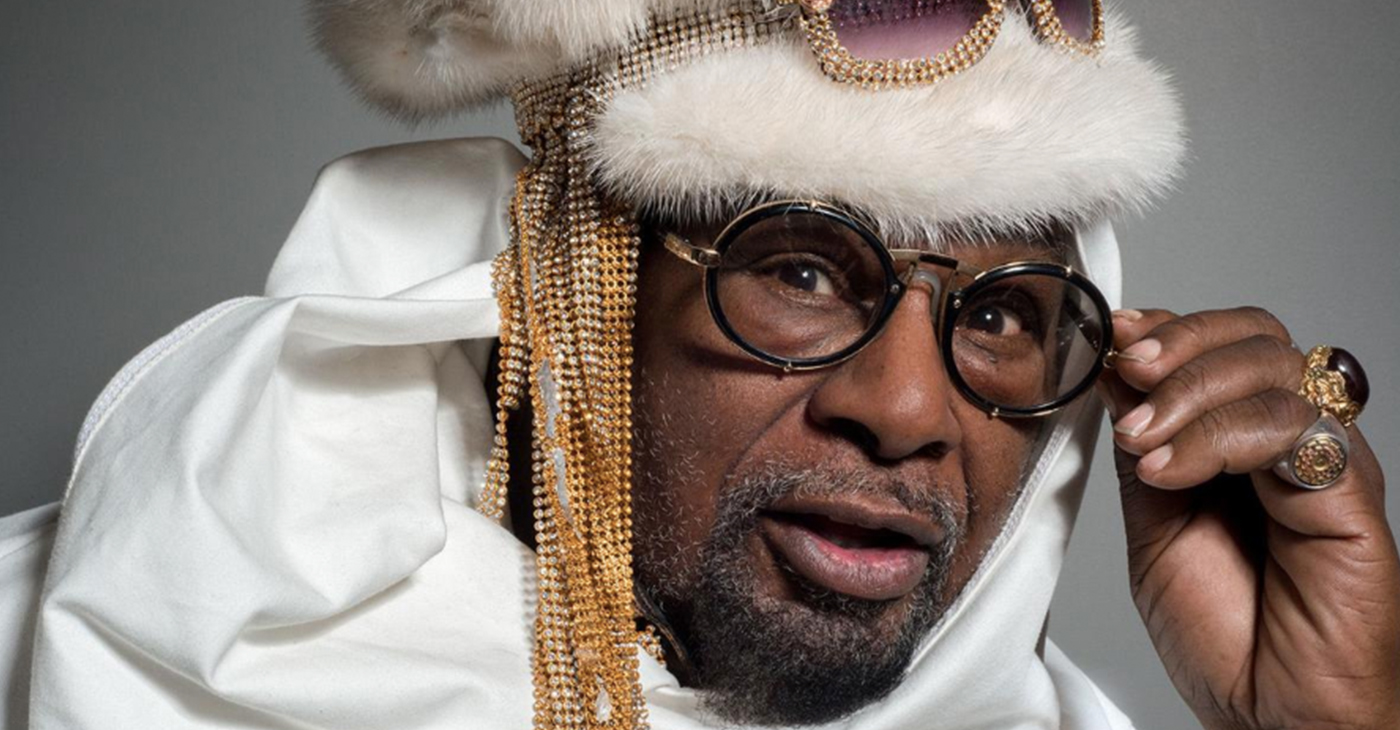
THE PHILADELPHIA TRIBUNE — We know him and love him as the Godfather of Funk. But George Clinton is so much more. After singing doo-wop on street corners in his hometown of Plainfield, New Jersey, as a teenager, Clinton was just a young musician when he opened a barbershop and began to style hair.
By Rita Charleston
We know him and love him as the Godfather of Funk. But George Clinton is so much more.
After singing doo-wop on street corners in his hometown of Plainfield, New Jersey, as a teenager, Clinton was just a young musician when he opened a barbershop and began to style hair.
“We did the great finger waves of the ‘50s. To be a singer during that era, you had to have your hair done,” Clinton recalls. “And so the barbershop became the R&B star of the neighborhood. It also gave me a place to rehearse my own kind of music.”
And rehearse he did, for when he was not styling hair, Clinton was making music and forming Parliament-Funkadelic — or P-Funk — a collection of rotating musicians made up of two individual bands, Parliament and Funkadelic. Their distinctive funk style drew on psychedelic culture, outlandish fashion, science fiction, and surreal humor.
Influenced by the likes of late 1960s artists such as Jimi Hendrix, Sly Stone and Frank Zappa, Clinton later moved to Detroit and developed a relationship with Motown where he became a songwriter and producer.
“To me, being there was like being with one big, happy family,” says Clinton, who will be appearing June 6 at Franklin Music Hall. “There was Smokey Robinson and Berry Gordy, and production teams like Ashford and Simpson, and so many more. And they all left a lasting impression on me.”
Eventually leaving Motown, Clinton settled in with different record labels for a time. And the P-Funk music ruled Black music during the 1970s thanks to Clinton’s magical managerial style, with 1978-79 being their most successful year.
But the 1980s saw Clinton becoming more and more embroiled in legal matters resulting from a myriad of royalty issues, and eventually deciding to strike out on his own. But his musical roots were never far behind.
The early 1990s saw the rise of funk-inspired rap, thanks to folks like Dr. Dre, and funk rock, thanks to the Red Hot Chili Peppers. All that helped reestablish this music man as one of the most important forces in the recent history of Black music.
But Clinton never had any doubts that he and funk were in it for the long haul.
“I always felt like we were gonna kill with our music. Everybody wants to have fun and that’s what funk is all about,” he says.
And the business has recognized what Clinton is all about many, many times. Over the years he’s received a Grammy, a Dove (gospel), and an MTV music award. He’s also been recognized by BMI, the NAACP Image award, and Motown Alumni Association for Lifetime Achievement. Clinton’s Parliament/Funkadelic was inducted into the Rock and Roll Hall of Fame in 1997.
And although this tour was to be Clinton’s last, he seems to have changed his mind. He says with all the legal problems continuing, he’s decided to keep going for at least another year.
“So as of now I have no immediate plans to retire. Maybe next year I’ll be ready to take it easy. But I still enjoy what I do,” he says.
This article originally appeared in The Philadelphia Tribune.
Food
Philly chefs offer favorite recipes to feast on for National Burger Day
THE PHILADELPHIA TRIBUNE — Americans eat around 50 billion burgers each year. That equals an average of three burgers a week for everyone in the United States. Imagine if you put all of those burgers in a straight line, it would wrap around the Earth more than 32 times.
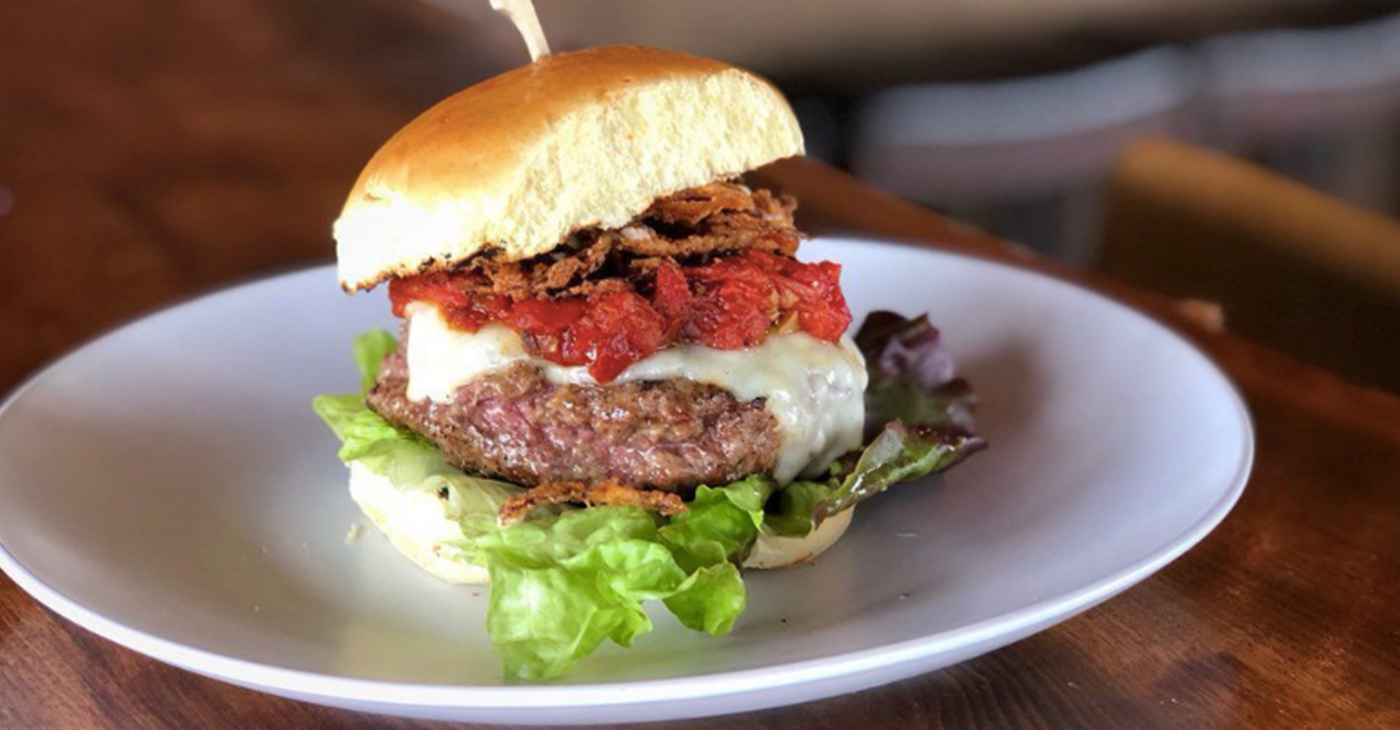
Americans eat around 50 billion burgers each year. That equals an average of three burgers a week for everyone in the United States. Imagine if you put all of those burgers in a straight line, it would wrap around the Earth more than 32 times.
Although hamburgers originated in Hamburg, Germany, eating a burger on a bun is actually an American tradition. The hamburger as we know is rumored to have been invented in Seymour, Wisconsin. Each year, the city hosts a hamburger festival called Burger Fest.
To celebrate this truly American holiday, we asked some of Philly’s hottest chefs to share their favorite burger recipes.
Bison Burger
Caramelized onion aioli
8-ounce bison patty
Brioche roll
Smoked tomatoes
Gruyere cheese
Crispy onions
Caramelized Onion Aioli
1/4 cup caramelized onions
1/4 cup mayonnaise
1 tablespoon olive oil
2 teaspoons lemon juice
1/2 teaspoon kosher or sea salt
Several grinds black pepper
Instructions: Mix ingredients in a large bowl. Taste and adjust seasonings. Refrigerate in covered dish until ready to use.
Inspiration — “The Bison Burger is an ode to America as bison is one of the few animals that is truly native to this land. The leanness provides a much different taste and texture compared to traditional beef. All in all, a true American burger.” —Chef Elijah Milligan
Chef Elijah has spent the last several years cooking or consulting behind many restaurant projects on both the east and west coast, including restaurants such as Petit Green (San Francisco), Stateside (Philadelphia), Angele (Napa), Bottega (Yountville), and Laurel and Vernick (Philadelphia). Elijah’s most recent projects include Cooking for Culture, which is essentially a platform for minority chefs to express their passion for cooking.
Chef Nai’s Ultimate Turkey Burger
3 pounds fresh ground turkey
2 tablespoons of mayo
1 tablespoon siracha
1 tablespoon Worcestershire sauce
1 Vidalia onion medium dice
2 cloves minced garlic
1 tablespoon onion powder
1 tablespoon ground black pepper
1 tablespoon kosher salt
3 tablespoons Belgium beer
1. Mix all ingredients with a spoon folding in gently.
2. Form 2-inch thick patties placing a thumbprint in the center of the burger for even cooking.
3. Place on the grill 8-10 minutes on each side then remove.
4. Top with two slices of muenster cheese and place in the oven on 400 degrees until cheese is bubbling.
Place burger on a fresh brioche bun and enjoy.
Inspiration: “This is the burger that I make at home all of the time. It’s one of my favorite burgers.” —Chef Naimah Rutling
Chef Nai is a chef, caterer and mother of five. She was born and raised in North Philadelphia and learned to cook from her father and uncle. The busy mom/fitness instructor teaches about seven classes a week, in addition to serving as an Ambassador for Wellness with Cooks Who Cares. The organization helps chefs and cooks maintain a healthy lifestyle.
No matter how you choose to celebrate National Burger Day on Tuesday, make sure you enjoy all the delicious ways you can customize your burger — add bacon, ketchup, lettuce, tomatoes, mayo and any other favorite fixings.
This article originally appeared in The Philadelphia Tribune.
Community
The Philadelphia Masjid, Inc.: Reclaiming a bastion for Black Muslims
THE PHILADELPHIA TRIBUNE — As one of the nation’s most historic Islamic sites, The Philadelphia Masjid, Inc. has a deep and textured history that’s seen highs and lows — from the building of a thriving religious community to having its very existence threatened. The Masjid was established in 1976 as a congregation of eight temples that were formerly apart of the Nation of Islam, and is known for fostering a robust Black Muslim community that produced devout followers, operated businesses and maintained an independent school.
By Samaria Bailey
As one of the nation’s most historic Islamic sites, The Philadelphia Masjid, Inc. has a deep and textured history that’s seen highs and lows — from the building of a thriving religious community to having its very existence threatened.
The Masjid was established in 1976 as a congregation of eight temples that were formerly apart of the Nation of Islam, and is known for fostering a robust Black Muslim community that produced devout followers, operated businesses and maintained an independent school.

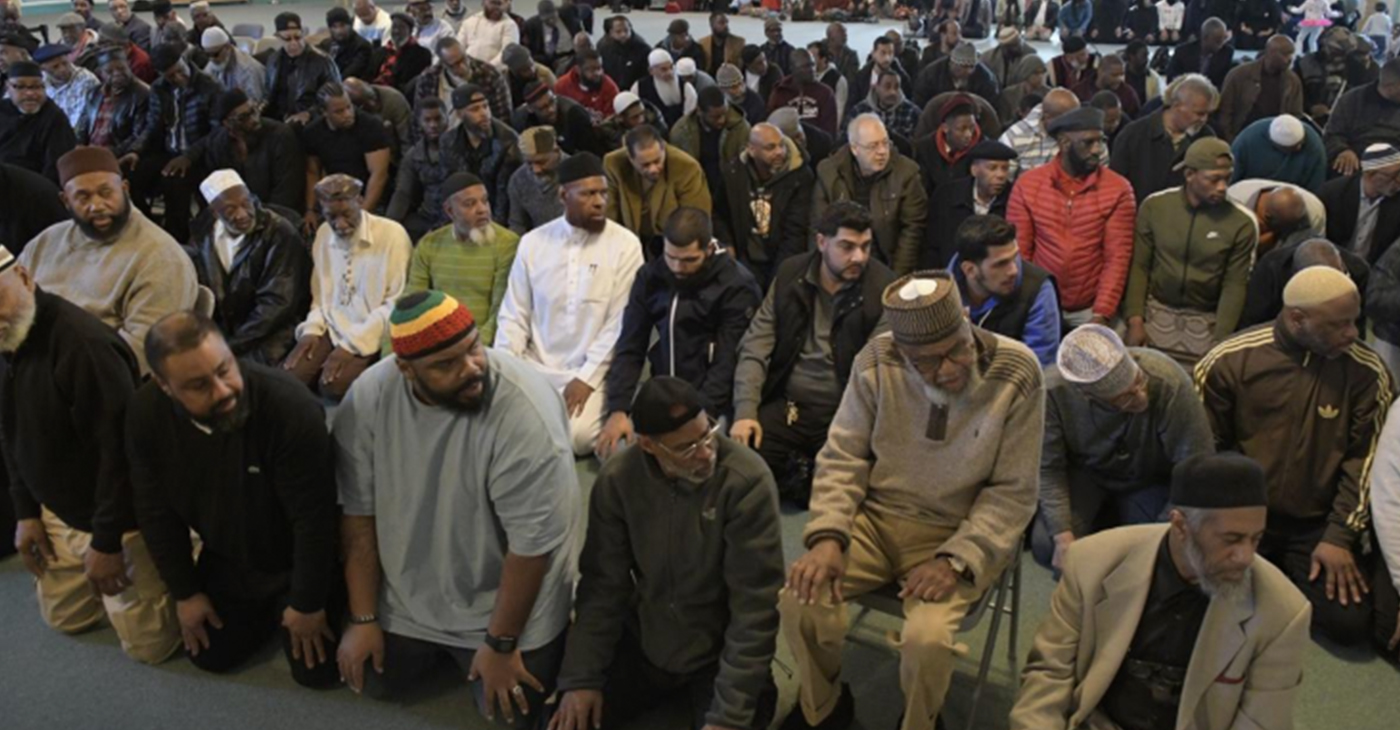
Imam Kenneth Nuriddin addresses the congregation (Photo by: Abdul R. Sulayman | Tribune Chief Photographer)
Now rebuilding from a series of leadership and legal challenges nearly 10 years ago, their vision is to reclaim their position as a bastion for Black Muslims and the surrounding community.
“We grew out of a movement or a community that was known as the Nation of Islam, and it was a community that was independent in the sense that we relied on ourselves,” said Resident Imam Kenneth Nurridin. “We didn’t look to the East for direction, we really didn’t even look to America for direction, but we sort of looked at the need we had and our needs as a people.”
The Philadelphia Masjid has roots in the Nation of Islam’s Temple No. 12, formerly located at 13th and Susquehanna streets.
Following changes in the Nation, brothers and sisters left the main Temple No. 12 and other Temple No. 12 locations around the city to join the the World Community of Islam in the West under the leadership of Imam Warith Deen Muhammad. These brothers and sisters established the Philadelphia Masjid in 1976.
“Imam Warith Deen Muhammad … brought us the religion, the traditional standards that are lived by Muslims all over the world, but the unique thing is we didn’t have to depend on them for interpretation or application of it. It was based on what we as a people needed,” said Nurridin. “We began to look at the things that the Nation of Islam espoused — the white man is the devil. This was also like a shock treatment for our people and for the greater society and it was almost like a chemotherapy because white supremacy was a cancer. If you got cancer, you need a strong drug. The treatments of Elijah Muhammad were like a chemotherapy that cured us of inferiority complexes and it freed us to now be in a position where we can take responsibility for our own community.”
The practice of this do-for-self philosophy resulted in the Philadelphia Masjid becoming a house of prayer that empowered its people socially just as much as it did spiritually.
“We [had] a school here … We had businesses. We had a supermarket, we had bakeries. We had a fish program where we were bringing in fish from Peru,” said Nurridin. “So, all of the economic necessities were brought into perspective and among our people. We had more economic strength when we were isolated or segregated because we had to do for self.”
The Sister Clara Muhammad School was a special point of pride. For nearly 30 years, it educated thousands of Black Muslim students in academics and the tenets of Islam.
By the early 2000s, the Masjid was embroiled in legal troubles and leadership issues, which hurt the development and economic progress made in their early years. The school, facing competition from charter schools, closed in 2005 amid the legal battles.
“It did slow down because everything we did was centered around the children,” said Aazim Muhammad, executive director of the Masjid’s Community Development Corporation. “There became a period when we were not as visible to the broader community because we were always associated with education. Now that we are going through a rebirth process, we are placing an emphasis back on education and education programming.”
Muhammad has been a member of the Philadelphia Masjid for more than 35 years. He was married and raised three children there but he moved to California in 2008 and was away for almost 10 years. Upon his return, he began working in the CDC, leading efforts to build programs to empower the community.
“We have new leadership. The CDC existed as a seed but we have new leadership and he has a very extensive background in running CDCs, so his expertise, his zeal, his commitment has enabled the CDC to grow in leaps and bounds in just a year,” said Nurridin.
The Philadelphia Masjid still owns its property — 44,000 square feet, including the building and land. As the surrounding community develops, Muhammad said, the Masjid has a vision to develop as well, even as they receive countless offers.
“We get inquiries in the mail almost on a daily basis,” he said. “But nobody is bold enough to knock on the door.”
Muhammad emphasized that the Masjid is not interested in selling the property. Instead, they’ve designed a vision that calls for the Black independence and do-for-self mentality that distinguished them in their early history.
The development plans include multigenerational, affordable housing for seniors and first-time homebuyers, an early-childhood training center and a vocational training or building trades program.
One piece of the development that will be piloted this year is a culinary training program for high-school dropouts and ex-offenders, in partnership with YouthBuild.
“No one came from another city and started the [Philadelphia Masjid]. It’s African-American started. We own this building. That’s what made it special. And it’s the biggest one in Philadelphia,” said Khadijah Hameen, a member of the Masjid for 44 years.
Hameen remembered coming up as a Muslim girl in training when she joined the Masjid as a teenager. She wasn’t raised in the religion but she was inspired by the Muslim women in her community.
“I lived down the block from Muslims. They were in the Nation of Islam. I always liked the way they carried themselves, the way they dressed,” said Hameen.
She joined the Philadelphia Masjid when she was 18 and is still there, an active sister who distributes free food for members and the community.
But what’s been just as important to her as the family-like environment of the Philadelphia Masjid is the sense of empowerment that’s come from being a part of it.
“It made you love yourself more. You were able to have self-love, self-preservation,” she said. “We’ve always been here for each other. We know this is something we have built and it’s something that belongs to us and we are not giving it up. This is our establishment.”
Tauheedah Jihad, a member who joined the Philadelphia Masjid as a teenager and also came up as a Muslim girl in training, agreed.
“This is my home. This is where I started. We used to cook. I was selling [the publication] “Muhammad Speaks,” she said. “Since they first opened this Masjid, through thick and thin, we’ve been together. We will fight to the bitter end to hold this institution up.”
This article originally appeared in The Philadelphia Tribune.
Advice
Tips to be Fit: Most germs won’t hurt us, but 1,400 can
THE PHILADELPHIA TRIBUNE — Did you know there are over 65,000 known germs, but only about 1,400 cause disease? The four major types of germs are bacteria, viruses, fungi and protozoa. They can infect our bodies and cause disease. There is a difference between infection and disease. We can be infected without being diseased.
Did you know there are over 65,000 known germs, but only about 1,400 cause disease?
The four major types of germs are bacteria, viruses, fungi and protozoa. They can infect our bodies and cause disease. There is a difference between infection and disease. We can be infected without being diseased.
An infection is the first step, which occurs when bacteria, viruses or other microbes that cause disease enter our body and begin to multiply. Disease is when the cells in our body are damaged as a result of the infection, and symptoms of an illness appear.
Most germs won’t hurt us. Our immune system protects us against infections. But germs may mutate and breach the immune system. Knowing how germs work will reduce your risk of infection.
Bacteria are one-celled organisms. They are visible only with a microscope. Not all bacteria are harmful. Some bacteria live in our body and are helpful, such as Lactobacillus acidophilus, which lives in our intestines and helps us digest food, destroys some disease-causing organisms and provides nutrients.
Disease-causing bacteria will produce toxins that can damage cells and make you ill. Some bacteria directly invade and damage cell tissues. Some infections caused by bacteria include strep throat, tuberculosis and urinary tract infections.
Viruses are much smaller than our cells. Viruses are organisms that contain only genetic material. To reproduce, viruses invade cells in our bodies and change how our cells work. Most host cells are eventually destroyed during this process, which can kill us.
Viruses are responsible for causing numerous diseases, including AIDS, the common cold, Ebola hemorrhagic fever, genital herpes, influenza, measles, chickenpox and shingles.
Antibiotics for bacteria have no effect on viruses.
There are many varieties of fungi. Fungi are organisms that are reproduced by spores. We eat a number of them, such as mushrooms. The mold that forms the blue or green veins in some types of cheese are also fungi. So is yeast, the ingredient that makes bread rise.
Some fungi can also cause illness. Fungi are also responsible for skin conditions such as athlete’s foot and ringworm.
Protozoans
A protozoan is a single-celled organism that acts like a tiny animal. Protozoans eat other microbes for food. A few types of protozoans are found in our intestinal tract and are harmless.
Protozoans spend part of their life cycle outside the host. Protozoans live in food, soil, water and insects. Some protozoans invade our bodies through food or water we consume.
Some cause diseases such as giardia, malaria and toxoplasmosis. The protozoan that causes malaria is transmitted by a mosquito.
Infectious diseases
An easy way to contract most infectious diseases is by coming in contact with a person, animal or object that has the infection. Three ways infectious diseases can be spread through direct contact are:
Person to person: This is the most common way for infectious diseases to spread is when a person infected with the bacterium or virus touches, kisses, coughs on or sneezes on someone who isn’t infected. The germs can also spread through the exchange of body fluids from sexual contact. People who pass germs may have no symptoms of their disease.
Animal to person: Getting bitten or scratched by an infected animal can make you sick. It can be fatal in extreme situations. Handling animal waste can make you sick. You can acquire a toxoplasmosis infection by scooping your cat’s litter.
Mother to unborn child: A pregnant woman can pass germs that cause infectious diseases to her unborn baby. The germs can pass through the placenta connecting mother and baby. Germs in the vagina can be transmitted to the baby during birth.
Bacteria, viruses, fungi and protozoa can enter our bodies through:
- Skin contact or injuries.
- Inhaling airborne germs.
- Consuming contaminated food or water.
- Tick or mosquito bites.
- Sexual contact.
You should get medical care if you suspect that you have an infection and you have experienced any of the following:
- An animal or human bite
- Difficulty breathing
- A cough lasting longer than a week.
- Periods of rapid heartbeat.
- A rash, especially if accompanied by a fever.
- Blurred vision or other difficulty seeing.
- Persistent vomiting.
- An unusual or severe headache.
- Reducing risk of infection
The CDC recommends the following to help reduce your risk of becoming infected:
Wash your hands. This is especially important before and after preparing food or drinks, before eating or drinking, after using the toilet, and after removing soiled clothes or shoes. Try not to touch your eyes, nose or mouth with your hands, as that’s a common way germs enter the body. Soap and water work well to kill germs. Wash for at least 20 seconds and rub your hands briskly. Disposable hand wipes or gel sanitizers also work well. Gel sanitizers and hand wipes should be 70% alcohol-based.
Get vaccinated. Immunization can drastically reduce your chances of contracting many diseases. Make sure to keep up to date on your recommended vaccinations, as well as your children’s.
Stay home when ill. Don’t go to work if you are vomiting, have diarrhea or have a fever. Don’t send your child to school if he or she has these signs and symptoms, either.
Prepare food safely. Keep counters and other kitchen surfaces clean when preparing meals. Cook foods to the proper temperature using a food thermometer to check for doneness. For ground meats, that means at least 160 degrees F (71 C); for poultry, 165 F (74 C); and for most other meat, at least 145 F (63 C). In addition, promptly refrigerate leftovers. Don’t let cooked foods remain at room temperature for extended periods of time.
Practice safe sex. Always use condoms if you or your partner has a history of sexually transmitted infections or high-risk behavior.
Don’t share personal items. Use your own toothbrush, comb and razor. Avoid sharing drinking glasses or dining utensils.
Travel wisely. If you’re traveling out of the country, talk to your doctor about any special vaccinations.
If you work out in a gym, be careful. You are exposed to a lot of people. You are using equipment that was just used. Clean the padding before you use it. More than 50% of healthy persons have Staphylococcus aureus living in or on their nasal passages, throats, hair and skin.
Swimming can be dangerous, too. The average swimmer contributes at least 0.14 grams of fecal material to the water within the first 15 minutes of entering the pool. Showering with soap before swimming helps stop the spread of germs by removing fecal material from the body.
You should also make sure your gym has good air circulation. We can’t wash the air in a gym, but the exchange of air should be good.
Pets and other animals
Got a pet? Be careful. To reduce the risk of getting sick from germs your pets may carry, always wash your hands after:
• Touching or playing with your pet.
• Feeding your pet or handling pet food.
• Handling pet habitats or equipment (cages, tanks, toys, food and water dishes, etc.)
• Cleaning up after pets.
• Leaving areas where animals live (coops, barns, stalls, etc.), even if you did not touch an animal.
Going to the zoo this season? Try to make it safe:
• Don’t walk and eat. Your hands will touch a lot of contaminated objects.
• Don’t let your little one use a pacifier. They touch that pacifier with everything. They may even share it with an animal.
• Wipe off any seating or table you use in the zoo.
• Don’t feed the animals from your hand.
• If you have an open wound, cover it completely.
• Try not to come into contact with any animal waste. It’s teaming with germs.
This article originally appeared in The Philadelphia Tribune.
Government
Councilman criticized over ‘Black child’ label for Luzerne County
THE PHILADELPHIA TRIBUNE — Luzerne County Councilman Robert Schnee says he did not mean to offend anyone last week when he described Luzerne County as “like the Black child here” when it comes to state funding. Local civil rights leader Guerline L. Laurore says she finds Schnee’s comments offensive.
By The Citizen Voice
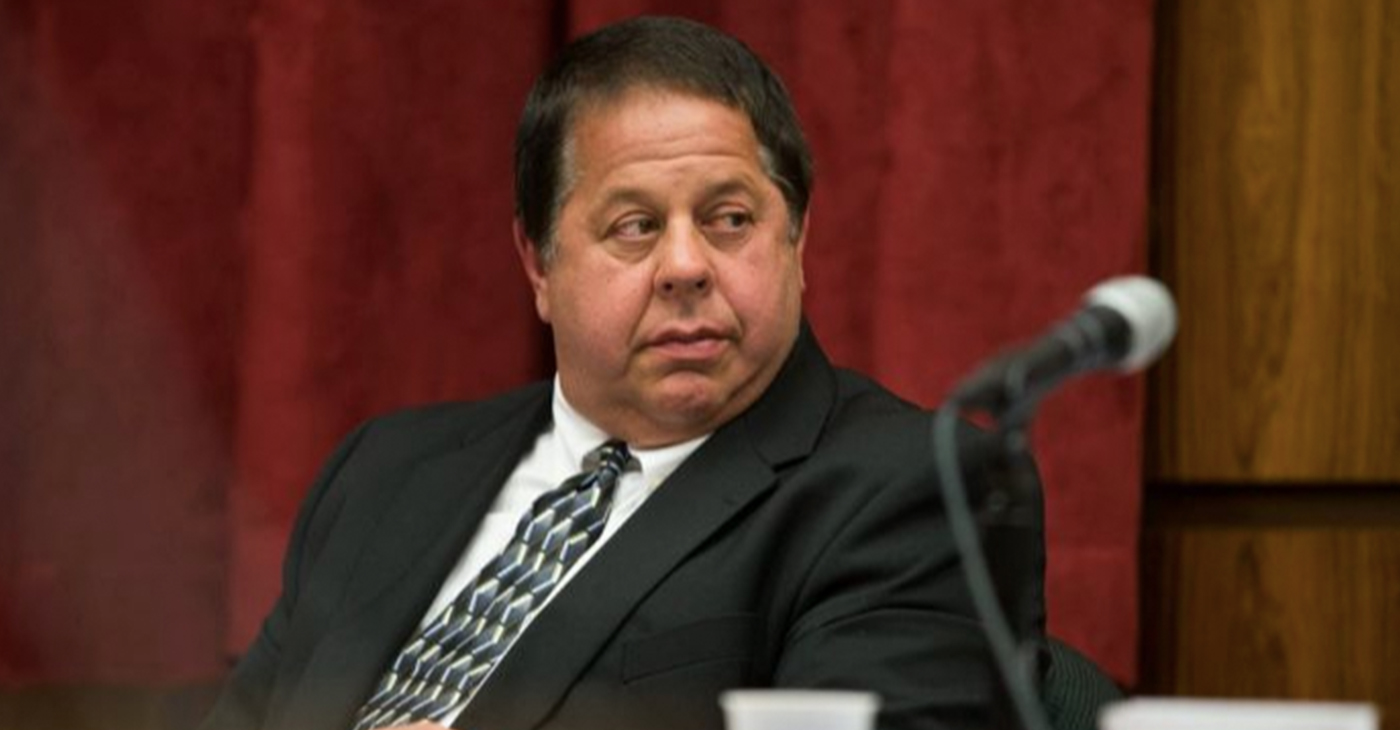
WILKES-BARRE — Luzerne County Councilman Robert Schnee says he did not mean to offend anyone last week when he described Luzerne County as “like the Black child here” when it comes to state funding.
Local civil rights leader Guerline L. Laurore says she finds Schnee’s comments offensive.
Schnee’s colleagues say they misheard his remarks at an April 9 council work session as the board discussed the poor state of roads in the county.
Councilman Stephen A. Urban criticized state lawmakers who represent Luzerne County for not doing enough to obtain funding to repair the county’s roads.
Schnee said those lawmakers do the best they can at state level, where funding is disproportionately distributed to the Philadelphia and Pittsburgh regions.
“We’re like the Black child here, whatever you want to call it. … We have an uphill battle,” Schnee said.
No one commented on Schnee’s use of the phrase “like the Black child” during the work session.
Council members reached Monday said they thought Schnee had said “black sheep” instead. The phrase “Black child” can be heard clearly on an audio recording of the work session posted to the county website.
Schnee said in a phone interview Monday that he did not misspeak.
He said he wanted to draw a comparison between African Americans, who face discrimination in their daily lives, and Luzerne County, which faces discrimination when it comes to state funding.
“Sadly enough, the Black person in the minority is still discriminated against,” Schnee said. “It’s sad to say in this day and age.”
He compared that to Luzerne County’s attempts to compete for state funding with Pennsylvania’s two large metropolitan areas.
“The money goes … where the votes are coming from,” Schnee said. “Pittsburgh and Philly get all the money.”
Schnee, in a later interview, said he feels “disrespect” might be a better word to describe the county’s situation.
He stressed that he meant no disrespect to the African-American community.
“I think it’s being supportive of them,” he said. “That’s what I meant.”
Laurore, secretary of Gov. Tom Wolf’s advisory commission on African American affairs and former president of the Wilkes-Barre chapter of the NAACP, said Schnee’s remark was “entirely inappropriate.”
“Basically, he’s saying that nobody wants to be the Black child, because this is how you are treated when you are Black,” said Laurore, an attorney and Shavertown resident.
Also, Schnee’s use of language that some would consider racially charged distracted from the discussion of an important infrastructure issue, Laurore said.
“It seems to me the councilman is using language meant to inflame and take away from the real issue at hand,” she said. “You can point out that the African-American community feels mistreated in many areas, but to use them to make your point, I don’t think it’s fair. It’s confusing the issue by bringing up racial epithets.”
This article originally appeared in The Philadelphia Tribune.


B3 Project: Networking for Black Entrepreneurs & Allies #shorts

New Field House Project: Community Dreams Come True #shorts

Set Your Car Seat Right Before You Hit the Road #shorts

Why Black EV Buyers Face a Home-Charging Gap #shorts

Stay the Course: Why Every Ballot Matters

How EVs Save You Up to $10,000 in Maintenance #shorts

Book Launch: The Transformation Code & Community Growth #shorts

From The Desk of The Editor 10/21/26

From The Desk of The Editor 10/14/26

Minneapolis Girls Sports: Why Athletes Are Leaving! #shorts

OP-ED: Haiti TPS: Have We Lost Sense of Humanity?

Remembering Chauncey Bailey as Student Journalists Face Threats to Truth-Telling

All Skinfolk Ain’t Kinfolk

Poll: Becerra Widens His Lead Over Hilton; Californians Split on Wealth Tax

Rulings Leave Questions Lingering in Nolan Wells Case

Latinas Deserve Equal Pay. Unions Help Make It Happen.

Zakiya Jendayi Arrested, Locked Out of Home by Sheriff’s Deputies

COMMENTARY: The Audacity of Joyce Beatty

Why Black Artists Struggle to Sell Tours

A $2.1 Trillion Wellness Industry Never Built a Daily Practice for Black Children. So This Atlanta Family Did.
B3 Project: Networking for Black Entrepreneurs & Allies #shorts
New Field House Project: Community Dreams Come True #shorts
Set Your Car Seat Right Before You Hit the Road #shorts
Why Black EV Buyers Face a Home-Charging Gap #shorts
Stay the Course: Why Every Ballot Matters
How EVs Save You Up to $10,000 in Maintenance #shorts
Book Launch: The Transformation Code & Community Growth #shorts
From The Desk of The Editor 10/21/26
From The Desk of The Editor 10/14/26
Minneapolis Girls Sports: Why Athletes Are Leaving! #shorts
-

 Black History6 days ago
OP-ED: The Black Church Writes AI’s Next Chapter
-
 African American News and Issues1 week ago
Black History: Gladys West Mathematics Helped Make GPS Possible
-
 Featured4 days ago
Tamiko Armstead | 2026 Lifetime Achiever in Education
-
 Art1 week ago
Inside 820 S. Michigan: New Book Captures the Lost World of Ebony and Jet
-

 Black Press1 week ago
While Black Families Pay More for Power, Some Attorneys General Fight to Save High-Cost Coal
-
 Black History5 days ago
Practitioners of African Traditional Spirituality Offer Ancestral Reverence Ritual Oct. 31
