
Featured
The West End’s Soul Vegetarian, Atlanta’s Oldest Black-Owned Vegan Restaurant, Bids Farewell


Just days before the closure of Atlanta’s oldest Black-owned vegan restaurant on July 12, TheAtlantaVoice visited Soul Vegetarian as it prepared to close a chapter in its rich history. A woman who had been coming to the restaurant since she was a child fellowshipped over a meal with her teenage son, reflecting two generations that the West End institution has fed. Farouq Dawud, a customer since the restaurant opened its doors, sat in a dedicated corner with a boxed plate of food in front of him.
While the longstanding customers bid their last goodbyes through patronage, Chef Pahroosha Israel cracked open a photo album she’d discovered the day before that chronicled 47 years of Soul Vegetarian. As Israel placed photo after photo on the table, depicting when the restaurant was nothing but an empty building with newspapers across the windows, powered by the vision of members of the African Hebrew Israelite Nation of Jerusalem, a smile lit her face. The photo album was a parting gift that gave a glimpse of the legacy that she and many others have built.
“We’ve been in the building 47 years, but until you actually see where we came from, you don’t understand,” Israel said.

Since 1979, the goal of Soul Vegetarian has been to bring a healthier diet and lifestyle to the world. For nearly five decades, they’ve done just that, becoming a neighborhood staple and treasured hub where food, health, education, faith, and community thrived. The restaurant first opened at 625 Peachtree St. before later relocating to the West End in 1982. When the vegan eatery opened its doors, it was one of the first businesses to make a home on Ralph David Abernathy and the first of its kind along the corridor. It then became the backbone of the West End, inspiring many vegan journeys and many of the Black-owned vegan restaurants that now dot the city.
“The West End is a very historical place in Atlanta, and we’ve been on this corner and been a part of this community when there was nothing in this community,” Israel said. “There was nothing on these blocks when we got here. Definitely not Black-owned… We are from the Hebrew Israelite community, and in our community, one of the things that we were always taught was to serve and to give, and so that’s what we have done, and whoever caught on, took it further. Forty-seven years is a long run.”

The restaurant announced its decision to cease operations in June. Israel revealed that the decision to close ultimately came down to the building’s aging infrastructure and rising operating expenses, the latter a reality that has plagued many of the city’s restaurants.
“It was a hard decision, and it’s a very emotional one for us, but we’ve held on for 47 years, and we take that with pride. We did a good job, and if we could stay longer, we would,” Israel said. “We are not saying that we’re never going to open up even a little corner, but right now this is what we have to do.
“They’ve said the West End is going to change in a couple of years; we’re not leaving because it’s going to be changed. We would take on that challenge. The world has changed three times since we opened, and we have weathered that storm.”

When Soul Vegetarian announced its closure, members of the community flooded social media with sadness but also with memories that celebrated the institution. They reminisced on moments such as hearing Honduran herbalist Dr. Sebi speak and meeting India Arie while they grabbed a plate. But more than that, they remembered the comforting food and the good people that they held dear throughout their lives. From the BBQ kale that was a Chef Israel creation to the mac and cheese and collard greens, the soul of the restaurant was carried by its ability to feed stomachs and hearts.
It’s a legacy that Israel refuses to let go of. She has been cooking at Soul Vegetarian since 1987, taking after her mother who cooked at vegan restaurants in Israel and helped jumpstart Soul Vegetarian’s journey. Their goal was to help people live longer and live a healthier lifestyle, and she said she feels complete because so many people now know about veganism.
Saint Mica’el, one of the founding members of the restaurant, shared memories of helping to build the restaurant from the ground up in its early days, from running errands to taking out the garbage . He now lives in Israel, like many of the saints who established the restaurant, and called the decision to close a “conclusion.”

“When we were first built in 1979, the word was that one day we’d come to the restaurant, steam table would be on, food would be in there, and no one would be here to serve the food. That day has come,” Saint Mica’el said.
The West End’s Soul Vegetarian has closed, but its second location, Soul Vegetarian No. 2, is still open at 652 North Highland Ave. NW. Israel promised the community that while Soul Vegetarian has closed, it still lives on.
“Even though we’re leaving the area, we’re not done yet. Don’t count us out,” Israel said. “Soul Vegetarian was a gift that we gave the community, gave the world, gave Atlanta, and gave Georgia.”
The post The West End’s Soul Vegetarian, Atlanta’s oldest Black-owned vegan restaurant, bids farewell appeared first on The Atlanta Voice.
Based on reporting by Atlanta Voice.






Featured
FTC Chair Praises Trump, NYC Calls for Target Boycott, and Jason Lee Removed as Vice Mayor 📱
FTC Chair praises Trump, NYC calls for Target boycott, and Jason Lee is out as Stockton’s Vice Mayor. Plus, college club tennis suspended over alleged racist imagery.


The FTC chairman is drawing attention for praising the Trump administration’s efforts to protect white American men from discrimination. Meanwhile, New York City officials are calling for a Target boycott over reports of ICE activity at one of its stores.
Plus, the University of Maryland suspends its club tennis team over alleged racist imagery, Jason Lee is removed as Stockton’s vice mayor, and Netflix reportedly prepares major layoffs.
We’re breaking down the headlines, the controversy, and the stories making waves across the country.
Featured
FTC Chair Praises Trump, NYC Calls for Target Boycott, and Jason Lee Removed as Vice Mayor
FTC Chair praises Trump, NYC calls for Target boycott, and Jason Lee is removed as VP. Get the breakdown on today’s top stories.

The FTC chairman is drawing attention for praising the Trump administration’s efforts to protect white American men from discrimination. Meanwhile, New York City officials are calling for a Target boycott over reports of ICE activity at one of its stores.
Plus, the University of Maryland suspends its club tennis team over alleged racist imagery, Jason Lee is removed as Stockton’s vice mayor, and Netflix reportedly prepares major layoffs.
We’re breaking down the headlines, the controversy, and the stories making waves across the country.
African American News and Issues
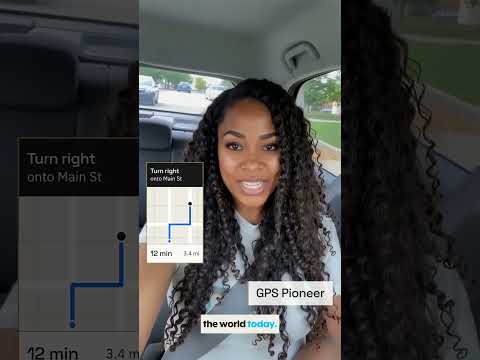
Black History: Gladys West Mathematics Helped Make GPS Possible
Gladys West’s math helped map Earth, making GPS a reality. Her brilliant work powers navigation worldwide!

Black History: Gladys West Mathematics Helped Make GPS Possible
Black History Fun Fact: Gladys West was a brilliant mathematician whose work mapping Earth’s shape helped lay the foundation for GPS technology. Her calculations contributed to navigation systems used around the world today.
Featured
Urban League, AT&T Expand Digital Skills and Laptop Access in St. Louis
The Urban League and AT&T are expanding digital skills and laptop access in St. Louis, ensuring residents aren’t left behind in today’s job market. This partnership provides vital training and technology to the community.
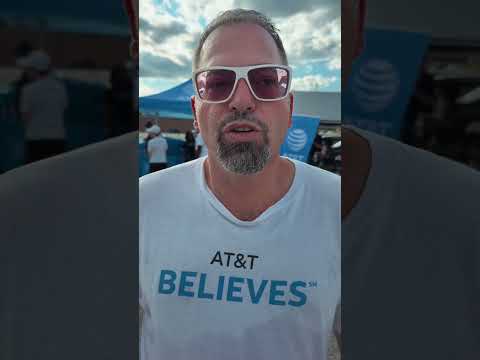
Digital skills are becoming essential for nearly every job, and the Urban League of Metropolitan St. Louis is helping residents make sure they are not left behind.
AT&T has renewed its support of the Urban League’s Connected Learning Center for another three years, expanding access to digital literacy training, workforce resources and technology. The celebration also included the distribution of 150 refurbished laptops to local families.
✒️ Na’Porsha Williams
📷 Lawrence Bryant
Read the full story:
https://www.stlamerican.com/business/urban-league-builds-digital-skills-for-workforce/
#UrbanLeagueSTL #DigitalSkills #WorkforceDevelopment #StLouis #stlamerican
Featured
Attend a Green Line Bus Rapid Transit Open House
See the Green Line BRT plans and share your feedback at an upcoming open house! Explore the proposed route and station designs.
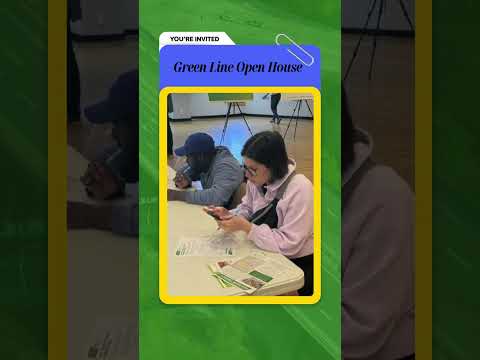
See the plans. Ask questions. Share your feedback.
Attend a Green Line Bus Rapid Transit Open House session to explore the approved proposed route and get a first look at preliminary station designs.
📍 October 19: RUNG for Women | 5:00 PM – 7:00 PM
📍 October 22: Polish Heritage Center | 5:00 PM – 7:00 PM
💻 October 26: Virtual Open House (registration required)
Featured
HBCU Homecoming: A never-miss annual tradition
HBCU homecomings are more than just football games; they’re a vital annual tradition. Experience the unforgettable energy and community spirit!

Visit Our Website
Read more stories by our team
https://defendernetwork.com/category/news/opinion/
Sign-up for the Top 5 newsletter
Donate/ Support Our Work


FTC Chair Praises Trump, NYC Calls for Target Boycott, and Jason Lee Removed as Vice Mayor 📱

FTC Chair Praises Trump, NYC Calls for Target Boycott, and Jason Lee Removed as Vice Mayor

Black History: Gladys West Mathematics Helped Make GPS Possible

Richmond’s Secret Bank: The True Reformers Story #shorts

7 USB-C Ports + Wireless Charging: Power Up Your Family #shorts

Urban League, AT&T Expand Digital Skills and Laptop Access in St. Louis

Attend a Green Line Bus Rapid Transit Open House

VIN Check: Avoid Truck Recalls Before Buying! #shorts

Defender Parking Camera & Screen Features Explained #shorts

Find Black-Owned Banks & Credit Unions Easily #shorts

The Youngest American Killed in the Vietnam War

Passing for White, Fighting for Black America: The Courage of Walter White

OP-ED: Haiti TPS: Have We Lost Sense of Humanity?

OP-ED: How Does Your State Rank for Pre-K?

NFL: Week Two Recap | Jalen Hurts did not fold; Caleb Williams exits game with injury

Remembering Chauncey Bailey as Student Journalists Face Threats to Truth-Telling

Headlines and Hot Topics 📱

Peter Magubane: a Camera Against Apartheid

Obama Urges Democrats to make AI a Priority 📱

Mayor Lee Announces $1 Million Kaiser Permanente Grant for Pilot Program to Address Homelessness, Clean Up Public Spaces throughout Oakland
FTC Chair Praises Trump, NYC Calls for Target Boycott, and Jason Lee Removed as Vice Mayor 📱
FTC Chair Praises Trump, NYC Calls for Target Boycott, and Jason Lee Removed as Vice Mayor
Black History: Gladys West Mathematics Helped Make GPS Possible
Richmond’s Secret Bank: The True Reformers Story #shorts
7 USB-C Ports + Wireless Charging: Power Up Your Family #shorts
Urban League, AT&T Expand Digital Skills and Laptop Access in St. Louis
Attend a Green Line Bus Rapid Transit Open House
VIN Check: Avoid Truck Recalls Before Buying! #shorts
Defender Parking Camera & Screen Features Explained #shorts
Find Black-Owned Banks & Credit Unions Easily #shorts
-

 Black Press1 week ago
A $2.1 Trillion Wellness Industry Never Built a Daily Practice for Black Children. So This Atlanta Family Did.
-
 BlackPressUSA1 week ago
Latinas Deserve Equal Pay. Unions Help Make It Happen.
-

 Black Press3 days ago
All Skinfolk Ain’t Kinfolk
-

 Art1 week ago
Montclair Brewery: Brewing Culture, Community, History
-

 Black Press1 week ago
COMMENTARY: But God!
-

 Black Press1 week ago
Master P Encourages Norwood Elementary Students to Dream Big, Work Hard
