
Entertainment
Yes, the New ‘Daily Show’ Host is Black. And He’s Spent His Career Making Fun of African Americans.

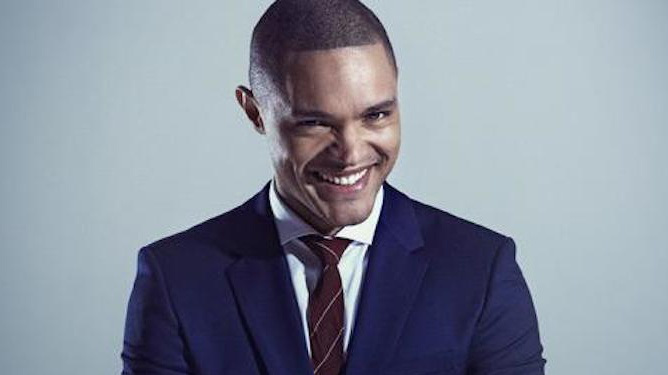
Trevor Noah (Comedy Central/Facebook)
(The Washington Post) – News that Trevor Noah would replace Jon Stewart as the new host of “The Daily Show” brought a collective round of applause for the South African comedian and his “fresh” perspective and “fresh takes on race.” Critics have long lamented the lack of color among late-night TV hosts, and now a black man has gotten one of the plum hosting gigs.
Noah might look like an enlightened choice, but his routines show he isn’t — his jokes often hinge on insulting African Americans.
Back in 2012, Noah made his first American appearance, on “The Tonight Show with Jay Leno.” The bulk of his routine was composed of jokes about black Americans. The United States, he said, was not “the America he was promised,” and “America has the credit of a black man.”
Then Noah joked that black people are misidentified as African Americans. “They’re not African, but we’ll play along,” he said, adding, “Many of them really try to connect with Africa, you know? Some of them have these African names. They’ll be like, ‘Yeah, yeah, that’s my girl Wanda, yeah, yeah. Yeah that’s right, that’s Dashiqua, or dat’s Taniqua.” Noah emphasized all this “hilarity” by using stereotypical B-Boy hand gestures to drive it home — because this is how all black people communicate, obviously. Leno’s predominantly white audience ate it up.





Black History
Columbus’s Oldest Businesses Still Open: 10 That Have Lasted 75+ Years
COLUMBUS TIMES — Columbus, Georgia, traces its commercial roots to the early 19th century, when the Chattahoochee River and local cotton mills fueled a burgeoning regional economy. While the city has transformed into a modern hub for banking and manufacturing, a select group of businesses and institutions have managed to survive for more than 75 years.
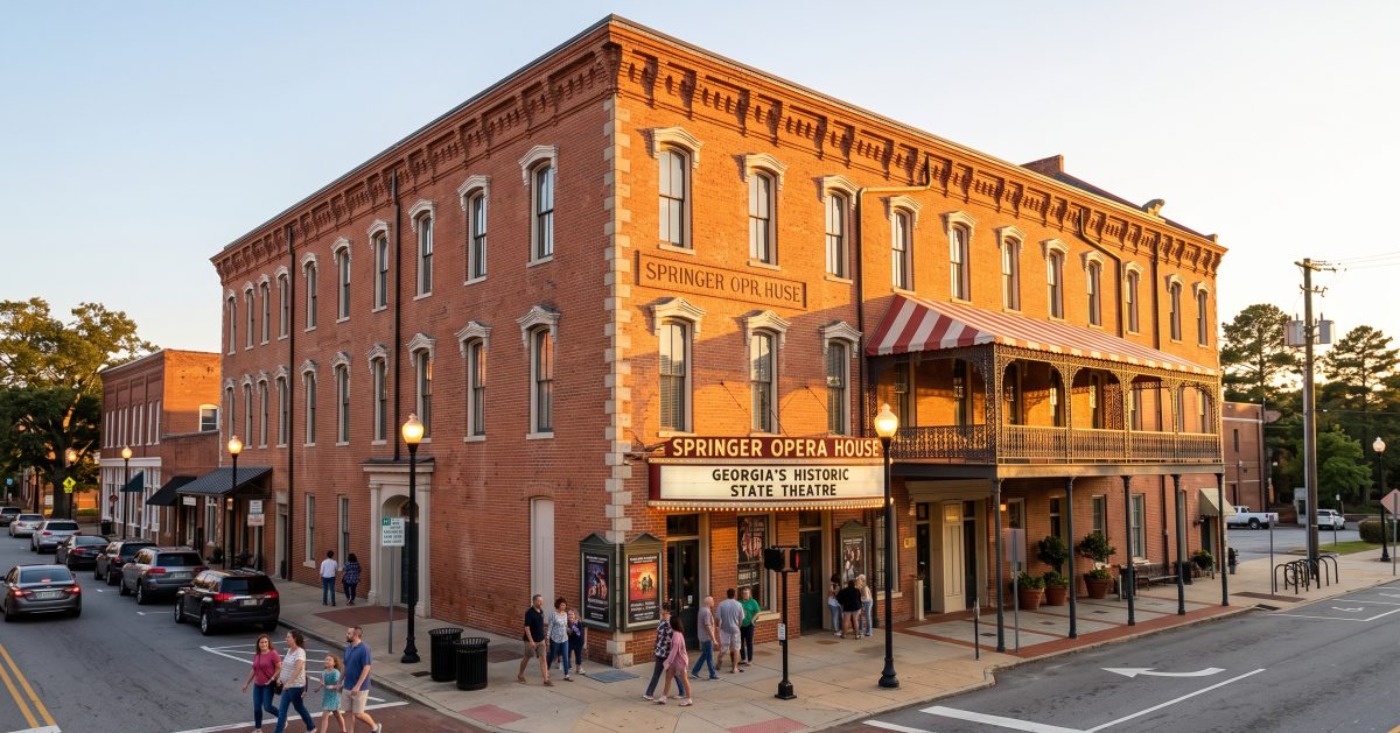
The historic Springer Opera House in downtown Columbus, Georgia, opened in 1871 and stands as one of the city’s oldest surviving cultural institutions.
Some Columbus businesses have been around longer than the automobiles, shopping centers and neighborhoods that now surround them. A handful date back to the 1800s, when cotton mills powered the local economy and the Chattahoochee River carried goods between communities. Others survived the Great Depression, two world wars, economic downturns and decades of changing consumer habits.
While hundreds of businesses have opened and closed across Columbus over the generations, these 10 have histories stretching back at least 75 years. Some remain family-owned, while others have survived mergers, ownership changes or major transformations. Together, their histories tell the story of how Columbus grew from a riverfront trading town into a regional center for banking, manufacturing, commerce and culture.
This list includes businesses, commercial institutions and their surviving successors with documented Columbus roots before 1951. It is not a definitive ranking of every surviving business, and several entries have changed ownership, names or operating models over time.
1. Columbus Ledger-Enquirer — 1828 (198 Years)
One of Columbus’s oldest surviving commercial institutions is its longtime newspaper, the Columbus Ledger-Enquirer. Its history began in 1828 with the founding of the Columbus Enquirer, the same year Columbus was established. The Columbus Ledger followed in 1886, and the two newspapers eventually became a single publication in 1988.
Over nearly two centuries, the newspaper has documented wars, elections, industrial expansion, economic downturns and major changes throughout the Chattahoochee Valley. Its ownership changed again in July 2026, when the Georgia Trust for Local News purchased the Ledger-Enquirer from McClatchy. The newspaper continues operating, although the modern publication is the product of mergers and transformations rather than an unchanged business established in 1828.
2. Willcox-Lumpkin Co. — 1848 (178 Years)
Insurance agency Willcox-Lumpkin traces its history to 1848, making it one of Columbus’s oldest documented commercial enterprises. Historical city directories identify the business as an insurance agency that protected homes, businesses and property long before automobiles became common. The company remained associated with generations of the Willcox and Lumpkin families.
Its history is supported by advertisements appearing in Columbus directories more than a century ago. Georgia Secretary of State records currently list Willcox-Lumpkin Co. as active and in compliance, with its corporate registration dating to December 1923. That distinction matters because the business’s claimed operating history is considerably older than its present corporate registration.
3. Springer Opera House — 1871 (155 Years)
The Springer Opera House opened in 1871 and became one of the city’s most important entertainment destinations. Built by businessman Francis Joseph Springer, the theater attracted nationally recognized performers and helped establish Columbus as a cultural center. Its ornate Victorian architecture remains one of downtown’s most recognizable landmarks.
The Springer nearly disappeared during the 1960s after declining attendance and years of deterioration. Preservationists rescued the building, and theatrical performances returned in 1965. Although it has not operated continuously in the same form, the Springer remains an active performing arts institution and an example of how historic properties can find new economic life.
4. Schomburg’s Jewelers — 1872 (154 Years)
Few Columbus retailers can claim a family history as long as Schomburg’s Jewelers. Carl Frederick Schomburg established the jewelry business in 1872 after working as a clockmaker, and the company gradually expanded into watches, jewelry and other luxury goods. Five generations of the family have been associated with the business.
Today, Schomburg’s operates on Rollins Way and identifies itself as Georgia’s oldest fifth-generation jeweler. Its longevity reflects a business model built around specialized craftsmanship, customer relationships and family continuity. While many traditional jewelry stores have disappeared or become part of national chains, Schomburg’s has maintained a recognizable local identity.
5. Goldens’ Foundry & Machine Co. — 1882 (144 Years)
Two brothers, Theodore and J. Poitevent Golden, established Goldens’ Foundry & Machine Co. in 1882. The company began as a small foundry and machine shop during an era when Columbus was expanding rapidly as a manufacturing center. Its products helped supply the machinery and industrial equipment needed by businesses throughout the region.
More than 140 years later, the business remains associated with descendants of its founders. Goldens’ continues manufacturing industrial castings while also developing consumer products through its Goldens’ Cast Iron brand. Its survival is especially significant because many of the textile mills and industrial operations that helped create its original market have long since closed.
6. W.C. Bradley Co. — 1885 (141 Years)
The W.C. Bradley Co. traces its origins to 1885, when William Clark Bradley entered the cotton business in Columbus. Over time, his growing enterprise expanded into groceries, fertilizer, transportation, manufacturing and financial services. The company eventually became one of the most influential business organizations in the Chattahoochee Valley.
Its business interests helped shape the development of modern Columbus, including the city’s banking and manufacturing sectors. The company also became closely associated with Char-Broil, the nationally recognized outdoor cooking brand. Today, W.C. Bradley Co. maintains its corporate headquarters near the Chattahoochee River, continuing a business legacy that began when cotton dominated the regional economy.
7. Synovus Banking Legacy — 1888 (138 Years)
The banking institution that became Synovus began in 1888 with the establishment of two Columbus banks. According to company history, the idea developed partly from the need to provide textile workers with a safe place to keep their earnings. Those early banking operations eventually evolved into Columbus Bank and Trust and later Synovus Financial Corporation.
A major change occurred in January 2026 when Synovus merged with Pinnacle Financial Partners, ending its existence as an independent corporation. The combined organization continues serving Columbus customers under the Synovus name during the transition to Pinnacle branding, which is scheduled for 2027. Pinnacle also announced plans in June to expand its downtown Columbus workspace, reinforcing the city’s continued importance to the banking operation.
8. Dinglewood Pharmacy — 1918 (108 Years)
Dinglewood Pharmacy opened on November 13, 1918, and became one of Columbus’s most recognizable neighborhood businesses. While generations of customers have visited for prescriptions and pharmacy services, the business is equally famous for its traditional lunch counter. Its signature scrambled dog has become closely associated with Columbus food culture.
The pharmacy celebrated its centennial in 2018, an achievement relatively few independent neighborhood businesses reach. Its ability to combine traditional pharmacy services with a popular local dining experience has helped preserve its reputation across generations. Dinglewood remains an especially visible example of a business whose appeal extends well beyond the original service it was established to provide.
9. Striffler-Hamby Mortuary — 1923 (103 Years)
Striffler-Hamby Mortuary traces its business history to 1923, when David Abraham Striffler opened his own funeral establishment in downtown Columbus. Striffler had entered the local funeral industry in 1908 before eventually establishing an independent operation. In 1930, he moved the business into a building constructed specifically for funeral services.
The mortuary became an established name as generations of Columbus families turned to it for funeral arrangements. Today, the business operates as part of the Dignity Memorial network, showing how a longstanding local institution can continue under different corporate ownership. Its history also offers a look at how funeral services evolved from small undertaking establishments into modern funeral homes.
10. WRCG Radio, Originally WRBL — 1928 (98 Years)
Columbus entered the broadcasting era on May 10, 1928, when WRBL began transmitting radio programs to local listeners. The station was established through the efforts of early radio pioneer Bill Lewis and became the city’s first radio broadcasting operation. Its original programming helped bring news, entertainment and live events into Columbus homes.
The station eventually changed ownership, frequencies and call letters, becoming WRCG in 1977. Historical research by Columbus State University and Historic Columbus confirms the connection between the original WRBL radio operation and its later identity. Today, WRCG represents a surviving broadcasting legacy that predates television’s arrival in Columbus by approximately 25 years.
What These Businesses Reveal About Columbus
The survival of these institutions reflects the major industries that shaped Columbus over nearly two centuries. Banking, manufacturing, retail, insurance, entertainment and communications all played important roles in the city’s economic development. Several businesses adapted to changing markets, while others survived by maintaining relationships with generations of local customers.
Their histories also demonstrate that longevity does not necessarily mean remaining unchanged. Some businesses were acquired by larger corporations, others moved into new industries, and several preserved their names despite major changes in ownership. For Columbus residents, these institutions provide a tangible connection to the city’s past while continuing to influence its economic and cultural identity.
Source: Historic Columbus Foundation; Columbus State University Archives and Special Collections; Georgia Historical Society; New Georgia Encyclopedia;
Based on reporting by Columbus Times.
Art
Comedy and Loss Collide in Kevonstage’s ‘Grief Sucks’ at the Pageant
ST. LOUIS AMERICAN — Comedian KevOnStage brought his one-man show “Grief Sucks” to The Pageant, offering an experience that blended humor with the raw realities of loss. The show, rooted in his personal journey after the sudden death of his brother, manager, and business partner Jason Fredericks four years ago, gave the audience permission to laugh and cry, often at the same time.
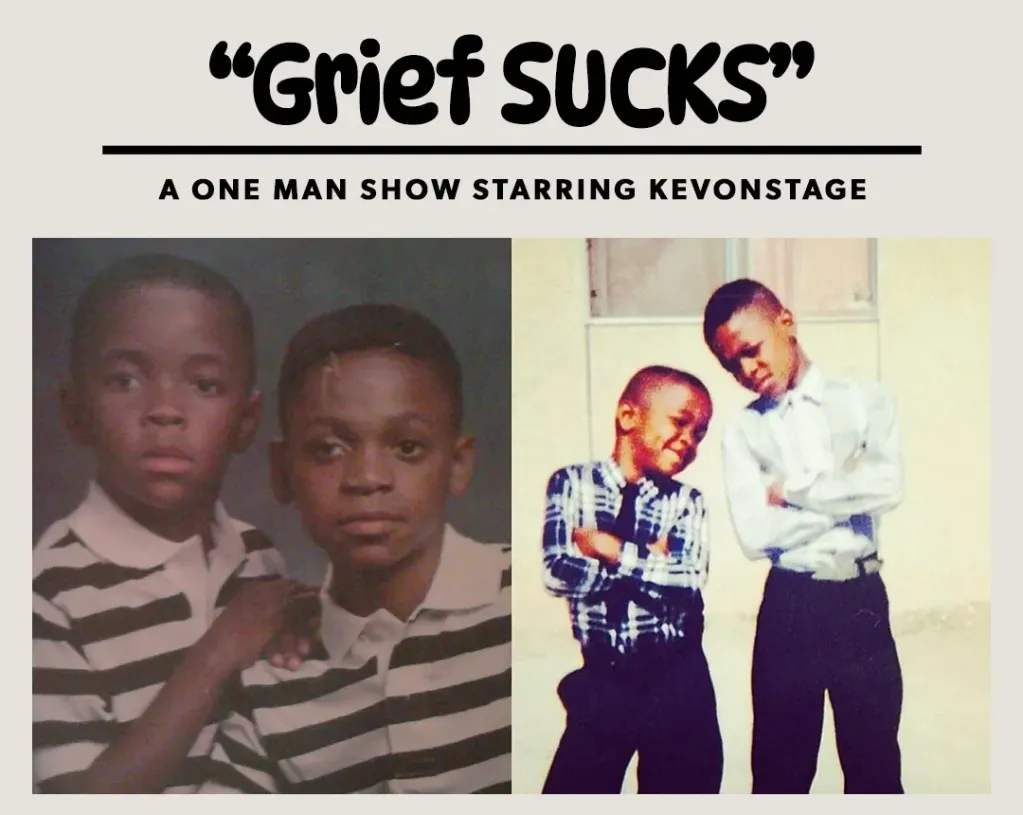
When KevOnStage took the stage at The Pageant Sunday night, his house rules let everyone know what they were in for with his one-man show “Grief Sucks.”
“Do not judge yourself. Do not judge the jokes. Just laugh,” he said.
Even within his directions, were jokes.
He gave the audience permission to cry, but quietly – because Black people have a tendency to do things at full volume.
The hour that followed provided plenty of laughter. But underneath the humor were truths that anyone who has ever lost someone could feel deep in their chest.
The show was based on his experience of losing his brother, best friend, manager and business partner Jason Fredericks. He died suddenly of a heart attack four years ago at the age of 42.
Kev warned the audience to be mindful of their social media — both the wild posts that could end up being someone’s last and the intrusive ones people make after a loved one dies. And he gave people permission to laugh at the moments that feel too outrageous to say out loud — the ones that become inside jokes for families trying to survive the worst days of their lives.
“Grief is dark humor,” he said as he walked through the story of his brother’s death — a story he jokingly blamed on Nia Long.
He found a way to give permission to laugh at the outlandish moments that often serve as inside jokes. Those who have lived through some of the worst moments of their lives and not only found a way to talk about it, but to steal a laugh in the midst.
“Grief is dark humor,” he said as he walked through the story of his brother’s death — a story he jokingly blamed on Nia Long.
“I know that sounds crazy,” he said. “It’s not her fault — but it is her responsibility.”
It was a jarring moment, but it let the audience know exactly what kind of honesty they were in for.
He said his brother’s death was “proof that she is drop‑dead gorgeous.”
“Sometimes things are funny — and sometimes things are funny because you should not be laughing,” he said.
The show moved through a series of points about grief, each one backed by a story that made the room nod in recognition. He talked about how grief can twist ordinary moments — how it can make you jealous of people with siblings or irritated by strangers having a good day.
He explained how grief can twist even the simplest moments, how it can make you jealous of people with siblings, or irritated by strangers having a good day. He brilliantly compared grief to a rock stuck in your shoe. Sometimes it’s small and manageable. Other times its jagged and unbearable – but always there.
He also talked about the unfairness of grief — how the world doesn’t stop when your loved one dies, how people still go to Raising Cane’s, still pick up their kids, still laugh. And he talked about the heartbreak of realizing his brother never got to see things he would have loved, from TV shows to cultural moments. And that he was robbed of the opportunity to engage with him about them.
“He would have loved Sinners,” Kev said. “But he never got to see it.”
At one point, he paused to show a video of his brother telling him how proud he was. The room went quiet. It wasn’t the polite kind of silence – but the kind where you can hear someone in the back sniff. The crowd assured him that it was okay for him to take a beat. His voice shook as he pushed through. Those pauses made the audience lean in even more.
Kev made grief feel communal. He made people laugh at things they didn’t think they were allowed to laugh at. And he reminded everyone in the room that grief doesn’t make sense, doesn’t follow rules, and doesn’t care about timing. And most importantly, he drove home the point that it also doesn’t have to be carried alone.
There were moments when his emotions got the best of him. There was the video he shared of his brother telling Kev how proud he was of him that compelled him to take a beat. His voice quivered as he powered through. Those pauses made the audience connect with the show all the more. Grief Sucks wasn’t just comedy. It was catharsis. It was storytelling. It was a room full of people realizing they weren’t the only ones trying to make sense of loss.
KevOnStage gave them permission to feel all of it — and to laugh anyway.
Internet personality and standup comedian KevOnStage used the sudden and unexpected loss of his brother as the foundation for a one-man show that was funny, honest and a little dark – often at the same time.
Sunday night, he brought “Grief Sucks” to The Pageant. His barometer check
KevOnStage walked onto The Pageant stage Sunday night with a promise: that the next hour would be funny, honest and a little dark. And he delivered all three — often at the same time.
His one‑man show, Grief Sucks, was as relatable as it was funny. It was the kind of performance where the audience laughed hard, then caught themselves nodding in recognition. Because beneath every punchline was a truth that anyone who has lost someone could feel in their chest.
He opened with the kind of humor that only comes from someone who has lived through the worst days of their life and somehow found a way to talk about it. He told the crowd they had permission to cry, laugh, sit still, or just breathe — but to “cry quietly,” because, as he joked, Black folks tend to do everything at full volume.
Then he went straight into the story of losing his brother — not with soft edges, but with the kind of raw honesty that made the room go still. He explained how grief can twist even the simplest moments, how it can make you jealous of people with siblings, or irritated by strangers having a good day. He compared grief to a rock stuck in your shoe: sometimes small and manageable, sometimes jagged and unbearable, but always there.
And he didn’t shy away from the intrusive thoughts that come with loss — the ones people rarely admit out loud. He shared the moment he realized he had lived longer than his older brother ever got to, and how that fact sits heavy no matter how much time passes.
Kev’s storytelling is built on the kind of humor that comes from real life — the funeral home upcharges, the family dynamics, the dark jokes that slip out at the worst possible moments. He told a story about previewing his brother’s body with his wife and grandmother, and how one unexpected comment turned into an inside joke that has carried them through four years of grief.
He also talked about the unfairness of grief — how the world doesn’t stop when your loved one dies, how people still go to Raising Cane’s, still pick up their kids, still laugh. And he talked about the heartbreak of realizing his brother never got to see things he would have loved, from TV shows to cultural moments.
The most emotional part of the night came when he recounted the day his brother died — the phone calls, the confusion, the hope, and finally the moment his nephew said, “He’s gone,” while Kev was sitting in a middle seat on a United flight. He told it plainly, without theatrics, and the room held its breath.
But even in that story, he found a way to make people laugh — not at the pain, but at the absurdity of life continuing around you when your world has just shattered.
By the end of the show, KevOnStage had done something rare: he made grief feel communal. He made people laugh at things they didn’t think they were allowed to laugh at. And he reminded everyone in the room that grief doesn’t make sense, doesn’t follow rules, and doesn’t care about timing — but it also doesn’t have to be carried alone.
Grief Sucks wasn’t just comedy. It was catharsis. It was storytelling. It was a room full of people realizing they weren’t the only ones trying to make sense of loss.
And on a Sunday night at The Pageant, KevOnStage gave them permission to feel all of it — and to laugh anyway.
Based on reporting by St. Louis American.
Black Press
Should You Have to Pay to Hear the Gospel?
ST. LOUIS AMERICAN — Pastor Philip Anthony Mitchell of Atlanta’s 2819 CHURCH and Tim Timberlake of Celebration Church in Jacksonville, Florida, are at the center of a social media debate. The controversy stems from ticket prices for their “Street Preachers” podcast tour, with general admission tickets reportedly costing around $60 and VIP options up to $200.
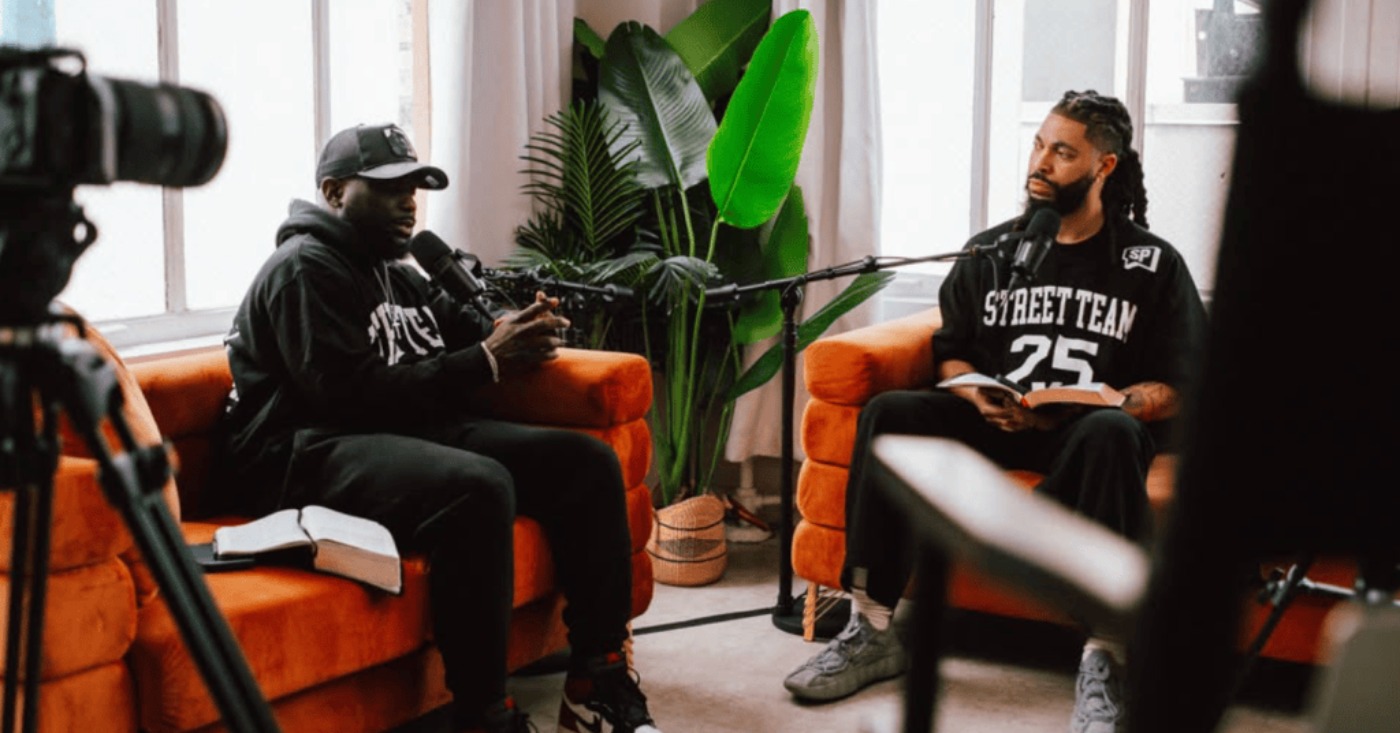
For generations, the Black church has passed the offering plate to keep the lights on, pay the preacher, help the poor and carry the Gospel beyond its walls. But what happens when the preacher leaves the sanctuary, takes a popular Christian podcast on tour — and charges admission?
That question has placed Pastor Philip Anthony Mitchell, founder and lead pastor of Atlanta’s fast-growing 2819 CHURCH, at the center of a heated social media debate.
Mitchell and Tim Timberlake, senior pastor of Celebration Church in Jacksonville, Florida, host “Street Preachers,” which its official website describes as a “raw, unfiltered podcast” committed to spreading the Gospel.
‘A brood of vipers’
The controversy began after ticket prices for the podcast’s 2026 tour circulated online. General admission tickets reportedly cost about $60 before fees, with premium options, including a VIP meet-and-greet package, priced at $200. Critics questioned whether ministers should charge people to hear the Gospel.
Others defended the pastors, arguing that Christian events require venues, transportation, security, equipment and staff.
Mitchell answered critics from the pulpit last month, calling them “a brood of vipers.” He said the podcast is a separate, personal project and that neither his church nor Timberlake’s is bankrolling it.
“Now we have decided to go on a tour to take the gospel to cities, and because that’s not funded by 2819, and it’s not funded by Celebration Church, Tim and I gotta do that with our own pockets,” Mitchell said. “It’s why there is tickets. We have to pay for venues and security and productions and staff from our own pockets.”
Mitchell called some critics “ignorant” and said they did not know that a child was healed through faith during one of the events.
“And you want to complain about a 60 ticket?” he said. “So hate on!”
Worship service vs. media event
Mitchell maintains that “Street Preachers” is an independently produced podcast tour, not a worship service, and that ticket revenue helps cover production costs.
Yet the presence of pastors, Scripture and Gospel language makes the distinction less clear to some believers.
The official tour website lists all eight 2026 stops as sold out. Promotional material announcing additional dates promised, “Better ticket options. Same Gospel. Same move of God.”
Corporate prayer gathering
The language gets to the heart of the dispute. Some Christians argue that no one should be kept outside because they cannot afford a ticket. Others say the Gospel remains free even when people pay for the venue and experience surrounding its presentation.
The paid podcast tour, however, is not Mitchell’s only large-scale gathering. On Oct. 10, 2819 CHURCH will host “ACCESS — That Powerful Hour of Prayer” at AT&T Stadium in Arlington, Texas. Admission is free.
2819 CHURCH has said 80,000 free tickets were claimed before registration reopened.
The contrast raises another question: What makes one Gospel-centered event a ministry supported by donors and another a production supported by customers?
Unfiltered preaching, youth appeal
Mitchell’s congregation, composed largely of young Black adults, grew from fewer than 200 weekly worshippers in 2023 to about 6,000, according to the church. Some worshippers arrive before sunrise to secure a place inside.
His appeal rests partly in an intense, vulnerable and raw preaching style.
“I’m preaching without watering that down, without filtering out things that we think might be too controversial,” Mitchell told The Associated Press.
That visibility has also brought scrutiny of his theology, associations, travel, security and the businesses surrounding his ministry.
But the controversy reaches beyond Mitchell and Timberlake. Christian music concerts charge admission. Seminaries charge tuition. Religious publishers sell Bibles, books and devotionals. Churches pay musicians, media teams and guest preachers. Money becomes particularly uncomfortable, however, when an event is presented simultaneously as ministry and entertainment.
Ministry vs. entertainment
Supporters should not assume every dollar collected becomes personal profit. Critics, however, question whether lower-cost seats, sponsored tickets or free admission for people who cannot pay should be part of a Gospel-centered event.
The Black church always has required resources for ministry. It also has carried a sacred responsibility to make room for people with little or nothing to give.
The sold-out “Street Preachers” tour shows people are willing to pay to attend. The free ACCESS gathering offers a different model. The challenge is preserving that open door as Christian ministry increasingly adopts the machinery — and economics — of popular entertainment.
The post Should you have to pay to hear the Gospel? appeared first on St. Louis American.
Based on reporting by St. Louis American.
Black Press
NCCU Ramping up for the 89th Ultimate Homecoming Experience
NORTH CAROLINA CENTRAL UNIVERSITY – CAMPUS ECHO — N.C. Central University is preparing for its 89th Ultimate Homecoming Experience, a week-long celebration. Thousands of students, family, friends, and alumni are expected to gather on campus for festivities including the Homecoming Countdown, parade, Miss and Mister NCCU Coronation, concerts, and the football game.
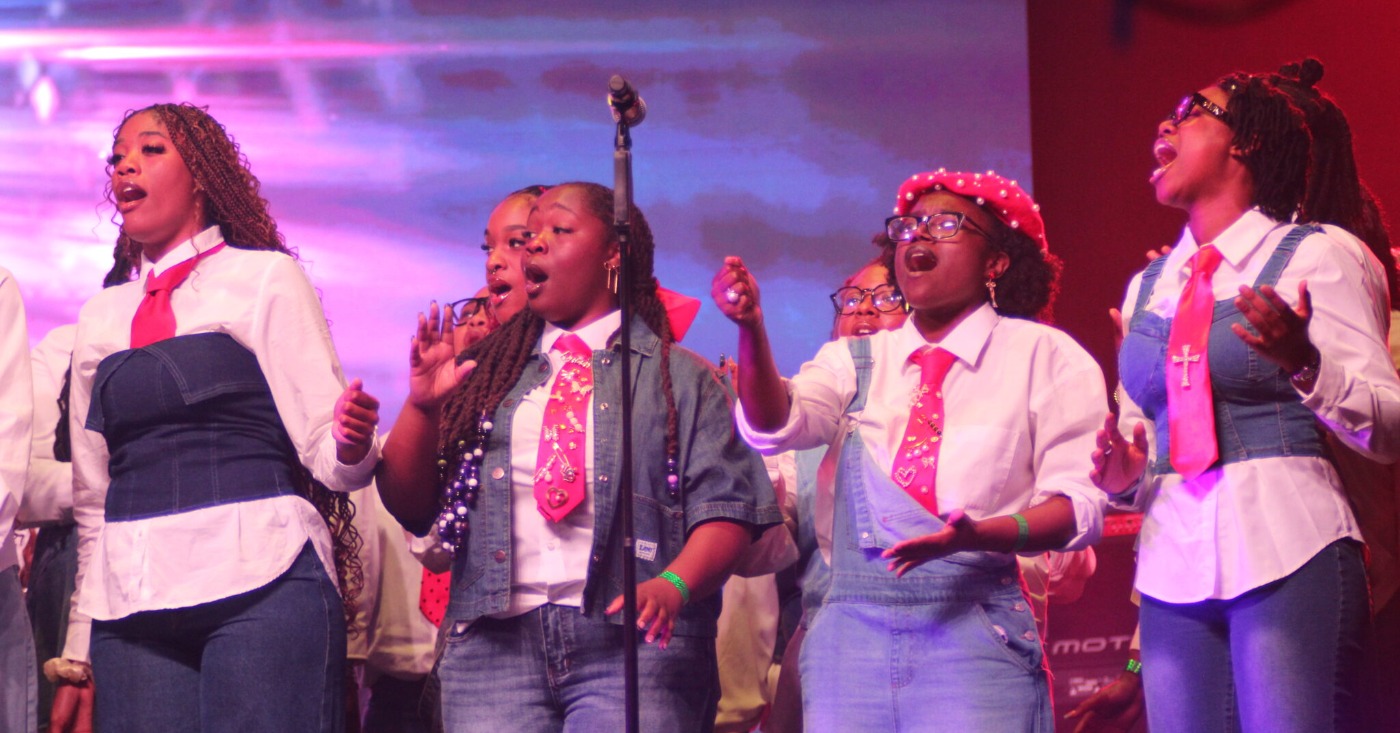
This Saturday N.C. Central University will kick off its 89th Ultimate Homecoming Experience — a week-long celebration bringing thousands of students, family, friends and alumni to campus.
This year’s festivities include the Homecoming Countdown, parade, Miss and Mister NCCU Coronation, concerts and the football game.
The number of visitors to the football game on Saturday, Oct. 10 is expected to reach at least 10,000 — O’Kelly Riddick Stadium’s capacity, with NCCU’s recent enrollment increase of more than 10,000 students.
The Eagles will face William & Mary after playing against the Campbell University’s Fighting Camels on Oct 3.
Students are already expressing excitement for the upcoming festivities.
“I’m excited for homecoming because I can meet alumni and go outside and party with my fellow eagles,” Digital Filmmaking junior Rhese Gardner said. “I’m also really looking forward to the Greek Bowl because there’s a lot going on.”
He added that even though he’s disappointed this semester’s Oil Spill was canceled, he’s still excited for the other events like the parade and concerts.
Here is a list of the week’s on-campus events:
- Oct. 3 – Homecoming Countdown
- Oct. 4 – Gospel Concert
- Oct. 5 – Coronation of Miss and Mister NCCU
- Oct. 6 – 10:40 Break
- Oct. 6 – Homecoming Experience Showcase
- Oct. 7 – Fried Chicken Wednesday
- Oct. 7 – Festival Block Party
- Oct. 7 – Late Night Breakfast
- Oct. 8 – Back to the Nest Young Alumni Mixer
- Oct. 8 – Old School Greek Stroll Off
- Oct. 8 – Hip-Hop Concert
- Oct. 9 – Step Show
- Oct. 10 – Football Game
The post NCCU ramping up for the 89th Ultimate Homecoming Experience first appeared on Campus Echo Online.
Based on reporting by North Carolina Central University – Campus Echo.
Black Press
Master P Encourages Norwood Elementary Students to Dream Big, Work Hard
BIRMINGHAM TIMES — Music mogul Percy Miller, known as Master P, visited Norwood Elementary School on Friday alongside his mascot sidekick, Captain Ace. Teachers and students, dressed in school colors, welcomed Miller, who shared lessons on education, consistency, networking, and the importance of not letting circumstances define one’s future.
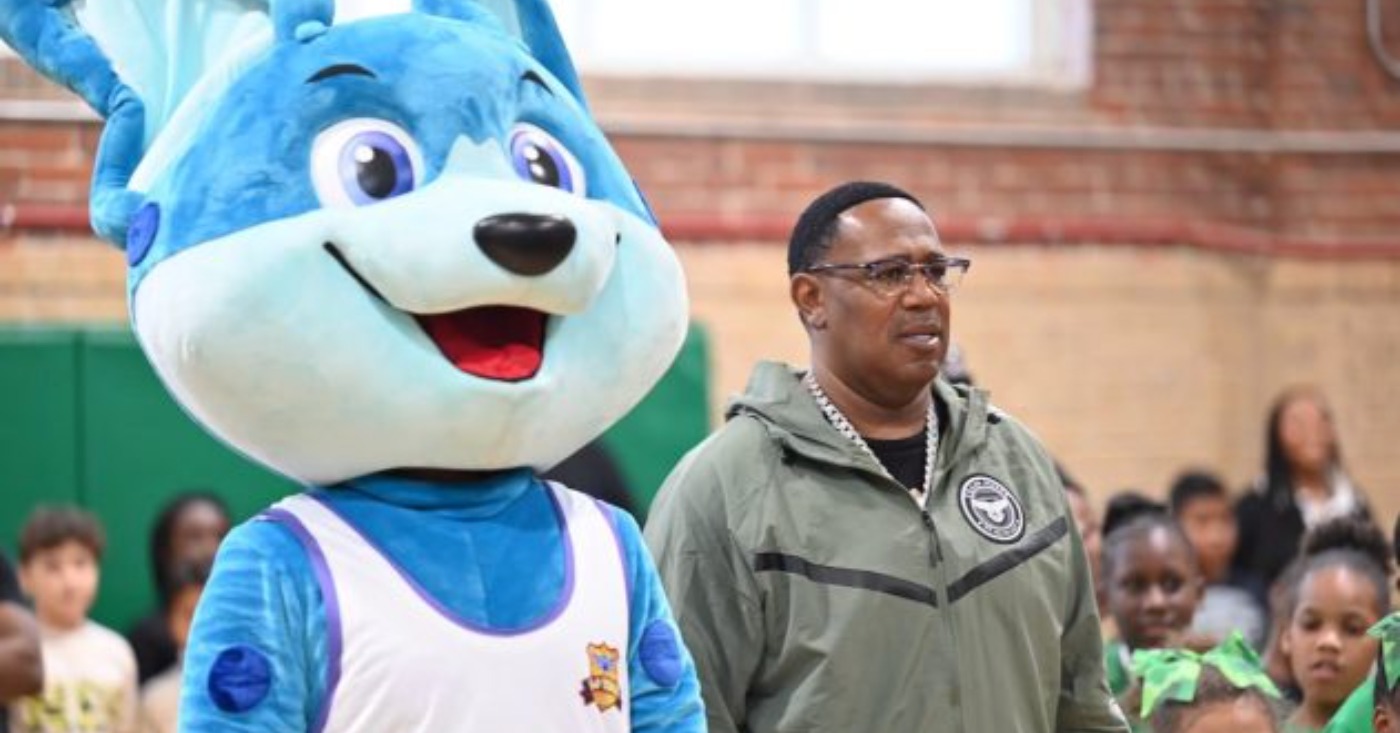
Music mogul Percy Miller, better known as Master P, visited Norwood Elementary School on Friday with his mascot sidekick, Captain Ace. (Birmingham City Schools) ”
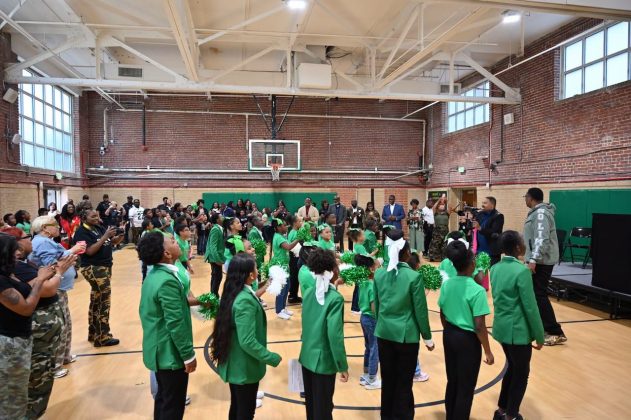
The sounds of students singing filled Norwood Elementary School Friday morning as teachers dressed in camouflage and students wearing their school colors of green welcomed a special guest whose career has been built on music, entrepreneurship and perseverance.
Before taking the stage at the Birmingham-Jefferson Convention Complex (BJCC) Friday night, music mogul and entrepreneur Percy “Master P” Miller spent the morning with Birmingham students, sharing lessons about education, consistency, networking and the importance of refusing to let circumstances determine their futures.
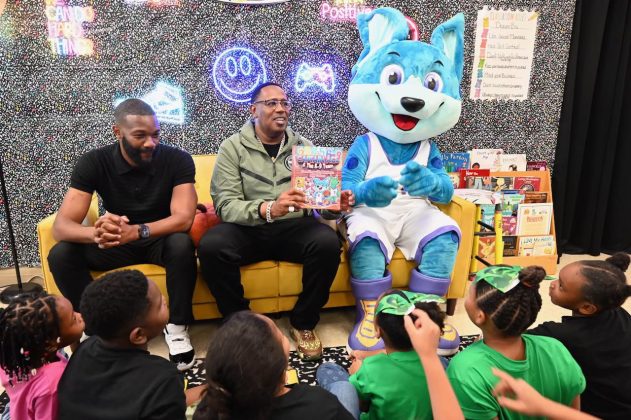
Miller was joined by Captain Ace, the blue-dog mascot and educational character associated with his school visits and assemblies. Together, they turned the celebrity appearance into a lesson centered on positive choices, learning, and believing in one’s potential.
The visit also brought together Birmingham city and school leaders, including Mayor Randall L. Woodfin, Birmingham City Schools Superintendent Dr. Mark Sullivan and members of the school system’s staff and leadership.
At the conclusion of the assembly, Woodfin and Sullivan presented Miller with a proclamation honoring his visit to Norwood Elementary.
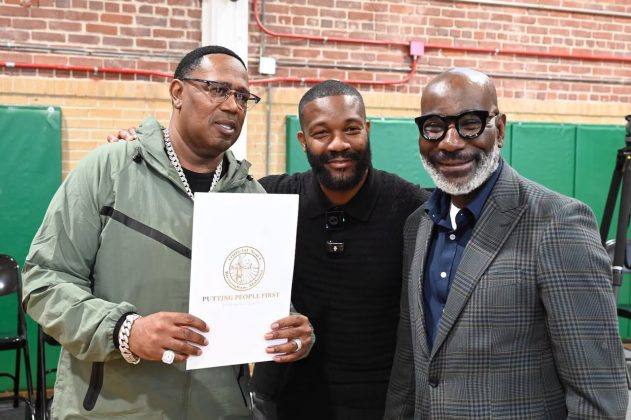
For Miller, however, the morning was less about recognition and more about the children sitting in front of him.
“I love the kids,” Miller told the students. “Even though I got a show, I’m like, no, I got to come and touch the kids because that’s the future.”
Miller said his focus is on what he described as “saving the next generation” and educating young people so they can recognize their potential.
“I want these kids to know that they can fly over all this negative,” he said.
That message became personal when Miller reflected on his own childhood.
He told students he grew up living with his grandparents, who had 12 children. His family lived in a three-bedroom housing project, but Miller said he refused to allow his circumstances to define what was possible for him.
“I didn’t let my condition stop me, and I don’t want you guys to let your condition stop you,” he told the students.
Miller repeatedly returned to the idea that dreams require action.
“There’s no limit to your dreams,” he said, emphasizing that success requires work and that students cannot “cheat the game of life.”
He then asked the students how many of them wanted to be successful. The room responded.
Miller used a familiar example to explain one of his central lessons: McDonald’s.
After asking students what the restaurant sells, he shifted the conversation from hamburgers to consistency.
“McDonald’s is selling consistency,” Miller said.
He explained that a Big Mac is expected to taste the same wherever it is purchased, using that familiarity as an analogy for persistence.
“Keep doing something, not giving up,” he told the students. “Keep chasing your dreams, doing something every day to get that, even when it don’t look like it’s gonna happen.”
“Somebody’s gonna make it big.”
Miller also challenged the students to think about the relationships they are building now. He asked whether they understood what networking means before explaining that the people sitting beside them today could become important figures in their lives tomorrow.
Miller shared a story about a girl he knew when he was in school — someone he said other people did not like or treated negatively. Years later, she became a bank president. When Miller needed a loan, he said, she remembered how kind he had been to her when they were younger.
“You never know who’s gonna be what in here,” Miller said.
He encouraged students to introduce themselves to others, learn their names and treat people well.
“That’s networking,” he said.
For Miller, the lesson went beyond professional connections. He encouraged students to recognize the possibility within one another.
“Who’s gonna be a doctor? Who’s gonna be a lawyer? Who gonna be a teacher?” he asked. “Who gonna be the president of the bank? Who gonna be the mayor? Who gonna be the superintendent?”
Miller said students cannot know where their classmates will end up, which makes how they treat one another today important.
“Somebody’s gonna make it big,” he said. “And it could be all you guys.”
Moments of Celebration
The visit was also filled with moments of celebration. Before Miller addressed the students, Norwood teachers and scholars welcomed him with a robust singalong to “The Affirmation Song,” creating an energetic introduction to the morning’s message.
The appearance of Captain Ace added another layer to the program. The character is part of Miller’s educational work with children, with school assemblies and musical programs addressing topics including anti-bullying, stranger danger and mental health awareness.
Miller said he has spent years making time for young people because he sees them as the future.
The message aligned with the presence of Birmingham’s education and civic leadership throughout the morning. Woodfin and Birmingham City Schools leadership have increasingly emphasized connecting children with educational, enrichment and career opportunities across the city. Earlier this year, the city announced its Children and Youth Commission’s Cradle-to-Career Roadmap, a strategy designed to connect the systems and resources influencing children from early education through adulthood.
For Norwood students, however, the morning offered a more immediate lesson: the opportunity to see someone who built a career from a childhood that did not necessarily predict the future he ultimately created.
As Miller prepared to leave, he encouraged students to keep working, keep learning and keep believing in themselves.
“I kept going,” he told them, reflecting on the people who once told him he would not succeed. “That’s what I want you guys to do. Keep going, no matter what your conditions is. No matter what your environment is.”
Based on reporting by Birmingham Times.
Black History
National Civil Rights Museum Freedom Award Honors the Relentless Fight for Equality
TRI-STATE DEFENDER — The National Civil Rights Museum’s 35th annual Freedom Award ceremony, held on Thursday, October 1, at the Orpheum Theatre, recognized a diverse group of civil rights leaders. Honorees included Fred Gray Sr., a legal strategist who represented Dr. Martin Luther King Jr.
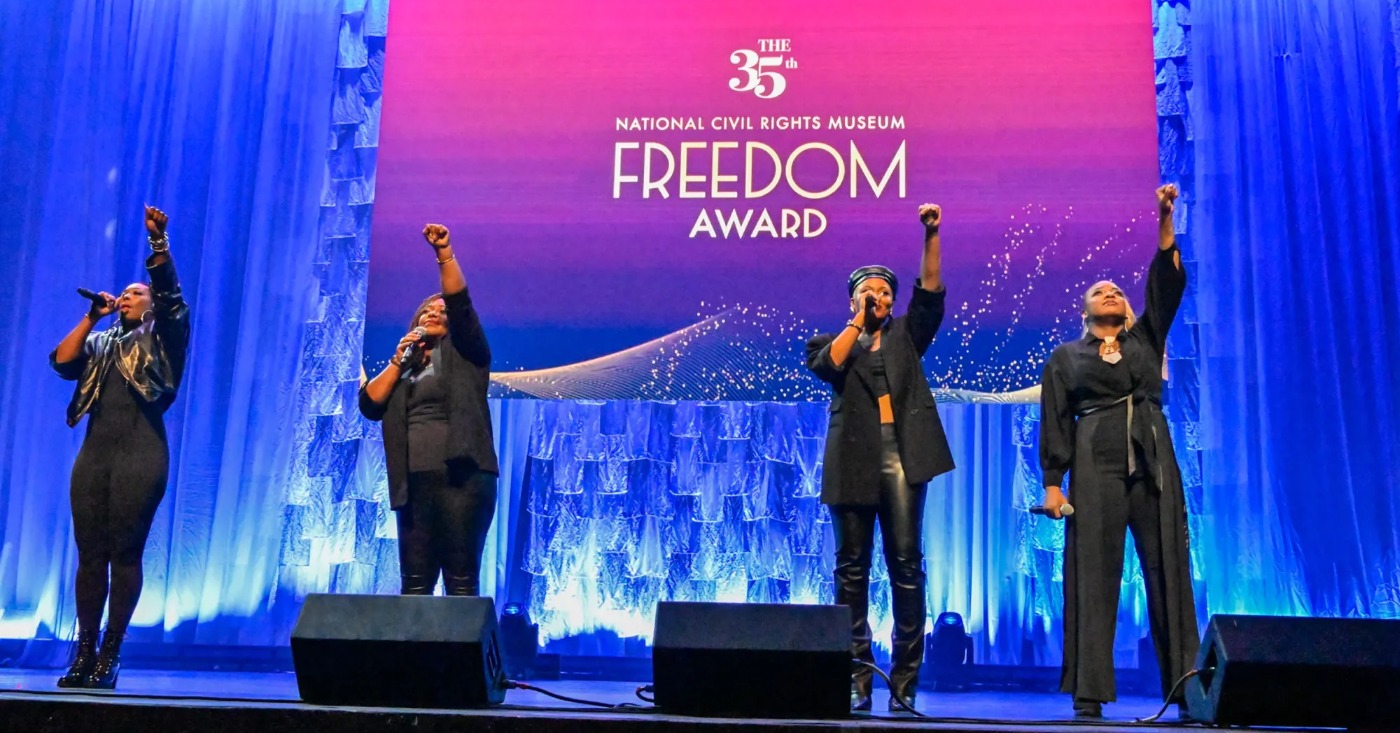
The honorees at the National Civil Rights Museum’s 35th annual Freedom Award ceremony held at the Orpheum Theatre on Thursday, Oct. 1, reflected a changing era of civil rights leadership.
Fred Gray Sr., one of the last surviving legal strategists of the Civil Rights Movement, helped dismantle segregation in America as the lawyer who represented Dr. Martin Luther King Jr. and Rosa Parks. Gray’s pioneering legacy now rests with the generations he helped empower, including fellow award recipients Rev. Shavon Arline-Bradley, Nneka Ogwumike and Bakari Sellers.
Arline-Bradley, an ordained minister, public health advocate, and president and CEO of the National Council of Negro Women since 2023, credits the women and civil rights legends who preceded her and built the organizations she now leads with making her work possible.
Nneka Ogwumike, WNBA champion and four-term president of the league’s players association, and Bakari Sellers, a lawyer, author, CNN political correspondent and former South Carolina legislator, represent a younger generation of human and civil rights activists. They are taking the fight into new arenas, from women’s sports and economic opportunity to voting rights, education and social justice.
Together, their stories shaped the event’s overall theme and mood, which celebrated the courage of freedom fighters of the past while embracing what civil rights leadership looks like now — and what it may become.
Before the ceremony, hundreds of guests gathered for photographs and interviews on the red carpet and hors d’oeuvres at the Halloran Centre for Performing Arts & Education next door to the Orpheum. Actor Larenz Tate hosted the event for the second consecutive year. Grammy Award-winning gospel artist Tamela Mann brought the audience to its feet with her performance of the hit song “Take Me to the King.” And local artist Garry Goin and the Freedom Award House Band performed a mix of R&B and liberation songs.
-

Fred Gray Jr. accepted the Freedom Award on behalf of his father, civil rights attorney Fred Gray Sr., who was unable to attend the ceremony. (Gary S. Whitlow/Tri-State Defender) -

Rev. Shavon Arline-Bradley, president and CEO of the National Council of Negro Women, was among the honorees at the National Civil Rights Museum’s 35th annual Freedom Award. (Gary S. Whitlow/Tri-State Defender) -

Nneka Ogwumike, WNBA champion and four-term president of the league’s players association, was honored at the National Civil Rights Museum’s 35th annual Freedom Award. (Gary S. Whitlow/Tri-State Defender) -

Bakari Sellers, lawyer, author, CNN political correspondent and former South Carolina legislator, was honored at the National Civil Rights Museum’s 35th annual Freedom Award. (Gary S. Whitlow/Tri-State Defender)
Taking the stage to accept the first award was Arline-Bradley, who reflected on the legacy that shaped her path to leadership.
“This honor means more to me than you can ever imagine,” Arline-Bradley said, describing the moment as the culmination of what she believes God had in store for her.
She paid tribute to Dorothy Height, whose leadership helped secure the headquarters for the women’s advocacy nonprofit on Pennsylvania Avenue in Washington, D.C. Arline-Bradley described the building, located on the same street as the White House, as a representation of Black women’s history, power and resilience.
“NCNW stands as the only Black and women-owned building on Pennsylvania Ave,” she continued.
During her speech, Arline-Bradley outlined what she believes it will take to achieve freedom and equality today.
“If America wants to get her healing, we’ve got to climb to the rooftop of justice,” she said.
And justice includes using Black economic power to support companies with compatible values, she continued.
Fred Gray Jr. accepted the award on behalf of his father, who was unable to attend the ceremony. Gray, who practices law alongside his father and brother, recalled his father’s decision to become a lawyer and return to Montgomery, Alabama, determined to challenge segregation.

Gray connected his father’s legal work to Memphis’ sanitation workers, whose 1968 strike became a defining moment in the city’s civil rights history. “At 95, if he was here, he would say to you, ‘I have done what I can do. The rest is up to you,’” Gray Jr. said.
Ogwumike used her acceptance speech to connect the growing visibility of women’s sports to a broader conversation about opportunity and equality.
“In this moment, there are greater and more opportunities for girls and women in sports,” Ogwumike said, pointing to the example provided by the WNBA’s professional athletes who serve as role models for young girls.
She also addressed what she described as threats to women’s rights and access, including debates surrounding Title IX, voting rights, reproductive healthcare and gender violence. “We refuse to be bullied and we refuse to be silenced and made to disappear,” Ogwumike said.
Her remarks were followed by a surprise video message from former Vice President Kamala Harris, who thanked Ogwumike for “being a fighter for the people” and congratulated the evening’s other honorees.
The final honoree, Bakari Sellers, has family ties to Memphis. His mother grew up in the city. His grandfather, the Rev. E.W. Williamson, once served as pastor of Middle Baptist Church and Olivet Baptist Church.

Sellers wrapped his remarks in light humor as he reflected on his conversations with other advocates and his own social justice journey. At one point, he paused, overcome with emotion, as he recalled visiting the National Civil Rights Museum earlier in the day and standing on the balcony where Dr. Martin Luther King Jr. was assassinated on April 4, 1968.
“The victories they won are being torn down all around us,” Sellers said.
To illustrate the cost and cruelty of social injustice, he asked the audience to imagine a 10-year-old student who might one day cure cancer but is struggling in school because of hunger.
“Somewhere we have forgotten that we come from a people of dreamers,” Sellers said. “We have forgotten the price that was paid.
“I am only 42 years old. I don’t really deserve this thing,” Sellers said. “But I will promise you this: Tomorrow I will work harder than I did yesterday.”
A video montage at the black-tie ceremony paid tribute to influential figures who died this year, including civil rights organizer Bernard Lafayette, a leader in the Nashville Movement, Freedom Rides and the Selma voting rights campaign; Rev. Jesse Jackson, the civil rights icon, minister and founder of Operation PUS;, Memphis civil rights activist Clara Ester; feminist leader and journalist Gloria Steinem; and country music legend and philanthropist Dolly Parton.
Museum President Russ Wigginton commented ahead of the program on the generational evolution of Freedom Award honorees. He noted that earlier generations of civil rights leaders often could measure progress through changes in laws, court decisions and government policy. Marches, sit-ins and other forms of direct action helped produce the landmark legal changes achieved during the Civil Rights era of the 1950s and 1960s.
But today, he said, the work can be more difficult to measure because much of it involves changing hearts and minds, increasing empathy and encouraging people to understand cultural differences.
“It is a delicate balancing act that requires patience and commitment,” Wigginton said.
He added, however, the fundamental goal remains unchanged: equal rights for everyone.
Based on reporting by Tri-State Defender.


Defender Daily Life: Does It Fit YOUR Routine? #shorts

James Talarico at TSU

Minimum Viable Product: Grow Your Business Without Burning Out #shorts

Minnesota Sports Talk: Vince Wright’s “Sports Done Wright” Podcast #shorts

November 3 Election: A Test Run for 2028

Tre and Shawn Lemons – A Community Service Love Story

Defender Coach of the Week – Tre Perro

Defender Athlete of the Week – Larry Dorsey.

Start Small: The Entrepreneur’s Guide to a Minimum Viable Product #shorts

Big Ten Goes Coast-to-Coast: Is This INSANE? #shorts

OP-ED: Haiti TPS: Have We Lost Sense of Humanity?

Remembering Chauncey Bailey as Student Journalists Face Threats to Truth-Telling

All Skinfolk Ain’t Kinfolk

Poll: Becerra Widens His Lead Over Hilton; Californians Split on Wealth Tax

Rulings Leave Questions Lingering in Nolan Wells Case

Latinas Deserve Equal Pay. Unions Help Make It Happen.

Zakiya Jendayi Arrested, Locked Out of Home by Sheriff’s Deputies

Why Black Artists Struggle to Sell Tours

COMMENTARY: The Audacity of Joyce Beatty

A $2.1 Trillion Wellness Industry Never Built a Daily Practice for Black Children. So This Atlanta Family Did.
Defender Daily Life: Does It Fit YOUR Routine? #shorts
James Talarico at TSU
Minimum Viable Product: Grow Your Business Without Burning Out #shorts
Minnesota Sports Talk: Vince Wright’s “Sports Done Wright” Podcast #shorts
November 3 Election: A Test Run for 2028
Tre and Shawn Lemons – A Community Service Love Story
Defender Coach of the Week – Tre Perro
Defender Athlete of the Week – Larry Dorsey.
Start Small: The Entrepreneur’s Guide to a Minimum Viable Product #shorts
Big Ten Goes Coast-to-Coast: Is This INSANE? #shorts
-

 Black History7 days ago
OP-ED: The Black Church Writes AI’s Next Chapter
-

 Featured5 days ago
Tamiko Armstead | 2026 Lifetime Achiever in Education
-
 African American News and Issues1 week ago
Black History: Gladys West Mathematics Helped Make GPS Possible
-

 Art1 week ago
Inside 820 S. Michigan: New Book Captures the Lost World of Ebony and Jet
-

 Black Press1 week ago
While Black Families Pay More for Power, Some Attorneys General Fight to Save High-Cost Coal
-
 Black History6 days ago
Practitioners of African Traditional Spirituality Offer Ancestral Reverence Ritual Oct. 31
