
Commentary
COMMENTARY: Workers ask whose side are you on?
DAYTONA TIMES — More than 2,200 nurses at the University of Chicago Medical Center went out on strike last week, but they are not alone. On Sept. 15, 46,000 hourly General Motors’ United Auto Workers employees went on strike, the first time in 12 years. Striking British Airway pilots grounded 1,700 planes.


More than 2,200 nurses at the University of Chicago Medical Center went out on strike last week, but they are not alone. On Sept. 15, 46,000 hourly General Motors’ United Auto Workers employees went on strike, the first time in 12 years. Striking British Airway pilots grounded 1,700 planes.
In Republican states like Oklahoma and West Virginia, teachers shut down schools to demand that state legislatures reverse the deep cuts exacted from public education. Marriott hotels were hit with the largest hotel strike in U.S. history, a walkout of 6,000 hotel workers in four states.
Opposition growing
The Bureau of Labor Statistics reports that a soaring number of workers went on strike or stopped work in 2018 – 485,000 – the most since 1986. The rising number of strikes reflect the reality of Trump’s economy: Despite all his boasting about the “economic miracle,” most workers aren’t experiencing it. Corporate profits have soared, but workers haven’t shared the benefit.
Trump’s tax scam went largely to the rich and the corporations. Corporate promises of wage and investment hikes were largely discarded, with CEOs using the tax breaks mostly to buy back stocks, boosting their stock bonuses and shafting their workers. Gilded age inequality is combined with rising insecurity for working people.
Even now, wages have finally begun to rise, but still are not catching up to soaring costs in basics like health care and education. Just 22 percent of workers have a pension plan of any kind at work. Forty percent of Americans say they would be forced to borrow or sell something to cover a $400 emergency. One in five say they know someone addicted to opioids or painkillers.
Striking for decency
The GM strike comes after workers sacrificed big-time to help GM out of bankruptcy during the Great Recession. Now GM’s profits are up, CEO bonuses are up, but workers who shared the pain haven’t shared in the gain. They are striking for decency, for higher wages, for strong health care plans, for turning more temporary workers – who get no benefits –into permanent workers with pensions, health care and vacations.
The strike wave last year was led by teachers in deep-red states. In each state, Republican legislatures had slashed spending on education during the Great Recession and cut taxes on the wealthy. When the economy turned around, they didn’t restore the spending cuts.
Teachers sick of futile negotiations with local school boards walked off the job and took their case directly to the legislatures. They demanded not only higher salaries, but in many cases, smaller classes, and greater spending on their students. They got massive support from parents and the community. In each case, right-wing state legislators were forced to respond by increasing spending, although not to the levels sought by the striking teachers.
The wave of strikes is increasingly propelled by younger workers. Fight for $15, the movement to raise the minimum wage to $15 an hour, was led by young workers in fast-food restaurants and other service industries.
Young people burdened
Young people, often burdened with college debt, entering workplaces characterized by wages and benefits that don’t keep up with costs, are particularly aware of how the economy has been rigged against them.
Large majorities think CEOs are greedy and irresponsible. Large majorities think politicians have been corrupted by entrenched interests and big money. They are driving the demand for change.
Smart business leaders are waking up to the fact that they are losing the support of Americans, particularly the young. The Business Roundtable, a gathering of some of the most powerful CEOs in the country, recently called on corporations to move beyond a single focus on “shareholder value,” but to also invest in their workers, protect the environment and deal ethically with suppliers and customers.
Whether this is anything beyond a public relations gambit remains to be seen, but the mere fact that the CEOs thought it necessary to publicly release that statement likely suggests that they know they have gone too far. These stirrings are beginning to be reflected in our politics.
A typical Republican
Trump, for all his populist posturing, remains oblivious, wedded to the conservative Republican agenda, opposed to unions, to raising the minimum wage, to investing in teachers, education and getting health care costs under control.
But every leading Democratic contender for president champions worker power, calling for reforms to make it easier to organize, for lifting the minimum wage, for making vital public investments, and for cracking down on the entrenched interests that have rigged the economy against working people. The words of the old union ballad, “Which Side Are You On?” once more echo across the country.
The Rev. Jesse L. Jackson, Sr. is president and CEO of the Rainbow/PUSH Coalition.
This article originally appeared in the Daytona Times.








Black Press
OPINION: OUSD Kids Are Eager to Learn. Our Board Is Holding Them Back
Oakland Unified School District students are facing a literacy crisis, with fewer than one in three reading at grade level. Despite receiving significant per-pupil funding, the district is struggling with what county officials describe as a decision-making problem rather than a lack of revenue. Oakland Parents for Quality Education and the local NAACP are now sounding the alarm over fiscal instability, alleging that board leadership has failed to identify necessary budget cuts while ignoring warnings from school principals. To understand how these leadership decisions are impacting campus resources and student equity, read more.

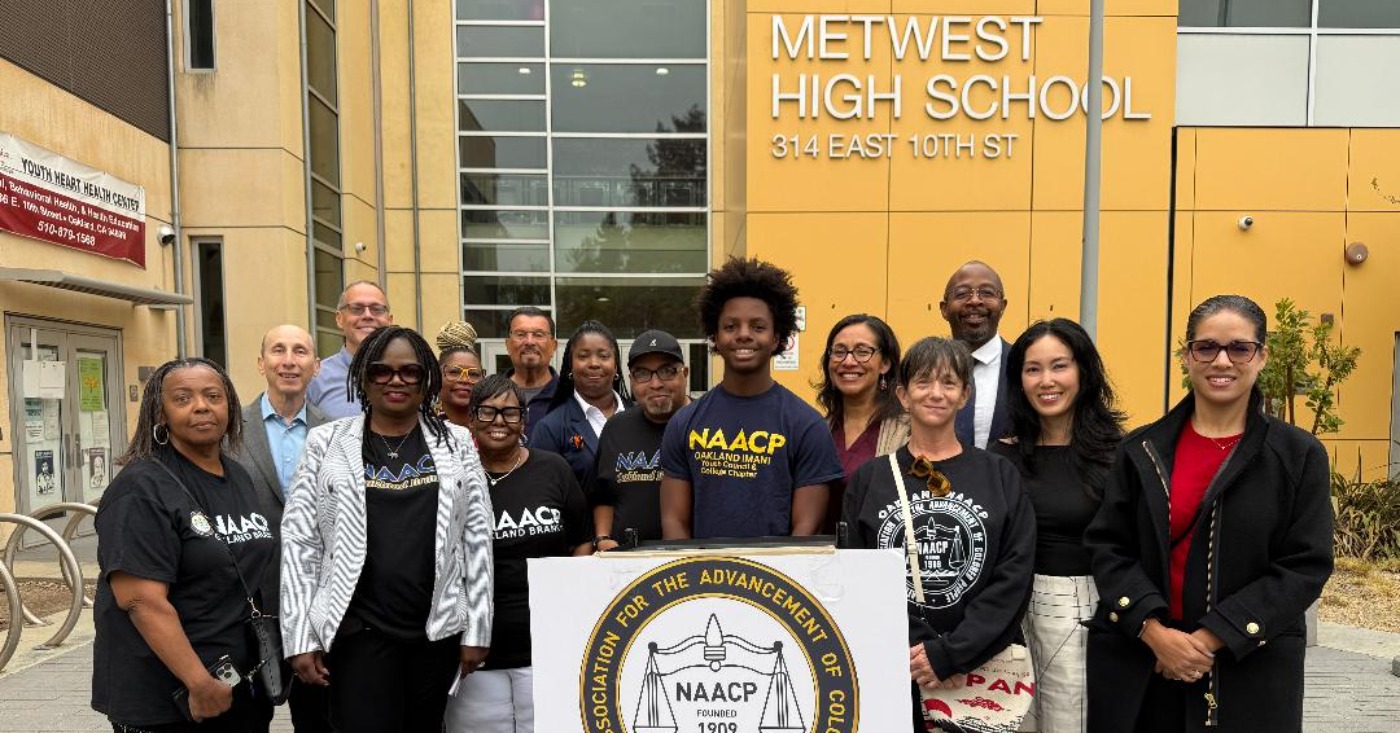
Oakland Unified students are falling behind: fewer than 1 in 3 read at grade level, and the numbers are worse for Black and Latino students. This is happening in a district that has received more per student than even the highest-funded states. As Alameda County Superintendent of Schools Alysse Castro has said, “OUSD’s biggest problem isn’t a revenue problem. It’s a decision-making problem.”
That is why Grace Park-Bradbury and I, two OUSD parents, started Oakland Parents for Quality Education, the ParentPAC. We believe our kids deserve a school board that faces hard decisions honestly. This board has not.
The county has warned them repeatedly. Earlier this year Castro said the new teachers’ contract “endangers” the district’s fiscal stability. That wasn’t because of the raises, but because the district was counting on cuts it had not identified.
Days later the board passed a budget that assumed $30 million in still-unnamed reductions. Board President Jennifer Brouhard and Vice President Valarie Bachelor voted yes. Director Mike Hutchinson voted no. The plan to name those cuts isn’t scheduled until mid-December, after the election.
The Oakland NAACP called for public forums and honest answers about the management of public funds. This fall Castro approved the budget only conditionally, noting that “a budget can be balanced but not be good for kids.”
Principals have spoken out as well. In January, 30 school leaders wrote that asking schools to do more with less “erodes the dignity of our profession” and “unconscionably compromises the quality of education our students receive.”
In April, 60 principals raised concerns that “have diminished our confidence in our current leadership,” warning that district decisions had produced “a structural deficit and cash-strapped schools.”
In June, all 15 high school principals objected to using voter-approved Measure N and H reserves for expenses already in the budget. The district did it anyway. The measures’ citizen oversight commission has demanded the money back. Auditors found the board had the legal authority, but as Castro observed, legality does not settle whether it was what voters thought they were approving.
Opponents claim we want to close schools. Our candidates do not all agree on consolidation. Hutchinson has fought closures for years, yet he also wrote the 3Rs proposal examining how many schools the district should operate.
What our candidates share is a willingness to weigh every option openly. This board told the superintendent not to even consider consolidation, and every school is being cut instead. As principals representing two-thirds of OUSD schools wrote, “the gradual starvation of our schools is also an equity issue.” Closures disrupt families, especially in Black and Brown neighborhoods. So does starving every campus.
You may have seen ads calling us a front for out-of-town billionaires. Every contribution is publicly reported, and 140 Oakland families have given. The people sounding the alarm are principals, citizen commissioners, the county superintendent, and the NAACP. None of them are billionaires. They are the people who see our schools up close.
Oakland schools are staffed by excellent principals and teachers. Our kids are like kids everywhere: eager to learn if given a real chance. They are being held back by a board that will not make hard choices.
In District 2, vote for Arielle Fleisher. In District 4, rank Kathryn Camp and Mike Hutchinson first and second. In District 6, rank Alexandra Williams and LeAna Powell first and second. Leave your third choice blank.
Vote like our children’s future depends on it. Because it does.
Edmund Chun co-founded Oakland Parents for Quality Education and is an OUSD parent.
Black Press
COMMENTARY: Valarie Bachelor and Jennifer Brouhard are Excellent School Board Members and Deserve to Be Reelected
For the first time in 22 years, the Oakland Unified School District has successfully exited state control, marking a significant shift in local educational leadership. Board President Jennifer Brouhard and Vice President Valarie Bachelor are credited with stabilizing the district by averting teacher strikes, ensuring full classroom staffing, and prioritizing funding for student-centered programs like the Black Thriving Community Schools initiative. While the incumbents focus on preventing further school closures and improving student math and reading proficiency, wealthy opposition donors are funding a different vision for the district. Read more.
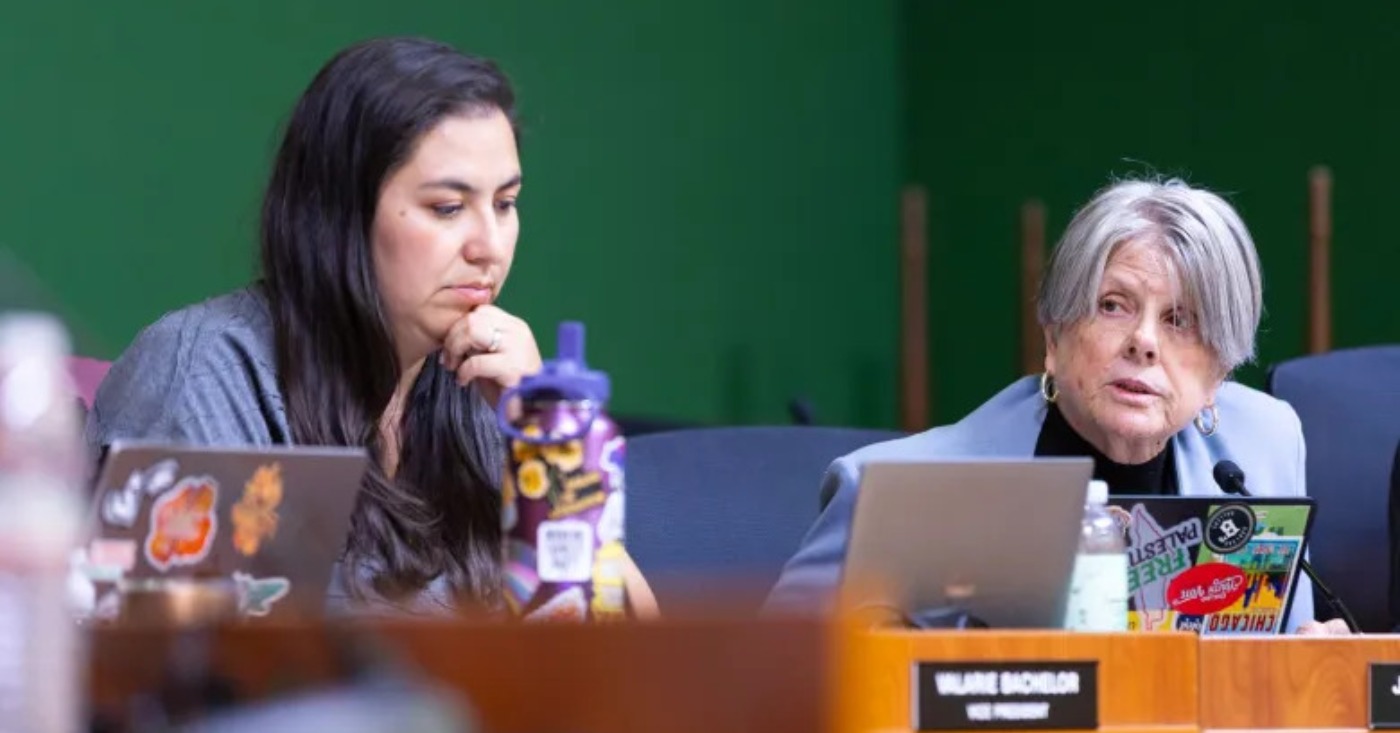
Oakland schools have excellent leadership right now. I know it’s hard to believe – because there is so much wrong with the national education picture.
This school year:
- The Oakland Unified School District escaped from state control after 22 years.
- Every classroom had a teacher at the beginning of the year, unlike past years when many classes started the year with day-to-day substitute teachers.
- Dr. Denise Saddler, an African American woman, is leading the district as Superintendent. She was an excellent choice with vast understanding of Oakland, of schools, and of educational systems.
- The school board and teachers managed to avert a teachers’ strike by strategizing, listening and compromising.
- The school board does not plan to close more schools for the first time in decades.
The two women leading the school board are excellent educators.
Board President Jennifer Brouhard (District 2) served as an Oakland teacher and was awarded a Fulbright Distinguished Award in Teaching and the U.C. Berkeley Social Science Project Teacher of the Year Award.
When Brouhard joined the board four years ago, she voted to reverse the vote of the previous board which had planned to close Brookfield, Carl B. Munck, Grass Valley, Fred T. Korematsu Discovery Academy and Horace Mann elementary. Half the students at Carl Munck and at least a third of the students at several others were African American.
She focused funding on classrooms rather than paying outside consultants. For that, she and her colleagues have incurred the wrath of real estate developers and school privatizers who want to get their hands on public property.
Board Vice President Valerie Bachelor (District 6) has worked on important facilities projects. She helped to set up the first school-based dental project at Frick United Academy of Language. She championed the Melrose Leadership Academy groundbreaking and the Skyline dining facilities.
Bachelor facilitated a balanced budget, which was pivotal in helping the district finally end state control. She also has worked to direct funding toward student-centered programs like the Black Thriving Community Schools Program.
The people financing the opposition candidates are Ryan Graciano, co-founder of Credit Karma, which made $ 2.7 billion last year; and Gagan Biyani, who says he became a millionaire at age 25.
The literature produced on behalf of the opposition supports closing schools, which harms student and could put us back under state control.
Looking at past school years, parents and educators can see how far the district has come. Oakland students and families have seen 25%-30% of educators leave their classrooms for districts with more competitive salaries.
But this year, we saw a change in those trends.
Since Jennifer and Valarie have taken office, Oakland Black student progress in reading and math is outpacing California’s state average. California School Dashboard data show that from 2023 to 2026, Black students in OUSD made greater progress toward proficiency than Black students statewide overall in both English Language Arts and math.
To read more, go to Education Week, “The Harm of School Closures Can Last a Lifetime, New Research Shows” (2024), www.edweek.org/leadership/the-harm-of-school-closures-can-last-a-lifetime-new-research-shows/2024/06
About the Authors
Dr. Kitty Kelly is a Professor of Education and Urban Studies. Dr. Kimberly Mayfield is Dean at Kalmanovitz School of Education, Saint Mary’s College of California.
Oakland Post Publisher Paul Cobb, a former Oakland school board member, contributed to this article.
Black History
IN MEMORIAM: United Farm Workers Union Icon Dolores Huerta, 96
Dolores Huerta, the legendary labor leader and co-founder of the United Farm Workers, has passed away at age 96 due to complications from cancer. A pioneering civil rights activist, Huerta was instrumental in securing collective bargaining rights for migrant workers and popularized the rallying cry “Si se puede.” From her early days as a community organizer in Stockton to receiving the Presidential Medal of Freedom, her decades of advocacy transformed the American labor movement and inspired generations of activists to fight for social justice. Learn more about her life and legacy.
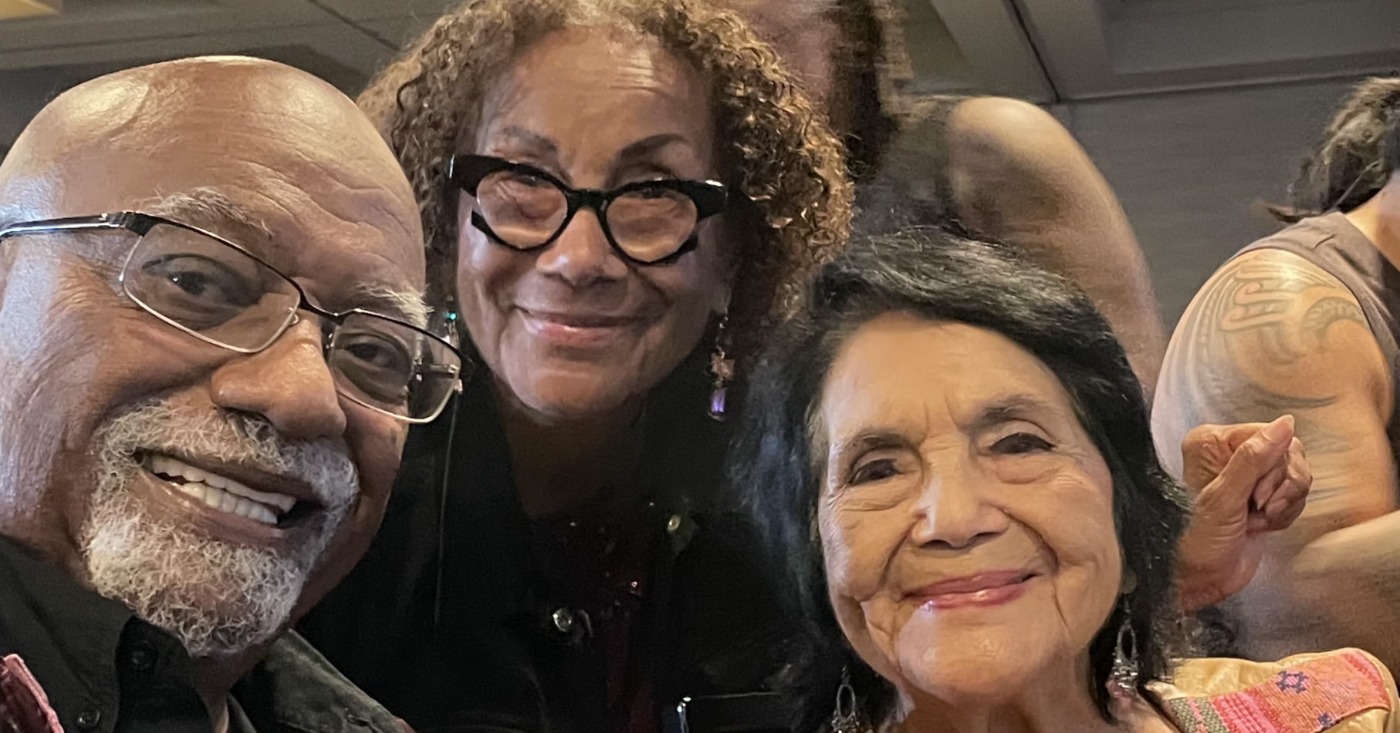
Dolores Huerta, a community organizer known most for her work to support fair wages and justice for migrant workers, passed away in her Bakersfield home on Wednesday from complications of cancer. She was 96.
Accolades poured in from across the nation.
“I cannot imagine a world without Dolores Huerta, and it is with deep sadness that I mourn the passing of my dear friend and legendary leader,” said Oakland Mayor Barbara Lee who met Huerta in the 1970s. “She understood how race, gender, poverty, and economic inequality intersect, pushing for a women’s movement inclusive of Black women and women of color. And she never separated the struggle for farmworkers from reproductive freedom and other civil rights and human rights.”
Former Berkeley mayor and current state assembly member Jesse Arreguin, who was mentored by Huerta said on Instagram that she was “always driven by a deep sense of justice and fairness, she transformed this state and this nation, changing the lives of farm workers and advancing the rights of all people.”
Former Vice President Kamala Harris called Huerta a “pioneering labor leader and legendary civil rights activist.
“Amidst the struggle of the movement, her rallying cry, ‘Si se puede,’ was a call to stay in the fight,” Harris wrote.
Organizing was a family trait. Born on April 10, 1930, in Dawson, New Mexico, Huerta was the daughter of a traveling coal miner whose reputation as a fiery union leader followed him to the New Mexico Legislature. After moving to Stockton, her mother held two jobs to support her children and went on strike with her cannery union in 1937.
After graduation from Stockton High School, Huerta attended University of the Pacific‘s Stockton College (later San Joaquin Delta College) where she received a teacher’s certificate.
But when the children of farm workers came to school hungry and needing shoes, she quit, believing she could do more for them organizing farm workers and joined the Community Service Organization (CSO).
By the late 1950s, she was organizing other CSO chapters and working as a lobbyist, speaking before the state Legislature, as well as teaching citizenship classes and supporting voter registration drives.
Over the next few years, she was part of several union efforts, co-founding the National Farm Workers’ Association (NFWA) with Cesar Chavez and Gilbert Padilla in 1962.
She became the UFW’s main negotiator, leading to favorable contract for grape workers in 1970. In the years that followed, there were successful boycotts of lettuce, wine and table grapes. In 1975, she helped ensure farm workers’ rights to collective bargaining with the California Agricultural Labor Relations Act.
In 1988, while protesting George H.W. Bush’s candidacy for president in San Francisco, Huerta was severely beaten by a police officer, leading a five-year leave of absence from UFW. She returned to work after Chavez’s death in 1993.
The recipient of numerous awards, Huerta used the $100,000 gift for receiving the Puffin/Nation Award for Creative Citizenship in 2002 to create the Dolores Huerta Foundation, which funds full-time organizers to go to neighborhoods and teach residents how to collaborate with government and community groups to exercise self-determination.
She received the Presidential Medal of Freedom in 2012 and was made a member of the Order of the Aztec Eagle, the highest award given to foreigners by the Republic of Mexico.
Huerta was married twice and is survived by seven children.
Wikipedia, the Associated Press and other online reports are the source of this story.
Black Press
Former Trustee Alena Maunder Seeks Reelection to Sausalito Marin City School District Board
Alena Maunder, a third-generation Marin City resident and registered nurse with over 20 years of healthcare experience, is seeking reelection to the Sausalito Marin City School District Board. Having previously served as a trustee from 2020 to 2024, Maunder highlights her background in governance, fiscal oversight, and community advocacy as key qualifications for the role. Her platform focuses on academic excellence, mental health supports, and special education. She remains committed to fostering stronger relationships between families and educators to ensure student success. Read more about her campaign priorities.
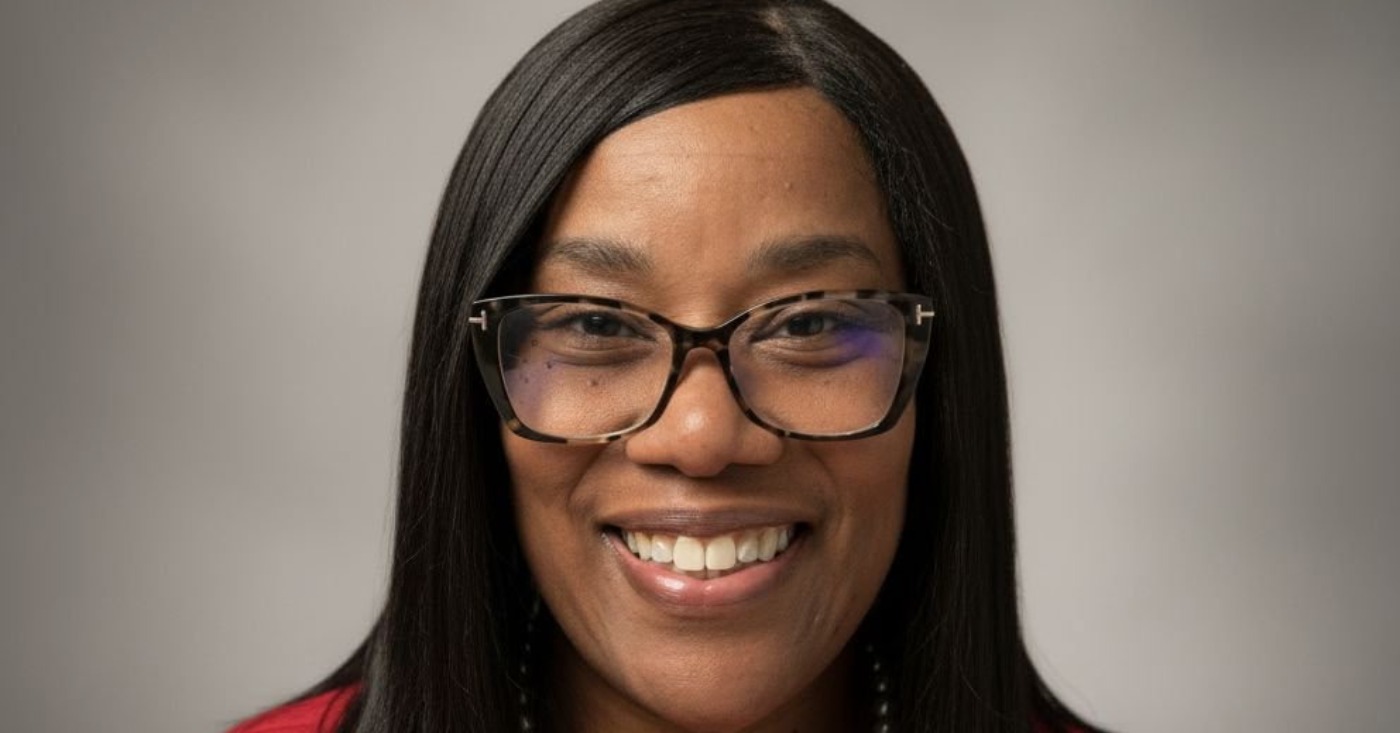
Alena Maunder is a third-generation Marin City resident, parent, community advocate, and former Sausalito Marin City School District Trustee who served from 2020 to 2024.
Professionally, Alena is a registered nurse with more than 20 years of healthcare experience and nine years in leadership. She holds degrees in Psychology and Nursing, as well as a Master of Science in Nursing.
With school board experience, she brings a strong understanding of governance, fiscal oversight, accountability, and the importance of stable district leadership.
Alena has also remained actively involved in Marin City through community service, youth programs, and initiatives focused on strengthening opportunities and resources for children and families.
Maunder is seeking to return to the Board to continue advocating for academic excellence, fiscal responsibility, strong special education and mental-health supports, and meaningful community engagement. She is committed to strengthening relationships among students, educators, families, and the Marin City and Sausalito communities while ensuring every student has the opportunity to succeed.
Her campaign reflects her commitment to “Experienced Leadership. Students First.”
Learn more at www.electalenasmcsd.com.
BlackPressUSA
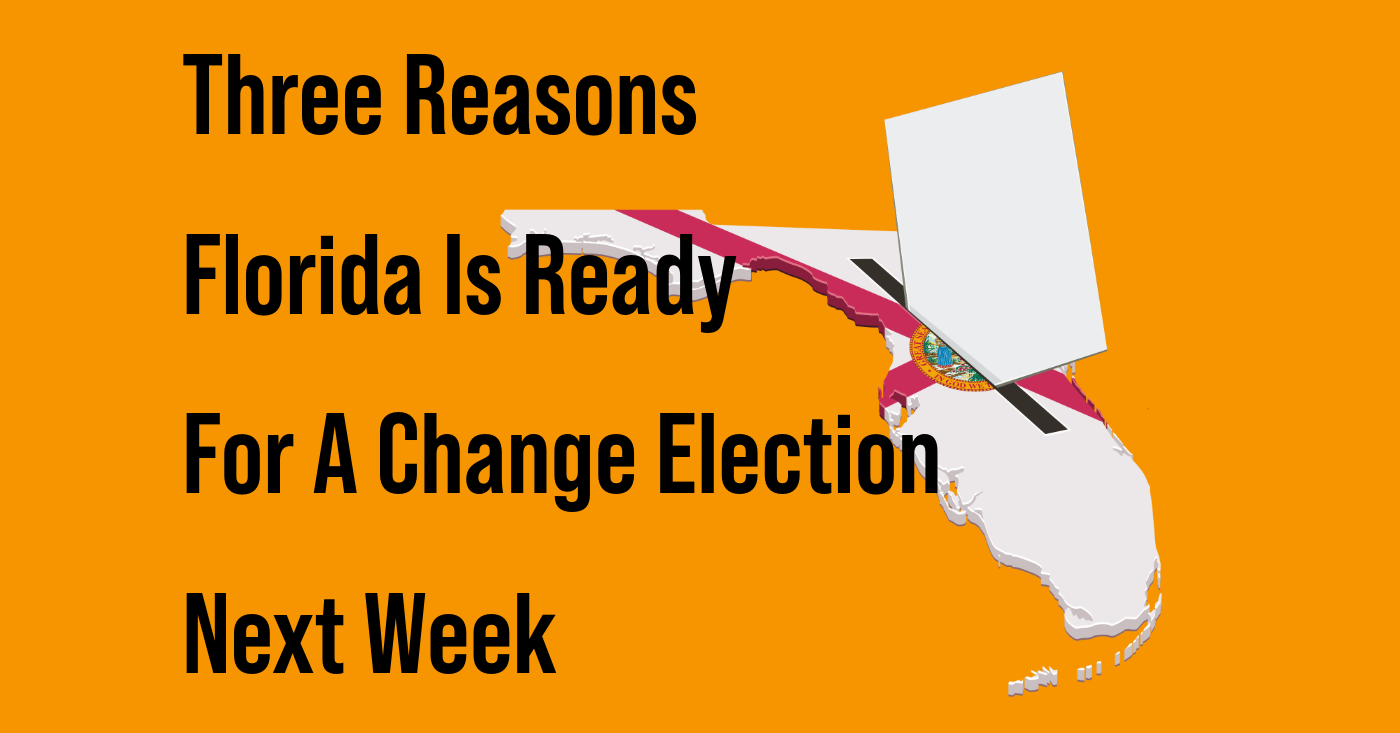
OP-ED: Three Reasons Florida Is Ready For A Change Election Next Week
BLACKPRESSUSA NEWSWIRE — These acts of solidarity mean something to the men, women and children in our communities who often feel like no one cares about them and the issues that affect them. By locking arms and walking together with other organizations, we show not only that we care, but that we have a plan to fight against injustice. And once the people see a plan and results, the hunger for justice grows.
For the last month, I have been crisscrossing my home state of Florida, connecting with families, communities, and voters about the November elections. Are people scared? Yes. Are they worried? No doubt. But most importantly, the primary feeling in the streets and homes of Floridians is that people are fed up and they want change.
They have had enough of the attacks on education, the skyrocketing cost of living, the scapegoating of minorities, the lies, the grifting and greed. The status quo is no longer acceptable, and when voters go to the ballot box, they will be voting for change. Why am I so confident? Because I’ve seen this before—we all have. In 2008, America was frustrated with a vastly unpopular president, caught in an equally unpopular war while presiding over a shrinking economy and rising prices. The result? America turned the page with the historic election of Barack Obama, ushering in an era of prosperity and peace.And Florida is ready for this moment, as I believe it sits at the epicenter of three converging factors that will be the path to victory.
First, and perhaps most crucially, labor unions have embraced their duty to protect the rights of workers in the state. That may seem obvious, but when you consider the state’s anti-union legislation—namely Florida’s Senate Bill 256, which creates new and restrictive challenges to unions’ bargaining powers—you understand the scope of the issue. When you attack workers’ rights to advocate for their wages, working conditions and benefits, you send a message that their voices don’t matter. That’s why unions like ours, the Florida Education Association, United Teachers of Dade and countless others, have not folded in the face of adversity; we have stood 10 toes down in our ongoing fight for workers’ rights. We have maintained our infrastructure, our membership networks and, most importantly, our alliances with others.
Those alliances are a second factor in the upcoming change election, because it is simply not enough to maintain democracy; we must continue to expand it, and that requires community. I saw that community-building firsthand when I joined the National Black Justice Coalition, civil rights attorney Ben Crump, and elected officials like state Reps. Fentrice Driskell and Dianne Hart at the state capitol to push back against Gov. Ron DeSantis’ plan to cancel the nation’s first Advanced Placement course focusing on Black culture.
My union also worked with the local NAACP to furnish 10,000 books for new Freedom Libraries in response to the governor’s “Stop WOKE” act, which marked Black stories and history as too “woke” and unfit for our kids.
These acts of solidarity mean something to the men, women and children in our communities who often feel like no one cares about them and the issues that affect them. By locking arms and walking together with other organizations, we show not only that we care, but that we have a plan to fight against injustice. And once the people see a plan and results, the hunger for justice grows. But while we will never stop fighting for American workers and their families, there is a limit to what unions can achieve on our own. Which is why, especially in our democracy, we look for trusted, competent leaders to represent, advocate for and legislate on behalf of the people—all the people.
That brings me to the third crucial element: candidates who can capitalize on the moment. As I said earlier this summer, “The true test of this political moment is whether we can capitalize on the localized excitement of the August Primary to fuel a historic turnout engine for the General Election.” It’s clear to me that the rampant illegality and incompetence of the Trump administration not only is a drag on Republican candidates (see how they run), but also has created a wide open lane for Democrats to use. But that opportunity is useless without leaders the people believe in. Thankfully, we have that in abundance across the board, including folks like David Jolly, Gwen Graham, Angie Nixon, Annette Taddeo and Jose Javier Rodriguez. I have stood next to many leaders—presidents, senators and more; I know greatness when I feel it, and I can tell the people feel it too. These candidates have both hands on the pulse of Florida and know that anyone NOT fighting for higher wages, better investment in public education and lowering healthcare costs is the wrong person for Florida. They are fearless, principled and dedicated to justice—the exact opposite of the current leadership Florida has watched wreck the state one institution at a time.
The stars have aligned. The stage has been set. And now, the last element, the only thing needed for change—the kind of change Florida has been begging for—is you. Closed mouths don’t get fed, so if you have any illusions about sitting this election out because you’re not convinced it will affect you, think about the last seven years in Florida and ask yourself if you would like to repeat them. If you are fine with the status quo, the rising costs, the attacks on education and culture, then perhaps change is not for you. But if you are like the thousands of people I have seen and talked to in the last month, you are ready to turn the page. That starts with your vote: Whether early, by mail or in person, NOW is the time to make your voice heard.
Black History
COMMENTARY: Bring on the Positive Calvary
SEATTLE MEDIUM — Dr. E. Faye Williams addresses the exhaustion many Americans feel following two years of political hostility, corruption, and systemic bigotry.
(Trice Edney Wire)—Like Amy Acton, candidate for Governor in Ohio and Dr. Abdul El-sayed for U.S. Senate in Michigan, the Positive Calvary really is coming soon! Aren’t we all tired of the negative past two years we’ve experienced in the U.S.? Aren’t we tired of the atrocious accusations being thrown around, the filthy language, lies, unending corruption, hatred, racism, sexism, Islamophobia, and bigotry of all kinds. This election season has been worse than ever! I’m sick and tired of women’s names being dragged through the mud—as mine, and others have been out of hate and jealousy. I’m tired of so many people being reluctant to support women. Let’s be the ones to stop this
I’m ready to hear in detail what candidates are ready to do to win the upcoming elections and give help to the people in need—and there are a lot of things from which to choose!
My prayer is that candidates will stop bickering and just tell us what they’re planning to do to help to bring us out of this abysmal situation we’re in now. Instead of spending so much time being shocked by what the highest elected man in the land is saying and doing, let’s concentrate on how to put up guard rails for him when we vote We already know more than enough about what he has said and done. Let’s pledge to elect leaders who’ve shown they care about the people they campaign to represent. There are a lot of good candidates out there who are being overshadowed by the bickering
Let’s not leave everything to elected leaders. As community activists, Get Out the Vote workers, religious leaders and all the good people around us. Show the way to a better nation to all around us. Let’s concentrate on what we are going to do to help people in need. Let’s work on plans to make their lives better. Let’s pledge to get along with our neighbors at home, and our neighbors in Canada, our friends in Ukraine and stop being led by someone who hangs out with those set on disrupting our system of democracy. Ignore the wrecking balls who are more interested in tearing down monuments and praising themselves, supporting evil with lies and unbelievable positions on good people, those who are destroying our military and using government and our taxes on evil things.
Let’s call out corruption, but don’t participate in it. Let us ignore lies about good candidates at all levels. Let’s support the left out. Jamie Davis, a Black man in Louisiana, is a leading candidate for the U.S. Senate. We don’t have to live in Louisiana or be a Democrat or a farmer to support him when you see how much trouble the person running against him is dealing with something people don’t want.
We can vote across party lines when that candidate has expressed the good things she/he will work for when elected. Never mind that in this case she has an R after her name. I know Monique Appeaning in Louisiana who worked in my campaign for Congress when she was a very young woman. I missed winning by a few votes to become the first Black woman to represent my home state in Congress. Forty years later, there has still been no Black woman in the Louisiana delegation. Monique has chosen to pick up the challenge and give my hope life so that other young Black women can have hope in refusing to allow any good thing to be beyond their reach
You know right from wrong, so don’t be afraid to vote for what’s right in a few days. Always promote good. Dr. Abdul El-Sayed and Amy Acton deserve your vote if you are in Ohio or Michigan. Yes, you know right from wrong, so do what’s right wherever you are.
Based on reporting by Seattle Medium.


OPINION: OUSD Kids Are Eager to Learn. Our Board Is Holding Them Back

Oakland Strong: Building Champions and Healthier Generations

COMMENTARY: Valarie Bachelor and Jennifer Brouhard are Excellent School Board Members and Deserve to Be Reelected

OUSD Receives State Review of District Finances; Outlines Progress Since January

IN MEMORIAM: United Farm Workers Union Icon Dolores Huerta, 96

Home Nursing Visits Provide Wide-Ranging Benefits for Mothers, Young Children

Trump as a Distraction…Focus on the Ballot and 2028

Kids Escape City Chaos for Camp Paradise #shorts

Don’t Name Things After Me If I Can’t Enjoy Them! #shorts

EVs Cost Less Than Half as Much to Fuel—Check Your Local Savings #shorts

All Skinfolk Ain’t Kinfolk

Practitioners of African Traditional Spirituality Offer Ancestral Reverence Ritual Oct. 31

Latinas Deserve Equal Pay. Unions Help Make It Happen.

A $2.1 Trillion Wellness Industry Never Built a Daily Practice for Black Children. So This Atlanta Family Did.

Zakiya Jendayi Arrested, Locked Out of Home by Sheriff’s Deputies

Oakland Awarded More than $14 Million in State Funding

Tamiko Armstead | 2026 Lifetime Achiever in Education

Montclair Brewery: Brewing Culture, Community, History

Listening as a Lifeline: A Doula’s Witness to Black Maternal Health

Should You Have to Pay to Hear the Gospel?
Trump as a Distraction…Focus on the Ballot and 2028
Kids Escape City Chaos for Camp Paradise #shorts
Don’t Name Things After Me If I Can’t Enjoy Them! #shorts
EVs Cost Less Than Half as Much to Fuel—Check Your Local Savings #shorts

Unity is Power: Building Success Against All Odds! #shorts

Cómo publicar su DBA en el condado de Kern o Los Ángeles desde su teléfono

The Buckner Family on Building Moltron Builders Together | On The Radar | Powered by JPMorganChase

Test the Third Row Before You Buy This SUV #shorts

From ‘Why Not Us?’ to Reimagining North Commons #shorts

Publish your DBA from your phone in 5 minutes (Kern & LA County) #shorts
-

 Art7 days ago
Capturing Black Life’s Beauty
-
 Black Press1 week ago
Secretary of State Shirley Weber Pushes Back Against DOJ Demands Over California Voter Rolls
-

 Black History7 days ago
Retirement Triggers Doctor to Pen Book for Young Audience
-

 Black History1 week ago
Oakland Honors 60 Years of the Black Panther Party at the All Power to the People Gala
-

 Black Press7 days ago
Fatigue, Bloating, and Inflammation: Spotting the Subtle Signs of MASLD
-

 Black Press7 days ago
When Your Faith Is Put to the Test
