Connect with us

Black Voice News

‘We’re Fighting For Our Lives’: Patients Protest Sky-High Insulin Prices

BLACK VOICE NEWS — The cost of insulin  nearly tripled  from 2002 to 2013 and has  doubled again  since then.

Published

on

Elizabeth Pfiester, founder of T1International, addresses a crowd outside the Indianapolis headquarters of pharmaceutical giant Eli Lilly and Co. in September. (Bram Sable-Smith/NPR)

By Bram Sable-Smith

Angela Lautner knew her thirst was unusual, even for someone directing airplanes, outside in the Memphis summer heat. 

“We had coolers of Gatorade and water for people to always have access to,” Lautner recalled of her job as a ground services agent. “But the amount of thirst that I felt was just incredible.” 

She had no appetite and she lost an unusual amount of weight. Then after a trip to the emergency room, Lautner, who was 22, was diagnosed with  Type 1 diabetes. The diagnosis was life-changing. 

To start, it meant that for the rest of her life she would require insulin injections every day to stay alive. Unlike  Type 2 diabetes, which can sometimes be controlled by diet, people with Type 1 diabetes need daily insulin injections to regulate their blood sugar. 

Lautner’s diagnosis also meant she was no longer allowed to become a commercial airline pilot in the U.S. — a lifelong dream that she was training for in flight school at the time. 

“I cried harder over losing my dream to fly than I did at the diagnosis of Type 1 diabetes,” Lautner said. 

But after 18 years living with diabetes, Lautner now says the hardest thing about the diagnosis is accessing insulin — the expensive drug she needs to keep her alive. She has had to borrow money from her parents to pay for insurance; she has spent hours on the phone with drug companies; she has switched brands of insulin to save costs; and she even moved to a new state, Kentucky, with a more generous Medicaid plan. 

Last year, Lautner noticed other people with Type 1 diabetes tweeting similar stories under the hashtag  #Insulin4All. She read the stories of  Shane Patrick Boyle  and  Alec Raeshawn Smith, two men who died because they could not afford their insulin. It was an epiphany. 

“I thought, ‘My goodness, there’s more people than me. I’m not the only one out here,’” she said. 

Since then, Lautner has joined a group of consumer activists, people who need insulin to live and are angry about the sky-high prices. They are putting pressure on the three main companies that make insulin: Sanofi of France, Novo Nordisk of Denmark and Eli Lilly and Co. in the U.S. 

Taking On The Drugmakers 

The cost of insulin  nearly tripled  from 2002 to 2013 and has  doubled again  since then. The list price is over $300 for a single vial of medicine, and most people with Type 1 diabetes need multiple vials every month to live. That cost is typically lower with insurance or with discount programs. Still, for some people the  price is unmanageable. 

There’s been some action by lawmakers on the issue. In October, Minnesota’s attorney general  sued insulin manufacturers  alleging price gouging, and a  bipartisan caucus  in the U.S. Congress issued a report in November urging action to bring insulin prices down. 

But prices are still going up, so consumer activists like Lautner are taking things into their own hands. 

Nonprofit group  T1International, which advocates for Type 1 diabetes around the world, with a particular focus on insulin prices, has started holding rallies outside the Indianapolis headquarters of pharmaceutical giant  Eli Lilly and Co. 

Lautner joined more than 70 people who came together to demonstrate there in September. They were asking for three things: transparency about how much it costs to make a vial of insulin and how much profit comes from each vial, and a commitment from the company to lower the list price of insulin. 

Protesters hailed from at least 12 states, mainly Ohio, Illinois, Indiana and Kentucky, but also from as far away as New York. Lautner, who now lives outside Cincinnati, rented a school bus with a dozen others to make the 112-mile trip. 

“Insulin is kind of the face of the drug pricing crisis in America,” said Elizabeth Pfiester, founder of T1International who has Type 1 diabetes herself. “We literally die without it,” she said. “We’re fighting for our lives.” 

This was the third time the group had protested at Eli Lilly headquarters. Last fall, when the group held its first protest there, Pfiester said, it was “the first time where people living with Type 1 were able to physically stand and show that people are angry enough to come out.” 

Eli Lilly declined a request for an interview, but in statement a spokesperson said, “We understand why people are making their voices heard.” 

Protesting is one arm of their advocacy efforts; the group is also lobbying at the state and national level, and conducting online awareness-raising campaigns under the hashtag  #Insulin4All. 

Advocacy At The State Level 

Last spring, the fight got even more personal for Angela Lautner. She got a letter from her insurance company saying they were no longer going to pay for the insulin she was taking. They wanted to switch her to a different brand. 

Most people with Type 1 diabetes use two types of insulin: short-acting insulin to counteract the carbohydrates consumed with meals, and long-acting insulin to keep blood sugar stable throughout the day. 

Lautner has found that the long-lasting insulin brand Lantus works best with her body; it keeps her blood sugars low, but not so low that she becomes dangerously hypoglycemic, risking death. But her insurer was dropping its coverage of Lantus in favor of a different long-lasting insulin, Basaglar. 

“The problem that I immediately saw was that had not worked for my body,” Lautner said. “So I go into my doctor’s office with this letter and I’m like, ‘What am I going to do?’” 

Lautner’s doctor connected her to Sanofi’s drug discount program, where she was able to get a month’s supply of Lantus for a couple of hundred dollars. So she decided to pay for the insulin herself. 

“I’m fortunate enough to have an emergency fund,” Lautner said. 

But she knows others aren’t so lucky. 

This year, Lautner organized her own group of diabetes activists in Kentucky, Ohio and Indiana, called  KOI Insulin4All. They’ve met with legislators in all three states about establishing emergency insulin prescription refills and about making the cost of insulin more transparent. 

There are similar groups starting up in Oklahoma, Pennsylvania, Minnesota and Illinois. In November,  activists protested outside  the Cambridge, Mass., office of Sanofi. All of them are pushing for the same thing — to make the voices of people with diabetes heard. 

This story is part of a reporting partnership with NPR. 

This article originally appeared in Black Voice News

Continue Reading
Advertisement
Comments

Austin R. Cooper

Gerald E. Rose Expands Civil Rights Movement Through NOHRO Across U.S.

BLACKPRESSUSA NEWSWIRE: Gerald E. Rose is building a national civil rights network through NOHRO, expanding grassroots advocacy to fight systemic barriers and support underserved communities across the country.

Published

on

Building on a family legacy, Rose leads a growing national effort to fight systemic barriers and empower underserved communities through grassroots advocacy

By Austin R. Cooper, Jr.
Washington Informer

Gerald E. Rose is transforming a family legacy of civil rights advocacy into an expanding national movement through the New Order Human Rights Organization (NOHRO).

Rose has turned a family legacy of activism into a growing national movement for justice. As the founder of NOHRO, Rose is leading an expanding grassroots campaign to fight systemic barriers faced by Black Americans and underserved communities nationwide.

What started as a local effort has gradually expanded into a broader platform for advocacy, accountability, and community empowerment.

A Legacy That Inspired a Movement

Rose’s dedication to social justice is strongly influenced by his father, the Rev. Floyd Rose, a well-known civil rights advocate in Toledo, Ohio, recognized for his efforts to defend the dignity and rights of marginalized communities.

Growing up, he witnessed firsthand how advocacy can create change and why it’s crucial to stand up for those whose voices are frequently ignored.

“My father believed advocacy meant standing in the gap for people who didn’t always have someone fighting for them,” Rose said. “That principle guides everything I do.”

For Rose, founding the New Order Human Rights Organization was more than just creating an organization — it was carrying on a mission his father devoted his life to.

From Local Effort to National Vision

Under Rose’s leadership, NOHRO, established in 2000 and based in Atlanta, Georgia, has expanded to serve 17 cities nationwide, creating a network of activists, community leaders, and volunteers dedicated to addressing local family issues.

However, his vision extends well beyond the organization’s current scope. He plans to expand the foundation’s presence to 50 cities by the end of 2026, creating a nationwide network that can quickly respond to civil rights issues and community needs.

“We want to be where the need is greatest,” Rose said. “Real change happens when communities are organized and empowered to advocate for themselves.”

Confronting Barriers to Opportunity

The organization tackles issues that often overlap in the lives of marginalized communities. Its priorities include fighting racial profiling, helping individuals overcome employment barriers, supporting students and families facing challenges in the school system, and advocating for meaningful education reform.

Through advocacy, community outreach, and collaboration with local leaders, the organization seeks to highlight inequities and provide practical support to individuals facing these challenges.

Rose believes that tackling these issues together is essential to creating genuine, lasting change.

NOHRO has been involved in several cases that have garnered both national and international news coverage, including, but not limited to, the following:

  • Leon Moss, Jr., a young man being held at the Fulton County Jail on contested charges. The New Order team works with legal experts and media to pursue justice.
  • Ahmaud Arbery, a 25-year-old murdered in a hate crime, was among the first to rally outside the Glynn County Courthouse.
  • Terrell Carter Jr., a 39-year-old man with a history of mental illness, was shot 24 times in East Toledo, Ohio.
  • Sandra Bland, a 28-year-old woman, died while in police custody in Texas.


Rose is also familiar with controversy. He publicly supported Michael Vick during the dogfighting scandal, even writing him weekly letters while in prison. “Everybody said, ‘Gerald, why are you supporting him?’ But I also saw the bigger picture – a man, not just his mistakes.”

Empowering Communities Via Advocacy

Beyond raising awareness, the NOHRO aims to empower communities with resources and support systems designed to help individuals overcome institutional barriers.

Community workshops, partnerships with local organizations, and grassroots organizing are key components of the foundation’s strategy. By building strong local networks, Rose aims to improve communities’ capacity to advocate for themselves.

“Empowerment begins when people realize they are not alone,” Rose said. “Our duty is to help communities organize, speak out, and demand the opportunities they deserve.”

Creating a Legacy for Future Generations

For Rose, the work involves not just tackling today’s challenges but also building the foundation for future generations.

By expanding the organization’s reach and strengthening partnerships across communities nationwide, he aims to build a sustainable movement capable of influencing policies and increasing opportunities for those who have historically been marginalized.

“Our mission goes beyond today’s problems,” Rose said. “It’s about creating pathways for the next generation to succeed and making sure that justice and opportunity are rights, not privileges.”

For more information on NOHRO, please visit www.nohro.com or call (800) 346 -5138.

Continue Reading

Black Press

Briefing Room Bedlam: Misinformation and Racial Undertones Taint White House Press Corps

BLACKPRESSUSA NEWSWIRE — As White House Press Secretary Karoline Leavitt continued her boss’s vicious attacks on former President Joe Biden and made it evident that Trump believes any judge that goes against his controversial policies should be impeached

Published

on

The White House in Washington D.C., the North Gate

https://www.youtube.com/watch?v=12mbmvfn9ps

Continue Reading

Advice

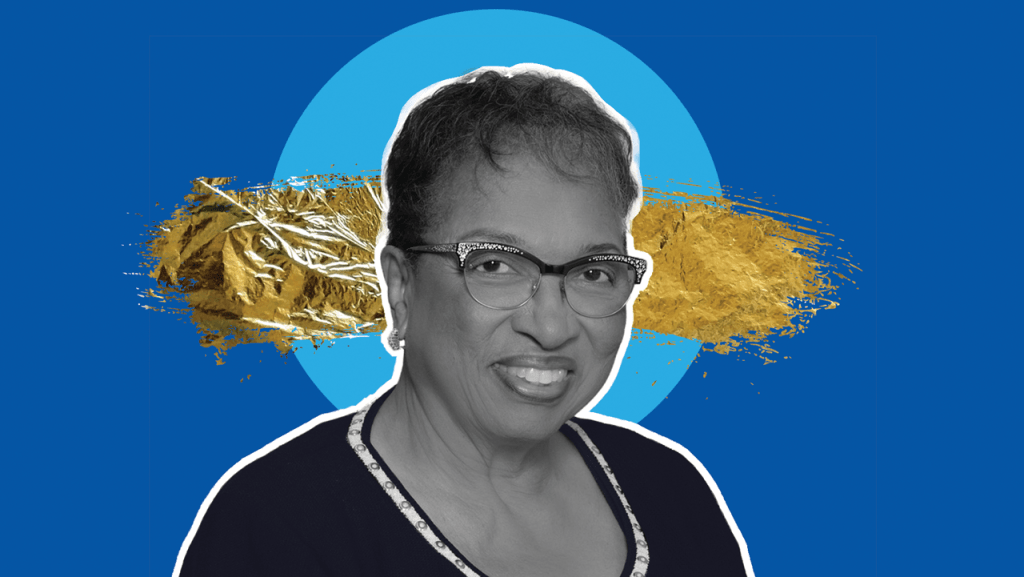
Keeping it Real: Former Assemblymember Cheryl Brown Advocates for Aging Population

BLACK VOICE NEWS — Anyone who has cared for an elderly loved one understands the challenges that lie ahead for these individuals, their families and community. The challenges are many and varied. They include everything from making ends meet on a fixed income while the cost of living continues to increase year over year, the healthcare frailties that come with aging especially for those minority and low income communities that suffer from comorbidities at higher rates than their white and more economically secure peers,  housing, the need for in home support, transportation, and suicide rates that increase with age. 

Published

on

Former Assemblymember Cheryl Brown was appointed to the California Commission on Aging(CCoA) in 2017 and in November was reelected to a second term as the organization’s chair. Credit: Chris Allen, BVN

By S.E. Williams

Every day in America about 10,000 people turn 65 years of age and experts project that by the year 2035  those 65 and older will outnumber  those under the age of 18 for the first time in the nation’s history.

In California the number of residents  60 years and older is projected to triple  in the coming years–those numbers, however, vary widely by region with the Inland Empire outpacing much of the state.

According to the California Department of Aging between the years 2010 and 2060 the number of seniors in Riverside County is expected to increase by more than 248%, while San Bernardino’s population over the age of 60 years is projected to grow by more than 202%.

By 2060 the number of seniors in Riverside County is expected to increase by more than 248%, while San Bernardino’s population over the age of 60 years is projected to grow by more than 202%. (aging.ca.gov)

Anyone who has cared for an elderly loved one understands the challenges that lie ahead for these individuals, their families and community. The challenges are many and varied. They include everything from making ends meet on a fixed income while the cost of living continues to increase year over year, the healthcare frailties that come with aging especially for those minority and low income communities that suffer from comorbidities at higher rates than their white and more economically secure peers,  housing, the need for in home support, transportation, and suicide rates that increase with age.

As individuals and as a community the need for resources and support will continue to expand as the aging population grows. It is for these and a plethora of other reasons related to this issue that the inland region is fortunate to have a strong advocate working and advocating at the state level who understands this issue and is a strong voice for the region’s aging population.

Former Assemblymember Cheryl Brown was appointed to the California Commission on Aging(CCoA)  in 2017 and in November was reelected to a second term as the organization’s chair.

“There are only four kinds of people in the world: those who have been caregivers, those who are currently caregivers, those who will be caregivers, and those who will need caregivers.”

Rosalynn Carter

Brown leverages her experience and compassion as a family caregiver coupled with her leadership and legislative acumen to help guide the efforts of the  organization.

Her major accomplishments with CCoA include her role as a founding member of  the Stakeholder Advisory Committee for the California Master Plan on Aging (MPA).

This plan prioritizes the health and well-being of older Californians and people with disabilities. But it is more than a plan. It is a “blueprint” for state and local governments in addition to the private sector and philanthropic organizations to prepare the state and local communities for the growing demographic changes and to help ensure equity remains at the forefront.

With the inland region expected to be home to so many of the state’s aging population, having a fierce advocate in our midst will help ensure the concerns of this community on this issue has an important seat at the table.

Of course this is just my opinion. I’m keeping it real.

The post Keeping it Real: Former Assemblymember Cheryl Brown Advocates for Aging Population appeared first on Black Voice News.

Continue Reading

Black History

Keep It Local Business Fund Grants $200k to Community Entrepreneurs

BLACK VOICE NEWS — The Keep It Local Business Fund has awarded $200,000 in microgrants this year to community entrepreneurs across the country. “These 20 entrepreneurs demonstrated not only a clear vision and plan for their businesses, but a drive to create solutions, opportunities and positive change for their communities,” said Shireen Santosham, Executive Director of the Nextdoor Kind Foundation in a press release. “It’s a privilege to introduce these innovative business owners as Keep It Local Business Fund grant recipients and connect them with financial resources and a network of cohorts to help fuel their ongoing growth.”

Published

on

Keep It Local Business Fund Grants $200k to Community Entrepreneurs. Credit: Chris Allen, BVN

By Ellen Perrault

On #GivingTuesday, November 28, the Nextdoor Kind Foundation awarded 20 U.S. small business owners of color microgrants from the Keep It Local Business Fund in partnership with the NAACP, and Hello Alice, the free platform helping over one million small businesses launch and grow.

Four of the 20 grantees are located in California including The Daisy Refillery located in San Francisco; FreeJac Nation in Oakland; I Know a Place located in Los Angeles; and Kindness and Mischief Coffee, also located in Los Angeles.

The Keep It Local Business Fund has awarded $200,000 in microgrants this year to community entrepreneurs across the country.

“These 20 entrepreneurs demonstrated not only a clear vision and plan for their businesses, but a drive to create solutions, opportunities and positive change for their communities,” said Shireen Santosham, Executive Director of the Nextdoor Kind Foundation in a press release. “It’s a privilege to introduce these innovative business owners as Keep It Local Business Fund grant recipients and connect them with financial resources and a network of cohorts to help fuel their ongoing growth.”

More than 11,000 applications were received from across the country during the  application period for this grant round,

Unified by a vision for growth and a commitment to their communities, this period’s grantees represent a diverse spectrum of proposals and industries spanning real estate and preservation, wellness and beauty, counseling and educational services, culinary and more.

“The NAACP extends a heartfelt congratulations to the recipients of this year’s Keep It Local Business Fund,” said NAACP President and CEO, Derrick Johnson.  “This grant initiative further underscores the transformative power of a thriving community through its small business owners. We celebrate not only the achievements of these 20 entrepreneurs but also the potential they hold to inspire and uplift their communities.”

In addition to the grant, recipients will receive resources and tools to grow their business including pro bono advertising on the Nextdoor (NYSE: KIND) platform and access to personalized training.

Follow this link to learn more about the 2023 grant recipients.

The post Keep It Local Business Fund Grants $200k to Community Entrepreneurs appeared first on Black Voice News.

Continue Reading

Black History

Rising Cases of Congenital Syphilis in Newborns Highlight Need for Timely Testing and Treatment

Published

on

By Breanna Reeves | Black Voice News

Cases of syphilis in newborns in the U.S. continue to rise, according to a recent report issued by the U.S. Centers for Disease Control and Prevention (CDC). The report emphasized a tenfold increase in cases in 10 years with a total of 3,761 cases of congenital syphilis in 2022 compared to about 335 cases in 2012.

“The congenital syphilis crisis in the United States has skyrocketed at a heartbreaking rate,” said CDC Chief Medical Officer DR. Debra Houry in a press release. “We’re calling on healthcare providers, public health systems, and communities to take additional steps to connect mothers and babies with the care they need.”

Syphilis is a sexually transmitted infection (STI) that is caused by bacteria and is spread through sexual contact. The infection evolves over four stages: primary, secondary, latent and tertiary, where symptoms and signs can progress.

Symptoms of syphilis in the primary stage include sores and can progress in the secondary stage to multiple sores and rashes. In the latent stage, there are no visible symptoms and without treatment, syphilis can exist in the body for years, according to the CDC.

“Syphilis is sometimes referred to as ‘the Great Pretender’ because symptoms can often appear like other diseases throughout the first stages,” according to a statement from San Bernardino County’s Department of Public Health. “However, syphilis should be included in testing for STDs, especially since symptoms can go away on their own but create other complications later.”

Congenital syphilis is a disease that is the result of a mother with syphilis passing the infection to the baby during pregnancy. Syphilis during pregnancy can result in miscarriages, stillbirth and infant death among other long-term medical issues.  In 2022, 231 stillbirths and 51 infant deaths were reported to the CDC.

The CDC’s report found that nearly nine in 10 cases of newborn syphilis in 2022 could have been prevented “with timely testing and treatment during pregnancy.” More than half of cases were among people who tested positive, but never received adequate or timely treatment.

Roughly 40% of cases occurred in mothers who were not in prenatal care. In an emailed statement, the California Department of Public Health (CDPH) noted that “maternal risk factors associated with congenital syphilis in California include a lack of or late prenatal care, substance use, experiencing homelessness, a previous history of syphilis, and incarceration in the previous twelve months.”

One important risk factor for contracting syphilis is where people live. Some counties have higher rates of syphilis among reproductive-age women than others. Other factors that contribute to the rising cases of syphilis include social and economic factors that have created barriers to high quality prenatal care and ongoing declines in prevention, infrastructure and resources, explained Bethan Swift, CDC Epidemic Intelligence Service Fellow.

Swift works with the Riverside County Department of Public Health. In July, the department issued a public health advisory regarding “concerning syphilis trends” and the national shortage of Bicillin-LA, an antibiotic used to treat syphilis and other bacterial infections. Riverside County reported 42 cases of congenital syphilis in 2021, which represented a 55.6% increase in cases since 2019.

In San Bernardino County, congenital syphilis has primarily impacted Hispanic/Latino infants, Non-Hispanic white infants, and Non-Hispanic Black or African American infants, according to the County Department of Public Health.

According to the CDC, California had the 11th highest congenital syphilis rate of all states in 2021. Thirty-seven of California’s 61 local health jurisdictions reported at least one case of congenital syphilis in 2021. The CDPH reported congenital syphilis cases increased from 33 cases in 2012 to 528 cases in 2021.

In 2022, there were 615 congenital syphilis cases reported to CDPH. The highest congenital syphilis rates were among those who identify as American Indian/Alaska native (941.3 cases per 100,000 live births) and African American (383.6/100,000), compared to Hispanic populations (173/100,000) and white populations (133.42/100,000).

In an effort to address congenital syphilis cases, the CDPH’s Sexually Transmitted Diseases (STD) Control Branch has expanded syphilis screening recommendations for the prevention of congenital syphilis. Additional recommendations include at least one screen for syphilis for all sexually active people who could become pregnant, with additional screening for those at increased risk.

“Ensuring syphilis screening among pregnant people (and timely treatment if positive) is a first step toward prevention of mother to child transmission of syphilis,” according to CDPH.

In order to address the increase in congenital syphilis, an expansion of adequate services must occur to ensure that more people are accessing prenatal care and are getting screened, as well as getting prenatal care earlier, before the third trimester. Expansion also includes implementing syphilis screenings for people who are or could become pregnant in other settings like jails and homeless encampments.

This article is published as part of the Commonwealth Health Equity Reporting Fellowship.

The post Rising Cases of Congenital Syphilis in Newborns Highlight Need for Timely Testing and Treatment appeared first on Black Voice News.
Continue Reading

Black Voice News

UCLA Suffers 7-17 Loss to ASU in Uninspired Plays

BLACK VOICE NEWS — The Bruins lose their first game at home all year and are (6-4) overall. UCLA travels across town to play their rival USC at the Coliseum on Saturday. A win against the Trojans will go a long way towards a better bowl bid and salvaging the season.

Published

on

Bruins suffer a loss to visiting ASU in a game of rotating quarterbacks and uninspired play. The Sun Devils were (2-6) overall and certainly the underdogs coming in, yet they stopped the UCLA offense inside the twenty twice, yielding no points and winning 17-7.

On the most critical fourth down attempts, the UCLA offense was unsuccessful each time, turning the ball over on downs and giving ASU renewed energy. Former third-string quarterback Collin Schlee started the game, then was replaced by fourth-string Chase Griffin to finish a game that had already been won.

For the Bruin faithful, the game was a dismal 3-0 contest until midway through the third quarter as the Bruins just couldn’t sustain countless scoring drives. Schlee finally ended the scoring drought by hitting wide receiver Logan Loya for a 16-yard score in the fourth.

The Bruins lose their first game at home all year and are (6-4) overall. UCLA travels across town to play their rival USC at the Coliseum on Saturday. A win against the Trojans will go a long way toward a better bowl bid and salvaging the season.

While on assignment for GamePro Magazine in 1996, Jon Gaede met former Black Voice Sports Editor Leland Stein at a Los Angeles Lakers game. They formed a working relationship which has endured for 24 years. In addition to African safaris, theater productions, Footsteps to Freedom Tours with Black Voice News Publisher Emeritus Cheryl Brown, concerts, and portraits, Jon’s true passion comes from shooting action sports images. Jon has covered a variety of prep, collegiate and professional sports from track & field to boxing, including six Olympic Games.

The post UCLA Suffers 7-17 Loss to ASU in Uninspired Plays appeared first on Black Voice News.

Continue Reading

SIGN UP TO RECEIVE NEWS UPDATES IN YOUR INBOX

Subscribe

* indicates required

Like BlackPressUSA on Facebook

Advertisement

Advertise on BlackPressUSA

advertise with blackpressusa.com

Latest News