
Featured
WATCH: Chicago Activist Andrew Holmes Says No One Forced Kenneka Jenkins into Freezer









Black History
Black Barbershops Have Long Given Neighborhood Politics a Place to Unfold.
BLACKPRESSUSA NEWSWIRE — For generations, Black barbershops have served as more than just places for grooming; they have functioned as essential hubs for political debate, neighborhood news, and civic connection. During the era of segregation, these community-owned spaces provided a rare environment where Black residents could gather freely to discuss matters affecting their daily lives.
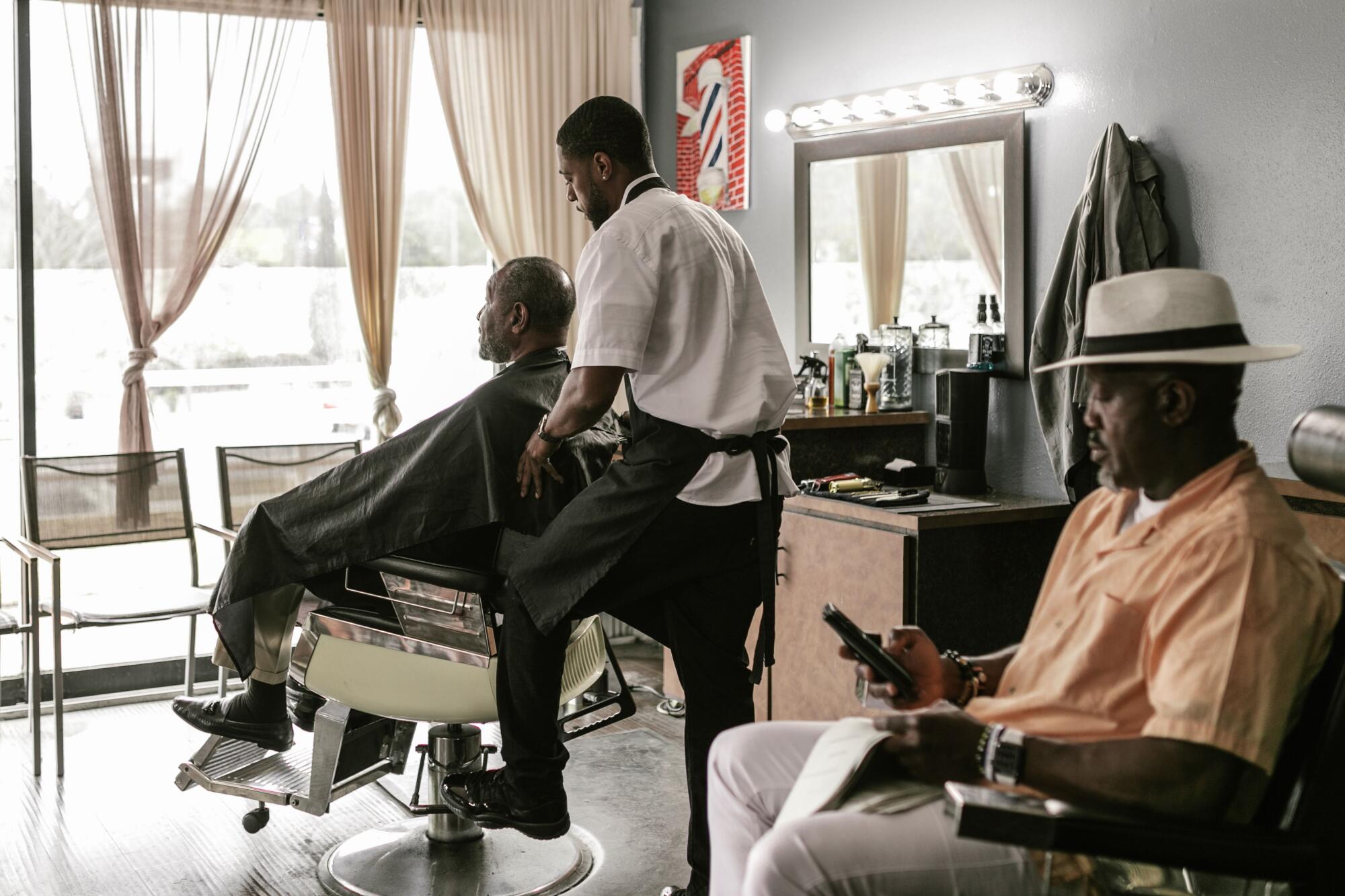
Black barbershops offer space for political debate, neighborhood news, and civic ties. The black barbershop also preserves local stories often missing from official records.
A haircut might bring you through the door. A conversation about a school closing, a city election, or a struggling business might keep you there. Inside a neighborhood shop, people can challenge opinions without needing a microphone.
A familiar storefront can hold decades of public life. Studying its past reveals people who earned a living, debated decisions, and helped neighbors interpret events.
Why Have Black Barbershops Been Important to Their Communities?
An African American barbershop has often combined a practical service with a gathering place. Under segregation, Black residents faced barriers in many public settings. Community-owned shops could offer more room for conversation and connection.
The National Museum of African American History and Culture describes barber and beauty shopsas places where customers discuss matters affecting their lives. Regular visits built relationships across generations.
Barbers often knew which families needed help or which businesses had opened. Waiting customers heard different viewpoints.
The importance of the shop came from trust built over many ordinary visits. A young customer might meet an older neighbor who understood the area’s past. Such relationships gave local conversations staying power and helped turn a routine appointment into a shared community experience.
How Did Black Barbershops Become Places for Political Discussion?
Politics often started with questions about rent, schools, jobs, or fair treatment. Customers connected those problems to elected leaders.
A University of Chicago report examined conversations inside a South Side Chicago shop. Researchers found that patrons debated:
- Political power
- Economic choices
- Leadership
They also disagreed with one another. A black barbershop did not require agreement. Customers could test ideas against those of neighbors.
Some shops supported voter registration and civic groups through personal relationships. Notices on counters or conversations with regulars could bring public issues into daily life. Yet lively debate was not the same as organized activism, and each shop had its own culture.
Black Barbers Built Businesses That Reached Beyond Haircuts
Enslaved and free Black men worked as barbers when many trades were restricted. Ownership later gave some black barbers a path toward greater financial independence, even under unfair laws.
Alonzo Herndon offers one example. According to the Georgia Historical Society, he operated Atlanta barbershops, including the Crystal Palace, and later built a major insurance business. His shops served white customers, reflecting segregation and unequal access.
Herndon’s success was unusual. Black business owners could still turn skilled work into jobs and property. Not all black companies grew large. Neighborhood shops kept commerce local.
Owners also faced rent, competition, and the challenge of building a steady customer base. Their business records can reveal how Black enterprise survived major shifts in the local economy.
Photographs and Newspapers Reveal Neighborhood History
Shop photos show storefront signs, neighboring businesses, clothing, and names painted on windows. Those clues help date images.
City directories can connect a shop name to an address, while maps show whether its block later changed. Each clue adds a piece to neighborhood history without requiring a famous owner or landmark.
Next, try the Library of Congress’s Chronicling America resources. Historic newspapers hold:
- Ads
- Openings
- Local events
- Owners’ names
Older records may use dated language. A useful starting checklist includes:
- Shop names and former street addresses
- Advertisements and business listings
- Photographs with dates or handwritten notes
- Local reporting about civic meetings
Compare records. An ad can confirm a shop’s address, not what customers discussed. Good neighborhood history separates documented facts from personal memories.
Customers’ Memories Fill Gaps in the Public Record
Customers may remember an owner’s nickname. Former barbers can explain busy hours or changes after a nearby factory closed.
Ask about routines and memorable events. Distinguish firsthand knowledge from secondhand stories.
When possible, interview more than one person. Different memories may show how workers and customers experienced the same event.
A recording can be useful, but permission comes first. Explain whether an interview will be shared publicly, kept privately, or donated to a library. Take note of:
- The date
- Place
- Speaker’s preferred name
Differences between memories are clues worth checking, not reasons to dismiss an account.
Modern Grooming Changes, but the Community Role Remains
Today’s African American barbershop operates amid appointment apps and new grooming services.
Some men also explore treatments beyond conventional haircuts. Many who are comparing long-term hair reduction with other grooming choices can learn more here.
A shop’s social value goes beyond its services. Many black barbers still:
- Listen to customers
- Pass along local information
- Create space for people of different generations to meet
The work of black business owners remains part of the wider story of black companies and community investment.
Frequently Asked Questions
How Can You Tell Whether an Old Barbershop Moved?
Start with city directories from several years. Match the owner’s name, phone number, and shop name at each address.
Property records or historical maps may show whether a street was renamed or a building was replaced. Moves may reflect development or shifting customers. Record each address and source.
Can You Share a Historic Barbershop Photo Online?
Owning a print does not guarantee copyright. Identify the:
- Photographer
- Date
- Source collection
A library may allow research access while limiting reuse. Copyright rules can vary by image and age, so avoid assuming that an old photo is free to publish.
Ask about permission when rights remain unclear. Credit the photographer and people pictured when their names are known. Respect requests from families who prefer sensitive images to remain private.
How Can You Preserve a Shop’s History After It Closes?
Collect photos, business cards, notices, and interviews. Label digital files and protect originals.
A local library, historical society, or community archive may help preserve the collection. Include the stories of workers and customers, not only the owner.
Public access can keep a vanished storefront connected to the people who remember it. A short exhibit or digital collection can help younger residents discover that history.
Keep the Black Barbershop Story Alive
A black barbershop can hold pieces of a town’s political, economic, and cultural history. Preserving those pieces starts with listening carefully and checking the record.
Continue exploring our other guides and articles for more stories about Black history, local businesses, and the communities they serve.
Content provided through ContentManagerIO.
Featured
Why Our University Lets Athletes Play Multiple Sports #shorts
Discover why our university empowers student-athletes to excel across multiple sports. We’re building leadership skills and life lessons beyond the game.

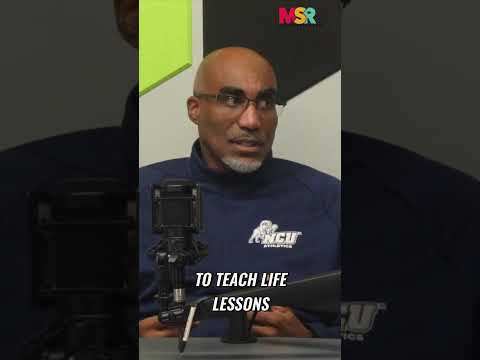
Some college athletes can compete in multiple sports across different seasons. Strong leadership is helping track, cross-country, and golf grow while athletics remains a platform for life lessons. #MN #Minnesota #Mpls #Minneapolis #StPaul #HennepinCounty #RamseyCounty #CollegeAthletics #MultiSportAthletes #CrossCountry #TrackAndField #CollegeGolf
Featured
How Black Women Leaders Lift Each Other Up #shorts
Renee shares how paying it forward through mentorship fuels a powerful cycle of growth and success for Black women leaders.
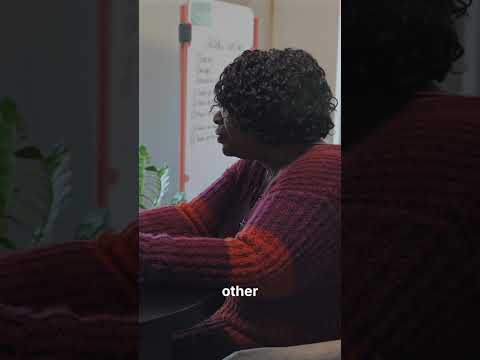
Renee turns the support she received into mentorship for other Black leaders, helping leadership grow through shared guidance and encouragement. #MN #Minnesota #Mpls #Minneapolis #StPaul #HennepinCounty #RamseyCounty #BlackLeadership #Mentorship #CommunityLeadership #LeadershipDevelopment #BlackExcellence #PayItForward
Featured
From Firefighter Dreams to Finance: Finding My Career Path #shorts
From the uncertainty of firefighting and EMT work to finding my calling in finance at Alabama State, here is the story of my career path.
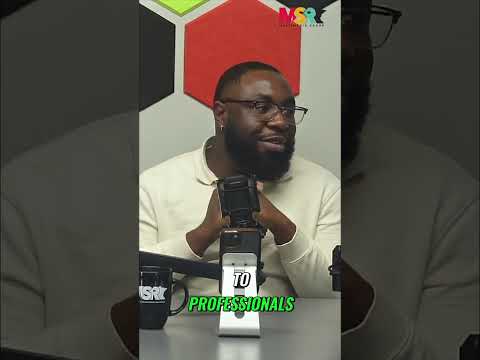
Firefighting seemed risky, EMT work seemed messy, and the career path stayed unclear—until finance at Alabama State University became the next step. #MN #Minnesota #Mpls #Minneapolis #StPaul #HennepinCounty #RamseyCounty #CareerStories #CollegeLife #FinanceMajor #CareerChoices #AlabamaState
Featured
DJ Cut Creator to Attend 7th Annual African American Golf Expo & Forum
BLACKPRESSUSA NEWSWIRE — Jim Beatty, CEO of Jim Beatty Golf Ventures and founder of the African American Golf EXPO and Forum, announced that Rock and Roll Hall of Famer DJ Cut Creator will be a featured attendee at EXPO 2027. According to Jim Be
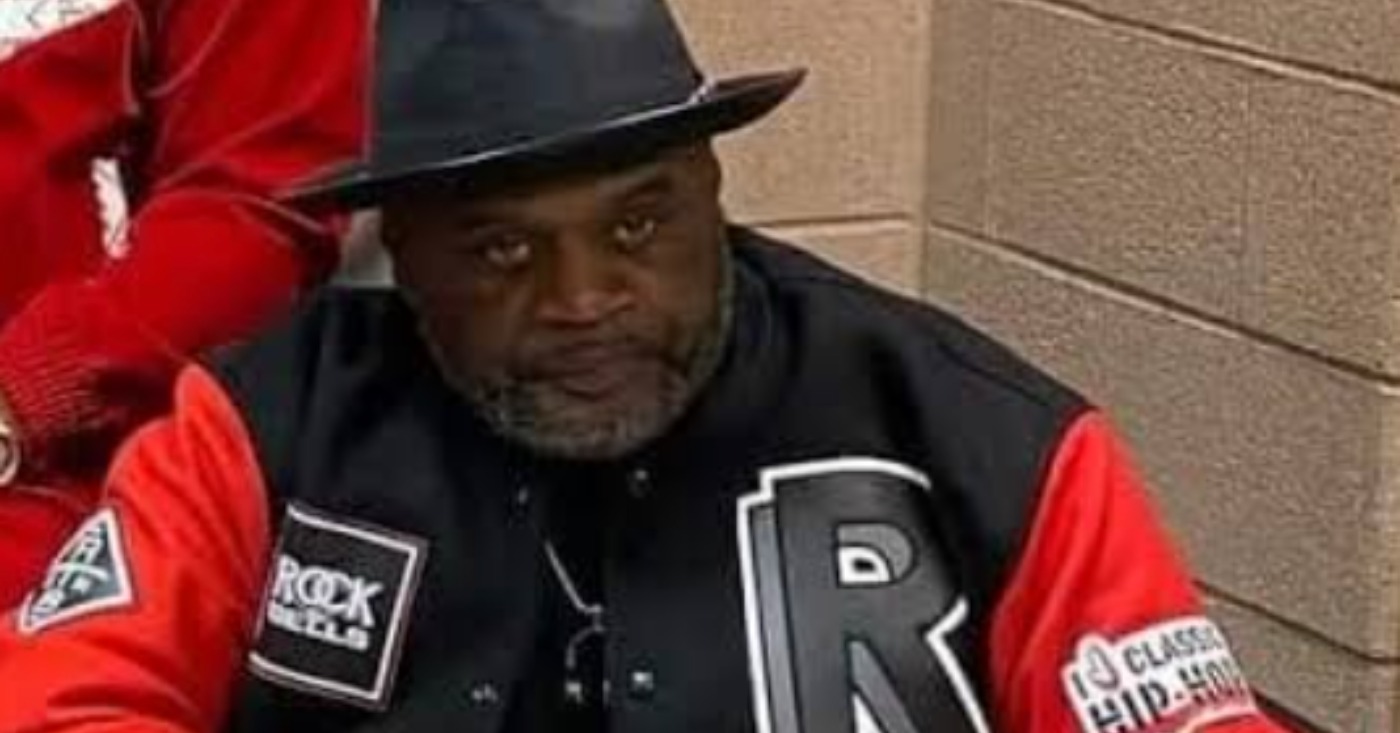
Jim Beatty, CEO of Jim Beatty Golf Ventures and founder of the African American Golf EXPO and Forum, announced that Rock and Roll Hall of Famer DJ Cut Creator will be a featured attendee at EXPO 2027. According to Jim Beatty, Hall of Famer DJ Cut Creator’s appearance reflects the growing interest in golf among professional athletes and entertainers nationally. The EXPO is a series of community and educational events designed to inform and educate communities of color about the recreational, competitive, and business opportunities in the $102B golf Industry.
EXPO 2027 will be held from Jan. 24 -28 in Orlando, FL, and will present a free golf clinic for youth and adults, the Jim Beatty 2 Person Scramble, the Diversity Roundtable, educational workshops, awards, and exhibits. Donations and Registration for the events can be made at aaexpo.com. The EXPO is proud to be collocated with the PGA show at the Orange County Convention Center.
About the African American Golf EXPO and Forum
Since its inception in 2021, the EXPO has directly and indirectly served an estimated 6,000 people in the various cities where it has been held. Its economic impact has been estimated at $3 million. Over 100 companies and organizations have exhibited at the EXPO during that same timeframe. In 2025, the EXPO was held in conjunction with the PGA Show, where it is now collocated at the Orange County Convention Center. It is viewed as the premier gathering for people of color and supporters in the golf industry. Register here to attend
About DJ CUT CREATOR
Key Career Highlights
- LL COOL J Partnership: Meeting LL COOL J in Queens, New York in the early 1980s, Cut Creator took the young rapper under his wing and performed alongside him as his signature hype man and DJ, famously commemorated in LL COOL J’s 1987 track “Go Cut Creator Go”.
- Mainstream Breakthrough: He helped bring the hip-hop DJ position to mainstream American television in the mid-1980s, with iconic appearances on American Bandstand, Soul Train, Saturday Night Live, and numerous classic music videos.
- Accolades & Recognition: Voted into the top 25 hip-hop DJs of all time by Newsweek, he was inducted into the Rock and Roll Hall of Fame in 2021 as part of LL COOL J’s induction.
- Style & Legacy: Known for his mastery of vinyl and foundational stage presence, he often cites hip-hop architect Jam Master Jay as his primary inspiration. He later relocated from New York to Central Florida, continuing to spin and perform at select retro and vinyl events.
Featured
College Sports Sponsorships: Why Schools Struggle to Fund Teams #shorts
Why do so many college sports teams struggle to secure funding? It often comes down to restrictive sponsorship policies and the power of who you know.
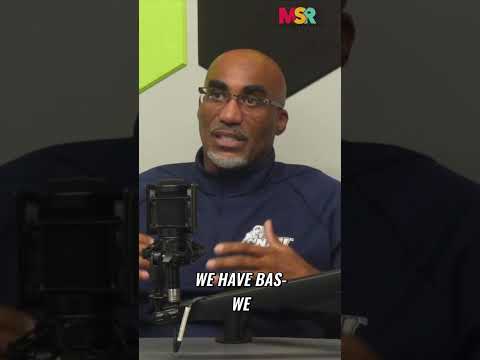
Colleges and sports teams may have strong corporate connections, but sponsorship policies can keep them from competing for support. The key advantage may be knowing the right people. #MN #Minnesota #Mpls #Minneapolis #StPaul #HennepinCounty #RamseyCounty #CollegeSports #SportsSponsorship #HigherEducation #CorporatePartnerships #SchoolFunding #Networking


Black Barbershops Have Long Given Neighborhood Politics a Place to Unfold.

Super Cruise: Hands-Free Driving for 3 Years #shorts
Staying Strong To Protect And Serve

Pickup Truck Review: Which Truck Fits You Best? #shorts

Tahoe Max Trailering Package: Check These Towing Details #shorts

Why Our University Lets Athletes Play Multiple Sports #shorts

How Black Women Leaders Lift Each Other Up #shorts

From Firefighter Dreams to Finance: Finding My Career Path #shorts

Nissan Frontier: Compare Dealer-Approved Offers #shorts

DJ Cut Creator to Attend 7th Annual African American Golf Expo & Forum

HISTORY MADE: Keisha Lance Bottoms Becomes First Black Woman Elected Governor in American History

BLACK MEN VOTE: Mobilizing 100,000 Black Men Ahead of the Midterms 📱

Secretary of State Shirley Weber Pushes Back Against DOJ Demands Over California Voter Rolls

Retirement Triggers Doctor to Pen Book for Young Audience

Multi-Faith Leaders Representing 10 Million People Launch National Anti-Authoritarian Initiative

Capturing Black Life’s Beauty

OP-ED: For Us It’s Feel-a-Nomics

Christianity’s Racial History

Hundreds of Black Christian Leaders Arriving in Israel for Martin Luther King-Inspired Mission

Oakland Honors 60 Years of the Black Panther Party at the All Power to the People Gala
Super Cruise: Hands-Free Driving for 3 Years #shorts
Pickup Truck Review: Which Truck Fits You Best? #shorts
Tahoe Max Trailering Package: Check These Towing Details #shorts
Why Our University Lets Athletes Play Multiple Sports #shorts
How Black Women Leaders Lift Each Other Up #shorts
From Firefighter Dreams to Finance: Finding My Career Path #shorts
Nissan Frontier: Compare Dealer-Approved Offers #shorts

College Sports Sponsorships: Why Schools Struggle to Fund Teams #shorts

Nearly 10,000 winter coats are being given away FREE to St. Louis families!

How This Black CEO Builds Leaders Who Can Show Up Authentically #shorts
-
 Black Press6 days ago
OP-ED: Closing the Next Digital Divide — Communities of Color Must Have a Voice in the AI Future
-

 Black History1 week ago
New NAACP Report Warns AI Could Deepen Health Disparities in Black Communities
-
 Black History6 days ago
“Blue Tsunami” Sweeps Georgia, Bottoms Makes History
-

 Black Press4 days ago
COMMENTARY: Thank You, Trump, for Making America Great Again!
-
 Featured1 week ago
Hakeem Jeffries Faces Speaker Questions and Scott Colom poised to win Miss. Senate 📱
-

 Black Press6 days ago
OP-ED: And Then What?
