
National
Supreme Court to Hear Voting Rights Act Challenge


National Black Chamber of Commerce Opposes Law
By George E. Curry
NNPA Editor-in-Chief
WASHINGTON (NNAP) – After hearing oral arguments earlier on whether an affirmative action program at the University of Texas is constitutional, the United States Supreme Court has agreed to review a challenge to the Voting Rights Act of 1965, paving the way for the court to rule on two major civil rights issues by next summer.
The court agreed last Friday to hear a case from Shelby County, Ala., 23 miles southeast of Birmingham, that questions whether Congress exceeded its authority when it voted in 2006 to renew Section 5 of the Voting Rights Act, which requires jurisdictions covered by the legislation to pre-clear any election law changes with the U.S. Attorney General or the U.S. District Court in Washington, D.C. to prevent discriminatory voting changes from going into effect.
Oral arguments in the voting case are expected to be held in February with rulings in both the voting rights and affirmative cases likely to be announced next summer, probably in July. Two lower courts upheld the constitutionality of the Voting Rights Act extension before the Supreme Court decided to accept the case for review.
The Voting Rights Act was originally passed in 1965 on the heels of the Selma-to-Montgomery (Alabama) March. When Section 5 was scheduled to expire, it was extended by Congress in 1970, 1975, 1982 and for another 25 years in 2006. It was approved the last time with broad bipartisan support. It passed the House by a 390-33 margin and the Senate 98-0. George W. Bush signed the extension in a Rose Garden ceremony attended by members of the Congressional Black Caucus.
In its petition, Shelby County, the fastest growing county in Alabama, argued that the pre-clearance provision of Section 5 of the Voting Rights Act violates the Tenth Amendment and Article IV of the United States Constitution. Both provisions grant states power to regulate its elections. In passing the law, Congress relied on the Fifteenth Amendment which prohibits states from denying a citizen the right to vote based on race, color, or previous condition of servitude such as slavery.
Shelby County went to court after the Justice Department rejected a redistricting plan that apparently played a role in the defeat of Ernest Montgomery, the only Black member of the 5-member city council in Calera, Ala., a bedroom community of 12,000 people.
Montgomery was elected to the council in 2004 from a district that was nearly 71 percent Black. The district was redrawn two years later, reducing the Black presence to 23 percent. Montgomery narrowly lost his 2008 re-election bid to a White challenger. But the Justice Department invalidated the election because district changes had not been pre-cleared. Shelby County went to court to overturn the decision.
The 1965 Voting Rights Act created federal oversight of elections in Alabama and other states and jurisdictions with a history of discriminatory voting practices.
“Things have changed in the South,” the Shelby County petition argued. “Voter turnout and registration rate now approach parity. Blatantly discriminatory evasions of federal decrees are rare. And minority candidates hold office at unprecedented levels.” The county charged that the federal government is still relying on data more than 35 years old and “it fails to account for current political conditions.”
Attorney generals in six states covered by Section 5 – Alabama, Arizona, Georgia, South Carolina, South Dakota and Texas – filed a joint brief in support of Shelby County.
Surprisingly, the National Black Chamber of Commerce, which describes itself as “a nonprofit, nonpartisan organization dedicated to the economic empowerment of African American communities through entrepreneurship,” filed a friend-of-the-court brief supporting Shelby County’s position opposing continued federal oversight under the Voting Rights Act.
By taking that position, the Black business group headed by Harry C. Alford aligned itself with right-wing anti-affirmative action groups such as the Mountain States Legal Foundation and the Pacific Legal Foundation. Both groups filed friend-of-the-court briefs with the Supreme Court opposing affirmative action in the University of Texas case and petitions supporting the stance of Shelby County, Ala.
“…Section 5 is no longer necessary to combat widespread and persistent discrimination in voting and now, perversely, serves as an impediment to racial neutrality in voting and to the empowerment of state and local officials who represent minority constituencies,” the National Black Chamber of Commerce said in its brief. “The Chamber rejects the assumption underlying Congress’s reauthorization of Section 5 of the Voting Rights Act that the exceptional circumstances which justified close federal oversight of the electoral practices of many states and localities in 1965 and 1975 persist today. They do not.”
The United States Justice Department responded to the challenge to the law by reciting the long history of Black voter disenfranchisement.
“Although the Fourteenth and Fifteenth Amendments have since 1870 guaranteed United States citizens’ right to vote free of discrimination on the basis of race, ‘the blight of racial discrimination in voting…infected the electoral process in parts of our country for nearly a century,’” the U.S. brief stated, quoting a 1966 Supreme Court decision involving South Carolina. “Beginning in 1890, some States – located mostly in the South – undertook a systematic campaign to disenfranchise minority voters. After many decades of inaction, Congress eventually responded, first by enacting the Civil Rights Act of 1957, which authorized the Attorney General to seek injunctions against public and private interference with voting on racial grounds.”
It added, “When that measure proved insufficient, Congress enacted the Civil Rights Act of 1960, which expanded the Attorney General’s litigation power by authorizing him to join States as party defendants, giving him access to local voting records, and empowering courts to register voters in areas where there had been systematic discrimination.
“That legislative response also proved insufficient, prompting Congress to enact Title I of the Civil Rights Act of 1964, which provided for expedited treatment of voting cases before three-judge courts and made illegal some of the tactics that had been used to disenfranchise African-Americans in federal courts.”
Still, the Justice Department said, “…each measure ‘proved ineffective for a number of reasons.’” Consequently, another approach was finally adopted.
“Faced with the fact that a serious and invidiously discriminatory obstacle to the proper functioning of our democracy had proven nearly impervious to traditional legislative remedies, Congress enacted more aggressive and unusual measures as part of the Voting Rights Act of 1965,” the federal brief stated.
Chief among the new measures was the pre-clearance provision that applies to eight states: Alabama, Alaska, Arizona, Georgia, Louisiana, Mississippi, South Carolina and Texas. It also applies to certain counties in Virginia, Florida, North Carolina, New York, California and South Dakota as well as specific townships in Michigan and New Hampshire.
Section 5 contains a “bail out” component that allows jurisdictions to avoid the pre-clearance requirement if they can demonstrate they have complied with specified non-discrimination requirements for 10 years. Forty-six jurisdictions have successfully bailed out of the pre-clearance requirement and two cases are pending.
Before reauthorizing the Voting Rights Act extension in 2006, Congress considered the arguments later advanced by Shelby County, Ala. and the National Black Chamber of Commerce that there is no need for continued federal oversight of select jurisdictions.
In its brief, the Justice Department quoted findings by Congress that showed while blatant voter discrimination had been reduced over the past four decades, largely because of the Voting Rights Act, “vestiges of discrimination in voting continue to exist as demonstrated by second-generation barriers constructed to prevent minority voters from fully participating in the electoral process.”
The Justice Department noted that, “Congress had found ample evidence of a history and ongoing pattern of purposeful, state-sponsored voting discrimination in covered jurisdictions.”
For example:
• In Kilmichael, Miss., the all-White governing body tried to cancel an election after Blacks became a majority in the city;
• Congress found that the school board in Webster County, Ga. sought to “intentionally decrease the opportunity of minority voters to participate in the electoral process” after a majority Black school board was elected; and
• A three-judge court found that Texas engaged in intentional discrimination against its Black and Latino citizens in the redrawing of boundaries for congressional and state Senate districts. The court found the congressional districts were redrawn to remove the home office of numerous minority legislators from their districts without doing the same to any White officeholders. The court ruled in Arlington Heights v. Metropolitan Housing Development Corp. that the action was “unexplainable on grounds other than race.”
In its joint friend-of-the-court brief, four civil rights groups – the NAACP Legal Defense and Educational Fund, the Lawyers Committee for Civil Rights Under Law, the American Civil Liberties Union (ACLU) and the NAACP – rebutted the assertion that things have improved to the point that Section 5 is no longer needed.
Since 1982, there were approximately 800 court rulings that were favorable to voters of color, according to the groups’ petition. “Of these, approximately 81 percent were brought against Section 5 covered jurisdictions.”
###








Black Press
Do You Want to Transform a Standard Venue into a Luxury Experience?
BLACKPRESSUSA NEWSWIRE — Creating a luxury event involves far more than simply providing high-quality food and a formal dress code. To truly transform a standard venue into an unforgettable experience, event planners must ensure that every detail, from the atmosphere to the entertainment, is meticulously curated to match a specific theme.

A luxury experience involves elevated food, atmosphere, and entertainment for attendees. The venue matters just as much. Focus on comfortable seating, premium lighting, and other elements to provide guests with a beautiful event that they will not forget.
Have you ever stepped into an event space that took your breath away? A well-curated luxury event space with matching party backdrop setups can transport you to another time or place, providing a needed break from the stresses of everyday life. Event planners understand that the venue needs to contribute to the luxury experience as much as any other factor.
What Is a Luxury Experience?
A luxury experience simply means that the event provides attendees with a beautiful setting and premium food. Additionally, every part of the event should be curated to match its theme and purpose.
How Can Venue Transformation Turn a Regular Space Into a Luxury Experience?
How can you upgrade your venue from a regular party to a luxury experience? Here are some steps to take that will elevate the quality of your venue and setting.
Divide the Room Into Zones
If possible, divide the room into several zones, so attendees can mix and mingle. For instance, an event with a cocktail hour and a sit-down dinner can have a cocktail area with standing tables and a dining area with traditional sit-down setups. A silent auction functions better when the auction area is separated from where guests tend to congregate and socialize.
Consider Beverly Hills event equipment rentals to make each zone unique. Provide features that attract guests so they make their way around the space, rather than staying in one area.
Find a Sophisticated Color Palette
Garish, tacky colors can instantly downgrade your event. Guests will notice before anything else, and the glaring shades may be unpleasant to look at.
Some events have a predesignated color scheme based on their purpose or the hosting organization. In these cases, try to incorporate neutral shades wherever possible to soften the space and avoid clashing with the existing color palette.
If you can choose the colors, consider the theme of the event. A fundraiser for breast cancer awareness, for example, may call for shades of pink. A casino night will work better with a darker theme.
Use Comfortable Seating
Guests should find respite when sitting, not immediately feel uncomfortable. Invest in chair rentals that have cushions and are wide enough to accommodate your guests. Create spaces designed for comfort with couches and plushy chairs.
Set Up Premium Lighting
Cheap lighting can put an unpleasant glare on the entire space. Use soft, warm lights that emit luxury, rather than whiter lights. With warmer undertones, even brighter lights will not hurt the eyes as much.
Add table lamps and lower lighting for a cozier glow. Allow guests to adjust the lighting to their preferences as well.
Ensure the Acoustics Are Balanced
Sound is essential for creating a premium experience. Live music is a wonderful option, but the acoustics need to be balanced to prevent your guests from feeling overwhelmed. Perform sound checks with live musicians before the event begins so you can assess the sound quality all over the event venue, not just in front of the stage.
If you choose prerecorded music or a DJ, speaker placement is crucial. Avoid putting speakers too close to seating areas or places where guests congregate. Rather, place the speakers in areas that allow them to fill the room instead of directly next to people’s ears.
Highlight Nature
An outdoor event should emphasize nature to elevate the event space. Consider incorporating and highlighting the natural beauty of the venue. Indoor events can be instantly upgraded by bringing plant life, such as trees and flowers, into the room to cultivate an inviting oasis.
Frequently Asked Questions
Is a Luxury Event Worth the Higher Price Tag?
Often, yes, especially when fundraising is involved. Luxury events that are curated to a higher net-worth audience may translate to more money raised overall.
VIP guests expect a premium experience. When guests pay hundreds of dollars per plate or thousands per table, it is important to deliver every element of luxury to show them that they did not waste their money.
For weddings or other events that do not include raising money, a luxury event may still be the best option to suit your needs. If you have always dreamed of an exquisite wedding with finer touches, then adding luxury will be worth it to have the day that you deserve.
What Is the Dress Code for a Luxury Event?
It depends on the style of the event, as well as the time of day, setting, and many other elements. Luxury events that take place in the evening typically lean toward black- or white-tie, but a mid-morning brunch may feature more casual wear.
If you are hosting a luxury event, it is best practice to outline the dress code on the invitation. There will not be any guesswork involved for guests, and you do not have to worry about attendees showing up with the wrong attire.
Consider including advice, even if it doesn’t strictly relate to the dress code. Heels, for example, may not work well in events that take place on a golf course or another grassy area.
How Far in Advance Do You Have to Start Planning a Luxury Event?
Ultimately, it is up to you when you need to start planning the event. When contacting vendors such as caterers and entertainment, see how far out you can book and lock in those elements as soon as possible.
The earlier you plan, the less stressed you will be. As your event approaches, you can focus on finishing touches rather than nailing down huge problems.
Consider Luxury Party Aesthetics
A luxury experience is about more than just a fancy plate of food and a black-tie or white-tie dress code. Curating the event space to match the event’s mood will help bring the entire concept together.
Would you like to learn more about event hosting? Explore our site for ideas and inspiration to suit your next event.
Content provided through ContentManagerIO.
Black History
Don’t Pass the Torch. Expand the Circle.
Alpha Kappa Alpha Sorority, Inc. is redefining mentorship by empowering undergraduate women to take active roles in high-level organizational governance. Instead of asking young leaders to wait their turn, the sorority is integrating students like Noah M.P. Harris into international boards and planning committees alongside seasoned veterans like Dr. Tonja L. Ringgold. This intergenerational model aims to combat professional burnout and systemic barriers by offering meaningful responsibility and guidance today, rather than in the distant future, to learn how this approach is transforming leadership. read more.
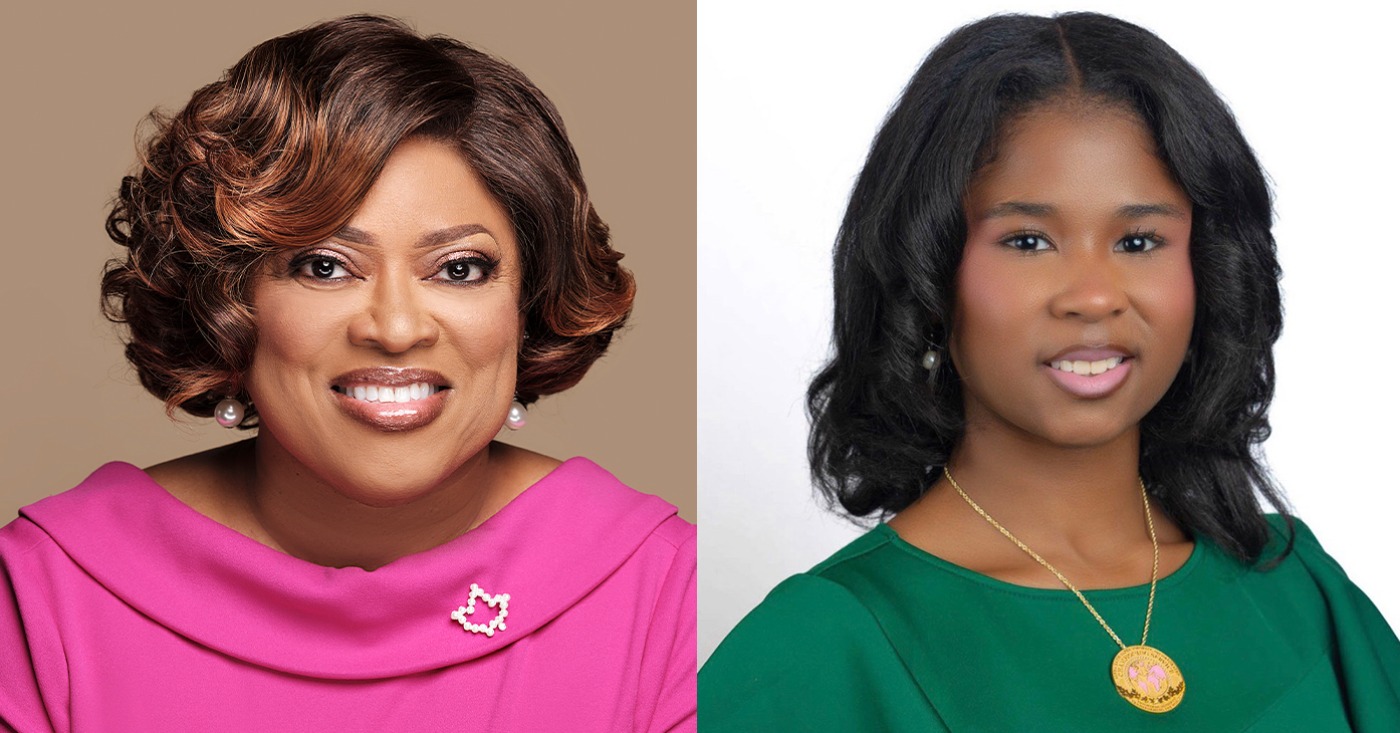
On Nov. 14, hundreds of undergraduate women gathering at Morgan State University in Baltimore for Alpha Kappa Alpha Sorority’s Undergraduate Leadership Institute will do more than listen to presentations. They will run the program. Graduate advisers will take seats in the back of the room.
This is intentional. Too many institutions invite young people to observe leadership without trusting them to exercise it. We believe the future of leadership depends not on one generation stepping aside for another, but on generations sharing responsibility now.
We have seen the difference from two vantage points.
For Dr. Ringgold, Morgan State is where that journey began. Initiated into Alpha Kappa Alpha’s Alpha Delta Chapter in 1982, she recently reunited with two sorority sisters who guided her as an undergraduate, including a former chapter president whose example still informs her leadership today. Forty-four years later, she returns as director of the sorority’s North Atlantic Region, keenly aware of what it means when someone invests in a young woman’s potential. The homecoming carries added significance: Alpha Delta, chartered in 1926, is celebrating its centennial; and the chapter that shaped her is still helping shape new leaders.
For Ms. Harris, leadership is not a distant destination. She is a Bowie State University senior and president of its Eta Chapter who, this summer, was elected Alpha Kappa Alpha’s International Second Vice President. As an undergraduate member of the sorority’s international governing board, she carries student perspectives into decisions affecting the organization. A 2025 Leadership Fellows experience encouraged her to seek that larger platform. To her, leadership is measured by the people she can serve, not simply the position she holds.
Our experiences challenge a familiar assumption: Young people must wait their turn. Founded in 1908 by Black college women, Alpha Kappa Alpha now counts more than 390,000 initiated members across more than 1,122 chapters. That reach brings a responsibility to open doors, not merely preserve tradition.
Deloitte’s 2026 global survey found that 76% of Gen Z respondents were interested in pursuing senior leadership roles eventually, although only 6% of surveyed Gen Z and millennials named leadership their primary career goal. Many cited burnout, excessive responsibility and work-life balance as concerns. Young people are not necessarily avoiding leadership. They are questioning the conditions under which it is exercised.
At a time when companies are pulling back on women’s advancement, Black women face persistent barriers. McKinsey and LeanIn.Org’s 2025 report found that among companies studied, only 60 Black women were promoted to manager for every 100 men. Telling young women to wait their turn cannot fix an unequal pathway to leadership.
Experience matters. Seasoned leaders carry institutional memory, hard-won judgment and relationships that take years to build. But experience cannot develop in a waiting room. Young leaders need meaningful assignments, honest guidance and room to make mistakes. Experienced leaders must also be prepared to reconsider familiar ways of doing things.
We see that exchange in our own relationship. Ms. Harris draws on Dr. Ringgold’s decades of sorority service and higher education experience. Dr. Ringgold listens when Ms. Harris speaks, recognizing that younger perspectives can challenge assumptions and reveal better approaches. Neither of us has all the answers. Both of us have something to contribute.
Our upcoming Undergraduate Leadership Institute will put that principle into practice. Undergraduate members will lead, with graduate members offering guidance and expertise. We’re taking the same approach in planning our 96th North Atlantic Regional Conference, scheduled for March 2027, where undergraduate counterparts will work alongside graduate vice chairs in operations, programming, social activities and logistics. They’ll help plan an event serving the entire region, not just their undergraduate peers.
That is the distinction between inclusion and influence. A seat at the table means little if the people invited cannot help determine what happens there.
Businesses, colleges, nonprofits and civic organizations can do the same. Pair mentorship with meaningful assignments. Involve emerging leaders in decisions before those decisions are final. Give them resources and room to grow. When they challenge a familiar practice, ask whether it still serves its purpose.
We should not ask experienced leaders to disappear or young leaders to wait. The goal isn’t to pass the torch and walk away. It’s to expand the circle of people empowered to lead and build stronger institutions together.
Dr. Tonja L. Ringgold is the North Atlantic Regional Director of Alpha Kappa Alpha Sorority, Incorporated. Noah M.P. Harris, a senior at Bowie State University, is the sorority’s International Second Vice President and president of its Eta Chapter.
Black Press
Kids on Campus: Success in Learning Together
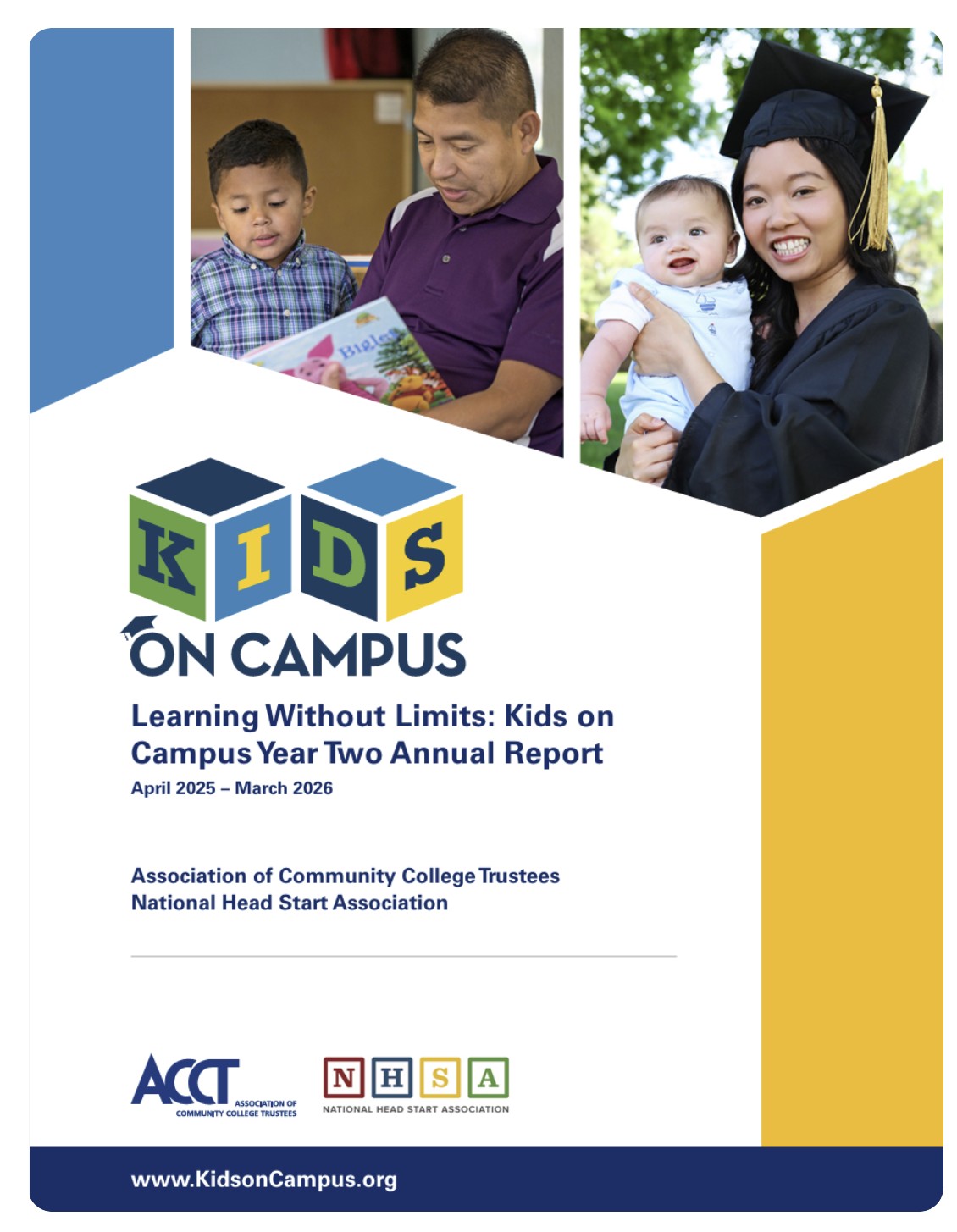
The Association of Community College Trustees and the National Head Start Association have released the second annual report for Kids on Campus, an initiative placing Head Start classrooms directly on college campuses. With nearly 20 percent of U.S. undergraduates raising children, the program addresses childcare barriers that often prevent degree completion. The project aims to establish 50 partnerships by 2030 to support two-generation economic mobility. The new report highlights the initiative’s expansion across 19 states and identifies key growth opportunities to help student parents succeed. Read more.

The Association of Community College Trustees (ACCT) and the National Head Start Association (NHSA) released the Year Two Annual Report of the Kids on Campus initiative, which advances the success of parenting students and supports the school readiness of young children from low-income backgrounds by expanding Head Start classrooms onto community college campuses. The five-year initiative aims to establish at least 50 such partnerships by 2030.
Nearly one in five undergraduates in the United States — approximately 3.14 million students — are parenting while pursuing their college education. For many, access to high-quality, affordable, and convenient child care remains one of the biggest barriers to completing their degree.
The initiative’s core philosophy is rooted in two of the most effective strategies for reducing poverty: providing high-quality early childhood education and increasing adult economic mobility through education, training, and workforce pathways. Together, these approaches support two generations simultaneously, strengthening children’s development while helping parents pursue long-term economic success.
“When we support parents, we uplift students,” says Francisco Solis, president of San Antonio College (TX), which has a long-standing partnership with Head Start. “When families thrive, our community thrives. This is the power of a two-generation approach.”
The annual report outlines the rationale behind ACCT and NHSA’s work, progress to date, next steps, and opportunities for community colleges and Head Start programs to engage with Kids on Campus.
As of March 2026, at the end of year two of the initiative:
- 110 community colleges and 130 Head Start programs have taken initial steps to connect and engage with Kids on Campus.
- Partners have identified 43 potential matches between community colleges and Head Start programs interested in exploring partnerships across 19 states.
Five new Kids on Campus partnerships have launched in California, Illinois, Massachusetts, Maryland, and Texas, with two additional partnerships in advanced stages of development in Texas.
“Before I found the Head Start on my college campus, it was extremely difficult,” says Cristina Medina, a student parent at Palo Alto College, one of the newest Kids on Campus launched sites. “I was on the edge of mentally and emotionally giving up because being a full-time mom while going to school and work was hard with no support.”
The initiative continues to grow nationwide through expanded partnerships, technical assistance, and collaborative efforts to strengthen on-campus child care and early childhood education opportunities for student parents and families.
The report profiles active partnerships and explores the benefits and barriers they face, financial considerations, model sustainability, advice from the field, and what is next for Kids on Campus.
To access the full report, go to kidsoncampus.org/annual-report.
ACCT and NHSA invite community colleges, Head Start programs, and philanthropic supporters interested in transforming outcomes for children and families to contact [email protected].
Kids on Campus is supported by ECMC Foundation, Imaginable Futures, Lumina Foundation, the Annie E. Casey Foundation, Trellis Foundation, Crimsonbridge Foundation, and Seldin Haring-Smith Foundation.
Association of Community College Trustees (ACCT) is a non-profit educational organization of governing boards, representing more than 6,500 elected and appointed trustees who govern over 1,000 community, technical, and junior colleges in the United States and beyond. ACCT fosters the principles and practices of exemplary governance while promoting high-quality and affordable higher education, cutting-edge workforce and development training, student success, and the opportunity for all individuals to achieve economic self-sufficiency and security. Visit www.acct.org for more information.
The National Head Start Association (NHSA) believes that every child, regardless of circumstances at birth, has the ability to succeed in school and in life. The opportunities offered by Head Start lead to healthier and empowered children and families and stronger, more vibrant communities. NHSA is the voice for more than 750,000 children, 250,000 staff, and more than 1,600 Head Start grant recipients in the United States. Visit nhsa.org or follow @NatlHeadStart to learn more.
Black History
Nixon Unbought, Unbossed and Undeterred Following U.S. Senate Defeat – Free Press of Jacksonville
Angie Nixon, who garnered over 3 million votes in her bid for the U.S. Senate, expressed disappointment after losing to Ashley Moody with a narrow margin of 50-48. Despite the defeat, she remains dedicated to holding elected officials accountable on healthcare and community issues and plans to challenge Moody again in 2028. Nixon highlighted the essential role of Black women in her campaign, noting their significant support and efforts to mobilize voters. Despite a lower voter turnout in Duval County compared to previous elections, grassroots efforts by local activists, particularly Black women, were notable. Nixon aims to inspire future generations of leaders and voters, emphasizing the importance of civic engagement.
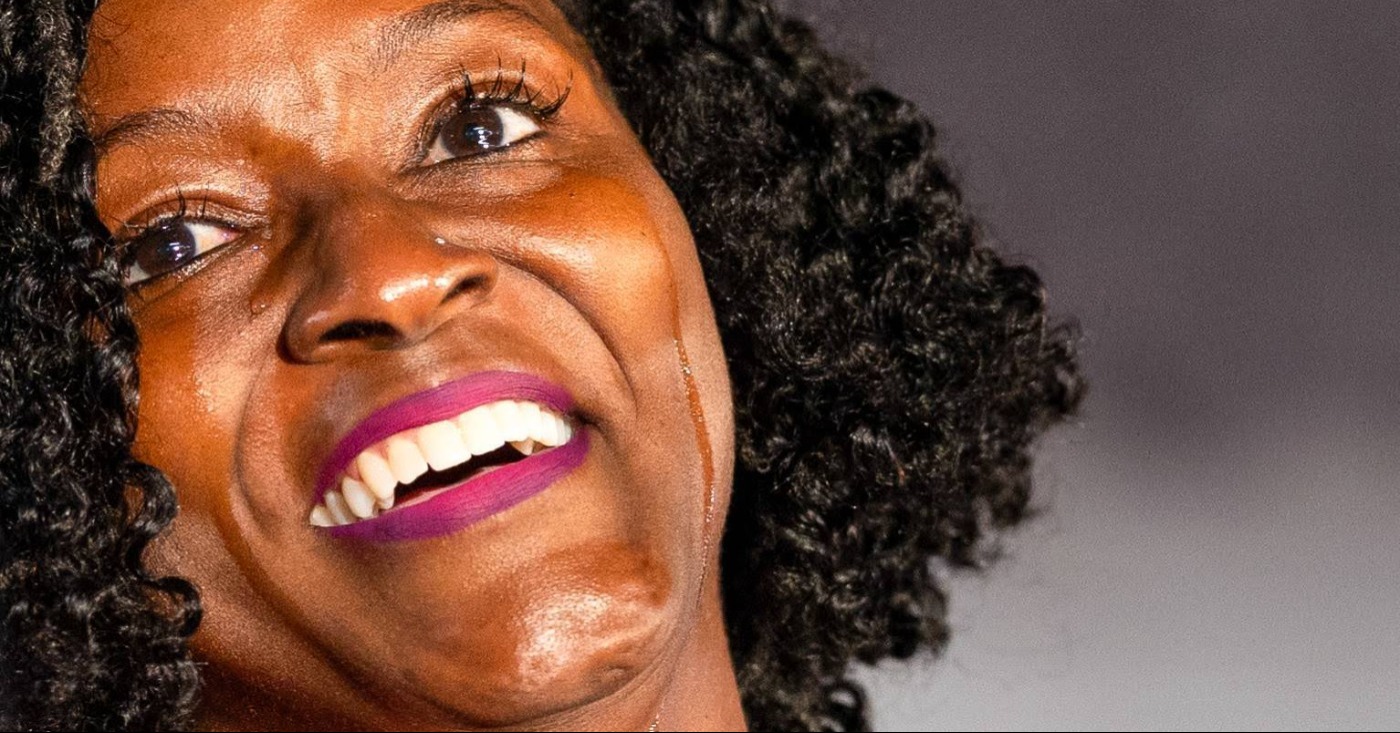
A Black woman from the heart of Moncrief earned the support of more than 3 million Floridians this election season.
Angie Nixon did not become the first Jacksonville resident to serve in the U.S. Senate since 1936.
At least not yet.
The 42-year-old organizer, small business owner, politician and mother says she will challenge Senator-elect Ashley Moody in 2028.
“I’m disappointed in the outcome, but I’m ready to get back to work – everyone is – because we’re going to make sure that Ashley Moody is held accountable for making sure that people have access to quality healthcare, a roof over their head, food on the table, and trying to lower these costs,” Nixon said on Tuesday night. “So, I’m OK. I’m not happy with the outcome, but I’m ready to get to work.”
That fact that Nixon came so close can only be attributed to the scores of Black women who supported her campaign.
Some were on staff, others volunteered, tens of thousands more voted for the former state representative who has used her bullhorn to bulldoze through staid situations in Tallahassee.
A Black woman has never won statewide office in Florida. Nixon’s 50-48 loss to Moody means it still hasn’t happened.
Not many politicians would walk onto a stage after losing a statewide race playing Bonecrusher’s “Never Scared”.
Nixon faced racist attacks from an advisor to President Donald Trump. Nazi rhetoric was used on Fox News to describe Nixon’s supporters. Yet, they traversed the state – from Marathon to Marianna; from Sarasota to South Florida – connecting with voters.
The forlorn, yet hopeful faces of so many Black women in the audience said more than their words could muster. Some were pastors, others were elected officials. One, Sandra Thompson, attended the March on Washington for Jobs and Freedom in 1963.
Thompson spent Election Day providing information to voters outside the Legends Center in Sherwood.
“It’s a very important election,” Thompson said. “We are electing our new leaders: the governor, a senator, and the House of Representatives. We need to get it right.”
If Thompson’s presence at Nixon’s campaign party was any indicator, people did not get it right.
Despite the chance to send a Jacksonville native to the U.S. Senate, hundreds of thousands of Duval County voters did not cast a ballot this year.
Preliminary data from the Duval County Supervisor of Elections shows only 55 percent of eligible voters participated this year.
Felicia Demps was not going to miss this election season. She brought five of her grandchildren with her inside the polling booth.
“They came home, and their teacher said, ‘We need to vote.’ I said, ‘Well, let’s go!”
Demps says she is a reliable Democrat who supported lowering property taxes, supported the 1-mil tax extension for Duval County Public Schools, and cares about community.
“Everyone needs to get together. Everyone wants the streets fixed until it’s time to vote,” Demps said. “The most important thing is: we want these things; but we won’t get out and vote.”
This year’s turnout is better than 2022, when Gov. Ron DeSantis won re-election for fun. But it’s lower than the 63 percent of Duval voters who turned out – many of whom hoped Andrew Gillum would become Florida’s first Black governor.
Black women were at the heart of the local effort to inform and motivate voters.
Cortina Floyd spent three hours waving signs along Moncrief Road ahead of the Northwest Classic football game between Raines and Ribault. Floyd and her Sigma Gamma Rho Sorority, Inc. sisters were among the nearly 50 people who sported Black Greek-letter organizations and informed voters last week.
“As a Black educator, I feel it’s important for me to do my civic duty,” Floyd said.
Exit polling indicates Black women in Jacksonville, in Florida and beyond, did their civic duty.
Afterward, girls of all ages danced on stage after the Associated Press called Florida’s Senate race in Moody’s favor. As they danced, they were unencumbered by the burdens and expectations that are placed on the bodies, minds, and souls of Black girls.
The organizer who lives on the Northside, in a household with multiple union members, says it was not her dream to run for the U.S. Senate. But the woman who openly invoked Shirley Chisholm and Fannie Lou Hamer on the campaign trail committed to doing what she could to help the next generation of girls.
“It’s not necessarily a dream personally. I just want to help people,” Nixon said on Tuesday night. “I wanted to make sure that we’re improving their lives. But the young people that came up to me tonight, they’re excited. They’re ready to continue to do the work and ready to, actually, build a better vision for their future. I’m all hands on deck with them, helping them grow as leaders and helping register more voters so that we can actually win.”
Advertising
PRESS ROOM: AutoNetwork.com Launches a Free Auto Section for Newspapers, Credit Unions, Banks, Churches, Schools and Nonprofits
BLACKPRESSUSA NEWSWIRE — Right now, someone who reads your paper, banks with you, sits in your pews, or attends your school is signing a car deal. Too often, they leave with a high-cost loan, old trade-in debt rolled into a new one, add-ons they never asked for, or a repair bill they didn’t understand. Most of those losses happen because no one gave them the facts first.

One line of code puts free, sourced car-buying and car-repair lessons in front of the people you serve. No cost. No contract. No staff needed.
AutoNetwork.com, which has served car buyers since 1986, today launched the Auto Section: a free, ready-made car-money education section that any organization can add to its website by pasting one line of code. Its message is simple: Know Before You Go To A Dealer.
The people you serve are paying for what no one told them
Right now, someone who reads your paper, banks with you, sits in your pews, or attends your school is signing a car deal. Too often, they leave with a high-cost loan, old trade-in debt rolled into a new one, add-ons they never asked for, or a repair bill they didn’t understand. Most of those losses happen because no one gave them the facts first.
Every organization on this list exists to look out for its people. The facts are now free and take minutes to add. Not sharing them means letting the next family learn the hard way, at the dealer’s desk or the repair counter.
One Auto Section, five ways to serve
- Newspapers: a reader-service section you don’t have to staff, write or pay for. You keep 100% of the ad space around it and 100% of any sponsor line you sell, such as “Auto Section sponsored by…” on your own page.
- Credit unions and banks: member education that reaches people before they sit down in the dealer’s finance office, where the loan terms get decided.
- Churches: a stewardship and money ministry for families. A car is one of the biggest purchases most households make.
- HBCUs and schools: first-car, first-loan and first-repair lessons for students and their families.
- Nonprofits: a ready-made addition to financial-empowerment programs, with no added cost or staff.
- What your people learn
- Financing: leasing vs. buying, who should lease, mileage limits, wear charges and GAP coverage.
- Trade-in debt: how owing more than a car is worth happens, and how to get out.
- Depreciation: how fast a car can lose value, with a free calculator.
- Add-ons and fees: what to get in writing before signing.
- Warranties: what the factory covers, and when extended coverage may not pay off.
- Credit: rights and steps for buyers with low or no credit, plus a first-time buyer guide.
- Service costs: how to choose a repair shop, ask for a written estimate, know your rights and spot a padded bill, plus factory maintenance schedules and estimated ownership costs so routine service is never a surprise.
- Plus: Ask AI Roosevelt for answers to car questions, and new-model walkaround videos.
Every guide links to its sources. The Auto Section teaches what to ask and what is normal; it never quotes local shop prices or sells repairs.
Built to be safe, simple, and yours
- Easy: copy one line from the free setup page, paste it where you want the section, and you’re done. New guides and videos appear by themselves.
- Safe: it runs in a sealed frame that cannot read or change your site, your logins or your ad accounts. It collects no reader names or emails.
- Clean: only AutoNetwork.com education appears inside the section. No outside ads. Guides and videos open inside it, so readers stay on your page.
- No strings: no cost and no contract. Delete the line, and it’s gone.
A word from the founder
“For forty years I’ve watched good people pay too much for cars and repairs simply because nobody told them what to ask,” said Roosevelt Gist, founder of AutoNetwork.com. “The organizations people already trust are the best messengers. We built the Auto Section so they can share the facts without spending a dime or hiring anyone.”
The next car deal or repair bill in your community is happening now. Add the free Auto Section today and make sure your people walk in knowing the facts:
https://autonetwork.com/autosection?src=press-release
If you can paste a link into your website, you can install it. Questions? Email [email protected].
About AutoNetwork.com
AutoNetwork.com has served car buyers since 1986 with free, sourced consumer education, vehicle reviews, and the free AutoNetwork.com app. The Auto Section is general education, not legal or financial advice. Learn more at autonetwork.com.
Black History
MHU Commemorates ASCORE and Anniversary of Desegregation
THE URBAN NEWS — UNC Asheville and Mars Hill University are collaborating to host a series of commemorative events marking the 65th anniversary of their desegregation. The programming honors Etta Mae Whitner Patterson and Oralene Anderson Graves Simmons, two former members of the Asheville Student Committee on Racial Equality (ASCORE) who became the first Black students at their respective institutions in 1961.
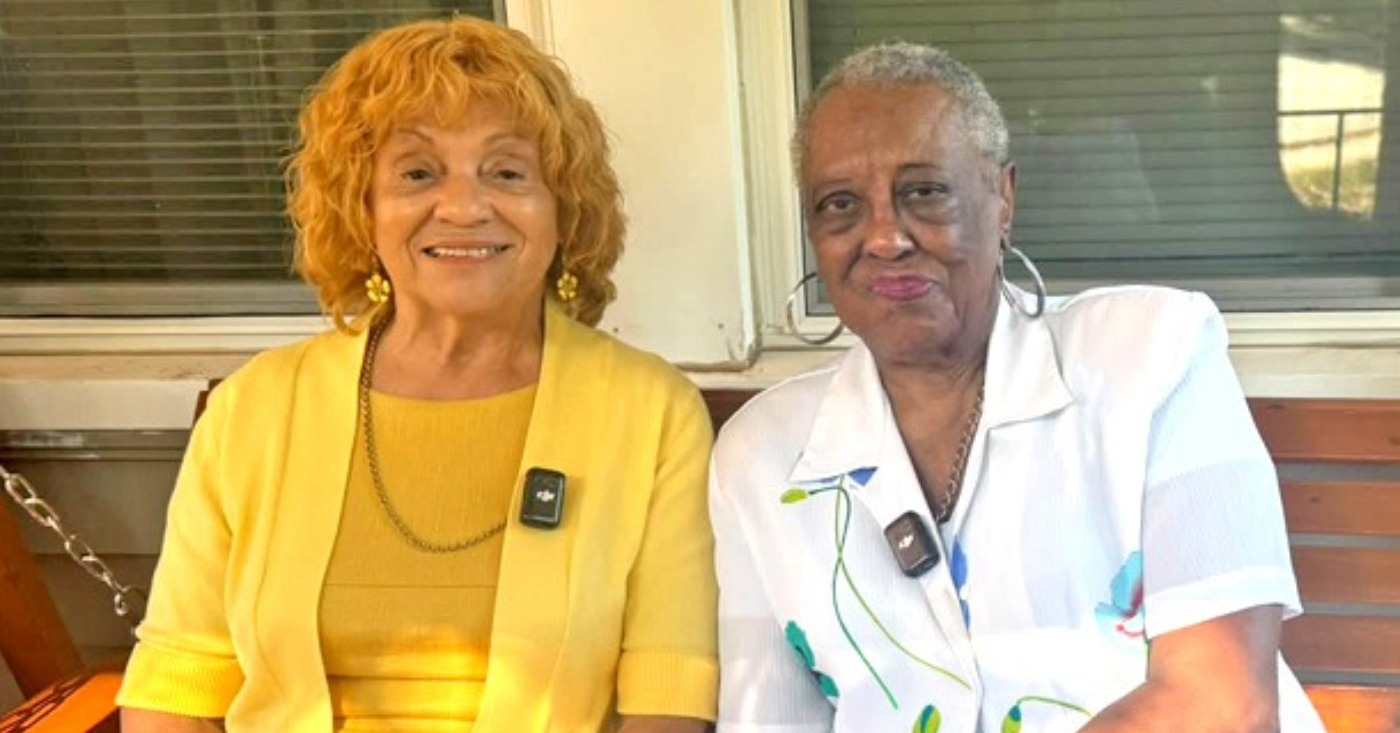
A week of events at UNC Asheville, Mars Hill University, and downtown Asheville.
In 1961, two young women broke the color barrier to become the first African American students at two Western North Carolina colleges: Etta Mae Whitner Patterson at UNC Asheville and Oralene Anderson Graves Simmons at Mars Hill University (then Mars Hill College).
Both women were students at Asheville’s Stephens-Lee High School, where they were members of the Asheville Student Committee on Racial Equality (ASCORE). Through nonviolent protest, ASCORE led efforts to desegregate many Asheville stores and businesses.
Patterson and Simmons, who later founded the Martin Luther King Jr. Association of Asheville and Buncombe County, have since received honorary doctorates from their alma maters in recognition of their achievements and lifelong service to their communities.
To commemorate ASCORE, honor the leadership of Etta Patterson and Oralene Simmons, and mark the 65th anniversary of the desegregation of UNC Asheville and Mars Hill University, UNC Asheville’s Department of History and Mars Hill University’s Liston B. Ramsey Center for Appalachian Studies invite the public to attend “Stories of ASCORE: Lessons in Courage, Desegregation, and Community Activism.”
The program will feature two panel discussions with Drs. Patterson and Simmons, along with other former members of ASCORE. Panelists will discuss how their experiences integrating Asheville’s businesses and institutions prepared them for their college careers, professional lives, and continued community activism.
The first panel discussion will take place at 6 p.m. on Tuesday, November 10, 2026, in the Blue Ridge Room of Highsmith Union at UNC Asheville. The event will feature a presentation by Dr. Patterson and a panel discussion with Dr. Simmons, Marvin Chambers, Jesse Ray, and Al Whitesides. The panel will be moderated by Deborah Miles, retired director of the former UNC Asheville Center for Diversity Education.
This event is sponsored by UNC Asheville’s Department of History and Africana Studies Program, with generous support from King and Pam Prather. A free visitor parking permit is required for the UNC Asheville event. Please visit the university’s parking website for instructions on obtaining a permit for the evening’s program.
The second panel discussion will take place at 5 p.m. on Thursday, November 12, 2026, in the Tony and Terry Floyd Conference Center in the Mars Hill University Campus Center. The event will feature Dr. Simmons, Annette Coleman, and Elizabeth Colton. The panel will be moderated by Jonathan McCoy, professor of history at Mars Hill University.
This event is sponsored by the Liston B. Ramsey Center for Appalachian Studies, with generous support from the university’s Provost’s Office.
In addition, at 12 noon on Wednesday, November 11, 2026, in Pack Square in downtown Asheville, Mayor Esther Manheimer and the Buncombe County Commission Chair will proclaim ASCORE Day and present honors to Etta Patterson and Oralene Simmons. Holly Jones of the North Carolina Governor’s Office will also participate in the ceremony.
For more information, contact Leila Weinstein at Mars Hill University ([email protected]) or Ellen Holmes Pearson at UNC Asheville ([email protected]).
Based on reporting by The Urban News.


Do You Want to Transform a Standard Venue into a Luxury Experience?

Jamal’s Take: Cowboys Escape with a Win Over the Colts

Youth Development: Why Showing Up for Young People Matters #shorts

Building a Legacy: Sharing Lessons for the Next Generation #shorts

Your Car Insurance Could Be Costing You More Than You Think #shorts

A Career Path That Took an Unexpected Turn #shorts

Black Families: Compare Auto Insurance Quotes Every Year #shorts

Black Media in Minnesota: The Community That Kept Us Going #shorts

The Conversation With Al McFarlane: (11/10/2026)

Don’t Pass the Torch. Expand the Circle.

All Skinfolk Ain’t Kinfolk

Practitioners of African Traditional Spirituality Offer Ancestral Reverence Ritual Oct. 31

Tamiko Armstead | 2026 Lifetime Achiever in Education

Oakland Awarded More than $14 Million in State Funding

HISTORY MADE: Keisha Lance Bottoms Becomes First Black Woman Elected Governor in American History

OP-ED: The Black Church Writes AI’s Next Chapter

Inside 820 S. Michigan: New Book Captures the Lost World of Ebony and Jet

OP-ED: If the ‘Cornell 7’ Were Black Men at an HBCU — America Wouldn’t Be This Sympathetic

Jendayi Arrest Raises Community Concerns Regarding Sheriff’s Chain of Command

Kickstarter CEO Everette Taylor Shares Tips on Creating and Growing a Business
Jamal’s Take: Cowboys Escape with a Win Over the Colts
Youth Development: Why Showing Up for Young People Matters #shorts
Building a Legacy: Sharing Lessons for the Next Generation #shorts
Your Car Insurance Could Be Costing You More Than You Think #shorts
A Career Path That Took an Unexpected Turn #shorts
Black Families: Compare Auto Insurance Quotes Every Year #shorts
Black Media in Minnesota: The Community That Kept Us Going #shorts
The Conversation With Al McFarlane: (11/10/2026)

The Power of Transparency in Car Buying

The Chevy Bolt Handles Rough Roads—But How Noisy Is the Cabin? #shorts
-
 Black History6 days ago
HISTORY MADE: Keisha Lance Bottoms Becomes First Black Woman Elected Governor in American History
-

 Featured1 week ago
Multi-Faith Leaders Representing 10 Million People Launch National Anti-Authoritarian Initiative
-
 Black History1 week ago
Christianity’s Racial History
-
 Black History1 week ago
Michael Shiner: The Enslaved Man Who Wrote His Way into American History
-
 Black History1 week ago
Five Hospitals Said No! Who Will Help Annette Henry Recover?
-

 Black History7 days ago
Hundreds of Black Christian Leaders Arriving in Israel for Martin Luther King-Inspired Mission
