
#BuyBlack
Speaking with Kids About Mental Health
JACKSONVILLE FREE PRESS — An international psychologist and licensed marriage and family therapist shares tips on how parents and caregivers can talk to children about their mental health in an age-appropriate way.

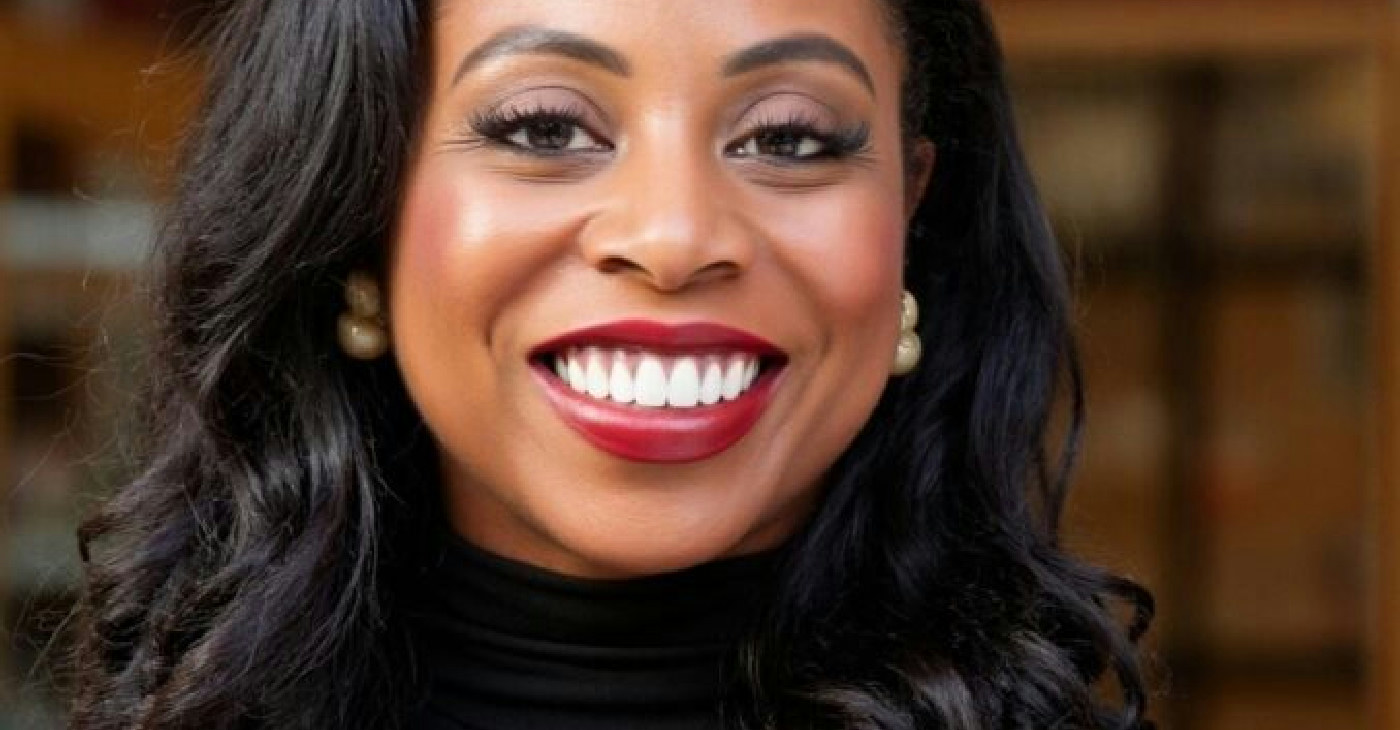
By Dr. Patrice Le Goy, PhD, LMFT, MBA | International Psychologist and Licensed Marriage & Family Therapist | Jacksonville Free Press
When recently speaking to a group of soon-to-be therapists, and one person made the comment that they were afraid to work with kids. They were concerned that they wouldn’t know the right thing to say, that they wouldn’t be able to help, or worse, that they would damage them for life (trust me, it’s unlikely).
But you can imagine that if trained therapists feel anxiety about talking to kids about their mental health, it can be even more difficult for parents and caregivers without this training! I have had the good fortune of working as a school counselor (and being a parent myself), and all the kids have taught me so much, which I’m happy to share with you. Here are some tips about how to talk to kids about their mental health:
- Don’t wait until something is wrong to have a conversation with your child. It is so helpful to have regular conversations about mental health so your child does not feel targeted or defensive when you open up a dialogue.
- Be thoughtful about your approach. This is based on what you know about your child – are they most likely to share at the end of the day or when they first get home from school? Every kid is different, so if you are noticing your child is not engaging in the conversation, maybe table it for a time when you know they will be more enthusiastic about the topic.
- Make sure your conversation is age and developmentally appropriate. Sometimes, as parents, we can go in a different direction than what our child needs. Often, that is based on our own needs or concerns. Address the person in front of you and what they need to understand in a way that can absorb it.
- Tell your child what you are noticing and then check in to see if it is accurate. Don’t assume you know that their behavior is due to a certain issue (such as stress or depression). Notice the outward signs you are seeing and invite them to tell you about the reasons behind those signs.
- Leave the conversation open. Sometimes we get discouraged as parents if you ask your child questions or share with them and you get a 2-3 word answer (does “I’m fine” or “I don’t know” sound familiar?). Remember, you may just be planting the seed for a future conversation. The important thing is that your child knows you are a safe space to have difficult conversations, so when the time comes
If you have relationship or mental health questions, email [email protected].






#BuyBlack
Why Black-Owned Businesses Can’t Afford to Be Invisible to AI
BLACKPRESSUSA NEWSWIRE — Black-owned businesses now have the chance to stand out and earn trust without you spending a lot of money. If you update your content and use it to address the problems your customers face, AI tools are more likely to notice you. Get positive reviews from your loyal customers. Posting these on your pages and engaging with your customers boosts your visibility. Check out more black-owned business growth insights on our page.

By Rob McManus
Many people use AI tools to search for products and services instead of search engines. If Black-owned businesses aren’t easy for AI to find, they end up losing potential customers. Let AI help you gain the trust of people who are considering your business for the first time so your brand can grow.
According to McKinsey & Company, Black Americans run over 3 million businesses across the U.S. It hasn’t always been easy for small businesses owned by Black people to stand out in their communities.
Start using AI to gain a competitive advantage and keep up with how customers find brands now.
How Much Do Black-Owned Businesses Contribute to the Economy?
They generate around $133.7 billion in total sales, as reported by the Department of Small and Local Business Development.
Your business doesn’t need to make a huge amount of revenue to have an impact on the economy. You’re helping others grow by:
- Offering them a job
- Inspiring them to be future entrepreneurs
- Supporting their businesses when they supply you with items
Why Do Black-Owned Businesses Struggle to Survive?
Failing to keep up with technology as it evolves and having limited access to funding. When you first start your business, you’ll probably do most of the work by yourself.
Handling the following tasks without the right tools can be overwhelming:
- Bookkeeping
- Customer service
- Supply chain management
- Marketing
You might find yourself having little time to focus on the things that can actually help your company grow. Set aside time to ask your clients for their feedback. You may struggle with brand visibility if you don’t have reviews to help you earn trust.
Many entrepreneurs start their businesses with savings or get loans from their loved ones. If lenders with good interest rates don’t consider you for loans, you’ll probably end up borrowing from those with high rates. Paying a huge interest reduces your profits over time.
Discovering the Benefits of Staying Visible to AI
Ensure your business shows up in AI searches whenever someone is looking up something related to what you offer. You don’t even need a huge budget to boost digital visibility.
AI Helps Customers Find Your Business Faster
Many shoppers begin searching for products using simple questions. Someone may ask an AI tool to tell them who sells the best scented candles near them.
If a homeowner needs their pipes fixed, they might search for price estimates. You can boost your chances of appearing in AI snippets by:
- Answering the questions customers often ask using your content
- Providing accurate details about your company
- Posting great photos of your products
Don’t just create a simple business website and hope that your potential customers will stumble upon it. When you start using tools like GetNextNet.ai, you’ll be able to see how AI tools see your brand. Tracking your readiness score helps you figure out what you need to improve.
Better Online Presence Builds Trust Before Customers Call
It’s not easy for people to trust a business they’ve never worked with, especially when they want to order something online. You’ll be able to leave great first impressions if you have:
- Clear descriptions for all your services
- Updated business hours
- An active blog with content posted regularly
- Genuine customer testimonials
AI tools scan such things before recommending businesses to users. Avoid just marketing your products on your site. Posting content that also helps customers address the issues they’re facing makes you more trustworthy.
If you own a Black-owned accounting firm, post guides explaining tax deadlines for small businesses. You should give AI more reasons to see you as the best solution.
Once someone visits your page after coming across it in an AI overview or an answer provided by a tool like ChatGPT, your job isn’t done. Ensure your site shows them what to do next so they don’t feel stranded.
Saving Time While Growing Your Online Presence
You’ll keep enjoying the results of AI visibility for longer than you would with traditional marketing campaigns. If you have helpful content on your site, it can help you keep bringing in business for months or even years.
Start simplifying consumer discovery by:
- Creating articles that answer questions customers will continue asking for years
- Reviewing older blog posts to update statistics and links
- Tracking how each post is performing to see what you should invest in
When you use these tips, you will be able to reduce how much you spend on marketing. It’s important to be flexible since customers’ behavior changes frequently.
Frequently Asked Questions
Can AI Recommend Small Businesses Even if They Aren’t National Brands?
Yes. AI doesn’t recommend businesses based only on size or popularity since it mostly looks for:
- Reliable information
- Content that’s relevant to what a user is asking
- Consistent business details
Don’t be discouraged if you’re mostly competing against big businesses. When you position your brand well for AI tools to discover, people might pick you over brands they already know.
How Long Does It Take to Improve AI Visibility?
The results will vary depending on your website and the level of competition. It’s possible to notice a huge difference in just a few weeks after getting new reviews.
AI tools were probably not suggesting your site simply because you didn’t have testimonials they could refer to when checking if your brand is authentic.
Be consistent and know what AI tools reward the most. It will help you grow your visibility faster.
Do Social Media Pages Help AI Understand My Business?
Yes. Your social media profiles can give AI tools more details about your business. Post more often and don’t ignore your customers in the comments.
Responding to them helps you build trust. Use your social media pages to support your website and help you direct more traffic to it.
Enhancing Digital Visibility
Black-owned businesses now have the chance to stand out and earn trust without you spending a lot of money. If you update your content and use it to address the problems your customers face, AI tools are more likely to notice you.
Get positive reviews from your loyal customers. Posting these on your pages and engaging with your customers boosts your visibility. Check out more black-owned business growth insights on our page.
#BuyBlack
What Happened Between Invest Fest and Atlanta? Inside the Controversy and Reconciliation
BLACKPRESSUSA—After public criticism put Earn Your Leisure and Atlanta at odds, Invest Fest founders and Mayor Andre Dickens say new conversations could lead to stronger collaboration and greater community investment.

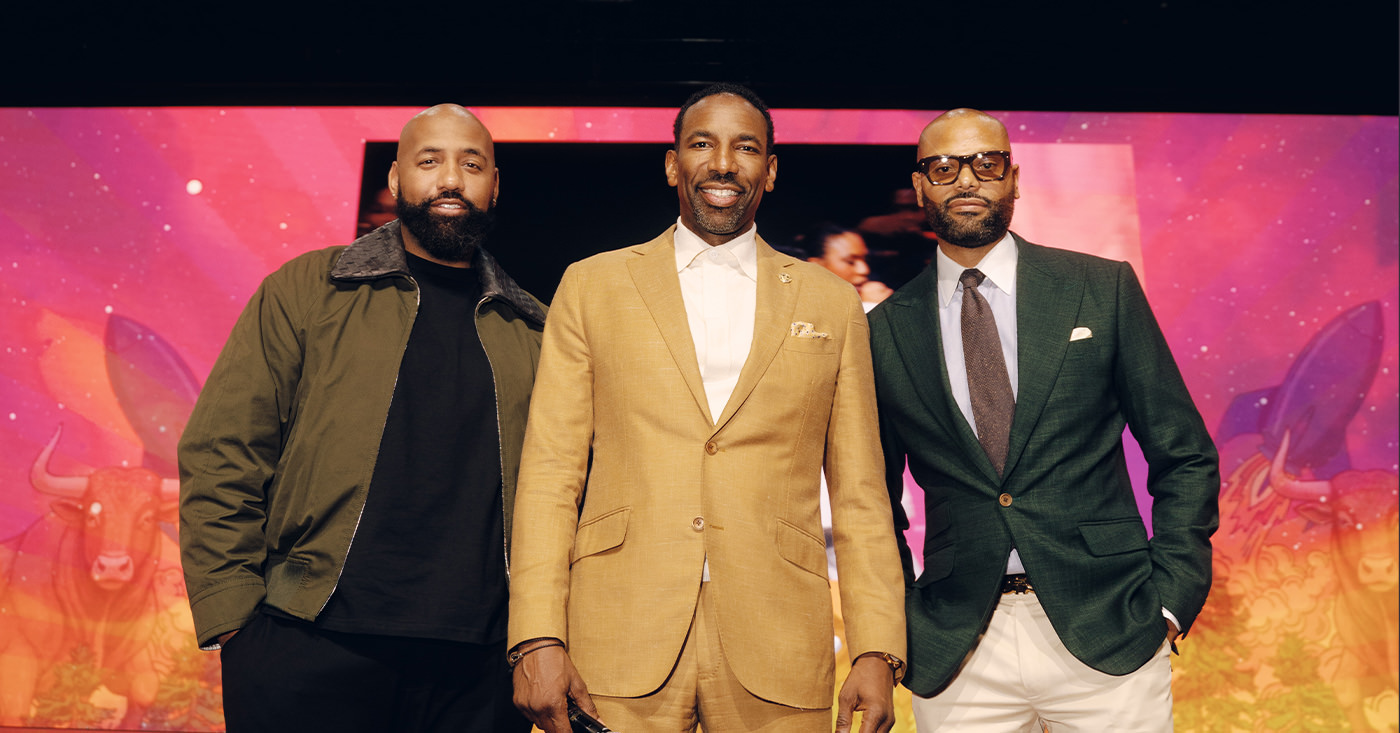
Inside the dispute that put Invest Fest and Atlanta at odds, the conversations are now focused on working together and community investment.
By A.R. Shaw
Just last week, the founders of Earn Your Leisure and the city of Atlanta appeared to have beef.
Over the past six years, Atlanta has hosted Earn Your Leisure’s flagship event, Invest Fest. The three-day conference focuses on financial literacy and previously featured fireside chats with prominent names such as Tyler Perry, Robert Smith, Magic Johnson, and Steve Harvey.
But weeks before the kickoff of the 2026 Invest Fest, EYL co-founders Rashad Bilal and Troy Millings caused a stir following a controversial interview on the Charlamagne the God-led “The Breakfast Club,” where the two shared grievances with the City of Atlanta government.
“Atlanta’s done nothing for us,” Bilal said, referring to the Atlanta city government’s contributions to Invest Fest. “It’s an unfortunate situation. When you work with a city, there’s a budget. They can help put up billboards, be a liaison with the center, they can help with police force, they can help with budget, rooms with hotels.”
Bilal continued, “I think a lot of times when you’re a Black entrepreneur, a lot of things are just expected. They’re like, ‘Oh, you got it, like, you good.’ It’s like if somebody else will come, like a Forbes or somebody like that, they would roll out the red carpet.”
The comment sparked dialogue on social media, specifically among Atlanta natives who questioned EYL’s approach.
Ryan Wilson, owner of The Gathering Spot, provided context on why Invest Fest being held at the Georgia World Congress Center limits the City of Atlanta government in some ways.
“The venue where Invest Fest is held, the Georgia World Congress Center, is controlled by the state, not the city [of Atlanta],” Wilson shared on a social media post. “Every person that is on the board of the Georgia World Congress Center has been appointed by the governor [Brian Kemp], a republican. The only thing that the city receives are sales taxes for the event, but the venue itself is controlled by the state.”
Wilson also encouraged event organizers to develop better relationships with convention boards, the community, and corporate leaders throughout the year.
Atlanta’s Mayor Andre Dickens took a more direct approach when addressing EYL’s initial statement on “The Break Fast Club.”
“Somebody said something on the radio in New York about Atlanta,” Dickens said during a speech at Hank Stewart’s 25th Annual White Linen Affair. “Somebody was talking about support. You know, people talk a lot. The city of Atlanta, we will always look out for ours. This is 25 years. If you support this city, we support you back! So put that on your podcast!”
Bilal and Millings heard the backlash from the mayor and social media users who objected to their interview on “The Breakfast Club.”
I spoke with Millings during the 2026 Invest Fest and shared thoughts on the fallout from the “The Breakfast Club” interview and how the ordeal led to further talks with the mayor’s office.
“I think what you heard was people speaking their truth,” Millings said. “There was some things that were taken out of context, some things that were misunderstood. But I think what we’ve seen since that interview is progressive conversation And so, we spoke to the city officials. We’ve had conversations with corporations in the city of Atlanta about how to make something great. Atlanta is a great place. It’s the reason why Invest Fest works here and has been here for six years, and hopefully that continues.”
On day two of Invest Fest, Millings and Bilal surprised attendees and introduced Mayor Andre Dickens to the main stage. Dickens spoke to the audience and revealed that both sides discussed their issues with each other and came to an agreement.
“We had our necessary conversations this week,” Dickens told the Invest Fest audience. “Atlanta is a special place, it’s a unique place…And as we go forward, me and these brothers, we’re going to talk about 2027 Invest Fest and how we’re going to talk about the developments of investing in the city of Atlanta on the south side.”
Millings provided insight on meeting with Mayor Dickens and how both sides came to a resolution.
“I think what it came down to is a misunderstanding of communication,” Millings said. “But also from our standpoint, we wanted it to feel like Invest Fest was something important. We obviously know that Atlanta is a city that has a lot of events happening. A lot of cultural events happen, and they all feel important. And we just kind of wanted this to feel important because of the economic impact that it has. You have over 30,000 people here, a lot of them are traveling from other places. So, we just wanted it to feel important. We can’t do this without the people of Atlanta who actually work here… It’s not possible without them. I don’t want them to feel excluded because it is important. It’s an important moment, for not just Atlanta, but for the culture.”
How Invest Fest gives back to the Atlanta community became a central discussion topic on social media as some were unclear of how residents in Atlanta benefited from the event. Tickets for a three-day pass at Invest Fest start at $300 and VIP tickets scale above $2,500. During our interview, Millings took a moment to discuss their community efforts in Atlanta.
“What we initiated this year is, ‘how do we give back to our youth,’” Millings said. “So we had 350 students here, over 200 from Atlanta metro schools. They had a full day of curriculum. They had a full day of panels. And breakout sessions. They also had a pitch competition where a student won $15,000 toward their business. So that’s what we’re talking about, giving back to the next generation. But we’re also leaving the curriculum here because financial literacy wasn’t talked about much in schools. So, we’re leaving that impact that can be taught in schools, but can be carried on throughout the school year and in the summer.”
This year’s Invest Fest featured keynote speeches by Serena Williams, Nick Cannon, Steve Harvey, Vic Mensa, and more. It also featured panel discussions on the future of AI, marketing strategies, finance, entrepreneurship, and scaling clothing brands.
Lessons were learned following EYL’s controversial interview with “The Breakfast Club.” But the intense exchanges sparked dialogue that could lead to better community impact and collaboration with the city of Atlanta for years to come.
“Atlanta is a great place. It’s the reason why Invest Fest works here and has been here for six years,” Millings said. “It’s a phenomenal city and a phenomenal event. So the idea is how do we make these two phenomenal things work together and build together and create a more impactful message to the community, but also to the culture. What do we look like when we work together, build together, create together, and build the future for the Next Generation?”
#BuyBlack
Photo Gallery: The Concerts at the 2026 ESSENCE Festival Of Culture® Presented By Coca-Cola®


In this gallery, you will see the following performers: Tevin Campbell, George Clinton, T.I., MC Lyte, Doug E. Fresh, Teedra Moses, Raheem DeVaughn, Marvin Sapp, Too Short, Patti LaBelle, and more.
-

- Tevin Campbell performs onstage during the 2026 ESSENCE Festival Of Culture® Presented By Coca-Cola® at Caesars Superdome on July 5, 2026 in New Orleans, Louisiana. (Photo: Itoro N. Umontuen/Black Press USA)
-

- Mc Lyte performs onstage during the 2026 ESSENCE Festival Of Culture® Presented By Coca-Cola® at Caesars Superdome on July 5, 2026 in New Orleans, Louisiana. (Photo: Itoro N. Umontuen/Black Press USA)
-

- Doug E. Fresh performs onstage during the 2026 ESSENCE Festival Of Culture® Presented By Coca-Cola® at Caesars Superdome on July 5, 2026 in New Orleans, Louisiana. (Photo: Itoro N. Umontuen/Black Press USA)
-

- Marvin Sapp performs onstage during the 2026 ESSENCE Festival Of Culture® Presented By Coca-Cola® at Caesars Superdome on July 5, 2026 in New Orleans, Louisiana. (Photo: Itoro N. Umontuen/Black Press USA)
-

- Mc Lyte performs onstage during the 2026 ESSENCE Festival Of Culture® Presented By Coca-Cola® at Caesars Superdome on July 5, 2026 in New Orleans, Louisiana. (Photo: Itoro N. Umontuen/Black Press USA)
-

- Doug E. Fresh performs onstage during the 2026 ESSENCE Festival Of Culture® Presented By Coca-Cola® at Caesars Superdome on July 5, 2026 in New Orleans, Louisiana. (Photo: Itoro N. Umontuen/Black Press USA)
-

- Mc Lyte performs onstage during the 2026 ESSENCE Festival Of Culture® Presented By Coca-Cola® at Caesars Superdome on July 5, 2026 in New Orleans, Louisiana. (Photo: Itoro N. Umontuen/Black Press USA)
-

- Mc Lyte performs onstage during the 2026 ESSENCE Festival Of Culture® Presented By Coca-Cola® at Caesars Superdome on July 5, 2026 in New Orleans, Louisiana. (Photo: Itoro N. Umontuen/Black Press USA)
-

- Tevin Campbell performs onstage during the 2026 ESSENCE Festival Of Culture® Presented By Coca-Cola® at Caesars Superdome on July 5, 2026 in New Orleans, Louisiana. (Photo: Itoro N. Umontuen/Black Press USA)
-

- Scarface performs onstage during the 2026 ESSENCE Festival Of Culture® Presented By Coca-Cola® at Caesars Superdome on July 5, 2026 in New Orleans, Louisiana. (Photo: Itoro N. Umontuen/Black Press USA)
-

- Tevin Campbell performs onstage during the 2026 ESSENCE Festival Of Culture® Presented By Coca-Cola® at Caesars Superdome on July 5, 2026 in New Orleans, Louisiana. (Photo: Itoro N. Umontuen/Black Press USA)
-

- DJ D-Nice captures photos during the 2026 ESSENCE Festival Of Culture® Presented By Coca-Cola® at the Caesars Superdome on July 5, 2026 in New Orleans, Louisiana. (Photo: Itoro N. Umontuen/Black Press USA)
-

- Mc Lyte performs onstage during the 2026 ESSENCE Festival Of Culture® Presented By Coca-Cola® at Caesars Superdome on July 5, 2026 in New Orleans, Louisiana. (Photo: Itoro N. Umontuen/Black Press USA)
-

- Mc Lyte performs onstage during the 2026 ESSENCE Festival Of Culture® Presented By Coca-Cola® at Caesars Superdome on July 5, 2026 in New Orleans, Louisiana. (Photo: Itoro N. Umontuen/Black Press USA)
-

- Tevin Campbell performs onstage during the 2026 ESSENCE Festival Of Culture® Presented By Coca-Cola® at Caesars Superdome on July 5, 2026 in New Orleans, Louisiana. (Photo: Itoro N. Umontuen/Black Press USA)
-

- Mc Lyte performs onstage during the 2026 ESSENCE Festival Of Culture® Presented By Coca-Cola® at Caesars Superdome on July 5, 2026 in New Orleans, Louisiana. (Photo: Itoro N. Umontuen/Black Press USA)
-

- Scarface performs onstage during the 2026 ESSENCE Festival Of Culture® Presented By Coca-Cola® at Caesars Superdome on July 5, 2026 in New Orleans, Louisiana. (Photo: Itoro N. Umontuen/Black Press USA)
-

- T.I. performs on stage during the 2026 ESSENCE Festival of Culture at Caesars Superdome on July 5, 2026 in New Orleans, Louisiana. (Photo: Itoro N. Umontuen/Black Press USA)
-

- Scarface performs onstage during the 2026 ESSENCE Festival Of Culture® Presented By Coca-Cola® at Caesars Superdome on July 5, 2026 in New Orleans, Louisiana. (Photo: Itoro N. Umontuen/Black Press USA)
-

- Scarface performs onstage during the 2026 ESSENCE Festival Of Culture® Presented By Coca-Cola® at Caesars Superdome on July 5, 2026 in New Orleans, Louisiana. (Photo: Itoro N. Umontuen/Black Press USA)
-

- Marvin Sapp performs onstage during the 2026 ESSENCE Festival Of Culture® Presented By Coca-Cola® at Caesars Superdome on July 5, 2026 in New Orleans, Louisiana. (Photo: Itoro N. Umontuen/Black Press USA)
-

- DJ D-Nice poses for photographs during the 2026 ESSENCE Festival Of Culture® Presented By Coca-Cola® at the Caesars Superdome on July 5, 2026 in New Orleans, Louisiana. (Photo: Itoro N. Umontuen/Black Press USA)
-

- Marvin Sapp performs onstage during the 2026 ESSENCE Festival Of Culture® Presented By Coca-Cola® at Caesars Superdome on July 5, 2026 in New Orleans, Louisiana. (Photo: Itoro N. Umontuen/Black Press USA)
-

- Tevin Campbell performs onstage during the 2026 ESSENCE Festival Of Culture® Presented By Coca-Cola® at Caesars Superdome on July 5, 2026 in New Orleans, Louisiana. (Photo: Itoro N. Umontuen/Black Press USA)
-

- Scarface performs onstage during the 2026 ESSENCE Festival Of Culture® Presented By Coca-Cola® at Caesars Superdome on July 5, 2026 in New Orleans, Louisiana. (Photo: Itoro N. Umontuen/Black Press USA)
-

- T.I. performs on stage during the 2026 ESSENCE Festival of Culture at Caesars Superdome on July 5, 2026 in New Orleans, Louisiana. (Photo: Itoro N. Umontuen/Black Press USA)
-

- T.I. performs on stage during the 2026 ESSENCE Festival of Culture at Caesars Superdome on July 5, 2026 in New Orleans, Louisiana. (Photo: Itoro N. Umontuen/Black Press USA)
-

- DJ D-Nice poses for photographs during the 2026 ESSENCE Festival Of Culture® Presented By Coca-Cola® at the Caesars Superdome on July 5, 2026 in New Orleans, Louisiana. (Photo: Itoro N. Umontuen/Black Press USA)
-

- T.I. performs on stage during the 2026 ESSENCE Festival of Culture at Caesars Superdome on July 5, 2026 in New Orleans, Louisiana. (Photo: Itoro N. Umontuen/Black Press USA)
-

- Marvin Sapp performs onstage during the 2026 ESSENCE Festival Of Culture® Presented By Coca-Cola® at Caesars Superdome on July 5, 2026 in New Orleans, Louisiana. (Photo: Itoro N. Umontuen/Black Press USA)
-

- Lance Gross poses for photographs during the 2026 ESSENCE Festival Of Culture® Presented By Coca-Cola® at the Caesars Superdome on July 5, 2026 in New Orleans, Louisiana. (Photo: Itoro N. Umontuen/Black Press USA)
-

- Tevin Campbell performs onstage during the 2026 ESSENCE Festival Of Culture® Presented By Coca-Cola® at Caesars Superdome on July 5, 2026 in New Orleans, Louisiana. (Photo: Itoro N. Umontuen/Black Press USA)
-

- Reecie Colbert appears during the 2026 ESSENCE Festival Of Culture® Presented By Coca-Cola® at Caesars Superdome on July 5, 2026 in New Orleans, Louisiana. (Photo: Itoro N. Umontuen/Black Press USA)
-

- T.I. performs on stage during the 2026 ESSENCE Festival of Culture at Caesars Superdome on July 5, 2026 in New Orleans, Louisiana. (Photo: Itoro N. Umontuen/Black Press USA)
-

- T.I. performs on stage during the 2026 ESSENCE Festival of Culture at Caesars Superdome on July 5, 2026 in New Orleans, Louisiana. (Photo: Itoro N. Umontuen/Black Press USA)
-

- A genreal view of the Caesars Superdome as George Clinton and Prliament Funkadelic perform onstage during the 2026 ESSENCE Festival Of Culture® Presented By Coca-Cola® in New Orleans, Louisiana. (Photo: Itoro N. Umontuen/Black Press USA)
-

- T.I. performs on stage during the 2026 ESSENCE Festival of Culture at Caesars Superdome on July 5, 2026 in New Orleans, Louisiana. (Photo: Itoro N. Umontuen/Black Press USA)
-

- Doug E. Fresh performs onstage during the 2026 ESSENCE Festival Of Culture® Presented By Coca-Cola® at Caesars Superdome on July 5, 2026 in New Orleans, Louisiana. (Photo: Itoro N. Umontuen/Black Press USA)
-

- T.I. performs on stage during the 2026 ESSENCE Festival of Culture at Caesars Superdome on July 5, 2026 in New Orleans, Louisiana. (Photo: Itoro N. Umontuen/Black Press USA)
-

- T.I. performs on stage during the 2026 ESSENCE Festival of Culture at Caesars Superdome on July 5, 2026 in New Orleans, Louisiana. (Photo: Itoro N. Umontuen/Black Press USA)
-

- Marvin Sapp performs onstage during the 2026 ESSENCE Festival Of Culture® Presented By Coca-Cola® at Caesars Superdome on July 5, 2026 in New Orleans, Louisiana. (Photo: Itoro N. Umontuen/Black Press USA)
-

- Sherri Shepherd appears in the press room during the 2026 ESSENCE Festival Of Culture® Presented By Coca-Cola® at the Caesars Superdome on July 5, 2026 in New Orleans, Louisiana. (Photo: Itoro N. Umontuen/Black Press USA)
-

- T.I. performs on stage during the 2026 ESSENCE Festival of Culture at Caesars Superdome on July 5, 2026 in New Orleans, Louisiana. (Photo: Itoro N. Umontuen/Black Press USA)
-

- T.I. performs on stage during the 2026 ESSENCE Festival of Culture at Caesars Superdome on July 5, 2026 in New Orleans, Louisiana. (Photo: Itoro N. Umontuen/Black Press USA)
-

- DJ D-Nice captures photos during the 2026 ESSENCE Festival Of Culture® Presented By Coca-Cola® at the Caesars Superdome on July 5, 2026 in New Orleans, Louisiana. (Photo: Itoro N. Umontuen/Black Press USA)
-

- Sherri Shepherd appears in the press room during the 2026 ESSENCE Festival Of Culture® Presented By Coca-Cola® at the Caesars Superdome on July 5, 2026 in New Orleans, Louisiana. (Photo: Itoro N. Umontuen/Black Press USA)
-

- T.I. performs on stage during the 2026 ESSENCE Festival of Culture at Caesars Superdome on July 5, 2026 in New Orleans, Louisiana. (Photo: Itoro N. Umontuen/Black Press USA)
-

- T.I. performs on stage during the 2026 ESSENCE Festival of Culture at Caesars Superdome on July 5, 2026 in New Orleans, Louisiana. (Photo: Itoro N. Umontuen/Black Press USA)
-

- Doug E. Fresh performs onstage during the 2026 ESSENCE Festival Of Culture® Presented By Coca-Cola® at Caesars Superdome on July 5, 2026 in New Orleans, Louisiana. (Photo: Itoro N. Umontuen/Black Press USA)
-

- T.I. performs on stage during the 2026 ESSENCE Festival of Culture at Caesars Superdome on July 5, 2026 in New Orleans, Louisiana. (Photo: Itoro N. Umontuen/Black Press USA)
-

- T.I. performs on stage during the 2026 ESSENCE Festival of Culture at Caesars Superdome on July 5, 2026 in New Orleans, Louisiana. (Photo: Itoro N. Umontuen/Black Press USA)
-

- T.I. performs on stage during the 2026 ESSENCE Festival of Culture at Caesars Superdome on July 5, 2026 in New Orleans, Louisiana. (Photo: Itoro N. Umontuen/Black Press USA)
-

- T.I. performs on stage during the 2026 ESSENCE Festival of Culture at Caesars Superdome on July 5, 2026 in New Orleans, Louisiana. (Photo: Itoro N. Umontuen/Black Press USA)
-

- T.I. performs on stage during the 2026 ESSENCE Festival of Culture at Caesars Superdome on July 5, 2026 in New Orleans, Louisiana. (Photo: Itoro N. Umontuen/Black Press USA)
-

- Lance Gross poses for photographs during the 2026 ESSENCE Festival Of Culture® Presented By Coca-Cola® at the Caesars Superdome on July 5, 2026 in New Orleans, Louisiana. (Photo: Itoro N. Umontuen/Black Press USA)
-

- Lance Gross poses for photographs during the 2026 ESSENCE Festival Of Culture® Presented By Coca-Cola® at the Caesars Superdome on July 5, 2026 in New Orleans, Louisiana. (Photo: Itoro N. Umontuen/Black Press USA)
-

- T.I. performs on stage during the 2026 ESSENCE Festival of Culture at Caesars Superdome on July 5, 2026 in New Orleans, Louisiana. (Photo: Itoro N. Umontuen/Black Press USA)
-

- T.I. performs on stage during the 2026 ESSENCE Festival of Culture at Caesars Superdome on July 5, 2026 in New Orleans, Louisiana. (Photo: Itoro N. Umontuen/Black Press USA)
-

- T.I. performs on stage during the 2026 ESSENCE Festival of Culture at Caesars Superdome on July 5, 2026 in New Orleans, Louisiana. (Photo: Itoro N. Umontuen/Black Press USA)
-

- T.I. performs on stage during the 2026 ESSENCE Festival of Culture at Caesars Superdome on July 5, 2026 in New Orleans, Louisiana. (Photo: Itoro N. Umontuen/Black Press USA)
-

- A genreal view of the Caesars Superdome as George Clinton and Prliament Funkadelic perform onstage during the 2026 ESSENCE Festival Of Culture® Presented By Coca-Cola® in New Orleans, Louisiana. (Photo: Itoro N. Umontuen/Black Press USA)
-

- T.I. performs on stage during the 2026 ESSENCE Festival of Culture at Caesars Superdome on July 5, 2026 in New Orleans, Louisiana. (Photo: Itoro N. Umontuen/Black Press USA)
-

- Tevin Campbell performs onstage during the 2026 ESSENCE Festival Of Culture® Presented By Coca-Cola® at Caesars Superdome on July 5, 2026 in New Orleans, Louisiana. (Photo: Itoro N. Umontuen/Black Press USA)
-

- Lance Gross poses for photographs during the 2026 ESSENCE Festival Of Culture® Presented By Coca-Cola® at the Caesars Superdome on July 5, 2026 in New Orleans, Louisiana. (Photo: Itoro N. Umontuen/Black Press USA)

-

- Reecie Colbert appears during the 2026 ESSENCE Festival Of Culture® Presented By Coca-Cola® at Caesars Superdome on July 5, 2026 in New Orleans, Louisiana. (Photo: Itoro N. Umontuen/Black Press USA)

-

- Reecie Colbert appears during the 2026 ESSENCE Festival Of Culture® Presented By Coca-Cola® at Caesars Superdome on July 5, 2026 in New Orleans, Louisiana. (Photo: Itoro N. Umontuen/Black Press USA)
-

- Reecie Colbert appears during the 2026 ESSENCE Festival Of Culture® Presented By Coca-Cola® at Caesars Superdome on July 4, 2026 in New Orleans, Louisiana. (Photo: Itoro N. Umontuen/Black Press USA)
-

- Kenny Burns and Sherri Shepherd emcee onstage during the 2026 ESSENCE Festival Of Culture® Presented By Coca-Cola® at the Caesars Superdome on July 4, 2026 in New Orleans, Louisiana. (Photo: Itoro N. Umontuen/Black Press USA)
-

- Kenny Burns and Sherri Shepherd emcee onstage during the 2026 ESSENCE Festival Of Culture® Presented By Coca-Cola® at the Caesars Superdome on July 4, 2026 in New Orleans, Louisiana. (Photo: Itoro N. Umontuen/Black Press USA)
-

- Kenny Burns and Sherri Shepherd emcee onstage during the 2026 ESSENCE Festival Of Culture® Presented By Coca-Cola® at the Caesars Superdome on July 4, 2026 in New Orleans, Louisiana. (Photo: Itoro N. Umontuen/Black Press USA)
-

- Kenny Burns and Sherri Shepherd emcee onstage during the 2026 ESSENCE Festival Of Culture® Presented By Coca-Cola® at the Caesars Superdome on July 4, 2026 in New Orleans, Louisiana. (Photo: Itoro N. Umontuen/Black Press USA)
-

- Kenny Burns and Sherri Shepherd emcee onstage during the 2026 ESSENCE Festival Of Culture® Presented By Coca-Cola® at the Caesars Superdome on July 4, 2026 in New Orleans, Louisiana. (Photo: Itoro N. Umontuen/Black Press USA)
-

- Kenny Burns and Sherri Shepherd emcee onstage during the 2026 ESSENCE Festival Of Culture® Presented By Coca-Cola® at the Caesars Superdome on July 4, 2026 in New Orleans, Louisiana. (Photo: Itoro N. Umontuen/Black Press USA)
-

- Patti LaBelle performs onstage during 2026 ESSENCE Festival Of Culture® Presented By Coca-Cola® at Caesars Superdome on July 4, 2026 in New Orleans, Louisiana. (Photo: Itoro N. Umontuen/Black Press USA)
-

- Patti LaBelle performs onstage during 2026 ESSENCE Festival Of Culture® Presented By Coca-Cola® at Caesars Superdome on July 4, 2026 in New Orleans, Louisiana. (Photo: Itoro N. Umontuen/Black Press USA)
-

- Patti LaBelle performs onstage during 2026 ESSENCE Festival Of Culture® Presented By Coca-Cola® at Caesars Superdome on July 4, 2026 in New Orleans, Louisiana. (Photo: Itoro N. Umontuen/Black Press USA)
-

- Patti LaBelle performs onstage during 2026 ESSENCE Festival Of Culture® Presented By Coca-Cola® at Caesars Superdome on July 4, 2026 in New Orleans, Louisiana. (Photo: Itoro N. Umontuen/Black Press USA)
-

- Patti LaBelle performs onstage during 2026 ESSENCE Festival Of Culture® Presented By Coca-Cola® at Caesars Superdome on July 4, 2026 in New Orleans, Louisiana. (Photo: Itoro N. Umontuen/Black Press USA)
-

- Patti LaBelle performs onstage during 2026 ESSENCE Festival Of Culture® Presented By Coca-Cola® at Caesars Superdome on July 4, 2026 in New Orleans, Louisiana. (Photo: Itoro N. Umontuen/Black Press USA)
-

- Patti LaBelle performs onstage during 2026 ESSENCE Festival Of Culture® Presented By Coca-Cola® at Caesars Superdome on July 4, 2026 in New Orleans, Louisiana. (Photo: Itoro N. Umontuen/Black Press USA)
-

- Patti LaBelle performs onstage during 2026 ESSENCE Festival Of Culture® Presented By Coca-Cola® at Caesars Superdome on July 4, 2026 in New Orleans, Louisiana. (Photo: Itoro N. Umontuen/Black Press USA)
-

- Patti LaBelle performs onstage during 2026 ESSENCE Festival Of Culture® Presented By Coca-Cola® at Caesars Superdome on July 4, 2026 in New Orleans, Louisiana. (Photo: Itoro N. Umontuen/Black Press USA)
-

- Patti LaBelle performs onstage during 2026 ESSENCE Festival Of Culture® Presented By Coca-Cola® at Caesars Superdome on July 4, 2026 in New Orleans, Louisiana. (Photo: Itoro N. Umontuen/Black Press USA)
-

- Patti LaBelle performs onstage during 2026 ESSENCE Festival Of Culture® Presented By Coca-Cola® at Caesars Superdome on July 4, 2026 in New Orleans, Louisiana. (Photo: Itoro N. Umontuen/Black Press USA)
-

- Patti LaBelle performs onstage during 2026 ESSENCE Festival Of Culture® Presented By Coca-Cola® at Caesars Superdome on July 4, 2026 in New Orleans, Louisiana. (Photo: Itoro N. Umontuen/Black Press USA)
-

- Patti LaBelle performs onstage during 2026 ESSENCE Festival Of Culture® Presented By Coca-Cola® at Caesars Superdome on July 4, 2026 in New Orleans, Louisiana. (Photo: Itoro N. Umontuen/Black Press USA)
-

- Patti LaBelle performs onstage during 2026 ESSENCE Festival Of Culture® Presented By Coca-Cola® at Caesars Superdome on July 4, 2026 in New Orleans, Louisiana. (Photo: Itoro N. Umontuen/Black Press USA)
-

- Patti LaBelle performs onstage during 2026 ESSENCE Festival Of Culture® Presented By Coca-Cola® at Caesars Superdome on July 4, 2026 in New Orleans, Louisiana. (Photo: Itoro N. Umontuen/Black Press USA)
-

- Patti LaBelle performs onstage during 2026 ESSENCE Festival Of Culture® Presented By Coca-Cola® at Caesars Superdome on July 4, 2026 in New Orleans, Louisiana. (Photo: Itoro N. Umontuen/Black Press USA)
-

- Patti LaBelle performs onstage during 2026 ESSENCE Festival Of Culture® Presented By Coca-Cola® at Caesars Superdome on July 4, 2026 in New Orleans, Louisiana. (Photo: Itoro N. Umontuen/Black Press USA)
-

- Josh Levi speaks in the press room during 2026 ESSENCE Festival Of Culture® Presented By Coca-Cola® at Caesars Superdome on July 4, 2026 in New Orleans, Louisiana. (Photo: Itoro N. Umontuen/Black Press USA)
-

- Josh Levi speaks in the press room during 2026 ESSENCE Festival Of Culture® Presented By Coca-Cola® at Caesars Superdome on July 4, 2026 in New Orleans, Louisiana. (Photo: Itoro N. Umontuen/Black Press USA)
-

- Leon Thomas performs onstage during 2026 ESSENCE Festival Of Culture® Presented By Coca-Cola® at Caesars Superdome on July 4, 2026 in New Orleans, Louisiana. (Photo: Itoro N. Umontuen/Black Press USA)
-

- Josh Levi performs onstage during 2026 ESSENCE Festival Of Culture® Presented By Coca-Cola® at Caesars Superdome on July 4, 2026 in New Orleans, Louisiana. (Photo: Itoro N. Umontuen/Black Press USA)
-

- Josh Levi performs onstage during 2026 ESSENCE Festival Of Culture® Presented By Coca-Cola® at Caesars Superdome on July 4, 2026 in New Orleans, Louisiana. (Photo: Itoro N. Umontuen/Black Press USA)
-

- Leon Thomas performs onstage during 2026 ESSENCE Festival Of Culture® Presented By Coca-Cola® at Caesars Superdome on July 4, 2026 in New Orleans, Louisiana. (Photo: Itoro N. Umontuen/Black Press USA)
-

- A fan reveling in America’s 250th birthday attends the concert during the 2026 ESSENCE Festival Of Culture® Presented By Coca-Cola® at Caesars Superdome on July 4, 2026 in New Orleans, Louisiana. (Photo: Itoro N. Umontuen/Black Press USA)
-

- Leon Thomas performs onstage during 2026 ESSENCE Festival Of Culture® Presented By Coca-Cola® at Caesars Superdome on July 4, 2026 in New Orleans, Louisiana. (Photo: Itoro N. Umontuen/Black Press USA)
-

- Leon Thomas performs onstage during 2026 ESSENCE Festival Of Culture® Presented By Coca-Cola® at Caesars Superdome on July 4, 2026 in New Orleans, Louisiana. (Photo: Itoro N. Umontuen/Black Press USA)
-

- Leon Thomas performs onstage during 2026 ESSENCE Festival Of Culture® Presented By Coca-Cola® at Caesars Superdome on July 4, 2026 in New Orleans, Louisiana. (Photo: Itoro N. Umontuen/Black Press USA)
-

- Leon Thomas performs onstage during 2026 ESSENCE Festival Of Culture® Presented By Coca-Cola® at Caesars Superdome on July 4, 2026 in New Orleans, Louisiana. (Photo: Itoro N. Umontuen/Black Press USA)
-

- Leon Thomas performs onstage during 2026 ESSENCE Festival Of Culture® Presented By Coca-Cola® at Caesars Superdome on July 4, 2026 in New Orleans, Louisiana. (Photo: Itoro N. Umontuen/Black Press USA)
-

- Leon Thomas performs onstage during 2026 ESSENCE Festival Of Culture® Presented By Coca-Cola® at Caesars Superdome on July 4, 2026 in New Orleans, Louisiana. (Photo: Itoro N. Umontuen/Black Press USA)
-

- Leon Thomas performs onstage during 2026 ESSENCE Festival Of Culture® Presented By Coca-Cola® at Caesars Superdome on July 4, 2026 in New Orleans, Louisiana. (Photo: Itoro N. Umontuen/Black Press USA)
-

- Leon Thomas performs onstage during 2026 ESSENCE Festival Of Culture® Presented By Coca-Cola® at Caesars Superdome on July 4, 2026 in New Orleans, Louisiana. (Photo: Itoro N. Umontuen/Black Press USA)
-

- Leon Thomas performs onstage during 2026 ESSENCE Festival Of Culture® Presented By Coca-Cola® at Caesars Superdome on July 4, 2026 in New Orleans, Louisiana. (Photo: Itoro N. Umontuen/Black Press USA)
-

- Leon Thomas performs onstage during 2026 ESSENCE Festival Of Culture® Presented By Coca-Cola® at Caesars Superdome on July 4, 2026 in New Orleans, Louisiana. (Photo: Itoro N. Umontuen/Black Press USA)
-

- Leon Thomas performs onstage during 2026 ESSENCE Festival Of Culture® Presented By Coca-Cola® at Caesars Superdome on July 4, 2026 in New Orleans, Louisiana. (Photo: Itoro N. Umontuen/Black Press USA)
-

- Leon Thomas performs onstage during 2026 ESSENCE Festival Of Culture® Presented By Coca-Cola® at Caesars Superdome on July 4, 2026 in New Orleans, Louisiana. (Photo: Itoro N. Umontuen/Black Press USA)
-

- Leon Thomas performs onstage during 2026 ESSENCE Festival Of Culture® Presented By Coca-Cola® at Caesars Superdome on July 4, 2026 in New Orleans, Louisiana. (Photo: Itoro N. Umontuen/Black Press USA)
#BuyBlack
What Insurance Adjusters Don’t Want You to Do After a Car Accident
BLACKPRESSUSA NEWSWIRE — YouGov Data shows that 50% of U.S. vehicle owners have made at least one car insurance claim. Additionally, the YouGov data indicates that those individuals who drive more often are more likely to submit a claim. As stated earlier, this clearly illustrates how frequent motor vehicle accidents and subsequent auto claims occur.

Small errors can cost you big after a car accident. Know the steps insurance adjusters hope you’ll skip so you can preserve evidence and maximize your claim.
By Amy Kang
You want to protect yourself and your claim when you’ve been involved in a car accident. Insurance adjusters will typically never ask you to preserve evidence, seek medical attention, or delay accepting a settlement. Taking the right steps will allow you to receive fair compensation for damages related to your car accident and could prevent you from making costly mistakes.
YouGov Data shows that 50% of U.S. vehicle owners have made at least one car insurance claim. Additionally, the YouGov data indicates that those individuals who drive more often are more likely to submit a claim. As stated earlier, this clearly illustrates how frequent motor vehicle accidents and subsequent auto claims occur.
Therefore, since motor vehicle collisions occur frequently, all drivers should understand the proper procedures to perform immediately following such events. Your actions over the next few hours and days following the accident can impact your health, financial status, and ultimately, your ability to collect on an insurance claim.
Understanding the correct processes and avoiding common errors can assist you in protecting your rights.
What Should You Do Immediately After an Automobile Accident?
Determine whether anyone has been injured. If anyone has been injured, call 911. If possible, relocate to a secure location and contact local law enforcement to prepare a formal police report.
Seek medical attention regardless of how you feel. Even though many individuals believe they are unharmed from an automobile accident injury, there are times when such injuries may not present themselves until later.
Receiving medical treatment early will create documentation of your injuries, which can be used in establishing liability for your car accident injury claim.
How Long Must You Wait Before Filing an Auto Insurance Claim?
The statute of limitations varies by state and the automobile insurance contract. Typically, it is advisable to notify your insurance carrier as soon as possible after the accident.
If you are uncertain regarding statutes of limitation relating to filing an automobile claim with your insurance provider, consult with them and/or lawyers for auto accidents. Acting promptly will assist in safeguarding your rights.
Preserving Important Evidence Helps Protect Your Auto Accident Injury Claim
Following a serious automobile collision, emergency services personnel typically respond to assist those with injuries and document significant elements related to the collision. The response team documents the area where the incident occurred and assesses injuries sustained during the collision. You can even expect them to collect data based on standardized protocols.
Therefore, it is recommended that evidence gathering occur through trained professionals. The trained professionals are people or entities like emergency services and police officers. Do this rather than solely relying on the insurance company to gather accurate, unbiased records.
Don’t Disassemble/Repair Damaged Items Before You Adequately Document Them
Injuries suffered during a car accident, whether physical or otherwise, can cause significant property damage. Don’t dispose of anything until all of the damage has been documented. This includes:
- Vehicle damage photos
- Repair quotes
- Towing receipt/document
- Photographs of damaged personal items
These types of documents can aid in substantiating an individual’s request for financial compensation.
Keep Your Medical Records Up to Date and Accurate
The medical records you accumulate from seeing doctors can help to show the causal relationship between your injuries and the car accident. Your personal injury lawyer will need them to effectively illustrate the severity of the damages caused by the wreck.
If you are experiencing persistent symptoms, you need to act quickly. For instance, some people ask, “How long does neck pain last after a car accident?” The answer to this question may enable you to determine whether continuing treatment and documentation will help to support your claim.
Beware of Statements and Decisions That Can Reduce Your Payment
Here are some things to consider when deciding whether to give a recorded statement:
- Only talk about the things you know.
- You cannot speculate on any part of the accident.
- Look over anything given to you by the other parties involved prior to answering their questions.
- If there is something you do not know, ask them to explain it again.
A good auto accident attorney can guide you as to what to expect from your rights while giving a recorded statement.
Think Thoroughly Before Agreeing to Settle
There is no need to agree to a settlement right away. Many accidents have long-term consequences that may take several weeks or even months to show up. This includes medical bills, lost wages, and future treatment costs.
Frequently Asked Questions
Can Weather Impact How Your Insurance Company Handles Your Claim?
Yes. Rainy weather, poor lighting in foggy conditions, or poor driving on an icy road can impact who is at fault.
What Happens If the Other Driver Is Not Insured?
You could have assistance through your own Insurance. “Uninsured motorist protection” can pay for damages and injuries due to another driver who does not carry liability Insurance.
Will What You Said to Your Friends Help Your Case?
Yes. What passengers tell about the wreck (how fast the cars were going or whether or not either car made a stop sign/stop light) can provide evidence supporting your account of what occurred.
Can Posts and Pictures on Facebook or Twitter Harm Your Case?
Yes. Photographs and comments on social media can both be used against you when determining if you suffered injuries from the crash.
Why Do Insurance Companies Ask So Many Questions on Claim Forms?
They do it to gather information and compare the data provided. Small discrepancies within the information provided could potentially cause issues.
Can You Seek Compensation for Injuries You Developed After the Accident?
Yes. There are instances where injuries do not develop immediately after being involved in an accident.
Protect Your Right to Fair Compensation After a Car Accident
Being involved in a car accident is traumatic enough on its own. But luckily, there are many things you can do to ensure that the process goes as smoothly as possible. Each of these steps will help to protect your claim for money damages and increase the likelihood that you receive what you deserve.
Support trusted reporting that will help Black drivers and families learn about their rights related to accident incidents and other important consumer protection issues.
#BuyBlack
Cashless Payment Systems are the Boring Move Every Black Shop Needs
BLACKPRESSUSA NEWSWIRE — If your business only uses cash, it is very hard for you to receive loans from moneylenders. Cashless payment systems allow lenders to verify the sales history of your enterprise. This can help them decide to allow or reject your loan request.

By Amy Kang
Silently guard your small shop’s revenue with the understated cashless payment systems. Do not let that card-and-phone sale miss your counter. If you want to grow your black-owned business, this clean record really matters compared to any flashy storefront feature.
Customers are changing their habits as time progresses. Federal Reserve research found that Americans averaged 48 payments a month in 2024 and used cash for only seven of them, leaving credit and debit cards far ahead. Most shoppers who use cash payments would rather use their cards.
If your business only takes cash payments, then you’re losing sales because your customers would rather go buy somewhere easier. This doesn’t mean you should go buy every new device or turn away cash. You should have a system that allows you to easily tap a card or phone and file the numbers automatically.
This system, when done right, gives you a clean record of every sale. Cashless payment systems are not glamorous, but they recover lost transactions, document cash flow, and build the records Black businesses need to grow.
What Cashless Payment Systems Actually Do for a Small Shop?
A modern setup can turn each of your sales into a dated, searchable entry, not just reading cards. This does not leave you guessing at the end of each month. This visibility is the actual product.
A connected system handles these tasks at once:
- Accepts cards, taps, and phone wallets at the counter
- Logs each sale with a time, date, and amount
- Tracks which items move and which sit
- Flags refunds, voids, and tips on their own
These actions reduce the friction that chases buyers away. Smooth payment processing keeps that line moving.
Why Cash-Only Quietly Costs a Neighborhood Business
Going cash-only feels safe, but it narrows your pool of shoppers and sends them to other retailers. Completely dropping the use of cash can also be costly since there are people who solely rely on it. FDIC data shows that two-thirds of unbanked households rely entirely on cash, and Black households are more than five times as likely to be unbanked as white households.
The smartest move is to adapt to both forms of payment. This balance has modernized black-owned businesses and leaves no buyer out. Cards allow shoppers to leave a deposit for a service, tip on the screen, or order ahead for pickup.
How Digital Records Open Doors To Credit and Growth
If your business only uses cash, it is very hard for you to receive loans from moneylenders. Cashless payment systems allow lenders to verify the sales history of your enterprise. This can help them decide to allow or reject your loan request.
Many business owners struggle to get capital. A Federal Reserve analysis noted that credit availability is a challenge for more than a quarter of small businesses, and lenders lean on documented, steady revenue when they decide.
Steady digital records help an owner do more than borrow. They;
- Build a credit profile that lenders trust.
- Spot best sellers and slow weeks
- Prove income for leases and suppliers
- File cleaner, faster taxes each year
None of this is possible when your earnings are in a cash box. These records also help you receive grants, relief programs, and get a lease for your shop.
Choosing Payment Hardware That Fits a Small Storefront
A proper small business payment hardware matches the foot traffic, the counter, and the budget.
When weighing point of sale systems, a few questions cut through the noise:
- Does it take cards, taps, and phone wallets
- Are the fees flat and easy to predict
- Will it keep working if the internet drops
- Can it grow with a second register?
Answering these keeps you from paying for features your small shop will never use. Tools built for accepting cashless payment at a small storefront keep checkout quick and the data clean. For everything to flow, choose a system you can run without a manual.
Frequently Asked Questions
Are Cashless Payment Systems Safe From Fraud?
Modern systems encrypt card data and flag odd transactions before they clear, which lowers a shop’s exposure to chargebacks and theft. Owners should still use strong passwords and keep their software updated. Most reputable providers also build in protections that a manual cash process simply cannot match.
How Long Does It Take to Set Up?
Many card readers connect in an afternoon, especially the plug-and-play models made for small counters. Set up usually means linking a bank account, downloading an app, and running one test sale. Point of sale systems with full inventory tools take longer, but rarely more than a few days.
What Does It Cost to Accept Cards?
Most providers charge a small percentage of each sale, often around two to three percent, plus the price of the reader. Flat, predictable pricing is far easier to budget than tiered plans with hidden add-ons. Many shops find that the sales recovered from card-paying customers outweigh the fees.
Will Customers Spend More with Cards?
Shoppers are not capped by the cash in their pocket when they pay by card, which often nudges the average sale a little higher. Card and phone checkout also makes impulse add-ons easier to ring up at the register. The effect varies by shop, but few owners see card payers spend less.
Can It Work Without Reliable Internet?
Many systems store sales offline and sync once the connection returns, so a short outage does not stop checkout. This is significant for pop-ups, outdoor markets, and shops in spots with weak service. Owners should confirm offline mode before buying if their location loses signal often.
A Small Move With Lasting Returns
When running a business, this is the part that is rarely talked about. The reward of using cashless payment systems is quiet and slow — its reliability can take any Black-owned business to the next level.
An enterprise that captures every customer and documents every dollar holds a stronger case for a loan or a second location than one that does not. This unglamorous choice, made early, is often what makes the next move possible. Follow us for more trusted business insights and the stories shaping our community.
#BuyBlack
More Buyers Want Lakefront Property, but They’re Looking for More Than a View
BLACKPRESSUSA NEWSWIRE — Owning a lakefront property often comes with something many buyers cannot find elsewhere: direct access to the water without crowds, restrictions, or a drive to the nearest marina or public launch. Private waterfront access can make it easier to enjoy activities such as boating, kayaking, paddleboarding, fishing, and swimming whenever the opportunity arises. For families, it can also create a gathering place where outdoor recreation becomes part of everyday life rather than an occasional outing.

By Alison Green
More buyers want lakefront property, but many are prioritizing water access, usability, connectivity, and long-term livability just as much as the view.
What comes to mind when you picture a lakefront property?
Like many people, you probably visualize a beautiful view across the water, with a dock, a boat, and a peaceful setting to complete the picture. Yet the features attracting attention today extend far beyond the scenery.
A growing number of buyers are evaluating how a waterfront property fits into their daily lives. They want easy water access, functional outdoor spaces, reliable infrastructure, and amenities that support recreation, entertaining, and long-term enjoyment. Waterfront buyers are asking different questions than they did a decade ago.
Does a Lake View Increase Property Value?
A lake view has long been considered one of the most desirable features in residential real estate. Homes overlooking the water often attract more buyer interest and can command higher prices than comparable properties located farther inland.
Research suggests that proximity to water can have a measurable impact on value. One review of lakefront housing studies published on CW33.com found that homes with lake views carry a premium of 36%. The number suggests that seeing the water has value, but getting to use it often matters even more.
Why Do Buyers Want Private Waterfront Access?
Owning a lakefront property often comes with something many buyers cannot find elsewhere: direct access to the water without crowds, restrictions, or a drive to the nearest marina or public launch.
Private waterfront access can make it easier to enjoy activities such as boating, kayaking, paddleboarding, fishing, and swimming whenever the opportunity arises. For families, it can also create a gathering place where outdoor recreation becomes part of everyday life rather than an occasional outing.
The focus on usability has also increased interest in waterfront infrastructure. Buyers often pay close attention to docks, boat access, and shoreline features, with some specifically exploring options such as CAT5 premium Wahoo dock systems designed to support long-term waterfront enjoyment.
Room for Family and Guests Still Matters
Lakefront properties often become gathering places. Weekends, holidays, and summer vacations can bring a steady stream of family members and friends, making space an important consideration for many buyers.
Features attracting attention include:
- Additional bedrooms and guest suites
- Open living and dining areas
- Large decks and patios
- Flexible spaces for entertaining
- Ample parking
You don’t want to spend a holiday weekend figuring out where everyone is going to sleep.
Outdoor Living Has Become Part of the Lakefront Property Appeal
Lakefront living is not just about what happens on the water. Many buyers are placing equal value on the spaces that surround it.
Features attracting attention include:
- Covered patios and decks
- Outdoor kitchens
- Fire pits
- Seating areas overlooking the water
- Multi-level entertainment spaces
- Easy access between indoor and outdoor living areas
A waterfront property that sits empty between trips to the lake is one thing. A property that encourages people to spend the entire day outdoors offers a very different experience.
Energy-Efficient Features Are Moving Up the Priority List
A waterfront property may offer stunning scenery, but buyers are also paying attention to what it costs to own and operate the home throughout the year. Energy efficiency has become part of that evaluation.
Features attracting interest include:
- High-performance windows and doors
- Modern insulation systems
- Energy-efficient heating and cooling equipment
- Smart thermostats and home automation tools
- LED lighting
- Energy-saving appliances
Monthly utility costs can add up quickly, particularly in larger homes or properties used throughout the year. Many buyers see energy-efficient features as a way to improve comfort while helping manage long-term ownership costs.
High-Speed Internet Access Has Become Essential
A lakefront setting may feel far removed from the demands of daily life, but most buyers still expect reliable connectivity. Remote work, video meetings, streaming services, smart home technology, and online learning have turned high-speed internet into a necessity rather than a luxury.
This expectation can create challenges in some waterfront markets, where homes may be located far from major population centers. A property with stunning views and private shoreline access can quickly lose appeal if internet service is unreliable or unavailable.
Protection From Environmental Risks
Living near the water comes with unique benefits, but it also introduces considerations that buyers cannot afford to overlook. Environmental factors can influence maintenance requirements, insurance costs, and long-term property value.
Before purchasing a lakefront home, many buyers take a closer look at:
- Shoreline erosion risks
- Flood exposure and drainage conditions
- Storm impacts and wind damage potential
- Local water level fluctuations
- Tree health and vegetation management
- Waterfront regulations and permitting requirements
Calm conditions during a showing do not always tell the full story. Water levels, storms, and shoreline changes can shape the ownership experience long after closing day.
Frequently Asked Questions
Are Lakefront Homes Harder to Insure?
Insurance costs can vary depending on the property’s location, exposure to weather events, and local risk factors. Buyers often review insurance requirements early in the purchasing process to avoid unexpected expenses.
Do Lakefront Properties Require More Maintenance?
Many waterfront homes require additional upkeep compared to inland properties. Moisture, weather exposure, docks, shoreline features, and outdoor recreational equipment can all contribute to ongoing maintenance needs.
Do Water Levels Affect Lakefront Property?
They can. Seasonal fluctuations may influence shoreline conditions, dock accessibility, recreational activities, and certain maintenance requirements. Buyers often research local water patterns before purchasing waterfront property.
What Should Buyers Know About Local Waterfront Regulations?
Rules can vary significantly from one area to another. Restrictions related to docks, shoreline modifications, environmental protection, and construction projects may affect how a property can be used.
Is Privacy a Major Factor in Lakefront Real Estate?
Privacy is often an important consideration, particularly for buyers seeking a quieter environment. Lot size, shoreline configuration, neighboring properties, and vegetation can all influence how private a lakefront property feels.
More Than a View
A beautiful lake view may be what draws buyers in, but it is rarely the only factor shaping a purchasing decision. Buyers want lakefront property that supports recreation, everyday living, and years of enjoyment on and around the water.
Explore more coverage on real estate, homeownership, wealth building, and the issues that matter most to Black Americans.


Quincy Wilson Talks 2024 Olympics, Choosing UMD, Rod Wave & More | Interview

Build Powerful Relationships: Networking & Youth Entrepreneurship #shorts

Defender Buyer’s Guide: Discover Before You Buy! #shorts

Citizen Savings Bank: Funding Civil Rights in 1906 #shorts

Election 2024: Our All-Hands-On-Deck Strategy Revealed! #shorts

Tamra Nicole redefines dress for successDefender Network

What’s On Your News Feed? How to Spot Election Misinformation

Yolanda Green Barnes – You’re Not Starting Over

Serve First: B3’s Founding Principle for Success #shorts

Rakim at City Winery STL

OP-ED: Haiti TPS: Have We Lost Sense of Humanity?

Remembering Chauncey Bailey as Student Journalists Face Threats to Truth-Telling

All Skinfolk Ain’t Kinfolk

Rulings Leave Questions Lingering in Nolan Wells Case

Poll: Becerra Widens His Lead Over Hilton; Californians Split on Wealth Tax

Latinas Deserve Equal Pay. Unions Help Make It Happen.

Zakiya Jendayi Arrested, Locked Out of Home by Sheriff’s Deputies

COMMENTARY: The Audacity of Joyce Beatty

Why Black Artists Struggle to Sell Tours

A $2.1 Trillion Wellness Industry Never Built a Daily Practice for Black Children. So This Atlanta Family Did.
Quincy Wilson Talks 2024 Olympics, Choosing UMD, Rod Wave & More | Interview
Build Powerful Relationships: Networking & Youth Entrepreneurship #shorts
Defender Buyer’s Guide: Discover Before You Buy! #shorts
Citizen Savings Bank: Funding Civil Rights in 1906 #shorts
Election 2024: Our All-Hands-On-Deck Strategy Revealed! #shorts
Tamra Nicole redefines dress for successDefender Network
What’s On Your News Feed? How to Spot Election Misinformation
Yolanda Green Barnes – You’re Not Starting Over
Serve First: B3’s Founding Principle for Success #shorts
Rakim at City Winery STL
-

 Black Press1 week ago
Oakland Awarded More than $14 Million in State Funding
-

 Black Press1 week ago
Jendayi Arrest Raises Community Concerns Regarding Sheriff’s Chain of Command
-
 African American News and Issues1 week ago
Black History: Gladys West Mathematics Helped Make GPS Possible
-

 Black History5 days ago
OP-ED: The Black Church Writes AI’s Next Chapter
-

 Featured3 days ago
Tamiko Armstead | 2026 Lifetime Achiever in Education
-
 Black Press1 week ago
Democrats, Community Groups Back Measure EE to Change How Oakland Is Governed
