
Education
SDUSD Choral Honor’s Choir Performs at Lincoln High School
SAN DIEGO VOICE — The San Diego Unified School District hosted another District Choral Honor Concert Friday, March 8. The well-attended event featured three choirs comprised of nearly 120 students in grades 4-12, from 35 schools in the district.


By San Diego Voice
The San Diego Unified School District hosted another District Choral Honor Concert Friday, March 8. The well-attended event featured three choirs comprised of nearly 120 students in grades 4-12, from 35 schools in the district.
At the direction of some of the region’s top choral directors, each choir performed four songs, demonstrating variety in style, culture, language, and history – from African folk songs to American spirituals to Billy Joel to a song from the recent movie “Coco.”
The grand finale featured all 120 students and their choral teachers together on stage. The concert showcased some of the best vocal talent from across the city. Admission was free with ample parking available in the school’s parking structure.
SDUSD’s commitment to arts education was on display, as the middle and high school choral programs allow all students in grades 4-12 to participate in honor choir. Honor choir students have the opportunity to work with some of the region’s most esteemed musical directors. The uniquely artistic collaboration provides musical growth and professional development for both students and teachers.
This article originally appeared in the San Diego Voice.












Black History
MHU Commemorates ASCORE and Anniversary of Desegregation
THE URBAN NEWS — UNC Asheville and Mars Hill University are collaborating to host a series of commemorative events marking the 65th anniversary of their desegregation. The programming honors Etta Mae Whitner Patterson and Oralene Anderson Graves Simmons, two former members of the Asheville Student Committee on Racial Equality (ASCORE) who became the first Black students at their respective institutions in 1961.
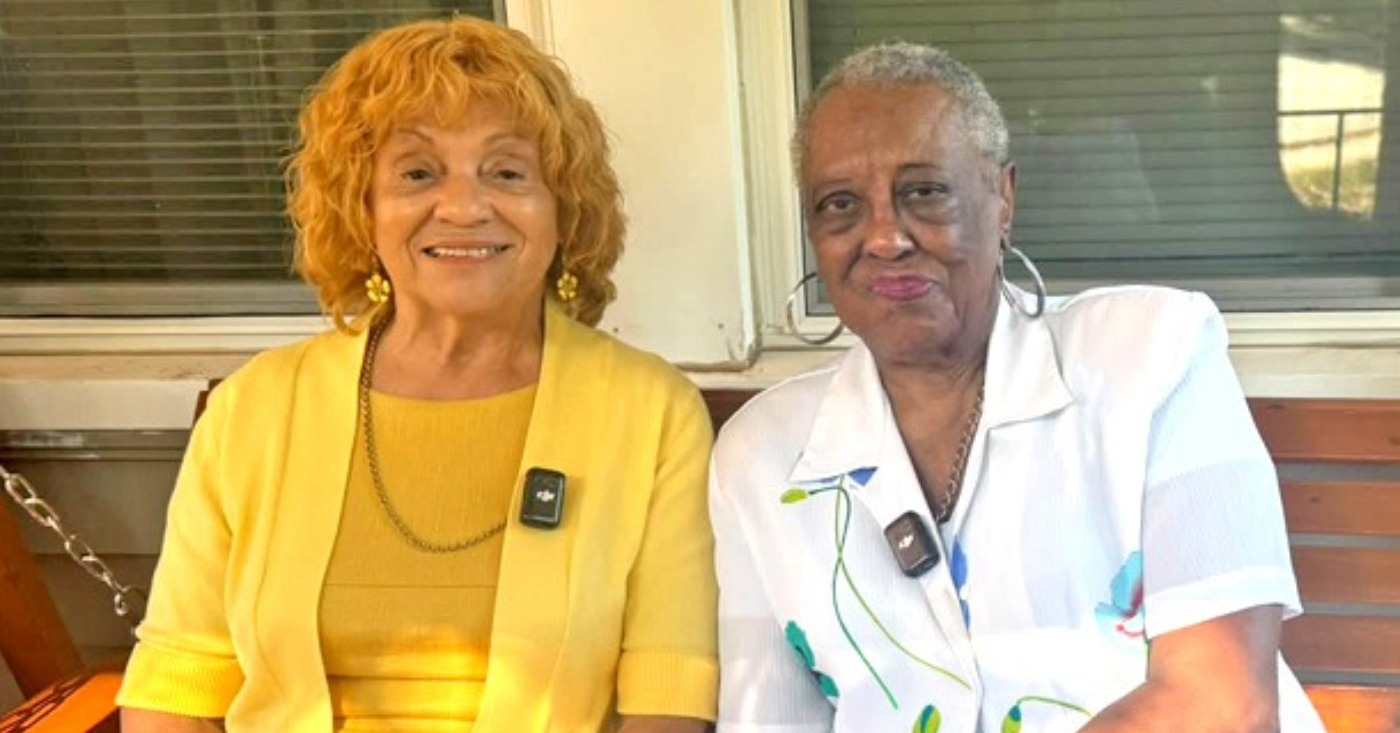
A week of events at UNC Asheville, Mars Hill University, and downtown Asheville.
In 1961, two young women broke the color barrier to become the first African American students at two Western North Carolina colleges: Etta Mae Whitner Patterson at UNC Asheville and Oralene Anderson Graves Simmons at Mars Hill University (then Mars Hill College).
Both women were students at Asheville’s Stephens-Lee High School, where they were members of the Asheville Student Committee on Racial Equality (ASCORE). Through nonviolent protest, ASCORE led efforts to desegregate many Asheville stores and businesses.
Patterson and Simmons, who later founded the Martin Luther King Jr. Association of Asheville and Buncombe County, have since received honorary doctorates from their alma maters in recognition of their achievements and lifelong service to their communities.
To commemorate ASCORE, honor the leadership of Etta Patterson and Oralene Simmons, and mark the 65th anniversary of the desegregation of UNC Asheville and Mars Hill University, UNC Asheville’s Department of History and Mars Hill University’s Liston B. Ramsey Center for Appalachian Studies invite the public to attend “Stories of ASCORE: Lessons in Courage, Desegregation, and Community Activism.”
The program will feature two panel discussions with Drs. Patterson and Simmons, along with other former members of ASCORE. Panelists will discuss how their experiences integrating Asheville’s businesses and institutions prepared them for their college careers, professional lives, and continued community activism.
The first panel discussion will take place at 6 p.m. on Tuesday, November 10, 2026, in the Blue Ridge Room of Highsmith Union at UNC Asheville. The event will feature a presentation by Dr. Patterson and a panel discussion with Dr. Simmons, Marvin Chambers, Jesse Ray, and Al Whitesides. The panel will be moderated by Deborah Miles, retired director of the former UNC Asheville Center for Diversity Education.
This event is sponsored by UNC Asheville’s Department of History and Africana Studies Program, with generous support from King and Pam Prather. A free visitor parking permit is required for the UNC Asheville event. Please visit the university’s parking website for instructions on obtaining a permit for the evening’s program.
The second panel discussion will take place at 5 p.m. on Thursday, November 12, 2026, in the Tony and Terry Floyd Conference Center in the Mars Hill University Campus Center. The event will feature Dr. Simmons, Annette Coleman, and Elizabeth Colton. The panel will be moderated by Jonathan McCoy, professor of history at Mars Hill University.
This event is sponsored by the Liston B. Ramsey Center for Appalachian Studies, with generous support from the university’s Provost’s Office.
In addition, at 12 noon on Wednesday, November 11, 2026, in Pack Square in downtown Asheville, Mayor Esther Manheimer and the Buncombe County Commission Chair will proclaim ASCORE Day and present honors to Etta Patterson and Oralene Simmons. Holly Jones of the North Carolina Governor’s Office will also participate in the ceremony.
For more information, contact Leila Weinstein at Mars Hill University ([email protected]) or Ellen Holmes Pearson at UNC Asheville ([email protected]).
Based on reporting by The Urban News.
Black History
Jason Driver Named St. Louis Public Library CEO
ST. LOUIS AMERICAN — The St. Louis Public Library has appointed Jason Driver as its next chief executive officer following a national search. Driver, a veteran administrator with 27 years of experience, currently leads the Kitsap Regional Library in Washington and previously served in several roles at the Chicago Public Library. He is scheduled to take over the 15-location system on January 4, succeeding longtime leader Waller McGuire. The appointment follows a period of notable activity for the system and recent management discussions in Driver’s current role. Read more.
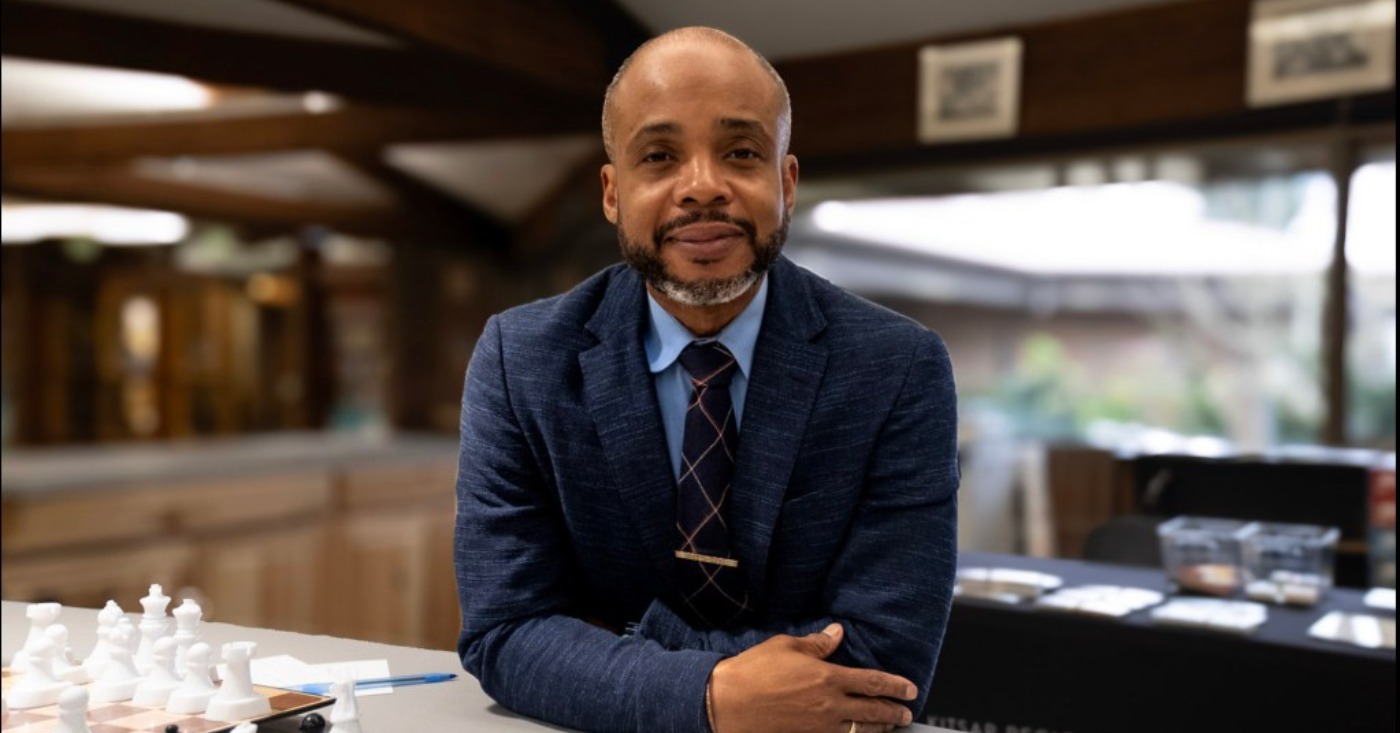
Jason Driver, a veteran library administrator with more than 27 years of experience, has been named the next chief executive officer of the St. Louis Public Library, taking over a 15-location system that serves more than 135,000 active cardholders.
Driver, who has led Kitsap Regional Library in the state of Washington since 2022, will begin his new position Jan. 4, succeeding Waller McGuire, who retired in October after 37 years with the St. Louis library system, including 22 years as its leader.
The appointment follows a national search and comes after the St. Louis system was named Missouri’s 2026 Library of the Year, in part for its response to the devastating May 2025 tornado. The library helped residents during the recovery, including through a tool-lending program established to assist with home repairs.
Driver told Sarah Fenske of St. Louis Magazine that he has no immediate plans to overhaul the system, which he described as a “well-oiled machine.”
“I’m a firm believer in one needing to follow before they can lead,” he said.
He plans to spend time learning from employees and the library board before deciding what changes might be needed.
Driver, a Chicago native, began his career working with young people in foster care through the Illinois Department of Children and Family Services. He later joined the Chicago Public Library, where he held positions ranging from children’s librarian and early literacy specialist to branch manager, regional director and district chief.
At Kitsap, Driver has overseen strategic planning, finances, communications and public services for a nine-branch system.
His selection follows several months of workplace controversy there, where union-represented employees questioned his management practices.
The Washington Public Employees Association raised concerns in May about communication, personnel decisions and branch closures. Union members later voted no confidence in Driver and called for his removal, according to reporting by Kitsap News Group.
A three-month independent investigation did not substantiate allegations of unlawful gender discrimination, retaliation or misconduct violating library policies. The Kitsap library board supported Driver’s continued leadership but acknowledged that communication, trust and workplace relationships needed improvement.
The board also said some employee concerns involving labor relations, collective bargaining and working conditions fell outside the investigation’s scope.
Driver told St. Louis Magazine he respected the union’s right to raise concerns and viewed the experience as an opportunity to improve communication.
“I definitely embrace the union to be able to have that pathway to speak out when there are things that they don’t agree with,” he said.
The St. Louis Public Library board independently confirmed the investigation’s findings with Kitsap trustees before hiring Driver, according to the St. Louis Business Journal.
“After a national search, the Board of Directors believes we have found in Jason an outstanding leader with the vision and experience to lead SLPL forward,” board President Nina North-Murphy said in a statement.
Driver will receive an annual salary of $240,000, the Business Journal reported.
Driver said returning to an urban library system was among the attractions of the St. Louis position. His background in social services, he said, helped prepare him to work with people from a wide range of circumstances.
“I felt like the background I had in social services really helped me to deal with some of the things we deal with in urban libraries,” he told Fenske.
He said libraries offer opportunities to serve people who might otherwise face barriers to accessing community resources.
“St. Louis is a wonderful city, it has a strong library core, and it certainly has a number of opportunities to dig in and help advance the mission and help the people of St. Louis,” Driver said.
The post Jason Driver named St. Louis Public Library CEO appeared first on St. Louis American.
Based on reporting by St. Louis American.
Black History
Superb Woman: Destiny B. Sadler
TEXAS METRO NEWS — Destiny B. Sadler is a dynamic entrepreneur and empowerment coach who serves as a Top Executive with the global beauty brand LimeLife by Alcone. A graduate of Southern University, Sadler leverages her background in leadership and community impact to mentor others on the transformative power of confidence.
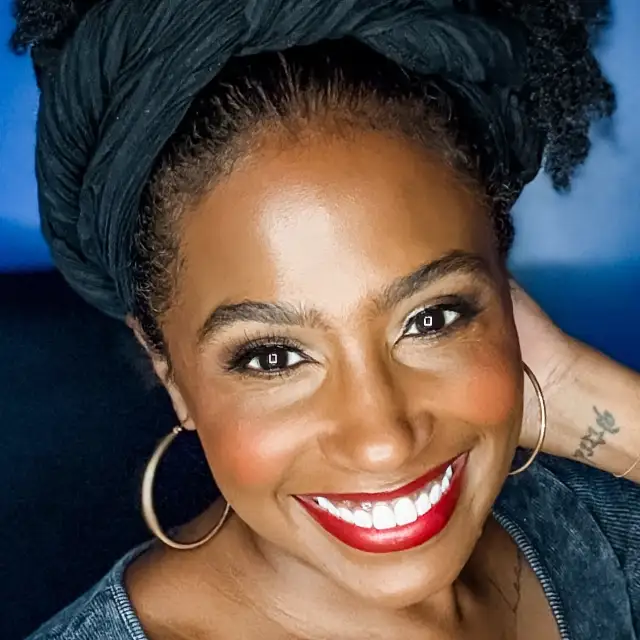
Destiny B. Sadler is a dynamic entrepreneur, digital creator, and empowerment coach dedicated to helping individuals look, feel, and live at their absolute best. With a background rooted in leadership and community impact, she serves as a Top Executive with the global beauty brand LimeLife by Alcone, where she mentors a growing network of beauty guides and champions the transformative power of confidence.
Driven by a passion for personal development and education, Destiny founded YSTBYOU and You’re Simply the Best Kids, an educational services organization focused on building foundational confidence and leadership skills in youth. She’s a graduate of Lamar High School and Southern University. Destiny’s life work centers on a simple, powerful philosophy: embracing who you are is the ultimate key to success.
Based on reporting by Texas Metro News.
Black Press
Campus Accountability: Universities Must Do More to Address Sexual Assault
SOUTHERN UNIVERSITY – SOUTHERNDIGEST — Colleges and universities are meant to be safe environments for learning and personal growth, yet recurring reports of sexual assault continue to challenge the effectiveness of institutional protections.

College campuses are supposed to be places where students can learn, grow and feel safe. However, reports of sexual assault at universities across the country continue to raise questions about whether institutions are doing enough to protect their students and hold individuals accountable.
From Louisiana State University to Harvard University and Cornell University, campus sexual assault cases have brought renewed attention to how colleges investigate allegations, discipline students and support survivors. For many, the concern is not only the actions of students accused of sexual misconduct but also how university administrators respond when these situations occur.
At LSU, recent reporting has raised questions about the effectiveness of the university’s Title IX process. According to WBRZ, more than 300 sexual assault reports were made through LSU’s Title IX process between 2022 and 2025, with three resulting in disciplinary action. Although not every report results in a finding of responsibility, the numbers raise important questions about how institutions communicate outcomes and address reports of misconduct.
Cornell University has also faced scrutiny following allegations involving seven students and an alleged sexual assault at a fraternity house in 2024. The university’s investigation resulted in different disciplinary actions, including expulsions and suspensions. However, questions about one student’s return to campus and housing arrangements have continued to draw criticism.
These cases highlight a larger issue: University accountability cannot stop at having a Title IX office or publishing policies in a student handbook.
Title IX prohibits sex-based discrimination in federally funded education programs and addresses sexual harassment and sexual violence. Universities must have procedures for responding to complaints, conducting investigations and providing supportive measures. However, having policies in place means little if students do not understand them or believe reports will be handled appropriately.
Students who are found responsible for sexual misconduct should face consequences that reflect the seriousness of their actions. Universities should also examine whether their investigative procedures are timely, whether survivors receive adequate support and whether disciplinary decisions are consistently enforced.
Accountability must also include university administrators. Institutions should be transparent about their procedures, provide clear reporting options and regularly review whether their policies are working.
At the same time, every student involved in a disciplinary proceeding deserves a fair investigation and an opportunity to respond to allegations. Protecting survivors and respecting due process should not be treated as competing priorities.
Ultimately, universities have a responsibility that extends beyond academics and athletics. Students deserve to know that their safety matters and that misconduct will be taken seriously. A university’s commitment to student safety should be measured not only by the policies it publishes but also by the actions it takes when those policies are tested.
Based on reporting by Southern University – SouthernDIGEST.
Black History
Alabama HBCU Founders Win Nearly $20,000 at 2026 HBCU Business Pitch Competition
BIRMINGHAM TIMES — The Alabama Collective and Digitalundivided recently awarded $20,000 in cash prizes to student and alumni founders during the 2026 HBCU Business Pitch Competition. Held at Topgolf Birmingham during Magic City Classic week, the event featured 51 participants representing 10 different Alabama institutions.

Bryson Hannah celebrates his first-place finish in the 2026 HBCU Business Pitch Competition in Birmingham, earning $5,000 for Internably LLC, his networking platform connecting college interns across the country. (Alabama A&M) ” data-large-file=”https://www.birminghamtimes.com/wp-content/uploads/2026/11/pitchbryson1edit-1024×685.jpg” />
Special to the Times
The Alabama Collective and co-host Digitalundivided awarded $20,000 in cash prizes to HBCU student and alumni founders at the 2026 HBCU Business Pitch Competition, held Thursday, October 29, at Topgolf Birmingham as part of Magic City Classic week.
Fifty-one founders representing 10 Alabama institutions competed in a booth-style format, delivering three-minute pitches with no slides or audiovisual aids, followed by three minutes of questions from a panel of industry judges. Top scorers at each booth earned $1,000 and advanced to a live Pitch Finale.
Internably, LLC, founded by Bryson Hannah of Alabama A&M University, took first place and $4,000. Internably is a networking platform that connects college students, interns, and early career professionals by company, school, city, and career interests.
“I was blown away by these innovative business ideas and the go-to-market strategies,” says Modupe Rouse, Digitalundivided Chair and Pitch Finale Judge. “These student founders took the START program skills and leveled up. I cannot wait for the economic impact of their businesses in Alabama,” added Rouse.
“What we witnessed at this year’s competition was a powerful reminder of the incredible talent, creativity, and entrepreneurial potential emerging from Alabama’s HBCUs,” said Charisse Stokes, Executive Director of The Alabama Collective. “These 51 founders didn’t just show up with ideas — they showed up with vision, determination, and the confidence to turn those ideas into businesses. We’re especially proud that this year’s partnership with Digitalundivided allowed us to expand beyond the competition itself, equipping entrepreneurs with business skills to launch their businesses, coaching, and connections that will serve them long after the prizes are awarded. Our goal is not simply to celebrate great pitches, but to help build the next generation of successful entrepreneurs and business owners across Alabama.”
“Digitalundivided is delighted to partner with TAC in its work with Alabama HBCUs and in supporting the innovation and talent of students here,” says Leah D. Williams, CEO of Digitalundivided. “These student founders are the business leaders of tomorrow. We are excited to add the Digitalundivided network lifting them up as they climb towards their future achievements.”
2026 Pitch Finale Winners
First Place, $4,000: Internably, LLC — Alabama A&M University
Second Place, $3,000: FuelTrip — Alabama A&M University
Third Place, $2,000: NexU — Alabama A&M University
Top-Scoring Booth Winners, $1,000 each
• VARA — Talladega College
• Yardly — Alabama State University
• AccessBelt — Alabama State University
• Nightshift — Talladega College
• FuelTrip — Alabama A&M University
• NexU — Alabama A&M University
• Internably, LLC — Alabama A&M University
• Mobile Therapy Office/Unlimited Potential — Alabama State University
• BeVerified — Alabama State University
• The Vent Avengers — Trenholm State Community College
A New Path to the Stage
The 2026 competition introduced two entry tracks. Members of The Alabama Collective community were invited to apply to START, Digitalundivided’s flagship pre-revenue incubator, a three-week virtual program grounded in Lean Startup methodology. Selected participants built a working Business Model Canvas, earned an automatic slot in the Round 1 pitch booths, and received a $250 completion stipend on event day. Alabama HBCU students, recent graduates, faculty and staff filled the remaining booths and brought in founders new to the organization.
Alongside the competition, the day included entrepreneurship training, small group mentoring with industry leaders, and a Lunch and Learn fireside chat.
The 2026 competition was supported by JPMorgan Chase, HBCU CARES and NEBIUS.
About The Alabama Collective
The Alabama Collective is a statewide nonprofit organization dedicated to elevating tech talent and entrepreneurs across Alabama. Through partnerships with HBCUs, industry leaders, and innovation hubs, The Alabama Collective builds programs that expose, educate, engage, and empower underrepresented communities in tech, entrepreneurship, and innovation.
About Digitalundivided
For over a decade, Digitalundivided has increased visibility and access for founders. Beginning with groundbreaking research and expanding into founder-centric training programs, strategic partnerships, and a vibrant founder community, Digitalundivided champions an equitable entrepreneurial landscape and provides founders at every stage with the space to improvise and innovate.
Based on reporting by Birmingham Times.
Black History
COMMENTARY: Big Mama Said: Don’t Just Remember the Village When You Need Votes!
TEXAS METRO NEWS — With the conclusion of Election Day, political campaign signs have disappeared and the frequent visits from candidates to local churches, barbershops, and community centers have come to an abrupt halt.
Big Mama used to say, “Baby, don’t come knocking on my door only when you need something. Come see about me when you need something, too!” And if you knew my Big Mama, you knew that wasn’t a suggestion. That was a standard!
Well, Election Day has come and gone. The campaign signs are coming down, the political commercials have disappeared, and some politicians have already forgotten the roads leading into our neighborhoods. Isn’t it amazing how quickly folks can find our churches, barbershops, restaurants, and community centers when they need our votes? They shake hands, hug babies, take pictures, and some even learn a gospel song! But Big Mama would ask, “Baby, now that they’ve counted our votes, who’s counting our needs?”
Where are they when our schools need resources, seniors need assistance, Black-owned businesses need contracts, and young people need mentors and jobs? Big Mama would remind us, “You can’t eat a handshake, and a photograph won’t pay the light bill!”
But here’s where the village must accept some responsibility. We cannot keep building election machines that disappear after Election Day. We need an ecosystem, connecting our churches, businesses, nonprofits, fraternities, sororities, educators, and community leaders into a year-round network of opportunity, accountability, and collective progress.
Imagine turning voter mobilization into economic mobilization. Imagine churches connecting families to resources, businesses opening doors for young entrepreneurs, and elected officials reporting measurable results instead of delivering another campaign speech. That’s how we turn political influence into community investment.
And let’s stop measuring success by how many politicians attend our events. Let’s count jobs created, contracts awarded, young people mentored, and promises kept. Accountability isn’t partisan. It’s personal, and it belongs to the entire village.
Now, I’m asking you, my readers: Send me the name of an organization, business, or community initiative we should invest in and support. Let’s connect our resources and build an ecosystem that strengthens the entire village! I have two organizations I’d like to add to the conversation: Don’t Believe the Hype, which focuses on scholarships and educational opportunities, and City Men Cook, which provides mentoring, leadership development, and opportunities to invest in the next generation of young men. Both are about more than talking about change. They’re about putting resources, relationships, and opportunities into action.
Big Mama understood that relationships require reciprocity. You cannot keep withdrawing from a community without making deposits. So whether your candidate won or lost, our responsibility remains. The election determines who holds office, but the village determines what accountability looks like.
Big Mama said, “Baby, if they know the road to your house when they need your vote, make sure they know the road back when you need results!”
The election is over. Now let’s build something that outlives the campaign!
Based on reporting by Texas Metro News.


San Diego Supervisors’ Power Grab & Discretionary Funds

How Restaurant Apprenticeships Taught Me to Run a Business #shorts

Documenting History: Why Today’s Stories Matter Tomorrow #shorts

Planning to Buy an EV? Check Charging Before You Buy #shorts

A Black Culture Café Rooted in Community and Connection #shorts
The Mission to Cultivate Black Leadership

Black Music Awards: The Fight to Recognize Prince and Black Artists #shorts

The Black Entrepreneurs Building the EV Green Book #shorts

Shaunie Grigsby on Building Flava Cafe, a Social Enterprise in St. Paul | On The Radar | MSR

Chevy Bolt RS Charging Specs: 65 kWh Battery and 150 kW Fast Charging #shorts

All Skinfolk Ain’t Kinfolk

Practitioners of African Traditional Spirituality Offer Ancestral Reverence Ritual Oct. 31

Tamiko Armstead | 2026 Lifetime Achiever in Education

Oakland Awarded More than $14 Million in State Funding

HISTORY MADE: Keisha Lance Bottoms Becomes First Black Woman Elected Governor in American History

OP-ED: The Black Church Writes AI’s Next Chapter

Inside 820 S. Michigan: New Book Captures the Lost World of Ebony and Jet

Jendayi Arrest Raises Community Concerns Regarding Sheriff’s Chain of Command

OP-ED: If the ‘Cornell 7’ Were Black Men at an HBCU — America Wouldn’t Be This Sympathetic

Kickstarter CEO Everette Taylor Shares Tips on Creating and Growing a Business
San Diego Supervisors’ Power Grab & Discretionary Funds
How Restaurant Apprenticeships Taught Me to Run a Business #shorts
Documenting History: Why Today’s Stories Matter Tomorrow #shorts
Planning to Buy an EV? Check Charging Before You Buy #shorts
A Black Culture Café Rooted in Community and Connection #shorts
Black Music Awards: The Fight to Recognize Prince and Black Artists #shorts
The Black Entrepreneurs Building the EV Green Book #shorts
Shaunie Grigsby on Building Flava Cafe, a Social Enterprise in St. Paul | On The Radar | MSR
Chevy Bolt RS Charging Specs: 65 kWh Battery and 150 kW Fast Charging #shorts

L I V E | Mississippi Senate Race UPDATE
-
 Black History5 days ago
HISTORY MADE: Keisha Lance Bottoms Becomes First Black Woman Elected Governor in American History
-
 Featured1 week ago
Multi-Faith Leaders Representing 10 Million People Launch National Anti-Authoritarian Initiative
-
 Black History7 days ago
Christianity’s Racial History
-
 Black History7 days ago
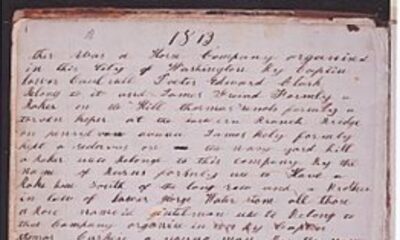
Michael Shiner: The Enslaved Man Who Wrote His Way into American History
-
 Black History7 days ago
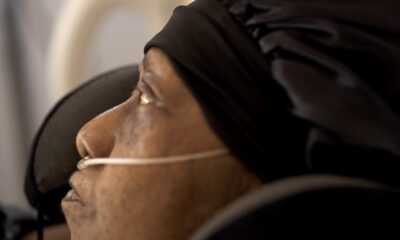
Five Hospitals Said No! Who Will Help Annette Henry Recover?
-
 Black History6 days ago
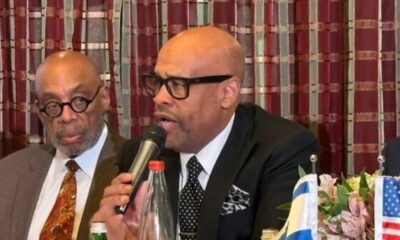
Hundreds of Black Christian Leaders Arriving in Israel for Martin Luther King-Inspired Mission
