
Lifestyle
PRESS ROOM: Free Public Tours of the Tournament House
LOS ANGELES — Guided tours inside Tournament House, the iconic Southern California landmark, are open to the public.


By Sentinel News Service
Our doors are open, and you’re invited! Guided tours inside Tournament House, the iconic Southern California landmark, are open to the public. Tours will be offered, at no cost, every Thursday at 2 p.m. and 3 p.m. beginning today, February 7. Tournament of Roses® volunteers from the Heritage Committee, knowledgeable of the organization’s history and details of the house, conduct the tours.
The Rose Bowl Game® room renovation at Tournament House is complete and open to the public for viewing. Highlights include: two new Hall of Fame touch screens, video playback of Rose Bowl Game history, depictions of Offensive and Defensive Player of the Game, a celebration of the 100-year anniversary of the 1919 Rose Bowl Game, the B-2 Flyover and more.
Tournament House serves as the official headquarters of the Pasadena Tournament of Roses, its staff and the 935 volunteer members who work year-round to organize the annual Rose Parade® presented by Honda and Rose Bowl Game presented by Northwestern Mutual.
Located in Pasadena, the house was once the home of chewing gum mogul William Wrigley Jr. and his wife, Ada. After Ada’s death in 1958, the Wrigley family presented the property to the city of Pasadena, with the request that it become the base of operations for the Tournament of Roses. The Wrigley family enjoyed the Rose Parade as it unfolded just beyond their front yard.
Surrounding Tournament House are the Wrigley Gardens, which feature a floral display of roses, camellias and annuals. The gardens feature the All-America Rose Selections (AARS) award-winning Tournament of Roses rose developed especially for the Tournament of Roses Centennial in 1989.
Groups of 10 or more may call (626) 449-4100 for tour reservations.
This article originally appeared in the Los Angeles Sentinel.











Black History
Christianity’s Racial History
THE POSITIVE COMMUNITY — Historian and author Jemar Tisby is challenging the traditional narratives of American religious history through his acclaimed work, The Color of Compromise. His research provides a comprehensive examination of how Christian institutions have historically participated in, accommodated, or resisted racial injustice from the colonial era to the present day.
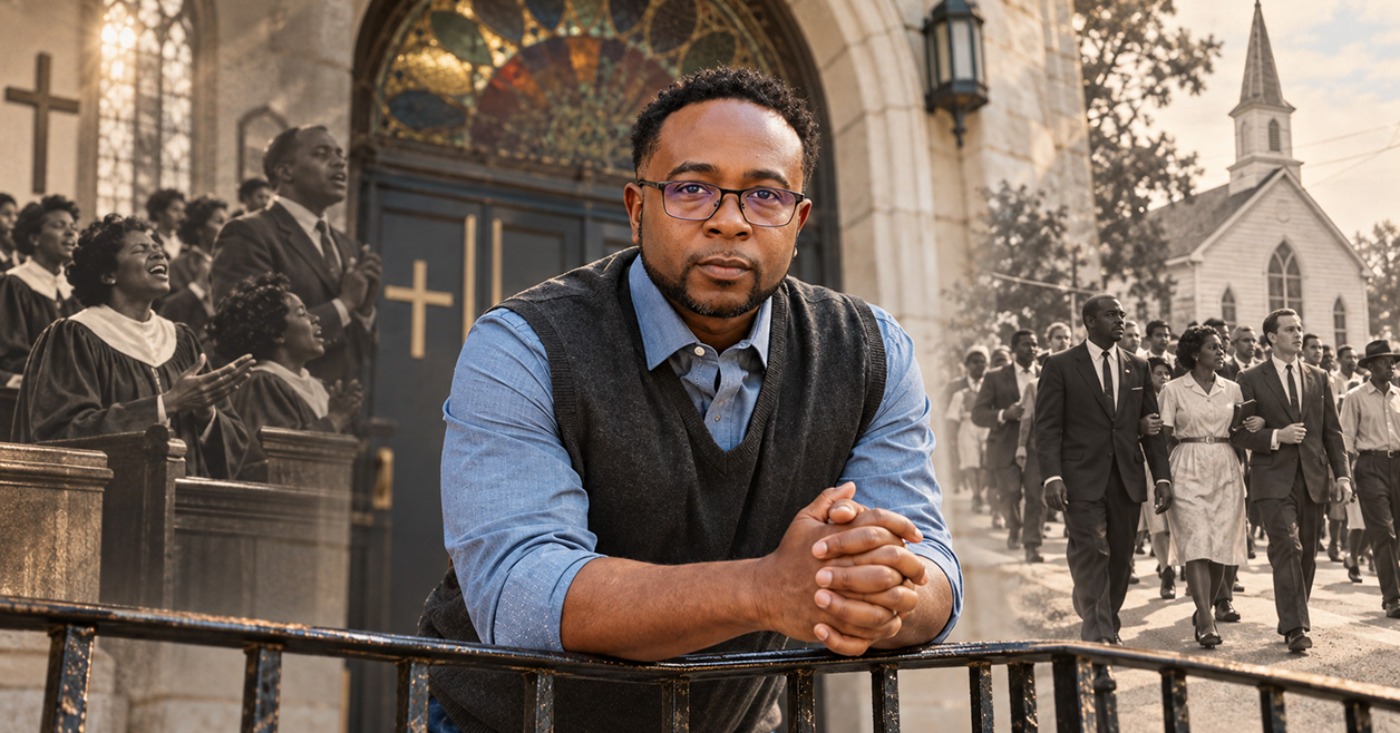
Jemar Tisby is a historian, author, and public speaker whose work examines the relationship between Christianity, racism, and American history. Through his writing, he challenges readers to reconsider the role religious institutions have played in shaping racial attitudes and social structures. His widely recognized book, The Color of Compromise: The Truth About the American Church’s Complicity in Racism, explores how Christian churches have participated in, accommodated, and sometimes resisted racial injustice throughout American history. Tisby’s work encourages readers to examine the past honestly and consider what meaningful change requires today.
One of the central arguments in The Color of Compromise is that racism in America cannot be understood without examining the influence of religious institutions. Christianity has often been associated with messages of love, justice, compassion, and equality. Yet churches and Christian leaders have sometimes supported systems that denied African Americans their freedom and dignity. Tisby examines this contradiction, demonstrating how religious beliefs and institutions could be used to justify racial oppression rather than challenge it.
The book takes readers back to the era of European colonization and slavery, when religious arguments were frequently used to defend the enslavement of Africans. Some Christian leaders claimed that slavery was compatible with biblical teachings, while others used Christianity to encourage resistance to the institution. Enslaved Africans developed their own spiritual traditions, drawing strength from their faith while enduring violence, separation from family, and the denial of basic human rights. Tisby highlights the importance of understanding how Christianity became intertwined with the development of American slavery.
Tisby also explores the role of churches during the Civil War and Reconstruction. Although emancipation ended legal slavery, it did not eliminate racial prejudice or the struggle for equal citizenship. Some religious communities supported efforts to educate formerly enslaved people and establish independent Black institutions. Others tolerated or defended segregation and white supremacy. The period demonstrates how Christian institutions faced a choice between challenging racial injustice and preserving existing social arrangements.
Another important subject in the book is the relationship between Christianity and Jim Crow segregation. During the late nineteenth and early twentieth centuries, racial segregation became deeply embedded in American society. Many churches reflected the same divisions, maintaining separate congregations and unequal opportunities for worship and leadership. Tisby argues that compromise occurred not only when Christians openly defended racism but also when they remained silent or accepted discriminatory practices to avoid conflict. This distinction is essential to understanding the book’s central message.
The civil rights movement provides another significant chapter in this history. Black churches played a vital role in organizing demonstrations, supporting community leadership, and providing spiritual encouragement to people fighting racial discrimination. Figures such as the Reverend Dr. Martin Luther King Jr. drew upon Christian teachings to challenge segregation and demand equal rights. However, not all white Christian congregations supported the movement. Tisby examines the difference between those who actively opposed racism and those who hesitated to challenge the racial status quo.
A major strength of Tisby’s writing is his attention to the difference between individual prejudice and institutional racism. A person may believe in treating others fairly while participating in organizations or traditions that produce unequal outcomes. Similarly, a church may preach love and acceptance while failing to confront discriminatory practices within its own community. Tisby encourages Christians to look beyond personal intentions and examine the consequences of their actions, their institutional policies, and their willingness to address injustice.
The book also challenges contemporary Christians to consider how the legacy of racial compromise continues to affect American religious life. Questions about church leadership, worship communities, racial representation, education, and public policy remain important. Tisby argues that acknowledging historical wrongdoing is not about assigning personal guilt to every modern Christian. Rather, it is about understanding how past decisions shaped the present and recognizing the responsibility to pursue greater fairness, accountability, and inclusion.
Tisby’s work has become an important contribution to conversations about race and religion because it asks readers to move beyond comfortable narratives about American Christianity. His historical approach encourages people to examine uncomfortable evidence, listen to the experiences of African Americans, and recognize the difference between professing moral principles and practicing them. The book also raises questions about what genuine reconciliation requires, emphasizing that meaningful progress involves more than expressions of goodwill. It requires a willingness to confront injustice and make changes that reflect the values Christians claim to uphold.
Ultimately, The Color of Compromise is a call for historical honesty, moral reflection, and meaningful action. Jemar Tisby challenges churches and individual believers to understand how Christianity has been used both to support oppression and to inspire resistance against it. His message is especially relevant in a society still wrestling with racial inequality and the consequences of its history. By examining the past with courage and integrity, readers can better understand the responsibilities of faith in the present. The book reminds us that the true test of religious conviction is not simply what people profess to believe, but whether their actions reflect justice, compassion, and respect for the dignity of every human being.
Based on reporting by The Positive Community.
Black History
Learn Black History and Win Your Next Game Night
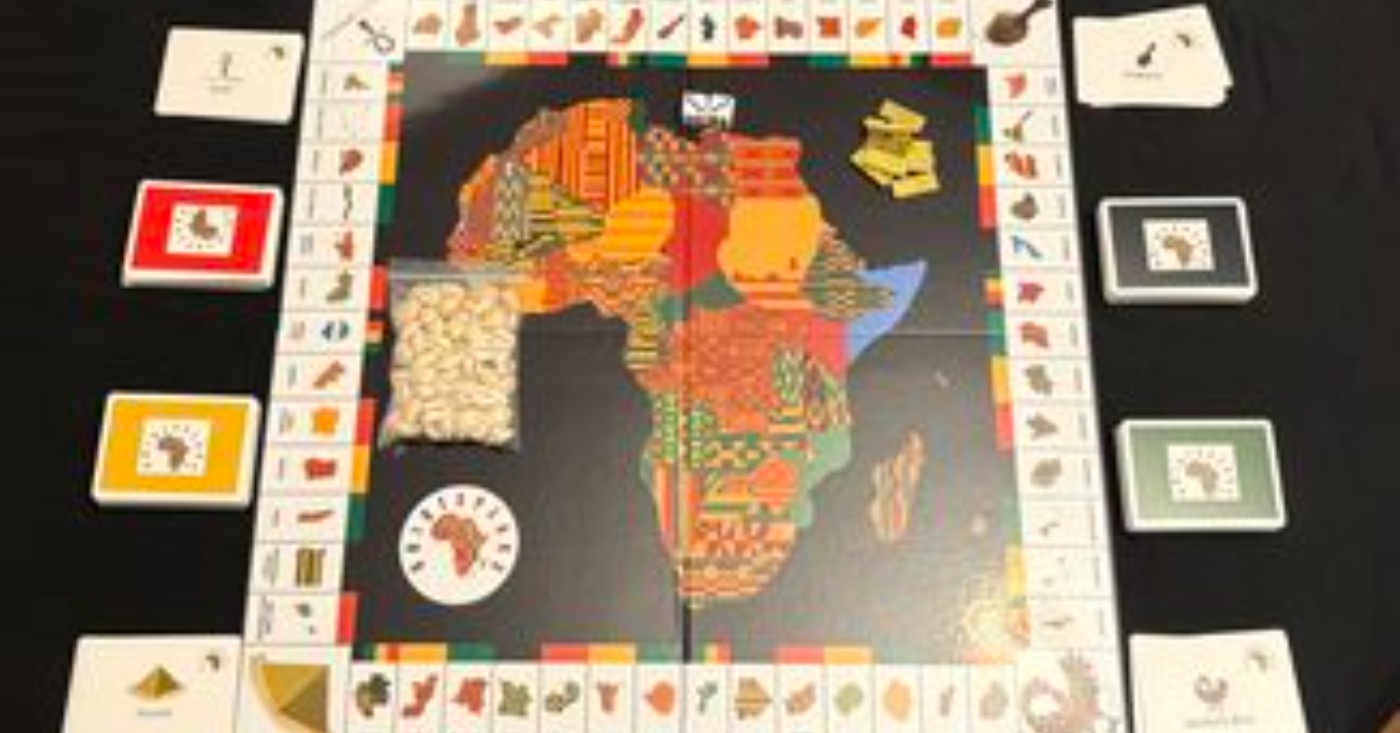
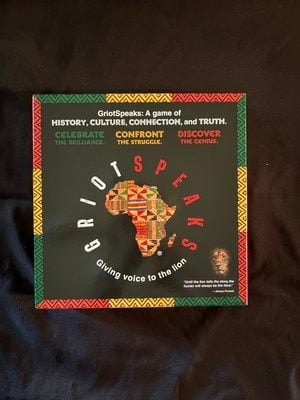
INDIANAPOLIS RECORDER — Dr. Maxine Bryant, a culture keeper and professor, is combatting book bans and historical inaccuracies through the launch of GriotSpeaks: The Game. The new board game is designed to celebrate the African diaspora by incorporating elements of geography, literature, music, and the Gullah Geechee culture.
Maxine Bryant, Ph.D., creator and founder GriotSpeaks, is sharing the history of the African diaspora through her new board game.
Bryant often quotes the African proverb: “Until the lion tells the story, the hunter will always be the hero.” She said for the hunter has been telling the story of the African diaspora for “far too long.”
The game is based in African culture. The spaces on the board feature the countries of the African diaspora and it uses gold bars and cowrie shells as currency while special game spaces showcase symbols such as the Sankofa bird, a pyramid and an Ankh.
Bryant, a culture keeper and educator, created the game to add a bit of fun to her ongoing mission of dispelling myths and sharing accurate history. She used the history lessons she taught over the years as the foundation for the game’s trivia questions. Bryant said she is even more motivated to correct the inaccurate narratives due to recent book bans and efforts to minimize or omit the contributions of Black people.
“We can’t tell our story if we don’t know our story,” Bryant said.
History buffs may start the game with a slight advantage, but even players with limited knowledge have a chance to win with some strategic play. During one game demonstration, she said, an 11-year-old beat her with the clever use of one of the game’s wild cards.
Bryant’s goal is for people to learn new information while having a good time with one another. She sat down with the Recorder to share her inspiration for the game and how she hopes it will influence the culture.
This interview has been edited for length and clarity.
What was the inspiration for creating a game?
Maxine Bryant: In all honesty, God gave me the vision for the game.
I put that board game together the way God showed me in in this vision, if you will, it was to be educational, informative, and entertaining. And so, I knew I wanted it to encompass all of the diaspora and with the educational part of it. Since I am a professor, it needed to encompass the critical areas of our history.
So, it’s geography; it’s the resistance, the protest — all of that. It’s … literature, music, the Gullah Geechee culture, storytelling, the whole gamut, and then Black people.
What are some of the things people are surprised to finally learn while playing the game?
Bryant: The genius of Black people.
Many people know Madam C.J. Walker, although I’m finding out that not everybody does. But one of the questions (asks about) who invented the hot comb? Everybody thinks Madam C.J. Walker, but no, that was not her thing. Her thing was hair care and strengthening hair. It was a man (Walter H. Sammons) who created the hot comb. So, people are amazed at what they’re learning.
How do you hope that this new knowledge helps people see the world?
Bryant: So, what I hope people learn is our true history, the history of our struggle, and our resistance, the history of our greatness, and information about our culture. That positions us then to be able to stand tall in knowledge of self.
One of the things I wholeheartedly believe in is that little Black boys and little Black girls who grow up with the message that you are nothing because you are Black … it’s easy for me to take you out. But if I look at you and I know that you’re great and I’m great, I may just have a different kind of level of respect for you.
I think that having a sense of self can impact how I look at myself and how I look at people who look like me.
Is there anything else you want to share?
Bryant: In my mind, this game is a must-have. It is so unique. Now, within the culture, we have trivia games and usually they’re trivia about sports or about entertainment and some about history, right? And usually, it pertains to people in the United States or events in the United States, culture in the United States.
This game contains movement around a physical board like Monopoly, but it also encompasses the entire African diaspora so it’s not just the United States. People who played this game tell me … they’ve never seen anything like it.
GriotSpeaks: The Game is best suited for players 17 and older. The game is available for purchase through Amazon or at the GriotSpeaks website.
Contact Editor-in-Chief Camike Jones at 317-762-7850.
The post Learn Black history and win your next game night appeared first on Indianapolis Recorder.
Based on reporting by Indianapolis Recorder.
Black Press
21st Annual Taste of Soul: California’s Largest Black Street Festival Comes Alive With Culture, Music and Connections
The 21st annual Taste of Soul Family Festival drew over 300,000 attendees to South Los Angeles for a massive celebration of Black culture, food, and music. Spanning the Crenshaw Boulevard corridor, the free event featured roughly 350 vendors, offering everything from Southern cuisine to professional health services and job recruitment opportunities. While headlining musical acts performed across three stages, the festival also served as a vital platform for small business entrepreneurs to reach a vast audience. Organizers are now addressing reports regarding several incidents that occurred during the festivities. Read more.

The 21st annual Taste of Soul Family Festival brought hundreds of thousands to Crenshaw Boulevard in South Los Angeles on Oct. 17 for food, music and a celebration of Black culture. Visitors could shop with small businesses, enjoy live music performances, speak with health professionals and learn about job opportunities.
Presented by Bakewell Media and the Los Angeles Sentinel, the free festival stretched along the corridor from Stocker Street to Obama Boulevard. The Sentinel estimated attendance at more than 300,000. The day also marked founder Danny J. Bakewell Sr.’s 80th birthday.
“We call it a party with a purpose,” Pam Bakewell, the founder’s sister and a longtime festival organizer, told California Black Media (CBM).
The enticing aromas of barbecue, fried chicken and catfish filled the air as food vendors served up a tempting array of Southern favorites, including cobbler and other desserts. Vendors also offered clothing, jewelry, books and beauty products. About 350 vendors and sponsors participated, including approximately 80 food vendors, Bakewell said. Businesses came from across Southern California and as far away as Chicago and Atlanta.
“In one day, an entrepreneur has the opportunity to showcase their business to hundreds of thousands of people,” Danny J. Bakewell Jr., president of the Sentinel.
Chase offered vendors training in marketing and financial management, followed by a reception.
Experienced vendors also helped newcomers. Pam Bakewell cited Cobbler King, a longtime participant who shares lessons from his early festivals about preparing for crowds and building a business.
“We want everybody to be successful,” she said. “We can’t guarantee that, but we give you the crowd.”
Kaiser Permanente served as the festival’s main medical provider. St. John’s Community Health sponsored Children’s World, where children played games while families received preventive care and information about follow-up services.
St. John’s provided flu shots, fluoride treatments for children and clinic sign-ups for physical examinations. It also reported distributing more than 10,400 bags of diapers.
CBM hosted a booth as part of its California Black Health Journalism Project, a yearlong, solutions-oriented reporting initiative to advance health equity for Black Californians.
Dr. Deidra Beckles, who practices family and internal medicine, and Adriana Westby-Trent, Ph.D., a licensed clinical psychologist, held “Ask the Doc” conversations. Both are with Divinely Restored Health & Wellness. The booth drew steady traffic as they answered attendees’ health questions. Visitors received a “Your Wellness Matters” T-shirt.
The Sentinel promoted a developing jobs platform, inviting attendees to post resumes and connect with employers. Bakewell said about 350 people signed up along the boulevard.
Three stages offered music for different generations. The Bakewell Media Sounds of the Soul Stage featured Thelma Houston, Switch and headliner Midnight Star. Tony Cornelius, son of “Soul Train” creator Don Cornelius, introduced Midnight Star and appeared with eight veteran dancers from the television show.
The Radio Free KJLH Music Stage featured Lucky Daye, Alex Isley, Allen Stone and Terisa Griffin. On the Brenda Marsh-Mitchell Gospel Stage, MAJOR. served as host and performer. The lineup included Deitrick Haddon, local choirs and a youth performing arts ensemble.
During the festivities, ABC7 reported two stabbings and an hours long Los Angeles Police Department citywide tactical alert.
Pam Bakewell said police told organizers the incidents occurred outside the festival boundaries. She said organizers are reviewing safety measures with security personnel and police.
Black Press
Home Nursing Visits Provide Wide-Ranging Benefits for Mothers, Young Children
Researchers at the University of Chicago led by Nobel Laureate James Heckman found that the Nurse-Family Partnership program significantly improves the lives of first-time mothers with limited incomes. By utilizing registered nurses for home visits from pregnancy until age 2, the program fosters stronger social, emotional, and academic development in children while reducing maternal anxiety. A long-term analysis of 1,138 participants reveals lasting cognitive benefits and healthier home environments for families. Discover how these early interventions impact specific developmental milestones as children reach adolescence and read more.
This story was originally published by EdSource.
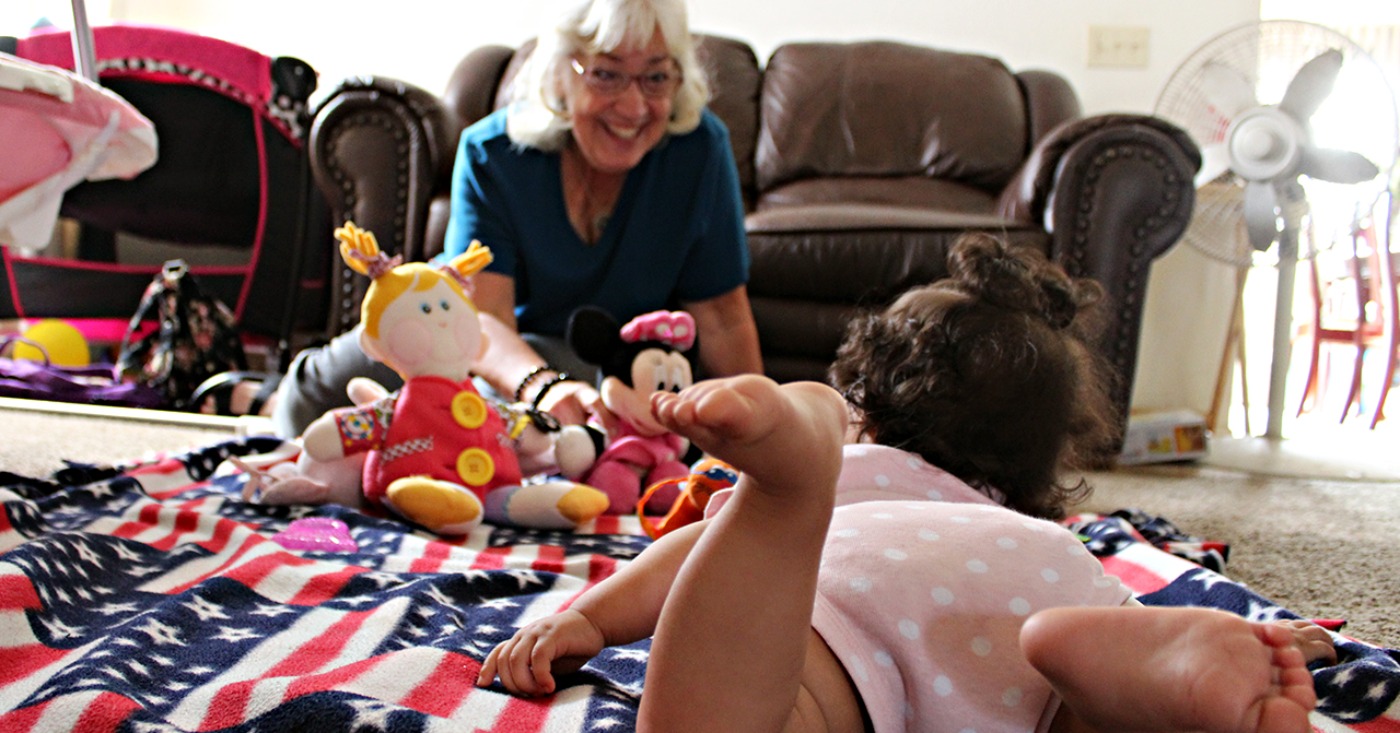
Children born to first-time mothers with limited incomes who received home nursing visits showed increased mental health, stronger social and emotional development and academic gains, according to researchers who analyzed the impact of the Nurse-Family Partnership program, one of the largest home visiting programs in the country.
Researchers also found the program reduces anxiety and improves the parenting skills of mothers. It also has a positive impact on home environments and behavior skills in children, researchers found. Researchers said the benefits of the program “warrant continued and increased investment.”
The Nurse-Family Partnership program utilizes trained registered nurses who work closely with families during pregnancy and up to age 2. The nurses teach them to maintain proper health, develop parenting skills and establish work and family goals.
The research team that conducted the analysis was led by James Heckman, a Nobel Laureate in economics and professor and director of the Center for Economics of Human Development at the University of Chicago. The study was titled “Nurse-Family Partnership: Parental education and early health result in better child outcomes.”
“This study of Nurse-Family Partnership (NFP) shows that parenting early in life very much matters, and that voluntary programs that work closely with parents to strengthen parenting skills and provide early health can make a difference,” the study states. Researchers analyzed information on the health and well-being of mothers and children from pregnancy up to age 12. The study includes a sample size of 1,138 participants. The study analyzed outcomes for children who participated in the program, compared to children who were not part of the program but received some services at the same ages.
A family’s participation in the Nurse-Family Partnership program ends when a child turns 2 but the study found long-term benefits. For instance, the study found that young boys who participated in the program scored higher than peers that did not participate in the program on reading and math assessments, as 12-year-olds, the age when they were last assessed. Researchers said this academic achievement could be attributed, in large part, to the program’s impact — seen as early as age 6 — on cognitive skills, such as a child’s ability to understand, reason, learn and remember.
While the study found the program improved cognitive skills for both boys and girls at age 6, it did not find any significant effect on reading and math achievement for 12-year-old girls who participated in the program. Researchers did not directly address reasons for this in the study.
During home visits, nurses help to promote healthy eating, prenatal care and eliminating the use of tobacco, alcohol and illegal drugs, the study states. After delivery, nurses help to foster strong parenting skills and show new moms how to interact with their children. For example, parents are encouraged to read to their children. Mothers are also given advice on goal setting in areas such as work, school and family planning.
The study divided its analysis into five categories: child health, family environments, child cognition (thinking, learning, understanding), social and emotional development (behaviors and attitudes) and achievement scores on math and reading. For example, The Peabody Picture Vocabulary Test, which measures what experts in the field call English receptive language skills. That refers to words young children can identify and understand when they hear them.
Other key findings in the study include:
- Improved birth weight for infant boys. Boys were healthier at the time of delivery. If left untreated, low birth weight is associated with developmental problems that can persist as a child grows.
- Healthier home environments, parenting attitudes and maternal mental health “significantly improved” among participating mothers for boys and girls by age 2. Mothers of young girls specifically experienced less anxiety, more self-control, higher self-esteem and greater emotional stability, the study states. Under the same categories for boys, results show “mixed.”
- Girls showed more improvement in social and emotional skills, the ability to manage and understand emotions. They specifically improved in areas such as warmth and sensitivity.
- By age 6, both boys and girls who participated in the program showed better cognitive skills, such as thinking, reading, memory and learning.
- Long-term benefits of the program were more evident for boys than girls. For example, by age 12 boys outperformed peers who were not a part of the program in reading and math achievement. Study states “much weaker long-term effects” for girls.
- Positive effects overall were associated with the program’s impact on mothers’ health and early investment in young children.
Black History
Together Building Back Better
AFRICAN-AMERICAN NEWS AND ISSUES – DALLAS — For more than 57 years, the SHAPE Community Center has served as a cornerstone of Houston’s Third Ward, providing essential programs based on principles of unity and collective responsibility. Known as “The United Nations of The ‘Hood,” the center recently faced its most difficult challenge following a devastating electrical fire at the Nia Becnel Family Center.
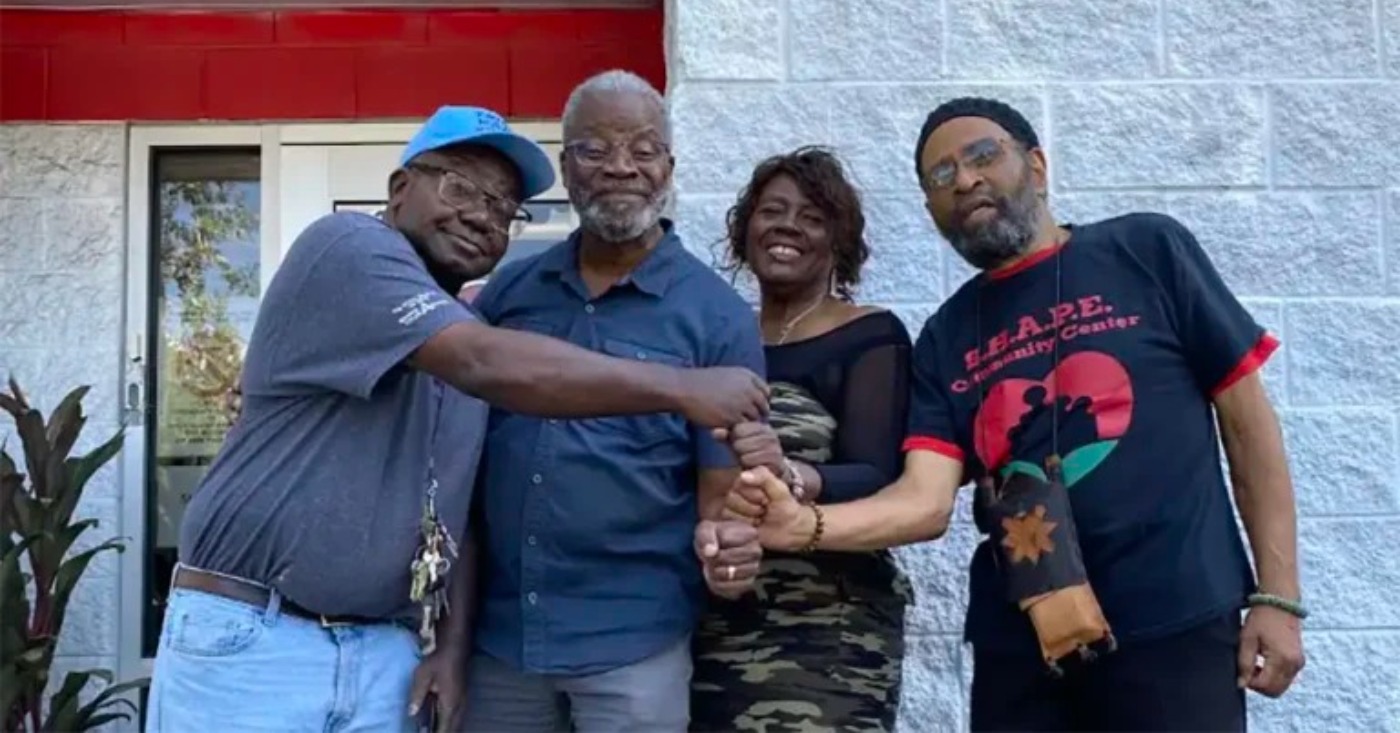
I’m going through the most challenging experience of my life with SHAPE,” said Deloyd Parker. He has served as the executive director of the historic SHAPE Community Center for over 57 years and is still energetic and driven by the love of serving the people. Known as “The United Nations of The ‘Hood,” SHAPE is a precious cornerstone of Houston’s Third Ward, serving generations of families through programs and activities, with emphasis on Unity, Self-Determination, Collective Work & Responsibility, Cooperative Economics, Purpose, Creativity, and Faith.
January 2027 will mark two years since a devastating electrical fire took place at SHAPE’s Nia Becnel Family Center, located at 3815 Live Oak. The building and priceless historical items were significantly damaged and lost. That included the “Wall of Fame” photo collection that adorned the interior walls. Nedzra Ward, President of the Board of Directors, shared how the fi rst few days aft er the fire were very trying for everyone who loved SHAPE and those who visited the sacred grounds were in shock and silence. “We knew we had to start working to get things back up,” said Ms. Ward who has been apart of SHAPE’s staff and board for decades. In the aftermath, Ms. Ward called the insurance company and then reached out to Charles Cave to be the lead project manager. They also reached out to engineers Brian Smith, Barbara Smith and Frank Brown, and other experts to formulate the group known as Together Building Back Better (TBBB).
The team met weekly at the Harambee Admin Building located at 3903 Almeda Rd. And to continue serving the people, Mr. Parker and team worked to get that building certified and operational, especially for the children. “Deloyd never stopped. He was the driving force for everything. He made sure that someone was taking care of licenses and that this place was being refigured. His whole goal was to have these kids back and in a safe environment,” said Ms. Ward. “We have served the people for 57 years and as a result of serving the people, the people are coming through,” said Mr. Parker. “It’s going to take more than a fi re to put us out.
Volunteers from the community stepped up to help at Harambee Admin Building. Many programs, events and activities have resumed including the weekly Elders Institute of Wisdom and enrollment is now open for the 2026-2027 After School Enrichment Program. Soft opening scheduled for November The desire was to reopen the gutted Live Oak location within a year but Ms. Ward and Mr. Cave described the many challenges SHAPE has faced in this rebuilding effort. The insurance did not cover everything that’s needed and tariffs
The post TOGETHER BUILDING BACK BETTER appeared first on African American News and Issues.
Based on reporting by African-American News and Issues – Dallas.
Black History
Retirement Triggers Doctor to Pen Book for Young Audience
THE CHAMPION NEWSPAPER — After more than 35 years as a pediatric surgeon, Dr. Deborah Burton has transitioned from the operating room to the world of young adult literature. Writing under the pen name MD Burton, the retired Marietta physician recently released her debut sci-fi fantasy mystery novel, Invisible Cages: The Alynthia Quest.
After more than 35 years as a pediatric surgeon, Deborah Burton retired but didn’t give up one of the most rewarding aspects of her career—connecting with young people.
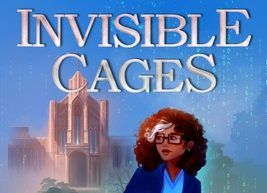
Burton used writing and her imagination to create a young adult sci-fi fantasy mystery novel, Invisible Cages: The Alynthia Quest, under the pen name MD Burton. Her debut novel launched in early October, and Burton said she’s been delighted with the responses so far.
The novel follows Jade Babington who leads a team of resourceful friends as they join an elite organization to crack a spy network and embark on a high-tech adventure to find answers. Her quest is complicated by powers that surge through her body, and to be successful, she needs to understand her family roots, embrace her emerging talents, and step into her legacy, according to a press release.
Through the book, readers are introduced to a range of characters who work in STEM and healthcare careers which Burton hopes will inspire readers to consider pursuing careers in some of those areas.
Burton moved to Dunwoody in 1995 and ran a successful pediatric ear, nose, and throat practice in Marietta. She retired in 2021 but missed the educational moments she shared with her young patients.
“I talk to kids all the time,” said Burton, adding that she likes to share insight into the many career paths in healthcare. “I love to educate and empower.”
She said she worked on the book for five years, researching coding, microchips, and satellites.
“It was a learning journey,” she remarked.
The book explores themes of self-acceptance, girl empowerment through strong female characters, the importance of family, and STEM exposure, states the press release. Set on a fictional health complex, the novel introduces readers to healthcare careers, as well as engineering and computer science.
The author also had to delve into unique aspects of her main character.
“Jade has powers and sees auras,” she explained. “So I spent a good amount of time learning about auras, telepathy and magical realism.”
In addition, to providing insight to STEM and healthcare careers, Burton hopes the books help her teen female readers dealing with insecurities to better understand and appreciate what makes them unique and the power they possess. She also hopes it will build self-confidence.
“You have to accept who you are,” she said. “Whatever your differences are, everybody’s got them, embrace them.”
Burton said she originally planned the book to be a seven-part series but on the advice of her edit changed it to four parts.
“I know what my end goal is,” said Burton noting that she’s included Easter eggs in the first book to entice readers throughout the reading process and has a completed outline for the other books in the series. After completing an audiobook of Invisible Cages: The Alynthia Quest by the end of the year, Burton plans to start writing the next book in 2027.
On Nov. 15, a book signing is scheduled at the Politan Row food hall in Dunwoody.
The self-published book is available in eBook, paperback, and hardback formats, on Amazon, Barnes & Noble, and other online retailers.
3 total views
Based on reporting by The Champion Newspaper.


What Dexter McCoy victory means for Black Ft. Bend Co.

Defender Election Wrap 2026

Jamal’s Take: The Cowboys Simply Blew It Against the Cardinals

From Coaching Kids to Shoveling Snow: Community Hero’s Impact! #shorts

2026 Salute to Excellence in Education | 39th Annual Gala Recap

From Enslavement to Minneapolis: A Family’s Unstoppable Journey! #shorts

Together We Rise: Black Unity Demands Change! #shorts

Christianity’s Racial History

Darren Riley of JustAir Solutions on the Need for Hyper-Local Data in Detroit’s Fight for Clean Air

Learn Black History and Win Your Next Game Night

All Skinfolk Ain’t Kinfolk

Practitioners of African Traditional Spirituality Offer Ancestral Reverence Ritual Oct. 31

A $2.1 Trillion Wellness Industry Never Built a Daily Practice for Black Children. So This Atlanta Family Did.

Latinas Deserve Equal Pay. Unions Help Make It Happen.

Tamiko Armstead | 2026 Lifetime Achiever in Education

Oakland Awarded More than $14 Million in State Funding

Montclair Brewery: Brewing Culture, Community, History

Should You Have to Pay to Hear the Gospel?

Master P Encourages Norwood Elementary Students to Dream Big, Work Hard

OP-ED: The Black Church Writes AI’s Next Chapter
What Dexter McCoy victory means for Black Ft. Bend Co.
Defender Election Wrap 2026
Jamal’s Take: The Cowboys Simply Blew It Against the Cardinals
From Coaching Kids to Shoveling Snow: Community Hero’s Impact! #shorts
2026 Salute to Excellence in Education | 39th Annual Gala Recap
From Enslavement to Minneapolis: A Family’s Unstoppable Journey! #shorts
Together We Rise: Black Unity Demands Change! #shorts
Darren Riley of JustAir Solutions on the Need for Hyper-Local Data in Detroit’s Fight for Clean Air

TCWAM: Get Out And VOTE (11/03/2026)

Test Buick’s Head-Up Display, Wireless Charger & Bose Audio #shorts
-
 Black Press1 week ago
Secretary of State Shirley Weber Pushes Back Against DOJ Demands Over California Voter Rolls
-
 Art1 week ago
Capturing Black Life’s Beauty
-
 Black History1 week ago
Retirement Triggers Doctor to Pen Book for Young Audience
-
 Black History1 week ago
Oakland Honors 60 Years of the Black Panther Party at the All Power to the People Gala
-

 Featured2 days ago
Multi-Faith Leaders Representing 10 Million People Launch National Anti-Authoritarian Initiative
-

 Black Press1 week ago
Fatigue, Bloating, and Inflammation: Spotting the Subtle Signs of MASLD
