
Featured
OP-ED: Why Is the Black Vote Still Being Treated Like a Political Piñata?
Jeffrey Boney says that, on the surface, African Americans are marketed to as if their sacred votes means so much, but historically that often changes once their votes are cast.


By Jeffrey L. Boney (NNPA Newswire Political Analyst)
When it comes to politics in this country, there is one thing that seems to be a constant—the Black vote is important and always tends to make a difference.
Although Blacks make up roughly 13 percent of the overall population in the United States, Black voters remain a powerful voting bloc that can change the trajectory of any election.
Now, it is no secret that Black people overwhelmingly vote for Democratic candidates in nearly every national election, with identical results being shown in local and state elections.
Even in elections where a race is considered to be nonpartisan, such as for a Mayor or City Council seat, Black people have historically voted for the candidates that have self-identified or campaigned as a Democrat.
While this has been the norm for decades, Black people have been on the receiving end of neglect and disparate treatment by candidates who win with the overwhelming support of the Black vote.
It is an interesting phenomenon to watch, as Black people are strategically sought after and courted for their vote, with the hope of securing their collective support for specific candidates or certain issues. Black people are typically courted with the same archaic methods to get them registered and to the polls, while providing limited resources for voter outreach and education.
On the surface, African Americans are marketed to as if their sacred vote means so much, but historically that often changes once their vote is cast.
The way African American voters are treated, it is as if they have become a political piñata.
You know what a “piñata is right?
According to the Merriam-Webster dictionary, a “piñata” is “a decorated container filled with candies, fruits, and gifts that is hung up at parties or celebrations and hit with a stick by blindfolded persons until it is broken and the things inside it fall out.”
As it relates to voting, African Americans are often treated like the treats on the inside of a piñata. They don’t care how they get Black votes, they just want that vote no matter how Blacks are treated or handled. Blacks are consistently pounded and beat over the head with political messages during campaign season until they give up their precious and valuable vote. Then once that piñata is finally opened, or in this case when the Black votes are finally cast, Black voters are either forgotten or vilified depending on the outcome of the race.
The routine is simple. When the results don’t go the way those who courted the Black vote wanted it to go, they blame the Blacks for the results. However, when the outcome is favorable to those who courted the Black vote, they celebrate the results, reap the benefits and then essentially ignore those same loyal, African American voters after the election is over.
Because Black voters overwhelmingly vote for Democratic candidates, it would make sense for the Democratic Party to avoid treating Blacks like piñatas and taking them for granted.
At a recent plenary session at the National Association of Black Journalists (NABJ) Annual Convention in Detroit, Democratic National Committee Chair Tom Perez emphatically stated that the Democratic Party had become notorious for taking African Americans for granted.
“Shame on us for taking African Americans for granted,” said Perez. “We can’t allow that to happen again and we won’t allow that to happen again under my watch. We can’t criticize Black voters for not showing up, because it’s not on them. It’s on the Democratic Party to show up and put our money where our mouth is to better organize in the African American community.”
History shows us that beginning with the Civil War era and through the early part of the 20th century, Blacks voted heavily Republican. One key factor for that was the decision for Republican President Abraham Lincoln to push for and pass the Emancipation Proclamation.
After the passage of the Emancipation Proclamation, the Ku Klux Klan began to terrorize Blacks with threats of violence to discourage them from voting, while strongly putting a fear in Blacks to avoid supporting Republican candidates, unless they wanted to be lynched. The Democratic Party, at that time, did not solicit Blacks to be a part of their party, primarily because the majority of the members of their party were White, segregationist politicians who governed Southern states.
Many Blacks who lived in the South were prevented from participating in the political process. It wasn’t until 1924 that Blacks were even permitted to attend Democratic conventions in any official capacity.
That changed in 1948, when Harry Truman received roughly 77 percent of the Black vote. It was at the point that many Blacks began to self-identify as Democrats. However, not all Black people were ready to switch so fast. It took a few more years for Blacks to shift to the Democratic Party in the way they have today.
In 1956, Republican Dwight D. Eisenhower got 39 percent of the Black vote and four years later Republican Richard Nixon got 32 percent of the Black vote in 1960. However, once President Lyndon B. Johnson championed the landmark Civil Rights Act of 1964, while his Republican opponent Senator Barry Goldwater openly opposed it, the almost full migration to the Democratic Party by African Americans had begun. Johnson received 94 percent of the Black vote that year.
The following year President Johnson signed the Voting Rights Act of 1965 into law and ever since, no Republican presidential candidate has gotten more than 15 percent of the Black vote.
African Americans are more than just a vote. Blacks have sacrificed and contributed mightily to the betterment of our nation, and to our state and local governments. No political party should ever treat the Black community and Black voters like political piñatas. Black people need to receive the same type of support and political respect as all other groups of people in this country. If African Americans aren’t respected and are continuously treated like political piñatas, then they might just become galvanized to the point where they either switch political parties or create their own—whatever it takes to avoid becoming a proverbial political piñata.
This upcoming midterm election in November, along with the events leading up to it, will be telling and will show how much effort the Democratic Party has done to engage their loyal voting bloc – Black voters.
The National Newspaper Publishers Association (NNPA), which represents over 200 Black-owned media companies across the U.S., has been focused on encouraging 5 million Blacks to register to vote and go to the polls before the midterm elections in 2018. The NNPA is calling on the Democratic Party, the Republican Party and all of their affiliates to invest in voter outreach utilizing Black newspapers across the country and to join the NNPA’s efforts to get Blacks registered and to the polls in November.
Jeffrey Boney is a political analyst for the NNPA Newswire and BlackPressUSA.com and the associate editor for the Houston Forward Times newspaper. Jeffrey is an award-winning journalist, dynamic, international speaker, experienced entrepreneur, business development strategist and founder and CEO of the Texas Business Alliance Follow Jeffrey on Twitter @realtalkjunkies.









Featured
The Leaders Shaping Norfolk s Community
Explore Norfolk’s pivotal past through archival reports on student activism and historic institutional milestones that shaped the community.

Archival Retrospectives: Norfolk’s Historical Record
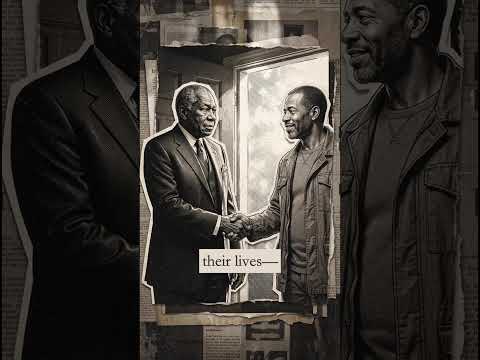
The edition’s “From The Guide Archives” section highlights three major historical Norfolk developments published in past editions.
Student Governance Activism at Norfolk State (October 1976 Archive): Documents student sit-ins, mass rallies, and a march on the home of President Dr. Lyman B. Brooks
. The protests—involving between 100 and 500 of the 4,000 enrolled students—stemmed from demands for equal student representation on campus decision-making bodies
Institutional Milestone at Norfolk State (October 1976 Archive): Reports on Pauline Fletcher Weeden Maloney of Lynchburg, VA, becoming the first woman elected as Rector of the Board of Visitors at Norfolk State College, succeeding Attorney Hugo Madison
Ward System & Voting Rights Legal Battle (November 7, 1990 Archive): Coverage by journalist Leonard E. Colvin titled “Norfolk NAACP, City Trade Blows”
. Attorney James Gay and the Norfolk NAACP filed suit against the city council’s at-large mayoral election plan, arguing that at-large voting diluted Black voting strength in Norfolk
Featured
London Brown finds purpose beyond Hollywood
From the streets of LA to Hollywood stardom, London Brown shares how he turned a mother’s prayer into a life of purpose and impactful storytelling.
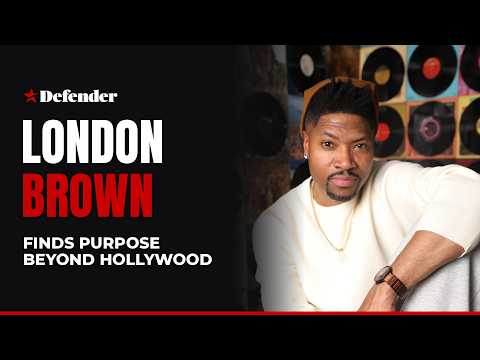
Before he was Uncle Marvin on Power Book III: Raising Kanan, actor and comedian London Brown was a kid in a Los Angeles neighborhood surrounded by gangs, with a mother who prayed God would keep him too busy for the streets. “I’ve been busy ever since.”
In Houston to speak to young people at a college fair, Brown talks with The Defender about going from having everything he owned in his mother’s garage to a five-season run on HBO’s Ballers, losing his brother to gun violence and learning how to grieve, the layers he built into Uncle Marvin, and his message to young people about finding their gift and walking in purpose.
Chapters
0:00 His mother’s prayer
0:26 His Hollywood breakthrough
0:44 The tragedy that changed him
1:14 The man behind Uncle Marvin
1:43 His message to young people
2:02 What’s next?
Read the full story at defendernetwork.com.
Subscribe to The Defender for more local news and community coverage.
Sign up for the Top 5 newsletter
Donate / Support Our Work
#LondonBrown #RaisingKanan #UncleMarvin #Ballers #Houston #TheDefender
Visit Our Website
Read more stories by our team
https://defendernetwork.com/category/news/opinion/
Sign-up for the Top 5 newsletter
Donate/ Support Our Work
Featured
London Brown finds purpose beyond Hollywood
From L.A. streets to Hollywood success, London Brown shares his journey of overcoming tragedy and finding purpose beyond the screen.
Before he was Uncle Marvin on Power Book III: Raising Kanan, actor and comedian London Brown was a kid in a Los Angeles neighborhood surrounded by gangs, with a mother who prayed God would keep him too busy for the streets. “I’ve been busy ever since.”
In Houston to speak to young people at a college fair, Brown talks with The Defender about going from having everything he owned in his mother’s garage to a five-season run on HBO’s Ballers, losing his brother to gun violence and learning how to grieve, the layers he built into Uncle Marvin, and his message to young people about finding their gift and walking in purpose.
Read the full story at defendernetwork.com.
Subscribe to The Defender for more local news and community coverage.
Sign up for the Top 5 newsletter
Donate / Support Our Work
#LondonBrown #RaisingKanan #UncleMarvin #Ballers #Houston #TheDefender
Visit Our Website
Read more stories by our team
https://defendernetwork.com/category/news/opinion/
Sign-up for the Top 5 newsletter
Donate/ Support Our Work
Featured
Cut a 22% Loan Rate to 8% and Save Big #shorts
Slash your interest rate from 22% to 8% and keep more money in your pocket. Watch how this simple financial move leads to massive long-term savings.
Reducing a 22% loan rate to 8% can mean substantial savings—about 14 cents less in interest per dollar, according to this example. #MN #Minnesota #Mpls #Minneapolis #StPaul #HennepinCounty #RamseyCounty #LoanInterest #DebtRefinancing #InterestRates #DebtManagement #FinancialWellness #MoneySaving
Featured
Houston Marijuana Arrests Jumped From 10 to 538
Houston marijuana arrests skyrocketed from 10 to 538 in just two years. We break down the stark racial disparities and the policies driving these charges.
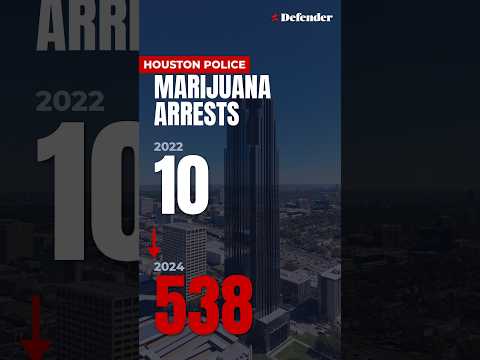
Houston police arrested just 10 people for misdemeanor marijuana possession in 2022. By 2024, that number jumped to 538, and nearly three out of four marijuana arrests over five years involved Black people.
Black residents make up less than a quarter of Houston’s population but accounted for about 74% of marijuana arrests from 2021 through 2025. The Defender breaks down who makes the decisions behind those arrests, the 2023 Texas law that changed how prosecutors handle entire categories of crimes, and what Proposition A means now that Houston voters have approved it.
In this video, you’ll learn about:
• The jump from 10 arrests in 2022 to 538 in 2024
• The racial disparity in Houston marijuana arrests
• How police, department policy and prosecutors shape who gets charged
• The 2023 Texas law and diversion programs
• Proposition A and what remains unclear
Chapters
0:00 From 10 arrests to 538
0:12 The racial disparity
0:28 Who decides?
0:47 The policy change
1:02 The vote
1:18 Following the numbers
Marijuana remains illegal in Texas. Stay informed about how Proposition A is put into practice and follow our reporting at DefenderNetwork.com.
Subscribe to The Defender for more exclusive interviews, local news, and community coverage.
Sign up for the Top 5 newsletter
Donate / Support Our Work
#Houston #HPD #PropositionA #MarijuanaArrests #CriminalJustice #BlackHouston #TheDefender
Featured
Mind the Crown: Adrianna Willis on Rest, Boundaries and Building a Brand | MSR On the Radar
Adrianna Willis of Mind the Crown joins MSR On the Radar to discuss building a business centered on rest, boundaries, and choosing yourself.
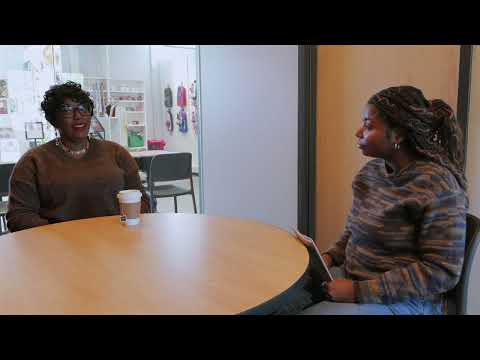
What does it look like to build a business around rest, boundaries and choosing yourself?
On this episode of MSR On the Radar, host Damenica Ellis sits down with Adrianna Willis, founder of Mind the Crown, a St. Paul lifestyle brand selling purses, backpacks, clothing, coloring books and affirmation cards with intentional messages for women.
Willis started her business in 2020, reselling products for people of color at a time when she wanted Black Minnesotans to know they were valued. She shares the costly lessons she learned without formal business training, why she left her six-figure corporate job in 2024, and how she found her true audience when she realized she was speaking to herself. After an ovarian cancer diagnosis in February, Willis is also using her platform to raise awareness.
In this episode, you’ll hear about:
Turning a side business into an intentional brand
The story behind the “This bag holds boundaries” purse
Raising ovarian cancer awareness through her platform
Building community through collaborations and a customer focus group
What to know before taking on a retail space
Why shared spaces like the Rondo Exchange help test demand
Shop Mind the Crown at the Rondo Exchange in St. Paul.
Subscribe for new episodes of MSR On the Radar every week, spotlighting the Minnesota entrepreneurs shaping our community.


The Leaders Shaping Norfolk s Community

London Brown finds purpose beyond Hollywood

London Brown finds purpose beyond Hollywood

Cut a 22% Loan Rate to 8% and Save Big #shorts

Houston Marijuana Arrests Jumped From 10 to 538

What Black EV Buyers Need to Know Before They Buy #shorts

Mind the Crown: Adrianna Willis on Rest, Boundaries and Building a Brand | MSR On the Radar

HAKEEM JEFFRIES WINS UNOPPOSED BID FOR HOUSE SPEAKER NOMINATION!

HAKEEM JEFFRIES WINS UNOPPOSED BID FOR HOUSE SPEAKER NOMINATION! 📱
Hope for the Holidays: Healing Hearts & Helping Neighbors

HISTORY MADE: Keisha Lance Bottoms Becomes First Black Woman Elected Governor in American History

BLACK MEN VOTE: Mobilizing 100,000 Black Men Ahead of the Midterms 📱

Secretary of State Shirley Weber Pushes Back Against DOJ Demands Over California Voter Rolls

Retirement Triggers Doctor to Pen Book for Young Audience

Multi-Faith Leaders Representing 10 Million People Launch National Anti-Authoritarian Initiative

Capturing Black Life’s Beauty

OP-ED: For Us It’s Feel-a-Nomics

Christianity’s Racial History

Hundreds of Black Christian Leaders Arriving in Israel for Martin Luther King-Inspired Mission

Oakland Honors 60 Years of the Black Panther Party at the All Power to the People Gala
The Leaders Shaping Norfolk s Community
London Brown finds purpose beyond Hollywood
London Brown finds purpose beyond Hollywood
Cut a 22% Loan Rate to 8% and Save Big #shorts
Houston Marijuana Arrests Jumped From 10 to 538
What Black EV Buyers Need to Know Before They Buy #shorts
Mind the Crown: Adrianna Willis on Rest, Boundaries and Building a Brand | MSR On the Radar
HAKEEM JEFFRIES WINS UNOPPOSED BID FOR HOUSE SPEAKER NOMINATION!
HAKEEM JEFFRIES WINS UNOPPOSED BID FOR HOUSE SPEAKER NOMINATION! 📱

How Student Athletics Boost Graduation and School Success #shorts
-
 Black History1 week ago
Don’t Pass the Torch. Expand the Circle.
-
 Black Press5 days ago
OP-ED: Closing the Next Digital Divide — Communities of Color Must Have a Voice in the AI Future
-
 Featured1 week ago
Democratic Leadership Under Fire, Maxine Waters Challenged & Tyler Perry’s New Political Role 📱
-

 Black History6 days ago
New NAACP Report Warns AI Could Deepen Health Disparities in Black Communities
-
 Black History5 days ago
“Blue Tsunami” Sweeps Georgia, Bottoms Makes History
-
 Black History1 week ago
Nixon Unbought, Unbossed and Undeterred Following U.S. Senate Defeat – Free Press of Jacksonville
