
Black Press
OP-ED: Can Shawn Carter Live?
BLACKPRESSUSA – This story isn’t simply about Jay-Z. It’s about what we ask of successful Black people long after they’ve proven themselves.

Can Shawn Carter Live?
I’m serious. Jay-Z can sell out Yankee Stadium—we settled that. Not can he become a billionaire—we settled that, too. Can a Black man build what Shawn Carter has built, own what he’s chosen to own, move the way he chooses to move, and not have every decision become a referendum on whether he’s still “for the culture?”
I’ve been sitting with that. Not because of the concerts. Because of us. Because every time somebody Black reaches a certain altitude, the conversation changes. We stop talking about the work and start talking about the worthiness. We stop asking what was built and start asking whether they still belong to us.
Maybe that’s fair. Maybe it isn’t. I’m still thinking.
Thirty years ago, I met a young Jay-Z in Atlanta.
It was the summer of 1996. I was 22 years old, working on producing entertainment events surrounding the Olympic Games. Reasonable Doubt had just been released, and I booked this hungry rapper from Brooklyn to perform a few songs.
No billionaire. No cultural icon. No Roc Nation. Just a brother trying to get an independent record into the world after the industry kept telling him no.
Nobody knew what was coming. Not him. Not me. Not any of us.
That’s probably why this anniversary stayed with me differently.
Fast-forward three decades.
Shawn Carter returned to Yankee Stadium for a three-night residency celebrating the 30th anniversary of Reasonable Doubt and the 25th anniversary of The Blueprint. But from the reporting, the clips, and the campaign Roc Nation built around the performances, it became clear this wasn’t simply about concerts.
Roc Nation described JAŸ-Z30 as a year-long celebration of music, entrepreneurship, storytelling, and cultural influence. The campaign stretched far beyond Yankee Stadium: immersive pop-ups, commemorative Brooklyn Public Library cards, custom subway maps, limited-edition merchandise, and a digital map connecting locations across New York City to moments in Carter’s life and career. Roc Nation called it “a living cultural archive.”
That phrase stayed with me.
Not because it sounded good. Because it raised a different question.
Who gets to preserve the story?
For generations, we’ve watched other people write our history, package it, monetize it, and decide which chapters deserve remembering. This time, Mr. Carter wasn’t waiting for permission.
In GQ, he reflected on the early days of Roc-A-Fella after major labels passed on Reasonable Doubt. He recalled saying, “We going to do this on our own.” The album initially sold roughly 43,000 copies. Without mainstream distribution or marketing, Roc-A-Fella relied on independence, relationships, and street-level hustle to move the record.
That reporting matters because when you remember where Reasonable Doubt started, JAŸ-Z30 doesn’t feel like nostalgia.
It feels like ownership. That’s a win.
Here’s where I got stuck.
While the anniversary campaign celebrated Black ownership and independence, the exclusive 30th-anniversary vinyl edition of Reasonable Doubt was sold through Target.
You already know the conversation.
I don’t need to explain it.
TheGrio reported that the partnership reignited criticism from Black consumers who were already questioning Target’s retreat from its diversity, equity, and inclusion commitments. For some, the issue wasn’t the vinyl.
It was the symbolism. What it signaled was the rub.
Jiggaman answered some of that criticism during the Yankee Stadium run. Complex reported that he challenged the idea that people selectively decide which corporations deserve scrutiny. His comments echoed what he’d previously told GQ: Black entrepreneurs often have to work within systems they don’t own because those systems still control distribution.
Okay. I hear him. I really do.
But I couldn’t shake one question: Who else won? Not as a gotcha. As an honest question. If we’re calling this a win for the culture, where else did the culture win? Who produced the activations? Who received the contracts? Which Black-owned businesses participated?
And how much of the economic activity found its way back into the communities that embraced Hov long before corporate America ever did?
As I worked on this column, I went looking for those answers.
I reviewed Roc Nation’s campaign materials alongside reporting from GQ, TheGrio, Complex, and Wired. I found detailed reporting on the performances, the partnerships, the merchandise, and the cultural activation itself.
Wired’s profile of production designer Willo Perron stood out in particular. Perron’s approach intentionally resisted letting spectacle overshadow the artist. Even the production reinforced the larger point: keep the story centered on the artist, not the production.
What I did not find was an independent economic-impact study. I did not find publicly available procurement data documenting participation by Black-owned businesses. I did not find a verified accounting showing where the broader economic opportunities connected to the campaign ultimately flowed. That doesn’t mean those things don’t exist.
It means I couldn’t verify them. And if I can’t verify them, I can’t write them. That’s journalism.
Now here’s where I think we get ourselves in trouble.
Sometimes we expect one person to carry the weight of an entire people. We don’t ask that of anybody else. One successful Black person becomes responsible for proving capitalism can love us back.
That’s too much.
Shawn Carter never said he was carrying Black economic liberation on his shoulders. He built a company after the music industry closed its doors. He maintained ownership when ownership wasn’t fashionable. Thirty years later, he celebrated that journey in a stadium, on his own terms, while helping shape how that journey would be remembered.
Respect. Full stop.
But respecting that journey doesn’t require us to stop asking questions. Those two things can sit beside each other. I can applaud what he built. I can still ask who else got to build with him.
Both things can be true.
Maybe that’s the real tension. Not whether Jay-Z sold out.
We’ve been recycling that argument for years.
The real tension is whether we’ve reached a place where a Black man can become this successful without immediately putting him on trial for it.
Can he celebrate? Can he preserve his legacy?
Can he make business decisions we don’t all agree with and still be recognized for what he’s contributed?
Can Shawn Carter live? I don’t know.
The better question is whether we should let him. Because somewhere between accountability and expectation… between ownership and obligation… we keep asking Black excellence to carry more than excellence was ever meant to carry.
I’m still sitting with that.
Can Shawn Carter live?
James Farr keeps the conversation live. Thinking about his thoughts out loud while talking in cursive, he invites readers into the conversations that culture leaves behind the headlines.









Black Press
5 Self-Care and Wellness Gift Ideas for the Women in Your Life
This holiday season put her well-being on the gift list. Created with guidance from Black doctors and with the unique health needs of Black women of all ages in mind, Black Girl Vitamins brings a thoughtful perspective to wellness gifting.


Sponsored by Black Girl Vitamins.
5 Self-Care and Wellness Gift Ideas for the Women in Your Life

This holiday season put her well-being on the gift list. Created with guidance from Black doctors and with the unique health needs of Black women of all ages in mind, Black Girl Vitamins brings a thoughtful perspective to wellness gifting.
From the auntie who always checks in to the sister friend who makes sure you’re good, these gift ideas offer a little care for the women who show up with love. There’s something for you, too.
For the Beauty Lover
Elevate her cherished beauty ritual with the Beauty Bundle, featuring Hair, Skin & Nails, BGV Collagen Powder and Vitamin D3. Include a handwritten note celebrating her beauty beyond the mirror.
For the Woman on the Go
Between packed calendars and personal goals, her days fill up fast. Make her well-being—not just her to-do list—the priority with the Energy Bundle, which brings together Iron, Vitamin D3 and B12.
For the Wellness Girlie
Surprise the friend who loves curating her wellness shelf with Her Balance Gummies and Chlorophyll Drops. Wrap them together for a personalized gift that speaks to her interest in everyday self-care.
For Her Next Chapter
Recognize her changing wellness needs with Peri Meno-Chill for perimenopause or Meno-Chill for menopause. Add a cooling pillowcase for a thoughtful touch that makes this gift feel personal.
For Her Wind-Down Ritual
Build this gift around an evening that belongs to her. Pair Dream Girl Sleep and Calm Girl Ashwagandhawith a simple reminder: “The rest of the list can wait.”
Because a thoughtful gift doesn’t add another obligation. It reminds her she deserves care, too.
Black Press
Native American Health Center Connects 140 Community Members to Career Opportunities During Native American Heritage Month
The Native American Health Center recently hosted its Career Connect job fair at the Flicker Building and Cultural Center in Oakland, welcoming 140 community members in honor of Native American Heritage Month. Organized through the federally funded Strong Native Workforce Program, the event aimed to promote economic stability by connecting American Indian, Alaska Native, and Native Hawaiian residents with local career pathways. A diverse group of employers from the healthcare, technology, and government sectors attended to provide attendees with information regarding job openings and professional training programs. Read more.
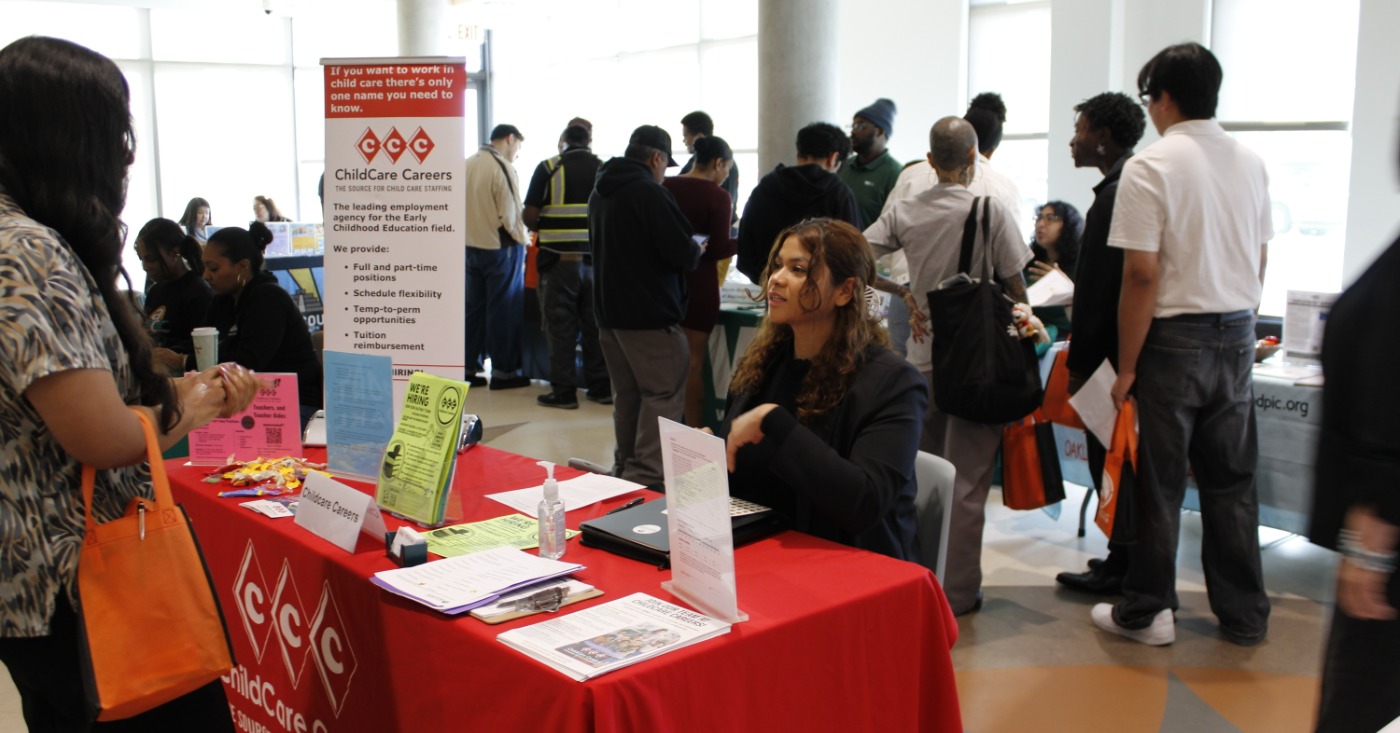
In celebration of Native American Heritage Month, the Native American Health Center (NAHC) welcomed 140 community members to its Career Connect: Community Job & Career Fair on Friday, Nov. 6.
Held at NAHC’s Flicker Building and Cultural Center in Oakland, the event connected American Indian, Alaska Native, Native Hawaiian, and other community members with employers, career pathways, workforce development programs, and family resources throughout the San Francisco Bay Area.
The event was organized through NAHC’s Strong Native Workforce Program, a federally funded initiative supported by the U.S. Department of Labor through the Workforce Innovation and Opportunity Act (WIOA). The program helps Native community members pursue meaningful employment and long-term economic stability through career counseling, job placement assistance, skills training, and supportive services.
The Career Connect Job Fair was coordinated with support from Gallo Advantage Consulting, a Native American woman-owned consulting firm specializing in strategic planning, community engagement, and workforce development. Working alongside NAHC, the firm supported employer outreach, event coordination, and partnerships with local businesses and community organizations.
“Native American Heritage Month is an opportunity to celebrate the strength, resilience, and contributions of our communities while investing in their future,” said Natalie Aguilera, CEO of NAHC. “Employment is an important part of health and well-being, providing economic stability, purpose, and opportunities for individuals and families to thrive. Through our Strong Native Workforce Program and events like Career Connect, we are helping community members build meaningful careers and create stronger futures for generations to come. We are grateful to the employers and community partners who joined us in this effort.”
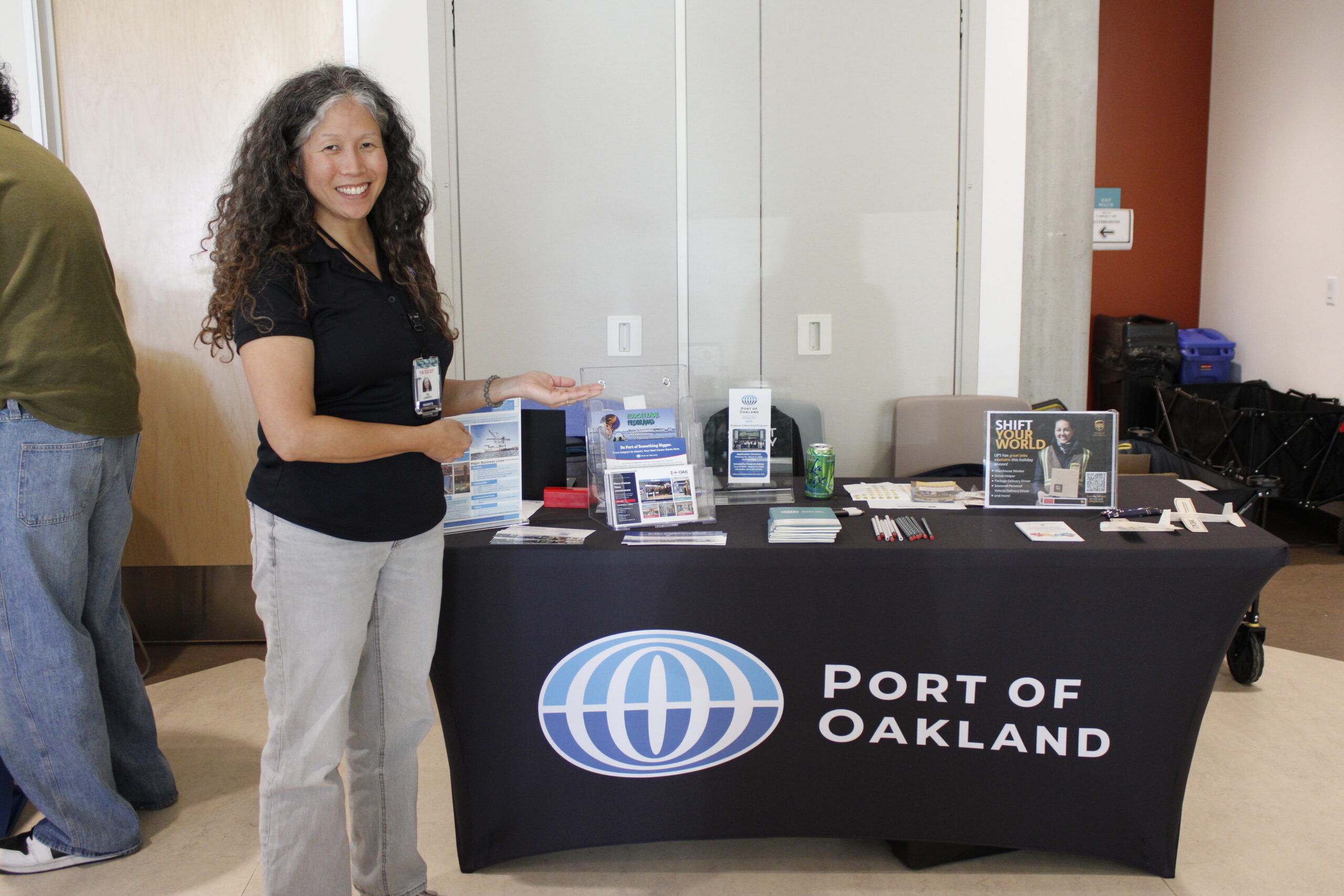
The job fair featured employers across healthcare, technology, government, transportation, education, and other industries. Participating organizations included Cisco Systems, the City of Oakland, East Bay Regional Park District, Kaiser Permanente, Port of Oakland, Sutter Health, Balance Staffing, MANOS Homecare, Inc., Childcare Careers, AC Transit, Samuel Merritt University, Waste Management of Alameda County, Inc., CareBuilders at Home – East Bay, East Bay Municipal Utility District, Patelco Credit Union, and Code Tenderloin.
Workforce development and community partners who shared their resources with participants included the Oakland Private Industry Council, Lao Family Community Development, The Unity Council, West Oakland Jobs Resource Center, Friendship House Association of American Indians of San Francisco, the Washoe Tribe of Nevada and California’s Alameda County Native TANF Program, as well as NAHC’s own Community Wellness Department.
Throughout the event, attendees connected with employers, explored job openings, and learned about apprenticeships, certification programs, training opportunities, and community resources.
Held during Native American Heritage Month, Career Connect highlighted the importance of investing in Native communities through education, employment, and economic opportunity. The event demonstrated the value of bringing employers and community organizations together to support career advancement and build a stronger Native workforce.
About Native American Health Center
Founded in 1972, the Native American Health Center (NAHC) is a nonprofit community health center serving American Indians, Alaska Natives, and surrounding communities throughout the San Francisco Bay Area. NAHC provides culturally responsive healthcare, behavioral health services, and community wellness programs, including workforce development initiatives that support employment and economic opportunity. All individuals are welcome at NAHC. NAHC provides care for 15,000 members annually. NAHC employs almost 300 staff across 17 sites in three counties: Alameda, San Francisco, Contra Costa.
For more information, visit www.nativehealth.org.
About Gallo Advantage Consulting
Gallo Advantage Consulting is a Native American woman-owned consulting firm specializing in strategic planning, community engagement, workforce development, and partnership development. The firm works with public agencies, nonprofits, and community organizations to strengthen programs, build partnerships, and expand opportunities for the communities they serve.
For more information, visit www.galloadvantage.com
Black Press
Oakland Chamber of Commerce Faces $42,000 Ethics Fine for Campaign Violation
The Oakland Public Ethics Commission has approved a $42,000 fine against the Oakland Metropolitan Chamber of Commerce and its leaders for campaign finance violations. Investigators found that the chamber’s political action committee acted as a conduit to hide the identities of wealthy donors who funded attack ads against former Councilmember Desley Brooks during the 2018 election. The settlement concludes an investigation into pass-through contributions that deprived voters of legally required information. Several other political entities and former city officials are also linked to the case. Read more.
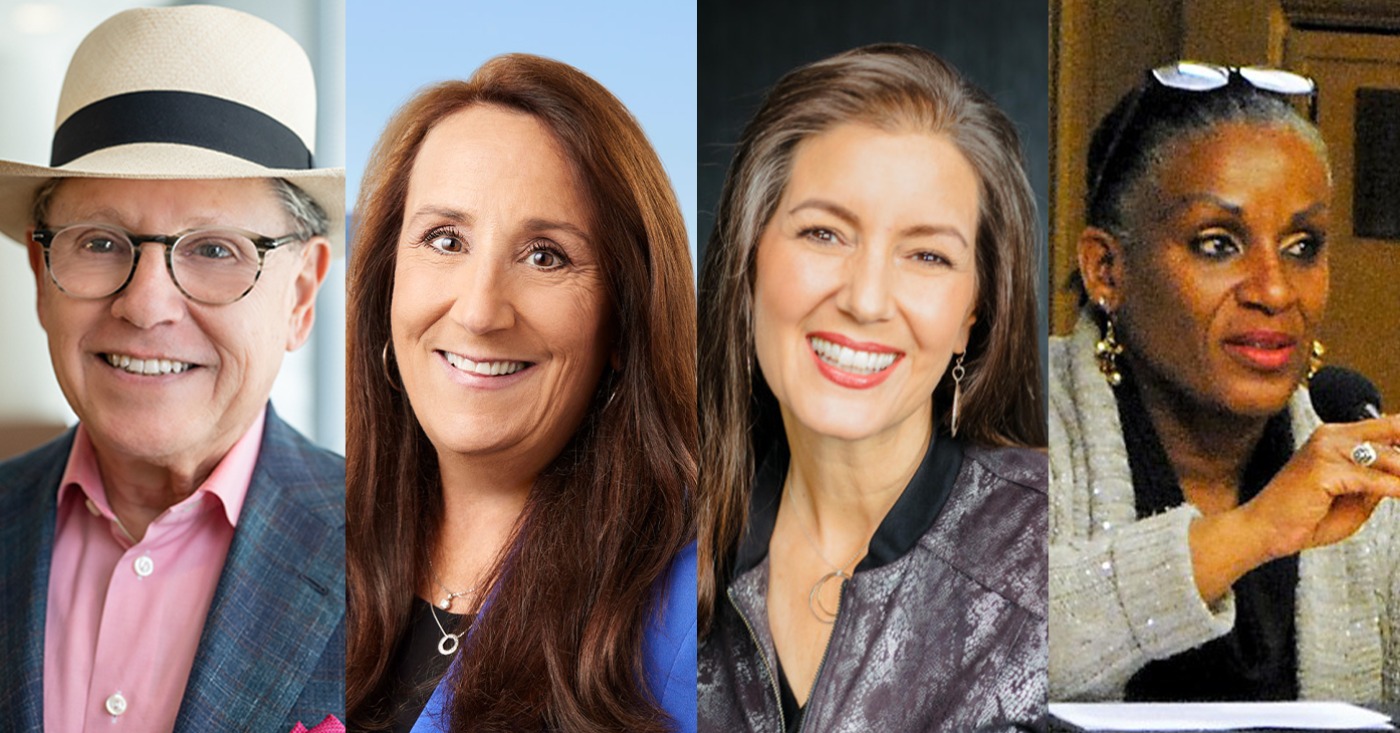
The political arm of the Oakland Metropolitan Chamber of Commerce and its leaders Barbara Leslie and Zack Wasserman were fined a total of $42,000 by the Public Ethics Commission for improper campaign spending and accusations of hiding campaign financial details for its efforts to oust City Councilmember Desley Brooks in 2018, as reported in The Oaklandside.
The commission approved the settlement, voting for it 5-2 at its meeting Tuesday evening.
The Chamber, utilizing its political action committee (PAC), “OakPAC,” acted as a conduit for money from more than a dozen large companies and wealthy individuals into an independent expenditure committee, “Oaklanders for Responsible Leadership,” which ran attack ads against Brooks during the 2018 election, according to the Public Ethics Commission.
According to Oaklandside,16 contributors donated nearly $90,000 to the campaign against then Brooks, and their names were kept hidden until months after the election when the Chamber submitted additional filings with regulators.
During her years in office, Brooks had been opposed by local groups because she led the creation of the city’s Department of Race and Equity and because of her consistent advocacy for ending the city’s longtime lack of attention to the needs and concerns of African American residents.
As a result, Brooks was often demonized, and former Mayor Libby Schaaf initiated several attempts to remove her from office.
The ethics commission, which has been investigating the case since 2022, is recommending a settlement requiring the Chamber’s PAC, the Chamber’s CEO Barbara Leslie, and the group’s board chair emeritus, Zack Wasserman, to pay a penalty of $42,000.
The accused have agreed to a “no contest” resolution, meaning they accept the penalty but do not admit wrongdoing.
The commission’s investigation was tied to a broader case involving Schaaf, who was accused of secretly leading three political committees in two different election years to attack political opponents and support a ballot measure.
The commission resolved most of the Schaaf investigation in October 2024 when the former mayor agreed to pay $21,000.
Two political committees, Committee for an Affordable East Bay and Oaklanders for Responsible Leadership, faced fines of $325,000 in penalties. But since those committees are no longer active, those penalties would be difficult to enforce, according to the commission.
In the proposed settlement of the Chamber of Commerce case, the ethics commission investigators said that the OakPAC’s use of pass-through contributions are “serious violations” of Oakland’s Campaign Reform Act.
“While the individual respondents have stated that they did not believe that the actions they took violated the law, the people involved in this arrangement were all sophisticated individuals who should have been familiar with campaign finance law,” investigators wrote. “[They] engaged in activity which deprived voters of donor information required by law.”
The investigators wrote that an internal accounting and tracking document of contributions planned for the anti-Brooks committee indicates “an intentional pattern of conduct to conceal the names of individuals whose contributions ended up going to [the committee], regardless of whether there was knowledge that these activities were illegal.”
Local observers have raised concerns that the ethics commission’s powers of enforcement are severely limited and do little to ensure fair political practices in local campaigns.
Oaklandside, Oakland Post file stories, and other online accounts are the sources of this report.
Black Press
Attorney General Bonta Serves Investigative Subpoena on Nvidia
California Attorney General Rob Bonta has issued an investigative subpoena to Nvidia following reports regarding former CEO Jensen Huang’s relationship with an alleged Chinese spy. The California Department of Justice is investigating whether the company’s advanced chips or confidential information were improperly transferred to China. Authorities are also examining if Nvidia misled the public and investors about these potential security risks in violation of state law. Officials are currently evaluating the company’s conduct to determine if legal action is warranted. To learn more about this investigation, read more.
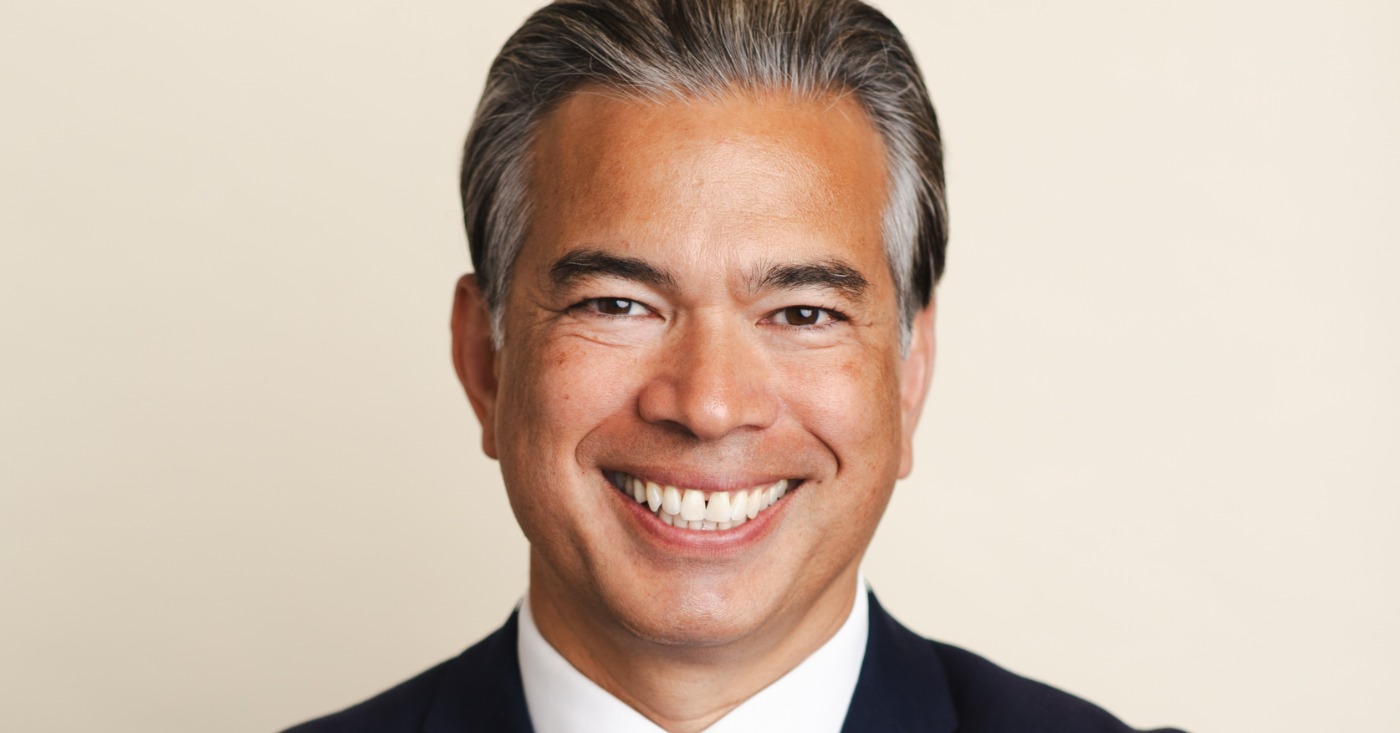
California Attorney General Rob Bonta served an investigative subpoena on Nvidia related to the news of former Nvidia CEO Jensen Huang’s affair with an alleged Chinese spy.
The California Department of Justice is asking Nvidia whether its advanced chips or confidential information may have gone to China and whether Nvidia misled investors and the public.
The information received through the subpoena will help the California Department of Justice evaluate whether Nvidia’s actions violated California law.
“The conduct of Nvidia and its former CEO raises bright red flags, including about the ways in which the company may have misled investors.
“My office is investigating whether Nvidia or Jensen Huang’s actions resulted in China obtaining advanced chips or confidential information — and if Nvidia misled investors and the public about this risk, in violation of the law,” said Attorney General Bonta in Thursday.
“Nvidia is in a messy, transnational situation but the underlying principle of our corporate securities law is clear: Companies cannot mislead their investors.”
The California Department of Justice is the source of this story.
Black Press
A Record 216 Firearms Collected at East Oakland Gun Buy-Back Event
The Oakland Police Department and community partners recently hosted the “Guns to Gardens” buyback event, collecting a record 216 firearms. This total marks the largest collection in more than a decade, surpassing the previous high of 130 guns set in 2022. Participants received a total of $18,000 in gift cards for surrendering weapons ranging from compact pistols to military-style assault rifles and ghost gun kits. Officials confirmed that every weapon collected will eventually be repurposed to serve a new community function. Read more.
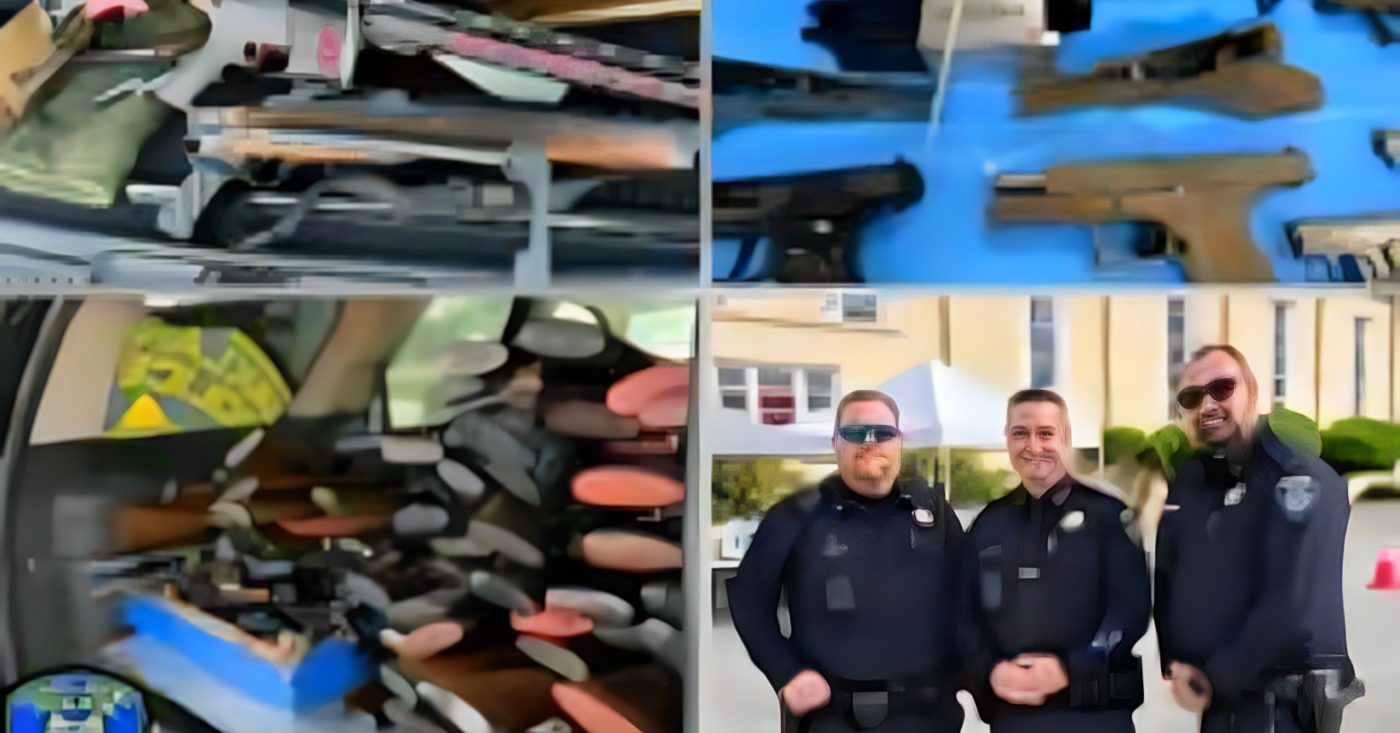
Over the weekend, the Oakland Police Department (OPD) and community partners hosted “Guns to Gardens,” a gun buyback event with strong community participation. OPD collected a record 216 firearms, exceeding the previous high of more than 130 in 2022 and marking the largest collection in more than a decade.
“Thanks to the generosity of our faith-based coalition, the Kaiser Foundation, and local partners, we distributed $18,000 in gift cards to community members who turned in their firearms,” said Oakland Mayor Barbara Lee.
The buyback follows the graduation of the 197th academy of Oakland Police Department (OPD) cadets on Nov. 6. The nine cadets are already making their mark connecting with residents, honoring the department’s history, and supporting department events.
In their first month, the Cadets helped clean the Remember Them monument at Henry J. Kaiser Memorial Park. They learned about Oakland Police Officer John Grubensky, who died in the line of duty while guiding community members to safety during the Oakland Hills Fire and is honored on the monument.
The Cadets handed out candy at OPD’s annual Trunk or Treat celebration and helped with the 197th Police Academy graduation ceremony.
Most recently, the Cadets participated in an inspection and pinning ceremony, marking another milestone in their development and service to our community.
OPD thanks Kaiser Permanente and PG&E for their donations, which led to the reinstatement of the Cadet Program. This program offers young people ages 15½ to 20½ opportunities to engage with their community, gain experience, and explore careers in public safety.
But it was the veteran officers that handled the buyback at St. Benedict’s Catholic Church at 2245 82nd Ave.in East Oakland.
The weapons collected on Nov. 14 ranged from compact pistols to assault weapons. One participant also surrendered equipment used to create homemade firearms, commonly known as “ghost guns.”
“I was shocked to see the number of assault weapons, military-style firearms, and ghost guns turned in,” said Oakland Police Chief James Beere. “Every firearm removed from our streets is one less that could be used in a shooting or other act of violence. By choosing to turn in unwanted guns, we help protect our neighborhoods and ultimately save lives.”
OPD and Lee thanked the community partners, volunteers, and participants for their continued support in this effort.
“Every single gun collected will be transformed into garden tools and given back to the community at future events,” said Lee. “A huge thank you to everyone who participated, our dedicated partners, and OPD for making Oakland safer.”
Paul Chambers is the strategic communications manager for the Oakland Police Department.
Black Press
A Record 216 Firearms Collected at East Oakland Gun Buy-Back Event
The Oakland Police Department and community partners recently hosted the “Guns to Gardens” buyback event, collecting a record 216 firearms. This total marks the largest collection in more than a decade, surpassing the previous high of 130 guns set in 2022. Participants received a total of $18,000 in gift cards for surrendering weapons ranging from compact pistols to military-style assault rifles and ghost gun kits. Officials confirmed that every weapon collected will eventually be repurposed to serve a new community function. Read more.
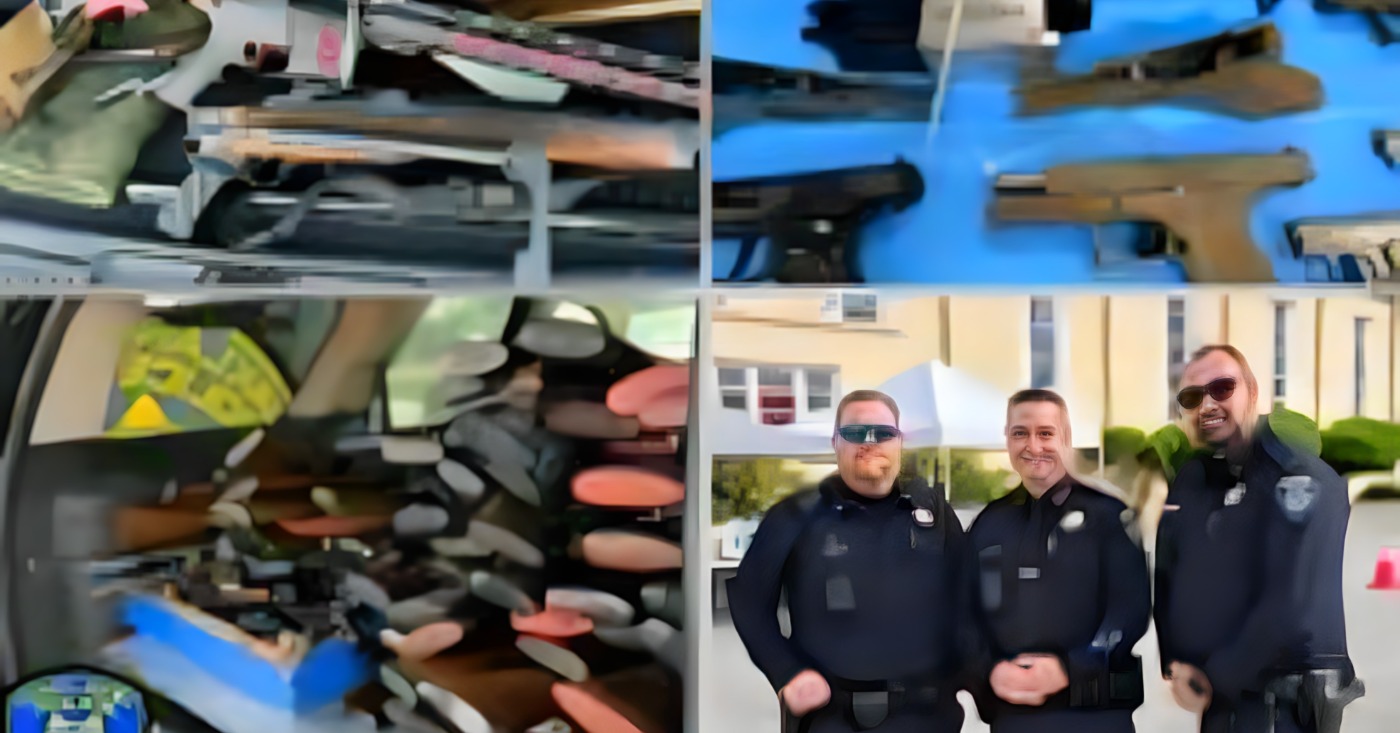
Over the weekend, the Oakland Police Department (OPD) and community partners hosted “Guns to Gardens,” a gun buyback event with strong community participation. OPD collected a record 216 firearms, exceeding the previous high of more than 130 in 2022 and marking the largest collection in more than a decade.
“Thanks to the generosity of our faith-based coalition, the Kaiser Foundation, and local partners, we distributed $18,000 in gift cards to community members who turned in their firearms,” said Oakland Mayor Barbara Lee.
The buyback follows the graduation of the 197th academy of Oakland Police Department (OPD) cadets on Nov. 6. The nine cadets are already making their mark connecting with residents, honoring the department’s history, and supporting department events.
In their first month, the Cadets helped clean the Remember Them monument at Henry J. Kaiser Memorial Park. They learned about Oakland Police Officer John Grubensky, who died in the line of duty while guiding community members to safety during the Oakland Hills Fire and is honored on the monument.
The Cadets handed out candy at OPD’s annual Trunk or Treat celebration and helped with the 197th Police Academy graduation ceremony.
Most recently, the Cadets participated in an inspection and pinning ceremony, marking another milestone in their development and service to our community.
OPD thanks Kaiser Permanente and PG&E for their donations, which led to the reinstatement of the Cadet Program. This program offers young people ages 15½ to 20½ opportunities to engage with their community, gain experience, and explore careers in public safety.
But it was the veteran officers that handled the buyback at St. Benedict’s Catholic Church at 2245 82nd Ave.in East Oakland.
The weapons collected on Nov. 14 ranged from compact pistols to assault weapons. One participant also surrendered equipment used to create homemade firearms, commonly known as “ghost guns.”
“I was shocked to see the number of assault weapons, military-style firearms, and ghost guns turned in,” said Oakland Police Chief James Beere. “Every firearm removed from our streets is one less that could be used in a shooting or other act of violence. By choosing to turn in unwanted guns, we help protect our neighborhoods and ultimately save lives.”
OPD and Lee thanked the community partners, volunteers, and participants for their continued support in this effort.
“Every single gun collected will be transformed into garden tools and given back to the community at future events,” said Lee. “A huge thank you to everyone who participated, our dedicated partners, and OPD for making Oakland safer.”
Paul Chambers is the strategic communications manager for the Oakland Police Department.


5 Self-Care and Wellness Gift Ideas for the Women in Your Life

A Retail Space Won’t Bring Customers—Here’s What Will #shorts

MC Scat Cat Led to a Surprising Quincy Jones Moment #shorts

Native American Health Center Connects 140 Community Members to Career Opportunities During Native American Heritage Month

Oakland Chamber of Commerce Faces $42,000 Ethics Fine for Campaign Violation

Adrianna Willis on Mind the Crown, Boundaries and Choosing Yourself | On The Radar | MSR

Mind the Crown: Adrianna Willis on Rest, Boundaries and Choosing Yourself | On The Radar | MSR

Attorney General Bonta Serves Investigative Subpoena on Nvidia

A Record 216 Firearms Collected at East Oakland Gun Buy-Back Event

A Record 216 Firearms Collected at East Oakland Gun Buy-Back Event

HISTORY MADE: Keisha Lance Bottoms Becomes First Black Woman Elected Governor in American History

Secretary of State Shirley Weber Pushes Back Against DOJ Demands Over California Voter Rolls

Retirement Triggers Doctor to Pen Book for Young Audience

Capturing Black Life’s Beauty

Multi-Faith Leaders Representing 10 Million People Launch National Anti-Authoritarian Initiative

Christianity’s Racial History

Hundreds of Black Christian Leaders Arriving in Israel for Martin Luther King-Inspired Mission

Oakland Honors 60 Years of the Black Panther Party at the All Power to the People Gala

Message from the Associate Editor: Blindness, Hurts, Cops

Michael Shiner: The Enslaved Man Who Wrote His Way into American History
A Retail Space Won’t Bring Customers—Here’s What Will #shorts
MC Scat Cat Led to a Surprising Quincy Jones Moment #shorts
Adrianna Willis on Mind the Crown, Boundaries and Choosing Yourself | On The Radar | MSR
Mind the Crown: Adrianna Willis on Rest, Boundaries and Choosing Yourself | On The Radar | MSR

Delay Motherhood: What you need to know about egg freezing

Car Buying Tips: 5 Steps to Get a Better Deal #shorts

Massive Chevy Tahoe Interior Tour: The Cup Test Challenge #shorts

Scott Colom’s Nike Challenge Goes National, Freshman Democrats Get a Surprise 📱

Scott Colom’s Nike Challenge Goes National, Freshman Democrats Get a Surprise

MLGW offers up to $7,500 per home to help builders connect to the grid
-
 Black Press1 week ago
OP-ED: Closing the Next Digital Divide — Communities of Color Must Have a Voice in the AI Future
-

 Black Press1 week ago
COMMENTARY: Thank You, Trump, for Making America Great Again!
-
 Black History1 week ago
“Blue Tsunami” Sweeps Georgia, Bottoms Makes History
-

 Black Press6 days ago
Black Men Encouraged to Start Prostate Cancer Screening at 45
-

 Black Press1 week ago
OP-ED: And Then What?
-
 Black History1 week ago
Mississippi Congressman Bennie Thompson Congratulates Scott Colom on Historic Victory
