
BlackPressUSA
Oakland Teachers Strike Continues Over Wages, ‘Common Good’ Demands for Needs of Parents, Students


By Ken Epstein
The strike of Oakland’s 3,000 teachers and other school staff is ending its first full week. Both sides are moving closer to a settlement, which could come soon, though observers close to the bargaining table say possibilities still exist for negotiations to break down.
Both sides appear to be near agreement on salary issues. The Oakland Unified School District is offering nearly $70 million in raises for teachers and other members of the Oakland Education Association, including nurses, social workers, psychologists, counselors, and substitutes.
A recent OUSD proposal offers an increase for first-year teacher salaries from $52,905 to about $63,000 and an increase for educators at the top of the salary scale from $98,980 to over $110,000.
A major sticking point has been the union’s “common good” demands, especially the demand for shared decision-making at community schools, which would mean that parents and teachers would have the right to vote on how money is spent at their schools.
In an interview with the Oakland Post, Ismael “Ish” Armendariz, OEA’s interim president, said, the district and some board members do not want to give up some of their authority to shared decision making. “They want to control,” he said.
“Under shared governance, people get to vote collectively on how the money at school sites is spent, not just advise the district, which is free to disregard the advice. That’s where the big disconnect is (in negotiations),” he said.
Other common good proposals include mental health services for students, support for unhoused students, implementation of OUSD’s Reparations for Black Students policy, limit or halt the closing of schools in flatland communities and protection and expansion of programs for students with disabilities.
Approved by the board in 2021, the Reparations for Black Students policy is designed to improve academic achievement and enrollment for Black students. The union’s proposal would give OEA the authority to select teacher members of the task force the resolution created.
The district has wanted to limit negotiations to traditional wage and hours issues. But the union says though wages are crucial to provide stability and a living wage for educators, these other issues also directly impact parents, students, and teachers.
“Our schools face safety concerns ranging from gun violence to asbestos and lead to mice and rat infestations to raw sewage to leaky roofs,” according to a union statement.

Teachers’ union President Ismael “Ish” Armendariz speaks to press at school picket line. Photo courtesy of OEA.
The OEA’s common good proposals are based on outreach with thousands of OUSD parents and community members. California districts that have bargained common good demands with teacher unions include Los Angeles Unified, Natomas Unified, Montebello Unified, San Diego Unified, West Contra Costa Unified, and Jurupa Unified.
Speaking at an OUSD press conference Monday, Board President Mike Hutchinson opposed the common good proposals.
“While we agree on the principles of the (common good) proposals, they simply do not belong in the contract language,” he said.
Three school board members who are sympathetic to the union’s demands, VanCedric Williams, Valarie Bachelor and Jennifer Brouhard, held their own press conference Monday to clarify their position to the public and to push Hutchinson and Boardmembers Sam Davis and Dr. Clifford Thompson to negotiate on the union’s common good proposals.
Bachelor told the Oakland Post that the common good proposals have grown in importance since the pandemic.
“The pandemic has made it really clear about the inequities in the community and what happens when we don’t address them. The bread-and-butter issues are important, but I’m glad the OEA has brought these common good demands to the community attention, to the state’s attention,” she said.
The post Oakland Teachers Strike Continues Over Wages, ‘Common Good’ Demands for Needs of Parents, Students first appeared on Post News Group. This article originally appeared in Post News Group.





BlackPressUSA
Multi-Faith Leaders Representing 10 Million People Launch National Anti-Authoritarian Initiative

Faith leaders pledge to build a national movement of moral resistance and act against weaponized religion
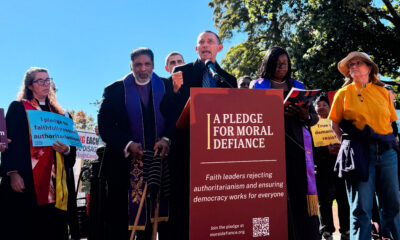
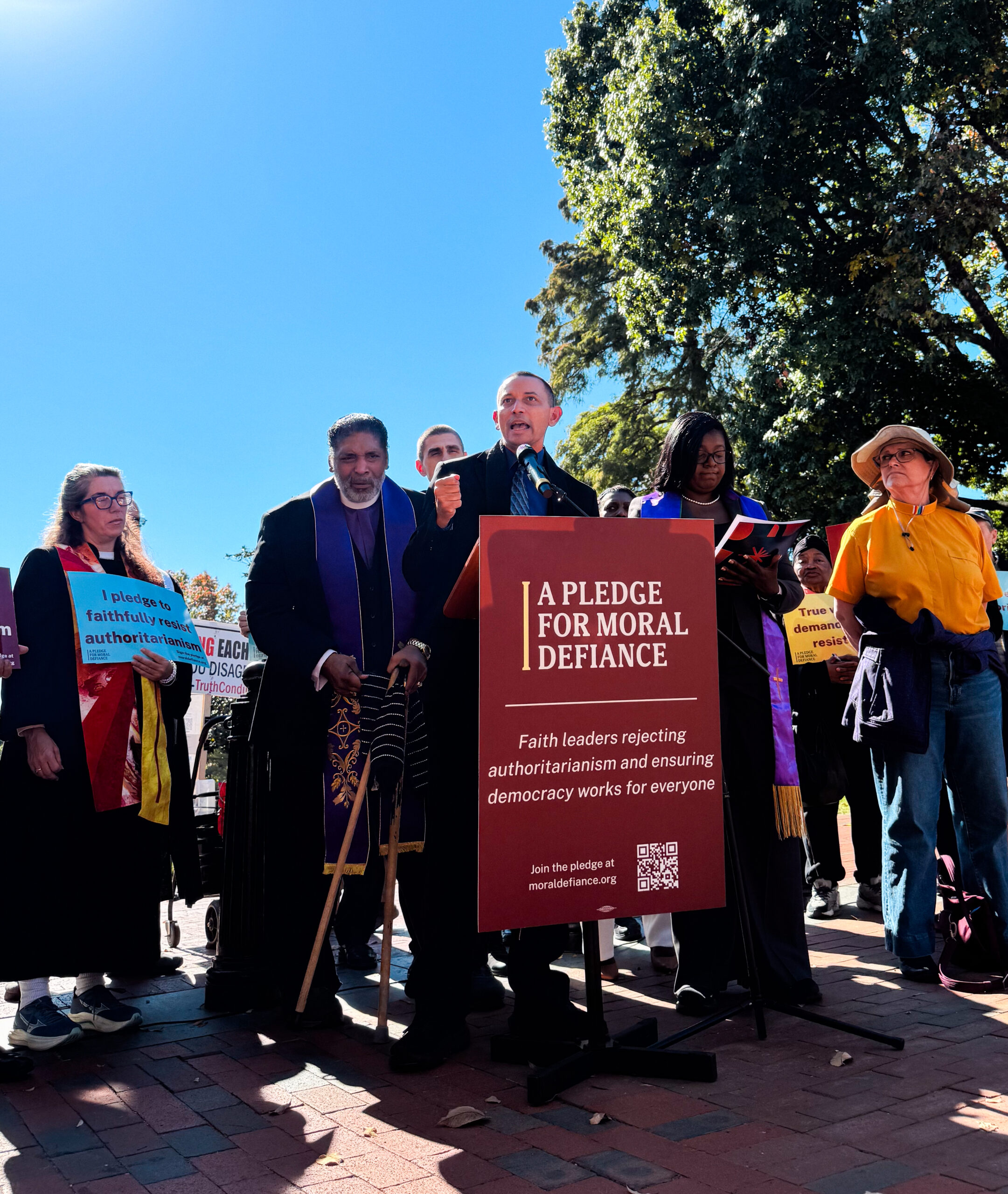
On October 26, in the first-of-its-kind religious movement, more than 30 faith leaders representing over 10 million people launched A Pledge for Moral Defiance, a multi-faith anti-authoritarian initiative. Before a pulpit in the middle of H St and 16th streets NW, within view of the White House, religious leaders vowed to turn the tide on the nation’s democratic erosion. Leaders across faiths and denominations, including Presbyterians, Baptists, Lutherans, Christian Church, AME Zion, Latino Christians, Buddhists, Hindus and Muslims called on others to join and take action in their states and to the U.S. Capitol.
Rooted in “An American Encyclical on Our Authoritarian Crisis,” the initiative calls on all religious leaders to actively reject authoritarianism and the weaponization of religion. Law firms and higher education institutions each banded together to defend themselves against direct attacks. Multi-faith religious leaders are now doing the same through prayer, protest, mobilization and accountability. They pledge to refuse allegiance to any political leader or ideology, name voter mobilization and protection as priorities and stand in solidarity to actively defend freedom of conscience.
Bishop William J. Barber II, civil rights and social justice leader and co-chair of the Poor People’s Campaign: A National Call For Moral Revival, noted the agreement across this movement of religious leaders that complicity to authoritarianism betrays all faiths.
“As people of faith, our ultimate allegiance belongs to a higher power, and our sacred text commands us to defend the vulnerable, and love our neighbors, and stand as a witness to truth,” Barber said. “We repent that sometimes we’ve been scared of the people in our pews rather than scared of the judgment of God, we repent, but we also recommit ourselves to the exhausting holy work of building a just society. It’s hard work when authoritarianism threatens to overwrite human rights, and silence conscience. The religious community cannot remain silent because if we do, we are accessories to the crime of everything authoritarianism is doing.”
The initiative emerged from a multi-faith convening of leaders to counter authoritarianism, hosted by the Charles F. Kettering Foundation, a group focused on fostering inclusive democracies. Movement leaders are organizing to grow the initiative, mobilizing communities for strong voter turnout and organizing to meet with elected officials.
Corey Saylor, Council on American-Islamic Relations research and advocacy director, declared authoritarianism a threat to all people and faiths. “Authoritarianism arrives in stages, almost always testing itself first on communities that they think others will not defend,” Saylor said. “…This same playbook is used against immigrants, against Black and Brown voters, against journalists, against any faith community whose conscience refuses to submit and do what they’re told. That playbook is putting corrupt wealth and your freedom into their pocket. Today, you must look authoritarianism in the eye and say no. The pledge of allegiance … ends with the words ‘with liberty and justice for all.’ It is time to prove that we meant it.”
Rev. Adam Russell Taylor, president of Sojourners, asserted we would not idly stand by in the face of voter suppression. “We are in the midst or on the eve of a midterm election that is an inflection moment in our commitment and our cause of preventing the continued slide into authoritarianism,” Taylor said. “Authoritarian leaders are known to try to put their thumbs on elections, to make desperate moves to stay in power and consolidate power. We have our moral defiance playbook that is committed to fighting every form of voter suppression, because every voter is made in the image and likeness of God. We have a commitment to winning, not in a partisan way, but in a way that ensures massive voter turnout…We have a commitment to prove beyond a doubt the election results, and ultimately to ensure those results are enforced, all the way through the seating of a new Congress on January 3rd.”
Rev. Dr. Russell Meyer, executive director for Florida Council of Churches, proclaimed it was time to lift up what a just government should be doing for its people. “We gather today not just to point a finger,” Meyer. “Finger pointing does no good unless it leads to repentance and amendment to life and change. We look across the land, whether in the house behind us or the house in Tallahassee for our state governor, and they are oppressing the poor and enriching those who steal their labor as a means of living. It’s time for us to understand that we are not just defying a bad government, we’re lifting up a vision of what government really should be doing.”
Prominent religious leaders at the launch included:
- The Rev. Phillip C. Hirsch is the bishop at the Metropolitan Washington D.C. Synod of the Evangelical Lutheran Church of America. Hirsch has spoken out about threats to American democracy and the recent danger facing immigrant communities across the country.
- Rev. Dr. Hanna Broome, director of religious affairs for Repairers of the Breach and ordained elder in the A.M.E. Zion Church. She’s led congregations and coalitions across the Carolinas to confront poverty, racism and the death penalty.
- Rev. Dr. Alvin O’Neal Jackson, retired pastor and former moderator of Christian Church (Disciples of Christ) who has led marches against Immigration and Customs Enforcement and joined other faith leaders in calling for voting rights.
- Rev. Adam Russell Taylor, president of Sojourners who has called on religious leaders to resist anti-democratic threats and defend democracy, including voting protections.
Learn more about A Pledge for Moral Defiance and see the full list of signatories at www.moraldefiance.org.
WATCH the announcement here:
Black Press
Former Trustee Alena Maunder Seeks Reelection to Sausalito Marin City School District Board
Alena Maunder, a third-generation Marin City resident and registered nurse with over 20 years of healthcare experience, is seeking reelection to the Sausalito Marin City School District Board. Having previously served as a trustee from 2020 to 2024, Maunder highlights her background in governance, fiscal oversight, and community advocacy as key qualifications for the role. Her platform focuses on academic excellence, mental health supports, and special education. She remains committed to fostering stronger relationships between families and educators to ensure student success. Read more about her campaign priorities.
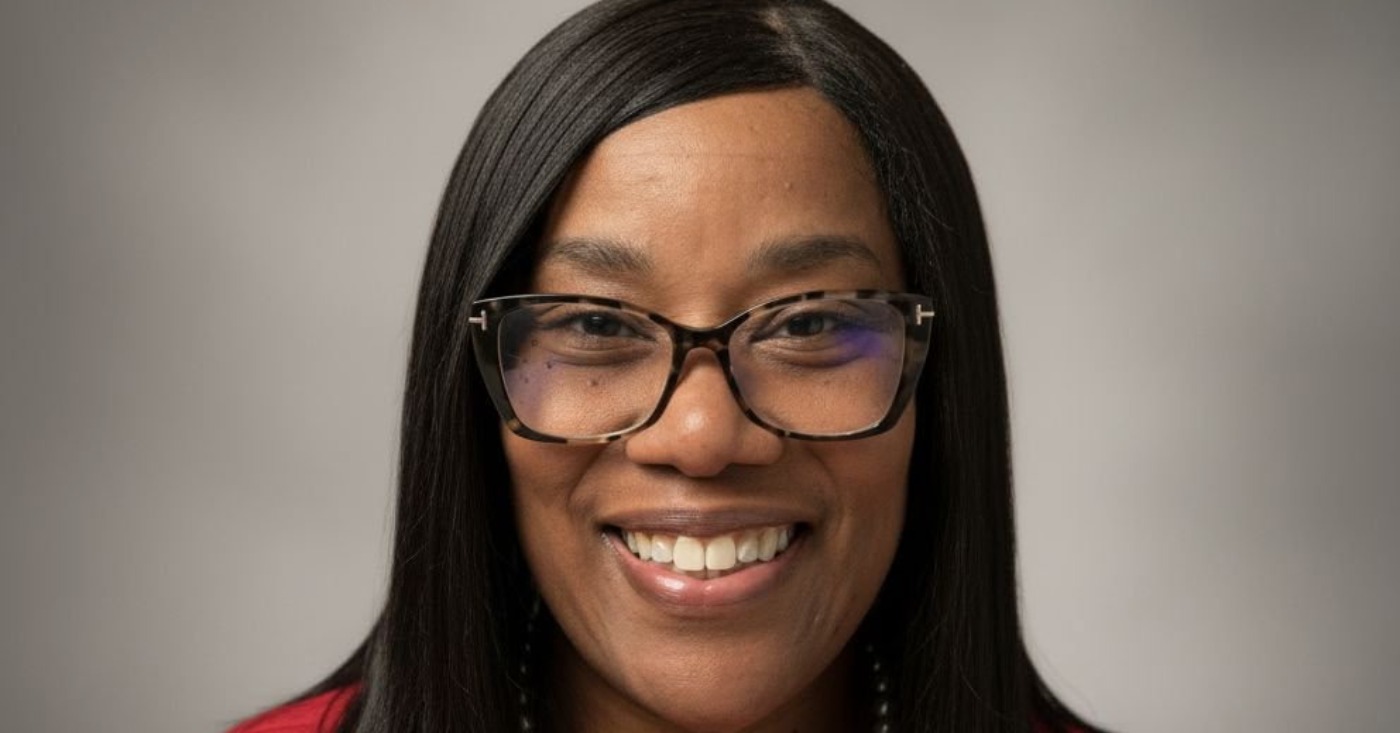
Alena Maunder is a third-generation Marin City resident, parent, community advocate, and former Sausalito Marin City School District Trustee who served from 2020 to 2024.
Professionally, Alena is a registered nurse with more than 20 years of healthcare experience and nine years in leadership. She holds degrees in Psychology and Nursing, as well as a Master of Science in Nursing.
With school board experience, she brings a strong understanding of governance, fiscal oversight, accountability, and the importance of stable district leadership.
Alena has also remained actively involved in Marin City through community service, youth programs, and initiatives focused on strengthening opportunities and resources for children and families.
Maunder is seeking to return to the Board to continue advocating for academic excellence, fiscal responsibility, strong special education and mental-health supports, and meaningful community engagement. She is committed to strengthening relationships among students, educators, families, and the Marin City and Sausalito communities while ensuring every student has the opportunity to succeed.
Her campaign reflects her commitment to “Experienced Leadership. Students First.”
Learn more at www.electalenasmcsd.com.
Black Press
Becerra Urges Black Leaders to Turn Out the Vote in Record Numbers
Former U.S. Secretary of Health Xavier Becerra recently visited Oakland to meet with prominent Black leaders just one week before the upcoming November election. Joined by Oakland Mayor Barbara Lee and Sacramento Observer Publisher Larry Lee, Becerra emphasized the importance of high voter turnout at Oakstop, a local Black-owned business. The meeting focused on community protection and collective efforts to support California’s diverse populations as the campaign for the governorship enters its final days. Visit our website to read more.
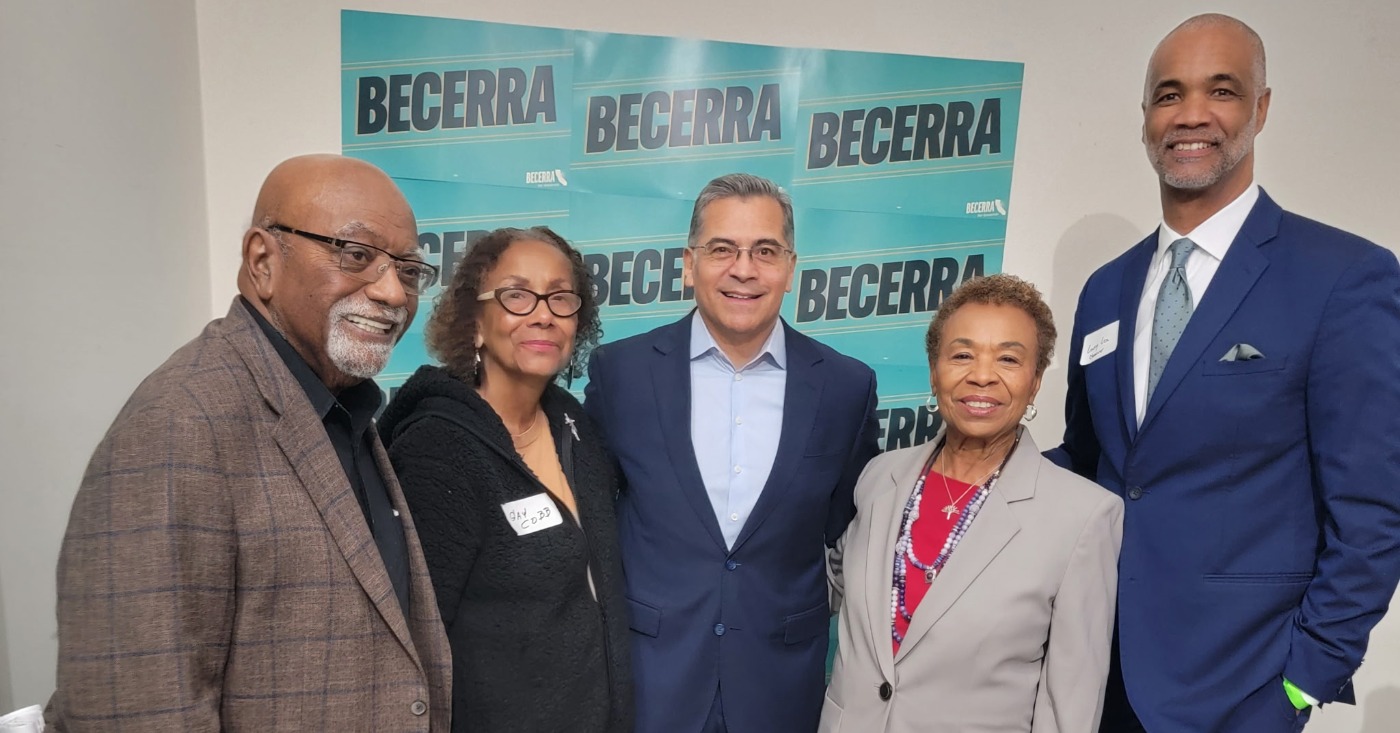
Becerra Urges Black Leaders to Turn Out the Vote in Record Numbers
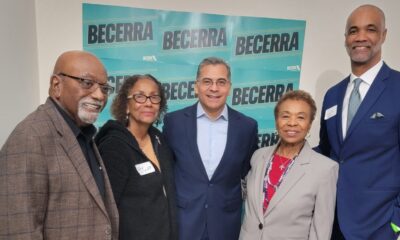
A week before the Nov. 3 election where he hopes to succeed Gov. Gavin Newsom as the next democratic governor, former U.S. Secretary of Health Xavier Becerra (center) stopped in Oakland to meet with Black leaders. Welcomed by Oakland Mayor Barbara Lee (center right), who is seeking reelection herself, Becerra said he was proud to stand with Black leaders in Oakland as Election Day grows closer. “Thank you to the elected officials, faith leaders, civic and community leaders who joined us at Oakstop, a Black-owned business that supports local entrepreneurs, artists, and community organizations. This election is about protecting all of California’s communities,” he said. “Let’s finish together.” They were joined by constituents Paul and Gay Cobb (left) and Sacramento Observer Publisher Larry Lee (right). Photo by Jonathan ‘Fitness’ Jones.
BlackPressUSA
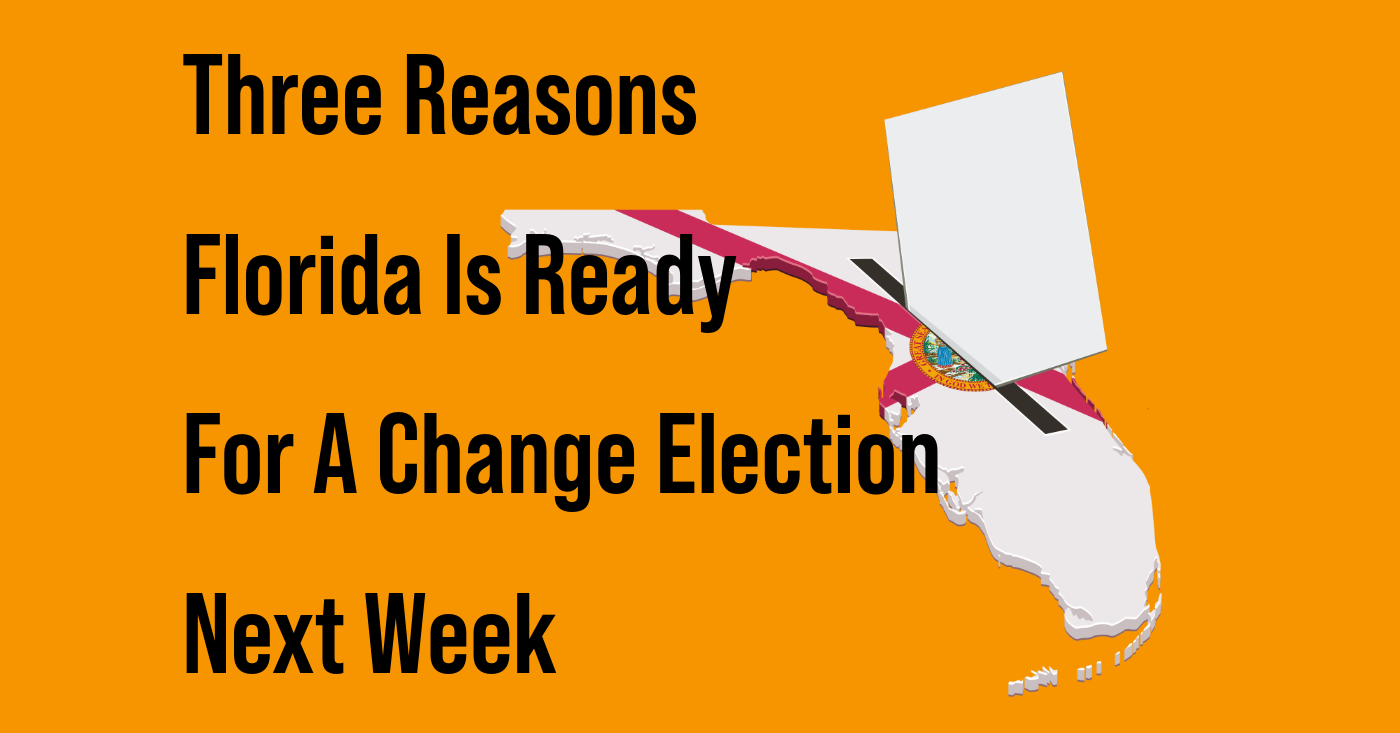
OP-ED: Three Reasons Florida Is Ready For A Change Election Next Week
BLACKPRESSUSA NEWSWIRE — These acts of solidarity mean something to the men, women and children in our communities who often feel like no one cares about them and the issues that affect them. By locking arms and walking together with other organizations, we show not only that we care, but that we have a plan to fight against injustice. And once the people see a plan and results, the hunger for justice grows.
For the last month, I have been crisscrossing my home state of Florida, connecting with families, communities, and voters about the November elections. Are people scared? Yes. Are they worried? No doubt. But most importantly, the primary feeling in the streets and homes of Floridians is that people are fed up and they want change.
They have had enough of the attacks on education, the skyrocketing cost of living, the scapegoating of minorities, the lies, the grifting and greed. The status quo is no longer acceptable, and when voters go to the ballot box, they will be voting for change. Why am I so confident? Because I’ve seen this before—we all have. In 2008, America was frustrated with a vastly unpopular president, caught in an equally unpopular war while presiding over a shrinking economy and rising prices. The result? America turned the page with the historic election of Barack Obama, ushering in an era of prosperity and peace.And Florida is ready for this moment, as I believe it sits at the epicenter of three converging factors that will be the path to victory.
First, and perhaps most crucially, labor unions have embraced their duty to protect the rights of workers in the state. That may seem obvious, but when you consider the state’s anti-union legislation—namely Florida’s Senate Bill 256, which creates new and restrictive challenges to unions’ bargaining powers—you understand the scope of the issue. When you attack workers’ rights to advocate for their wages, working conditions and benefits, you send a message that their voices don’t matter. That’s why unions like ours, the Florida Education Association, United Teachers of Dade and countless others, have not folded in the face of adversity; we have stood 10 toes down in our ongoing fight for workers’ rights. We have maintained our infrastructure, our membership networks and, most importantly, our alliances with others.
Those alliances are a second factor in the upcoming change election, because it is simply not enough to maintain democracy; we must continue to expand it, and that requires community. I saw that community-building firsthand when I joined the National Black Justice Coalition, civil rights attorney Ben Crump, and elected officials like state Reps. Fentrice Driskell and Dianne Hart at the state capitol to push back against Gov. Ron DeSantis’ plan to cancel the nation’s first Advanced Placement course focusing on Black culture.
My union also worked with the local NAACP to furnish 10,000 books for new Freedom Libraries in response to the governor’s “Stop WOKE” act, which marked Black stories and history as too “woke” and unfit for our kids.
These acts of solidarity mean something to the men, women and children in our communities who often feel like no one cares about them and the issues that affect them. By locking arms and walking together with other organizations, we show not only that we care, but that we have a plan to fight against injustice. And once the people see a plan and results, the hunger for justice grows. But while we will never stop fighting for American workers and their families, there is a limit to what unions can achieve on our own. Which is why, especially in our democracy, we look for trusted, competent leaders to represent, advocate for and legislate on behalf of the people—all the people.
That brings me to the third crucial element: candidates who can capitalize on the moment. As I said earlier this summer, “The true test of this political moment is whether we can capitalize on the localized excitement of the August Primary to fuel a historic turnout engine for the General Election.” It’s clear to me that the rampant illegality and incompetence of the Trump administration not only is a drag on Republican candidates (see how they run), but also has created a wide open lane for Democrats to use. But that opportunity is useless without leaders the people believe in. Thankfully, we have that in abundance across the board, including folks like David Jolly, Gwen Graham, Angie Nixon, Annette Taddeo and Jose Javier Rodriguez. I have stood next to many leaders—presidents, senators and more; I know greatness when I feel it, and I can tell the people feel it too. These candidates have both hands on the pulse of Florida and know that anyone NOT fighting for higher wages, better investment in public education and lowering healthcare costs is the wrong person for Florida. They are fearless, principled and dedicated to justice—the exact opposite of the current leadership Florida has watched wreck the state one institution at a time.
The stars have aligned. The stage has been set. And now, the last element, the only thing needed for change—the kind of change Florida has been begging for—is you. Closed mouths don’t get fed, so if you have any illusions about sitting this election out because you’re not convinced it will affect you, think about the last seven years in Florida and ask yourself if you would like to repeat them. If you are fine with the status quo, the rising costs, the attacks on education and culture, then perhaps change is not for you. But if you are like the thousands of people I have seen and talked to in the last month, you are ready to turn the page. That starts with your vote: Whether early, by mail or in person, NOW is the time to make your voice heard.
Black Press
20 Years of California Climate Law: Gov. Newsom and Former Gov. Schwarzenegger Lead Milestone Celebration
Gov. Gavin Newsom and former Gov. Arnold Schwarzenegger recently gathered at the California Economic Summit to mark the 20th anniversary of the Global Warming Solutions Act. The bipartisan celebration highlighted how the landmark law established a framework for reducing greenhouse gas emissions through the state’s cap-and-invest program. While the governors credited these policies with fostering clean-energy innovation and driving economic growth, critics continue to raise concerns regarding the impact of environmental regulations on energy affordability for residents. Read more to learn about the state’s climate milestones.
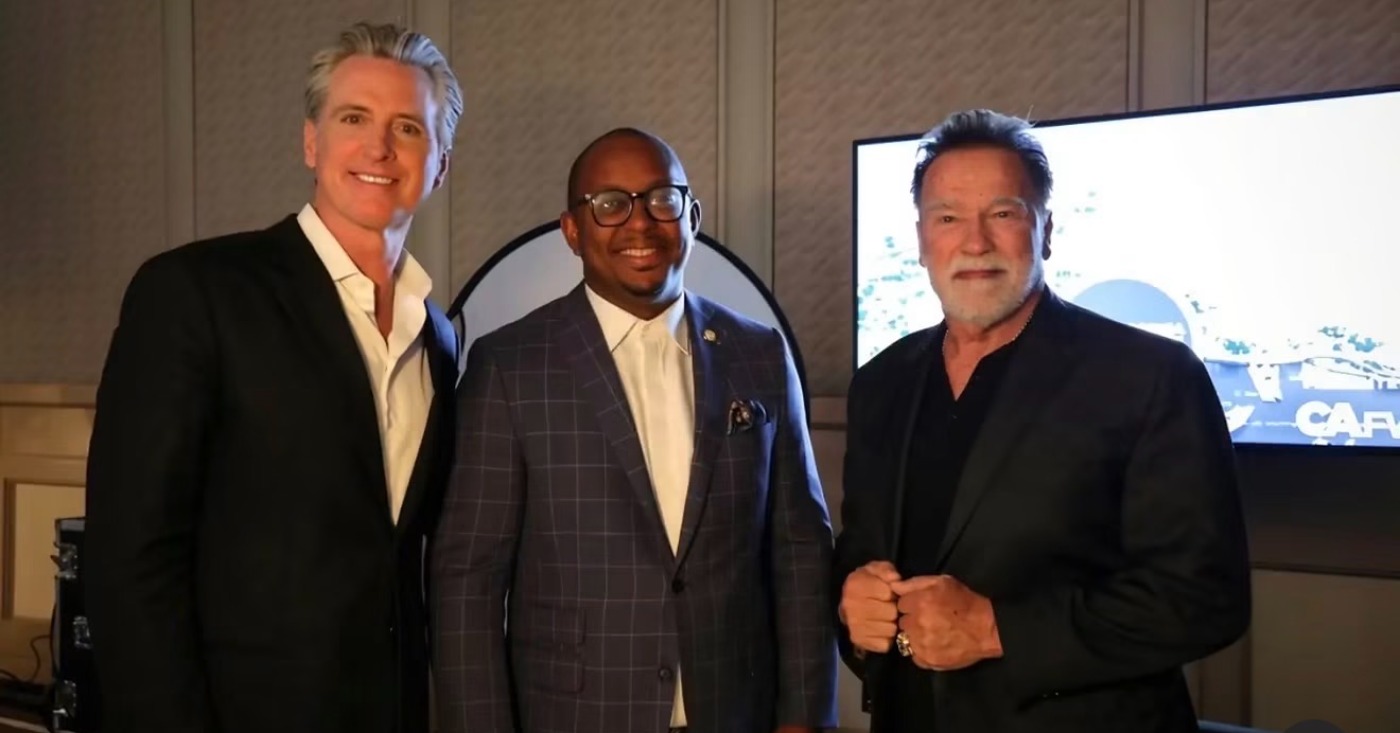
California Gov. Gavin Newsom and former Gov. Arnold Schwarzenegger celebrated two decades of the state’s landmark climate law on Wednesday, Oct. 14, highlighting California’s efforts to reduce greenhouse gas emissions while growing its economy and expanding clean-energy investment.
The Democratic governor and Republican former governor appeared together at the 15th annual California Economic Summit in Long Beach to mark the 20th anniversary of Assembly Bill 32, the Global Warming Solutions Act, which Schwarzenegger signed in September 2006. The law established a framework for reducing California’s greenhouse gas emissions and helped lay the groundwork for the state’s cap-and-invest program.
“We’ve shown the world what a state can accomplish,” Schwarzenegger said, highlighting California’s climate leadership.
Newsom credited Schwarzenegger’s decision to sign AB 32 with helping create the state’s cap-and-invest program, which requires companies to reduce their emissions, purchase allowances, or fund projects that offset pollution. Revenue from the program supports climate initiatives, affordable housing and transportation projects, as well as electricity bill credits for residents.
Newsom said California has reinvested $16 billion to offset residents’ electricity costs since the program began and expects to receive another $8 billion over the next four years.
He also argued that predictable climate policies encourage businesses to invest in California’s clean-energy economy, pointing to Tesla as an example of the opportunities the state’s regulatory framework created.
“There’s no Elon Musk without what Gov. Schwarzenegger did because there would be no Tesla,” Newsom said.
Schwarzenegger agreed that long-term policy certainty helps attract investment, arguing that California’s climate initiatives demonstrate that environmental protections and economic development can advance together.
The state extended its cap-and-invest program through 2045 last year, giving businesses a longer-term framework for planning investments and meeting emissions requirements.
However, California’s approach continues to face criticism over energy affordability and regulatory costs. Wayne Winegarden, a senior fellow at the Pacific Research Institute, argued that assessments of the state’s climate policies should better account for the high energy costs Californians face. Critics have also questioned how much of the state’s economic growth can be directly attributed to its environmental regulations.
The governors’ joint appearance underscored their shared support for climate action despite their political differences. Schwarzenegger has criticized Newsom’s support for Proposition 50, the 2025 redistricting measure that temporarily allowed California lawmakers to redraw congressional districts.
The anniversary comes as California continues to pursue emissions reductions and clean-energy investment while facing questions about the cost of its climate policies for households and businesses.
Black Press
Becerra Hosts Meet-and-Greet With Black Leaders in L.A.
Democratic gubernatorial candidate Xavier Becerra recently met with Black elected officials and community leaders in South Los Angeles to outline his platform for California’s future. Introduced by L.A. County Supervisor Holly Mitchell, Becerra detailed his priorities for expanding affordable housing, protecting healthcare access, and defending diversity and inclusion initiatives. The discussion addressed immediate challenges such as homelessness accountability, the impact of federal funding cuts, and the rising role of artificial intelligence in public life. Read more to learn how Becerra plans to address these issues.
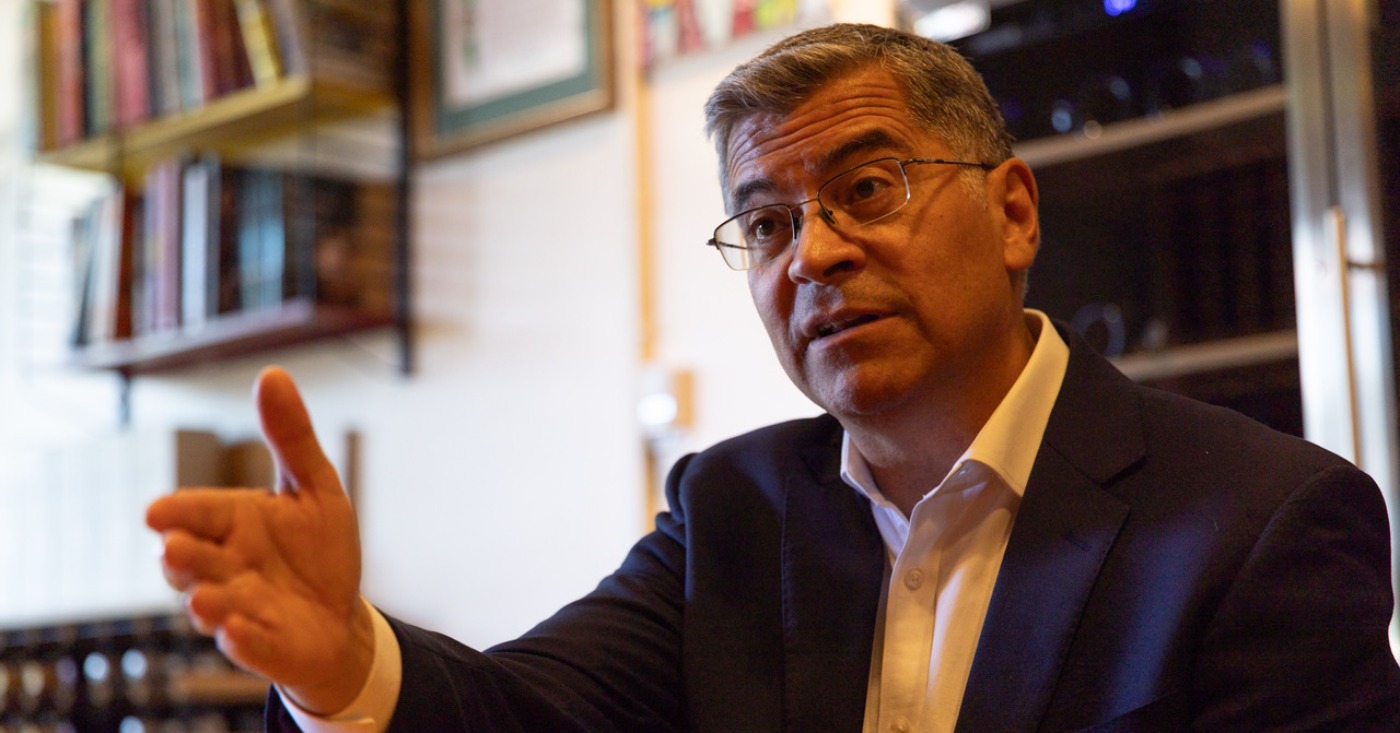
Democratic gubernatorial candidate Xavier Becerra outlined his priorities for housing, health care, education and civil rights during an Oct. 15 meeting with Black elected officials and community leaders in South Los Angeles.
Los Angeles County Supervisor Holly Mitchell introduced Becerra, citing his experience in the Legislature, Congress and federal government.
“We need people who have walked where we have walked and understand the communities that we all live in, come from, and represent,” Mitchell said.
Becerra pledged to defend diversity, equity and inclusion programs against federal opposition and criticized voter identification requirements as barriers to voting.
“If there’s a fight for that diversity, that strength, that inclusion, that equity, count me in, and let me use the governor’s office to make it clear,” he said.
Identifying housing and health care as immediate priorities, Becerra said more than 40,000 housing units are awaiting financing. He cited Proposition 1, a housing bond measure on November’s ballot, as a potential funding source.
“Prop 1 would give us the money to help start getting those moving,” he said. “And the more you build, the more you relieve the pressure, the demand for housing, which means you can probably see the price stabilize as well.”
On homelessness, he demanded measurable results from cities and counties receiving state funding.
“We will demand accountability when it comes to homelessness,” he said. “I’m not willing to let $1 from the state, from taxpayers, go to a city or a county unless they can show me how they’re going to use the dollar and what the results will be.”
He advocated temporary shelter, mental health and substance use treatment, and intervention before families lose their homes.
Becerra warned that federal Medicaid cuts could leave millions without coverage and threaten hospitals and clinics.
“If these families lose their insurance and still go in for care, now the doctors and the hospitals won’t get paid,” he said. “I want to make sure neither the patients nor the providers feel like Trump’s cuts are going to undermine our health care system.”
He said he is consulting providers and insurers but offered no financing plan.
Addressing surveillance and artificial intelligence, Becerra urged safeguards against discriminatory tracking and dangerous technology, including possible government authority to shut down unsafe AI systems.
“Once you give up your privacy, you can’t get it back,” he said.
He also criticized federal immigration enforcement and advocated comprehensive immigration reform, citing uncertainty for families and employers dependent on immigrant labor.
On education, Becerra supported expanded early childhood learning, tutoring, stronger academic standards and experienced teachers in underperforming schools. He opposed directing public education funding toward for-profit private schools.
“Keep your taxpayer dollars in our public community schools,” he said. “Don’t let those tax dollars go to for-profit private schools first, because it’s already tough enough as it is.”
He said schools must address learning gaps early rather than advancing students without grade-level skills.
“Too many of our kids are starting even kindergarten, and they’re not ready to learn,” he said. “And is it surprising that by the third grade they’re not reading or doing math at grade level?”
He also urged districts to assign skilled teachers to schools with the greatest needs, working with unions to address compensation.


Multi-Faith Leaders Representing 10 Million People Launch National Anti-Authoritarian Initiative

Multi-Faith Leaders Representing 10 Million People Launch National Anti-Authoritarian Initiative

Former Trustee Alena Maunder Seeks Reelection to Sausalito Marin City School District Board

Becerra Urges Black Leaders to Turn Out the Vote in Record Numbers

Cómo publicar su DBA en el condado de Kern o Los Ángeles desde su teléfono

The Buckner Family on Building Moltron Builders Together | On The Radar | Powered by JPMorganChase

Test the Third Row Before You Buy This SUV #shorts

From ‘Why Not Us?’ to Reimagining North Commons #shorts

Publish your DBA from your phone in 5 minutes (Kern & LA County) #shorts

How to Publish Your DBA (Fictitious Business Name) in Kern or LA County From Your Phone

All Skinfolk Ain’t Kinfolk

Practitioners of African Traditional Spirituality Offer Ancestral Reverence Ritual Oct. 31

Latinas Deserve Equal Pay. Unions Help Make It Happen.

A $2.1 Trillion Wellness Industry Never Built a Daily Practice for Black Children. So This Atlanta Family Did.

Zakiya Jendayi Arrested, Locked Out of Home by Sheriff’s Deputies

Oakland Awarded More than $14 Million in State Funding

Tamiko Armstead | 2026 Lifetime Achiever in Education

Montclair Brewery: Brewing Culture, Community, History

Listening as a Lifeline: A Doula’s Witness to Black Maternal Health

Should You Have to Pay to Hear the Gospel?
Cómo publicar su DBA en el condado de Kern o Los Ángeles desde su teléfono
The Buckner Family on Building Moltron Builders Together | On The Radar | Powered by JPMorganChase
Test the Third Row Before You Buy This SUV #shorts
From ‘Why Not Us?’ to Reimagining North Commons #shorts
Publish your DBA from your phone in 5 minutes (Kern & LA County) #shorts
How to Publish Your DBA (Fictitious Business Name) in Kern or LA County From Your Phone

Sports Build Safe Spaces: Intentional Youth Programs Matter! #shorts

Invest in Kids’ Minds: Save Families & Build Stronger Communities #shorts

L I V E | MIP on 89.3

Federal EV Credits Ended—These State Rebates Still Save You Money #shorts
-
 Black Press1 week ago
Secretary of State Shirley Weber Pushes Back Against DOJ Demands Over California Voter Rolls
-

 Art6 days ago
Capturing Black Life’s Beauty
-

 Black History6 days ago
Retirement Triggers Doctor to Pen Book for Young Audience
-

 Black History1 week ago
Oakland Honors 60 Years of the Black Panther Party at the All Power to the People Gala
-

 Black Press6 days ago
Fatigue, Bloating, and Inflammation: Spotting the Subtle Signs of MASLD
-

 Black Press6 days ago
When Your Faith Is Put to the Test
