
Commentary
North Carolina Republicans Implementing ‘Secret Police’ Force
NNPA NEWSWIRE — Gov Ops, an abbreviation for Governmental Operations, is designed to probe into potential misconduct within state and local agencies, along with private entities funded by the state.


By Stacy M. Brown
NNPA Newswire Senior National Correspondent
@StacyBrownMedia
North Carolina Republicans, wielding their veto-proof majority, have given the green light to create Gov. Ops, a new investigative body. Critics call it “secret police” and argue that this may be an overreach of power. “This secret police force can even come into, for example, a law firm that receives state funding for court-appointed lawyers,” warned Rep. Allison Dahle, a Democratic state lawmaker, during a debate over the bill. “This now means that the sanctity of the attorney-client privilege is now defunct.”
Gov Ops, an abbreviation for Governmental Operations, is designed to probe into potential misconduct within state and local agencies, along with private entities funded by the state. The jurisdiction covers contractors, subcontractors, state-run universities, and charitable organizations. “I don’t think I have ever publicly called the GOP leadership ‘authoritarian’ because that’s not a term I take lightly,” remarked State Sen. Graig Meyer (D). “But their approach to seizing power and covering up their tracks now fits the bill.”
One of the most hotly debated aspects of this development is the provision that prohibits subjects of Gov Ops investigations from publicly discussing alleged constitutional violations or misconduct by investigators. All communications with committee personnel are confidential, potentially curtailing transparency and accountability. Moreover, individuals under investigation by Gov Ops wouldn’t be allowed to seek legal counsel regarding their rights if the unit searched their property without a warrant, irrespective of whether the space is public or private. Democratic Governor Roy Cooper opposed the establishment of Gov Ops and saw his objections overridden by the Republican majority. Because of state law, which does not permit line-item vetoes, Cooper was unable to block the bill, resulting in it becoming law without his signature.
Democrats said they fear the implications of Gov Ops could extend to the state’s electoral processes. Following the 2020 presidential election, several North Carolina Republican lawmakers insisted on inspecting voting machines, alleging voter fraud. The new rule allows warrantless inspections without public notice. Scheduled to go into effect next week, Gov Ops has elicited strong reactions from lawmakers and experts alike. Political science professor Daniel P. Aldrich of Northeastern University voiced his concerns, writing on social media, “This consolidation of force and coercion is very worrying.”




Black Press
COMMENTARY: The Judicial System Silenced Jendayi by Using the Penal Codes and Locking Her Up in Jail
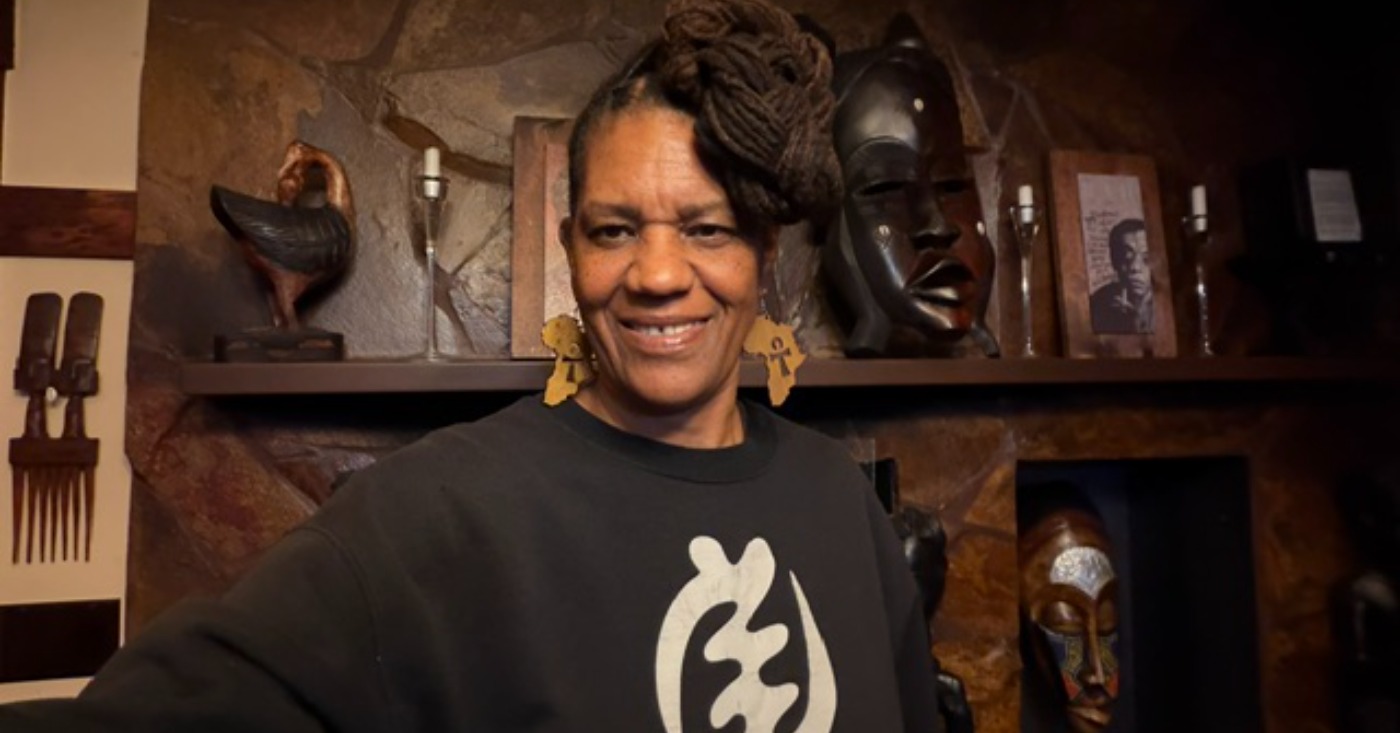
POST NEWS GROUP — Jendayi describes Laura Dean Head as a dear friend she had known for more than 28 years. Under Head’s 2013 estate plan, Jendayi was the beneficiary who expected to receive the home and other assets. She says she began living at the Randolph Avenue property in June 2013. Head’s sisters, whom Jendayi describes as estranged, later challenged the trust and prevailed.

Part 1 of 4
On Oct. 1, 2026, Zakiya Jendayi drove to an Oakland courthouse seeking emergency relief in her fight over a home.
She never reached the filing counter.
According to her sworn declaration, Alameda County sheriff’s personnel met her as she opened her car door. They arrested her at approximately 2:55 p.m. and took her to Santa Rita Jail.
Hours later, she was released. But the home she had been fighting to keep was no longer accessible to her. While she was detained, possession had been delivered to the estate, and the house had been boarded up with her belongings inside, she says.
The next day, the attorney serving as the estate’s special administrator told the Court of Appeal that her eviction made the underlying motion moot. One day, she was arrested. The next day, her removal became an argument against continuing her fight.
That sequence is at the heart of Jendayi’s allegation: that opposing attorney Phillip Campbell coordinated the use of criminal enforcement and sheriff’s personnel to accomplish what years of civil litigation had not persuaded her to accept.
Her filings document the arrest, the loss of possession, and Campbell’s subsequent mootness argument. They do not establish who requested the warrant or prove an improper agreement. Those unanswered questions are part of what makes this story so troubling.
The records bringing these events together include Jendayi’s sworn arrest declaration, the sheriff’s release paperwork, and Campbell’s October 2, 2026 opposition. Jendayi’s RJN.
Before the Handcuffs, There Was a Friendship
Jendayi describes Laura Dean Head as a dear friend she had known for more than 28 years. Under Head’s 2013 estate plan, Jendayi was the beneficiary who expected to receive the home and other assets.
She says she began living at the Randolph Avenue property in June 2013. Head’s sisters, whom Jendayi describes as estranged, later challenged the trust and prevailed.
That history includes an important fact: Judge Sandra K. Bean invalidated the trust after finding undue influence, and the resulting order was affirmed on appeal. Jendayi disputes the outcome and has continued pursuing relief, but the adverse judgment is part of the record.
The documents also show that the sisters’ involvement with attorneys began years before the 2020 proceedings. A May 2013 attorney letter requested powers of attorney and an accounting; later correspondence concerned obtaining Head’s estate planning documents.
For Jendayi, the March 2023 decision became the beginning of another chapter: motions, appeals, and an increasingly urgent struggle over possession of the home. If you would like a copy of the trial transcripts direct message the legal writer and she will provide you with copies.
Then she learned about a separate property order, one she says she discovered too late. According to Jendayi, testimony during the June 2026 civil trial alerted her to Campbell’s use of a Probate Code section
850 petition concerning the property.
For readers unfamiliar with probate litigation, a section 850 petition is a way to ask a court to resolve certain property claims involving an estate or trust. Here, Campbell sought an order determining that the Randolph Avenue home belonged to Head’s probate estate rather than the trust.
Read Part II next week.
Black Press
OP-ED: More Sleep and Lower Blood Pressure — An Overlooked Connection
POST NEWS GROUP — High blood pressure often produces no noticeable symptoms, even while increasing the risk of heart disease and stroke. The absence of symptoms became even clearer to me at a local festival where free blood pressure screenings were offered. I spoke with a woman whose systolic pressure — the top number — was 198. She said she felt fine.

Essay: More Sleep and Lower Blood Pressure — An Overlooked Connection
Photo Caption:
By
Lack of sleep can contribute to high blood pressure, yet sleep often receives less attention than medication, diet and exercise in discussions about heart health. During sleep, blood pressure normally declines, reducing the demands placed on the heart and blood vessels. When sleep is insufficient or frequently interrupted, blood pressure can remain higher for longer periods.
For Black Americans, the connection deserves particular attention. Nearly 58% of Black adults have high blood pressure, according to the Centers for Disease Control and Prevention. A National Center for Health Statistics report found that 40.2% of Black adults experienced short sleep, compared with 28.9% of White adults.
The figures do not prove that inadequate sleep explains why Black adults have higher rates of hypertension. They do show why sleep belongs in the discussion about Black cardiovascular health.
That connection became personal for me during a routine visit to my cardiologist. My blood pressure was 143/90. I was already taking blood pressure medication, but I had not been monitoring my pressure at home. I had no warning that the reading had changed.
High blood pressure often produces no noticeable symptoms, even while increasing the risk of heart disease and stroke.
The absence of symptoms became even clearer to me at a local festival where free blood pressure screenings were offered. I spoke with a woman whose systolic pressure — the top number — was 198. She said she felt fine.
A systolic reading above 180 is considered severe hypertension and requires prompt medical attention, even without symptoms. Her reading reinforced what I had learned from my own experience: Feeling fine does not mean that blood pressure is normal.
After my cardiology appointment, I began looking at possible reasons for my elevated reading. I considered what I ate, how much I exercised and whether I was taking my medication as prescribed. Then I thought about my sleep.
I was sleeping four to five hours a night. I was not deliberately choosing to sleep less. I would become busy in the evening, move from one activity to another and go to bed later than I intended. Over time, that pattern became routine.
After researching the relationship between sleep and high blood pressure, I began going to bed earlier. I increased my sleep to seven or eight hours a night and continued monitoring my pressure. My medication remained the same.
Within weeks, my blood pressure readings moved into the normal range. One recent reading was 114/68.
I know that one change in my routine does not prove cause and effect. I had no home readings from before the cardiologist visit, so I do not know when my pressure started rising. Blood pressure also changes with stress, activity, time of day and how it is measured.
Still, my medication remained the same while I slept longer and my blood pressure readings improved.
Research has linked inadequate sleep to hypertension.
“When a person doesn’t sleep enough or doesn’t get quality sleep, it can increase their risk of hypertension,” Dr. Chandra Jackson, a senior investigator at the National Institute of Environmental Health Sciences, said in an interview published by the institute.
The American Heart Association added sleep to its Life’s Essential 8 measures of cardiovascular health in 2022. The association recommends seven to nine hours of sleep a night for most adults, which is the amount I now get.
Getting more sleep is also not simply a matter of personal discipline. Work schedules, multiple jobs, caregiving responsibilities, neighborhood noise, housing conditions and concerns about safety can make regular sleep difficult.
Dr. Girardin Jean-Louis, director of the Center on Translational Sleep and Circadian Sciences at the University of Miami, has studied racial disparities in sleep.
“Black and Latino people in the U.S. sleep around 30 to 60 minutes less per night than White people,” Jean-Louis said in an article published by the university.
Racism and discrimination also contribute to stress that can interfere with sleep.
“Things like racism and discrimination, these affect our sleep,” Dr. Dayna Johnson, a sleep epidemiologist at Emory University, said in an interview with North Carolina Public Radio.
Sleep quality matters, too. A person can spend seven or eight hours in bed and still not get restorative sleep. Sleep apnea causes breathing to stop and restart during the night and increases the risk of high blood pressure, heart attack and stroke. Warning signs include loud snoring, gasping during sleep, morning headaches and excessive daytime sleepiness. The condition is more common among Black adults than White adults.
The lesson from my experience is not that sleeping longer cured my high blood pressure. Sleeping longer does not replace medication, medical care or regular monitoring. I told my cardiologist about the change in my sleep schedule, and his concern remained whether my readings were under control.
What changed was my understanding of sleep as part of protecting my heart. I had treated sleep as the time left after I finished everything else. Going to bed earlier was a change I could make, and monitoring my pressure allowed me to see what was happening.
For me, inadequate sleep was a risk factor I had overlooked. Getting enough sleep is now part of how I manage my heart health. I did not know it mattered. Now I do.
About the Author
Joe W. Bowers Jr. is a contributing editor for California Black Media who reports on health, education and public policy. He is a graduate of Stanford University.
Art
The Afrikan Restoration Project Marks 60 Years of Kwanzaa With New Book and Expanded Focus
THE AFRIKAN RESTORATION PROJECT FOR IMMEDIATE RELEASE | November 24, 2026 Media contact: Shujaa Baker | [email protected] | (949) 257-7133 | Media Kit – https://bit.ly/3X2tSlz The Afrikan Restoration Project Marks 60 Yea

The Afrikan Restoration Project Marks 60 Years of Kwanzaa With New Book and Expanded Focus
Events in San Diego, Detroit, and online will honor the holiday’s origins and prepare for the next sixty years of the Nguzo Saba.
The Afrikan Restoration Project (TARP) announces its 2026 Kwanzaa anniversary season, Dec. 26–Jan. 1, marking sixty years of the African American and Pan-African holiday first observed in Los Angeles in 1966. Under the theme “Celebrating the First Sixty Years of Kwanzaa… and the Next!” the programs share an expanded understanding of the Kwanzaa creation story and thoughtfully promote year-round practice of the Nguzo Saba (Seven Principles).
Central to the celebration is the worldwide debut of the new book titled “Kwanzaa – FOR KIDS (and everybody else!),” written by Shujaa Baker, illustrated by Thad Lavalais, and based on the firsthand accounts of Kinamo and Karama Damu about the first Kwanzaa. The book traces how ten-year-old Kinamo’s questions about African holidays in 1965 inspired the creation of Kwanzaa while recounting the children’s experiences leading up to the first celebrations in 1966. Learn more at kwanzaaforkids.org.
60th Anniversary Events
Dec. 26 | San Diego | 1–4:30 p.m. PT — WorldBeat Cultural Center, Balboa Park. The children’s Kwanzaa Camp celebration and book debut features Karama Damu, a participant in the first Children’s Kwanzaa, along with a Kwanzaa Essentials lesson and lessons from the new book, art, music, drumming, and dance. Instructional content by Imagiread.
Dec. 26 | San Diego | 6–9 p.m. PT — WorldBeat Cultural Center. Umoja (Unity) Night program celebrating the First Sixty Years of Kwanzaa… and the Next! recognizes the first sixty years of Kwanzaa and the work ahead to teach the Nguzo Saba more broadly
Dec. 27 | Detroit | 2–5 p.m. ET — Charles H. Wright Museum of African American History. The Kujichagulia (Self-Determination) program explores Kwanzaa’s past, present, and future, and the role of self-determination in Elevating Blackness.
Dec. 29 | Online | 5–7 p.m. PT — Kwanzaa Then and Now: Celebrating the First Sixty Years and Preparing for the Next. TARP introduces its new book and announces the return of its study group on Jan. 10, 2027 – examining Ujamaa (Cooperative Economics) in the age of AI and robotics.
TARP is merging our work to promote African culture, S.T.E.M., manufacturing, and principled daily practice into a new online program called The Elevating Blackness Online Academy. Launching on December 5th, this site offers educational resources that build character, including curricula for Kwanzaa – FOR KIDS, the STEM ’n ’Nem children’s book series, and partner content.
Visit https://elevatingblackness.com for more info. (For beta test access – TESTER / Innovationary2026!).
TARP also invites public discussion of three position statements on Kwanzaa’s origins, the responsibilities of the next sixty years, and the daily practice of the Seven Principles found here.
Event details and registration: https://kwanzaa.org/events.html and https://tarpie.org/events. Contact Shujaa Baker for interviews, the media kit, and high-resolution images. See tarpie.org for full details.
About The Afrikan Restoration Project
TARP is an African-centered educational and cultural development initiative advancing cultural knowledge, practical capabilities, and principled community development through publications, programming, and collaborative education.
Black Press
COMMENTARY: Historic Elections Bring Joy to an Embattled Nation
BLACKPRESSUSA NEWSWIRE — Despite federal rollbacks in diversity and inclusion, fair housing, voting rights and more, when 2027 arrives, the nation’s elected leaders in states and in Washington will more closely resemble the country’s diversity in race, gender, and ethnicity. Beyond this year’s lengthy list of historic wins, when new officials assume their duties in January, America will have:

Despite economic challenges, civil rights leaders see hope
The glowing aftermath of November’s historic midterm elections not only usher in an annual season of hope and faith but also provide an encouraging sign that our democracy will now address the needs of millions of people who have been either pushed out or locked out of economic opportunity.
Despite federal rollbacks in diversity and inclusion, fair housing, voting rights and more, when 2027 arrives, the nation’s elected leaders in states and in Washington will more closely resemble the country’s diversity in race, gender, and ethnicity. Beyond this year’s lengthy list of historic wins, when new officials assume their duties in January, America will have:
- A Black Speaker of the House of Representatives
- 5 Black governors serving in Florida, Georgia, Maryland, Nevada and Wisconsin
- 7 Black state attorneys general protecting consumers in Georgia, Illinois, Maryland, Massachusetts, Minnesota, New York and Washington state
- 7 Black U.S. Senators representing Delaware, Georgia, Illinois, Maryland, Mississippi, New Jersey and South Carolina
- 66 or more members in the Congressional Black Caucus, depending upon final election certifications.
A chorus of civil rights advocates herald both the victories and opportunities for the nation.
“Voters didn’t just decide in this election,” stated Maya Wiley, president and CEO of the Leadership Conference on Civil and Human Rights. “They demanded! They demanded a very different future from the one offered from the current administration and its allies… Across race, gender, sexuality, identity, nation of origin, age, religion, disability, income, and geography, the majority of this country showed what they hold most sacred — their rights and freedoms that are tied to their opportunities and well-being…We cannot just tinker with a past that made progress but proved too fragile and resulted in dreams deferred.”
While Janai Nelson, Legal Defense Fund (LDF) President and Director-Counsel, applauded voters’ efforts in the November midterm elections, she also quickly noted that the quest for freedom and economic inclusion continues.
“The work of rebuilding our democracy begins now and we must be bold and visionary,” said Nelson. “LDF will continue its work with Black communities to hold elected officials accountable to address the very real issues facing our communities: ending the thuggery that has been unleashed by the president’s reckless deportation forces, ensuring strong and effective educational opportunities for all students, making health care and housing affordable, and creating fair economic opportunities that give everyone a chance to thrive — not just those at the top. Our vote was not the final word.”
The depth and breadth of the nation’s financial challenges is underscored in an updated report entitled, State of Personal Finance in America Q3 2026, a quarterly research study conducted by Ramsey Solutions that tracks personal finance behaviors and attitudes of everyday Americans.
According to the update, an estimated 94 million U.S. adults say they’re struggling or in crisis financially. The study also found that more than half of Americans – 53 percent – are living paycheck to paycheck.
“When more than half of Americans are cutting back on Christmas gifts, it shows just how much families are feeling the pressure,” said Rachel Cruze, personal finance expert and co-host of “The Ramsey Show” and “Smart Money Happy Hour.” “Christmas should be a time of joy, not a
financial burden that follows you into the new year.”
For some federal lawmakers, resurrecting the Consumer Financial Protection Bureau’s (CFPB) to its rightful regulatory role is a priority. In published comments appearing in a recent article by The Guardian, Representative Bill Foster of Illinois and Senators Raphael Warnock of Georgia and Catherine Cortez Masto of Nevada plan to aggressively scrutinize what has happened at the CFPB in recent years.
“Next Congress, my colleagues on the Financial Services Committee and I will investigate the unconstitutional dismantling of the CFPB,” Foster said, adding that he and other committee members will pursue “subpoenas, investigations, hearings, and, ultimately, legislative action to restore consumer protections in this country and hold accountable those who seek to profit off the most vulnerable Americans.”
Massachusetts Senator Elizabeth Warren, a former Harvard professor credited as being CFPB’s ‘brainchild’ is also speaking up for the embattled agency.
“Accountability is coming,” said Warren. “If you’re a Wall Street executive, Big Tech CEOs, giant corporations that have been cheating people, you should be worried. And government officials who have put their own interests ahead of the public interest, should be worried too.”
Hopes for future consumer-friendly reforms also include relief for the 42.6 million student loan borrowers who collectively struggle with $1.7 trillion of debt.
“Borrowers expect the newly elected Congress to address the student debt crisis and work to make student loan payments more affordable,” said Natalia Abrams, Student Debt Crisis Center President. “The 120th Congress has an opportunity and a responsibility to fulfill their promises of affordability. Student loan borrowers deserve a seat at the table and real solutions that address the financial burden they carry every day.”
Now, before new terms of office begin, is a season for Black America to celebrate our hope, joy, and faith in the future.
As Derrick Johnson, the NAACP President and CEO noted, “Once again, Black voters have proven that we are not bystanders in this country, we are its builders.”
Charlene Crowell is a senior fellow with the Center for Responsible Lending. She can be reached at [email protected]
Black History
Black Women’s Roundtable Unveils Its First 100 Days Federal Policy Agenda Priorities & Congratulates Congressman Hakeem Jeffries on Historic House Speaker Nomination
BLACKPRESSUSA NEWSWIRE — Developed under Campbell’s leadership, the BWR’s Policy Priorities draw from the Black Women’s Roundtable 2027 Federal Policy Agenda. They translate Black women voters’ concerns into specific legislative demands and a clear standard for holding newly elected members and returning lawmakers accountable.
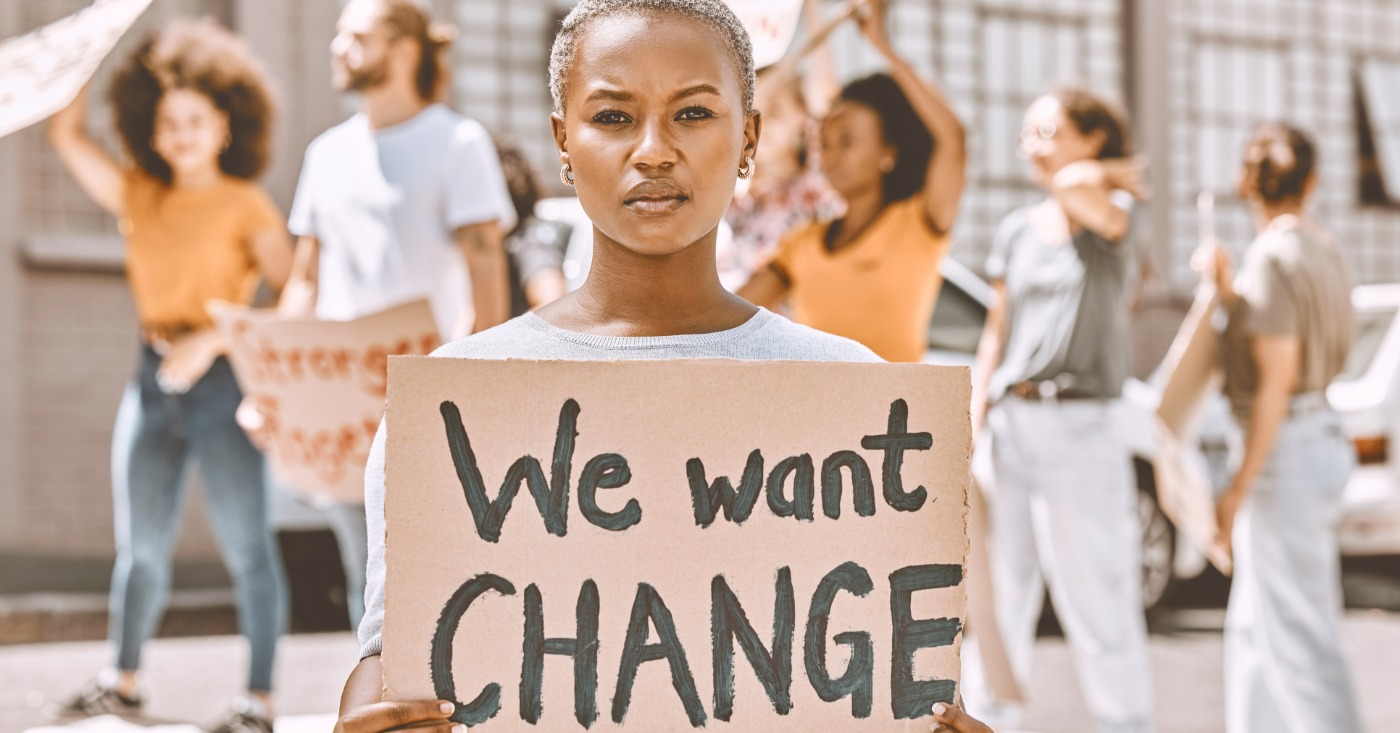
“Black Women Didn’t Just Mobilize to Change Who Holds Office. We Organized to Change What Government Delivers”
Grounded in the 2026 Power of the Sister Vote Poll, BWR Outlines Seven Congressional Priorities Addressing Black Women Voters’ Concerns About Economic Security, Health Care, Voting Rights and Opportunities
Following the House Democratic Caucus’s nomination of Hakeem Jeffries for speaker, bringing him one step closer to becoming the first Black American to lead the U.S. The House of Representatives, the Black Women’s Roundtable today released its sevenpriorities for the first 100 days of the 120th Congress. The full House will elect its speaker when the new Congress convenes in January 2027. The BWR is the women and girls’ empowerment arm of the National Coalition on Black Civic Participation (NCBCP).
“For Black women who organized, mobilized their communities and helped elect the incoming Congress, the prospect of the nation’s first Black speaker carries profound historical significance, and an opportunity to turn representation into results,” states Melanie L. Campbell, NCBCP president and CEO and National Convener of the Black Women’s Roundtable.
Developed under Campbell’s leadership, the BWR’s Policy Priorities draw from the Black Women’s Roundtable 2027 Federal Policy Agenda. They translate Black women voters’ concerns into specific legislative demands and a clear standard for holding newly elected members and returning lawmakers accountable.
Working alongside state affiliates and coalition partners, NCBCP and the Black Women’s Roundtable led a multigenerational GOTV & Democracy Defense Campaign to engage and mobilize thousands of Black voters and protect access to the ballot across The South and in key states including: AL, FL, GA, MI, MS, NC, OH, PA, and SC (see www.UnityCampaign.org).
Black women helped mobilize voters and shape the outcome of the 2026 Midterm Elections. Now, they are sending a clear message to elected officials on a national, state and local level: Deliver on the issues that matter to our families and communities or answer to the voters who put you there.
The BWR Policy Priorities are informed by the The 2026 BWR Power of the Sister Vote Poll, a national survey of 1,000 registered Black women voters conducted during the 2026 midterm cycle. The findings underscore the urgency: 47% identified protecting the social safety net as a top federal priority, 43% cited rising prices, and 31% prioritized lowering health care and prescription drug costs.
Building on its nationwide voter mobilization and democracy protection efforts, NCBCP and BWR are now turning that organizing power toward holding elected officials accountable.
“Today’s vote brings Hakeem Jeffries one step closer to becoming the first Black speaker of the House – a historic milestone built on generations of struggle for representation and the organizing that Black women carried into this election,” said Melanie L. Campbell, NCBCP president and CEO and national convener of the Black Women’s Roundtable. “We recognize the significance of this moment, and we intend to build on it. Black women didn’t just mobilize to change who holds office. We organized to change what the government delivers.”
THE SEVEN PRIORITIES: WHAT BLACK WOMEN EXPECT FROM CONGRESS
NCBCP and BWR are calling on the 120th Congress to:
- Protect the Social Safety Net: Reverse Medicaid and SNAP cuts and protect Social Security and Medicare.
- Lower the Cost of Living: Expand the Child Tax Credit, increase affordable housing opportunities and address policies driving up family costs.
- Make Health Care Affordable and Save Black Mothers and Babies: Restore ACA tax credits, lower prescription drug costs, expand postpartum Medicaid coverage and protect maternity care.
- Create Jobs, Raise Wages & Expand Business Opportunities: Invest in job creation and apprenticeships, establish a $25 federal minimum wage, end the subminimum wage for tipped workers, advance paid family leave and expand access to entrepreneurship, small business development capital and federal contracting and procurement opportunities.
- Protect Voting Rights and Defend Democracy: Pass the John R. Lewis Voting Rights Advancement Act and the Freedom to Vote Act, protect ballot access and reject legislation that threatens voting rights.
- Reduce Gun Violence and Keep Communities Safe: Advance common-sense gun safety legislation, police accountability and protections for survivors of domestic violence.
- Combat Racism and Protect Equal Opportunity: Protect Black women and girls, defend civil rights and lawful diversity, equity and inclusion initiatives, and advance equal opportunity.
The broader federal policy agenda also calls for repealing the One Big Beautiful Bill Act, reversing cuts to federal programs and services, protecting federal workers and advancing economic, environmental and racial justice.
On immigration, Congress should provide no additional funding for U.S. Immigration and Customs
Enforcement (ICE). It should instead redirect the $75 billion the Department of Homeland Security received for ICE through 2029 toward addressing the affordability crisis and require the Department of Homeland Security to enforce civil rights protections.
The message to Congress is unmistakable: Black women did not mobilize simply to change who holds office. They mobilized to change what the government delivers.
Read the full Black Women’s Roundtable 2027 Federal Policy Agenda:HERE
About NCBCP: The National Coalition on Black Civic Participation (NCBCP) is a nonpartisan, nonprofit organization that, for 50 years, has worked to increase civic engagement and political participation in Black communities. Through its national network of organizations and grassroots partners, NCBCP strengthens civic leadership, promotes voter participation and advances policies that support equity and opportunity.
About the Black Women’s Roundtable: The Black Women’s Roundtable (BWR) is the women and girls’ empowerment arm of NCBCP. BWR brings together Black women leaders and organizations to advance civic engagement, economic security, leadership development and public policy priorities impacting Black women, girls and their families.
Black Press
Holiday Hosting Guide: Wines for Fried Turkey, Ham, Seafood and More
BLACKPRESSUSA NEWSWIRE — Adventurous types serving turducken this holiday might consider an earthy Oregon pinot noir. This meat trifecta deserves the soft tannins that will bring out the richness of the duck. Ham can be both salty and sweet. A dry rosé will pair with savory ham, and a zinfandel offers the fruit forwardness needed with a honey baked ham.
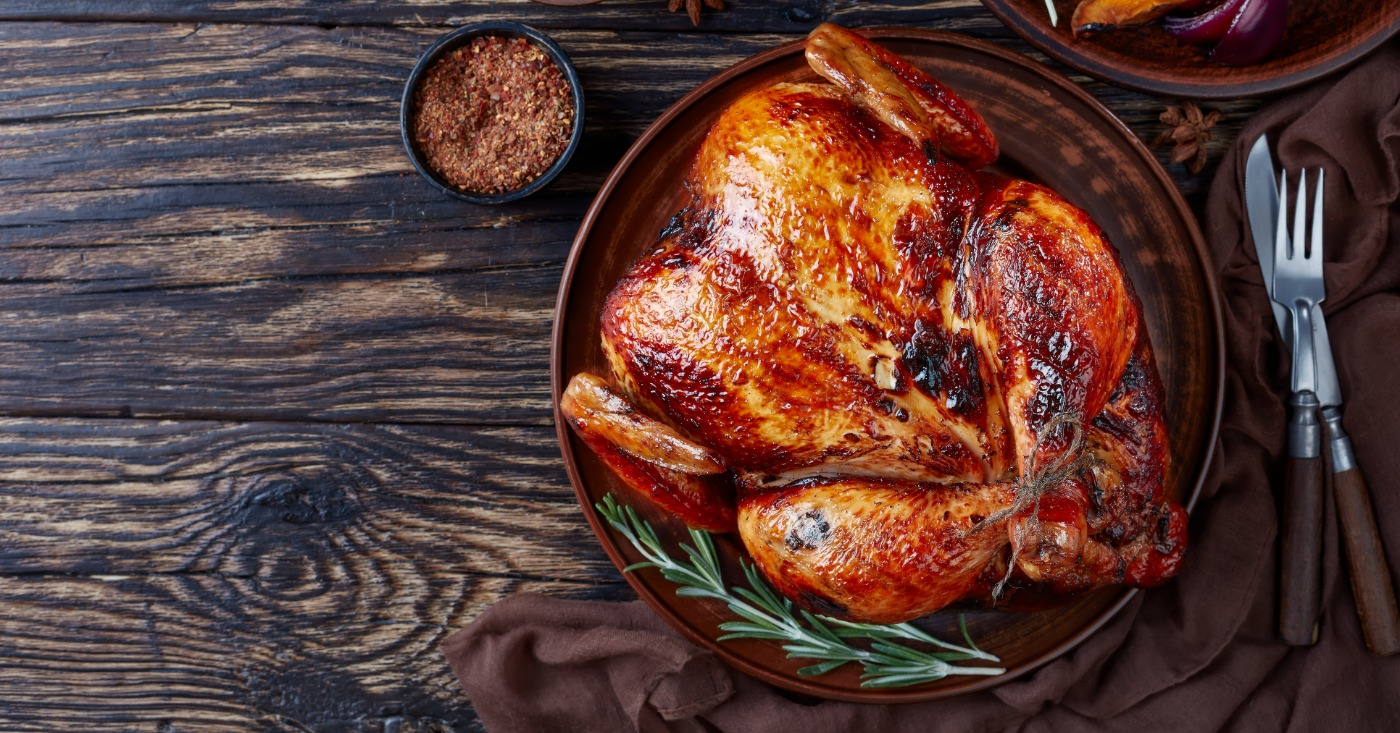
It’s that time of year to express gratitude for continual blessings and to stuff our faces with the legendary fried turkey. It might take more work to deep-fry a whole turkey than to roast it in a conventional oven. However, the sacrifice is worth it for the moist, succulent meat and that irresistible crisp crackling skin.
Wines That Pair well with fried turkey
* Beaujolais- light, very dry red wine from France
*Carricante–spicy dry white wine from Italy
*Champagne-versatile sparkling wine from France
*Chardonnay-unoaked version
*Cinsault-light dry red wine from France
*Gewurztraminer-dry spicy white wine from Germany
*Grenache Blanc–dry white wine from Spain
* Grüner Veltliner–savory dry white wine from Austria
* Lambrusco- sweet, bubbling red wine from Italy
*Pinot noir-light elegant dry red wine
* Rosé Prosecco- versatile, sparkling rosé, easy-drinking Italian wine
*Late Harvest Riesling-sweet white wine from Washington State
When a Fried Turkey isn’t on the menu
A classic turkey dinner with all the trimmings is a Thanksgiving Day feast.
Adventurous types serving turducken this holiday might consider an earthy Oregon pinot noir. This meat trifecta deserves the soft tannins that will bring out the richness of the duck. Ham can be both salty and sweet. A dry rosé pairs well with savory ham, and a zinfandel offers the fruit-forwardness needed for honey-baked ham.
Seafood dishes prepared with light sauces taste incredible with Sauvignon Blanc from New Zealand. Prime rib is an elegant showstopper; an aged Cabernet Sauvignon is a great choice when serving rich red meat. Look at the meal as a complete composition and try not to pair each dish with a separate wine. Experiment with wines you’ve never tried and choose quality products.
Budget-Friendly Options
Let’s keep it real, family: grocery prices are through the roof for all of us.
A couple of pounds of ground turkey, egg yolks, breadcrumbs, and poultry seasonings make excellent meatballs. A whole chicken is much less than a whole turkey and looks amazing on a platter. Simple, inexpensive desserts can be gelatin with fresh fruit, sugar cookies, and a mug of hot chocolate.
Are you invited to a neighbor’s home for Thanksgiving Day dinner? Take them up on it and bring a great bottle of wine or ask the hostess what she needs to complete the meal.
Enjoy the holidays and be happy with what you have; stay focused on good food, delicious wine, and those people you value most.



4 Buyer Pain Points That Make Every Deal Harder #shorts

$96,575 Tahoe: Which Extras Are Worth Paying For? #shorts

How Mentorship Turned Into Unexpected Job Offers #shorts

Networking Events That Turn Strangers Into Friends #shorts

Iowa’s State Black and Brown Caucus Demand Investigation into Lead Azine Detonation

Iowa’s State Black and Brown Caucus Demand Investigation into Lead Azine Detonation

COMMENTARY: The Judicial System Silenced Jendayi by Using the Penal Codes and Locking Her Up in Jail

PRESS ROOM: Mississippi Congressman Bennie Thompson to Speak at Oakland Post/El Mundo and Post News Group 64th Anniversary Celebration

OP-ED: More Sleep and Lower Blood Pressure — An Overlooked Connection

Harlem Neighbors Feed Neighbors, Senator Cleare’s Thanksgiving Giveaway Brings Hope to the Table

HISTORY MADE: Keisha Lance Bottoms Becomes First Black Woman Elected Governor in American History

Multi-Faith Leaders Representing 10 Million People Launch National Anti-Authoritarian Initiative

Christianity’s Racial History

Hundreds of Black Christian Leaders Arriving in Israel for Martin Luther King-Inspired Mission

Keisha Lance Bottoms to Govern State Where Her Great-Great-Grandfather Was Enslaved

Michael Shiner: The Enslaved Man Who Wrote His Way into American History

Don’t Pass the Torch. Expand the Circle.

DOJ Fights to Keep Rep. Ilhan Omar’s Search Warrant Sealed: Report

OP-ED: Closing the Next Digital Divide — Communities of Color Must Have a Voice in the AI Future

COMMENTARY: Thank You, Trump, for Making America Great Again!
4 Buyer Pain Points That Make Every Deal Harder #shorts
$96,575 Tahoe: Which Extras Are Worth Paying For? #shorts
How Mentorship Turned Into Unexpected Job Offers #shorts
Networking Events That Turn Strangers Into Friends #shorts

D’Angelos Svenkeson on Football, Faith and Building the Future of Rondo | Blacklight on Sports

Public EV Charging: Plan Your Routes Before You Buy #shorts

The Unisex Sweatshirt That Helps You Protect Your Peace #shorts

Killing Me Softly: The Story Sampling Should Remember #shorts

MC Scat Cat: Why Fans Still Remember the Iconic Character #shorts

How This Bag Business Turns Community Into Collaboration #shorts
-

 Black History1 week ago
Black Barbershops Have Long Given Neighborhood Politics a Place to Unfold.
-

 Featured7 days ago
How Sick Must America Get Before Saying Enough to RFK
-
 Black History1 week ago
OP-ED: Black voters made history. They laid the groundwork for a Third Reconstruction.
-

 Black History5 days ago
Hoodoo Heritage Month Celebrates Origins of African American Folk Medicine
-

 Featured1 week ago
ALASKA FLIPS BLUE, WAYMO HITS THE BRAKES & CAMILLE TUCKER JOINS US! 📱
-

 Black History4 days ago
PRESS ROOM: Donalds Transition Website Now Open to All Floridians Who Want to Serve
