
Politics
Men’s Letter to President Obama Seeking Inclusion of Black Females


President Obama during his press conference for “My Brother’s Keeper” (courtesy of Freddie Allen/NNPA)
[Below is the full text of men’s letter to President Obama seeking inclusion of Black females into “My Brother’s Keeper” initiative]
We write as African American men who have supported your presidency, stood behind you when the inevitable racist challenges to your authority have emerged, and have understood that our hopes would be tempered by the political realities that you would encounter. While we continue to support your presidency, we write both out of a sense of mutual respect and personal responsibility to address what we believe to be the unfortunate missteps in the My Brothers Keeper initiative (MBK). In short, in lifting up only the challenges that face males of color, MBK — in the absence of any comparable initiative for females — forces us to ask where the complex lives of Black women and Black girls fit into the White House’s vision of racial justice?
Your acknowledgment that race-conscious policies are still needed, and that addressing the needs of those left behind “is as important as any issue that you work on” was inspiring to us. We agree with your sense that racial inequality remains an urgent American problem that, as you indicated, “goes to the very heart” of why you ran for the presidency. We knew very well that you were echoing Dr. King’s observations when you noted that “groups that have had the odds stacked against them in unique ways…require unique solutions.” We understand, as do you, that those ‘’who have seen fewer opportunities that have spanned generations” include men and women in our communities who have struggled side-by-side against the opportunity gaps, shrinking resources and disparate conditions that contribute to the desperate circumstances facing our community.So we were surprised and disappointed that your commitments express empathy to only half of our community — men and boys of color. Simply put, as Black men we cannot afford to turn away from the very sense of a shared fate that has been vital to our quest for racial equality across the course of American history.
As African Americans, and as a nation, we have to be as concerned about the experiences of single Black women who raise their kids on sub-poverty wages as we are about the disproportionate number of Black men who are incarcerated. We must care as much about Black women who are the victims of gender violence as we do about Black boys caught up in the drug trade. We must hold up the fact that Black women on average make less money and have less wealth than both White women and Black men in the United States just as we must focus on the ways in which Black men and women are disproportionately excluded from many professions.
We are not suggesting a national moratorium on Black male-oriented projects. But our sense of accountability does reflect the fact that our historic struggle for racial justice has always included men as well as women who have risked everything not just for themselves or for their own gender but for the prospects of the entire community. Moreover, we are concerned that your admonishment to Black and Latino men to be more responsible and to stop making excuses frames problems of educational attainment, unemployment, and incarceration consistent with those who say Blacks suffer from a “culture of pathology.” We believe in a vision of accountability and racial justice that is neither male-centered, heteropatriarchal or victim blaming.
Taking the lives of Black girls and women seriously would increase the likelihood that we would recognize and lift up loving parents regardless of whether they exist in single, dual, same-sex or opposite sex families; decrease our tendency to express nostalgia for a family structure whose absence wrongfully becomes the putative focal point for all that ails us; and put into sharp relief the fact that the obstacles we face are not simply matters of attitude adjustment and goal setting, but the consequences of deteriorating opportunities, the weakened enforcement of civil rights laws, and the increasing emphasis by government actors on policies that focus on punishment, surveillance, and incarceration.
We recommend an expansion of the MBK — and all other national youth interventions — to include an explicit focus on the structural conditions that negatively impact all Black youth. Of course encouraging young Black men and women to do their very best is important, as is holding them accountable when we think that is warranted. Our interventions, however, must acknowledge that the life chances of youth of color are impacted by the converging dynamics of racism, sexism, class stratification, homophobia and other such factors. For example, MBK, in its current iteration, solely collects social data on Black men and boys. What might we find out about the scope, depth and history of our structural impediments, if we also required the collection of targeted data for Black women and girls?
If the denunciation of male privilege, sexism and rape culture is not at the center of our quest for racial justice, then we have endorsed a position of benign neglect towards the challenges that girls and women face that undermine their well-being and the well-being of the community as a whole. As Black men we believe if the nation chooses to “save” only Black males from a house on fire, we will have walked away from a set of problems that we will be compelled to return to when we finally realize the raging fire has consumed the Black women and girls we left behind.
SIGNED
(*Affiliations are listed for identification purposes only and do not imply the endorsement of the listed institution. For an updated list of those who signed letter, go to www.aapf.org)
- Darnell L. Moore, Editor, Founder, ‘You Belong,’ Brooklyn, NY
- Devon Carbado, The Honorable Harry Pregerson Professor of Law at UCLA, Los Angeles, CA
- Marlon Peterson, Program Coordinator at ‘Youth Organizing to Save Our Streets’, Brooklyn N.Y.
- Robin D. G. Kelly, The Gary B. Nash Endowed Chair in United States History, UCLA
- Oscar H. Blayton, Williamsburg, VA, Lawyer
- Ricardo Guthrie, Assistant Professor of Ethnic Studies at Northern Arizona University; Flagstaff, AZ
- Michael Hanchard, SOBA Presidential Professor of Political Science at Johns Hopkins University.
- Luke Charles Harris, Co-Founder of the African American Policy Forum, Department of Political Science, Vassar College, New York, N.Y
- Kiese Laymon, Author, English Department, Vassar College, Jackson, Mississippi
- Mark Anthony Neal, Professor of African and African American Studies
- Rev. Osagyefo Uhuru Sekou, Pastor for Formation and Justice, First Baptist Church, Jamaica Plains, MA
- Dr. James Turner, Founding Director, Africana Studies Center, Cornell University
- Danny Glover, actor
- Michael Dawson, John D. MacArthur Professor of Political Science and the College Director of the Center for the Study of Race, Politics, and Culture, The University of Chicago
- David Ikard- Associate Professor of English at Florida State University, Ph.D.
- Nyle Forte, Teacher and Baptist Pastor, Newark, NJ
- Rev. James M. Lawson, Jr.
- Walter Fields, Executive Editor and Columnist at North Star News; Irvington, NJ
- Eduardo Bonilla Silva, Professor of Sociology at Duke University; Durham, NC
- Mychal Denzel Smith- freelance writer and social commentator; Knobler Fellow at the Nation Institute; Brooklyn, NY
- Wade Davis II, Speaker, writer, activist, educator, former NFL player; Co-Founder of the ‘You Belong”; Executive Director of You Can Play; New York, NY
- Scott Poulson-Bryant, Award-winning Journalist and Author, co-founding editor at Vibe Magazine
- Alexander Hardy, Writer
- Saeed Jones, Writer and Editor, A 2013 Pushcart Prize Winner, Brooklyn, N.Y
- Charles Mills, John Evans Professor of Moral and Intellectual Philosophy at Northwestern University; Evanston, IL
- Cleve Tinsley IV, Ordained Baptist minister, Adjunct Professor of Religion and Culture at Rice University and Springfield College, Houston TX,
- Al-Lateef Farmer, EOF Recruiter/Student Development Specialist at Mercer County Community College Philadelphia, PA
- Kamasi Hill, Evanston Township High School, Chicago, IL,
- Robert Jones, Jr., Writer and Founder, Son of Baldwin; Brooklyn, NY
- Robert Hill, Afro-American and Caribbean History, Editor of the Marcus Garvey and UNIA Papers, UCLA, Los Angeles California
- Ted Bunch,Activist, Educator, Co-Founder of A Call to Men, Rockville Centre, NY
- Brad “Kamikaze” Franklin- President/CEO at Our Glass Entertainment, Jackson, Mississippi
- David Whettstone, Public Policy Advocate & Writer, Washington, D.C.
- Adisa Ajamu, Executive Director at the Atunwa Community Collective Development Think Tank; Los Angeles, CA
- Herman Beavers, Associate Professor of English and Africana Studies at University of Pennsylvania; Philadelphia, PA
- Wren Brown, Actor, Los Angeles, CA
- Oscar Alexander Robles, Manager of Non-profit Partnerships, Former Co-Director in the Coalition for Equitable Communities at Florida State University,
- Ade Raphael, Student, Irvine, CA
- Seth Bynum, Student, Montclair, NJ,
- Julian Williams- Director of Equal Opportunity and Affirmative Action, Vassar College
- Ocasio Wilson, Albany, NY
- Merio Maye – Far Rockaway, NY
- Dashawn Walker, Bowdoin College Class of 2014, Portland, Maine
- Ken Miles, Co-chair, African American Alumni Association at Vassar
- Elijah Winston, student, Gilbert, AZ,
- Matthew Brown, student, Brooklyn, NY,
- Juan Thompson, student, Chicago, Ill
- Jon Conningham, Digital Media student at the University of Washington
- James Cantres, student, African Diaspora at NYU
- Chad Anderson, Program Associate, Office of Integrative Liberal Learning and the Global Commons
- Jafari Allen, Associate Professor of Anthropology & African American Studies at Yale University,
- Guthrie Ramsey, Professor of Music at University of Pennsylvania
- Monroe France, Assistant Vice President for Student Diversity/Director of Multicultural Education and Services , NYU
- Isaiah M. Wooden, Ph.D candidate and Director-dramaturg, Department of Drama at Stanford
- Aaron Talley, activist, writer, educator, blogger for the Black Youth Project; Detroit, Michigan
- Terrell Tate
- La Marr Jurelle Bruce, Lecturer in Theater Studies, Yale University
- Dr. Van Bailey, inaugural director of the Office of BGLTQ Student Life at Harvard College
- Donald P. Gagnon, Associate Professor of English at Western Connecticut State University
- Donald Anthonyson, Organizer, Families for Freedom, New York, NY
- Andrew Cory Greene, Ford Foundation Predoctoral Fellow, Alternative to Incarceration and Higher Education Intervention” New York, NY
- Abraham Paulos, Director of Families for Freedom; New York
- Hashim K. Pipkin, Writer and educator, Randallstown, MD
- Bryson Rose Ohio University Program Coordinator of Pregnancy Prevention at the Hetrick-Martin Institute HMHS,NY, NY
- Clifton Hall
- Luis Inoa, Assistant Dean of Students/Director of Residential Life at Vassar College, From Brooklyn/Queens
- Akeel St. Vil, Brooklyn, NY
- Herman Gray, UC Santa Cruz
- Tony Porter, Educator and Activist, Co-Founder of A Call to Men, Rockville Centre,
- Matthew Brown,student, Brooklyn, NY
- Kleaver Cruz, New York, NY, Writer and Teacher, Dream Director at Leadership Institute in the Bronx
- Walter Cruz, Graphic designer, New York, NY,
- Abraham Gatling, Watertown, CT
- Kendall Coleman, Bronx, NY
- Russell Robinson, Professor and Distinguished Haas Chair in LGBT Equity, UC Berkeley Law
- Quincy James Rineheart, M.Div., Candler School of Theology, Emory University; Atlanta, GA.
- Ahmad Greene-Hayes, Williams College ‘16; Williamstown, MA
- Paul Daniels II, Morehouse College ‘12; Atlanta Georgia
- Tim’m T. West, Activist, Educator, Artist, Director of Youth Services at the Center on Halsted; Chicago, IL
- Weslee Glenn, PhD, Postdoctoral Research Fellow, Cal Tech, Los Angeles, CA
- Duane Robinson
- Vaughn E. Taylor-Akutagawa, Activist, Entrepreneur, Researcher, and Executive Director at Gay Men of African Descent; New York, NY
- Charles McKinney, Associate Professor and Director of Africana Studies Program at Rhodes College; Memphis, TN
- Hiram Perez, Assistant Professor, English Department at Vassar College; Poughkeepsie, NY
- Preston Mitchum, Adjunct Professor, Advanced Legal Research and Writing at Georgetown University; Washington, D.C.
- Kiyan Williams, Artist, Performer, Stanford ‘13; Stanford, CA
- John Murillo III, PhD candidate, English Department at Brown University; Providence, RI
- Dymir Arthur, Dean of School Culture at Achievement First; Brooklyn, NY
- Kevin Lawrence Henry Jr., PhD candidate in Education at University of Madison-Wisconsin, Madison, WI
- Michael Dumas, Ph.D., Assistant Professor of Education Leadership at NYU Steinhardt; New York, NY
- Riko A. Boone, Counselor at The Door, Outstanding HIV prevention work of the the year awardee; New York, NY
- Devon Tyrone Wade, Paul F. Lazarsfeld Fellow in Sociology at Columbia University; New York, NY
- Aunsha Hall-Everett, Consultant at Harm Reduction Coalition; New York, NY
- Durrell Callier, Doctoral student at University of Illinois-Urbana Champaign’s School of Education, Policy, Organization & Leadership; Champaign-Urbana, IL
- James Roane, Graduate Student in History at Columbia University; New York, NY
- George Bellinger, Jr., AIDS activist; New York, NY
- Darius Clark Monroe, Filmmaker, Director of Evolution of a Criminal; Brooklyn, NY
- Oscar Alexander Robles, Manager of Non-profit Partnerships, Former Co-Director in the Coalition for Equitable Communities at Florida State University, John Jay College of Criminal Justice ‘15; New York, NY
- Richard Yarborough, Professor of English at UCLA, Faculty Research Associate at the Ralph J. Bunche Center for African American Studies at UCLA; Los Angeles, CA
- Alex Blue V, Doctoral Student in Ethnomusicology at UC Santa Barbara, University of Northern Texas
- Alvin Starks, Creator and and Former Director of the Racial Justice Initiative at the Open Society Institute; Brooklyn, NY
- Chris Mcauley, Associate Professor in Black Studies at UC Santa Barbara, PhD in Political Science from the University of Michigan; Santa Barbara, CA
- Clarence Lusane, Professor of Political Science and International Relations, American University; Washington, D.C.
- Monty Pender, Transportation Director, ABCD, Canton Ohio
- James Gordon Williams, Theorist, Composer, Pianist, a Yale Bouchet scholar
- Roderick Ferguson, Professor of American Studies at University of Minnesota; Minneapolis, MN
- Johari Jabir, Assistant Professor of African American Studies at University of Illinois-Chicago; Chicago, IL
- Scot Brown, Associate Professor of History at UCLA; Los Angeles, CA
- Guy Lefevre
- Tyrone Forman, Associate Professor of Sociology at Emory University; Atlanta, GA
- Eddie Bruce-Jones, Lecturer in Law, Program Director, Admissions Tutor at Birkbeck University of London; London, England
- Obari Cartman, Photographer, Artist, Activist; Chicago, IL
- Maurice Jackson, Associate Professor of History at Georgetown University; Washington, D.C.
- Dr. Clemmie Harris, PhD candidate, Department of History at the University of Pennsylvania; Philadelphia, PA
- Justin Stucey, Producer and Business Developer at Production Glue; New York, NY
- Gregory Davis, J.D./M.A. in Afro-American Studies and Law at UCLA, Los Angeles, CA
- Roland Roebuck,Activist; Washington, D.C.
- R. L’Heureux Lewis-McCoy, PhD, Associate Professor of Sociology and Black Studies at the City College of New York, CUNY
- Davarian L. Baldwin, Paul Raether Distinguished Professor of American Studies, Trinity College (CT)
- M. Keith Claybrook, Jr., CSU, Dominguez Hills/ Claremont Graduate University, Compton, CA
- Christopher Stackhouse, Maryland Institute College of Art Brooklyn, New York
- Nahum D. Chandler, Associate Professor of African American Studies University of California, Irvine
- Darrell Moore, Philosophy, De Paul University Chicago, IL
- Jason Saunders, Graduate student, UVA
- Thomas Sayers Ellis, Professor, Poet, Photographer
- Robeson Taj Frazier, University of Southern California, Los Angeles,CA
- Avery R. Young, Teaching Artist – Urban Gateways, Chicago, IL
- Johnny E. Williams, Department of Sociology, Trinity College, Hartford, CT
- Herman Gray. Department of Sociology, UCSC, Santa Cruz CA
- Derrick Walker
- Arthur Little, Professor of English, UCLA, Los Angeles, CA
- Abdul Ali, Goucher College, Towson, MD
- David H. Anthony, III, Department of History, University of California, Santa Cruz,Santa Cruz, CA
- Kai M. Green, University of Southern California, Los Angeles, CA
- Bill Fletcher, Jr., Activist/Educator/Writer, Mitchellville, MD
- Tommie Shelby, Harvard University, Cambridge, MA
- Peniel E. Joseph, Founding Director, Center for the Study of Race and Democracy, Tufts University, Somerville, MA
- Marcus Anthony Hunter, Assistant Professor, Department of Sociology, Yale University, New Haven, CT
- Professor Joseph Wilson, City University of New York, New York
- Neil Roberts, Williams College Associate Professor, Africana Studies Program
- Jonathan Collins Doctoral Student, Department of Political Science, University of California, Los Angeles, CA
- Erik S McDuffie, PhD, University of Illinois at Urbana-Champaign-Urbana, IL
- Tavia Nyong’o, New York University, New York, NY
- Charles Steele, President and CEO, Southern Christian Leadership Conference (SCLC), Atlanta, GA
- Sidney J. Lemelle, Professor of History and Africana Studies, Pomona College, Claremont, California
- Minkah Makalani, University of Texas at Austin, Austin, TX & Brooklyn, NY
- Darnell Hunt, Director, Ralph J. Bunche Center for African American Studies at UCLA
- Pete Carr, Attorney
- Robert O’Meilly, Zora Neale Hurston Professor of English, Columbia University, New York, NY
- Robert Williams, Assistant Professor of African American Studies, University of North Carolina, Chapel Hill, NC
- John Keene, Author/Artist/Professor, Rutgers University, Jersey City, NJ
- Makungu M. Akinyela, Ph.D., LMFT, Georgia State University, Atlanta, GA
- Eric A. Hurley PhD, Pomona College -Department of Psychology, Claremont, CA
- Alan Mullins
- Geffrey Davis, Ph.D. Candidate, University Park, PA
- Davarian L. Baldwin, Paul Raether Distinguished Professor of American Studies, Trinity College (CT)
- M. Keith Claybrook, Jr., CSU, Dominguez Hills/ Claremont Graduate University, Compton, CA
- Michael Stoll, Professor of Public Policy, and Associate Director of the Center for the Study of Urban Poverty
- Fred Moten, University of California-Riverside
- Steve Edwards, Director of Marketing & Business Development, Elite Daily, N.Y., N.Y.
- Jerry G. Watts, Professor of English, Sociology and American Studies, CUNY Graduate Center
- Dr. Brian Peterson
- Brian Tate, President, the Tate Group, Brooklyn, NY 112
- Frank Guridy, Department of History at UT-Austin, Austin Texas
- Cedric Robinson, Department of Political Science, University of California, Santa Barbara, CA.
- Professor Eric Miller, Loyola Law School, Los Angeles, CA
- Tarell Alvin McCraney, playwright, Steppenwolf Ensemble Member, Chicago, MacArthur Grant Recipient 2013
- Dr. Tony Laing, University of Illinois at Urbana-Champaign.
- Damien Sojoyner, Scripps College, City: Los Angeles
- David Melton
- Bryan Epps, Newark, NJ, The Shabazz Center
- Percy E. Holmes, Education Specialist, Brooklyn, N.Y
- Robert Warren, Personal trainer and fitness expert, New York, N.Y
- Benjamin Reynolds, clergy and doctoral seminary student, Chicago, IL
- Jason Craig Harris, humanities educator, New York, N.Y.
- Robert West, LGBT advocate and non-profit administrator, New York, N.Y
- George Turner, Trial Lawyer
- Jelani Lindsey, Attorney, Rancho Cucamonga, Los Angeles
- Allen K. James
- Robert Reid-Pharr, Distinguished Professor of English and American Studies, City University of New York, New York
- Michael Mitchell, PhD student, University of California, Irvine, Irvine, Ca.
- Geoff Ward, Professor and parent, School of social ecology, UC Irvine, Irvine, Ca
- Bennett Capers, Professor of Law, Brooklyn Law School, Brooklyn, New York
- David Troutt, Professor of Law, Rutgers School of Law, Newark, NJ
- Kevin Powell
- Nick Mitchell
- Devon Peterson
- Prescott Saunders, data analyst, Poughkeepsie, N.Y.
- William Johnson, professor at University of Memphis, Memphis, TN
- Jason Saunders, grad student, UVA
- Nicholas Brady, graduate student, University of California, Irvine.
- Professor Ronald S. Sullivan, Harvard Law School, Cambridge, MA
- Professor Robert Westley, Tulane Law School
- David Wasserman, Public Defender, Los Angeles
- Professor Thomas Mitchell, University of Wisconsin Law School
- Houston Baker, Distinguished University Professor of English and African American Diaspora Studies at Vanderbilt University; Nashville, TN
- Christopher Marsburn, Doctoral Candidate, Department of Psychology & Social Behavior, University of California, Irvine
- Herb Ruffin II, Associate Professor of History and Africana Studies at Syracuse University, Syracuse, NY
- Rahsaan Patterson, Singer and Actor; Los Angeles, CA.
- James Ford
- Stephen Ward, University of Michigan, Ann Arbor, Michigan
- Lester Myers, retired security guard, Forrest, Mississippi
###









Black Press
COMMENTARY: Thank You, Trump, for Making America Great Again!
COURIER ECO LATINO — Mr. President, I never thought I would say these words, but here they are: Thank you, Donald Trump. Thank you for making America great again! You promised the American people you would do it. You traveled across this country wearing those red hats, standing before packed arenas, declaring that you alone could restore America’s greatness. And after the political earthquake of the 2026 midterm elections, I have to give you credit.
Thank You, Trump, for Making America Great Again!
Mr. President, I never thought I would say these words, but here they are: Thank you, Donald Trump. Thank you for making America great again!
You promised the American people you would do it. You traveled across this country wearing those red hats, standing before packed arenas, declaring that you alone could restore America’s greatness. And after the political earthquake of the 2026 midterm elections, I have to give you credit.
You said you would make America great again. You just never told us you were going to do it by waking up the very people you thought you could silence.
Mr. President, you may have accomplished what civil rights organizations, political strategists, voter registration campaigns and community activists have spent decades trying to achieve. You woke up Black America. You woke up young America. You woke up women across America. And perhaps most importantly, you reminded millions of Americans that democracy is not a spectator sport.
For years, we have begged our communities to understand the importance of voting. We organized marches, held rallies, registered voters, knocked on doors and pleaded with people to exercise the rights that our ancestors fought, bled and died to secure.
But then you came along.
You attacked diversity, equity and inclusion. You turned the word “woke” into a political insult. You challenged institutions that had worked to create opportunities for historically excluded communities. Your administration’s policies and rhetoric left many Americans wondering whether the progress of previous generations was being pushed backward.
And something remarkable happened.The people you underestimated decided they had heard enough. They didn’t just complain on social media. They didn’t just shake their heads at the evening news. They didn’t just talk about what needed to change. They went to the polls. And, Mr. President, they brought their receipts.
The Democratic victories in the House and Senate, along with the historic rise of Black elected leadership, represent something far greater than a political shift. They represent a powerful reminder that the American people still have the final word.
Consider Georgia. A state once synonymous with segregation, voter suppression and some of the most painful chapters of America’s racial history has witnessed a remarkable political transformation.
Keisha Lance Bottoms’ historic election as governor represents more than a victory for one candidate or one political party. As the first Black woman elected governor in American history, she represents generations of women who were told to wait their turn, stay in their place or lower their expectations.
And here in Columbus, state Rep. Carolyn Hugley stands poised to make history as the first Black woman to serve as speaker of the Georgia House of Representatives.
Think about that for a moment. Black women, whose political organizing, leadership and determination have so often been taken for granted, are now positioned to help shape the direction of government at its highest levels.
Across the country, Black candidates and other historically underrepresented leaders are demonstrating that political power does not belong exclusively to those who have traditionally held it.
And while you certainly cannot take credit for their qualifications, their sacrifices or their victories, Mr. President, you deserve recognition for helping create the political climate that motivated so many Americans to act.
You tried to make DEI a dirty word. The voters responded by making democracy a powerful one.
You said America needed to return to its greatness. But perhaps the greatest lesson of this election is that America’s greatness was never found in turning back the clock. It was never found in excluding people because of their race, gender, religion or background. It was never found in deciding whose history should be taught, whose voices should be heard or whose opportunities should be protected.
America’s greatness has always rested in its ability, however imperfectly, to move closer to the promise that all people are created equal. And sometimes, it takes a political backlash to remind us just how precious that promise is.
I am particularly proud of the role played by Black women, historically Black colleges and universities, the Black church and a new generation of voters who refused to allow frustration to become surrender.
They understood something that too many people had forgotten.You cannot change the direction of a country if you refuse to participate in determining who leads it.
But let me offer a word of caution. Winning an election is not the same as winning the future. The same energy that carried voters to the polls must now be directed toward holding elected officials accountable. Representation must translate into results. Historic firsts must produce meaningful progress.
We need affordable health care, quality education, economic opportunity, safe neighborhoods, fair housing and a justice system that treats every American with dignity.
We need elected officials who understand that making history is important, but improving people’s lives is even more important. And we must never confuse political victory with the completion of the struggle. The work continues.
Still, there is something wonderfully ironic about this moment in American history.
The man who built a political movement around the promise of making America great again may have helped inspire an entirely different movement — one determined to make America more inclusive, more representative and more accountable.
Mr. President, you told America you were going to bring about change. You did. You told America you were going to shake up Washington. You did. You told America you were going to make people pay attention to politics again. And, Lord knows, you did that too.
But perhaps your greatest political accomplishment was not what you intended to build. Perhaps it was the determination you awakened in those who refused to accept your vision of America.
You reminded us that elections have consequences. You reminded us that silence has a price. You reminded us that the power of the people is greater than the personality of any president. And you reminded Black America of something our ancestors have been telling us for generations:We do not have to beg for a seat at the table when we have the power to help determine who sits at the head of it.
So, Mr. President, from the bottom of my heart, thank you. Thank you for waking up the sleeping giant. Thank you for reminding us that our votes matter. Thank you for inspiring a generation that may have otherwise remained politically disengaged. And thank you for proving that no political movement, no administration and no individual is greater than the American people’s right to choose their own future.
You promised to make America great again. And in one of the greatest ironies of modern American politics, you may have helped do exactly that. Just not the way you planned.
Because, Mr. President, while you were busy trying to take America back, the American people were busy taking their country forward. And that, my friends, is what making America great really looks like.
Black Press
Alameda County Supervisor Miley to Propose Illegal Dumping Ordinance
POST NEWS GROUP — The proposed ordinance would add Chapter 6.121 to the County’s General Ordinance Code, establishing an administrative enforcement process that would allow the County to hold more parties accountable without relying solely on criminal prosecution.
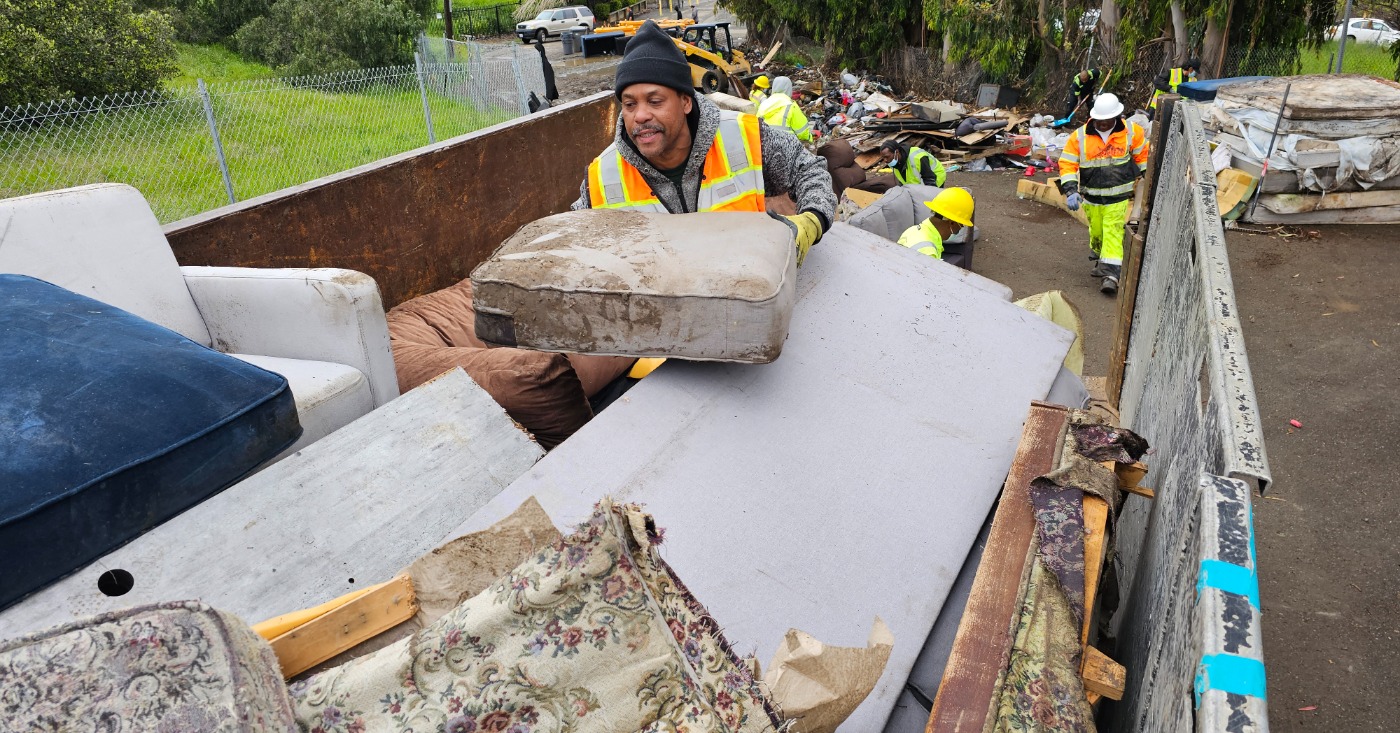
Proposal expands accountability, establishes administrative penalties, and ties fines to cleanup costs
On Tuesday, Nov. 17, the Alameda County Board of Supervisors is scheduled to consider the first reading of an ordinance proposed by Supervisor Nate Miley to strengthen enforcement against illegal dumping in unincorporated Alameda County, including Ashland, Cherryland, Castro Valley, San Lorenzo and Fairview.
Illegal dumping places a significant financial burden on residents and taxpayers. In 2024, Alameda County spent $3.8 million addressing 1,483 illegal dumping incidents, an average of approximately $2,562 per incident. Yet no illegal dumping cases from the unincorporated county were charged that year.
The proposed ordinance would add Chapter 6.121 to the County’s General Ordinance Code, establishing an administrative enforcement process that would allow the County to hold more parties accountable without relying solely on criminal prosecution.
Key provisions include:
- Expanded accountability: Penalties could apply to individuals who dump waste, those who provide waste to unlicensed haulers who illegally dispose of it, and vehicle owners who knowingly consent to their vehicles being used for illegal dumping.
- Administrative enforcement: Authorized County personnel could issue penalties and abatement orders, with opportunities for administrative hearings and judicial review.
- Penalties tied to cleanup costs: Fines would start at $2,500 for a first violation, increase to $5,000 for a second and $10,000 for a third. Enhanced penalties of up to $10,000 per violation could apply to large-scale dumping, hazardous waste, or dumping near sensitive locations such as creeks, schools and storm drains.
The ordinance includes safeguards for people acting in good faith. Residents and businesses using licensed haulers would be exempt from waste-generator liability, while vehicle owners whose vehicles were used without their consent and property owners unaware of dumping on their land would also be protected.
Cited individuals could request community service in lieu of penalties, with ability to pay among the factors considered. The proposal would also allow property owners, business improvement districts and community groups to pursue recovery of cleanup costs and authorize the Board to establish a reward fund for tips identifying illegal dumpers.
“Every mattress and every truckload of construction debris dumped in Ashland, Cherryland and Castro Valley gets paid for by the people who live there, and right now the people responsible almost never face a consequence,” Miley said. “This ordinance closes the loopholes that let people hand off their waste and walk away. It gives the County a fair and swift way to hold dumpers accountable, protects people who do the right thing, and makes the penalty match what it costs us to clean up after them.”
Modeled on Santa Cruz County’s illegal dumping ordinance, which took effect in July 2025, the proposal was recommended for approval by the Board’s Unincorporated Services Committee.
Miley is also urging cities and counties throughout the region to adopt similar standards. His office has released a Model Illegal Dumping Enforcement Ordinance developed through the Alameda County Illegal Dumping (ACID) Task Force to support coordinated regional enforcement.
If the Board conducts the first reading on Nov. 17, the ordinance will return for adoption at a subsequent meeting and take effect 30 days after adoption.
Paul Sanftner is the director of communications and special projects for the office of Alameda County Supervisor Nate Miley.
Black Press
On Veterans Day, U.S. Rep. Simon Demands Answers on Status of Veterans Affairs Clinic, Columbarium Project
POST NEWS GROUP — “Our veterans have served our nation with dignity and sacrificed so much for our nation – they deserve the best care and benefits possible, close to home. That’s why it is abhorrent that the Trump Administration has canceled the planned construction of a new clinic and columbarium at Alameda Point, despite years of planning and more than $395 million in federal funding already invested in the project.
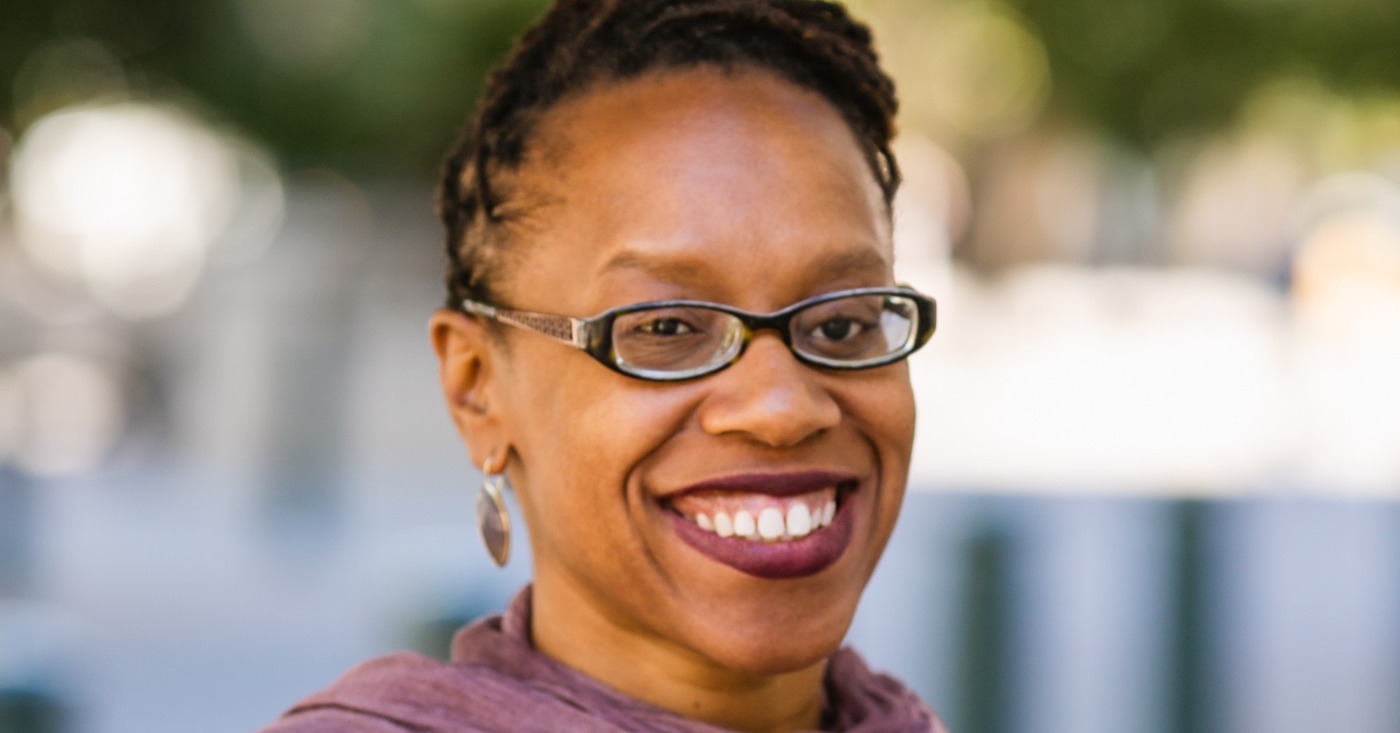
On Veterans Day, Congresswoman Lateefah Simon (D-CA-12) once again called on the Trump administration to provide answers on the status of the Alameda Point Veterans Affairs Clinic and Columbarium Project. Her statement is provided below.
“Our veterans have served our nation with dignity and sacrificed so much for our nation – they deserve the best care and benefits possible, close to home. That’s why it is abhorrent that the Trump Administration has canceled the planned construction of a new clinic and columbarium at Alameda Point, despite years of planning and more than $395 million in federal funding already invested in the project.
“Last year, I demanded answers from the Secretary of Veterans Affairs, Douglas Collins, about the decision and received no response.
That’s why, earlier this year, I worked with my colleagues Speaker Emerita Nancy Pelosi and Rep. Kevin Mullin to successfully fight for and secure report language in the Fiscal Year 2027 Military Construction, Veterans Affairs, and Related Agencies Appropriations bill that would require the Trump administration to provide answers on the status of the project.
“As the Senate considers the Fiscal Year 2027 Military Construction, Veterans Affairs (MilCon-VA), and Related Agencies Appropriations bill, the report language we secured in the House must be included in any final MilCon-VA appropriations bill, so that the 27,000 veterans in my district get the answers they deserve.
“I will not stand idly by as this administration unfairly reels back healthcare services and access for our veterans, and I will continue to hold this administration’s feet to the fire and fight for our district’s previously allocated resources.”
U.S. Rep. Lateefah Simon’s media relations office is the source of this report.
Black Press
OPINION: Mario Juarez’s Courtroom Admissions Raise Questions About Allegations That Fueled Recall of Pamela Price
POST NEWS GROUP — Juarez’ claims became a significant part of the political narrative surrounding the recall campaign that removed me from office. Even though I denied the allegations, for two years, Juarez’s allegation was repeated across news outlets and used as political ammunition against me. His former local criminal defense attorney Ernest Castillo proclaimed Juarez’ innocence and claimed that the charges were politically motivated. Castillo is now a judge in the Alameda County Superior Co
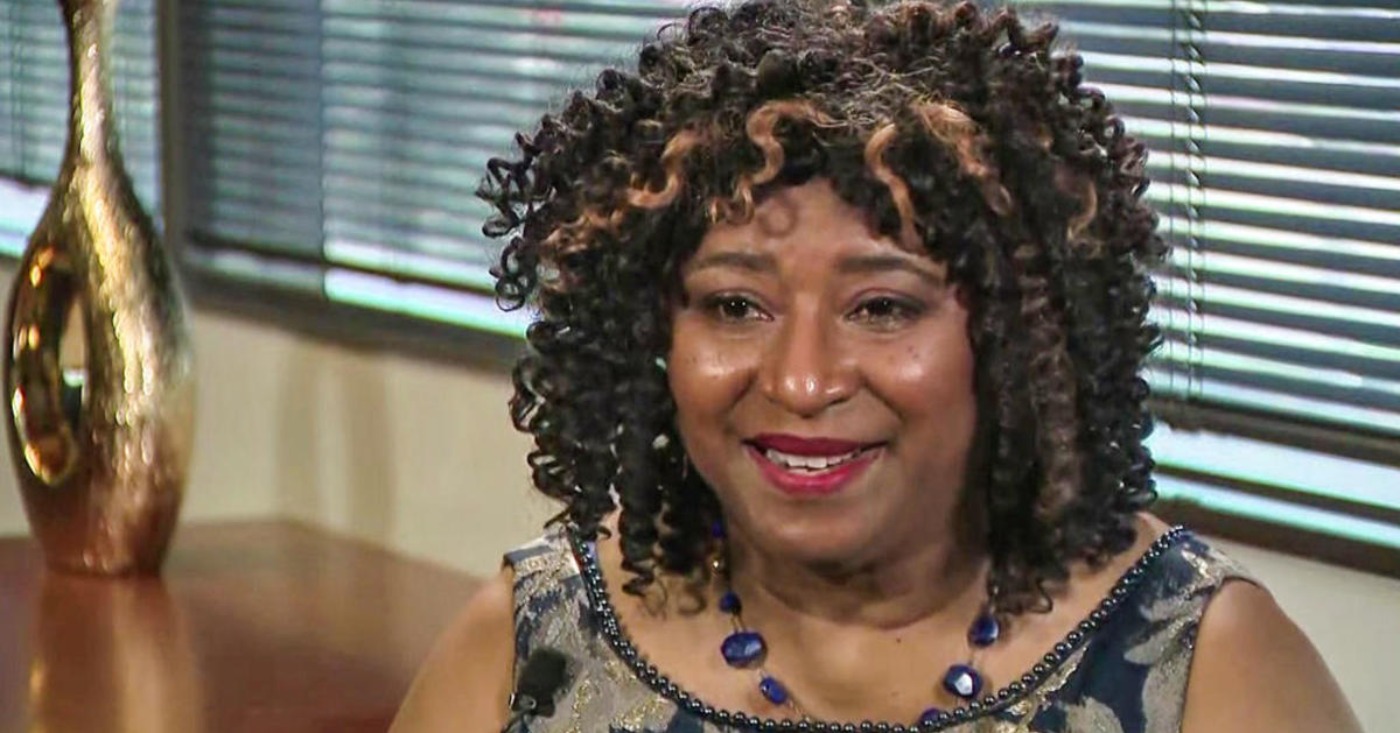
Former Alameda County District Attorney says it may take time, but ‘the truth will always catch up to the lie.’
In 2024, Mario Juarez, the U.S. government’s star witness in former Oakland Mayor Sheng Thao’s bribery case, steadfastly proclaimed his innocence of charges filed by the Alameda County District Attorney’s office under my leadership for allegedly passing tens of thousands of dollars in bad checks.
After he was charged in January 2024, Juarez fabricated a story claiming that I tried to extort $25,000 in cash from him for the anti-recall campaign.
In his recent courtroom testimony at Sheng’s trial, Juarez admitted that he knew the checks he wrote to print brokers Butterfly Direct Marketing were bad and would bounce. He also testified that he took money intended to pay the printer for himself. Juarez has a long, documented history of making false accusations and scamming business partners and acquaintances.
I denied Juarez’s allegation from the beginning. I never solicited a $25,000 payment from Juarez in exchange for dismissing criminal charges. It did not happen.
Now, in open court, the public is hearing Juarez admit that he knew the checks he wrote would bounce and that he took money intended to pay Butterfly for himself.
Juarez’ claims became a significant part of the political narrative surrounding the recall campaign that removed me from office. Even though I denied the allegations, for two years, Juarez’s allegations were repeated across news outlets and used as political ammunition against me. His former local criminal defense attorney, Ernest Castillo, proclaimed Juarez’ innocence and claimed that the charges were politically motivated. Castillo is now a judge in the Alameda County Superior Court.
Juarez’ false allegations against me had political consequences. The media and local bloggers were quick to amplify his allegations. Now they each have an obligation to give the public the same level of attention to the facts that have emerged in court. Anyone who repeated those allegations has a responsibility to revisit them now that Juarez admits he was guilty of the charges.
Juarez’s admissions also raise serious questions about why current District Attorney Ursula Jones Dickson chose to dismiss the charges against him rather than pursue accountability for the criminal conduct he has now admitted under oath. One of Jones Dickson’s first acts in February 2025 was to dismiss the charges against Juarez, despite the victim’s objections.
Political opponents should not be able to turn an unverified accusation into a public verdict. My reputation, my career, and the confidence of voters were all affected by an accusation that was never established as true.
The press should never confuse an allegation with proof and mislead the public about the veracity of a claim. And the current district attorney should not make prosecution decisions based on politics.
About Hon. Pamela Price
Pamela Price earned her B.A. from Yale College and a J.D. and M.A. from the Berkeley School of Law. She was admitted to practice law in California in 1983 and has specialized in federal civil rights litigation since 1991. She has successfully prosecuted civil and criminal cases in Bay area courts and is one of the few Black women to ever argue a case in the U.S. Supreme Court. She served as the elected District Attorney of Alameda County from 2023 to 2024.
Black Press
Hutchinson Concedes: Ballots Still Being Counted in Oakland Board Elections
Oakland District 4 incumbent Mike Hutchinson has conceded his seat on the school board as ballot counting continues for Alameda County. Following ranked-choice tabulations, challenger Kathryn Camp holds a significant lead over the longtime representative whose term ends in January. While Hutchinson expressed pride in his legislative record and opposition to the board majority, other races remain highly competitive. Updates in Districts 2 and 6 show narrow margins and shifting leads as officials finalize the local election results, providing a new outlook for the district.
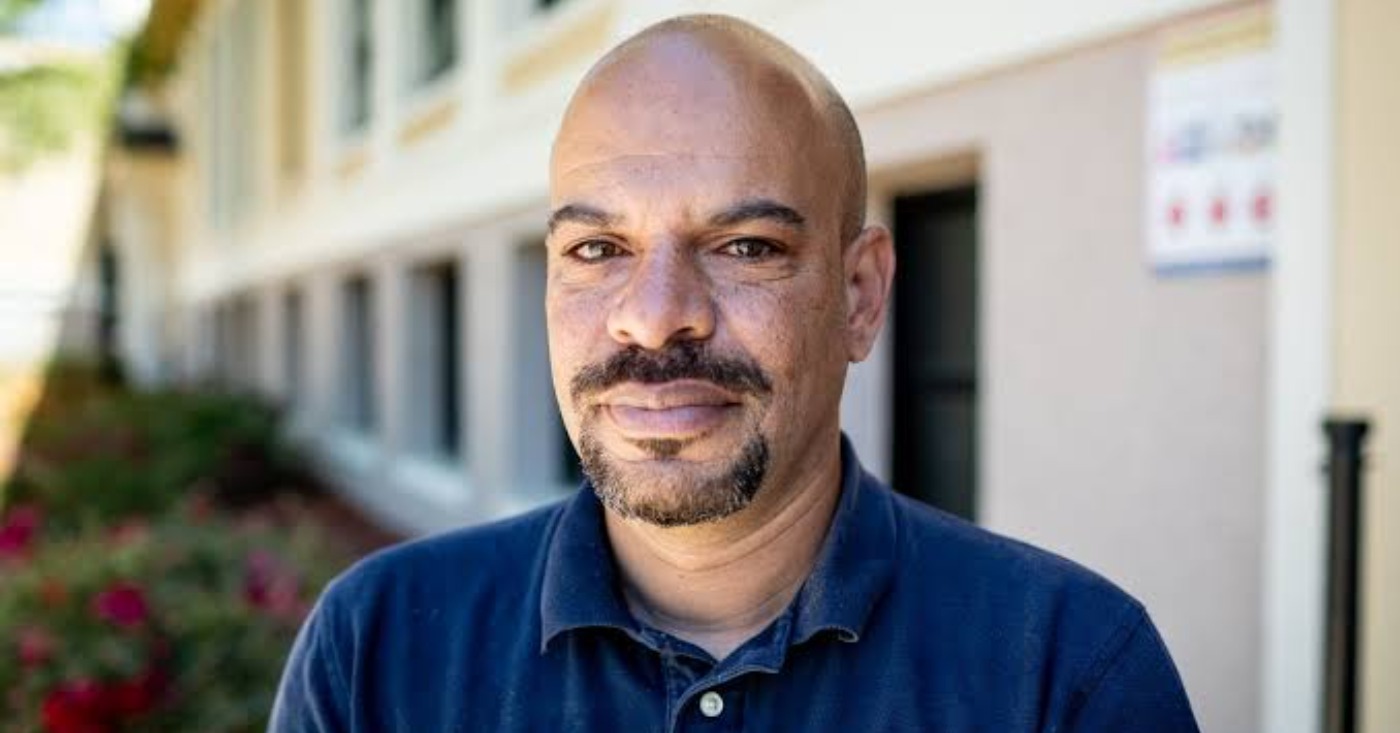
While the results of Oakland and Alameda County elections are still being counted, Oakland District 4 incumbent, Mike Hutchinson, has already conceded online. His term ends in January.
As of Monday, Nov. 9, after ranked-choice votes were tabulated, Hutchinson won 44.36%, while Kathryn Camp won 55.64%. Sylvia Pfeiffer Williams came in third.
Camp’s website describes her as “an Oakland mom, an OUSD parent, and an experienced leader who believes deeply in the power of opportunity and in our responsibility to make sure every child has a real chance to thrive.”
Writing on Facebook, Hutchinson wrote, “It appears that we did not win reelection to the school board. Although it is disappointing, it is not entirely unexpected given what we have faced over the last four years. I have often said that if doing the right thing costs me reelection then so be it.”
In summing up his achievements, he credited himself with the work of the district, the board, and the superintendent and celebrated his opposition to the school board progressive majority and the superintendent.
“During my six years in office, against all odds, and without a board majority, we changed the game. I’m proud to say that we accomplished more than I ever imagined was possible,” he wrote.
“I led through the pandemic and the safe and equitable reopening of the district. I ended the failed school closures policies,” he continued. “I authored and passed the 3 R’s, a comprehensive plan to engage in community conversations to decide how to re-envision, restructure, and redesign OUSD going forward.”
“I steadfastly took a stand against the school board majority over the last two years as they reversed our progress,” he said.
Many school observers and public-school advocates did not share Hutchinson’s enthusiasm for the role he has played.
At present, he often aligns with the Fiscal Crisis Management and Assistance Team (FCMAT), a state-funded agency that advocates for closing schools and cutting education programs, particularly in poorer districts that serve Black and Brown families.
Other school board races are showing mixed results. In District 2, School Board President Jennifer Brouhard is ahead of her challenger Arielle Fleisher, 50.99% to 49.01% as of Monday.
In the District 6 race, Board Vice President Valarie Bachelor is slightly ahead of two challengers in first-place votes at 37.82% but trails after ranked-choice votes are tabulated. With ranked-choice tabulations, Alexandra Williams is the current leader with 54.74% of the vote, ahead of Bachelor, who has 45.26%, as of Monday. Leana Powell came in third.
Williams has worked at public, private, and charter schools. She joined AIMS Academy, part of the American Indian Model Schools network in Oakland, as a math teacher in September 2024.
Black History
Mississippi Congressman Bennie Thompson Congratulates Scott Colom on Historic Victory
POST NEWS GROUP — “My relationship with Scott dates back to his participation in the Mississippi Black Leadership Institute, which I helped establish in partnership with the NAACP to develop the next generation of public servants. As one of the program’s first graduates, Scott demonstrated the leadership and commitment to public service that would later define his career.
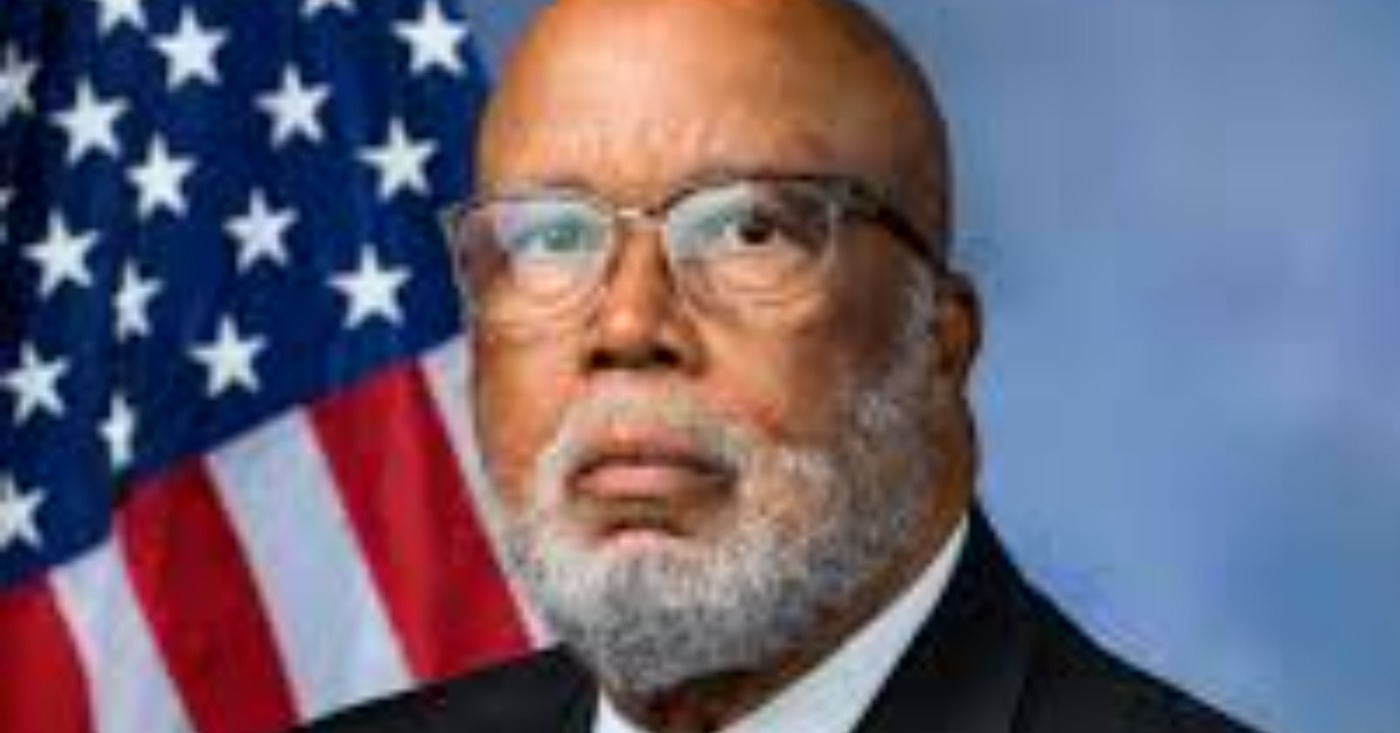
Today, Congressman Bennie G. Thompson (MS-02) issued the following statement on Mississippi Senator-elect Scott Colom’s historic election to the United States Senate:
“I am incredibly proud of Senator-elect Scott Colom and his historic victory. Having known Scott for many years, it has been a pleasure to watch him grow into the leader he is today. His campaign brought together Mississippians from every walk of life — young and old, Black and white, rural and urban —I n a way I have never witnessed in more than 50 years of public service. This victory demonstrates the power of grassroots organizing and what people can accomplish when they come together for a common purpose.
“My relationship with Scott dates back to his participation in the Mississippi Black Leadership Institute, which I helped establish in partnership with the NAACP to develop the next generation of public servants. As one of the program’s first graduates, Scott demonstrated the leadership and commitment to public service that would later define his career.
Recognizing that potential, I encouraged him to run for district attorney of Mississippi’s 16th Judicial District, where he defeated a 28-year incumbent and went on to serve three terms.
“Having witnessed Scott’s leadership firsthand, I had every confidence in his ability to serve as a federal judge when I recommended him to President Joe Biden for nomination in 2022. Former Senator Cindy Hyde-Smith’s decision to block his nomination by withholding her blue slip was disappointing, but it did not lessen my confidence in him or his commitment to serving Mississippi.
“To see him now elected to the very Senate where his nomination was blocked is especially meaningful and a testament to his perseverance and the trust Mississippians have placed in his leadership.”
“Scott has the experience, character, and determination to be an effective advocate for Mississippi. Throughout my career, I have fought to make sure those at the bottom have an opportunity to move up, and I know he shares that commitment.
Having another Mississippi Democrat alongside me in Congress who understands the needs of Mississippians means a great deal. Together, we will fight to improve access to health care, strengthen public education, expand economic opportunities, and ensure our rural and underserved communities are not left behind.
“I look forward to working with Senator-elect Colom and am pleased to welcome him to the Mississippi Congressional Delegation.”


69th Annual GRAMMYs: See the Full List of Nominees!

Kamasi Washington at City Winery

Can Level 1 Home Charging Keep Your Bolt RS Ready? #shorts

Can We Disrupt Systemic Racism? The Ruckus Has a Plan #shorts

COMMENTARY: Thank You, Trump, for Making America Great Again!

Athletics Are a Gift, Not an Identity #shorts
Giving Black Executives What They Need

Coach of the Week – Stephen Dixon

2027 Chevrolet Tahoe 4WD High Country Interior 360

Austin vs. Kashmere (9-10-26) | Houston High School Football

Practitioners of African Traditional Spirituality Offer Ancestral Reverence Ritual Oct. 31

Tamiko Armstead | 2026 Lifetime Achiever in Education

HISTORY MADE: Keisha Lance Bottoms Becomes First Black Woman Elected Governor in American History

OP-ED: The Black Church Writes AI’s Next Chapter

Kickstarter CEO Everette Taylor Shares Tips on Creating and Growing a Business

BLACK MEN VOTE: Mobilizing 100,000 Black Men Ahead of the Midterms 📱

NFN live presents 🎙️ THE ROAD TO BEYOND IWDM 50: WE CANNOT STOP NOW! 8-Week Podcast

Black Household Wealth Plummeted 25% in Three Years, New Data Shows

Secretary of State Shirley Weber Pushes Back Against DOJ Demands Over California Voter Rolls

Columbus’s Oldest Businesses Still Open: 10 That Have Lasted 75+ Years
Kamasi Washington at City Winery
Can Level 1 Home Charging Keep Your Bolt RS Ready? #shorts
Can We Disrupt Systemic Racism? The Ruckus Has a Plan #shorts
Athletics Are a Gift, Not an Identity #shorts
Coach of the Week – Stephen Dixon
2027 Chevrolet Tahoe 4WD High Country Interior 360
Austin vs. Kashmere (9-10-26) | Houston High School Football

Bellaire vs. Westside (9-18-26) | Houston High School Football

Lamar vs. Heights (9-17-26) | Houston High School Football

Madison vs. Austin (9-8-26) | Houston High School Volleyball
-
 Black History1 week ago
Keisha Lance Bottoms to Govern State Where Her Great-Great-Grandfather Was Enslaved
-
 Black History6 days ago
Don’t Pass the Torch. Expand the Circle.
-
 Black Press2 days ago
OP-ED: Closing the Next Digital Divide — Communities of Color Must Have a Voice in the AI Future
-
 Black History1 week ago
Meet Scott Colom, the Mississippi Democrat Leading Tight Mississippi Senate Race
-
 Black Press1 week ago
Eight Black Women Win Georgia Statewide Offices
-
 Featured6 days ago
Democratic Leadership Under Fire, Maxine Waters Challenged & Tyler Perry’s New Political Role 📱
