
Education
Math Skills and Black Culture Come Together at CBAC
LOS ANGELES SENTINEL — Like many parents, Pastor James Thomas of the Living Word Community Church, and his wife, Mona, aimed to place their children in a private school with the expectation that they would receive an exceptional education, and have the best chance possible of thriving in college. But once their children were enrolled in a private school, the Thomases were deeply disappointed to see how the Black students were treated.


By Imani Sumbi
Like many parents, Pastor James Thomas of the Living Word Community Church, and his wife, Mona, aimed to place their children in a private school with the expectation that they would receive an exceptional education, and have the best chance possible of thriving in college. But once their children were enrolled in a private school, the Thomases were deeply disappointed to see how the Black students were treated.
“We had no idea that in the minds of the folks in the Valley, and in this particular private school that we were involved in, that it was like the ‘60s almost,” Pastor Thomas says. “[There was] a lot of racism [and] a lot of stereotyping.”
Even their own children, who were all excellent students, were not immune to the underlying prejudice. Pastor Thomas got on the board of the school in an attempt to exact change, but found his voice was not being heard.
Eventually, the Thomases concluded that the culture of the private school system was not conducive to the success of Black children, and many Black children were simply tolerating the prejudice for fear that they would get in trouble if they spoke up.
If they wanted to give these children the attention and care they deserved, they would have to take it into their own hands. So, with the help of their church, the Thomases launched their own educational program, which would later become the Culturally Based Algebra Camp (CBAC).
“We started this because we felt like, even though Black folks are moving to the Valley hoping to get a better education, these people are treating us as if we don’t even deserve respect or dignity,” says Mr. Thomas.
When the Thomases first got the idea to start an after-school educational program, it was not actually a math camp at all. It started as a weekly Saturday morning tutoring session for students attending public and charter schools in the San Fernando Valley. The prevailing sentiment among those who attended was that they did not enjoy school, and they especially dreaded math classes.
Realizing that these children needed much more support and encouragement than could be provided in a weekly study group, the Thomases transformed these sessions into an Algebra-focused camp. Now, it runs five days a week, from 8 a.m. to 1 p.m., for six weeks each summer at CHAMPS Charter High School of the Arts in Van Nuys. The camp serves the first through the 12th grades, which are divided into five classrooms. Third graders are the only children who get their own classroom apart from any other grades, and for good reason.
“Usually, Black students, especially Black boys, are excelling in school until they get to grade three,” says Mr. Thomas. “At grade three, they begin to decline. And so, we decided to separate them out and work specifically with them so that wouldn’t happen.”
While the camp’s main objective is to prepare students to do well in Algebra 1 and more advanced math levels, it is anything but a typical summer program. As its name implies, the Culturally Based Algebra Camp prides itself on contextualizing lessons within the historical origins of mathematics and specifically its connection to Africa.
“Our motto is, you’ve got to be able to do math because you invented it,” says Pastor Thomas. “And so, what these students find out is not only did we invent math, but just about everything else. And so, most of what the world celebrates started with us. We show them that.”
In addition to being a pastor, Mr. Thomas is also a professor of Pan-African studies at Cal State LA. He says he repeats many of the same lectures he would give to his college students to the children at CBAC. Each morning, when the first students begin to arrive, he talks to them about a variety of topics including cultural appropriation, HBCUs, Black Greek letter organizations, post-traumatic slave syndrome, reparations, medical apartheid and slave religious customs.
“I don’t dumb it down for them,” he says. “Some of it is over their heads, and that’s fine.”
What is important, he says, is that these children are exposed to their culture and history from a young age so that they can feel proud of their heritage and assured of their abilities to excel academically — something many of the campers truly seem to take to heart.
“I’m learning about how Black people have invented many things and knowing that my culture is a pretty smart culture and they have done a lot of things for this world,” says Donovan, a 14-year-old student. “So, it’s nice to know that, and nice to see that I come from a culture with rich history.”

CBAC campers play football during recess. (Courtesy Photo)
However, the cultural discussions at CBAC are not solely focused on the past. The camp is also a safe space for students to air their thoughts about the current political and racial climate.
“The year that Trayvon Martin was killed, we wanted to know how the kids were feeling about that,” says Mrs. Thomas. “So, there was a whole discussion about that, just so that the kids could have clear perspective and have an opportunity to voice whatever it was that they felt about that.”
The Thomases say the enthusiasm that CBAC students show in dedicating themselves to showing up each day and practicing their math skills is truly stunning. It goes entirely against the stereotype that Black children are uninterested or unskilled in academic performance.
Martha, 16, has been coming to CBAC since she was in fourth grade.
“Before I came to camp, math was not really my friend,” she says. “I didn’t really understand much of what was happening and sometimes my teachers were going too fast or they were not explaining it thoroughly. But then, when I started coming here, and I started learning more, I feel like math is now one of my strongest subjects.”
She is now preparing to take the SAT next year and says she wants to become a pediatric surgeon.
Kruse, a 7-year-old student, likewise had only positive things to say about how the camp has impacted his learning.
“I think it’s pretty good,” he says. “I haven’t learned multiplication or division yet, so I’m starting to get the hang of that and I’m thinking that I can take this stuff over to school and I’ll be probably smarter than other kids.”
Since the camp’s inception, countless parents have praised the program, attesting that their children have not only gained confidence in their math skills but have also developed a greater appreciation and pride for their identity as African Americans.
Shade Mokuolu has two children, a 9-year-old and a 10-year-old, who are returning to the camp for their third year. She appreciates that CBAC keeps their minds busy and engaged during the summer so they will be right on track when they go back to school.

BAC students create projects to show the connection between African history and mathematics. (Imani Sumbi / Los Angeles Sentinel)
“The moment they came, and they saw other kids like them, they started making friends, [and] they loved it,” Mokuolu says. “It’s also a very unique program because it helps them to connect to their roots [and] their heritage as African Americans. They do a lot of projects here that help them to connect with who they are, they study different parts of the world, [and] they study history.”
While CBAC holds its students to high academic standards, the Thomases espouse the philosophy that “parents are the most important component,” and they are held to equally high requirements in terms of their involvement in their children’s success at the camp and beyond. They must attend workshops and meetings throughout the summer to learn more about CBAC and stay updated on college admission requirements such as standardized testing and the FAFSA. They even take a pledge promising to help their children maintain a positive self-image, resolve issues in the household that may hinder academic achievement, limit unhealthy use of electronics and do everything in their power to help their children flourish.
If there is one thing the Thomases hope to accomplish through this program, it is that their students will never feel as though they have to accept racial intolerance in order to succeed academically – exactly what the Black students at the private school their own children once attended, seemed to feel.
“The one thing that I want them to take away is that when they fight, they win,” says Pastor Thomas. “I say that because I think we’re in a place now that we can’t just take for granted that people are going to do right by us. We have to make demands and we have to push for those demands. I hope that they will fight to go to college, that they will fight to get access to the classes that they need and that will help them to grow.”
To learn more about CBAC, contact Pastor James and Mona Thomas at [email protected]
This article originally appeared in The Los Angeles Sentinel.









Art
Capturing Black Life’s Beauty
THE POSITIVE COMMUNITY — Deana Lawson is an acclaimed American photographer and visual artist whose work explores Black identity, family, and spirituality through powerful portraiture. Born in Rochester, New York, in 1979, Lawson developed a distinctive aesthetic that blends carefully arranged compositions with emotionally compelling subjects.

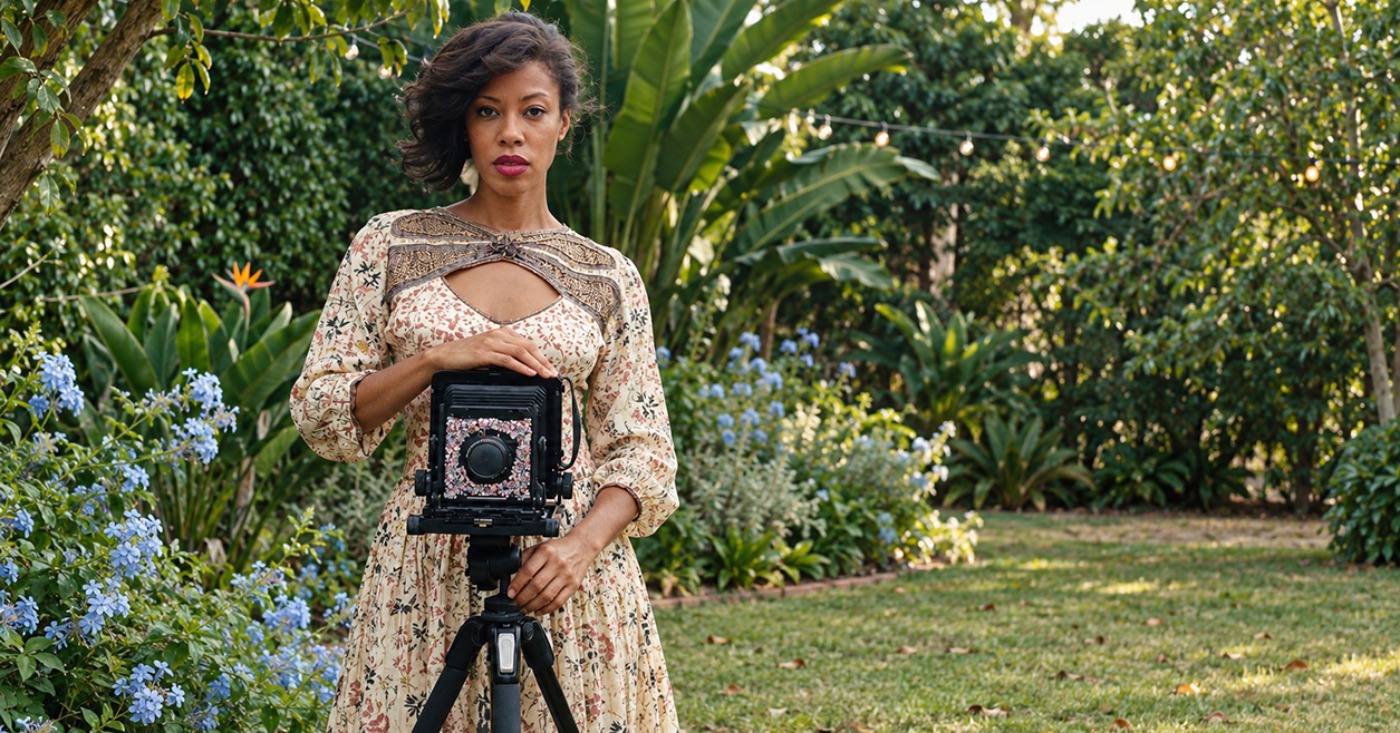
Deana Lawson is an acclaimed American photographer and visual artist whose powerful portraits explore Black identity, family, spirituality, intimacy, and the complexities of everyday life. Born in 1979 in Rochester, New York, Lawson has developed a distinctive approach to photography that combines carefully arranged compositions with emotionally compelling subjects. Her images often resemble scenes from family photo albums, yet they possess a theatrical quality that encourages viewers to look beyond the surface. Through her work, Lawson challenges conventional representations of Black people and presents images that celebrate their humanity, individuality, beauty, and cultural richness.
Lawson’s interest in photography developed partly through her family’s relationship with the medium. Her father was an enthusiastic family photographer, and the photographs he collected helped shape her understanding of how images preserve memories and communicate identity. Growing up surrounded by family pictures gave her an appreciation for the significance of documenting everyday experiences. She recognized that family photographs do more than record appearances; they capture relationships, traditions, aspirations, and moments that become part of a family’s history. These early influences would eventually become central to her artistic practice, inspiring her to examine how photographs shape our understanding of ourselves and the people around us.
Her formal education provided the foundation for a successful career in the visual arts. Lawson earned a Bachelor of Fine Arts degree in photography from Pennsylvania State University in 2001 before completing a Master of Fine Arts degree at the Rhode Island School of Design in 2004. During her studies, she developed the technical and conceptual skills necessary to create photographs that communicate complex ideas. Rather than concentrating exclusively on conventional documentary photography, Lawson explored the possibilities of staging, portraiture, lighting, and composition. Her work demonstrates that photography can occupy a space between reality and imagination, documenting actual people while constructing carefully considered scenes that communicate broader emotional and cultural truths.
One of the most recognizable characteristics of Lawson’s photography is her attention to detail. She carefully considers the positioning of her subjects, the arrangement of furniture, the colors within a room, and the relationship between people and their surroundings. Bedrooms, living rooms, and other domestic spaces frequently become important settings in her photographs. Everyday objects, including mirrors, religious items, toys, clothing, and household decorations, help establish a sense of personal history. These details give viewers the impression that they are entering an intimate environment, while the deliberate composition encourages them to consider what the image communicates about family, identity, and belonging.
Lawson frequently photographs Black individuals, couples, and families in poses that communicate dignity, confidence, vulnerability, and emotional complexity. Her subjects often look directly into the camera, establishing a powerful connection with the viewer. Their expressions may appear serious, mysterious, or quietly contemplative. This direct gaze gives the people in her photographs a strong visual presence, making it difficult to treat them as passive subjects. Instead, they appear self-possessed and fully aware of their place within the image. Lawson’s approach challenges stereotypes that have historically influenced the representation of Black people in photography and popular culture, replacing simplistic narratives with images that emphasize individuality and humanity.
Her photographs also explore spirituality, a theme that adds another dimension to her artistic vision. Religious imagery, symbolic objects, unusual gestures, and carefully controlled lighting sometimes give her compositions an almost sacred atmosphere. Lawson’s images may resemble familiar domestic scenes while simultaneously suggesting something mysterious or otherworldly. This combination encourages viewers to consider the spiritual dimensions of ordinary life and the ways people seek meaning through relationships, traditions, and personal beliefs. Her photographs do not always offer clear explanations, allowing ambiguity to become part of their emotional power. The viewer is invited to interpret the scene and consider how visible appearances may conceal deeper experiences.
Although Lawson is deeply interested in African American life, her artistic vision extends throughout the African diaspora. A Guggenheim Fellowship in 2013 supported travel that included destinations such as Haiti, Jamaica, Ethiopia, and the Democratic Republic of the Congo. These experiences expanded her perspective on the relationships connecting Black communities across different countries and cultural traditions. Her photographs explore similarities and differences in how people express identity, beauty, family, spirituality, and social belonging. Rather than suggesting that Black experiences are identical everywhere, Lawson’s work acknowledges the richness and diversity of Black life. Her international perspective places individual portraits within a broader conversation about history, migration, ancestry, and cultural connection.
Among her notable works is Roxie and Raquel, New Orleans, Louisiana (2010), a portrait featuring twin sisters positioned together on a bed. The carefully arranged composition emphasizes both their resemblance and their individuality, while the surrounding furnishings and colors contribute to the photograph’s visual balance. Another important work, Nation (2018), demonstrates Lawson’s interest in constructing images that carry symbolic and cultural significance. Her photographs often invite extended examination because their meaning emerges through the relationship between the subjects, their gestures, and the surrounding environment. These images illustrate her ability to transform seemingly ordinary moments into compositions that feel monumental, mysterious, and emotionally resonant.
Lawson’s achievements have brought her work to some of the most respected institutions in the art world. In 2020, she became the first photographer to receive the prestigious Hugo Boss Prize, an award recognizing significant contemporary artistic achievement. The recognition led to Centropy, an exhibition at the Solomon R. Guggenheim Museum in New York in 2021. Her work has also been presented at the Museum of Modern Art, MoMA PS1, the Institute of Contemporary Art in Boston, and the High Museum of Art in Atlanta. In 2022, she received the Deutsche Börse Photography Foundation Prize. Beyond her exhibitions, Lawson has contributed to art education through her work at Princeton University, where she serves as the inaugural Dorothy Krauklis ’78 Professor of Visual Arts.
Ultimately, Deana Lawson’s significance lies in her ability to make photography a powerful vehicle for cultural affirmation and artistic exploration. Her portraits challenge viewers to reconsider familiar assumptions about Black identity while celebrating the beauty, complexity, and emotional depth of Black communities. By combining elements of documentary photography, family albums, staged portraiture, and symbolic imagery, she has created a visual language that is unmistakably her own. Her work reminds audiences that photographs are never simply records of what appears before a camera; they can also express dreams, histories, relationships, and aspirations. Through her remarkable vision, Lawson continues to expand the possibilities of contemporary photography and ensure that the lives and experiences of Black people occupy a central place in the visual record of our time.
Based on reporting by The Positive Community.
Black Press
A Legacy of Service, a Future of Hope: North Carolina Juvenile Services Association Commemorates 60 Years of Empowering Youth
THE CAROLINIAN — The North Carolina Juvenile Services Association (NCJSA) recently celebrated its 60th anniversary at a diamond anniversary conference in Greensboro, marking six decades of transformation in the state’s approach to youth justice. Founded in 1966, the organization was established by dedicated practitioners who sought to move juvenile rehabilitation away from the adult correction system.
Greensboro, NC — When the North Carolina Juvenile Services Association (NCJSA) first organized in 1966, juvenile rehabilitation was largely indistinguishable from adult correction. Young offenders were often held in adult facilities, supervised by adult parole officers, and met with rigid punitive measures rather than developmental care. Six decades later, hundreds of frontline practitioners, community advocates, and statewide leaders gathered at the Embassy Suites in Greensboro from October 14–16, 2026, to celebrate sixty years of groundbreaking advocacy, service, and youth empowerment under the banner: “A Legacy of Service, A Future of Hope.”
The three-day diamond anniversary conference reflected both the historic evolution of juvenile justice across North Carolina and the urgent, modern challenges we face today. From youth mental health and social media exploitation to adult court transfer laws and systemic racial disparities, this important conference created a safe space for essential conversations.
Opening the historical retrospective, longtime leaders Pamela Stokes, Eastern Area Manager for the N.C. Department of Public Safety (NCDPS) Division of Juvenile Justice and Delinquency Prevention (DJJDP), and Johnny Wilson, President and CEO of Fayetteville Urban Ministry, walked attendees through the timeline of change.
Stokes detailed how juvenile justice advocates broke away from the adult probation system in 1966 to build specialized juvenile training, establish community youth homes, and eliminate the warehouse penal approach for minors. By 1997, NCJSA formally received its 501(c)(3) nonprofit status, continually expanding its network from court counselors to include clinicians, educators, and grassroots diversion specialists. “Rather than a single founding figure, the NCJSA was a group of dedicated people who collectively formed together to ask: What are we going to do to help our children?” Stokes noted, emphasizing that early pioneers recognized children needed rehabilitation, family support, and genuine guidance rather than adult incarceration.
The dialogue throughout the opening sessions remained uncompromisingly honest. Johnny Wilson challenged the room to recognize that what society often labels as “badness” in a child is frequently untreated trauma. Wilson, drawing on decades of community intervention, urged attendees to confront the blind spots in youth service, “Who is mentoring your child when the adults aren’t looking? Mentorship is repetition and consistent relationship. When one child is impacted by the justice system, the entire family is impacted. We have to be the voice for the voiceless and hope for the hopeless.”
Wilson pointed out that while nearly two-thirds of high school students report having an adult at school they can talk to, too many youth still feel unsafe at home and in their communities, leading them toward risky street influences and firearm possession as a misguided shield. He stressed that authentic diversion must bridge safety, accountability, and development before a child ever reaches a courtroom desk.
This protective sentiment was further echoed in a critical digital safety session on internet crimes against children. Law enforcement presenters highlighted the explosion of digital exploitation, online grooming, extortion, and non-consensual artificial intelligence imagery targeting minors, noting a 1,000% statewide increase in related investigations since 2019. Law enforcement and child protection experts urged workers to act swiftly in preserving evidence, report via the National Center for Missing & Exploited Children via MissingKids.org, CyberTipline, and the SBI, and remember above all else: “The child is the victim, not the offender.”
Another powerful keynote on policy and data briefing by Deputy Secretary William “Billy” Lassiter of the NCDPS Division of Juvenile Justice shared vital metrics shaping the state’s current juvenile justice landscape, alongside a recorded welcome address from Governor Josh Stein. Lassiter delivered welcome news: overall juvenile crime complaints across North Carolina experienced a significant decline over the past year—marking nearly 2,000 fewer youth entering the system. However, Lassiter and state analysts pointed to complex systemic dynamics beneath the topline numbers: There has been disproportionate minority contact. Deep racial disparities persist across North Carolina’s system. While African American youth make up approximately 21% of the state’s juvenile population, they accounted for over 21,000 of the complaints filed last year, compared to roughly 8,000 for white youth. Lassiter emphasized that disparities are most severe at the system’s entry and exit points (referrals and secure detention), urging practitioners and lawmakers to directly address these inequities with targeted community resources.
A major concern is the adult transfer burden. Following the implementation of recent statutory changes, including House Bill 834, which directs 16- and 17-year-olds facing Class A through E felonies into adult court, juvenile detention centers are increasingly filled with adult-transferred youth awaiting trial. Lassiter reported that these youths now make up 60% to 70% of daily detention beds, with an average length of stay reaching 276 days, compared to just 25 days for youth under juvenile jurisdiction. Strikingly, approximately 60% of transferred homicide/murder charges against juveniles are eventually dismissed due to accessory or bystander involvement rather than principal culpability.
As we know as a community, there are intensive mental health needs. More than 99% of youth held in Youth Development Centers (YDCs) have at least one mental health diagnosis, averaging nearly five distinct diagnoses per child. In response, NCDPS recently broke ground on a specialized, 10-bed juvenile crisis unit in partnership with New Hope Treatment Centers, set to open on November 1 to provide intensive stabilization and eliminate long, draining emergency room waits.
Finally, Lassiter highlighted North Carolina’s upcoming $451 million settlement from Meta, structured in $45 million annual distributions over nine years, intended to curb screen addiction, fund crisis lines like 988, and expand outdoor and community-based Juvenile Crime Prevention Council (JCPC) programs.
Celebration was central to the diamond anniversary and the overall mood of the conference. Despite such a serious subject matter, there was also a solid focus on fun and celebration. The association paid tribute to its founding and lifetime members, including pioneers like Jane Steinberg, Renee Walker, and Judy Juliet, whose early service paved the path for today’s statewide continuum.
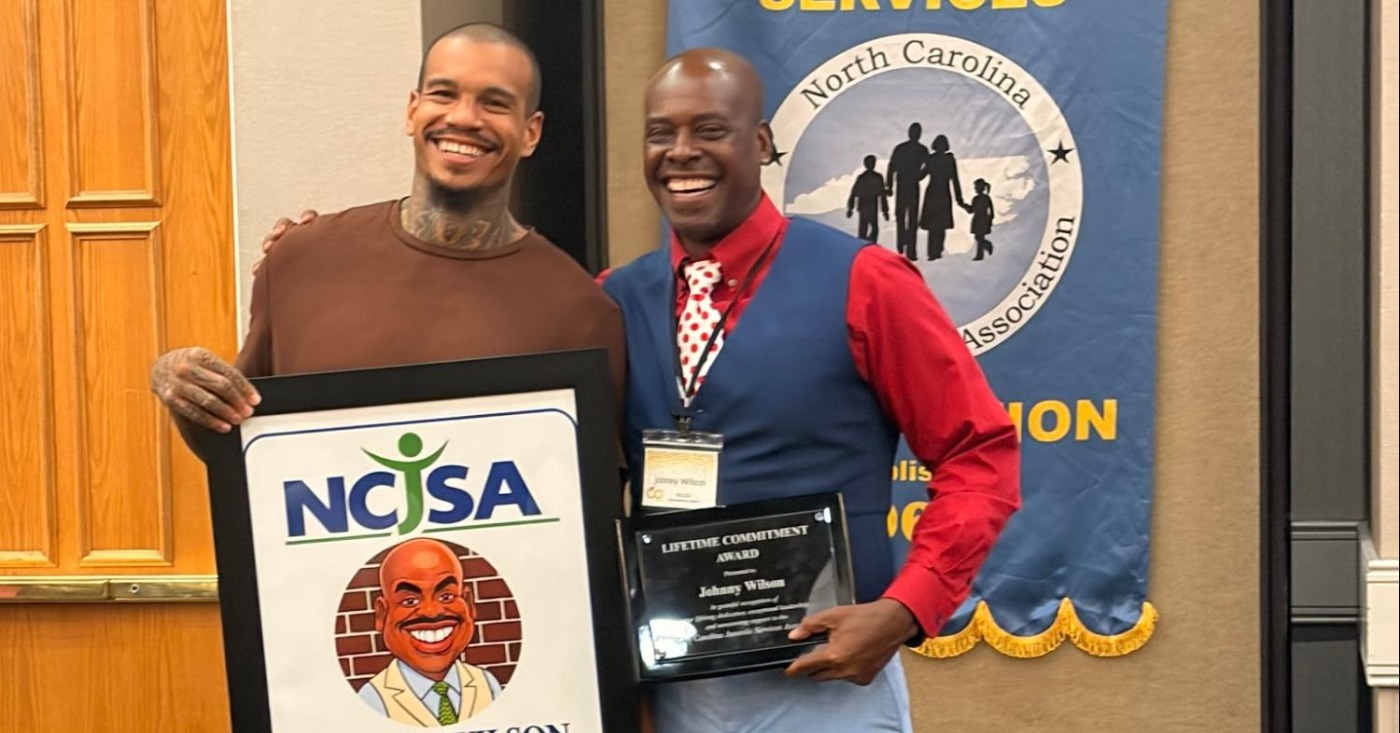
NCJSA presented several prestigious awards. In a special tribute, the NCJSA Board and Fayetteville Urban Ministry surprised Johnny Wilson with lifetime honors for his steadfast leadership, faith-driven advocacy, and deep commitment to North Carolina’s children and families since joining the association in 2006.
The conference closed with a resounding call to sustain both youth and the professionals who care for them. Keynote reflections framed the transition from mere bureaucratic compliance to genuine human connection, urging attendees to practice self-care and mutual support. Using the metaphor of an airplane’s oxygen mask, speakers reminded caseworkers, court counselors, and facility staff not to leave their own oxygen masks on the floor while rushing to save others, “We cannot serve our children and families effectively if we are operating on empty. To reach year 61 and beyond, we must see each other, celebrate our small victories, heal our own spirits, and remember our ‘why.’”
As attendees stood with linked arms across the ballroom, the message of NCJSA’s 60th anniversary was unmistakable: the past six decades prove that prevention, compassion, and community-centered intervention work. For North Carolina’s youth, the next sixty years will depend on sustaining the people and programs who refuse to give up on their promise.
Based on reporting by The Carolinian.
Black Press
U.S. Rep. Simon Secures More Than $1 Million for Public Safety at Mills College at Northeastern University Oakland, Surrounding Neighborhood
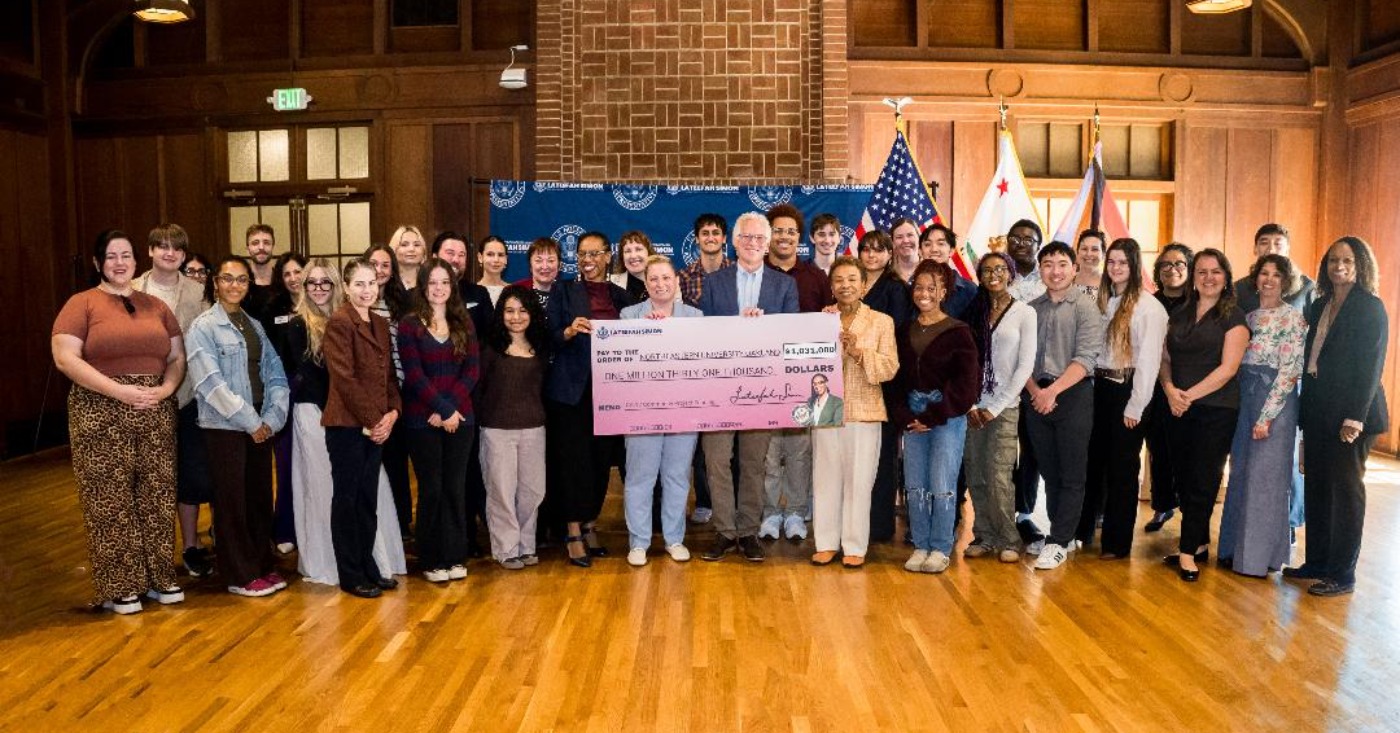
This week, Congresswoman Lateefah Simon (CA-12) announced $1,031,000 in Community Project Funding (CPF) for Mills College at Northeastern University Oakland (MCNUO). This federal funding will be used to purchase new emergency blue-light phone towers and security cameras that will help to improve public safety on campus and in the surrounding community.
Simon announced the funding alongside Oakland Mayor Barbara Lee, Dean of Northeastern University Oakland Dan Sachs, Associated Vice President for Global Site Security Regina Coppa, and other Northeastern University leadership. This federal investment is part of Simon’s commitment to bringing federal resources back to the East Bay and supporting students, educators, and educational institutions who are creating the next generation of leaders in the East Bay.
This Community Project Funding (CPF) is a part of the $11.2 million that Simon secured for 15 projects across the East Bay in Fiscal Year 2026. Each fiscal year, members of Congress can submit Community Project Funding requests for consideration with the House Committee on Appropriations.
“Mills College at Northeastern University is one of the jewels of Oakland. I came to this campus as a student and young, single mother and walked these paths with my child. I know this campus is home to far more than a university.
“It is home to the little ones at the preschool, the girls at Julia Morgan, the neighbors who swim in the pool and walk the trail, and the faculty and workers who keep it all running,” Simon said. “This funding invests in every one of them and in the simple things that make a place safe: light, open paths, updated equipment like call booths.
“NE’s leadership is committed to a campus that takes responsibility for its neighbors as much as its own. Safety is a public good, and that is exactly the kind of investment Oakland deserves. Thank you to Mayor Barbara Lee for her partnership on this funding.”
“This campus changed my life when I came here as a single mother on public assistance, and this million-dollar investment continues that legacy of support by keeping our students, families, and neighbors safe,” said Mayor Barbara Lee. “Before leaving Congress, I requested federal funding for this project, and I am deeply grateful to Congresswoman Lateefah Simon for carrying it forward so we can build the safe, thriving community Oakland deserves.”
“We’re grateful to Congresswoman Lateefah Simon for her leadership in securing this funding for our Oakland campus,” said Renee Jadushlever, vice president for Campus Administration and Strategic Initiatives at Northeastern University. “It’s a place where students learn, do research, build community, and gain real-world experience with our industry partners across the region. This investment will help maintain the safety of our campus community while we continue to welcome our neighbors and deepen our connections across Oakland.”
U.S. Rep. Lateefah Simon’s media relations office is the source of this story.
Black Press
COMMENTARY: Valarie Bachelor and Jennfier Brouhard are Excellent School Board Members and Deserve to Be Reelected
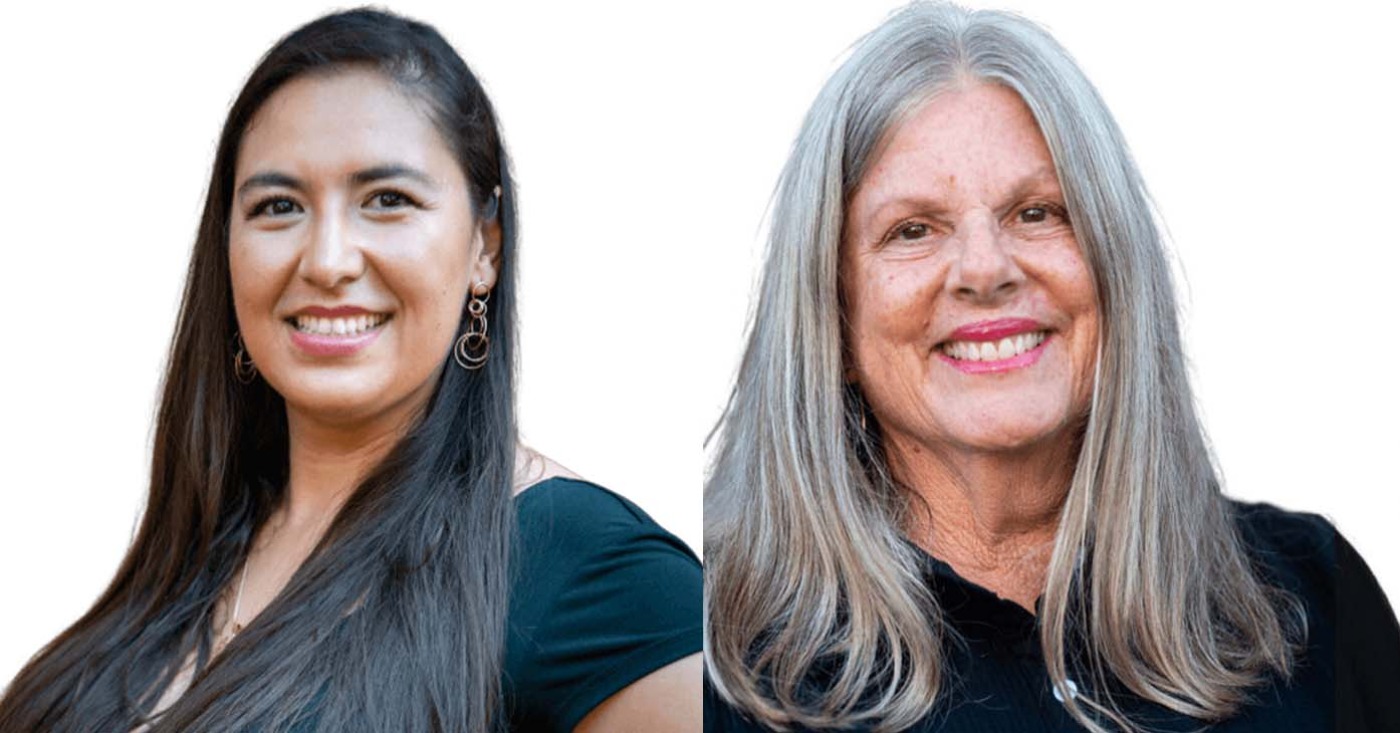
The Oakland Unified School District recently achieved a major milestone by escaping 22 years of state control and opening the school year with a teacher in every classroom. Incumbents Jennifer Brouhard and Valarie Bachelor are seeking reelection to the school board after overseeing balanced budgets, averting labor strikes, and reversing previous decisions to close local elementary schools. While the board now focuses on student-centered programs and school-based health facilities, a new wave of opposition candidates backed by wealthy tech donors has emerged. Read more about the shifting dynamics in this local election.
The Oakland schools have excellent leadership right now. I know it’s hard to believe – because there is so much wrong with the national education picture. But sometimes good things do happen locally.
This school year:
- The Oakland Unified School District escaped from state control after 22 years.
- Every classroom had a teacher at the beginning of the year, unlike past years when many classes started the year with day-to-day substitute teachers.
- Dr. Denise Saddler, an African American woman, is leading the district as superintendent now. She was an excellent choice with vast understanding of Oakland, of schools, and of educational systems locally and nationally.
- The school board and teachers managed to avert a teachers’ strike by some strategizing, listening and compromising.
- The school board does not plan to close more schools. For the first time in decades, those in charge of the district were not discussing closures.
The two women leading the school board are excellent educators themselves.
Board President Jennifer Brouhard (District 2) served as an Oakland teacher and was awarded a Fulbright Distinguished Award in Teaching and the U.C. Berkeley Social Science Project Teacher of the Year Award.
When Brouhard joined the board four years ago, she voted to reverse the decision of the previous board which had planned to close Brookfield, Carl B. Munck, Grass Valley, Fred T. Korematsu Discovery Academy and Horace Mann elementary. Half the students at Carl Munck and at least a third of the students at several others were African American.
In refusing to close schools, she pointed out that in Oakland and other districts it has been Black and Brown students who have been most affected and that closing schools does not save money.
Then, she focused funding on classrooms rather than paying outside consultants. For that, she and her colleagues have incurred the wrath of real estate developers and school privatizers who want to get their hands on public property.
Board Vice President Valerie Bachelor (District 6) has worked on important facilities projects. She helped to set up the first school-based dental project at Frick United Academy of Language, an Oakland middle school. She championed the Melrose Leadership Academy groundbreaking and the Skyline dining facilities.
Bachelor facilitated a balanced budget, which was pivotal in helping the district finally end state control. She also worked to direct funding toward student-centered programs like the Black Thriving Community Schools Program, instead of spending money on the never-ending. highly paid outside consultants.
The people financing the opposition candidates are Ryan Graciano, co-founder of Credit Karma, which made $ 2.7 billion last year; and Gagan Biyani, who says he became a millionaire at age 25.
The literature produced on behalf of the opposition supports closing schools, which harms students, and advocates expenditures that would put OUSD back under state control.
To read more, go to Education Week, “The Harm of School Closures Can Last a Lifetime, New Research Shows” (2024), www.edweek.org/leadership/the-harm-of-school-closures-can-last-a-lifetime-new-research-shows/2024/06
Dr. Kitty Kelly is a Professor of Education and Urban Studies. Dr. Kimberly Mayfield is Dean at Kalmanovitz School of Education, Saint Mary’s College of California.
Art
OP-ED: Is Creativity a Superpower in Early Education?
BLACKPRESSUSA NEWSWIRE — “This is not anything new, knowing that play is so critical to children, whether it’s dramatic play, building play, creative arts play or physical play,” said Hoisington, a STEM expert who taught preschool for decades. “But as soon as they hit kindergarten and first grade, there’s this dichotomy that sets in. Play is something you get to do after you do the learning when, in fact, we know that play is an incredible vehicle for learning.”
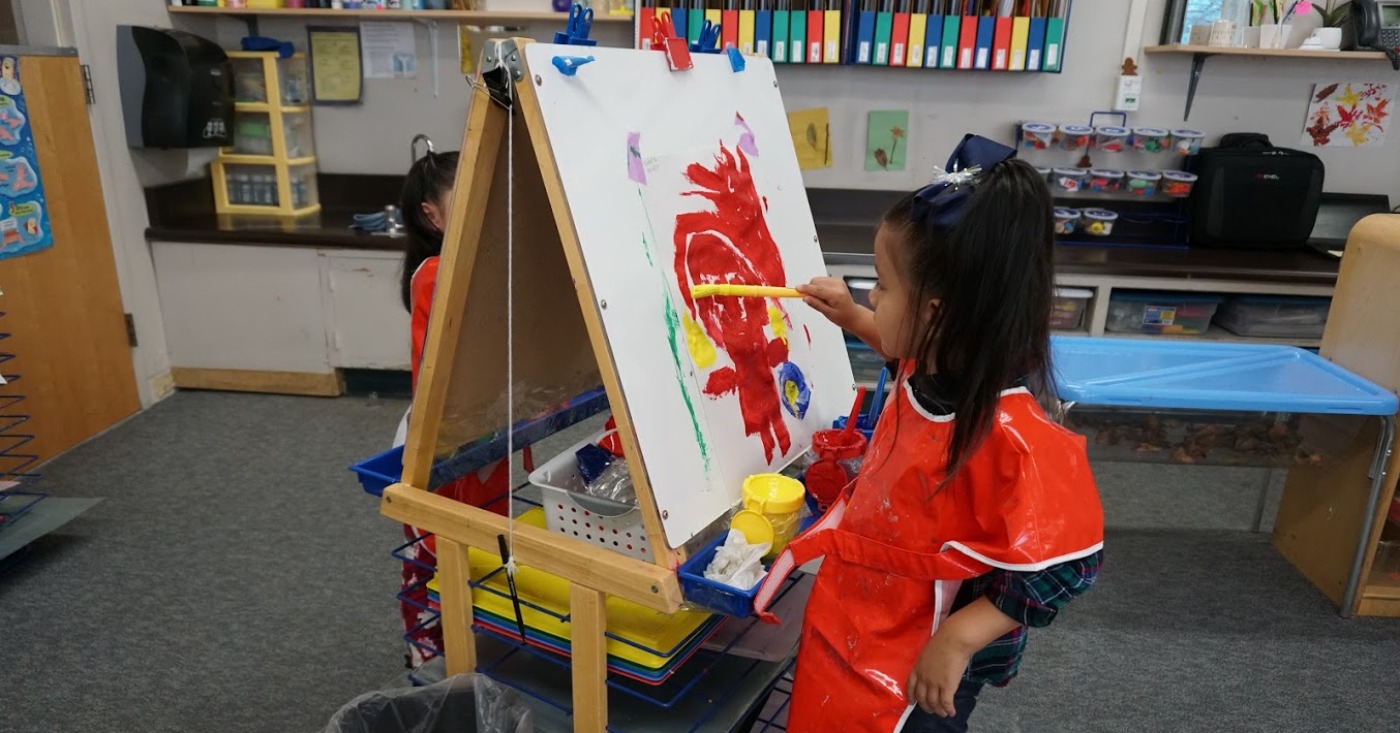
Singing the ABC song. Learning the days of the week from a nursery rhyme. Making a finger-painted collage of little handprints.
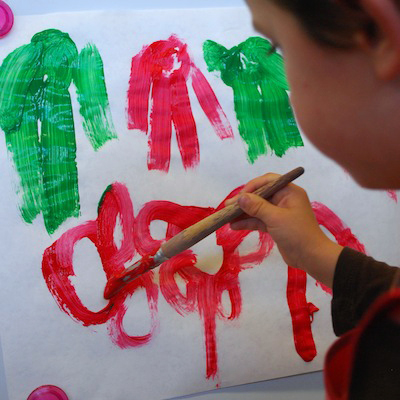
Arts education has always been center stage in early education because little children are naturally creative, filled with wonder and the burning desire to express themselves. Arts and crafts not only help nurture a child’s natural imagination, they also boost small motor skills, sharpen hand-eye coordination and feed the insatiable need to play.
“Children don’t just play, they learn fundamental skills through play,” said Daniel Mendoza, a California visual artist and specialist in early childhood education art practices. “Children are in a creative mindset all the time.”
While this may well be as true for teenagers as it is for toddlers, there is far more time and space allotted for playfulness in the early grades, when the crucial role of play in particular and creativity in general has long been a matter of common sense.
“Really, I’m just a common-sense professor, and somehow it became rogue,” said Kathryn Hirsh-Pasek, a professor of psychology at Temple University and an expert in the key role of play in learning. “What if we taught children the way we know the brain learns?”
Bringing joy back into the classroom is also what motivates Cindy Hoisington, an early childhood expert who specializes in reaching out to children from historically marginalized communities at the Education Development Center (EDC), a national education nonprofit.
“This is not anything new, knowing that play is so critical to children, whether it’s dramatic play, building play, creative arts play or physical play,” said Hoisington, a STEM expert who taught preschool for decades. “But as soon as they hit kindergarten and first grade, there’s this dichotomy that sets in. Play is something you get to do after you do the learning when, in fact, we know that play is an incredible vehicle for learning.”
Play, some experts suggest, may be the superpower of the young. A growing body of research suggests that play may even be a way to help close achievement gaps. One report, analyzing 26 studies from 18 countries, found that in communities from Rwanda to Ethiopia, children got higher learning boosts in literacy, motor skills and social-emotional development when attending child care centers that use a mix of instruction and free play as opposed to those focused solely on academics.
“Children are so naturally, intuitively ready with their curiosity, their motivation to explore the world and everything in it, to the point where that’s why the twos are so terrible, because you’re constantly chasing after them,” said Hoisington, who helps evaluate digital media for PBS. “Science, for instance, tends to have a bad rap as this dry body of knowledge that we have to learn, but really it’s a process of exploration that is very much integral with play.”
Tapping into that spirit of discovery with hands-on experiences is often best, experts say. Curiosity burns brightest in the early years, so letting kids loose to investigate the world is part of building a rich, play-based learning environment.
“Where young children are free to investigate by observing, touching and acting on the objects in their world,” said Deborah Stipek, an expert in early childhood at Stanford University. “This is how they learn about the world — for example, that some objects float and some sink. Through their own experimentation and observation, they may even arrive at hypotheses about the qualities that differentiate the two.”
From “The Wheels on the Bus” to “Baby Shark,” kiddos love to sing and love to learn, so why not teach through music? Singing the “Old MacDonald had a Farm” song can be educational, experts say, as well as a ritual for community building. Children can take turns deciding on which animal to pick, which builds vocabulary as well as sharing skills.
“Young children learn best by doing,” said Stipek. “Counting objects is better than counting dots on a worksheet because they can move the objects to help them keep track of how many they have counted. Worksheets are not all bad. They can provide opportunities to practice and consolidate skills. But children don’t develop new skills doing worksheets, and they are typically not nearly as engaging and fun.”
Tracing the alphabet in shaving cream or making tin-foil sculptures may seem like basic exercises, but they often teach sophisticated concepts. Playing make-believe games can teach numerous skills at once. Pretend restaurants need someone to write a menu, calculate a bill and greet diners, fostering literacy, numeracy and special-emotional learning all in one game, Hoisington notes.
Songs are a clever way to remember stuff because they make memorization easy and fun for little ones. Melodies and rhymes make the most of our limited working memory to help children embed basic facts into their long-term memory, bolstering depth of cognition.
“I still sing the ABC song in my head sometimes, if I want to know which letter comes before which letter,” admits Hoisington.
What’s often missed in the discussion of the role of play is that older children also need time for creativity and free play, as well as the arts. While there is much talk about the need to engage students, there is little focus on low-hanging fruit like increasing time for arts, sports and recess. Putting too much emphasis on academic skills in isolation undercuts the love of learning, some warn.
“Kids try to buck it, but certainly by first grade we’ve started to ruin them,” said Hirsh-Pasek. “We pound the curiosity right out of kids.”
Mendoza firmly believes teachers should be guides to adventure instead of taskmasters.
“You don’t have to be a dictator,” as he puts it, “you can be a Sherpa.”
So, why doesn’t the role of play get more respect in education? Why do we emphasize test scores over deep learning?
“We got to this place because people are scared,” said Hirsh-Pasek. “They’re feeling like they’re losing control, and they want to make sure their kid is ahead. We push it younger and younger and younger, and as we do that, we’re creating a situation where our kids are anxious wrecks and the parents are anxious wrecks.”
Some experts suggest that children need more time for play and creativity in the wake of the pandemic, not less. Credit: Lillian Mongeau / EdSource
Too few teachers and parents are aware that play helps build the architecture of the growing brain, experts say.
“Play is not frivolous; it enhances brain structure and function and promotes executive function (i.e., the process of learning, rather than the content), which allow us to pursue goals and ignore distractions,” as an American Academy of Pediatrics report put it. “When play and safe, stable, nurturing relationships are missing in a child’s life, toxic stress can disrupt the development of executive function and the learning of prosocial behavior; in the presence of childhood adversity, play becomes even more important.”
Some experts fear that the laser focus on falling test scores in recent years has led to a decrease in playful learning. They suggest that children need more time for play in the wake of the pandemic, not less. Amid the crisis of chronic absenteeism, engaging students on a compelling level may be more vital than ever.
Creativity is the secret formula, experts say, in a world where machines will always compute faster than humans. Drill and kill won’t help children master high-level intellectual inquiry and conceptual analysis.
“You have to ask yourself, what’s it going to take to outsmart the robots?” as Hirsh-Pasek put it. “We need kids who don’t just memorize and take tests well, which AI will do better than our kids ever will. We need kids to be explorers and problem solvers.”
Black History
COMMENTARY: BIG MAMA SAID: Don’t Throw Away the Gift Just Because It Came Wrapped Wrong
TEXAS METRO NEWS — Journalist and mentor Terry Allen reflects on the profound wisdom of his grandmother, Lucille “Big Mama” Allen, who believed that a person’s mistakes do not represent their total identity. Allen argues that many behavioral issues seen in young men are actually symptoms of undeveloped gifts that have been applied to the wrong environments.

Big Mama had a way of seeing something in you before you could see it in yourself.
My grandmother, Lucille “Big Mama” Allen, came from a generation that believed in correction. I grew up in a household where somebody might tell you, “Go get me a switch.” You knew what that meant.
But age has taught me something: correction without direction can stop behavior, but it doesn’t always develop the person.
Sometimes what we call a young man’s problem is really an undeveloped gift.
ADVERTISEMENT
I learned that through mentoring.
I once worked with a young man who was gambling and running numbers. Now, I wasn’t going to celebrate the behavior. Wrong is wrong. But I also refused to believe his mistakes represented the totality of who he was.
I looked underneath the behavior.
This young brother understood numbers. He understood money, calculation and risk. His gift wasn’t gambling. His gift was his mind. So I introduced him to another image: Mansa Musa, the legendary African ruler whose name became synonymous with extraordinary wealth, commerce and economic power. to The message was simple: You already have something inside you. Now what are you going to do with it? That young man redirected his abilities. What had been operating in the wrong environment found purpose through education, accounting and legitimate business. Today, he has built a leading Bookkeeping firm in California’s East Bay.
That is what mentoring can do. It is also why I created programs like City MenTor and why, for 25 years, City Men Cook has celebrated fathers, mentors and men who show up. Mentoring isn’t creating somebody in our image. It is helping somebody recognize what God already placed inside them. I thnaks GOd for allys ike Pastor Keith Lofton who helpe me keep the programs grunded in Faith.
ADVERTISEMENT
Scripture tells us to “fan into flame the gift of God.” — 2 Timothy 1:6.
Somebody reading this has a gift that survived mistakes, disappointment, rejection, bad decisions and maybe even your own attempts to bury it.
But it survived.Now comes the question Big Mama might ask
Baby, if God restored your gift, who are you using it to restore?
Don’t just celebrate your comeback. Reach back. Find somebody whose gift came wrapped wrong—and help them unwrap it.
ADVERTISEMENT
Big Mama said: Don’t throw away the gift. Redirect it. Develop it. Then give it away.
Terry Allen is an NABJ award-winning Journalist, DEI expert, PR professional, and – Vice President at FocusPR, founder of the charity City Men Cook, and Dallas Chapter President of NBPRS.org
Based on reporting by Texas Metro News.


Capturing Black Life’s Beauty

A Legacy of Service, a Future of Hope: North Carolina Juvenile Services Association Commemorates 60 Years of Empowering Youth

Roland Martin Brings Black Votes Matter to Tallahassee

When Your Faith Is Put to the Test

2027 Buick Enclave Sport Touring Interior 360 Video

FAMU Shooting Arrest, New Trump and ICE Activity Near Florida Polling Site 📱

FAMU Shooting Arrest, New Trump and ICE Activity Near Florida Polling Site

Buying a Subaru WRX? Get the FULL Price Before You Sign #shorts

Houston Screenwriter Shannan E. Johnson on Making It in Hollywood

Golf Opportunities Beyond the Pros: Mentors, Scholarships & Mental Health #shorts

OP-ED: Haiti TPS: Have We Lost Sense of Humanity?

Remembering Chauncey Bailey as Student Journalists Face Threats to Truth-Telling

All Skinfolk Ain’t Kinfolk

Poll: Becerra Widens His Lead Over Hilton; Californians Split on Wealth Tax

Rulings Leave Questions Lingering in Nolan Wells Case

Latinas Deserve Equal Pay. Unions Help Make It Happen.

Why Black Artists Struggle to Sell Tours

Zakiya Jendayi Arrested, Locked Out of Home by Sheriff’s Deputies

COMMENTARY: The Audacity of Joyce Beatty

A $2.1 Trillion Wellness Industry Never Built a Daily Practice for Black Children. So This Atlanta Family Did.
2027 Buick Enclave Sport Touring Interior 360 Video
FAMU Shooting Arrest, New Trump and ICE Activity Near Florida Polling Site
FAMU Shooting Arrest, New Trump and ICE Activity Near Florida Polling Site 📱
Buying a Subaru WRX? Get the FULL Price Before You Sign #shorts
Houston Screenwriter Shannan E. Johnson on Making It in Hollywood
Golf Opportunities Beyond the Pros: Mentors, Scholarships & Mental Health #shorts

This Election Is Critical: Potecting Our Freedoms

Passion for Gopher Sports: The Podcast Origin Story! #shorts

Super Cruise: Hands-Free Driving on Your Routes #shorts

The People’s Revival GOTV 2026 Tour | Atlanta
-

 Black History1 week ago
OP-ED: The Black Church Writes AI’s Next Chapter
-

 Featured1 week ago
Tamiko Armstead | 2026 Lifetime Achiever in Education
-
 Black History1 week ago
Practitioners of African Traditional Spirituality Offer Ancestral Reverence Ritual Oct. 31
-
 Art1 week ago
Kickstarter CEO Everette Taylor Shares Tips on Creating and Growing a Business
-

 Black History1 week ago
Columbus’s Oldest Businesses Still Open: 10 That Have Lasted 75+ Years
-

 Black History1 week ago
COMMENTARY: BIG MAMA SAID: Don’t Throw Away the Gift Just Because It Came Wrapped Wrong
