
In Memoriam
LIVESTREAM: John McCain Funeral: National Cathedral Memorial Service
Lifestream of the funeral services for U.S. Senator John McCain.







Art
Comedy and Loss Collide in Kevonstage’s ‘Grief Sucks’ at the Pageant
ST. LOUIS AMERICAN — Comedian KevOnStage brought his one-man show “Grief Sucks” to The Pageant, offering an experience that blended humor with the raw realities of loss. The show, rooted in his personal journey after the sudden death of his brother, manager, and business partner Jason Fredericks four years ago, gave the audience permission to laugh and cry, often at the same time.


When KevOnStage took the stage at The Pageant Sunday night, his house rules let everyone know what they were in for with his one-man show “Grief Sucks.”
“Do not judge yourself. Do not judge the jokes. Just laugh,” he said.
Even within his directions, were jokes.
He gave the audience permission to cry, but quietly – because Black people have a tendency to do things at full volume.
The hour that followed provided plenty of laughter. But underneath the humor were truths that anyone who has ever lost someone could feel deep in their chest.
The show was based on his experience of losing his brother, best friend, manager and business partner Jason Fredericks. He died suddenly of a heart attack four years ago at the age of 42.
Kev warned the audience to be mindful of their social media — both the wild posts that could end up being someone’s last and the intrusive ones people make after a loved one dies. And he gave people permission to laugh at the moments that feel too outrageous to say out loud — the ones that become inside jokes for families trying to survive the worst days of their lives.
“Grief is dark humor,” he said as he walked through the story of his brother’s death — a story he jokingly blamed on Nia Long.
He found a way to give permission to laugh at the outlandish moments that often serve as inside jokes. Those who have lived through some of the worst moments of their lives and not only found a way to talk about it, but to steal a laugh in the midst.
“Grief is dark humor,” he said as he walked through the story of his brother’s death — a story he jokingly blamed on Nia Long.
“I know that sounds crazy,” he said. “It’s not her fault — but it is her responsibility.”
It was a jarring moment, but it let the audience know exactly what kind of honesty they were in for.
He said his brother’s death was “proof that she is drop‑dead gorgeous.”
“Sometimes things are funny — and sometimes things are funny because you should not be laughing,” he said.
The show moved through a series of points about grief, each one backed by a story that made the room nod in recognition. He talked about how grief can twist ordinary moments — how it can make you jealous of people with siblings or irritated by strangers having a good day.
He explained how grief can twist even the simplest moments, how it can make you jealous of people with siblings, or irritated by strangers having a good day. He brilliantly compared grief to a rock stuck in your shoe. Sometimes it’s small and manageable. Other times its jagged and unbearable – but always there.
He also talked about the unfairness of grief — how the world doesn’t stop when your loved one dies, how people still go to Raising Cane’s, still pick up their kids, still laugh. And he talked about the heartbreak of realizing his brother never got to see things he would have loved, from TV shows to cultural moments. And that he was robbed of the opportunity to engage with him about them.
“He would have loved Sinners,” Kev said. “But he never got to see it.”
At one point, he paused to show a video of his brother telling him how proud he was. The room went quiet. It wasn’t the polite kind of silence – but the kind where you can hear someone in the back sniff. The crowd assured him that it was okay for him to take a beat. His voice shook as he pushed through. Those pauses made the audience lean in even more.
Kev made grief feel communal. He made people laugh at things they didn’t think they were allowed to laugh at. And he reminded everyone in the room that grief doesn’t make sense, doesn’t follow rules, and doesn’t care about timing. And most importantly, he drove home the point that it also doesn’t have to be carried alone.
There were moments when his emotions got the best of him. There was the video he shared of his brother telling Kev how proud he was of him that compelled him to take a beat. His voice quivered as he powered through. Those pauses made the audience connect with the show all the more. Grief Sucks wasn’t just comedy. It was catharsis. It was storytelling. It was a room full of people realizing they weren’t the only ones trying to make sense of loss.
KevOnStage gave them permission to feel all of it — and to laugh anyway.
Internet personality and standup comedian KevOnStage used the sudden and unexpected loss of his brother as the foundation for a one-man show that was funny, honest and a little dark – often at the same time.
Sunday night, he brought “Grief Sucks” to The Pageant. His barometer check
KevOnStage walked onto The Pageant stage Sunday night with a promise: that the next hour would be funny, honest and a little dark. And he delivered all three — often at the same time.
His one‑man show, Grief Sucks, was as relatable as it was funny. It was the kind of performance where the audience laughed hard, then caught themselves nodding in recognition. Because beneath every punchline was a truth that anyone who has lost someone could feel in their chest.
He opened with the kind of humor that only comes from someone who has lived through the worst days of their life and somehow found a way to talk about it. He told the crowd they had permission to cry, laugh, sit still, or just breathe — but to “cry quietly,” because, as he joked, Black folks tend to do everything at full volume.
Then he went straight into the story of losing his brother — not with soft edges, but with the kind of raw honesty that made the room go still. He explained how grief can twist even the simplest moments, how it can make you jealous of people with siblings, or irritated by strangers having a good day. He compared grief to a rock stuck in your shoe: sometimes small and manageable, sometimes jagged and unbearable, but always there.
And he didn’t shy away from the intrusive thoughts that come with loss — the ones people rarely admit out loud. He shared the moment he realized he had lived longer than his older brother ever got to, and how that fact sits heavy no matter how much time passes.
Kev’s storytelling is built on the kind of humor that comes from real life — the funeral home upcharges, the family dynamics, the dark jokes that slip out at the worst possible moments. He told a story about previewing his brother’s body with his wife and grandmother, and how one unexpected comment turned into an inside joke that has carried them through four years of grief.
He also talked about the unfairness of grief — how the world doesn’t stop when your loved one dies, how people still go to Raising Cane’s, still pick up their kids, still laugh. And he talked about the heartbreak of realizing his brother never got to see things he would have loved, from TV shows to cultural moments.
The most emotional part of the night came when he recounted the day his brother died — the phone calls, the confusion, the hope, and finally the moment his nephew said, “He’s gone,” while Kev was sitting in a middle seat on a United flight. He told it plainly, without theatrics, and the room held its breath.
But even in that story, he found a way to make people laugh — not at the pain, but at the absurdity of life continuing around you when your world has just shattered.
By the end of the show, KevOnStage had done something rare: he made grief feel communal. He made people laugh at things they didn’t think they were allowed to laugh at. And he reminded everyone in the room that grief doesn’t make sense, doesn’t follow rules, and doesn’t care about timing — but it also doesn’t have to be carried alone.
Grief Sucks wasn’t just comedy. It was catharsis. It was storytelling. It was a room full of people realizing they weren’t the only ones trying to make sense of loss.
And on a Sunday night at The Pageant, KevOnStage gave them permission to feel all of it — and to laugh anyway.
Based on reporting by St. Louis American.
Black History
Cash for Moms: As Medicaid Cuts Loom, Cities Test a New Approach to Black Maternal Health
LOUISIANA WEEKLY — WORD IN BLACK — A maternal health crisis continues to disproportionately impact the Black community, with Black mothers experiencing significantly higher mortality rates during childbirth and their infants facing increased risks of prematurity and death. Data indicates Black moms die at three times the rate of white moms, and Black infants are about twice as likely to die as white infants in some states.

By now, there’s little question that a maternal health crisis is rocking the Black community. The data tells the story: Black moms are dying during childbirth at three times the rate of white moms, a disproportionately high percentage of Black children are born prematurely, and Black infants are about twice as likely to die as white infants in states like Louisiana.
But new data from a handful of pilot projects also suggests a potential solution that could significantly improve outcomes for Black mothers and their babies: cash payments, no strings attached.
Studies show the unrestricted money led to fewer preterm births, higher newborn birth weights, and fewer critical-care infant hospitalizations. It also reduced stress among new moms who would otherwise struggle to attend prenatal check-ups, pay for food and formula, or keep a roof over their heads.
“This makes so much sense to me,” says Tamara Mason, an official with the nonprofit March of Dimes who worked on an Atlanta project distributing money to low-income pregnant women. “Why isn’t everyone doing this?”
Sen. Cory Booker, a New Jersey Democrat, is among several sponsors of legislation that would provide direct financial aid to new mothers, similar to the expanded child tax credit in 2021. The credit sent monthly payments of up to $300 per child straight to most families’ bank accounts; experts credit it with lifting millions of children out of poverty.
When it expired, child poverty rose again.
“I believe that we need to, for moms, flood resources to them through things like the child tax credit,” Booker said during an August press briefing on the Black Maternal Health Momnibus Act. “We were able to cut child poverty virtually in half for our communities, and that actually does affect child outcomes.”
Those positive outcomes in part spurred the March of Dimes to launch trial programs providing universal basic income, or UBI, to pregnant women and new moms in two cities: Atlanta, which Bloomberg ranked as the most economically unequal large city in the country, and New Orleans, which March of Dimes gave an F grade.
No strings attached
In Atlanta, the Guaranteed Basic Income Program gave each participant $1,000 a month during pregnancy and her baby’s first year. Women most likely to live in poverty in that city are Black women of reproductive age; 25 pregnant women in two of the area’s highest-need ZIP codes received the cash.
March of Dimes ran the pilot through an Atlanta collective-impact partnership known as the collaborative. It is modeled on San Francisco’s Abundant Birth Project and, organizers say, rooted in an idea the Rev. Martin Luther King Jr. championed decades ago.
Funders Skeptical at First – Then All In
Mason said she spent months pitching foundations on the idea, which some considered outside her organization’s lane.
“I was honestly surprised that a couple of foundations,” Mason says. “Funders were like, ‘Why is March of Dimes in this space? You all are the birth defects people. You’re the preterm birth people.’”
The Community Foundation for Greater Atlanta signed on as the primary funder. The Liz Blake Giving Fund and the Jesse Parker Williams Foundation funded data gathering and evaluation Emory University conducted.
The nonprofit Center for Black Women’s Wellness handled recruitment, and more than 110 women applied for the 25 spots, Mason said. Applicants had to live in one of the two ZIP codes, earn no more than 200 percent of the federal poverty level, and be 12 to 28 weeks pregnant.
Cash, Diapers and a Network
Stipends were paid through a prepaid card, letting evaluators track spending without restricting it. Helping Mamas, a nonprofit focused on diaper insecurity, supplied 300 diapers and eight packs of wipes a month, plus a car seat and other essentials. The Georgia Black Doula Network encouraged, but didn’t require, participants to hire doulas.
Early results from Emory’s evaluation, as described by Mason, show a 20 percent decrease in financial stress and a 66 percent decrease in hopelessness, a figure she called striking. Prenatal outcomes trended better than average.
Mason was careful not to oversell what $1,000 a month can fix. Several participants lost housing; one or two dealt with domestic violence.
Even though GBI reduced financial stress, “it still is one piece of the puzzle,” Mason said.
New Orleans: Overcoming Crisis
March of Dimes runs a similar program in New Orleans, GBI Rx, offering pregnant patients in their first or second trimester $12,000, as a lump sum or $1,000 a month. Two partner medical clinics enroll patients for healthcare, and the payment card blocks cash withdrawals and spending on liquor and gambling.
In Louisiana, “we have a maternal and infant health crisis – specifically, a Black maternal and infant health crisis,” said Robin Gruenfeld, director of collective impact for March of Dimes in New Orleans. ”And it’s been that way for a long time.”
Black infants there died at about twice the rate of white infants from 2021 to 2023. Gruenfeld said Orleans Parish has the state’s lowest prenatal care utilization rate.
Gruenfeld said the program’s city seed money, federal pandemic relief funds, and foundation funding were “zeroed out” without notice. Most funds were later restored at a lower level, forcing organizers to scale down to 94 participants instead of the 100 planned. They also enrolled on a first-come, first-served basis.
Recipients spent lump sums on housing, cars and insurance. But spending priorities for the participants changed when the federal government stopped paying out SNAP food benefits during last fall’s federal shutdown.
“During that time, more than a quarter of the funds that we gave folks was going to groceries,” Gruenfeld said.
Several New Orleans city government officials are now weighing a program modeled on Michigan’s Rx Kids, which a study credits with nearly halving neonatal deaths in Flint, one of the poorest cities in the state.
“We are seeing policies pushed by the political will of predominantly Black women come into effect, and then also the backlash,” says Danielle Atkinson of Mothering Justice Action Fund, a nonprofit advocacy organization. “In Michigan, we have Rx Kids, which is extremely popular [and] the data on the impact is undeniable.”
But recent changes are endangering the success of such programs, particularly amid President Donald Trump’s hostility towards programs focused on diversity, equity and inclusion.
“We’re getting this pushback around identifying race and parental status as systemic areas of oppression,” Atkinson says. It remains to be seen, she says, “whether or not we are going to be able to prevail with the political power and the popular will of these issues, or the rhetoric and the history of racism in our country.”
Washington Looks Elsewhere
That includes the Republican-controlled Congress, which has shown little appetite for cash aid tied to pregnancy.
The Black Maternal Health Momnibus Act, which Booker reintroduced along with Democratic Reps. Lauren Underwood of Illinois and Alma Adams of North Carolina, bundles 14 bills on housing, nutrition, WIC and the perinatal workforce, but not direct cash.
Still, signs suggest the issue – providing cash aid to low-income mothers and their babies – may stay on the front burner as the midterm elections approach in November.
This month, former Vice President Kamala Harris and Michigan Senate nominee Abdul El-Sayed, both Democrats, hosted a Black maternal health roundtable in Detroit. Danielle Atkinson of Mothering Justice took part.
“Black mamas deserve access to quality healthcare that sees us, listens to us, and understands us at every step of the way,” Atkinson said afterward. “The responsibilities we carry do not end at pregnancy, nor do they disappear when we give birth and want to spend time with our newborn. They stay with us throughout all that we experience.”
Based on reporting by Louisiana Weekly.
Black History
IN MEMORIAM: The Mighty Sparrow, King of Calypso, Dies at Age 91 in New York
NEW YORK CARIB NEWS — Slinger Francisco, widely known as the Mighty Sparrow, died on Sunday, September 27, in New York at the age of 91. The legendary calypso artist passed peacefully after a brief illness, surrounded by loved ones. Born in Grand Roy, Grenada, in 1935, he moved to Trinidad as a child, where he developed his distinctive style.
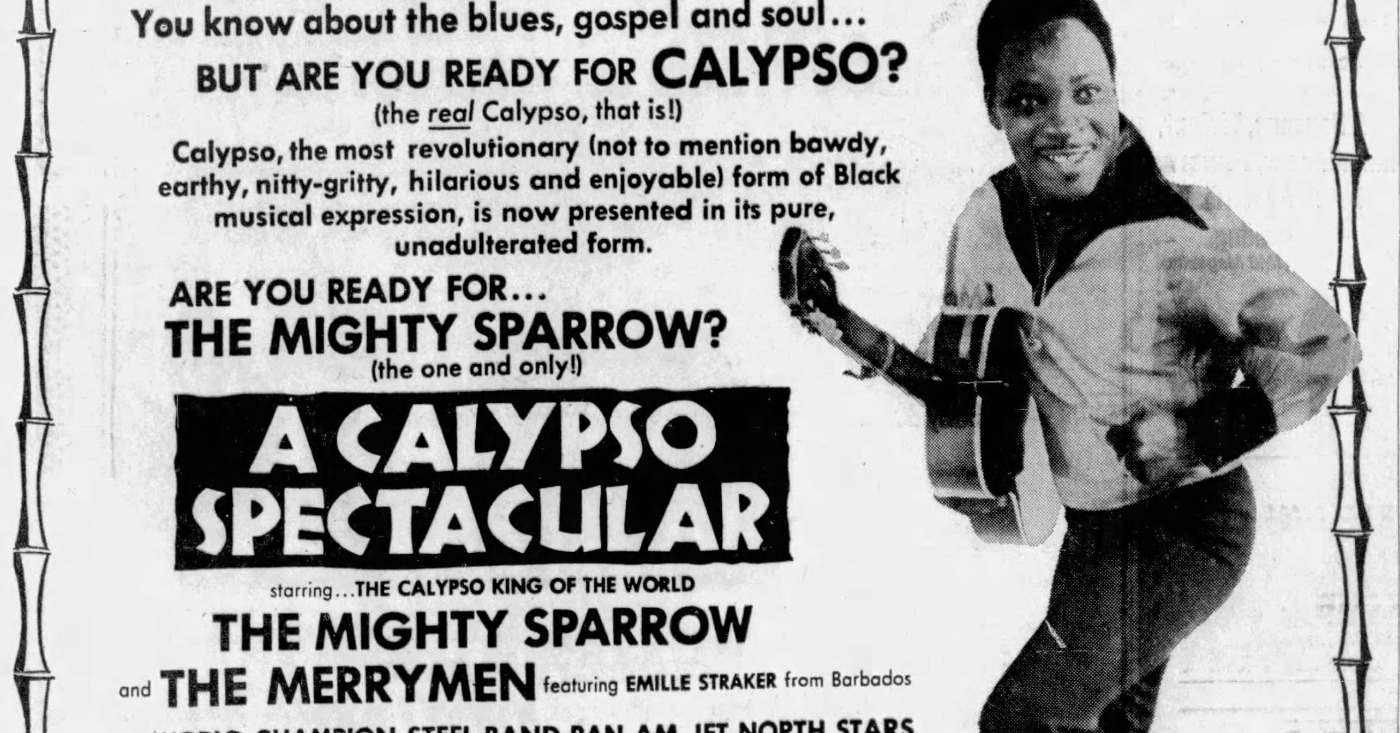
NEW YORK — For anyone raised in the Caribbean, or in a Brooklyn, Bronx, or Queens household where the radio stayed tuned to home, there was never a time without the Mighty Sparrow. His voice was simply part of the furniture of our lives: at Carnival, at weddings, at Sunday lunch, in the car on the way to JFK. On Sunday, that voice went quiet.
Slinger Francisco, known to the world as the Mighty Sparrow, died Sunday, September 27, in New York. He was 91. His family said he passed peacefully after a brief illness, with loved ones at his bedside.
He was born in Grand Roy, Grenada, in 1935, and was still a small child when his family moved to Trinidad. Port of Spain made him. Its yards, its rum shops and its calypso tents gave him his rhythm and his sharp tongue. He sang in a church choir as a boy, but the city had a louder music, and by his late teens he was performing under the name that would become a title.
The breakthrough came in 1956 with “Jean and Dinah,” his mischievous farewell to the American servicemen leaving Trinidad after the war years. The song swept Carnival, winning him both the Road March and the Calypso King crown. It introduced a young performer who could be funny and fearless at once, who could make an entire nation laugh at itself and then think hard about what it had just laughed at.
He was fearless offstage too. A year after that first crown, he refused to compete over the paltry prize money offered to calypsonians, a stand that helped push the art form toward the respect and the pay its practitioners deserved.
Over six decades, he recorded hundreds of songs. He could turn a love story, a boast or a bit of bedroom comedy into a hit, but he was just as formidable when the subject was power. “Dan Is the Man in the Van” took apart a colonial schooling that taught Caribbean children nonsense about themselves. “Congo Man,” “Mr. Walker,” “The Lizard” and “Both of Them” became standards sung by people who had never set foot in a calypso tent. Long before anyone printed it on a poster, audiences had already crowned him the Calypso King of the World.
For New York’s Caribbean community, Sparrow was never just a visiting star. He made this city his home for many years and played its biggest rooms, including Madison Square Garden, before crowds of immigrants who heard in his voice the islands they had left behind. A Sparrow show here was less a concert than a homecoming.
Trinidad and Tobago honored him with the Trinity Cross, then its highest national award, and generations of calypsonians and soca artists have named him as the standard they measured themselves against. Fans called him “Birdie,” and the affection in that nickname said everything.
Tributes are already pouring in from across the region and the diaspora, and they will keep coming for weeks. But perhaps the truest tribute is the simplest one: somewhere tonight, in Port of Spain, St. George’s, Flatbush and beyond, someone is putting on a Sparrow record, turning it up, and singing along.
Based on reporting by New York Carib News.
Black History
Rulings Leave Questions Lingering in Nolan Wells Case
CHICAGO CRUSADER — The Crusader’s ongoing “Lynchings By Suicide” investigation began after Demartravion “Trey” Reed, a 21-year-old Delta State University student, was found hanging from a tree on the Cleveland, Miss., campus on Sept. 15, 2025. The state medical examiner ruled Reed’s death a suicide within days, a finding his family continues to dispute.
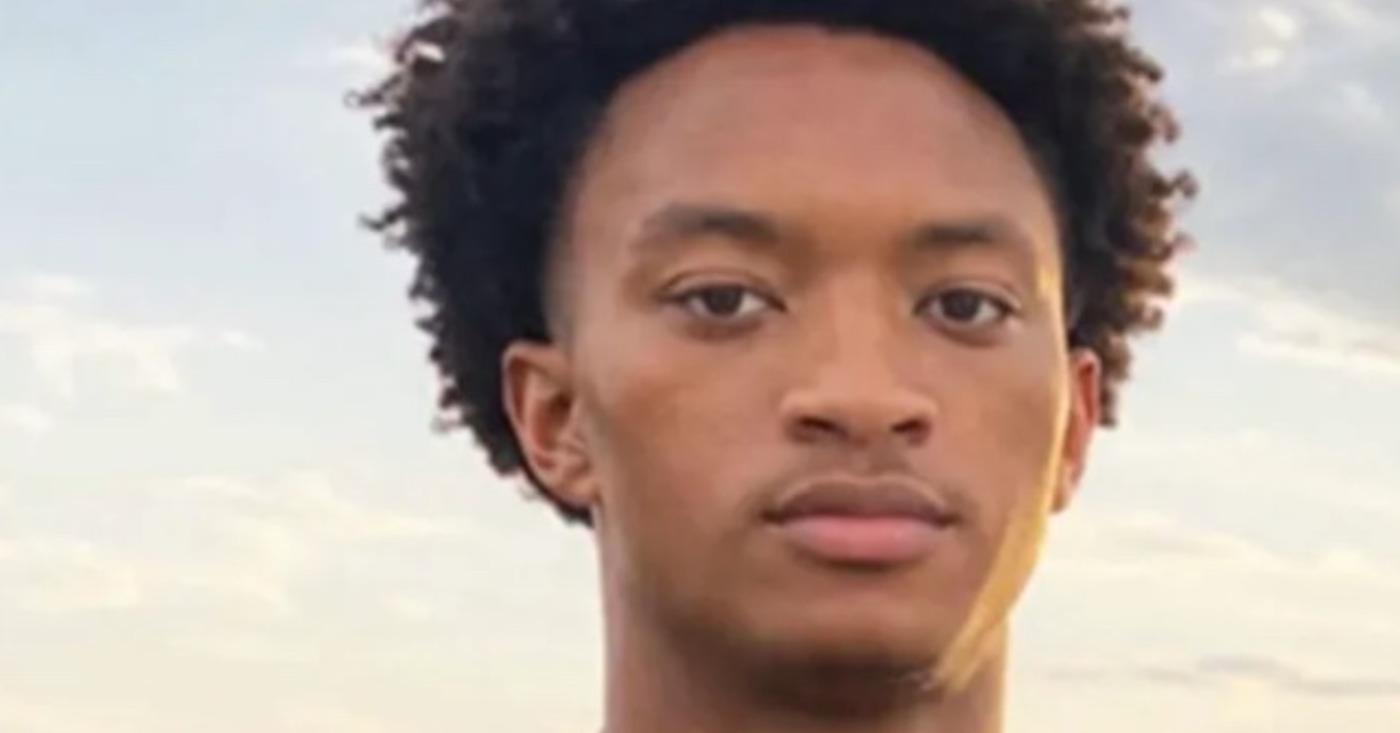
A grand jury declines charges in the Nolan Wells case, a Jackson man pleads not guilty in Tasia Fortune’s hanging death, and a Maryland suicide ruling lands on raw nerves.
A Mississippi grand jury has declined to charge anyone in the death of Nolan Xavier Wells, the 18-year-old Black college football player who disappeared during a July Fourth boat trip with a group of white friends and was found dead two days later off Horn Island. His parents rejected the decision on Sept. 22, telling reporters they do not believe their son simply drowned and vowing to keep fighting for answers.
The grand jury’s report was made public late on Sept. 21, the same week a Jackson man pleaded not guilty to murder in the hanging death of Tasia Fortune and Maryland officials ruled that a Black man found hanging from a tree in Prince George’s County died by suicide.
All three cases now join the Crusader’s ongoing “Lynchings By Suicide” investigation, which began after Demartravion “Trey” Reed, a 21-year-old Delta State University student, was found hanging from a tree on the Cleveland, Miss., campus on Sept. 15, 2025. The state medical examiner ruled Reed’s death a suicide within days, a finding his family continues to dispute.
Nolan Wells: ‘We’ll Never Stop’
Wells, a wide receiver at Southwest Mississippi Community College, went to Horn Island, a barrier island reachable only by boat, with high school friends on July 4. When the group returned to the mainland that afternoon, Wells was not with them. A park ranger found his body in the water off the island on July 6.
Investigators have long said Wells chose to stay behind. His family never believed it, and an independent autopsy that attorney Ben Crump released in July at the NAACP National Convention in Chicago found an unexplained area of discoloration at the back of Wells’ head and ruled the cause of death undetermined.
The grand jury, which heard from 43 witnesses, found Wells’ death “consistent with drowning.” Jackson County District Attorney Angel Myers McIlrath said there is “absolutely no evidence” that race played a role, according to NBC News. The state medical examiner, however, also ruled the cause and manner of death undetermined.
“Elmore and I do not believe that Nolan simply and accidentally drowned,” Christine Wonsley, Wells’ mother, said, according to CNN. His father, Elmore Wonsley, reminded supporters that his son is “not a hashtag, he’s our son.”
Crump said the district attorney wants the public to accept “We’ll never know,” while the family answers, “We’ll never stop.” The family is asking the U.S. Department of Justice to investigate and demanding release of the full case file and the state’s autopsy report. Mississippi has no statute of limitations on homicide.
Tasia Fortune: An Arrest, Not an Ending
Fortune, a 29-year-old mother of four, was found Aug. 3 hanging from a tree behind a vacant house on Road of Remembrance in west Jackson. From the start, her family insisted she did not take her own life.
After the state medical examiner ruled her death a homicide on Sept.10, Jackson police arrested Jarques “Jock” Ratliff, 51, the next day as he walked along Capitol Street and charged him with murder. Ratliff is African American, as was Fortune, according to Mississippi Today. Police said the two knew each other but have not said how.
Ratliff pleaded not guilty on Sept. 14 and was denied bond as a flight risk. His attorney, Toney Baldwin, called him “a pillar of the community” and said his client made no confession.
Jackson Police Chief RaShall Brackney called the arrest “not the conclusion” and said more arrests are expected. “We understand this case is being viewed through a broader lens, a global lens,” Brackney said, according to ABC News.
Christy Spivey, Fortune’s mother, said that when police told her about the arrest, “I just started crying and told them ‘thank you, thank you, thank you.’”
Activists want more. Byron Brumfield of Medgar Evers Reloaded: A Mission and a Movement said Ratliff “should be charged with a hate crime also, just like anybody else,” according to WLOX. Ward 3 Jackson City Councilman Kenneth Stokes has asked U.S. Attorney Baxter Kruger’s office for federal assistance.
Prince George’s County: A Ruling in Hours
In Upper Marlboro, Md., a Black man was found hanging from a tree outside a business on D’Arcy Road on the morning of Sept. 20. Within hours, the state medical examiner ruled his death a suicide with no other signs of trauma. He has not been publicly identified.
Police Chief George Nader said the man’s family agrees with the ruling. Relatives asked that his name be withheld and said the public attention had made his death “more unbearable,” according to the Maryland Daily Record.
County Executive Aisha Braveboy urged residents not to share images or spread speculation online. “This is a tragedy. A person is dead,” Braveboy said, according to WUSA9.
A Pattern the Crusader HasTracked
Mississippi is where Emmett Till, a 14-year-old Chicago boy, was abducted and murdered in 1955, and where Mack Charles Parker was dragged from a Poplarville jail and lynched in 1959.
In February, JULIAN, the civil rights organization founded by attorney Jill Collen Jefferson, released “A Crimson Record,” a report documenting more than 70 suspected modern-day lynchings across seven Southern states since 2000. The report calls the federal Emmett Till Anti-Lynching Act, signed in 2022, “toothless.”
The Wells family is pressing for a federal investigation. Jackson police have promised more arrests in Fortune’s killing, and activists are calling for hate crime charges. More than a year after Trey Reed was found on the Delta State campus, his family is still waiting on answers of its own.
Across these cases, families and advocates have made the same demand: release the grand jury findings, the autopsy reports and the evidence behind every ruling.
Based on reporting by Chicago Crusader.
Black History
IN MEMORIAM: The Rev. Leon “Sonny” Clark, Longtime Orange County Pastor and Community Leader, Dies at 72
Rev. Leon William “Sonny” Clark, the longtime pastor of New Spirit Baptist Church in Santa Ana and a prominent faith and community leader in Orange County, passed away on September 9 at the age of 72. Born in Bennettsville, South Carolina, Clark was a U.S. Navy veteran who dedicated his life to service. He served various Southern California churches before leading New Spirit Baptist Church for over 22 years, extending his work into counseling, mentoring, and civic engagement, and supporting the African American community. To learn more about his life and contributions, read more.

Rev. Leon William “Sonny” Clark, longtime pastor of New Spirit Baptist Church in Santa Ana and a respected faith and community leader in Orange County, died Sept. 9. He was 72.
Born Oct. 2, 1953, in Bennettsville, South Carolina, Clark was a U.S. Navy veteran who later built a life of service centered on family, faith, ministry, and community.
Clark began his formal ministry at Metropolitan Baptist Church in Altadena in 1978. After acknowledging his call to ministry in 1980, he preached his first sermon and went on to serve churches throughout Southern California, including Second Baptist Church in Riverside, Mount Vernon Baptist Church in Rubidoux, Antioch Missionary Baptist Church in Pomona, and Friendship Baptist Church in Yorba Linda.
In November 2003, Clark was called to lead New Spirit Baptist Church in Santa Ana, where he served as pastor for more than 22 years. His work extended beyond the pulpit through counseling, mentoring, civic engagement, and efforts to strengthen Orange County’s African American community.
Clark served on the Orange County Heritage Council and supported efforts to preserve and celebrate African American history and culture. He helped organize the Orange County Black History Parade and Unity Festival, served on the Interfaith Committee and the Orange County Transit Authority, and served as president of the Orange County Ministers Conference.
In 2024, the City of Santa Ana recognized Clark for his contributions to the community. He also received the Orange County Southern Baptist Association Hall of Faith Award and was previously honored as Pastor of the Year by the Orange County Heritage Council.
Clark is survived by his wife, Andrea Joyles Clark; six children, Shawn Williams, Le Ondra Clark Harvey, Kyla Coward, Joshua Clark, Marissa Clark and Ashley Clark; grandchildren and great-grandchildren; siblings; extended family; and the New Spirit Baptist Church congregation.
A wake will be held Thursday, Oct. 1, from 4 to 8 p.m. at New Spirit Baptist Church, 701 S. Sullivan St. in Santa Ana, with a remembrance service from 5 to 6:30 p.m.
A Celebration of Life will be held Friday, Oct. 2, at Friendship Baptist Church, 17145 Bastanchury Road in Yorba Linda. Viewing begins at noon, followed by the service at 1 p.m.
Burial will take place Monday, Oct. 5, at 10:15 a.m. at Riverside National Cemetery.
Clark often shared a guiding principle that shaped his ministry: “Start where you are. Use what you have. Do what you can.”
Black History
Remembering Chauncey Bailey as Student Journalists Face Threats to Truth-Telling
Nearly two decades ago, Oakland Post reporter and editor-in-chief Chauncey Bailey was tragically murdered for investigating a crooked business. His assassination shocked the journalism world and is remembered as student journalists today face increasing threats and censorship. A former classmate of Bailey and chair of the Student Press Law Center notes a significant rise in calls from students seeking legal advice amid a hostile environment. This situation highlights the importance of protecting young journalists and their pursuit of truth. Read more to learn about Bailey’s legacy and current challenges facing student press.
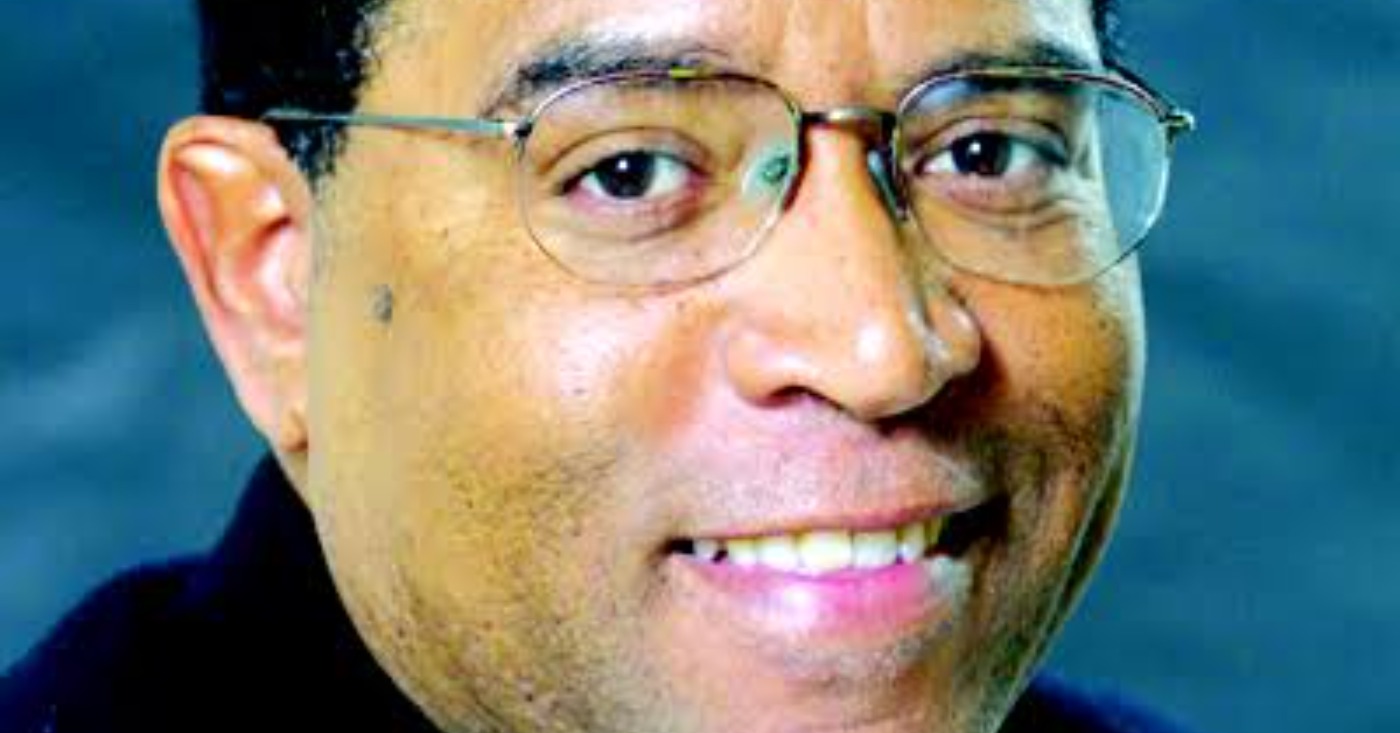
It is nearly 20 years since Chauncey Bailey, a crusading journalist, was murdered
on an Oakland street corner, gunned down to prevent him from writing stories about a
crooked business.
I hope people remember Bailey, a reporter and editor-in-chief for the
Oakland Post, the city’s Black newspaper. He had already written several articles about
the problems of a business called Your Muslim Bakery and was working on another
when the bakery’s owner ordered an employee to kill Bailey.
His murder shocked the journalism world that found the idea of an American
reporter killed for doing his job unfathomable. For me, the shock and sadness were also
personal.
I knew Bailey. In the mid-1970s we were classmates in the Michelle Clark Memorial
Foundation program, the precursor to the Institute for Journalism Education Summer
Program. A program, backed by the Ford Foundation, that provided intensive training
for fledgling minority journalism students and then placed them in jobs at newspapers
and television stations.
I’m reminded of Bailey and that program when I visit the East Bay at the end of
September to discuss the future of student journalism. To me, the visit will not only
evoke memories of Bailey. It will also be an opportunity to hone strategies to protect and
support student journalists who are under attack today, maybe not in the way that took away Chauncey Bailey, but an attack, nonetheless.
Spurred by the hostility toward the free press emanating out of Washington, high
school and college journalists are facing a barrage of censorship and harassment from
school administrators and local officials.
The 24-hour hotline staffed by the Student Press Law Center (SPLC), the non-profit I chair, has seen a 35% increase in calls from student journalists seeking legal advice on censorship, libel and copyright issues during the past two years, as well as a tripling in the number of complaints of harassment, including threats of firing, of faculty advisors.
I am not suggesting today’s national climate is as dangerous as the murderous
intentions of Yusef Bey IV, the man who ordered Bailey’s assassination. But the
harassment of student journalists does kill something else. It can destroy the desire of
student journalists to continue their growth to become professional news gatherers and
producers – something the country will always need.
It is that professional maturation that I’m reminded of when I think back on Chauncey
Bailey.
Truth be told, when we were classmates back in 1974 Bailey was the class clown,
known more for his sardonic wit than his writing or reporting talent. I have vivid
memories of Bailey sitting at his desk in the back of the room regaling us with sarcastic
comments. Sure, he was funny.
And he didn’t exhibit the level of reporting skills of our other classmates such as Milton Coleman who went on to be the Deputy Managing Editor of the Washington Post or Alexis Scott who for years has run the Atlanta Daily World.
After a series of reporting jobs in Hartford, Connecticut, Detroit, Michigan, and Oakland, Bailey had risen in talent and skill to helm this very newspaper. A tip from a source led Bailey to look into the possibility that Bey was running Your Muslim Bakery into bankruptcy. Word that Bailey was working on that story filtered back to Bey who ordered the journalist killed.
On August 2, 2007, Bailey was shot three times at point-blank range as he walked to work.
So, when I think of my trip to the East Bay my thoughts go to journalism’s past
represented by Chauncey Bailey’s sacrifice and what the staff and the board of SPLC
can do to secure the current and future work of student journalists.
Steven A. Holmes is a former Pulitzer Prize-winning journalist. His novel “Black Messiahs” was published in May this year.


Together Building Back Better

Homecoming Ends in Gunfire Outside FAMU: 12 Hurt, Six of Them Children
COMMENTARY: Bring on the Positive Calvary

Retirement Triggers Doctor to Pen Book for Young Audience

Fatigue, Bloating, and Inflammation: Spotting the Subtle Signs of MASLD

Metro Detroit Faith Leaders Call out Islamophobia in Michigan Senate Race

Dallas Trinity FC Signs Kaiya Brewer to Academy Contract

Dallas Mavericks Unite Players, Legends and the Oak Cliff Community at 2026 Community Tip-Off

Brooklyn Roots and Artistic Genius

NCCU Snap Three – Game Losing Streak with Win over Delaware State University

OP-ED: Haiti TPS: Have We Lost Sense of Humanity?

Remembering Chauncey Bailey as Student Journalists Face Threats to Truth-Telling

All Skinfolk Ain’t Kinfolk

Poll: Becerra Widens His Lead Over Hilton; Californians Split on Wealth Tax

Rulings Leave Questions Lingering in Nolan Wells Case

Latinas Deserve Equal Pay. Unions Help Make It Happen.

Why Black Artists Struggle to Sell Tours

COMMENTARY: The Audacity of Joyce Beatty

Zakiya Jendayi Arrested, Locked Out of Home by Sheriff’s Deputies

A $2.1 Trillion Wellness Industry Never Built a Daily Practice for Black Children. So This Atlanta Family Did.

East Side Shoutout! Sports Talk & Guest Invite! #shorts

Black Girl Walk in the Rain at George Floyd Square | Protect Your Peace | MSR

Stop Overpaying for Car Insurance: Compare 3–5 Quotes #shorts

A $50K SUV Becomes $66K—Are the Options Worth It? #shorts

Dr. Charles Drew – Blood Banking and Preservation

15 Years Together: The Surprising Joy of Discovering Your Partner #shorts

Wala Blegay on the Future of Energy Grid Stability and Data Center Concerns

Gopher Football: Can They Rekindle 2019 Magic Or Are They Just Average? #shorts

The Conversation with Al McFarlane (10/27)

Citizen Savings Bank: Oldest Black-Owned Bank in US #shorts
-

 Featured1 week ago
Tamiko Armstead | 2026 Lifetime Achiever in Education
-

 Black History1 week ago
OP-ED: The Black Church Writes AI’s Next Chapter
-
 Black History1 week ago
Practitioners of African Traditional Spirituality Offer Ancestral Reverence Ritual Oct. 31
-
 Art1 week ago
Kickstarter CEO Everette Taylor Shares Tips on Creating and Growing a Business
-

 Black History1 week ago
Columbus’s Oldest Businesses Still Open: 10 That Have Lasted 75+ Years
-
 Black History1 week ago
COMMENTARY: BIG MAMA SAID: Don’t Throw Away the Gift Just Because It Came Wrapped Wrong
